

Key Takeaways
- First insight: Godzilla Minus Zero is a worthy sequel that leans into emotional drama over pure spectacle, though it doesn’t quite match the miraculous highs of its predecessor.
- Craft highlight: The returning cast, led by Ryunosuke Kamiki, delivers performances that ground the VFX-heavy action in real human stakes, a rarity in modern blockbusters.
- Industry context: With a modest $20 million budget, this film proves that Japanese studios can compete with Hollywood’s biggest monster movies on craft and storytelling alone.
- Bottom line: If you loved the first film, you’ll find plenty to admire here. It’s a dramatic, gut-wrenching spectacle that deserves the big screen.
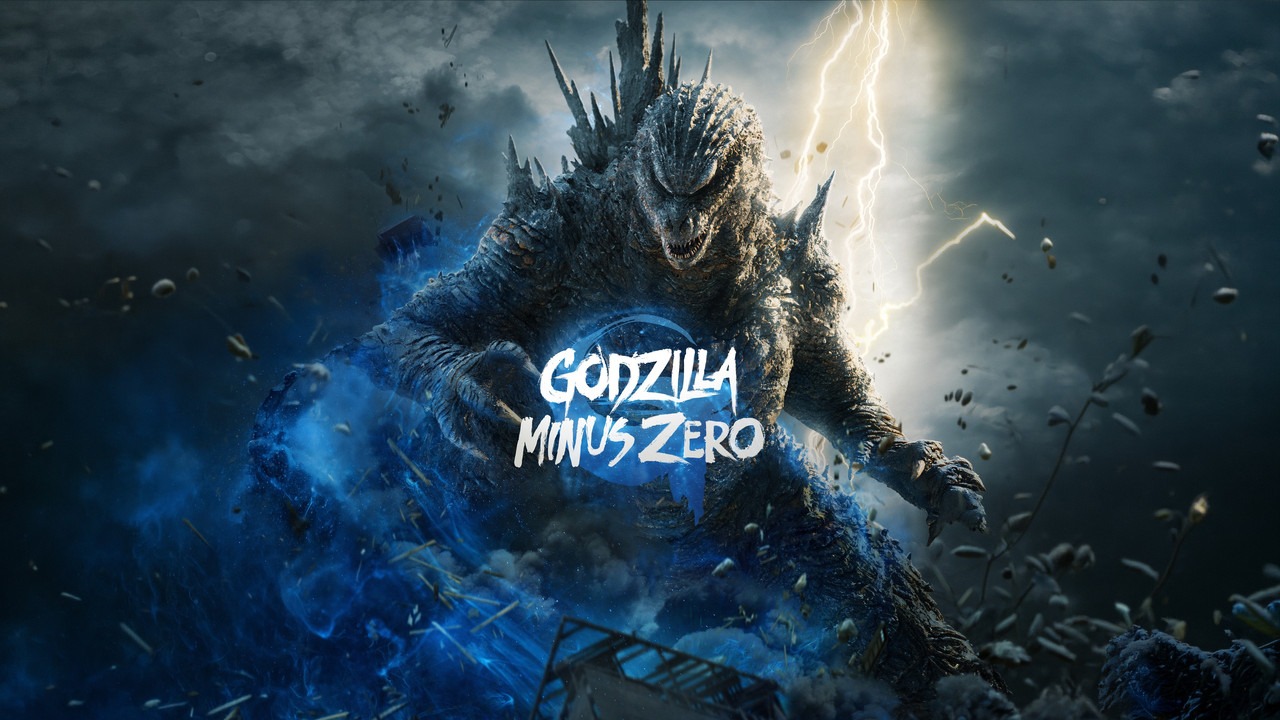
Godzilla Minus Zero review: the sequel to Takashi Yamazaki’s Oscar-winning phenomenon arrives with a 3.5/5 score, and after seeing it in Bangkok on the big screen, I understand why it lands slightly below its predecessor while still delivering a powerful punch. This isn’t just another kaiju battle. It’s a war-time melodrama about guilt, heroism, and the scars that never heal.
Need a Director for Your Next Project?
From commercials to branded campaigns—Olivier brings creative vision and technical expertise.
→ View Projects
Godzilla Minus Zero — By the Numbers
Takashi Yamazaki
2026-11-03
135 minutes
Science Fiction / Horror / Action
$20 million
TOHO · Robot Communications · TOHO Studios
There is no third time. Everything ends here.
Does the Sequel Still Have Bite?
The short answer is yes, but with caveats. Godzilla Minus Zero doesn’t reach the miraculous highs of the first film, yet the old boy still has plenty of bite. That’s the consensus from critics, and it matches what I felt walking out of the cinema in Bangkok.
The film picks up after the events of the first installment, once again set in post-war Japan. The survivors of Godzilla’s previous rampage are terrorized again, and this time the beast faces a new foe. The setup is familiar, but Yamazaki’s direction keeps the tension tight.
What struck me immediately was the art direction and production design. They’ve outdone themselves. The post-war Japanese streets, the rubble, the desperation. It all feels lived-in and authentic. You can almost smell the ash and burning wood.
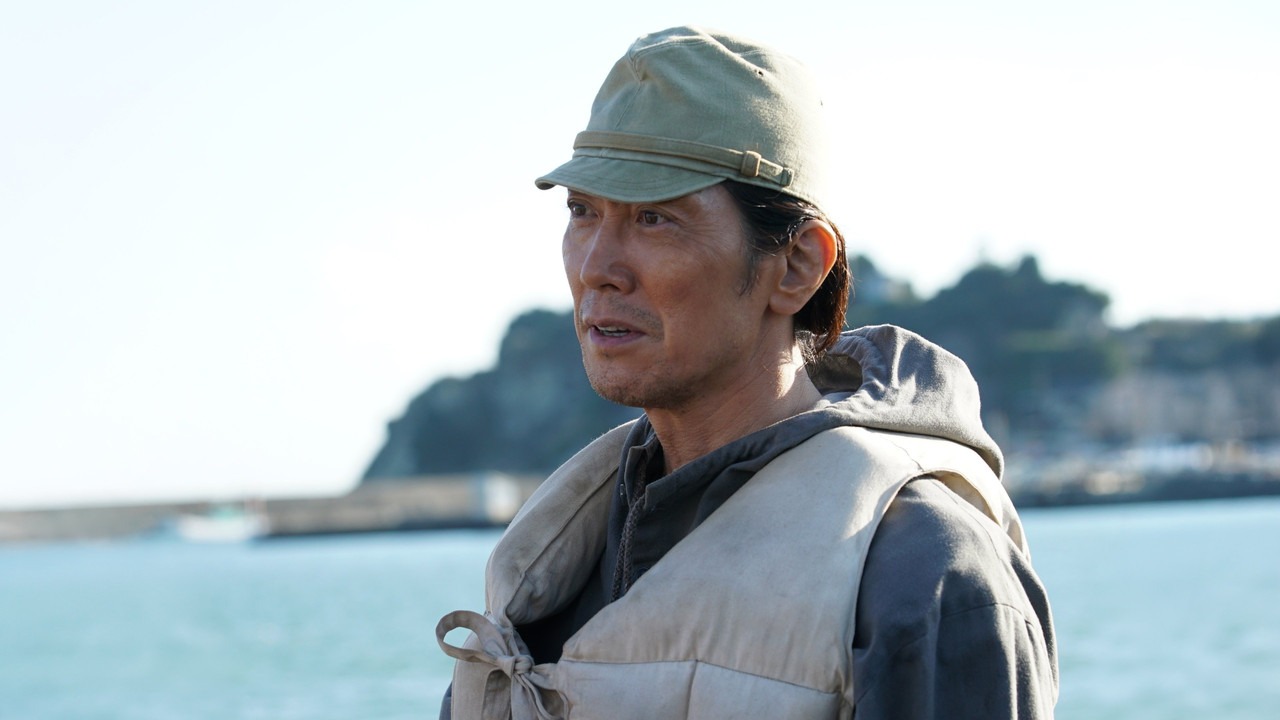
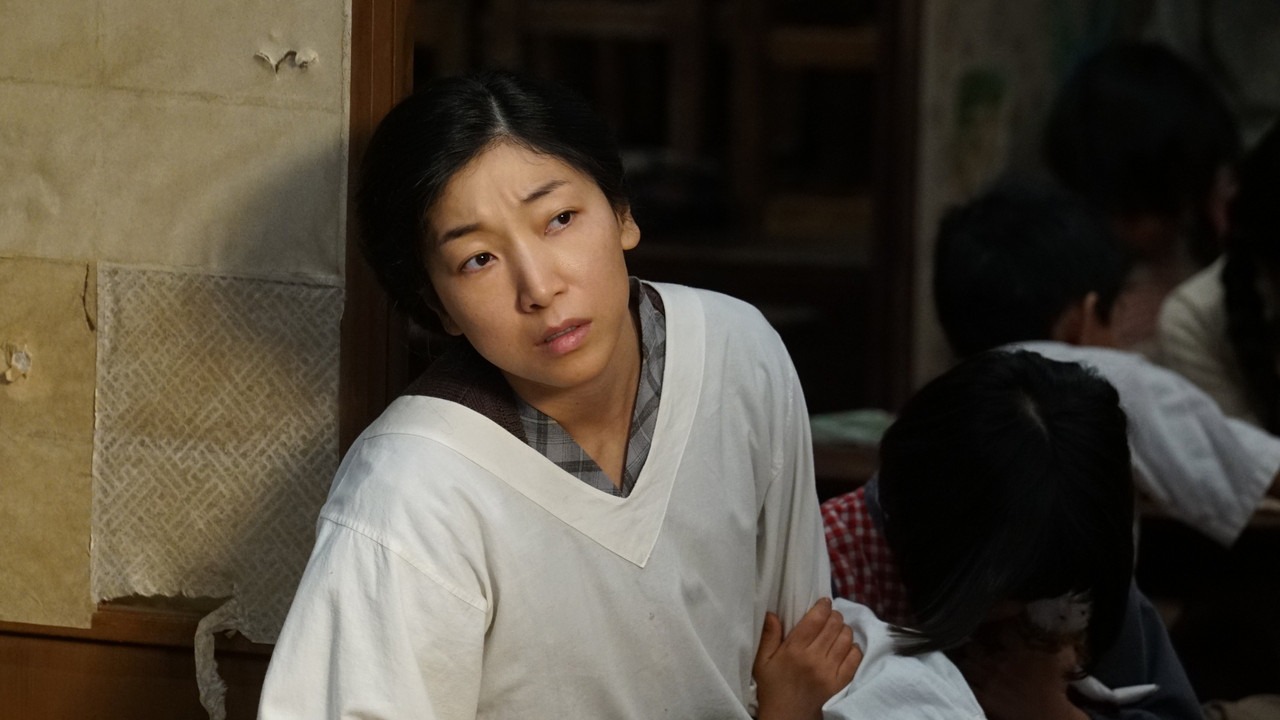
The acting is another highlight. Ryunosuke Kamiki returns and delivers a performance that anchors the chaos. Minami Hamabe, Yuki Yamada, Kuranosuke Sasaki, and Jun Kunimura round out a cast that feels like a family rather than a collection of actors reading lines.
I saw this in a packed theater in Bangkok, and the audience was audibly moved at several points. That’s rare for a monster movie. People weren’t just watching explosions. They were invested in the people on screen.
Why the Drama Matters More Than the Monster
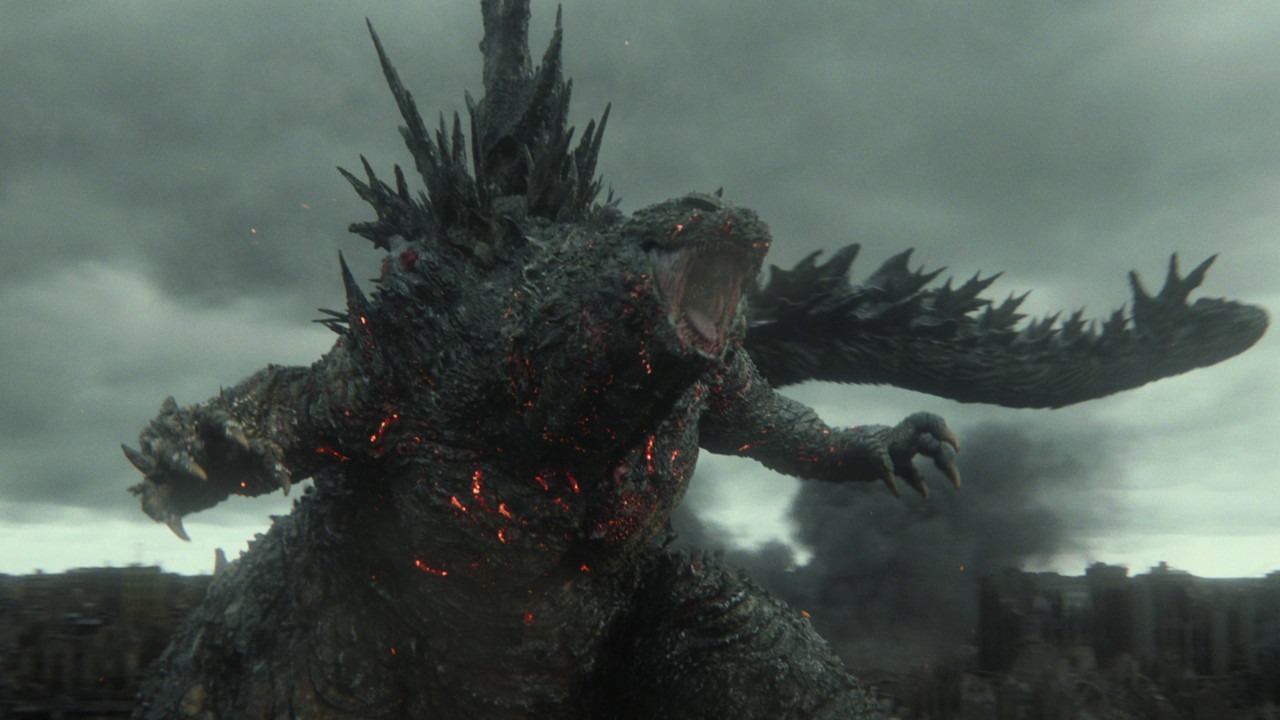
Here’s the thing about Godzilla Minus Zero that sets it apart from most blockbusters: the drama is the main event, and the monster is the catalyst. The film is structured like a war-time melodrama about guilt and heroism, about humankind’s tendencies for terrible mistakes and the desperate need for redemption.
This isn’t a new observation. Critics have noted that the film is “first and foremost still a war-time melodrama about guilt and heroism.” The monster attacks are almost secondary to the human cost. That’s a bold choice for a franchise film, and it pays off emotionally.
There were moments where I felt genuine dread, not because of what Godzilla might do, but because of what the characters might lose. That’s the mark of a director who understands that spectacle only works when you care about the people being spectacularly threatened.
I’ve spent two decades directing commercials, music videos, and brand films. In my experience, the biggest mistake in action-heavy work is forgetting that the audience needs a reason to care before you blow things up. Yamazaki never forgets that. Every explosion is earned by the emotional groundwork laid before it.
The film balances three genres: drama, blockbuster, and monster movie. It sounds like a mess on paper, but on screen it works because each element serves the others. The drama gives the monster scenes weight. The monster scenes give the drama stakes.
The VFX That Won an Oscar, Now Pushed Further
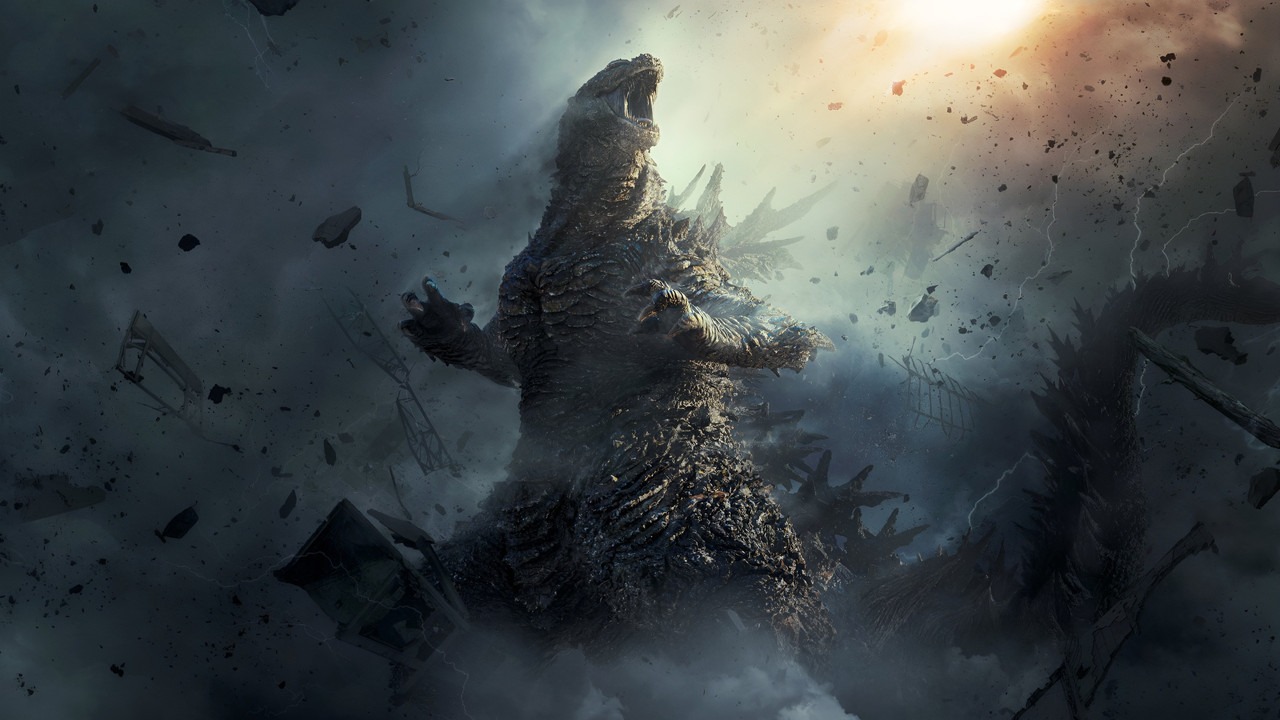
That’s not hyperbole. The VFX were so stellar that the Academy recognized them. For the sequel, Yamazaki and his team had to push further, and they largely succeed.
What impresses me most is the restraint. The CGI isn’t used to show off. It’s used to serve the story. Godzilla moves with weight and purpose. The destruction feels physical, not like a video game cutscene.
🎬 AI Render Pro Studio, the AI film production suite I built and use on my own productions. Script breakdown, storyboards, 30+ video models including Seedance 2.5 and Kling O3, image generation, retouch, 7K upscaling and audio, all in one browser workspace. $19/month flat, bring your own API keys and pay providers at cost, no credit packs, no markup. Try AI Render Pro Studio →
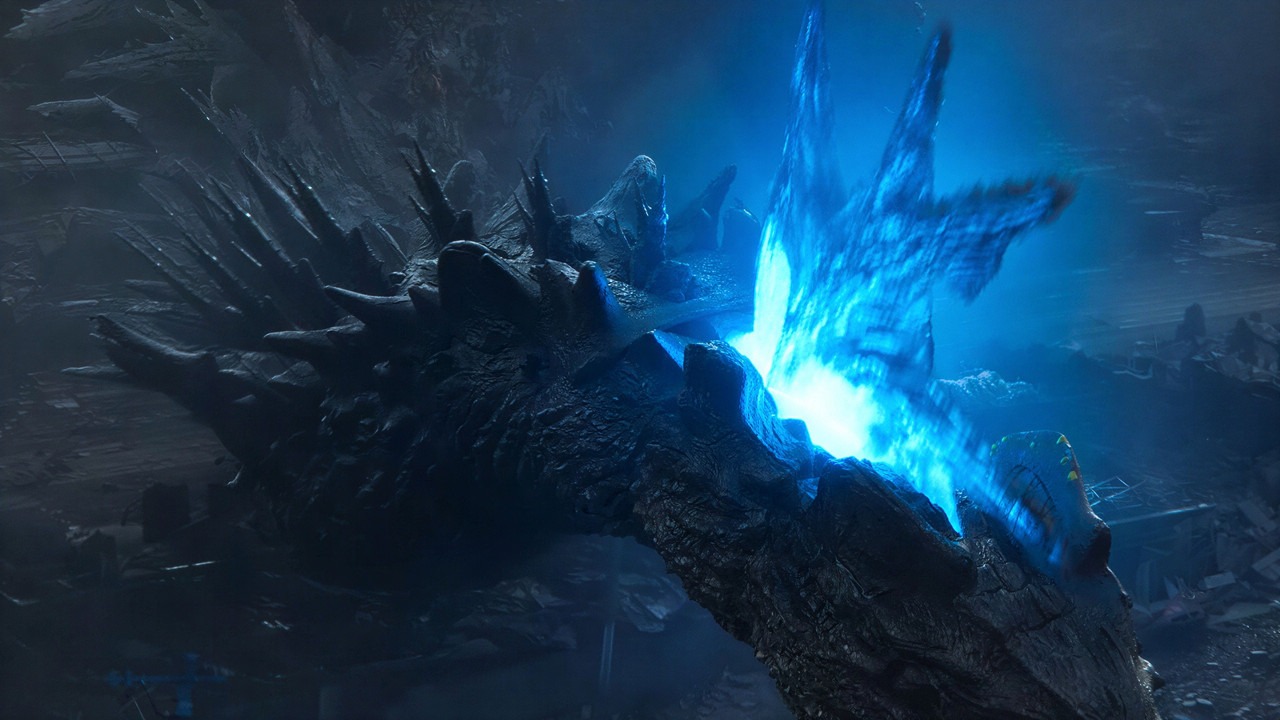
There’s a tactile quality to the effects that’s missing from many Hollywood productions. You can feel the heat of the atomic breath, the tremors of the footsteps. It’s the kind of work that comes from a team that respects the craft rather than rushing to a deadline.
I noticed the lighting especially. In post-war Japan, the palette is muted, gray, and overcast. The VFX team matched the monster to that palette perfectly. Godzilla doesn’t look like a bright CGI creation pasted onto a dark scene. He looks like he belongs in that world.
This is where the $20 million budget becomes a lesson. Hollywood spends ten times that on effects that look worse. The difference isn’t money. It’s taste, time, and a clear vision.
The Child Actress Who Steals Every Scene
I have to give a special shout-out to the little actress who plays the daughter of the protagonist. I was genuinely amazed by her talent. Child actors can be hit or miss, but she delivers a performance that would be impressive from an adult.
Her scenes are the emotional anchors of the film. When she’s on screen, the tension ratchets up because you know the stakes are personal. She’s not just a plot device. She’s a fully realized character with fears, hopes, and a relationship with her father that feels real.
This is something I notice as a director. Working with children requires patience and a specific approach. You can’t just give them directions. You have to create an environment where they feel safe enough to be vulnerable. Yamazaki clearly did that, and the result shows on screen.
The father-daughter dynamic is the heart of the film. It’s what makes the monster attacks feel like more than just spectacle. When Godzilla threatens the city, you’re not thinking about the destruction. You’re thinking about whether this family will survive.
It’s a risky choice to hang a blockbuster on a child’s performance, but it works here. She carries the emotional weight without ever feeling saccharine or forced.
A Japanese Blockbuster Done Right
It’s refreshing to see a big Japanese spectacle blockbuster back on the screen. For years, this type of movie was rare. Japan has the talent, the technology, and the stories, but the industry often played it safe with smaller productions. Godzilla Minus Zero changes that equation.
The film proves that Japanese studios can compete with Hollywood on their own terms. They don’t need to imitate American blockbusters. They bring their own sensibility, their own pacing, their own approach to drama and spectacle.
What makes this particularly noteworthy is the cultural specificity. This is a story that could only be told by a Japanese filmmaker. The post-war setting, the trauma of Hiroshima and Nagasaki, the collective guilt and resilience. These aren’t universal tropes. They’re deeply rooted in Japanese history.
As someone who runs a production studio in Bangkok, I know how hard it is to compete with Hollywood’s marketing machine. But films like this remind me that authenticity and craft can win over audiences who are tired of formulaic blockbusters.
The film doesn’t feel like a Hollywood product wearing a Japanese mask. It feels genuinely Japanese, unapologetically so. That’s its strength, and it’s why audiences around the world are responding to it.
What a $20 Million Budget Teaches Hollywood
Let’s talk about the budget. Godzilla Minus Zero was made for $20 million. That’s a fraction of what Hollywood spends on similar films. The latest American Godzilla movies cost anywhere from $150 million to $200 million. This film achieves more with less.
How? It comes down to priorities. Yamazaki spent money where it mattered: on the script, the actors, and the key VFX shots. He didn’t waste resources on unnecessary spectacle or bloated marketing campaigns.
The result is a film that looks expensive but feels intimate. The scale is there when it needs to be, but the camera never lingers on destruction just for the sake of it. Every shot serves the story.
I’ve seen this pattern in my own work. When you have limited resources, you’re forced to make creative choices. Those choices often lead to better results than having unlimited money and no constraints. Scarcity breeds creativity.
Hollywood could learn a lot from this approach. Audiences are tired of bloated, overstuffed blockbusters that cost $200 million and deliver nothing but noise. Films like this show that you can make a spectacle with heart and soul without breaking the bank.
Hiroshima, Nagasaki, and the Ghosts of War
The film doesn’t shy away from Japan’s real traumas. Like many catastrophic Japanese films, it hints at the major turmoils the nation faced, particularly the Hiroshima and Nagasaki bombings. This isn’t just background flavor. It’s the thematic core.
Godzilla has always been a metaphor for nuclear destruction, but this sequel makes that metaphor explicit. The post-war setting is a constant reminder of what Japan endured. The characters carry the weight of that history in their faces, their homes, their daily struggles.
What impressed me is how the film handles this material. It doesn’t preach or lecture. It shows. The destruction caused by Godzilla echoes the destruction of the bombings, but the film never draws a direct line. It trusts the audience to make the connection.
This is what elevates the film beyond a simple monster movie. It’s a meditation on survival, on rebuilding after catastrophe, on the human capacity for both destruction and resilience. Those themes resonate beyond Japan, beyond Godzilla fans, beyond genre cinema.
The emotional turns during the film are dramatic and frequent. Just when you think the characters have caught a break, something else goes wrong. It’s exhausting in the best way, because it mirrors the reality of post-war life.
Why the 8.1 IMDb Score Is Justified
As of today, Godzilla Minus Zero holds an 8.1 rating on IMDb. That’s remarkably high for a genre film, and it’s justified. The film delivers on multiple levels: story, performance, visuals, and emotional impact.
For comparison, the first film also scored in the high 8s. This sequel is slightly below that, which matches the critical consensus. It doesn’t quite reach the miraculous highs of its predecessor, but it’s still a strong entry in the franchise.
The IMDb score reflects what audiences are feeling. This isn’t a film that only critics appreciate. Regular viewers are connecting with it emotionally, and that’s reflected in the ratings.
I checked the reviews before writing this, and the pattern is consistent. People are praising the emotional gut-punch, the returning cast, and the compelling story. The complaints are mostly about pacing and the fact that it doesn’t top the first film.
Those are fair criticisms. The film is long at 135 minutes, and some scenes could have been tightened. But when the credits rolled, I didn’t feel like I wasted my time. I felt like I’d been through something.
Final Verdict: Who Should See This?
If you’re a fan of Japanese cinema, Godzilla, or spectacle blockbusters with emotional depth, this film is for you. It’s a mix of drama, blockbuster, and monster movie, and it succeeds at all three.
I recommend seeing it on the big screen. I saw it in Bangkok, in a proper cinema, and the experience was immersive. The sound design, the scale of the destruction, the quiet moments between the chaos. All of it works better in a theater.
This is also a film that rewards repeat viewings. The first watch is about the spectacle and the story. The second watch reveals the craft, the subtle performances, the thematic layers you might have missed.
For filmmakers, this is essential viewing. It’s a masterclass in working with a limited budget, in balancing drama and spectacle, in directing child actors, in making VFX serve the story rather than the other way around.
Godzilla Minus Zero doesn’t reinvent the wheel, but it reminds us what the wheel is for. It’s a film about loss, survival, and the bonds that hold us together when everything else falls apart. That’s a message that never gets old.
If you want to see more of my directorial work, you can check out my projects at herodirector.tv. But for now, go see this film. It deserves your attention.
I write my prompts with AI Render Pro, the prompting engine I built for filmmakers and creatives. Read the full breakdown here.
Cast and Crew
Key Crew
- Director: Takashi Yamazaki
- Screenplay: Takashi Yamazaki
- Music: Naoki Sato
- Editor: Ryuji Miyajima
- Production Design: Anri Jojo
Main Cast
- Ryunosuke Kamiki — Koichi Shikishima
- Minami Hamabe — Noriko Oishi
- Yuki Yamada — Shiro Mizushima
- Kuranosuke Sasaki — Seiji Akitsu
- Jun Kunimura — Dr. Ogata
- Miou Tanaka — Captain Tatsuo Hotta
- Sakura Ando — Sumiko Ota
References and Further Reading
- Godzilla Minus Zero on Wikipedia — production details, cast and release history.
- Godzilla Minus Zero on TMDB — cast, crew, budget and box-office data.
- Godzilla Minus Zero on IMDb — full credits and technical specs.
- Takashi Yamazaki on Wikipedia — director background and filmography.
Frequently Asked Questions
Is Godzilla Minus Zero a direct sequel to Godzilla Minus One?
Yes, it follows the events of the first film and continues the story in post-war Japan. The returning cast and setting make it clear that this is a continuation, not a reboot.
Does the film require watching the first movie first?
It helps, but it’s not strictly necessary. The film recaps enough of the previous events to stand alone, though you’ll appreciate the character arcs more if you’ve seen the original.
What is the runtime of Godzilla Minus Zero?
The film runs 135 minutes. It’s a long movie, but the pacing keeps things engaging, and the emotional weight justifies the length.
Who directed Godzilla Minus Zero?
Takashi Yamazaki directed the film and also wrote the screenplay. He also directed the first film, which won an Academy Award for its visual effects.
Is Godzilla Minus Zero appropriate for children?
The film is rated R and contains intense destruction, dramatic themes, and some frightening sequences. It’s not recommended for young children, but older teens may handle it well.
Discover more from Olivier Hero Dressen Blog: Filmmaking & Creative Tech
Subscribe to get the latest posts sent to your email.

Work with Olivier
Director | CD | DP & Photographer
Specializing in commercials, music videos, AI-driven filmmaking, and cinematic storytelling for brands and production companies.
🌍 Shanghai · Paris · Los Angeles · Dubai
🎬 View Portfolio & Get in Touch