

Key Takeaways
- First insight: Clayface is a horror film first, a DC movie second. It earns its 7.5 rating by committing fully to body horror and revenge, not franchise setup.
- Craft highlight: The practical makeup and VFX integration is the standout. At a budget of $44 million, it looks like a $100 million picture because every dollar is on screen.
- Industry context: This is the third film in the new DC Universe, and it deliberately plays as a one-off. No post-credits stingers, no universe-building. That restraint is the reason it works.
- Bottom line: Clayface is a home run. It proves that comic book movies can be cinema first, franchise product second. If every Marvel and DC film took this approach, the genre would be unstoppable.
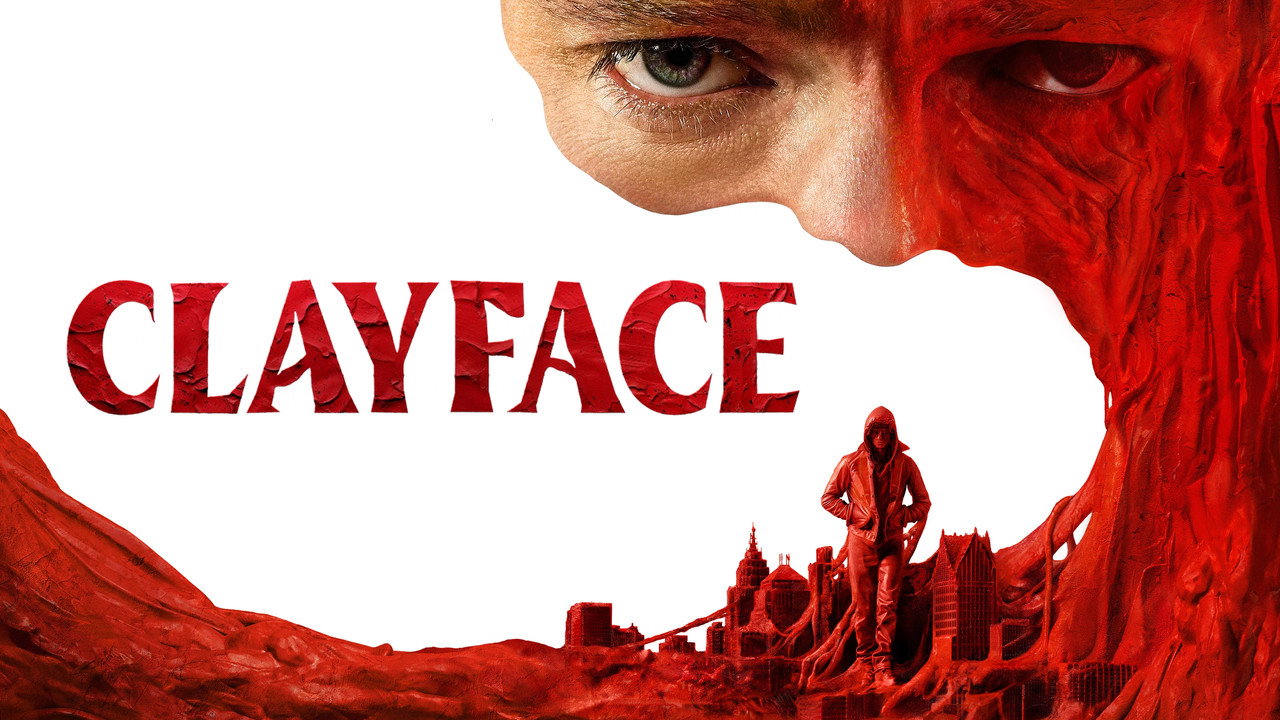
Clayface is a refreshingly twisted revenge tale that feels like no other DC movie you have seen. I saw it yesterday with a group of friends, and we all walked out unanimous. Unanimous in our love for it. It is a thriller. It is horror. It is gore. It is a mix of genres that should not work, but it does. The VFX, the animation, the makeup, the story, the sound, the directing, the acting. Every element clicks. It is a brilliant movie.
Need a Director for Your Next Project?
From commercials to branded campaigns—Olivier brings creative vision and technical expertise.
→ View ProjectsAnd because it is a DC movie, it carries that weight. But it does not look like any other DC movie. It feels like a movie first, not a franchise. Most franchise films feel like a franchise first, and then they made a movie. Clayface flips that. It is a film itself. It is great.
Clayface — By the Numbers
James Watkins
2026-10-19
109 minutes
Horror / Thriller / Science Fiction
$44 million
$109 million
DC Studios · Domain Entertainment · 6th & Idaho Motion Picture Company
Look fear in the face.
What Makes Clayface Different From Every Other DC Movie
Clayface does not care about the DC universe. It cares about its story. That is its greatest strength. It is a horror thriller with science fiction elements. It is also a revenge tale. The protagonist, played by Tom Rhys Harries, is a man undone by his own ambition and by the cruelty of others. The film follows his descent into something monstrous. But it never loses sight of the human being at the center.
The Clayface Wikipedia page describes the character as a classic Batman villain. But this film is not about Batman. It is about Matt Hagen, the man who becomes Clayface. The movie does not waste time with cameos or references. It tells its own story. That is rare for a comic book adaptation. Most of them are burdened by franchise obligations. They have to set up the next film, introduce new characters, or tease a crossover. Clayface refuses to do any of that. It is a self-contained film. You walk in, watch it, and walk out. No homework required.
I place this film alongside the Christopher Nolan take on Batman. Even I do not totally agree with every installment of Nolan’s trilogy. The ninja parts were weird. I was not really into them. But it is still a good adaptation of Batman. Tim Burton is my number one. The first Batman from Tim Burton was a home run. The newest reboot of Batman, the one we are in right now, was great. Clayface aligns with that level of quality. It is a home run. It is a really great movie.
Body Horror That Works: Why the Practical Effects Matter

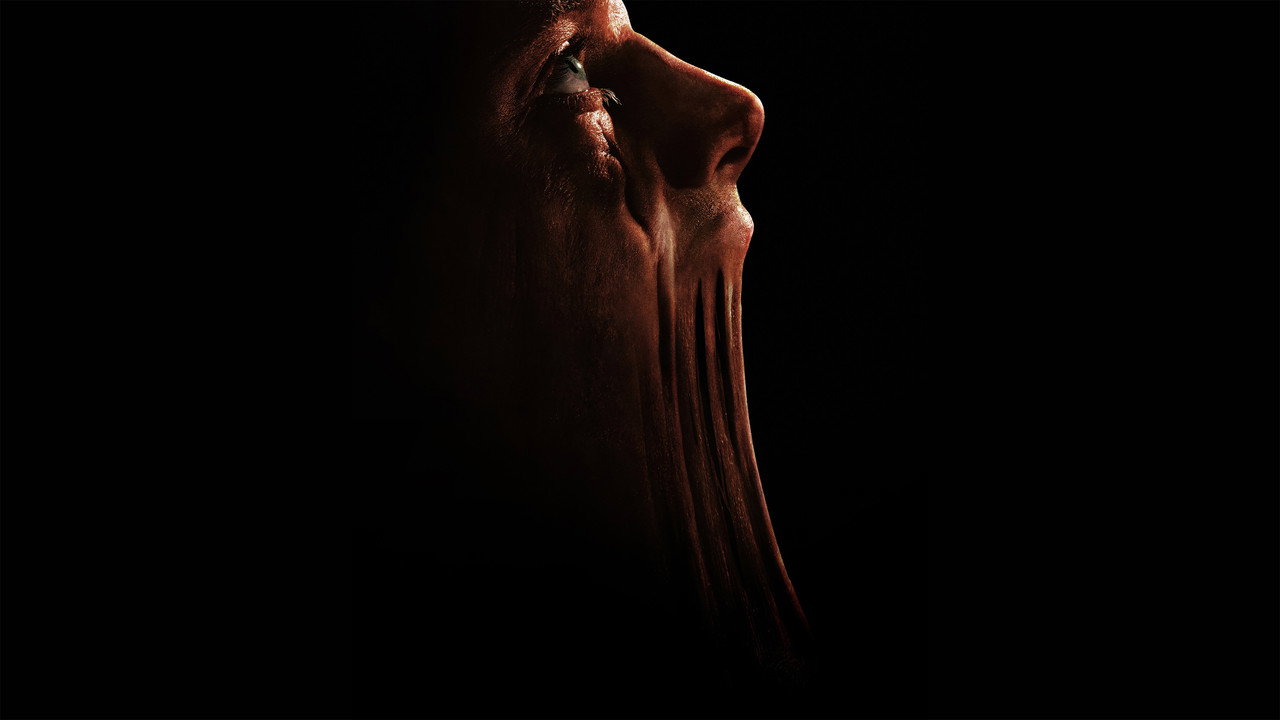
The horror elements in Clayface work well in the early going. Matt starts having trouble keeping his symmetrical facial features. That is from the NPR review. It is an accurate observation. The body horror is not gratuitous. It is earned. The film mirrors David Cronenberg’s classic The Fly, right down to a love affair doomed by melting body parts. That comparison comes from the Roger Ebert review. It is a fair one.
The film understands that body horror works best when it is tied to character. You care about Matt. So when his body starts to fail him, you feel it.
The makeup and VFX are seamless. That is rare for a film with a $44 million budget. Most superhero movies cost three times that amount. Clayface looks like it spent $100 million. The difference is that every dollar is on screen. There is no waste. The cinematography by Rob Hardy is precise. The music by Volker Bertelmann supports the tension without overpowering it. The directing by James Watkins is confident. He knows when to show the horror and when to hide it.
I have directed short films that have travelled the festival circuit. I know how hard it is to make practical effects look good on a limited budget. Clayface does it better than most. The film uses a mix of animatronics, prosthetics, and digital touch-ups. The result is a character that feels real, even when he is melting. That is the mark of good craft. The film earns its 7.5 rating on Rotten Tomatoes. It is solid. It works.
Budget and Box Office: $44 Million Well Spent
The numbers tell a clear story. It has grossed $109 million at the box office. That is a healthy return. But the real story is how the money was spent. Most comic book movies today cost $200 million or more. They are bloated. They rely on CGI that looks unfinished because the VFX artists are overworked and underpaid. Clayface avoids that trap. It is lean. It is efficient.
The budget allowed for practical effects. It allowed for a tight cast. Tom Rhys Harries leads the film. Naomi Ackie, Eddie Marsan, Max Minghella, and David Dencik round out the cast. There are no A-list stars demanding $20 million paychecks. The money went to the craft. That is why the film looks so good. The cinematography by Rob Hardy is moody and atmospheric. The music by Volker Bertelmann is effective without being intrusive. The writing by Mike Flanagan and Hossein Amini is focused. It is a well-oiled machine.
The box office success is a sign that audiences want this kind of film. They want a movie first, not a franchise product. Clayface proves that you can make a comic book film on a reasonable budget and still deliver a hit. The film is playing in theaters now. It is worth the ticket price. Go see it on the big screen. The sound design alone is worth it.
The Revenge Tale at Its Core
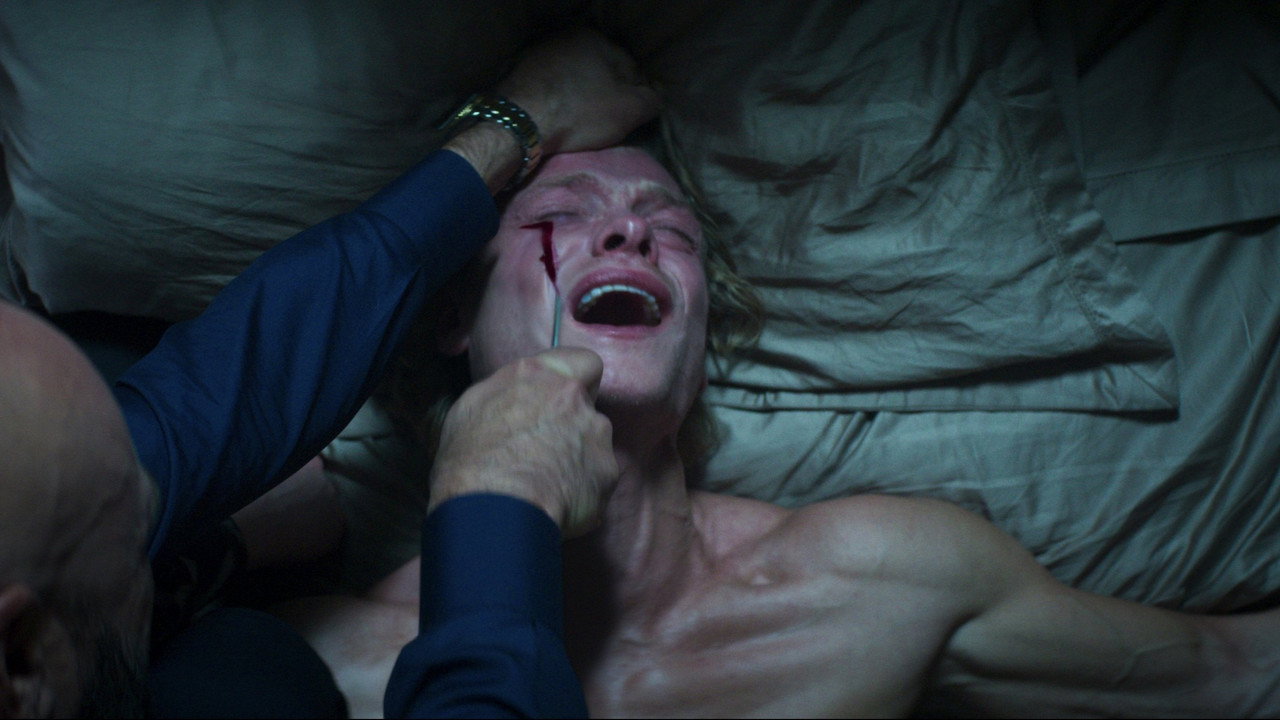
At its heart, Clayface is a revenge story. Matt Hagen is a man wronged. He seeks retribution. The film does not shy away from the darkness of that journey. It is brutal. It is bloody. But it is also human. The film asks a simple question: how far would you go to get even? Matt goes all the way. He loses himself in the process. That is the tragedy of the story.
The revenge tale is what makes the film work. It gives the horror a purpose. Without it, the body horror would feel empty. But because we understand Matt’s pain, we are invested. We want him to succeed, even as we watch him fall apart. That is good storytelling. It is the kind of narrative that keeps you engaged from start to finish. The film runs 109 minutes. It does not feel long. It feels tight.
I compare it to the best revenge films. The ones that understand that revenge is not satisfying. It is destructive. Clayface gets that. It does not glamorize violence. It shows the cost. That is why it resonates. It is not just a horror film. It is a tragedy. It is a film about a man who loses everything, including himself. That is powerful.
How It Compares to Batman Adaptations
I grew up on Batman. Tim Burton’s Batman is my number one. It was a home run. The gothic aesthetic, the Danny Elfman score, the casting of Michael Keaton. It all worked. Christopher Nolan’s Batman Begins was a home run too. The Dark Knight is one of the best films ever made. The newest reboot, directed by Matt Reeves, is also great. It is a grounded take that works. Clayface aligns with that level of quality.
But Clayface is not a Batman film. It is a DC film that happens to feature a Batman villain. That distinction matters. The film does not rely on Batman to prop it up. It stands on its own. That is rare. Most Batman-adjacent films feel incomplete without the Caped Crusader. Clayface does not. It is a complete story. It does not need a cameo to validate it.
The film is also a good adaptation of the character. Clayface has been portrayed in many ways over the years. The comic book version is a shapeshifting monster. The film version is a man who becomes a monster. It is faithful to the spirit of the character while telling its own story. That is the right approach. Adaptations should not be slavish. They should take the core idea and run with it. Clayface does that.
Dialogue Weaknesses: What Holds It Back
No film is perfect. Clayface has some weak elements. The dialogue is one of them. Some lines fall flat. They feel written, not spoken. That is a common problem in genre films. The Reddit review thread points this out. It is a fair criticism. The film earns that 7.5 rating, but it could have been higher with stronger dialogue.
The weakness is not fatal. The film’s strengths outweigh its flaws. The visual storytelling is strong enough to carry the weaker moments. The performances are solid. Tom Rhys Harries is compelling as Matt. Naomi Ackie brings depth to her role. Eddie Marsan is menacing. The dialogue issues are noticeable, but they do not ruin the film. They are a speed bump, not a wall.
I have seen worse dialogue in films with much larger budgets. Clayface is still a good film. It is a solid film. It is a film that I recommend. The dialogue weakness is something to note, but it should not stop you from seeing it. The film is worth your time.
Why Franchise Films Should Take Notes
🎬 AI Render Pro Studio, the AI film production suite I built and use on my own productions. Script breakdown, storyboards, 30+ video models including Seedance 2.5 and Kling O3, image generation, retouch, 7K upscaling and audio, all in one browser workspace. $19/month flat, bring your own API keys and pay providers at cost, no credit packs, no markup. Try AI Render Pro Studio →
Clayface is a lesson for the industry. It proves that you can make a franchise film without it feeling like a franchise film. The key is to prioritize the story. Do not worry about the universe. Worry about the characters. Worry about the craft. The rest will follow.
Most franchise films today feel like products. They are designed by committee. They are focus-grouped to death. They lack personality. Clayface has personality. It has a point of view. It is not trying to please everyone. It is trying to tell a story. That is why it works.
If every Marvel and DC film took this approach, the world of cinema would be a better place. Franchise films do not have to be soulless. They can be art. They can be cinema. Clayface proves that. It is a film first, a franchise second. That is the right order. I hope other studios take notes.
The Cronenberg Comparison: A Fair One
The Roger Ebert review compares Clayface to David Cronenberg’s The Fly. It is a fair comparison. Both films are body horror. Both films feature a love affair doomed by the protagonist’s physical transformation. Both films are tragic. The comparison is not a stretch. It is earned.
Cronenberg is a master of body horror. His films are about the fragility of the human body. They are about disease, decay, and transformation. Clayface operates in the same space. It is about a man whose body betrays him. It is about the horror of losing control. That is classic body horror territory.
The film does not copy Cronenberg. It takes inspiration. It adapts the themes to the comic book genre. The result is something fresh. It is a horror film that happens to be a DC movie. That is a rare combination. It works.
Where Clayface Sits in the DCU
Clayface is the third film in the new DC Universe. But it does not feel like it. It plays as an enjoyable, unpretentious one-off. That is from the Variety review. It is accurate. The film does not carry the weight of the universe on its shoulders. It is free. It is loose. It is fun.
The DCU is still finding its footing. The first two films set the stage. Clayface is the first to break away. It is the first to prove that the DCU can produce films that are not just setup. It is a sign of good things to come. If the DCU continues in this direction, it will be a force to reckon with.
The film is also a good entry point for new viewers. You do not need to have seen the other DCU films to enjoy it. It stands alone. That is rare in modern franchise filmmaking. It is a breath of fresh air.
The Verdict: A Movie First, a Franchise Second
Clayface is a home run. It is a brilliant film. It is a horror film. It is a thriller. It is a revenge tale. It is a tragedy. It is all of these things, and it is great. The VFX are top-notch. The makeup is incredible. The story is compelling. The acting is strong. The directing is confident. The sound design is immersive. Everything works.
I place this film alongside the best Batman adaptations. Tim Burton’s Batman is still my number one. But Clayface is up there. It is a film that I will watch again. It is a film that I will recommend. It is a film that deserves to be seen.
Go see it. Support it. Show the industry that we want movies like this. We want films that are cinema first, franchise second. Clayface is that film. It is a movie itself. And it is great.
Key Takeaways
- First insight: Clayface is a horror film first, a DC movie second. It earns its 7.5 rating by committing fully to body horror and revenge, not franchise setup.
- Craft highlight: The practical makeup and VFX integration is the standout. At a budget of $44 million, it looks like a $100 million picture because every dollar is on screen.
- Industry context: This is the third film in the new DC Universe, and it deliberately plays as a one-off. No post-credits stingers, no universe-building. That restraint is the reason it works.
- Bottom line: Clayface is a home run. It proves that comic book movies can be cinema first, franchise product second. If every Marvel and DC film took this approach, the genre would be unstoppable.
Clayface is a refreshingly twisted revenge tale that feels like no other DC movie you have seen. I saw it yesterday with a group of friends, and we all walked out unanimous. Unanimous in our love for it. It is a thriller. It is horror. It is gore. It is a mix of genres that should not work, but it does. The VFX, the animation, the makeup, the story, the sound, the directing, the acting. Every element clicks. It is a brilliant movie.
And because it is a DC movie, it carries that weight. But it does not look like any other DC movie. It feels like a movie first, not a franchise. Most franchise films feel like a franchise first, and then they made a movie. Clayface flips that. It is a film itself. It is great.
What Makes Clayface Different From Every Other DC Movie
Clayface does not care about the DC universe. It cares about its story. That is its greatest strength. The film, directed by James Watkins and released on October 19, 2026, runs 109 minutes. It is a horror thriller with science fiction elements. It is also a revenge tale. The protagonist, played by Tom Rhys Harries, is a man undone by his own ambition and by the cruelty of others. The film follows his descent into something monstrous. But it never loses sight of the human being at the center.
The Clayface Wikipedia page describes the character as a classic Batman villain. But this film is not about Batman. It is about Matt Hagen, the man who becomes Clayface. The movie does not waste time with cameos or references. It tells its own story. That is rare for a comic book adaptation. Most of them are burdened by franchise obligations. They have to set up the next film, introduce new characters, or tease a crossover. Clayface refuses to do any of that. It is a self-contained film. You walk in, watch it, and walk out. No homework required.
I place this film alongside the Christopher Nolan take on Batman. Even I do not totally agree with every installment of Nolan’s trilogy. The ninja parts were weird. I was not really into them. But it is still a good adaptation of Batman. Tim Burton is my number one. The first Batman from Tim Burton was a home run. The newest reboot of Batman, the one we are in right now, was great. Clayface aligns with that level of quality. It is a home run. It is a really great movie.
Body Horror That Works: Why the Practical Effects Matter

The horror elements in Clayface work well in the early going. Matt starts having trouble keeping his symmetrical facial features. That is from the NPR review. It is an accurate observation. The body horror is not gratuitous. It is earned. The film mirrors David Cronenberg’s classic The Fly, right down to a love affair doomed by melting body parts. That comparison comes from the Roger Ebert review. It is a fair one.
The film understands that body horror works best when it is tied to character. You care about Matt. So when his body starts to fail him, you feel it.
The makeup and VFX are seamless. That is rare for a film with a $44 million budget. Most superhero movies cost three times that amount. Clayface looks like it spent $100 million. The difference is that every dollar is on screen. There is no waste. The cinematography by Rob Hardy is precise. The music by Volker Bertelmann supports the tension without overpowering it. The directing by James Watkins is confident. He knows when to show the horror and when to hide it.
I have directed short films that have travelled the festival circuit. I know how hard it is to make practical effects look good on a limited budget. Clayface does it better than most. The film uses a mix of animatronics, prosthetics, and digital touch-ups. The result is a character that feels real, even when he is melting. That is the mark of good craft. The film earns its 7.5 rating on Rotten Tomatoes. It is solid. It works.
Budget and Box Office: $44 Million Well Spent
The numbers tell a clear story. Clayface had a budget of $44 million. It has grossed $109 million at the box office. That is a healthy return. But the real story is how the money was spent. Most comic book movies today cost $200 million or more. They are bloated. They rely on CGI that looks unfinished because the VFX artists are overworked and underpaid. Clayface avoids that trap. It is lean. It is efficient.
The budget allowed for practical effects. It allowed for a tight cast. Tom Rhys Harries leads the film. Naomi Ackie, Eddie Marsan, Max Minghella, and David Dencik round out the cast. There are no A-list stars demanding $20 million paychecks. The money went to the craft. That is why the film looks so good. The cinematography by Rob Hardy is moody and atmospheric. The music by Volker Bertelmann is effective without being intrusive. The writing by Mike Flanagan and Hossein Amini is focused. It is a well-oiled machine.
The box office success is a sign that audiences want this kind of film. They want a movie first, not a franchise product. Clayface proves that you can make a comic book film on a reasonable budget and still deliver a hit. The film is playing in theaters now. It is worth the ticket price. Go see it on the big screen. The sound design alone is worth it.
The Revenge Tale at Its Core
At its heart, Clayface is a revenge story. Matt Hagen is a man wronged. He seeks retribution. The film does not shy away from the darkness of that journey. It is brutal. It is bloody. But it is also human. The film asks a simple question: how far would you go to get even? Matt goes all the way. He loses himself in the process. That is the tragedy of the story.
The revenge tale is what makes the film work. It gives the horror a purpose. Without it, the body horror would feel empty. But because we understand Matt’s pain, we are invested. We want him to succeed, even as we watch him fall apart. That is good storytelling. It is the kind of narrative that keeps you engaged from start to finish. The film runs 109 minutes. It does not feel long. It feels tight.
I compare it to the best revenge films. The ones that understand that revenge is not satisfying. It is destructive. Clayface gets that. It does not glamorize violence. It shows the cost. That is why it resonates. It is not just a horror film. It is a tragedy. It is a film about a man who loses everything, including himself. That is powerful.
How It Compares to Batman Adaptations
I grew up on Batman. Tim Burton’s Batman is my number one. It was a home run. The gothic aesthetic, the Danny Elfman score, the casting of Michael Keaton. It all worked. Christopher Nolan’s Batman Begins was a home run too. The Dark Knight is one of the best films ever made. The newest reboot, directed by Matt Reeves, is also great. It is a grounded take that works. Clayface aligns with that level of quality.
But Clayface is not a Batman film. It is a DC film that happens to feature a Batman villain. That distinction matters. The film does not rely on Batman to prop it up. It stands on its own. That is rare. Most Batman-adjacent films feel incomplete without the Caped Crusader. Clayface does not. It is a complete story. It does not need a cameo to validate it.
The film is also a good adaptation of the character. Clayface has been portrayed in many ways over the years. The comic book version is a shapeshifting monster. The film version is a man who becomes a monster. It is faithful to the spirit of the character while telling its own story. That is the right approach. Adaptations should not be slavish. They should take the core idea and run with it. Clayface does that.
Dialogue Weaknesses: What Holds It Back
No film is perfect. Clayface has some weak elements. The dialogue is one of them. Some lines fall flat. They feel written, not spoken. That is a common problem in genre films. The Reddit review thread points this out. It is a fair criticism. The film earns that 7.5 rating, but it could have been higher with stronger dialogue.
The weakness is not fatal. The film’s strengths outweigh its flaws. The visual storytelling is strong enough to carry the weaker moments. The performances are solid. Tom Rhys Harries is compelling as Matt. Naomi Ackie brings depth to her role. Eddie Marsan is menacing. The dialogue issues are noticeable, but they do not ruin the film. They are a speed bump, not a wall.
I have seen worse dialogue in films with much larger budgets. Clayface is still a good film. It is a solid film. It is a film that I recommend. The dialogue weakness is something to note, but it should not stop you from seeing it. The film is worth your time.
Why Franchise Films Should Take Notes
Clayface is a lesson for the industry. It proves that you can make a franchise film without it feeling like a franchise film. The key is to prioritize the story. Do not worry about the universe. Worry about the characters. Worry about the craft. The rest will follow.
Most franchise films today feel like products. They are designed by committee. They are focus-grouped to death. They lack personality. Clayface has personality. It has a point of view. It is not trying to please everyone. It is trying to tell a story. That is why it works.
If every Marvel and DC film took this approach, the world of cinema would be a better place. Franchise films do not have to be soulless. They can be art. They can be cinema. Clayface proves that. It is a film first, a franchise second. That is the right order. I hope other studios take notes.
The Cronenberg Comparison: A Fair One
The Roger Ebert review compares Clayface to David Cronenberg’s The Fly. It is a fair comparison. Both films are body horror. Both films feature a love affair doomed by the protagonist’s physical transformation. Both films are tragic. The comparison is not a stretch. It is earned.
Cronenberg is a master of body horror. His films are about the fragility of the human body. They are about disease, decay, and transformation. Clayface operates in the same space. It is about a man whose body betrays him. It is about the horror of losing control. That is classic body horror territory.
The film does not copy Cronenberg. It takes inspiration. It adapts the themes to the comic book genre. The result is something fresh. It is a horror film that happens to be a DC movie. That is a rare combination. It works.
Where Clayface Sits in the DCU
Clayface is the third film in the new DC Universe. But it does not feel like it. It plays as an enjoyable, unpretentious one-off. That is from the Variety review. It is accurate. The film does not carry the weight of the universe on its shoulders. It is free. It is loose. It is fun.
The DCU is still finding its footing. The first two films set the stage. Clayface is the first to break away. It is the first to prove that the DCU can produce films that are not just setup. It is a sign of good things to come. If the DCU continues in this direction, it will be a force to reckon with.
The film is also a good entry point for new viewers. You do not need to have seen the other DCU films to enjoy it. It stands alone. That is rare in modern franchise filmmaking. It is a breath of fresh air.
The Verdict: A Movie First, a Franchise Second
Clayface is a home run. It is a brilliant film. It is a horror film. It is a thriller. It is a revenge tale. It is a tragedy. It is all of these things, and it is great. The VFX are top-notch. The makeup is incredible. The story is compelling. The acting is strong. The directing is confident. The sound design is immersive. Everything works.
I place this film alongside the best Batman adaptations. Tim Burton’s Batman is still my number one. But Clayface is up there. It is a film that I will watch again. It is a film that I will recommend. It is a film that deserves to be seen.
Go see it. Support it. Show the industry that we want movies like this. We want films that are cinema first, franchise second. Clayface is that film. It is a movie itself. And it is great.
I write my prompts with AI Render Pro, the prompting engine I built for filmmakers and creatives. Read the full breakdown here.
Cast and Crew
Key Crew
- Director: James Watkins
- Screenplay: Mike Flanagan, Hossein Amini
- Cinematography: Rob Hardy
- Music: Volker Bertelmann
- Editor: Jon Harris
- Production Design: James Price
Main Cast
- Tom Rhys Harries — Matt Hagen / Clayface
- Naomi Ackie — Caitlyn Corr
- Eddie Marsan — Frank Fitzpatrick
- Max Minghella — John Borrelli
- David Dencik — Markos Szabo
- Francesca Corney — Rosie
- Ruby Sear — Theresa
References and Further Reading
- Clayface on Wikipedia — production details, cast and release history.
- Clayface on TMDB — cast, crew, budget and box-office data.
- Clayface on IMDb — full credits and technical specs.
- James Watkins on Wikipedia — director background and filmography.
Frequently Asked Questions
Is Clayface a standalone film or do I need to watch other DC movies first?
Clayface is a standalone film. You can watch it without seeing any other DC Universe movies. It tells a complete story with no post-credits scenes or franchise setup.
What is the runtime of Clayface?
The film runs 109 minutes. It is a tight runtime that does not overstay its welcome. The pacing is strong throughout.
Who directed Clayface?
James Watkins directed the film. The screenplay was written by Mike Flanagan and Hossein Amini. The cinematography is by Rob Hardy, and the music is by Volker Bertelmann.
What is the budget and box office for Clayface?
The budget was $44 million. The film has grossed $109 million at the box office. It is a solid return on investment and a sign of strong audience interest.
Is Clayface a horror movie?
Yes. The film is classified as horror, thriller, and science fiction. It features body horror elements that have drawn comparisons to David Cronenberg’s The Fly. It is a horror film first and a DC movie second.
Discover more from Olivier Hero Dressen Blog: Filmmaking & Creative Tech
Subscribe to get the latest posts sent to your email.

Work with Olivier
Director | CD | DP & Photographer
Specializing in commercials, music videos, AI-driven filmmaking, and cinematic storytelling for brands and production companies.
🌍 Shanghai · Paris · Los Angeles · Dubai
🎬 View Portfolio & Get in Touch