
Key Takeaways
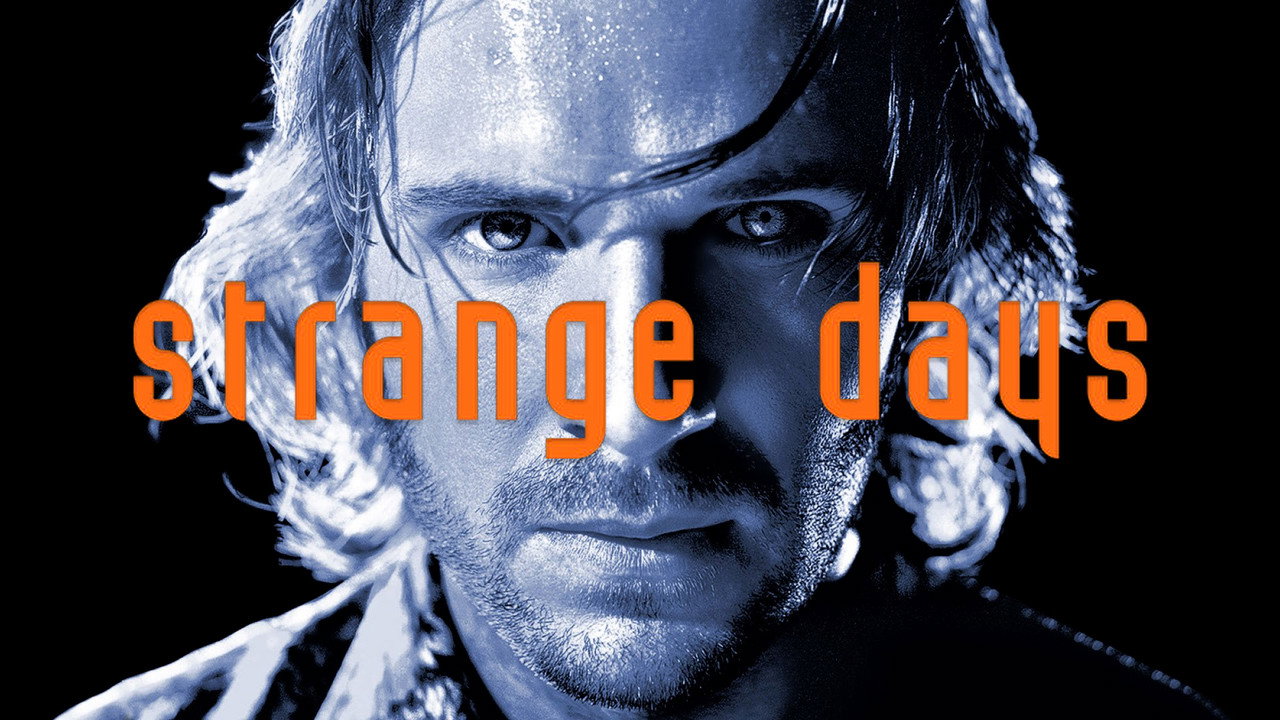
- First insight: Strange Days is a brutal, prescient cyberpunk thriller that bombed in 1995 but remains a masterclass in practical VFX and dystopian world-building.
- Craft highlight: The film’s extensive use of practical sets, thousands of extras, and POV sequences creates a visceral immersion that modern CGI-heavy sci-fi rarely achieves.
- Industry context: With a $42 million budget and a $17 million box office, Strange Days is a cautionary tale about the gap between artistic ambition and commercial success.
- Bottom line: This is essential viewing for any filmmaker or sci-fi fan who wants to see what happens when a director commits fully to practical filmmaking and a dark, unflinching vision.
Strange Days is a film I almost skipped. I was scrolling through Hulu on Disney Plus, saw the title, and thought, “I think I saw that before.” I was wrong. I had not seen it. What I watched was one of the most underrated sci-fi thrillers of the 1990s, a film that feels more relevant in 2026 than it did on its release in 1995.
Need a Director for Your Next Project?
From commercials to branded campaigns—Olivier brings creative vision and technical expertise.
→ View ProjectsDirected by Kathryn Bigelow and co-written by James Cameron, Strange Days is a brutal, immersive, and deeply prescient piece of cinema that deserves a much wider audience.
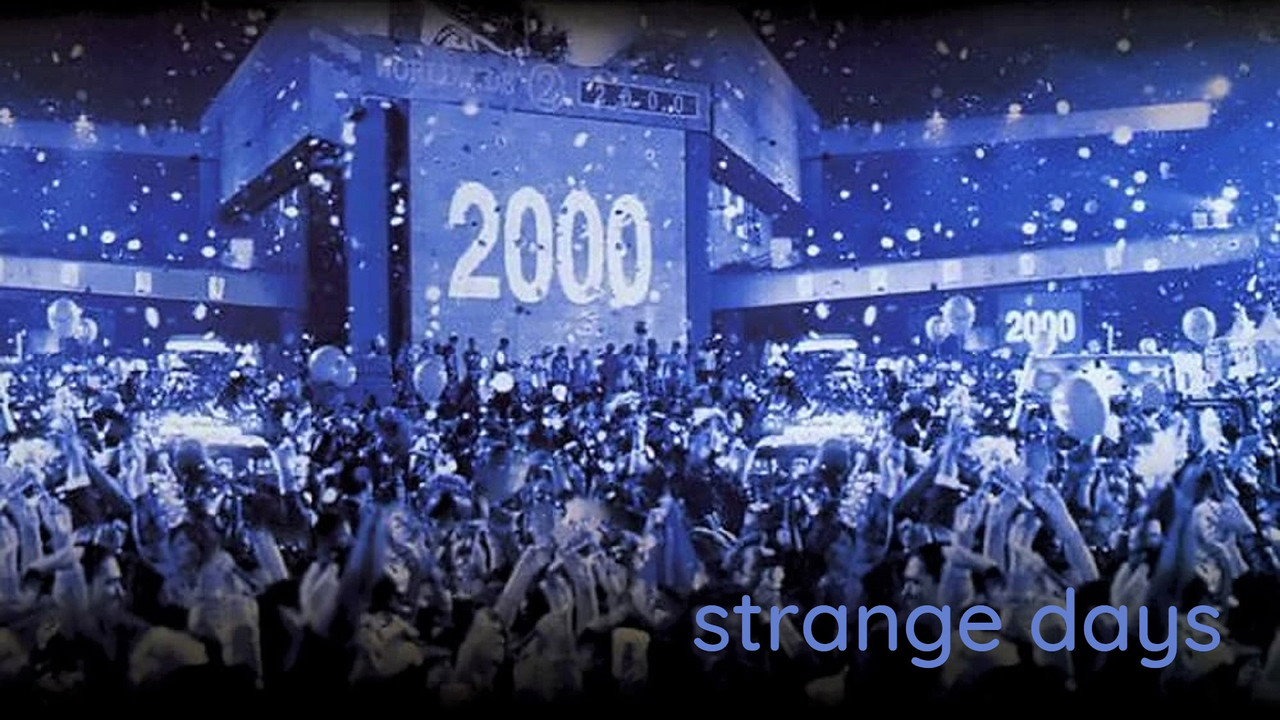
Strange Days — By the Numbers
Kathryn Bigelow
1995-10-13
145 minutes
Science Fiction / Thriller
$42 million
$17 million
Lightstorm Entertainment · 20th Century Fox
You know you want it.
Why This Film Matters in 2026
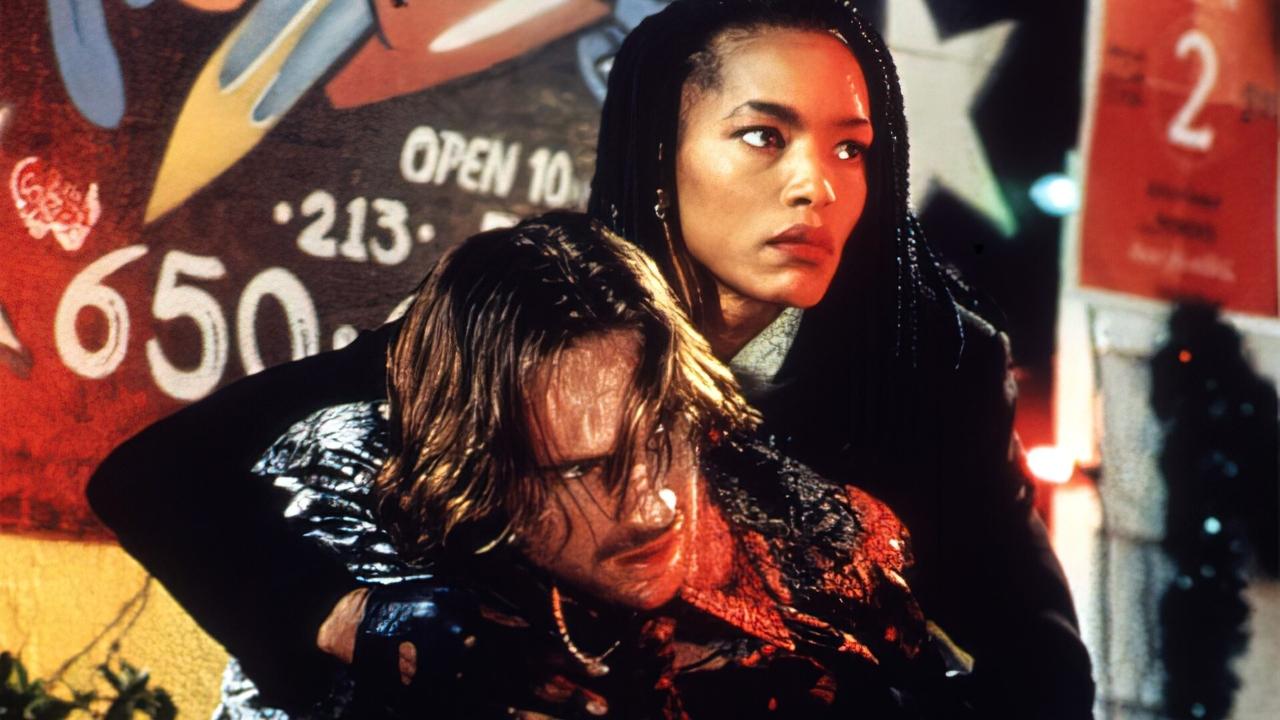
Strange Days is a time capsule that somehow predicts the present. Set in Los Angeles during the last two days of 1999, the film imagines a world where the Y2K panic never happened but where social inequality, police brutality, and racial tension have exploded. In 2026, watching it feels less like science fiction and more like a documentary.
The film’s central technology is the SQUID, a device that records and plays back memories and experiences directly from the brain. The user feels everything the recorder felt. In 1995, this was pure fantasy. In 2026, we have VR headsets, haptic suits, and neural interface research that makes the SQUID feel like a logical next step. The film asks questions we are still asking: What happens when memory becomes a commodity? Who owns your experience?
I have been thinking about this a lot. I am a filmmaker based in Bangkok, and I have written and directed several projects about memory. It is a theme that fascinates me. Strange Days handles it with a rawness that most modern sci-fi avoids. It is not a clean, polished vision of the future. It is dirty, loud, and dangerous.
The film’s relevance is not just technological. The riots, the police violence, the sense that society is on the verge of collapse. These are not abstract concepts in 2026. They are headlines. Strange Days captured this mood thirty years ago, and it has not aged a day.
The Craft of Immersion: Practical Effects and POV
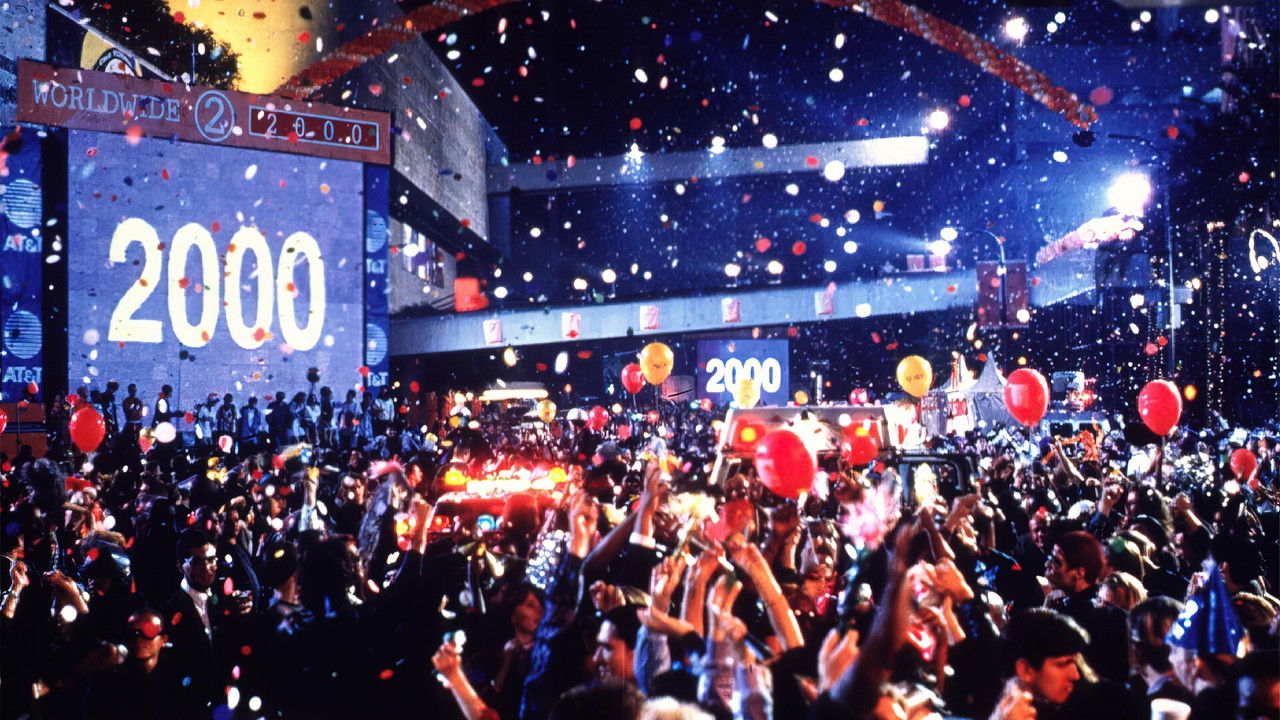
The first thing that struck me about Strange Days was the sheer scale of the practical filmmaking. The New Year’s Eve sequence, which features thousands of extras in the streets of Los Angeles, is a logistical achievement that would be difficult to replicate today. There is no green screen. There is no digital crowd duplication. It is real people, real lights, real chaos.
As a director, I know how hard this is. A scene with that many moving parts requires weeks of planning, hundreds of crew members, and a budget that most studios would not approve today. The result is a texture that CGI cannot match. The crowd feels alive. The energy is palpable.
The POV sequences are another masterstroke. The film opens with a first-person perspective of a robber, and you feel like you are inside his body. The camera moves with his head. The sound shifts with his breathing. It is disorienting and thrilling. Kathryn Bigelow understood that the SQUID technology demanded a visual language that put the audience inside the experience.
This is something I think about on every shoot. How do you make the audience feel something, not just see it? Strange Days answers that question with every frame. The camera is never passive. It is always a participant.
The practical effects extend to the violence. The film is graphic. There is a sexual assault scene that is incredibly difficult to watch. It is not gratuitous. It is meant to horrify, and it succeeds. The Rolling Stone review from 1995 noted that these clips are “shot in glaring light without a trace of eroticism, and they elicit horrific reactions from those who watch them.” That is the power of practical filmmaking. You cannot look away.
The Cast: Ralph Fiennes, Angela Bassett, and Juliette Lewis
🎬 AI Render Pro Studio, the AI film production suite I built and use on my own productions. Script breakdown, storyboards, 30+ video models including Seedance 2.5 and Kling O3, image generation, retouch, 7K upscaling and audio, all in one browser workspace. $19/month flat, bring your own API keys and pay providers at cost, no credit packs, no markup. Try AI Render Pro Studio →
Ralph Fiennes plays Lenny Nero, a former cop turned black-market dealer of SQUID recordings. Seeing him in this role is a shock if you only know him as Voldemort. He looks young, almost boyish. He plays Lenny as a desperate, morally compromised man who is still trying to do the right thing. It is a performance that grounds the film’s wilder elements.
Angela Bassett plays Lornette “Mace” Mason, a limo driver and Lenny’s ex-girlfriend. She is the moral center of the film. She does not age in this movie. She looks exactly as she does in the Wakanda films. Her performance is fierce and physical. She is the true hero of Strange Days.
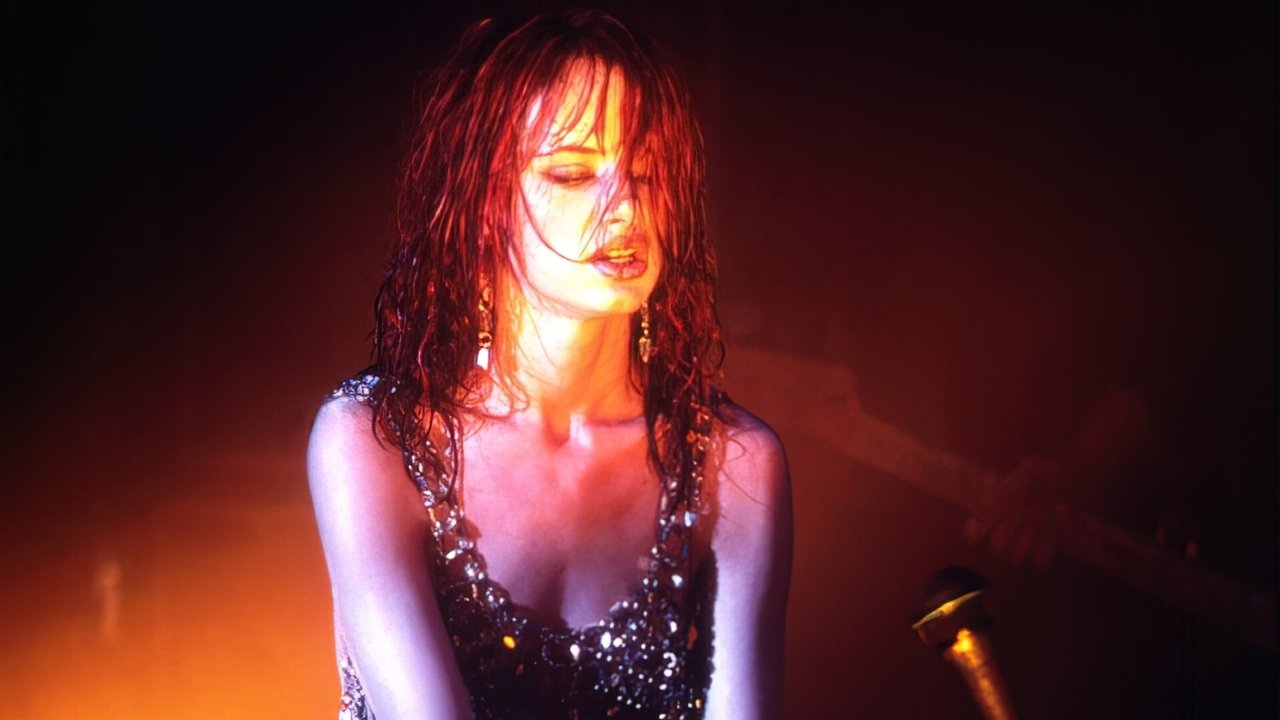
Juliette Lewis plays Faith Justin, a singer and Lenny’s obsession. She is electric on screen. Her character is trapped in a world of exploitation, and Lewis plays that vulnerability with a rawness that is hard to watch. I wish she was in more movies. She is an incredible talent.
Tom Sizemore plays Max Peltier, Lenny’s friend. He brings a volatile energy to the role. Vincent D’Onofrio plays a creepy club owner. William Fichtner has a small but memorable role. The cast is stacked with talent, and every actor brings their A-game.
Sound Design and the Atmos Experience
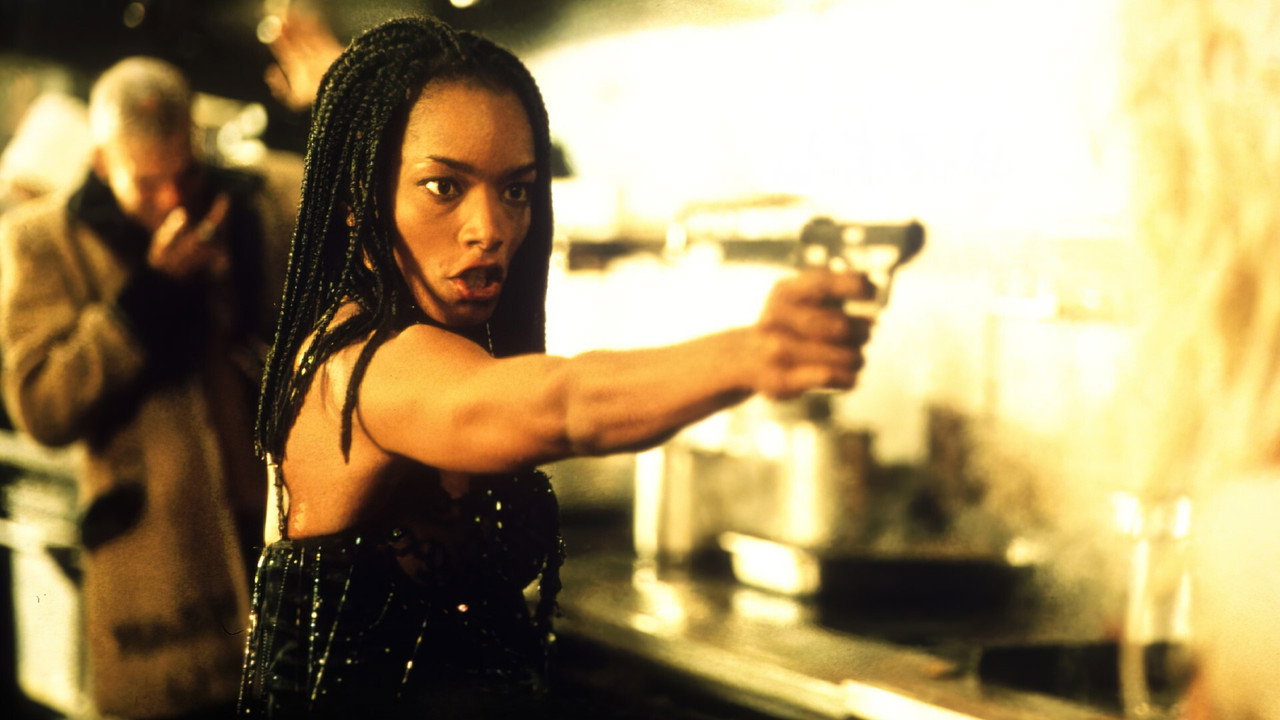
I watched Strange Days on a 4K laser projector with an Atmos sound system. The sound mixing is phenomenal. The three-dimensionality of the audio is present from the first frame. You hear the crowd before you see them. You feel the bass of the club music in your chest.
The film’s score, composed by Graeme Revell, is a mix of industrial, electronic, and orchestral elements. It does not sound like a typical 1990s sci-fi score. It is dissonant and uncomfortable. It matches the film’s tone perfectly.
The sound design in the POV sequences is particularly impressive. The audio shifts to mimic the recorder’s hearing. You hear their breathing. You hear their heartbeat. It is a subtle effect that adds layers of immersion.
Not all films benefit from a high-end sound system. Strange Days does. The sound is not just an accompaniment. It is a character in the film. If you have the chance to watch it with a good system, do it.
Cyberpunk, Memory, and the Dystopian 1999
Strange Days is one of the earliest cyberpunk films. It predates The Matrix by four years. It shares DNA with Blade Runner but is grittier and more grounded. The world is not a neon-lit fantasy. It is a decaying city of strip malls, graffiti, and desperation.
The film’s take on memory is what sets it apart. The SQUID technology allows people to relive experiences, but it also commodifies them. People sell their memories. They buy other people’s experiences. It is a dark reflection of our social media age.
I am working on a feature and a short film about memory right now. This theme is personal to me. Strange Days handles it with a complexity that I admire. It does not present the technology as good or evil. It presents it as a tool that amplifies human nature.
The date of the film is 1999. Watching it in 2026, I compare its predictions with reality. The film got a lot right. The inequality. The riots. The sense that the system is broken. It got the VR immersion wrong in terms of technology, but right in terms of human desire. We want to escape. We want to feel something else. Strange Days understands that.
Box Office Bomb: Why It Failed and Why It Matters
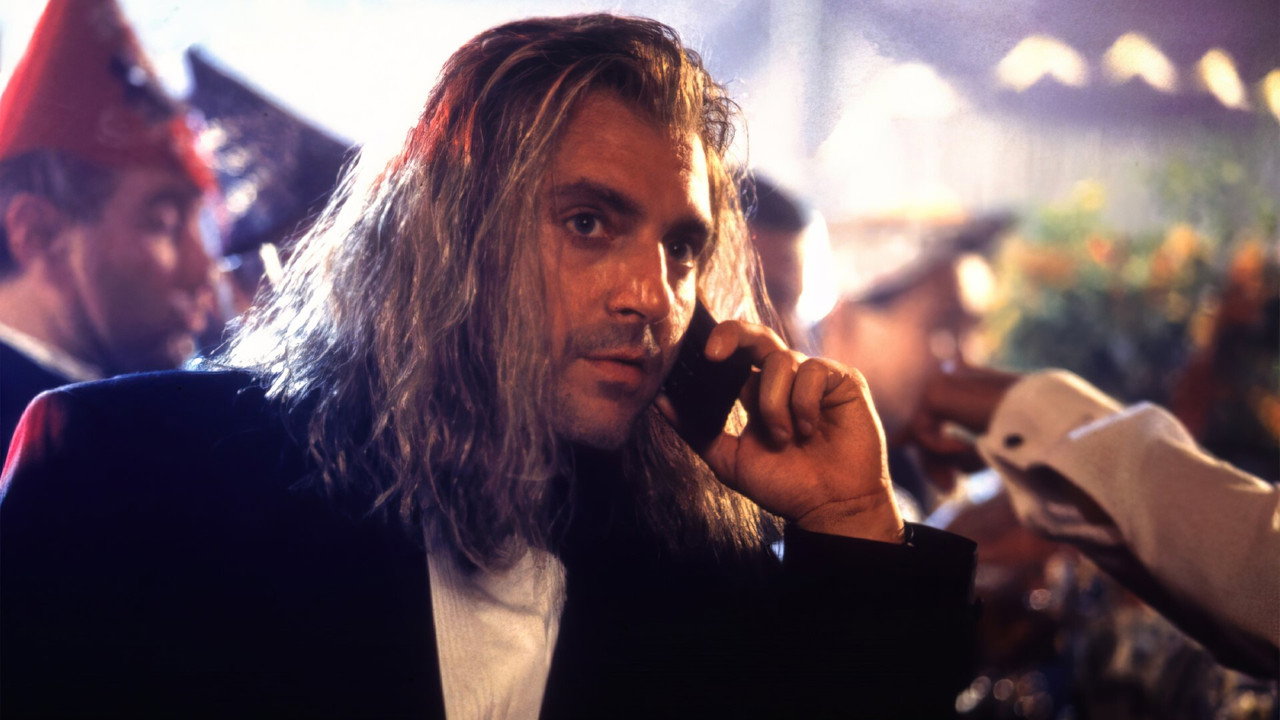
Strange Days cost $42 million to make. It earned $17 million at the box office. It was a disaster. The film was released in October 1995, a crowded season. It was marketed poorly. Audiences did not know what to make of it.
The failure of Strange Days is a cautionary tale for filmmakers. A great film does not guarantee a audience. A visionary director and a big budget do not guarantee success. The film was ahead of its time. It was too dark, too violent, too complex for mainstream audiences in 1995.
But time has been kind to Strange Days. It has gained a cult following. It is now recognized as a classic of the cyberpunk genre. The Criterion Collection has released it. Film critics regularly cite it as one of the most underrated films of the 1990s.
For me, the box office failure is a reminder that commercial success is not the only measure of a film’s value. Strange Days is a better film than most of the movies that made money in 1995. It has more to say. It takes more risks. It is a film that rewards repeated viewings. Iñárritu’s Digger is living through the same fate right now: a big swing, a $180 million budget, and an audience that stayed home.
Themes of Police Brutality and Inequality
Police brutality is a central theme of Strange Days. The film opens with the Rodney King beating, and it never lets up. The LAPD is portrayed as a corrupt, violent institution. The film does not shy away from showing the consequences of that violence.
In 2026, this theme is more relevant than ever. The protests of 2020, the ongoing debates about policing, the footage of police violence that circulates on social media. Strange Days predicted this. It showed a world where the police are not the protectors. They are the threat.
The film also tackles racial inequality. Angela Bassett’s character, Mace, is a black woman navigating a white-dominated world. She is constantly underestimated. She is constantly fighting. Her story is the heart of the film.
The film’s vision of Los Angeles is one of extreme wealth and extreme poverty. The rich live in gated communities. The poor live in the streets. This is not a fantasy. This is the world we live in.
Legacy and the Strange Days Revival
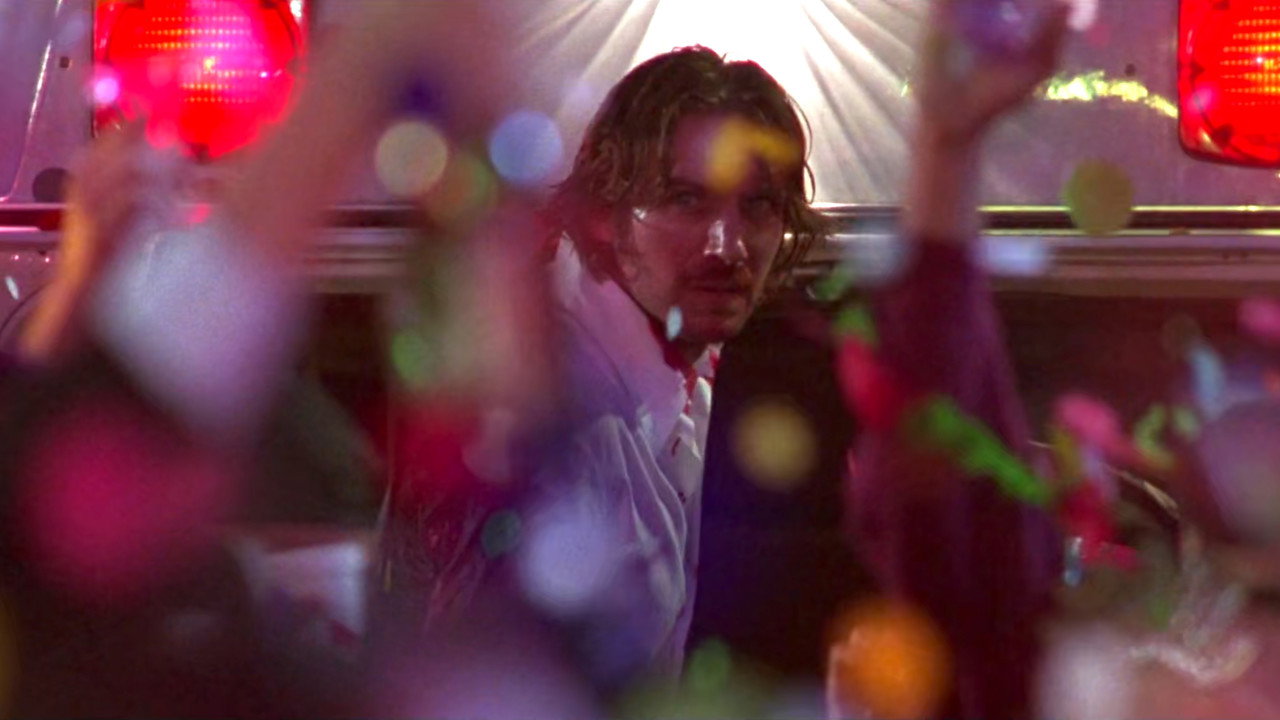
Strange Days has experienced a revival in recent years. Film critics have revisited it. Podcasts have dedicated episodes to it. The film’s themes of memory, technology, and social collapse feel more urgent than ever.
The film’s influence can be seen in later works. Black Mirror owes a debt to Strange Days. The concept of recording and replaying memories is central to several episodes. The film’s visual style, with its long takes and POV shots, has been imitated but never equaled.
Kathryn Bigelow went on to win an Oscar for The Hurt Locker. James Cameron went on to make Avatar. But Strange Days remains their most ambitious collaboration. It is a film that tries to do everything and almost succeeds.
For filmmakers, Strange Days is a masterclass in practical filmmaking. It is a reminder that the best special effects are the ones you cannot see. The film’s budget was $42 million, a fraction of what a modern blockbuster costs. But it looks more real than most films made today.
I recommend this film to anyone who loves sci-fi. It is a gem. It is a film that deserves to be seen. If you have not watched it, do yourself a favor. Find it on streaming. Put on a good sound system. Watch it in the dark. You will not regret it.
I write my prompts with AI Render Pro, the prompting engine I built for filmmakers and creatives. Read the full breakdown here.
Cast and Crew
Key Crew
- Director: Kathryn Bigelow
- Screenplay: Jay Cocks, James Cameron
- Cinematography: Matthew F. Leonetti
- Music: Graeme Revell
- Editor: Howard E. Smith
- Production Design: Lilly Kilvert
Main Cast
- Ralph Fiennes — Lenny Nero
- Angela Bassett — Lornette ‘Mace’ Mason
- Juliette Lewis — Faith Justin
- Tom Sizemore — Max Peltier
- Michael Wincott — Philo Gant
- Vincent D’Onofrio — Burton Steckler
- Glenn Plummer — Jeriko One
References and Further Reading
- Strange Days on Wikipedia — production details, cast and release history.
- Strange Days on TMDB — cast, crew, budget and box-office data.
- Strange Days on IMDb — full credits and technical specs.
- Kathryn Bigelow on Wikipedia — director background and filmography.
Frequently Asked Questions
Is Strange Days worth watching in 2026?
Absolutely. The film’s themes of memory, police brutality, and social inequality are more relevant than ever. The practical effects and POV sequences are still impressive.
Why did Strange Days bomb at the box office?
The film was released in a crowded season, marketed poorly, and was too dark and complex for mainstream audiences in 1995. It earned $17 million against a $42 million budget.
Is Strange Days a cyberpunk film?
Yes. It is considered one of the earliest and most influential cyberpunk films, predating The Matrix by four years. It shares themes with Blade Runner but is grittier and more grounded.
Who directed Strange Days?
The film was directed by Kathryn Bigelow, who later won an Oscar for The Hurt Locker. It was co-written by James Cameron.
What is the SQUID technology in Strange Days?
The SQUID is a device that records and plays back memories and experiences directly from the brain. The user feels everything the recorder felt. It is a precursor to modern VR and neural interface research.
Discover more from Olivier Hero Dressen Blog: Filmmaking & Creative Tech
Subscribe to get the latest posts sent to your email.

Work with Olivier
Director | CD | DP & Photographer
Specializing in commercials, music videos, AI-driven filmmaking, and cinematic storytelling for brands and production companies.
🌍 Shanghai · Paris · Los Angeles · Dubai
🎬 View Portfolio & Get in Touch