

A music video director’s challenge
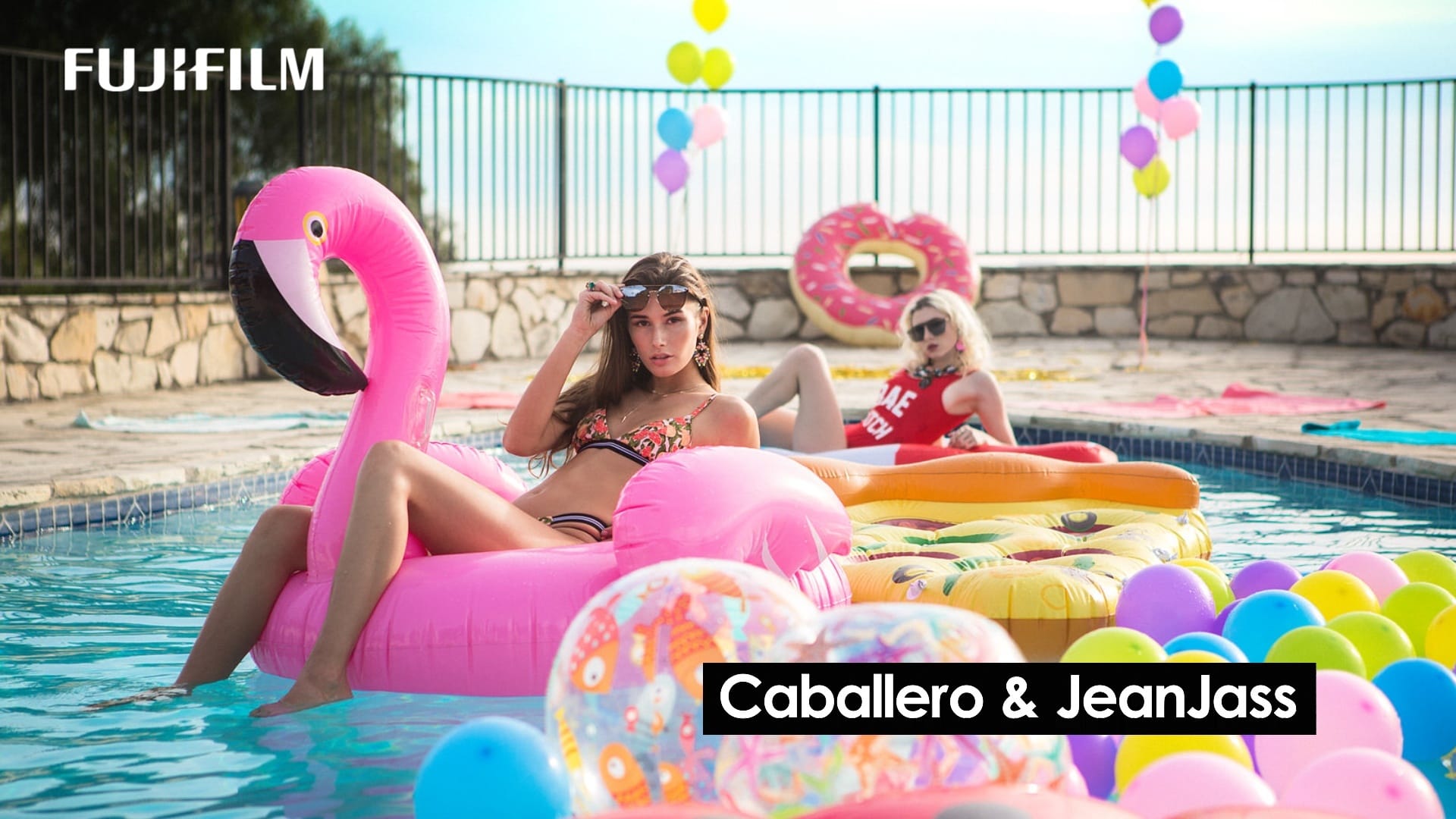
In this video, my team and I explain how we used the Fuji X-H1 to shoot this music video. As a result of this collaboration
Need a Director for Your Next Project?
From commercials to branded campaigns—Olivier brings creative vision and technical expertise.
→ View ProjectsProbably one of my most exciting times this year, as I shot three music videos in a month. Hope you can appreciate and share the energy behind this making-of with us. Don’t hesitate to leave your comment below the video.
Here you can discover the final video we shot with the Fuji X-H1 :
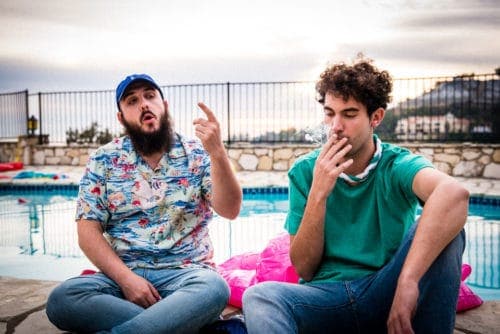
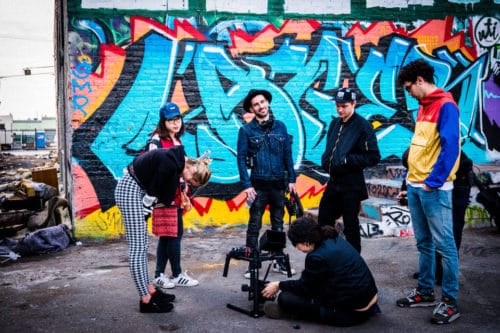
Oh… and since sharing is caring; I just wanted to share also a few making-of shots about this incredible adventure we had.
California we <3 you!

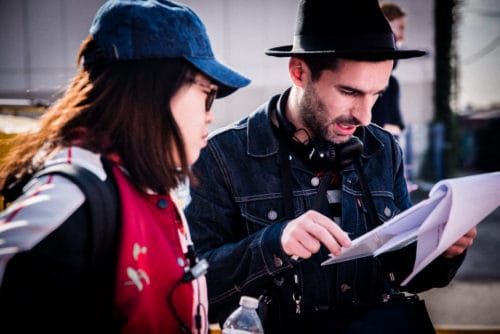
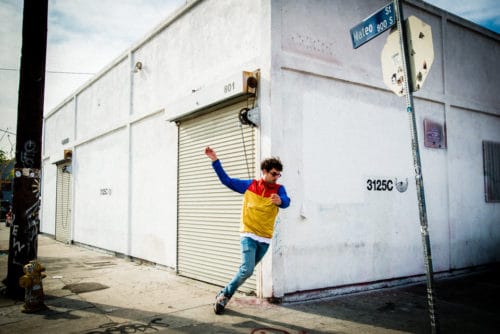
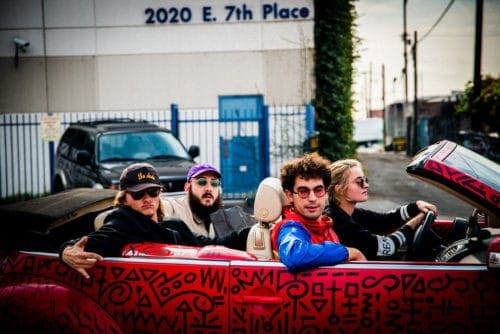

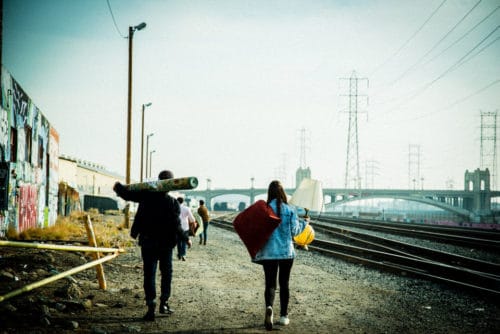
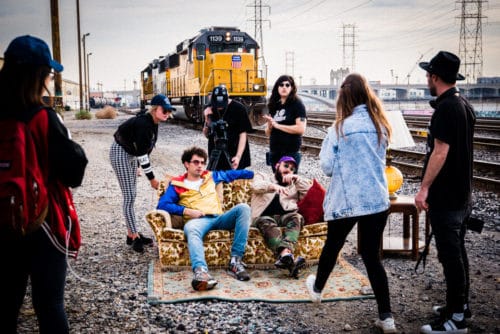

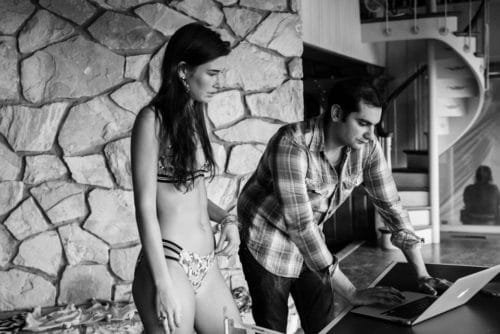

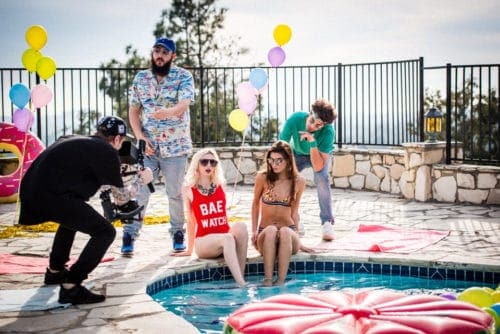
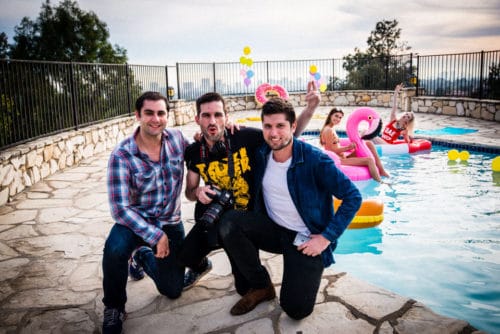

Finally, I invite you to check out the other recent interview I gave for YouPic, one of the largest websites for photographers.
I gave an extensive insight into my creative process and my passion for photography!
Don’t hesitate to give us your reactions in the comments below, we hope you enjoyed this article about my interview for Fuji FIlm
Music Video Pre-Production: Planning for Success
Before stepping onto the set for the Caballero & Jeanjass music video, extensive pre-production planning was crucial. As a music video director, I always start by breaking down the artist’s vision and translating it into achievable production goals.
For “Clonez-moi,” we spent weeks developing the colorful, vibrant aesthetic you see in the final product. The pool setting wasn’t just a random choice – it perfectly complemented the summer vibe and playful energy of the track. Location scouting in Los Angeles gave us access to stunning backdrops that elevated the entire production value.
The Fuji X-H1 for Music Video Production: A Technical Review
Choosing the right camera for music video production can make or break your project. When Fujifilm offered me the opportunity to test the X-H1 before its official release, I knew this was the perfect project to push its capabilities and a good experiment as music video director.
Key Features That Matter for Music Videos:
- In-body stabilization: Critical for handheld shots and dynamic camera movements
- 4K video capabilities: Ensuring the highest quality output for modern music video standards
- Film simulation modes: Fuji’s legendary color science gave us beautiful skin tones right out of camera
- Robust build quality: Essential when shooting in challenging outdoor conditions
The Fuji X-H1 handled the bright Los Angeles sun exceptionally well, maintaining detail in highlights while capturing vibrant pool colors. For music video directors looking for a versatile, cinematic camera system, this is definitely worth considering.
Music Video Cinematography Techniques We Used
Cinematography in music video production requires a different approach than narrative filmmaking. You’re creating visual moments that complement the rhythm and energy of the music.
Our approach included:
- Dynamic camera movement: Matching camera motion to the beat creates visual rhythm
- Colorful lighting design: The vibrant pool toys and costumes were enhanced with natural sunlight
- Multiple coverage angles: Shooting from various perspectives gives editors more creative freedom
- Performance-focused framing: Keeping the artists as the focal point while showcasing the environment
The combination of the Fuji X-H1’s capabilities and our cinematography approach resulted in over a million views in a short time – proof that technical execution matters.
Behind the Scenes: Music Video Production Workflow
Production Timeline:
- Pre-production planning: 3 weeks (in this case it was insane only one week!).
- Shoot days: 2 full days in Los Angeles
- Post-production: 2 weeks
Team Size:
- Director (myself)
- Director of Photography
- Gaffer and lighting team
- Production assistants
- Styling and wardrobe
This project reinforced why I love music video production – the collaborative energy, the creative freedom, and the ability to experiment with new equipment like the Fuji X-H1.
FAQ: Music Video Production
Q: How long does it take to produce a music video?
A: Typically 4-6 weeks from concept to final delivery, including pre-production, shooting, and post-production. Simpler concepts can be faster, while elaborate productions may take longer.
Q: What’s the best camera for music video production?
A: The Fuji X-H1 proved excellent for this project, but the “best” camera depends on your budget and aesthetic goals. Look for cameras with strong video specs, good stabilization, and reliable autofocus. Other popular choices include Sony A7 series, Canon R series, and Blackmagic cameras.
Q: How much does a professional music video cost?
A: Music video budgets vary widely, from $5,000 for indie projects to $100,000+ for major label productions. Factors include location, crew size, equipment rental, and post-production complexity.
Q: What makes a music video successful?
A: Strong concept, compelling visuals that match the song’s energy, professional execution, and strategic promotion. The “Clonez-moi” video’s success came from combining all these elements with authentic artist performance.
Q: Do I need special permits for music video filming in Los Angeles?
A: Yes, most public locations in LA require film permits. Private locations (like the pool we used) require owner permission and sometimes insurance. Always secure proper permissions before shooting.
Final Thoughts on Music Video Production
This Fujifilm interview project remains one of my favorite music video experiences. The combination of testing cutting-edge camera technology, working with talented artists like Caballero & Jeanjass, and shooting in beautiful Los Angeles created the perfect storm for success.
For aspiring music video directors, my advice: invest time in pre-production, choose equipment that serves your creative vision, and never stop experimenting. Every music video is a chance to push your cinematography skills further.
Interested in seeing more of my music video work? Check out my portfolio at designhero.tv for additional projects and behind-the-scenes insights.
Frequently Asked Questions
What is this music video director interview about?
This music video director interview covers the making of Clonez moi, the video I directed for Caballero Jeanjass, shot on location in Los Angeles.
What camera setup was used on Clonez moi?
The shoot used a Fujifilm setup. The behind the scenes film above walks through the kit and how it held up across the Los Angeles locations.
Where can I watch Clonez moi?
The official Caballero Jeanjass video for Clonez moi is embedded above, alongside the behind the scenes piece from the Los Angeles shoot.
Frequently Asked Questions
Why does a music video director interview matter?
A music video director interview is one of the few places the practical decisions get discussed openly: which camera, why, and what it cost you on the day. This one covers the Fujifilm X-H1 on a real shoot rather than in a test.
How did the Fujifilm X-H1 hold up in Los Angeles?
Fujifilm gave us the X-H1 before its official release, so the Los Angeles shoot for Clonez moi was effectively a field test. The behind the scenes film above covers how the camera performed across the day.
Who are Caballero Jeanjass?
Caballero Jeanjass are a Belgian rap duo. Clonez moi is the track I directed the video for, shot in Los Angeles, and it passed a million views shortly after release.
References: Fujifilm X-H1 · Caballero & JeanJass
Discover more from Olivier Hero Dressen Blog: Filmmaking & Creative Tech
Subscribe to get the latest posts sent to your email.

Work with Olivier
Director | CD | DP & Photographer
Specializing in commercials, music videos, AI-driven filmmaking, and cinematic storytelling for brands and production companies.
🌍 Shanghai · Paris · Los Angeles · Dubai
🎬 View Portfolio & Get in Touch




[…] with the freedom to move – it screamed action film. This notion coincided with our trip to Los Angeles for a film project for an e-bike company and to present our movie “Backpacker” to the […]
[…] Experimental platform pushing cinematic storytelling in video. […]
[…] has the opportunity to make Macau as iconic as Ridley Scott made Los Angeles in Blade Runner. For filmmakers, Macau is a reminder that a setting should never be passive. It […]