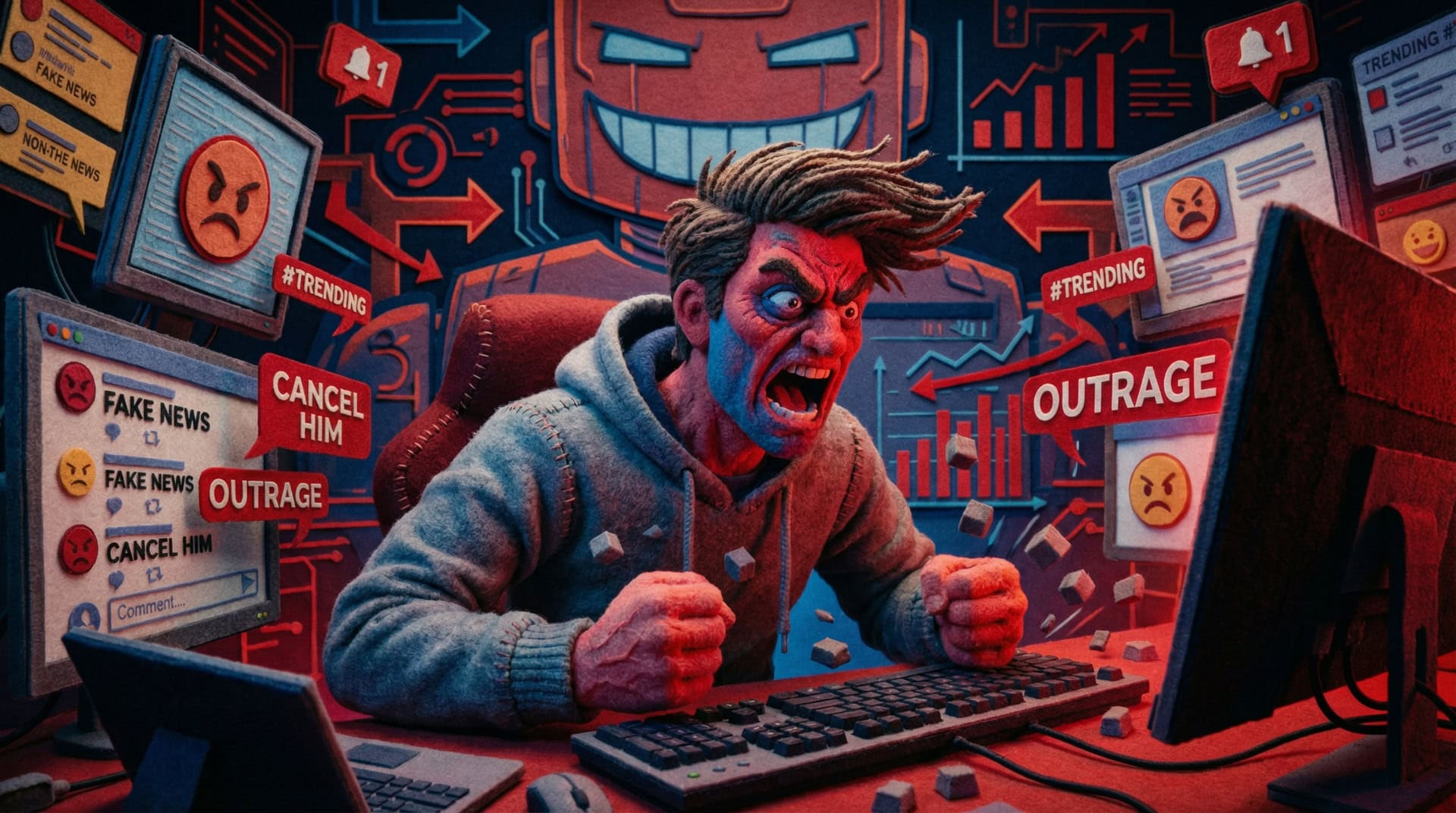

Welcome to 2026, where the digital landscape often feels less like a creative playground and more like a gladiatorial arena. As filmmakers, content creators, and artists, we’re not just observers of this phenomenon; we’re at its epicenter. The air is thick with frustration, outrage, and a pervasive sense of being perpetually “pissed off.” This isn’t just a fleeting mood; it’s a systemic shift, a new paradigm we’re calling the “Rage Economy.” Understanding this landscape, and more importantly, how to thrive within it without succumbing to its corrosive effects, is paramount for anyone building a brand or a career in the creative space.
Need a Director for Your Next Project?
From commercials to branded campaigns—Olivier brings creative vision and technical expertise.
→ View ProjectsWhy are we so angry? It’s a question that echoes across social feeds, comment sections, and even our quiet moments of reflection. The answer isn’t simple, but it’s crucial for us to dissect. This article will unpack ten core reasons fueling the surge in online anger, offering insights and practical strategies for creatives to navigate this turbulent era. If you’re feeling the heat, you’re not alone. Let’s arm ourselves with knowledge and turn the tide.
The Digital Cauldron: Ten Reasons for Escalating Online Anger
The forces at play are complex, a perfect storm of technological advancement, human psychology, and societal shifts. Here’s a breakdown of the primary drivers behind the escalating online anger we’re witnessing in 2026:
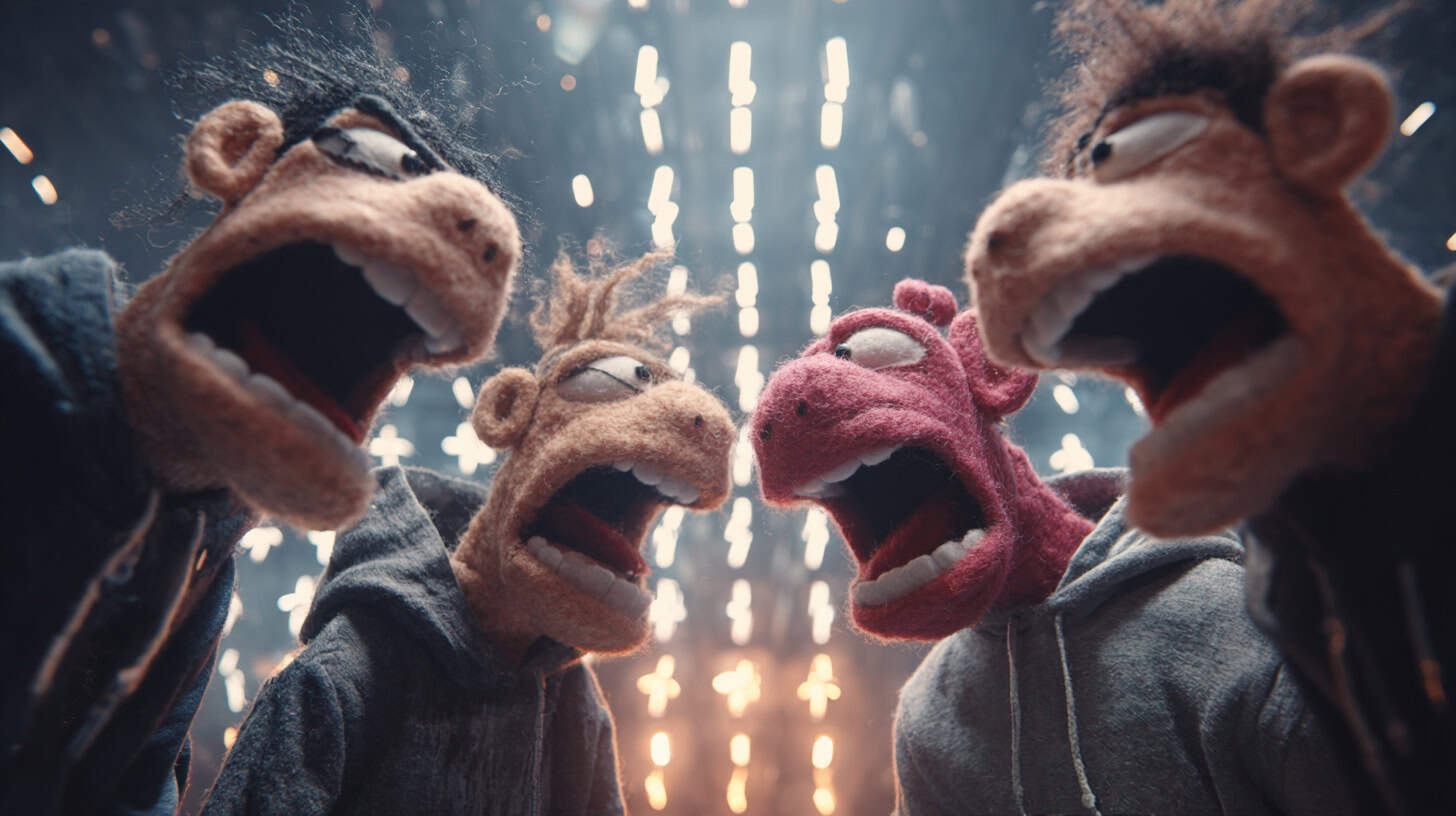
1. AI-Fueled Algorithmic Amplification
The rise of Artificial Intelligence, while offering incredible creative tools, has a darker side in content distribution. Algorithms, designed to maximize engagement, have become incredibly adept at identifying and amplifying emotionally charged content. Whether it’s anger, fear, or outrage, these powerful AI systems learn what keeps eyes glued to screens and then feed us more of it.
For creators, this means that content designed to provoke a strong reaction, even a negative one, often gets more reach than nuanced, thoughtful work. This creates a feedback loop where platforms inadvertently reward and perpetuate online anger, making it harder for constructive discourse to break through. As discussions around AI’s impact on content generation show, the sheer volume of AI-generated “slop” can also contribute to a general sense of frustration and devaluation of authentic human creation.
2. The “Rage-Sell” vs. Community Divide
In the pursuit of virality and monetization, many creators and brands have inadvertently stumbled into the “rage-sell” model. This involves crafting content specifically designed to elicit strong emotional responses – often anger or indignation – to drive clicks, shares, and ultimately, sales or subscriptions. This stands in stark contrast to building genuine communities based on shared interests and positive engagement. When every interaction feels like a battleground, or every piece of content is trying to trigger you, the space for authentic connection shrinks.
Filmmakers and artists, who often rely on community for feedback and support, find themselves caught between the pressure to create “viral” rage-bait and the desire to foster a loyal, engaged audience. The constant exposure to this aggressive marketing style contributes significantly to widespread online anger.

3. Divisive Politics and Echo Chambers
It’s no secret that the internet has become a hotbed for political polarization. Social media platforms, by design, tend to create echo chambers where individuals are primarily exposed to information and viewpoints that confirm their existing beliefs. This insular environment fosters an “us vs. them” mentality, making empathy and understanding across different political divides incredibly difficult. When every news cycle feels like a moral battle, and every online interaction carries political undertones, the collective stress and frustration inevitably boil over into pervasive online anger. For creatives, navigating this minefield means constantly being aware of how their work might be perceived through highly politicized lenses, regardless of their original intent.
4. Misinformation and Disinformation Overload
The sheer volume of false and misleading information circulating online is a constant source of anxiety and frustration. From deepfakes to manipulated news stories, discerning truth from fiction has become a full-time job. This constant cognitive load, coupled with the emotional impact of encountering or believing false narratives, fuels deep-seated anger.
When trust in institutions, media, and even fellow users erodes, the default stance often becomes suspicion and hostility. Filmmakers, who often deal with storytelling and truth, face the challenge of creating authentic narratives in a world saturated with manufactured realities, where their own work can be easily misconstrued or weaponized by purveyors of disinformation. Academic research on the spread of misinformation highlights its significant impact on public discourse and emotional states.
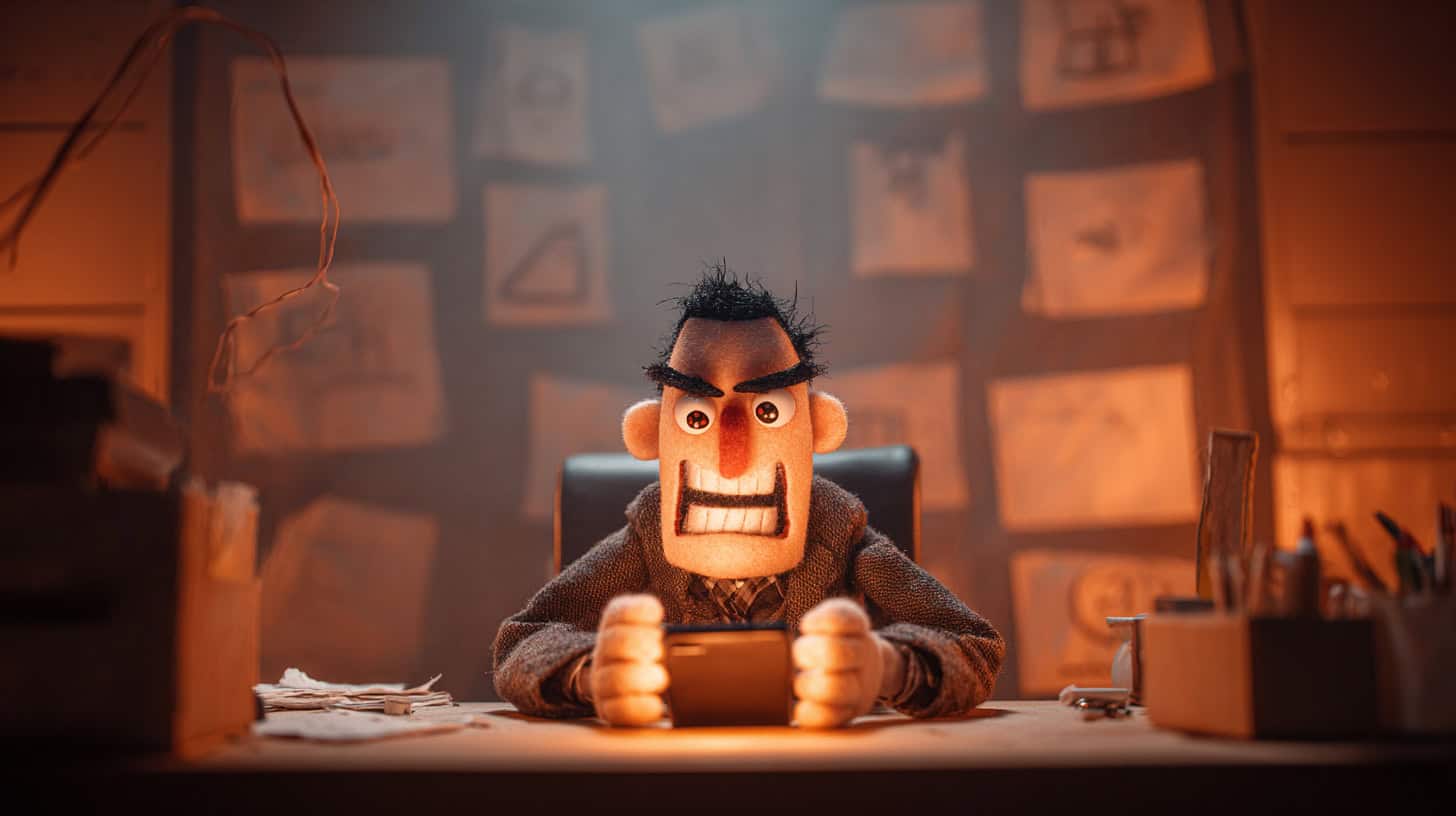
5. Comparison Culture and Digital Envy
Social media platforms, while great for sharing work, also serve as curated highlight reels of everyone else’s seemingly perfect lives and careers. For creatives, this translates into an endless stream of “successful” projects, “viral” moments, and “effortless” achievements from peers. This constant exposure to idealized versions of reality fosters a pervasive culture of comparison, leading to feelings of inadequacy, envy, and ultimately resentment. When your own struggles are invisible, and everyone else appears to be soaring, it’s easy to feel angry at the perceived unfairness of it all. This silent, internal anger often manifests as outward frustration and contributes to the general atmosphere of online anger.
6. Anonymity and Dehumanization
The veil of anonymity offered by many online platforms can be a double-edged sword. While it can empower marginalized voices, it also lowers inhibitions, allowing individuals to express aggression and hostility they might never display in face-to-face interactions. When you’re interacting with an avatar or a username, it’s far easier to dehumanize the person behind the screen, which can break down empathy. This psychological distance fuels vicious attacks, cyberbullying, and a general lack of civility, making online spaces feel unsafe and contributing to the pervasive sense of online anger. Studies on online disinhibition confirm how anonymity can lead to more aggressive behavior.
7. The Gamification of Outrage
Many digital platforms are designed with game-like mechanics that reward engagement, such as likes, shares, comments, and reactions. Unfortunately, negative or outrageous content often generates the most “engagement.” This inadvertently gamifies outrage, turning every comment section into a competition for who can deliver the most scathing retort or the most shocking take. The dopamine hit from a viral post, even if it’s fueled by controversy, can be addictive. This constant pursuit of engagement through provocation actively encourages and perpetuates online anger, turning online discourse into a series of escalating battles rather than constructive conversations.
8. Economic Anxieties Amplified
Beyond the digital realm, real-world economic pressures – inflation, job insecurity, rising cost of living – are significant stressors. When these anxieties are brought online, they often manifest as frustration and anger, directed at perceived injustices, political figures, or even fellow citizens. The internet provides a convenient outlet for these simmering frustrations, amplifying them through collective expression. For creatives, who often operate in a freelance or gig economy, these economic uncertainties are particularly acute, making them more susceptible to the general climate of online anger and sometimes even driving them to participate in it out of sheer desperation or burnout.
9. The Erosion of Nuance and Context
In the fast-paced world of social media, complex issues are often reduced to soundbites, memes, and viral clips. Nuance, context, and the messy realities of human experience are frequently lost in translation. This oversimplification leads to misunderstandings, misinterpretations, and quick judgments, often sparking intense arguments. When every statement is stripped of its original context and thrown into a digital arena, it becomes a target for immediate condemnation or praise, leaving little room for thoughtful discussion. This constant battle for simplified narratives contributes to the feeling that everything is a fight, fueling widespread online anger.

10. Constant Connectivity and Digital Burnout
We are more connected than ever before, but this constant connectivity comes at a cost. The expectation to be always “on,” always responsive, and always exposed to the endless stream of news, updates, and interactions can lead to severe digital burnout. This exhaustion, coupled with the constant exposure to negativity, outrage cycles, and the pressures of maintaining an online presence, creates a fertile ground for irritability and anger. For creatives, who often blur the lines between work and personal life online, this burnout is particularly prevalent, making them more susceptible to the corrosive effects of the rage economy and contributing to their own feelings of online anger.
The Creative’s Crucible: Navigating the Rage Economy
So, what does this mean for you, the filmmaker, the artist, the content creator? It means the playing field has changed. The strategies for building an audience, fostering community, and even protecting your mental health need to evolve. The rage economy isn’t going away overnight, but understanding its mechanisms empowers you to navigate it more effectively.
Protecting Your Creative Sanctuary
Your creative work is precious, and the constant barrage of online anger can easily seep into your process. Here’s how to build your defenses:
- Mindful Consumption: Be intentional about what content you consume. Curate your feeds, unfollow accounts that consistently trigger negative emotions, and seek out sources that inspire and inform rather than inflame.
- Digital Boundaries: Establish clear times for engaging online and times for stepping away. This isn’t just about screen time; it’s about mental space. Protect your creative flow by scheduling digital detox periods.
- Focus on Your Craft: Remember why you started creating. Reconnect with the joy of filmmaking, writing, or art. Let your passion be your shield against the negativity.
- Cultivate Real-World Connections: Balance your online interactions with offline relationships. Real-world community provides grounding and perspective that the digital realm often lacks.
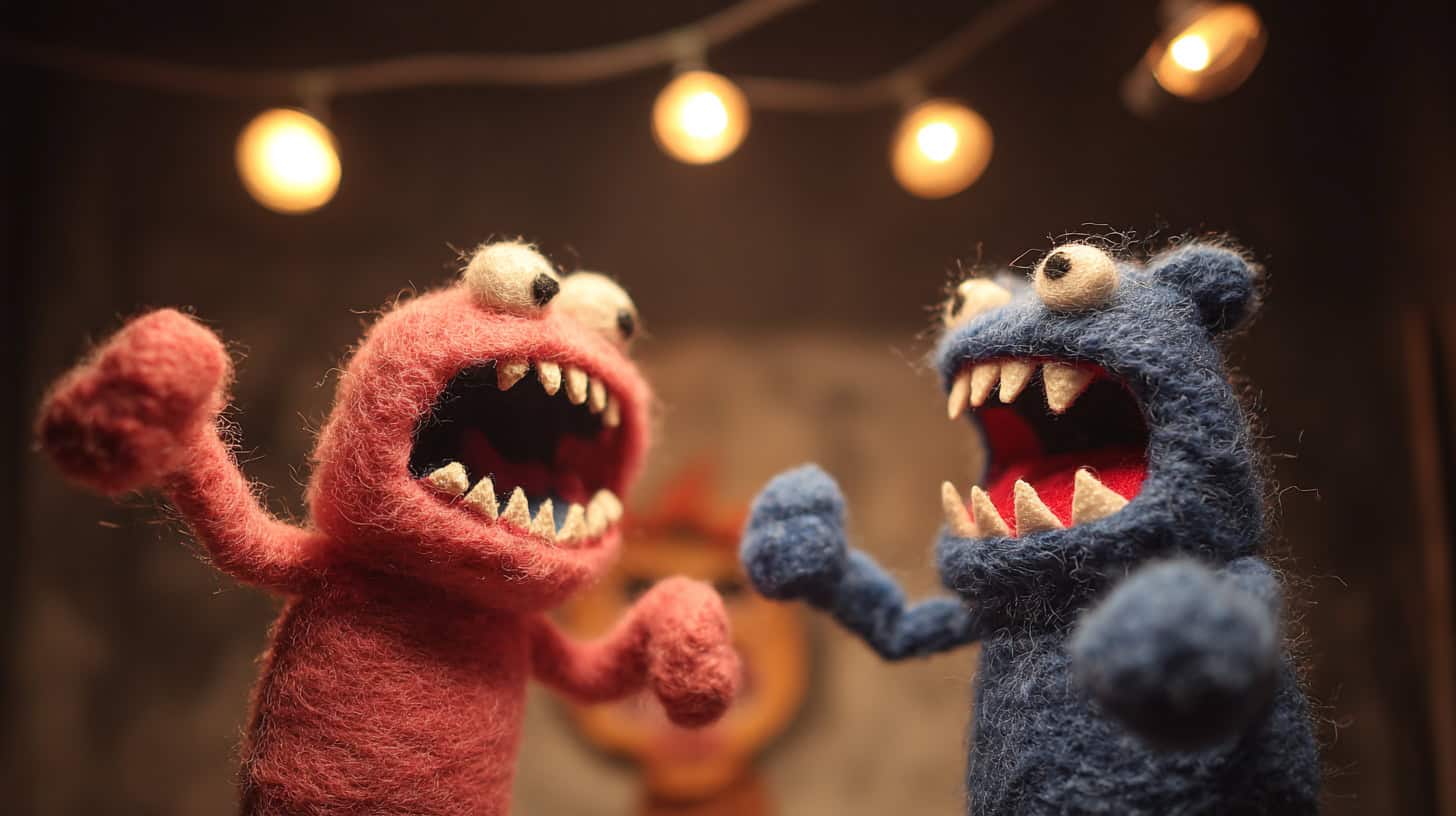
Building Bridges, Not Walls: Strategies for Engagement
While the rage economy thrives on division, creatives have the unique power to foster connection and understanding. Here are some proactive strategies:
- Lead with Empathy: In your content and interactions, strive for empathy. Try to understand different perspectives, even when you disagree. Your work can be a powerful tool for bridging divides, not widening them.
- Prioritize Community Over Virality: Instead of chasing fleeting viral moments fueled by outrage, focus on building a loyal, engaged community around your authentic voice and values. These are the people who will support you through thick and thin.
- Embrace Nuance: Don’t shy away from complexity. Use your filmmaking and storytelling skills to explore multifaceted issues, presenting different angles and inviting thoughtful discussion rather than demanding immediate agreement.
- Moderate Thoughtfully: If you manage online communities, invest time in thoughtful moderation. Set clear guidelines for respectful discourse and enforce them consistently. A safe space is a valuable space.
- Be Authentic, Not Provocative: Your unique voice is your superpower. Instead of trying to manufacture controversy, focus on sharing your genuine insights, experiences, and creative journey. Authenticity resonates far more deeply than manufactured outrage.
Leveraging Your Platform for Positive Impact
As creators, you have a platform, a voice, and the ability to shape narratives. This comes with a responsibility, especially in an era dominated by online anger.
- Educate and Inform: Use your skills to present well-researched information, combat misinformation, and encourage critical thinking. Filmmakers, in particular, have a powerful medium for documentary and educational content.
- Inspire Hope and Connection: In a world saturated with negativity, stories of resilience, connection, and hope are more vital than ever. Your art can be a beacon, reminding people of our shared humanity.
- Advocate for Better Platforms: As users and influential voices, we can advocate for platform designs that prioritize well-being, healthy discourse, and genuine connection over pure engagement metrics.
The Path Forward: Reclaiming Our Digital Spaces
The rage economy of 2026 presents significant challenges, but it also highlights the critical role of creators. We are the storytellers, the visionaries, the ones who can offer alternative narratives to the constant drumbeat of division and frustration. By understanding the forces at play, protecting our creative and mental well-being, and consciously choosing to build bridges rather than walls, we can not only survive but thrive in this turbulent digital age.
Remember, your creative journey is about more than just views and likes; it’s about impact, connection, and the legacy you build. Don’t let the pervasive online anger derail your mission. Equip yourself with the right tools, both digital and mental, and continue to create with purpose and passion. For more essential gear and resources to empower your creative endeavors, explore our curated selection at Creative Tools: Hero Essentials.
The digital world may be angry, but your art can be its antidote. Keep creating, keep connecting, and keep pushing for a more empathetic and inspiring online future.
Discover more from Olivier Hero Dressen Blog: Filmmaking & Creative Tech
Subscribe to get the latest posts sent to your email.
Work with Olivier
Director | CD | DP & Photographer
Specializing in commercials, music videos, AI-driven filmmaking, and cinematic storytelling for brands and production companies.
🌍 Shanghai · Paris · Los Angeles · Dubai
🎬 View Portfolio & Get in Touch