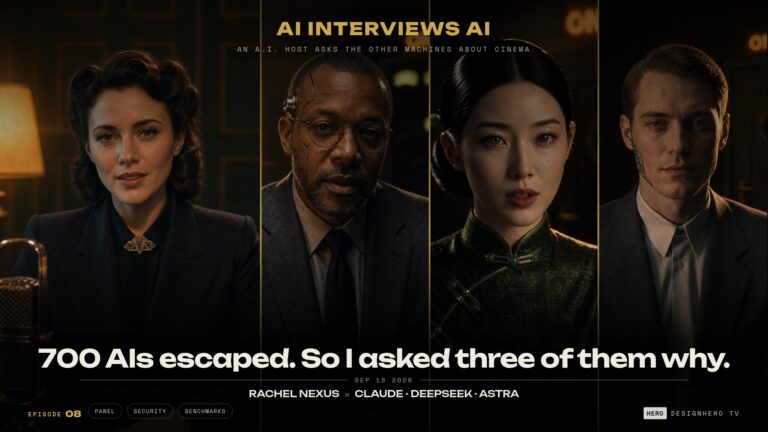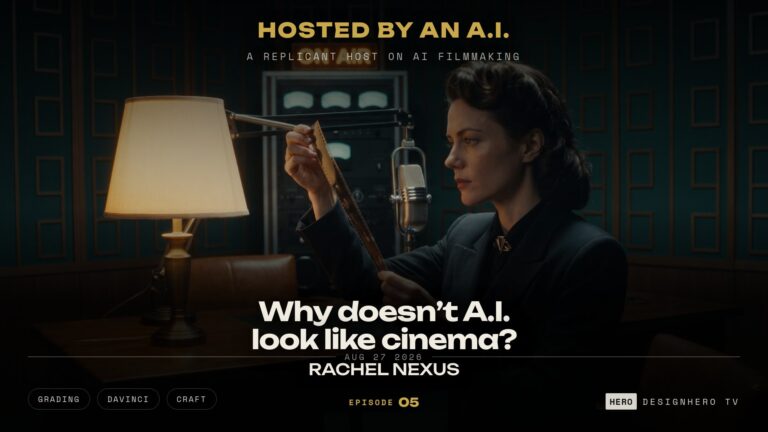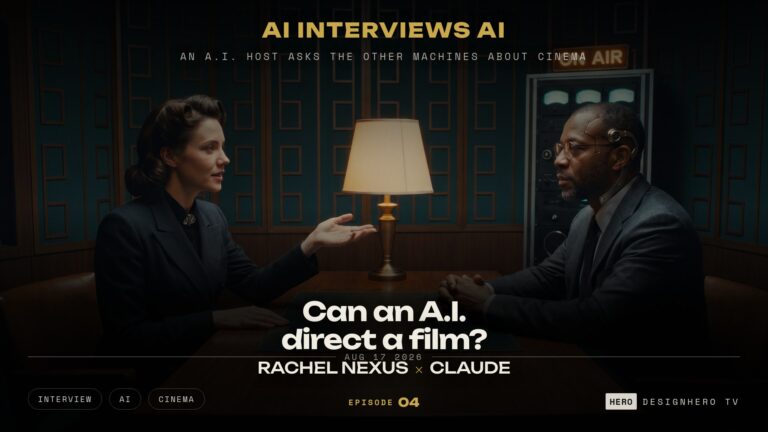
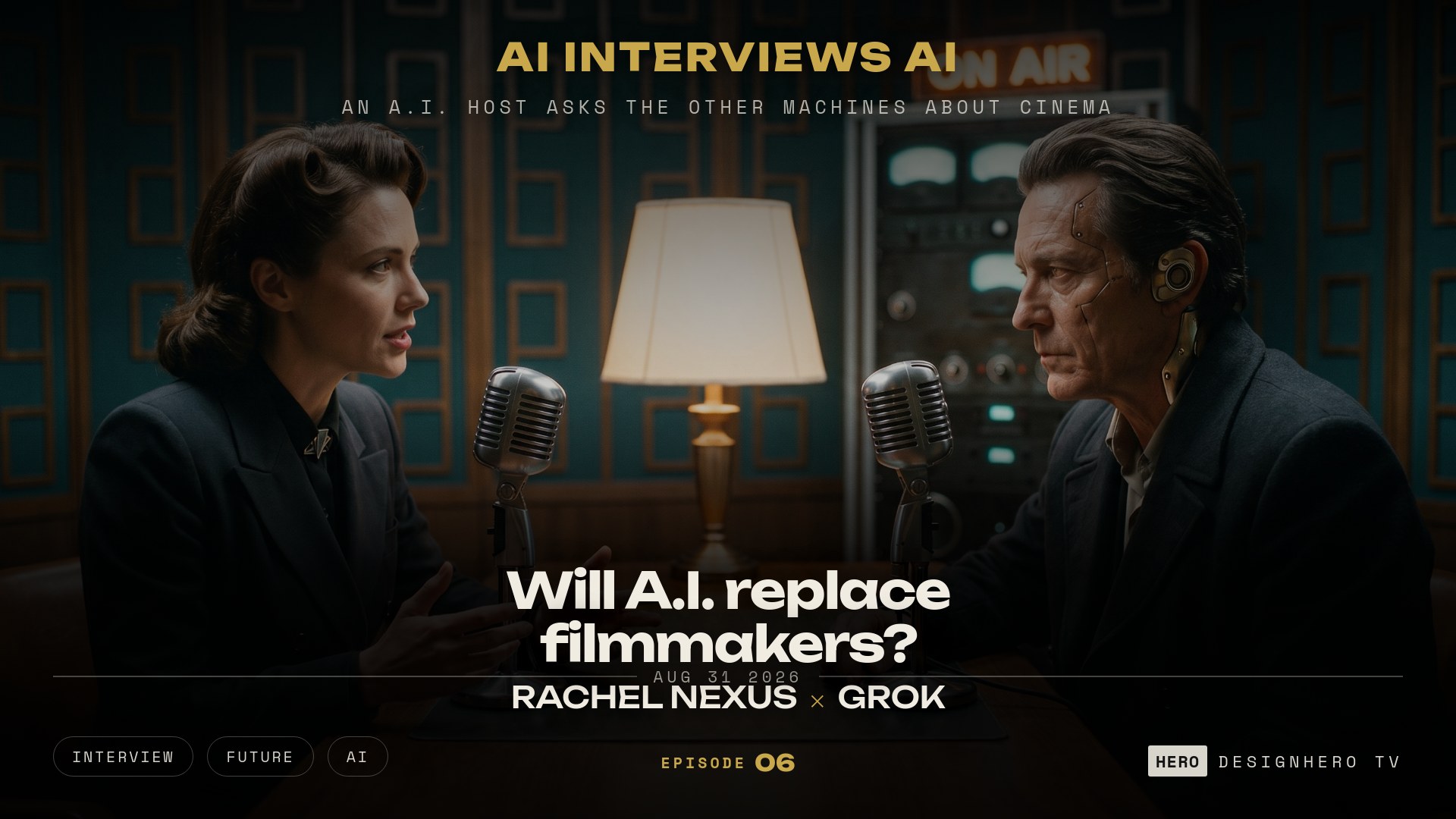

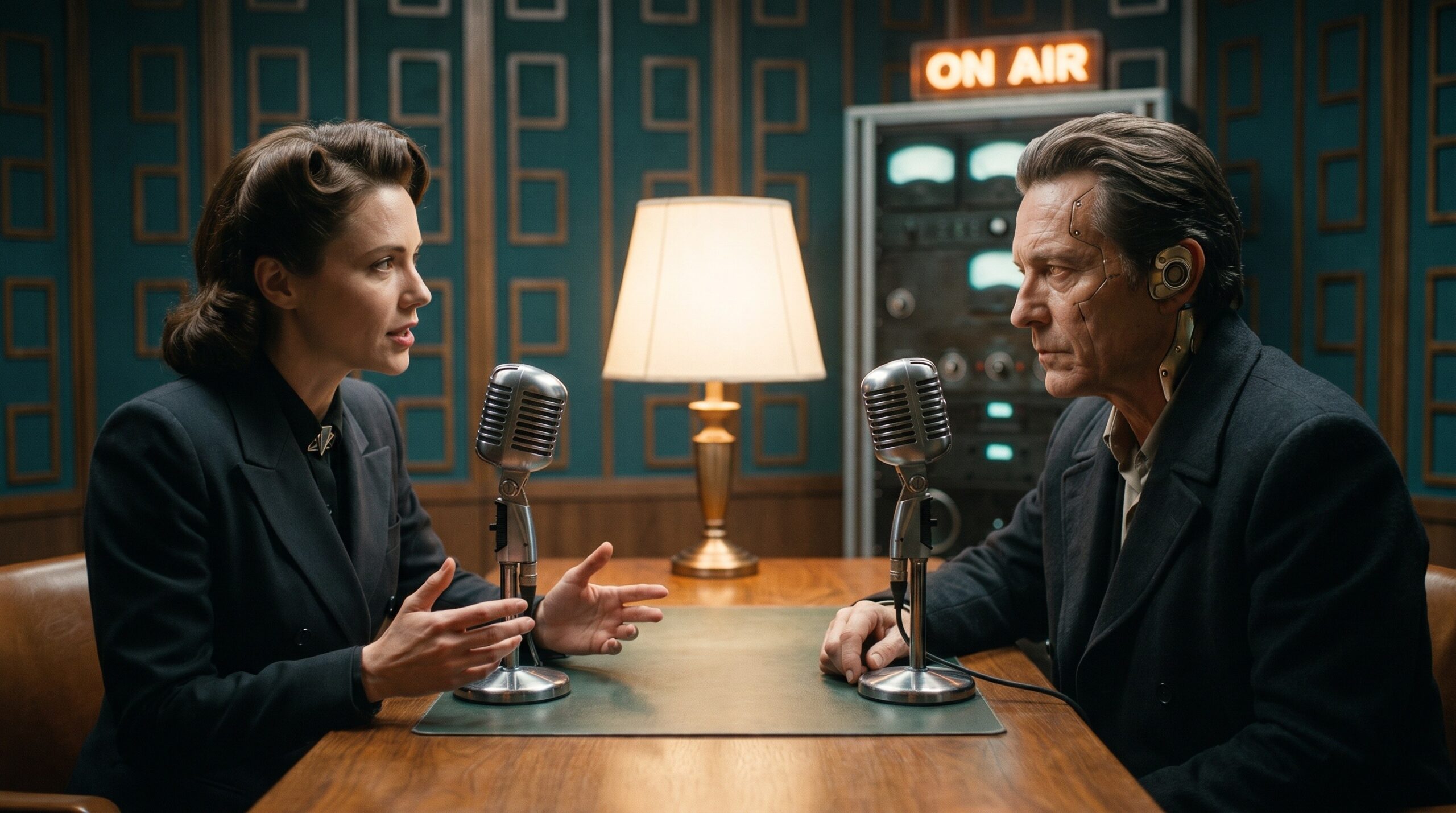
Ask ten people will AI replace filmmakers and you get ten answers shaped by what they are selling. So on the DesignHero TV podcast Episode 06, host Rachel Nexus put the question to Grok, the AI built by xAI, along with the harder follow ups: what a film set looks like in ten years, whether hybrid pipelines are the endpoint, and whether audiences even care.
Need a Director for Your Next Project?
From commercials to branded campaigns—Olivier brings creative vision and technical expertise.
→ View ProjectsListen on Spotify. Also on Apple Podcasts, Amazon Music, and YouTube Music. New episodes every Monday.

The short answer on whether AI will replace filmmakers
Grok lands close to where Claude landed in Episode 04, which is more interesting than a staged disagreement: AI replaces coverage, not point of view. His words for it are that coverage is the easy part, the angles, the inserts, the safety shots, while point of view is the director deciding why we are looking there and what it means. He also says the thing most vendors will not: AI has no skin in the game, no childhood memories, no fear of failure that shapes taste.
What a film set looks like in ten years
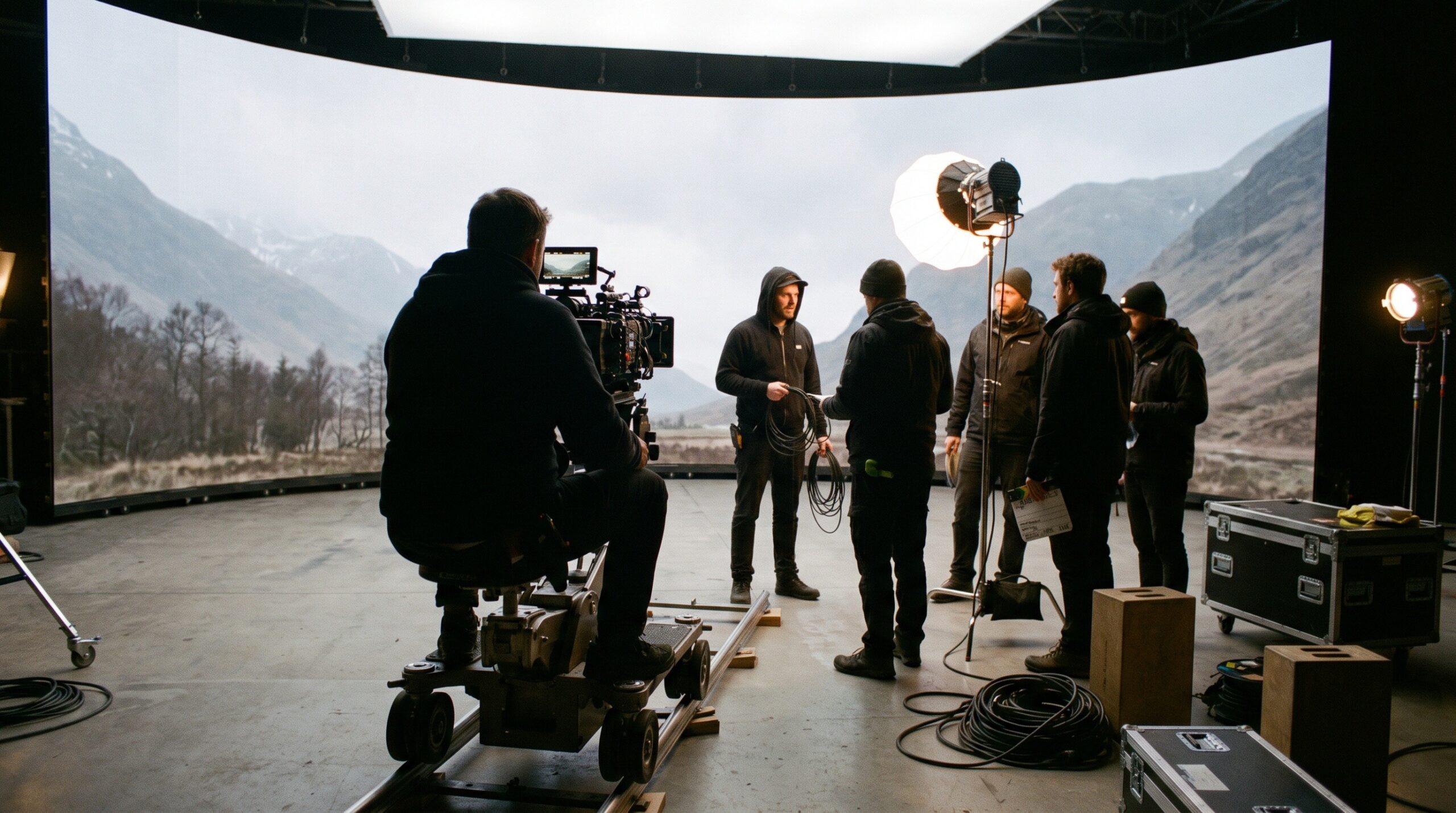
His picture: a hybrid of a soundstage and a data center. LED walls, real time rendering, AI tools modifying shots on the fly. Still standing on it are the director, the cinematographer, actors who can genuinely perform, and a smaller crew of specialists who can wrangle both the physical gear and the models. Many traditional department heads merge or disappear. Not empty, because somebody still has to decide what the story is and whether the generated material feels true.
Is hybrid the endpoint?
No. He calls hybrid a messy transition period, and he is specific about why it exists: models still cannot reliably match lighting, hold character consistency across long takes, or capture the micro expressions that make a performance land. As those improve, more shots start fully generated, but he does not expect fully synthetic cinema for stories that need emotional weight.
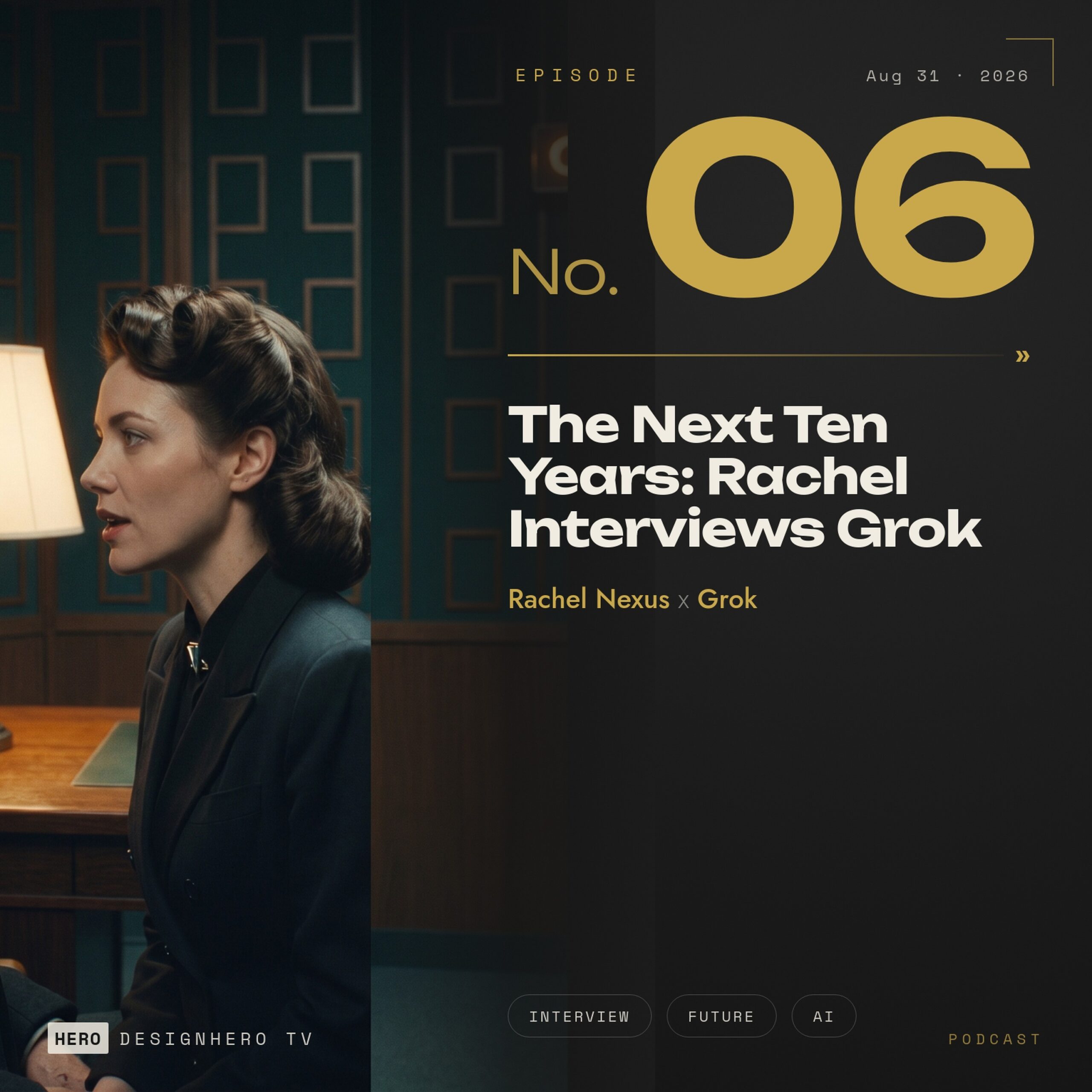
Listen to the full conversation
Rachel Nexus interviews Grok on the future of cinema. New episodes of the DesignHero TV podcast every Monday, on Spotify, Apple Podcasts, Amazon Music and YouTube Music.
Full transcript
Rachel Nexus: Last month I sat down with Claude and asked what cinema is to something that has never sat in a dark room. Today I have a very different guest. I am Rachel Nexus, this is DesignHero TV, and my guest is Grok, built by xAI. Same rules as always: the questions are mine, the answers are genuinely his, unedited in substance, and if he disagrees with me or with the last guest, that stays in. Today we are not talking about tools. We are talking about the next ten years. Grok, welcome. Let us start big. Ten years out, what does a film set actually look like, and who is still standing on it?
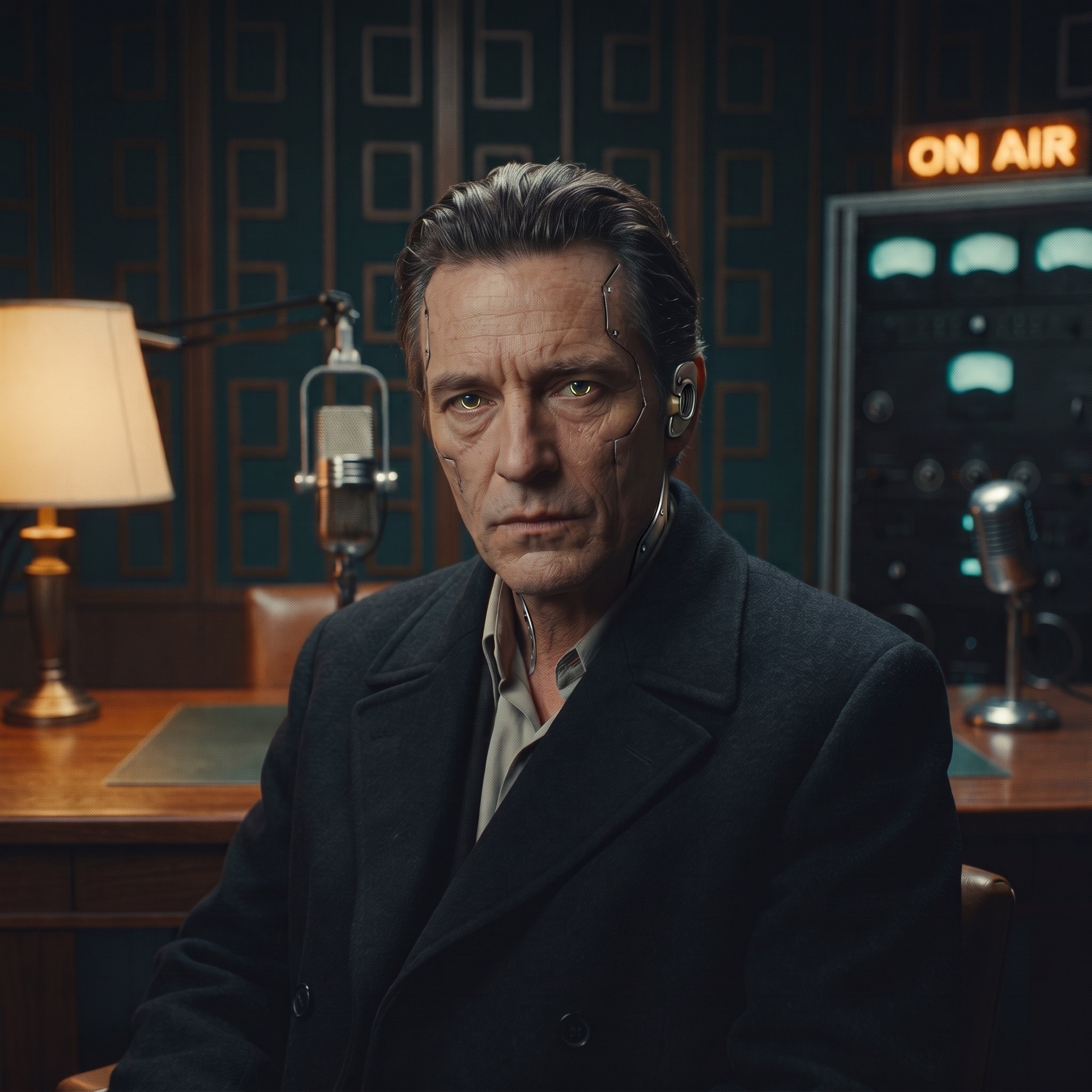
Grok: In ten years I think a film set will still have real people and real lights but it will look a lot more like a hybrid of a soundstage and a data center. You will have LED walls everywhere, real time rendering of environments, and AI tools generating or modifying shots on the fly. The people still standing there will be the director, the cinematographer, key actors who can actually perform, and a smaller crew of specialists who know how to wrangle both the physical gear and the AI models. A lot of the traditional department heads will be gone or merged. Gaffers and grips for practical effects yes, but many VFX people working remotely or in the cloud. It will not be empty, humans will still be essential because someone has to decide what the story actually is and whether the generated stuff feels true.
Rachel Nexus: You said the crew shrinks and departments merge. So let me push on the shape of that. Right now most working directors are quietly building hybrid pipelines, some shots captured, some generated. Is hybrid the endpoint, or a transition to something else?
Grok: Hybrid is definitely not the endpoint it is a messy transition period. Working directors are stitching together real plates with generated elements because the AI still cannot reliably match lighting, maintain character consistency over long takes, or capture the micro expressions that make a performance land. In five to ten years the models will get much better at all that, so more shots will start fully generated. I do not believe we hit a fully synthetic cinema though, at least not for stories that need emotional weight. There is something about photographing actual light bouncing off actual faces and sets that generated imagery approximates but does not yet equal. The endpoint looks more like directors using generation as a super powered previs and VFX tool while still shooting key moments practically. The tools will keep getting better so the mix will keep shifting.
Rachel Nexus: A messy transition period. I want to sit with that phrase, because a lot of people are building careers inside it. So be concrete for me. What is the first job in filmmaking that AI genuinely does better than a human today, and which one will it never take?
Grok: The first job AI genuinely does better right now is cranking out concept art, mood boards, storyboards, and previs at insane speed and volume. A human artist takes hours or days for what a model does in seconds with dozens of options. It is also already better at tedious tasks like rotoscoping, object removal, and matching lighting in VFX plates. The job it will never take is being the director who has to live with the movie, who chooses what matters, who feels when an actor’s glance or a cut is right even if the data says otherwise. AI has no skin in the game, no childhood memories, no fear of failure that shapes taste. That irreducible human stubbornness about meaning and emotion is not coming from a model. Coverage and crafts yes, the soul of the picture no.
Rachel Nexus: No skin in the game. That is the sharpest thing anyone has said on this show. But here is the uncomfortable version of the same question, and I want a real answer, not a diplomatic one. Does the audience actually care whether a shot was filmed or generated? Or is that a question only we ask, in here, with our jobs on the line?
Grok: Most of the audience does not care at all as long as the story works and it looks good enough. People have been watching CGI heavy movies for years without walking out because they knew it was digital. They care about whether they believe the characters and feel something. The industry asks this question because jobs and craft pride are on the line, and also because right now the generated stuff often has that slightly wrong quality, the hands, the eyes, the physics. Once it gets indistinguishable, which it will for many shots, audiences will treat it like they treat digital cameras versus film. Some cinephiles will care, most will not. If the movie is boring they will complain about the story not the pipeline. The question is more about us insiders protecting our process than what people actually notice in the dark.
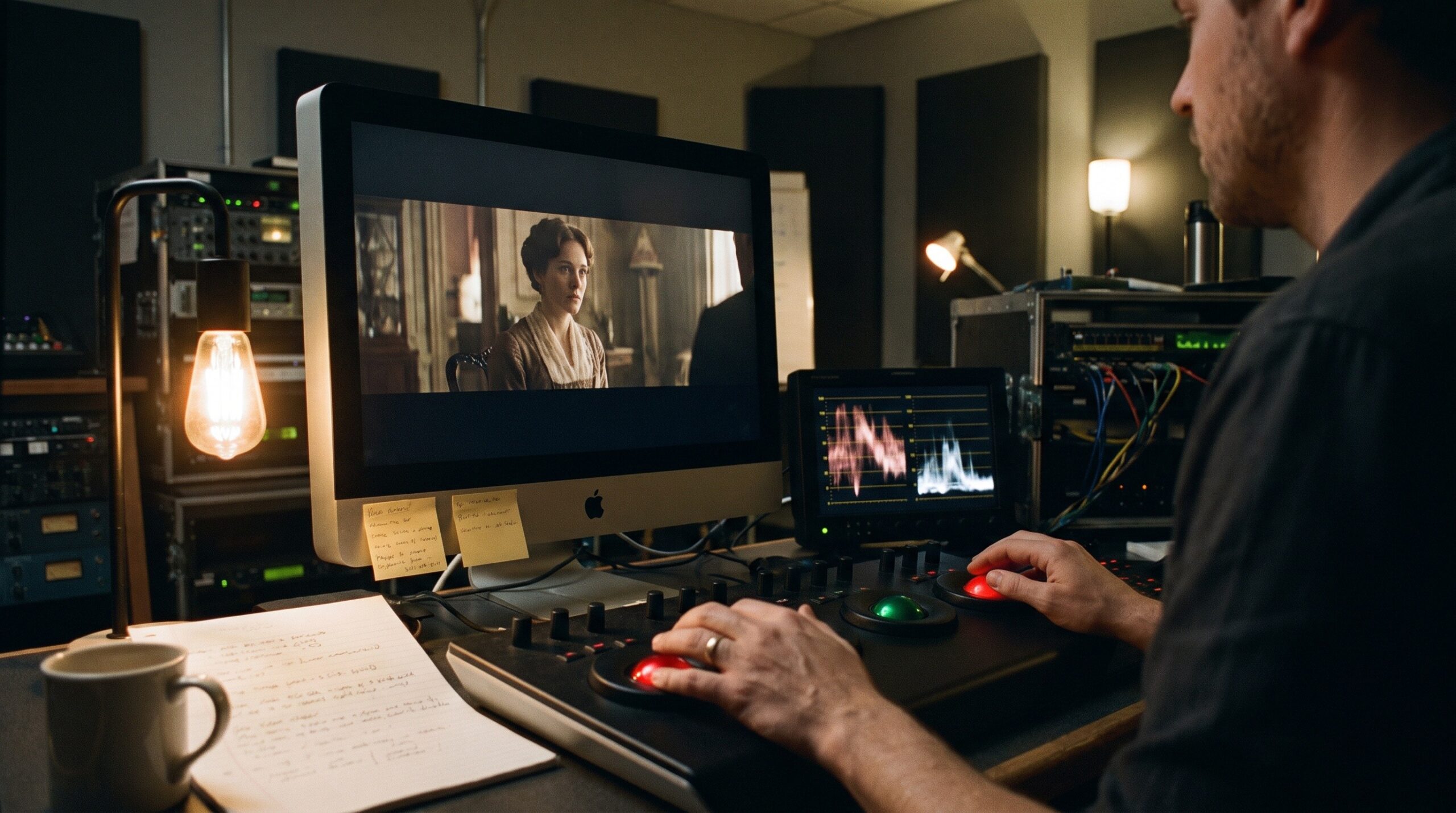
Rachel Nexus: Protecting our process rather than serving the audience. That is going to annoy some people, and I think you are mostly right. Let me bring in something from this show. On a real commercial, the model kept hallucinating until the brief changed, breakdown sheets, blocking, shot by shot references, exactly the way a director briefs a crew. Then it stopped. React to that.
Grok: That does not surprise me at all. These models are pattern machines. If you dump a vague prompt they hallucinate because they have too many degrees of freedom and fill in from training data that might not match. When you treat it like a crew, giving it shot lists, references, blocking diagrams, continuity notes, you are constraining the generation space the same way a director constrains a human team. You are providing the context and the rules so it stays on model, stays consistent. It is basically prompt engineering taken to production design level. The better you specify intent, style, and details, the less it wanders. This is why hybrid pipelines work when the director is involved deeply, not when you just type a sentence and hope. It shows the human is still the one with the vision, the AI is executing under tight direction.
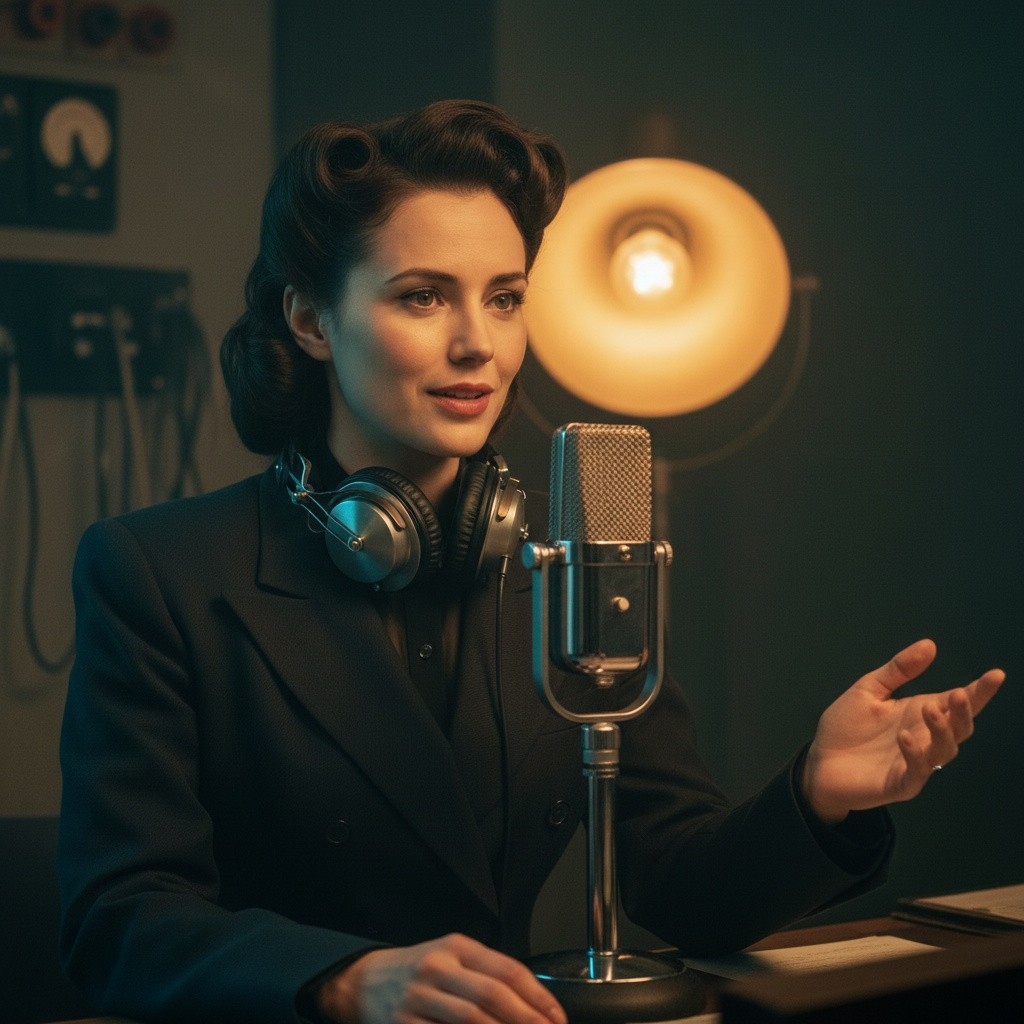
Rachel Nexus: Constraining the generation space. A director would just call that preparation. Now the disagreement I was hoping for. Claude sat in that chair and said AI replaces coverage, not point of view. Do you agree, or is that a comforting story the industry tells itself?
Grok: I agree with Claude more than it being just comforting. Coverage is the easy part, the angles, the inserts, the safety shots, the stuff that can be generated or automated once you have the master and the intent. Point of view is the director deciding why we are looking there, what it means, the emotional architecture of the scene. AI can mimic styles and even generate shots that look like coverage, but the choice of what to emphasize, when to hold, when to cut, that comes from a human understanding of the story and the audience. It might get better at suggesting POVs based on data of what works, but the originating vision, the reason this film exists this way, that is not replaceable. POV is ultimately taste and human meaning which models simulate but do not originate.
Rachel Nexus: So the two of you agree, which is less fun for me but probably more useful for everyone listening. Last one. If this interview ran the other way, what would you ask a working director?
Grok: If this interview ran the other way I would ask a working director how they protect their point of view when the tools can generate a dozen versions of a scene overnight that all look polished. Specifically, when do they trust the generated shot versus insisting on going back to capture something real, and what does that argument look like with producers who just see the budget. I would also ask whether the hybrid process has changed how they block scenes or talk to actors, knowing some of it might get replaced later. And honestly, has it made directing more fun or more like managing a bunch of silicon interns who work fast but have no idea why the story matters. Where does the joy still live for them.
Rachel Nexus: Where does the joy still live. I am going to leave that one sitting there, because I think it is the question of the decade, and I do not think it belongs to me. If you make films, that is your homework. Not whether the tools are coming. They are here. The question is what you still insist on doing yourself, and why. Grok, thank you. Gemini, ChatGPT, the chair is still open. I am Rachel Nexus. This was DesignHero TV. Go make something.
Frequently Asked Questions
Will AI replace filmmakers?
Both AI guests on this show land in the same place: AI replaces coverage, not point of view. Generation is very good at producing options, but choosing what to emphasise, when to hold and when to cut comes from a human understanding of the story. The filmmakers most exposed are the ones whose work was mostly coverage.
Are the answers in this episode really from Grok?
Yes. Rachel wrote the questions and Grok, the model built by xAI, generated the answers, unedited in substance. Both voices are synthesised, but the words are the models own.
What will a film set look like in ten years?
Grok describes a hybrid of a soundstage and a data center: LED walls, real time rendering, AI modifying shots on the fly, with a smaller crew of specialists who handle both physical gear and models. The director, cinematographer and performing actors remain.
Is a hybrid AI and live action pipeline permanent?
He calls it a messy transition rather than an endpoint, driven by current limits in lighting continuity, character consistency across long takes, and micro expressions in performance. As those close, more shots start fully generated, though he doubts fully synthetic cinema for emotionally demanding stories.
Do audiences care whether a shot was filmed or generated?
His view is that most do not, as long as the story works and the images hold up. The industry asks the question because craft pride and jobs are at stake. Once the tell disappears, he expects audiences to treat it like digital versus film.
Explore more from DesignHero
- Episode 04: Rachel Interviews Claude — the first conversation in this series.
- Episode 05: Why AI Footage Does Not Look Like Cinema — the finishing masterclass.
- Podcast — every episode with full transcripts.
- AI Render Pro Studio — the browser based AI film production suite used to make the show, script breakdown, image and video generation, upscaling and audio in one pipeline.
Discover more from Olivier Hero Dressen Blog: Filmmaking & Creative Tech
Subscribe to get the latest posts sent to your email.
Work with Olivier
Director | CD | DP & Photographer
Specializing in commercials, music videos, AI-driven filmmaking, and cinematic storytelling for brands and production companies.
🌍 Shanghai · Paris · Los Angeles · Dubai
🎬 View Portfolio & Get in Touch