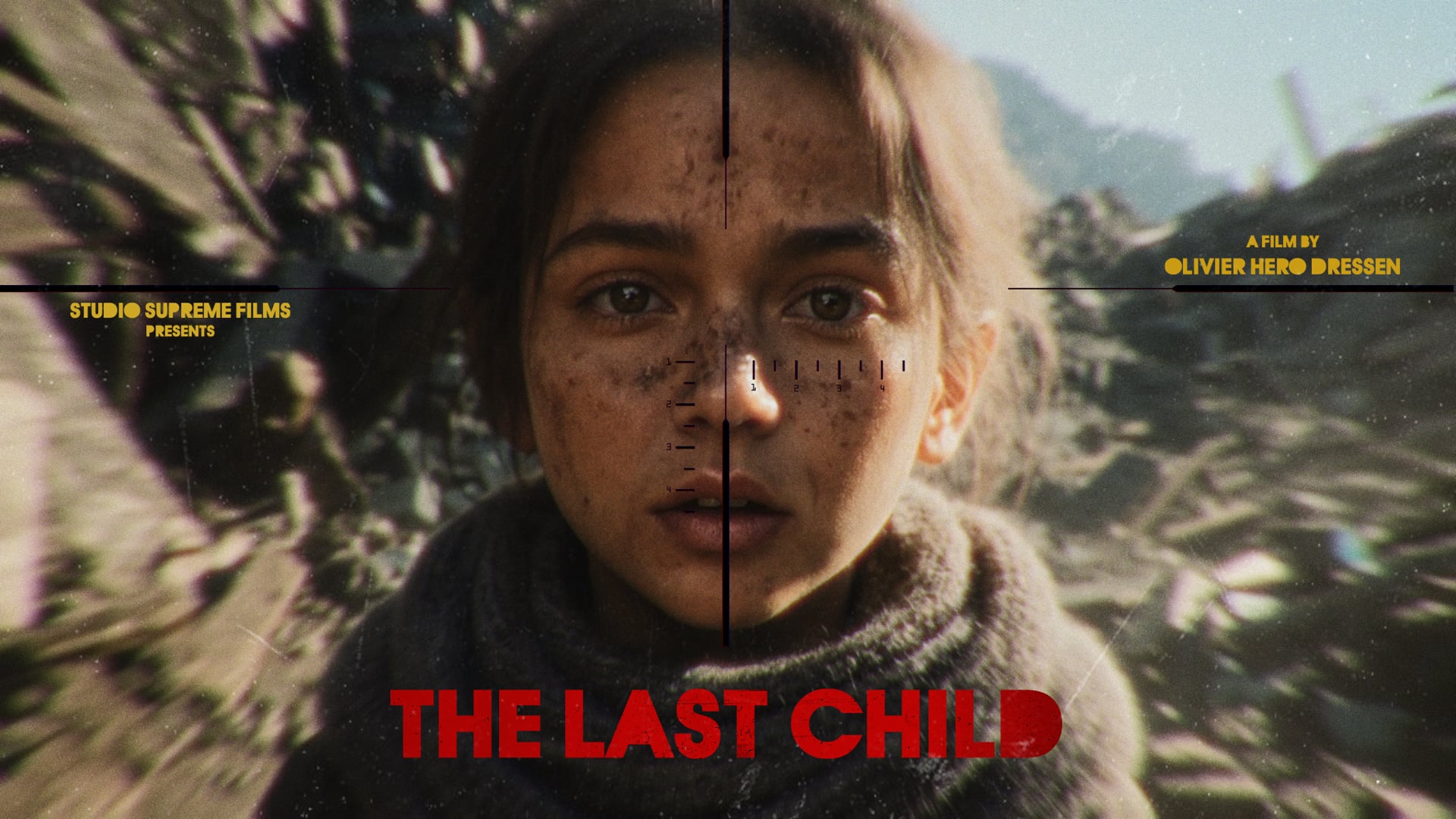

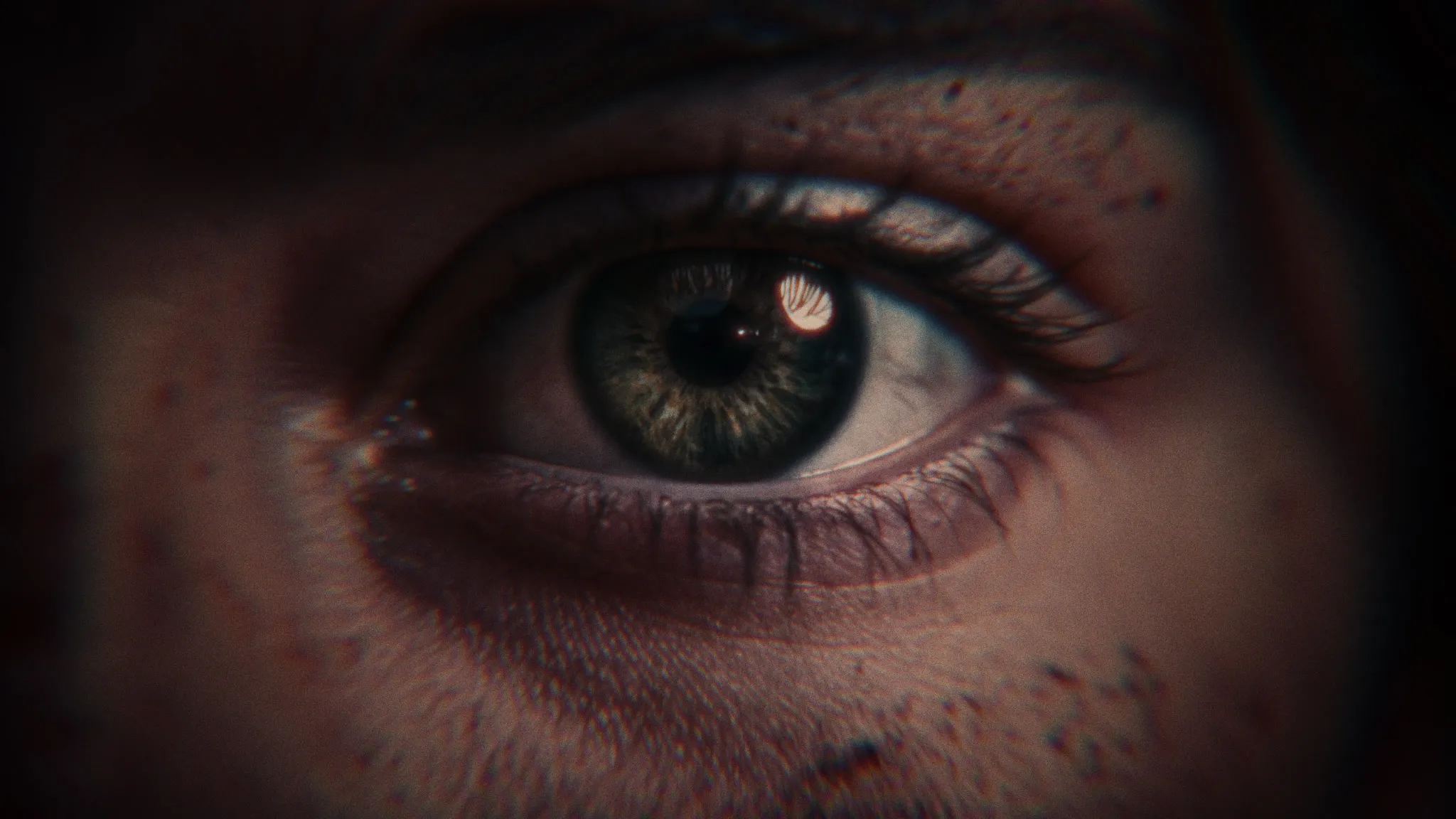
The Last Child is my 10-minute sci-fi anti-war short, starring Ivis Pray and produced by Studio Supreme Films. It is also the film where I learned what an AI short film really costs in time, patience and craft. This is the making of: what I painted by hand, which tools I used, what stayed human, and what I would tell anyone starting their own AI short film today.
Need a Director for Your Next Project?
From commercials to branded campaigns—Olivier brings creative vision and technical expertise.
→ View ProjectsWatch the trailer above, then read on. If you want the bigger picture of where AI cinema stands right now, I also wrote about the new wave of movies made with AI, from Gods Don’t Give Gifts to Hell Grind.
What The Last Child is about
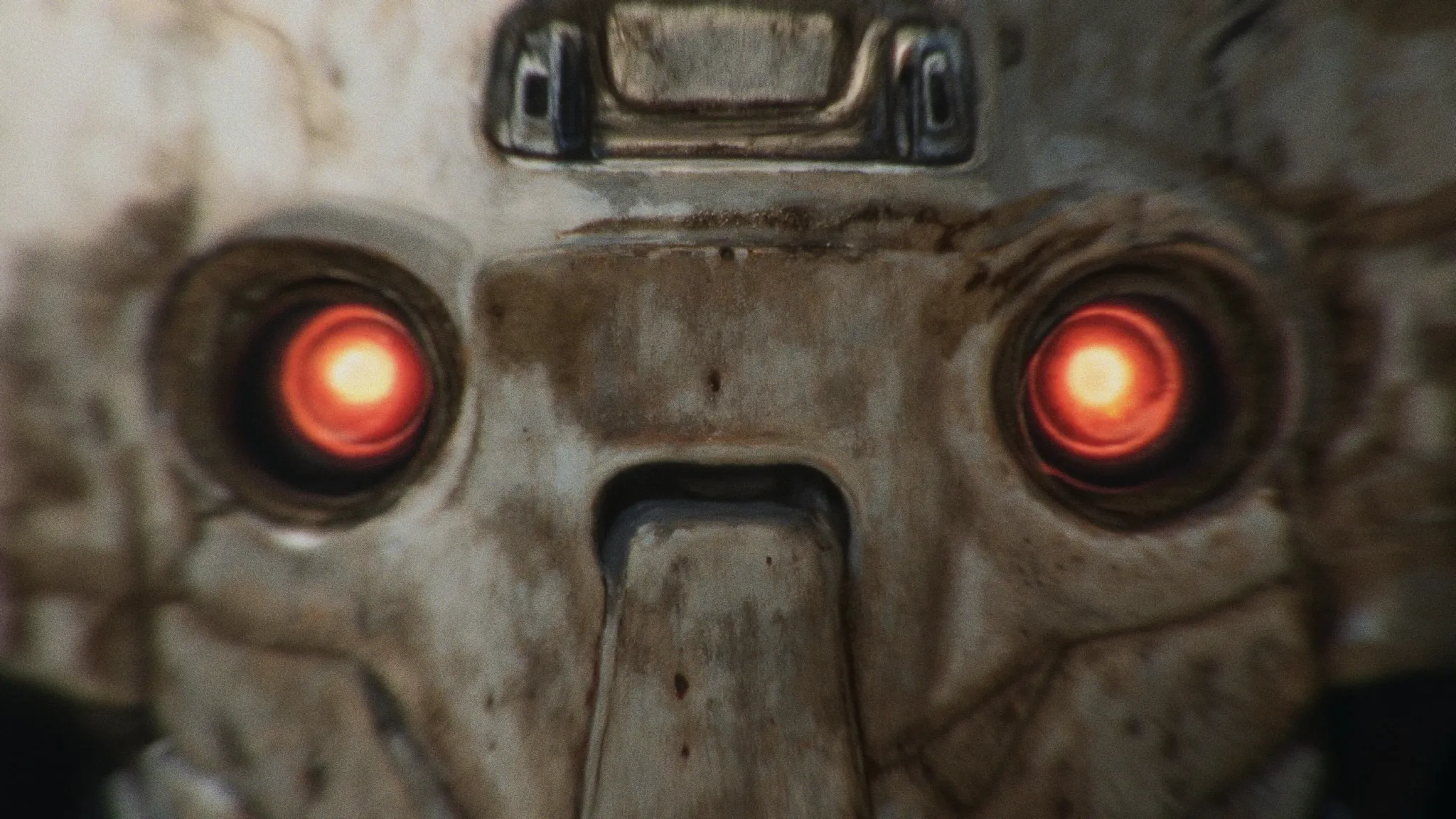
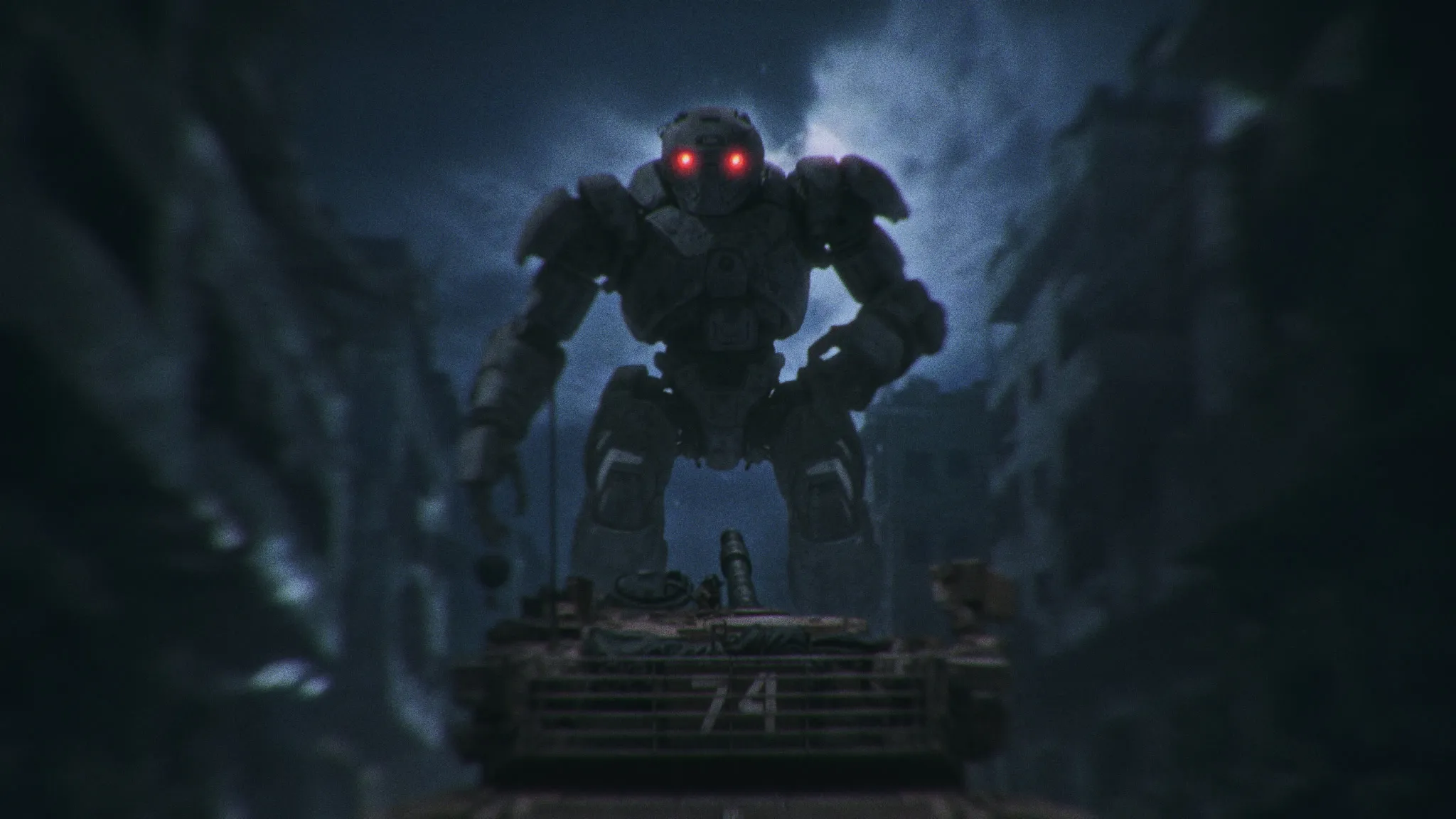
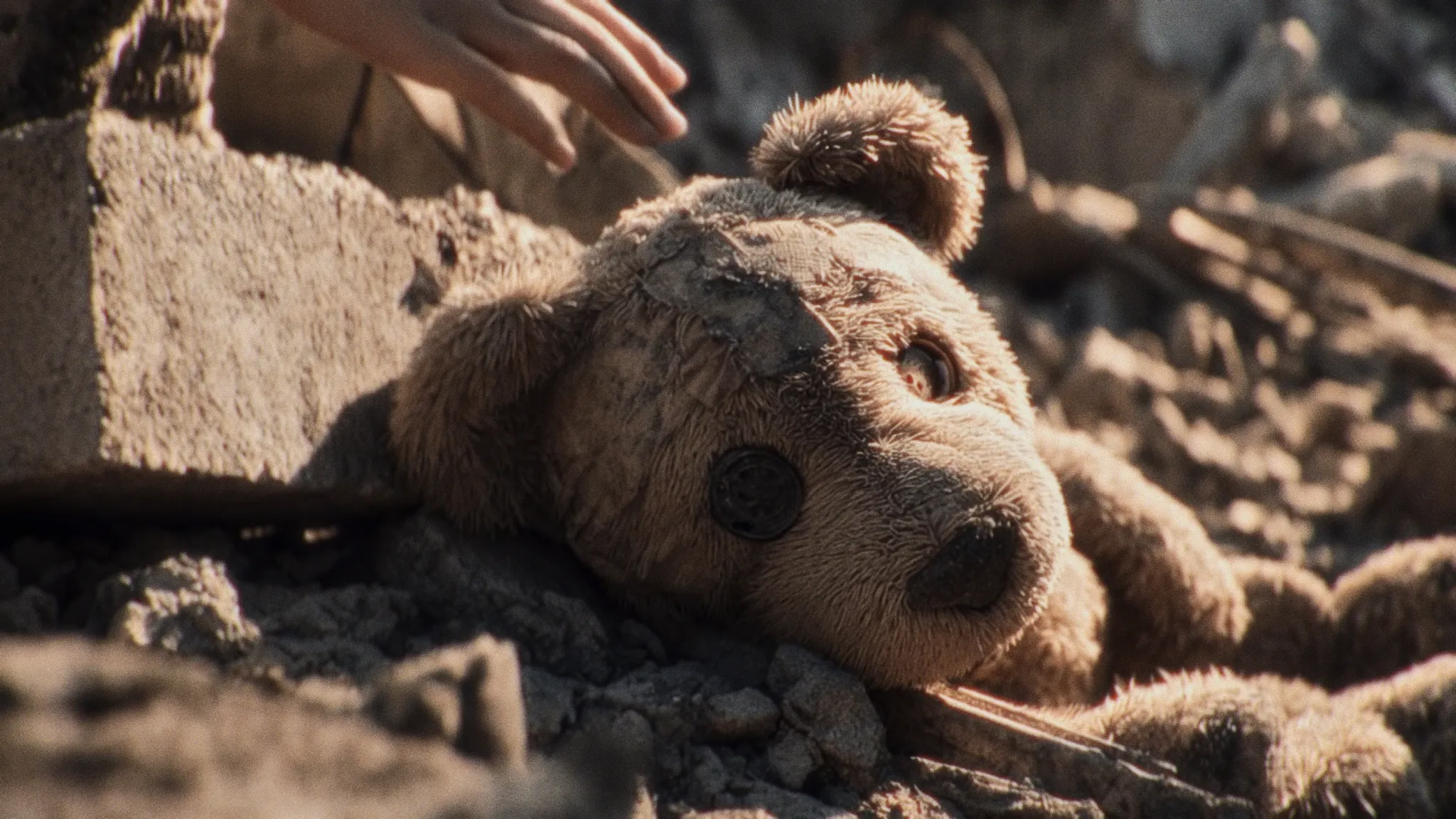
Aya is a nine-year-old girl with a prosthetic leg and an unbreakable spirit. She wanders the ruins of a war and finds a buried war machine, slumbering under the rubble. Instead of running from it, she turns it into a vessel for her defiance against the engines of war. It happens in a world where silence replaces lullabies.
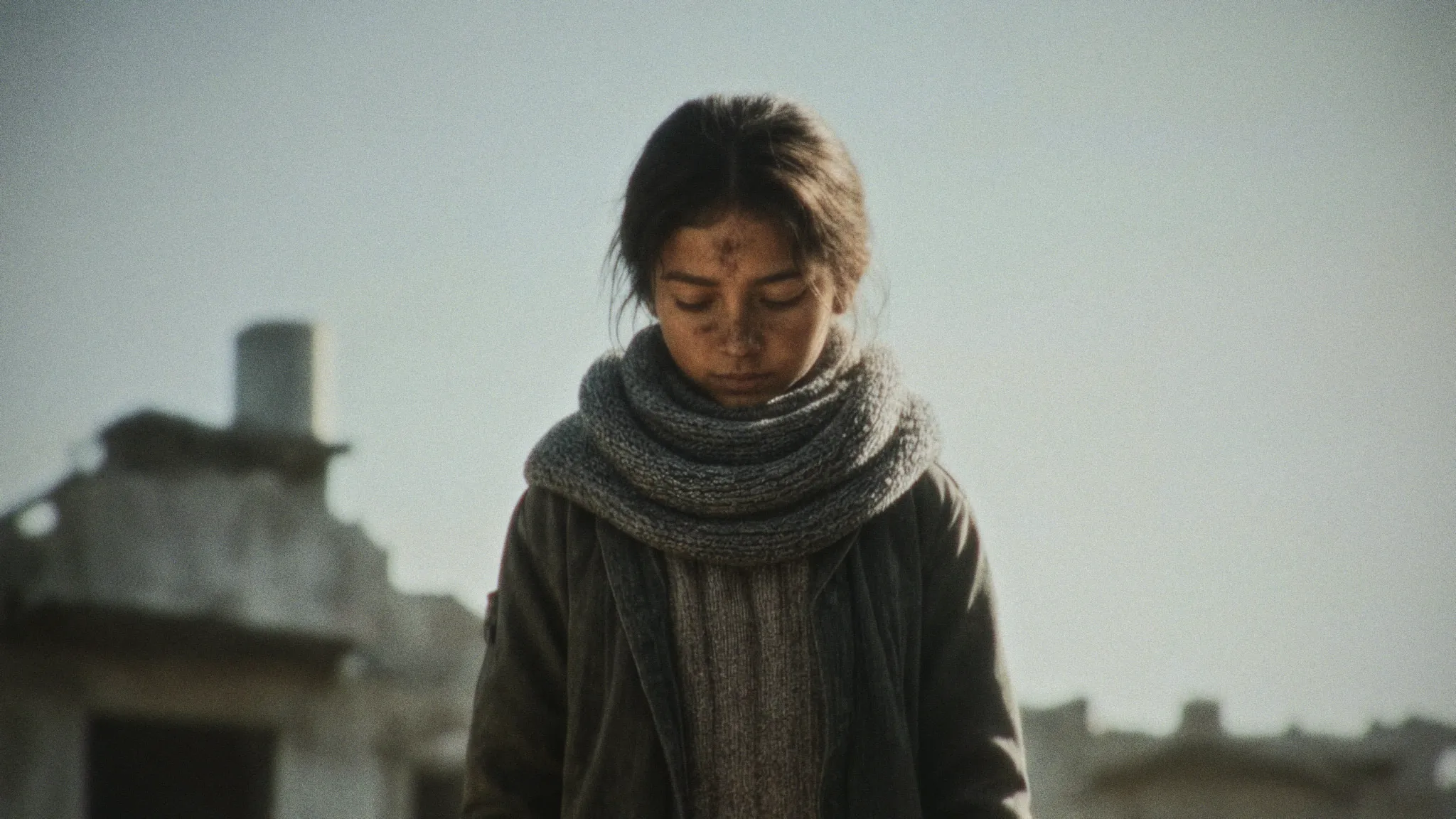
I wanted a war film with no war movie clichés: no soldiers delivering speeches, no heroes. Just a child, a machine and the silence between them. The film is a myth about what remains of humanity when everything else is gone. It comes from the team behind Kite and The Passport, and it is on the international festival circuit now. The reasons behind the film, and my director’s note, are in the official announcement on the Studio Supreme Films blog. This article is about how it was made.
Why I used matte painting first
When I started this film, there was no AI tool that could give me repetition. The same street, the same girl, the same light, from one shot to the next. That is the most basic requirement of cinema, and the tools of the time simply could not do it. Every shot came out as a beautiful accident, and a film cannot be built from accidents.
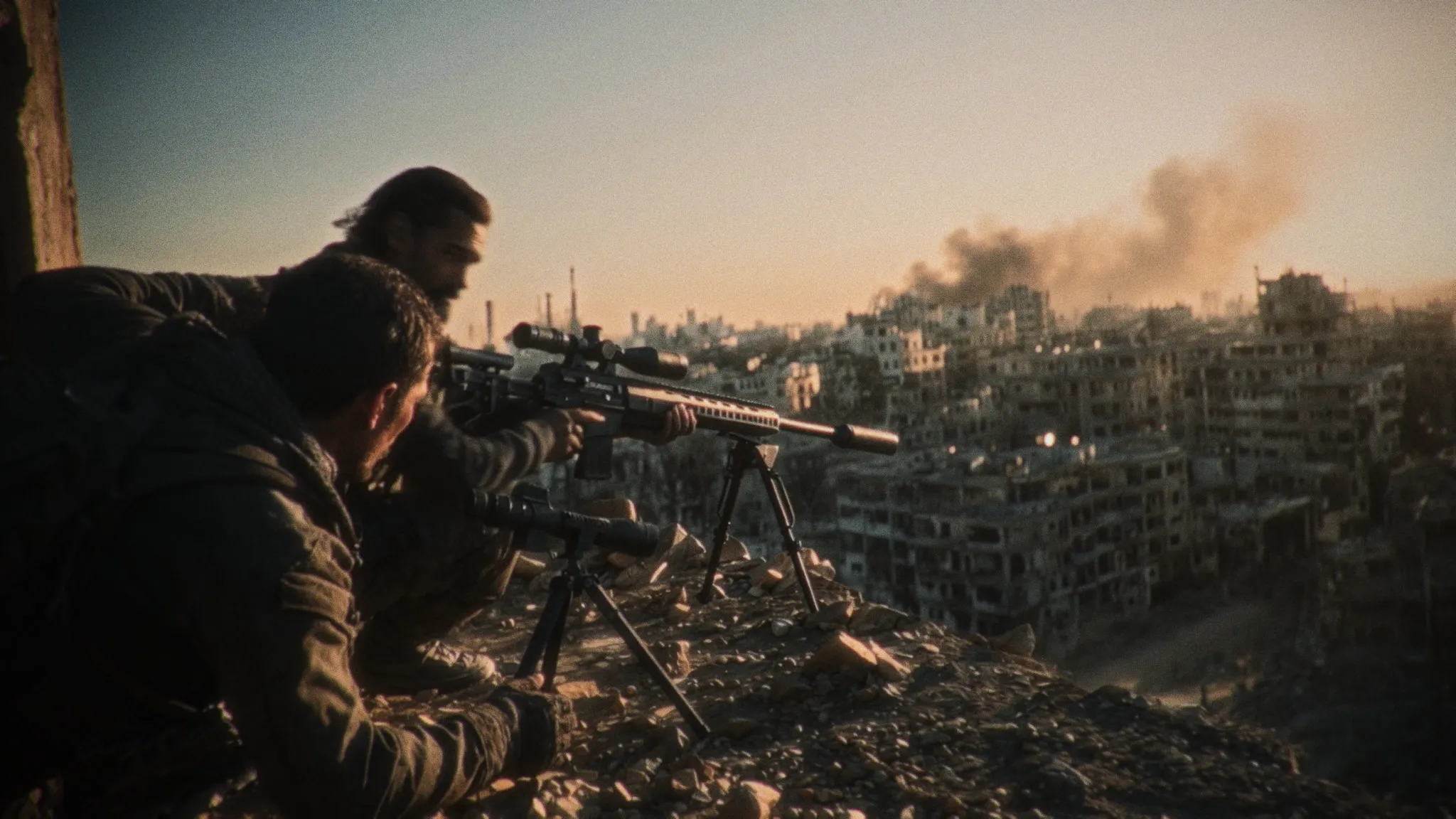
So I went back to an old craft: matte painting. I painted and built the worlds myself, locked the look of the ruins, and then used AI to bring those worlds to life. It is old-school thinking applied to brand new tools. The painted backgrounds became the anchor that kept the film consistent, and they are a big reason it looks like one place instead of a collage of random generations.
From Weavy to AI Render Pro
I started the film in Weavy, a node-based tool, where I could chain steps together and test ideas. It got me through the early shots. Then I moved to AI Render Pro to finish the film.
At first I used AI Render Pro only for what it was built for: the prompting. Writing a good prompt for a cinematic shot is a skill of its own, and the prompt engine let me keep camera, lens, light and mood consistent across the whole film. If you want to see that side of the workflow, my guide on AI character sheet prompts covers the master prompts, turnarounds and expression sheets that keep a character stable.
Then, while making the film, I kept building. Image rendering and video rendering ended up inside the tool, because I needed them in one place. That is how AI Render Pro Studio was born. It is the tool I needed while making The Last Child, and you can use it with your own API keys and pay only for what you spend.
Why it took so long
Honestly, it was slow. The AI tools at the time were rudimentary. Characters drifted, faces changed, props appeared and vanished, and a few seconds of usable video could take many attempts. Where the tools could not hold a shot, I fixed it by hand or rebuilt it from a different angle.
That is the real cost of AI filmmaking that nobody puts in the demo reel. The generation is fast, but the selection, the continuity and the fixing take time. Today the models are far better, which is why a feature like Hell Grind can be assembled in weeks. A short like this one, made with early tools, took me much longer, and I learned more from it than from any shortcut.
What stayed human: the actress and the music
I made one decision early: AI would not replace the people. The main character is played by a real actress, Ivis Pray, and the score was composed by a real composer, Alexis Martin, a friend I met through Zimmer Studio in Los Angeles.
An anti-war film lives on emotion, and emotion has to come from somewhere real. A performance gives the face its truth, and music gives the silence its weight. The tools can generate the world, but they cannot decide what a scene should make you feel. That is still a human job, and it is the part of the film I am proudest of.
Lessons for anyone making an AI short film
If you are about to start your own, here is what The Last Child taught me:
- Lock the world first. Paint or generate your locations and approve them before you shoot a single character shot.
- Build a character sheet. One reference, many angles and expressions, reused in every prompt.
- Keep a master prompt. Camera, lens, light and mood in one block, so every shot feels like the same film.
- Use real people where emotion lives. A real actress, a real composer, a real voice. Audiences feel the difference.
- Budget time, not just money. Selection and continuity take longer than generation.
- Keep your tools in one place. Switching tools mid-film costs consistency.
If you want to try that workflow, AI Render Pro Studio has the prompt engine, image rendering and video rendering in one browser app. You bring your own keys, pay the providers at cost, and there are no credits to lose.
My take: why an AI short film, and why now
I do not think AI makes films easy. I think it makes them possible for a small team that would otherwise never get to make them. A war film with ruined cities, flying machines and a giant buried robot would normally need a budget I do not have. With matte painting, AI rendering and a lot of patience, a small crew in Bangkok could build it.
But I also do not think the tools are the point. The tools will change every six months. What lasts is the idea, the performance and the music. That is why I kept a real actress and a real composer at the center of the film, and used AI where it could widen the world around them. If a short film like this can make someone feel the silence of a bombed street, the method matters much less than the feeling.
Where to watch The Last Child
The film is on the international festival circuit now. After its run, it will be available to stream soon in the Studio Supreme Films Screening Room. In the meantime you can watch the trailer above, and find stills, credits and updates on the official film page. To see more of my directing work, visit herodirector.tv.
More about The Last Child
Want to go deeper? Everything about the film lives in four places:
- The official Last Child film page: trailer, synopsis and credits.
- The official announcement on the Studio Supreme Films blog: the story and the reasons behind the film.
- The Studio Supreme Films Screening Room: where the short will stream soon.
- Movies made with AI: how The Last Child fits next to the new wave of AI feature films.
Frequently Asked Questions
What is The Last Child about?
The Last Child is a 10-minute sci-fi anti-war short film. Aya, a nine-year-old girl with a prosthetic leg, finds a buried war machine and turns it against the war, in a world where silence replaces lullabies.
Who is in The Last Child?
Aya is played by a real actress, Ivis Pray. The music was composed by Alexis Martin, a real composer. The film was written and directed by Olivier Hero Dressen and produced by Studio Supreme Films.
Is The Last Child made with AI?
Yes, AI was the production engine for the images and video, combined with matte painting, a real lead actress and a real composer. The tools used were Weavy first, then AI Render Pro.
Where can I watch The Last Child?
You can watch the official trailer on YouTube and on the film page at studiosupremefilms.com. The full short will be available to stream soon in the Studio Supreme Films Screening Room.
How long did it take to make?
A long time. When production started, AI video tools were rudimentary and could not hold a character or a location across shots, so much of the work was manual.
Discover more from Olivier Hero Dressen Blog: Filmmaking & Creative Tech
Subscribe to get the latest posts sent to your email.

Work with Olivier
Director | CD | DP & Photographer
Specializing in commercials, music videos, AI-driven filmmaking, and cinematic storytelling for brands and production companies.
🌍 Shanghai · Paris · Los Angeles · Dubai
🎬 View Portfolio & Get in Touch