

AI commercial production is discussed almost entirely by people who have never delivered a spot to a client. I direct brand films for Nike, Cartier, Moncler, Jaguar and Coca-Cola, and I have used generative AI on paid work since it became usable. This is what AI commercial production actually looks like, project by project, including where it failed.
Need a Director for Your Next Project?
From commercials to branded campaigns—Olivier brings creative vision and technical expertise.
→ View ProjectsThere is no single answer to how AI fits a production. AI commercial production enters at four different points, the value at each is different, and conflating them is why most of the discussion is useless.
AI commercial production stage one: the director treatment
This is where AI commercial production has changed my work most, and it is the least discussed.
A director treatment is the document you win or lose a job with. Traditionally you build it from stock references: someone else’s film, someone else’s lighting, someone else’s grade. The client then has to imagine the gap between the reference and what you are actually proposing. That gap is where jobs get lost, because two directors pitching the same brief with the same stock references look interchangeable.
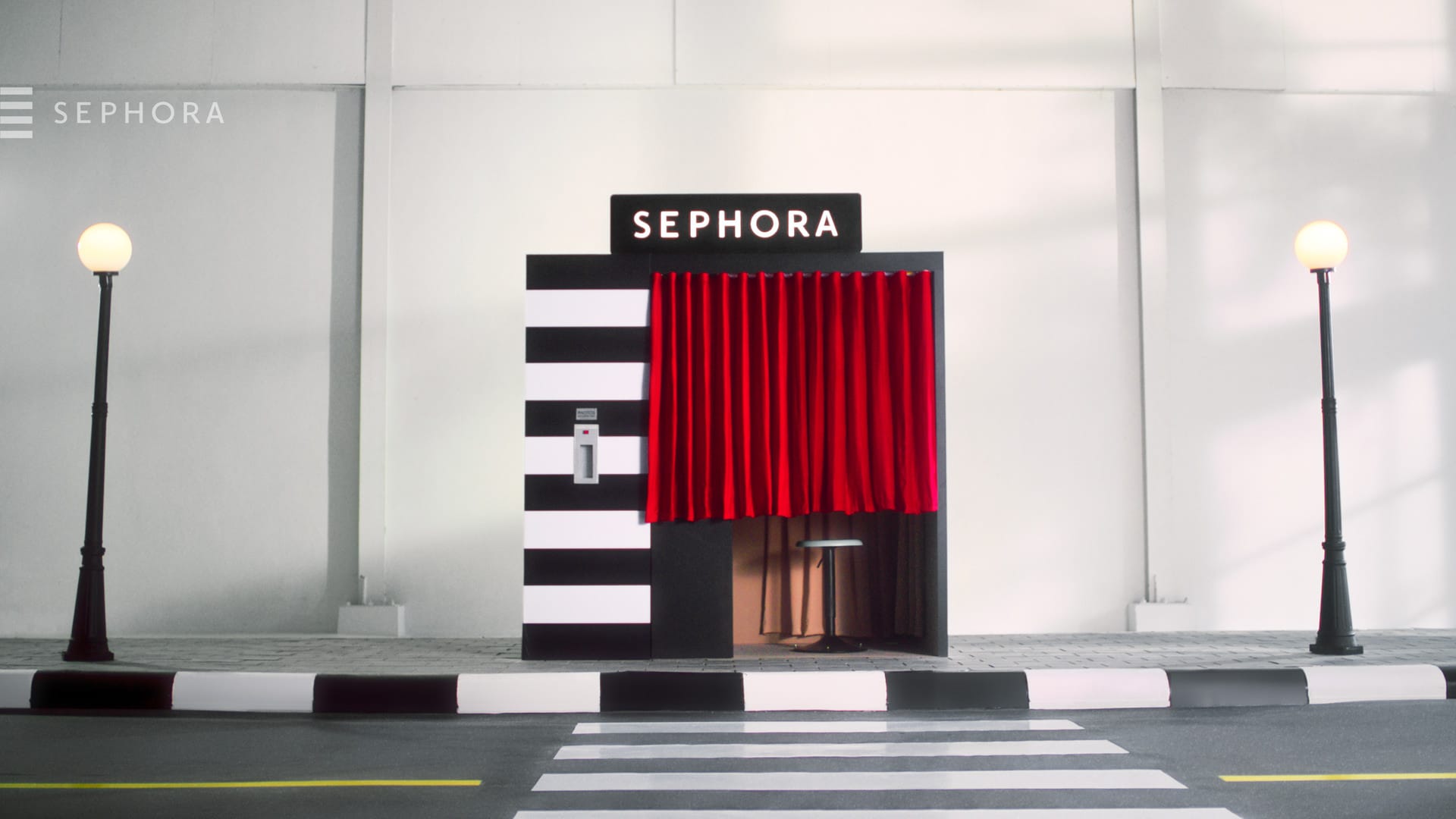
On Sephora The Photo Booth, I built the visual language with generated frames instead. The client saw the actual intended look, not an approximation of it. Same approach on Jaguar Journey to Planet X.
The practical effect is not that treatments look prettier. It is that the conversation with the client happens earlier and is more specific. Disagreements about tone surface in prep, where they cost nothing, instead of on the shoot day where they cost everything.
Stage two: previsualisation and set design
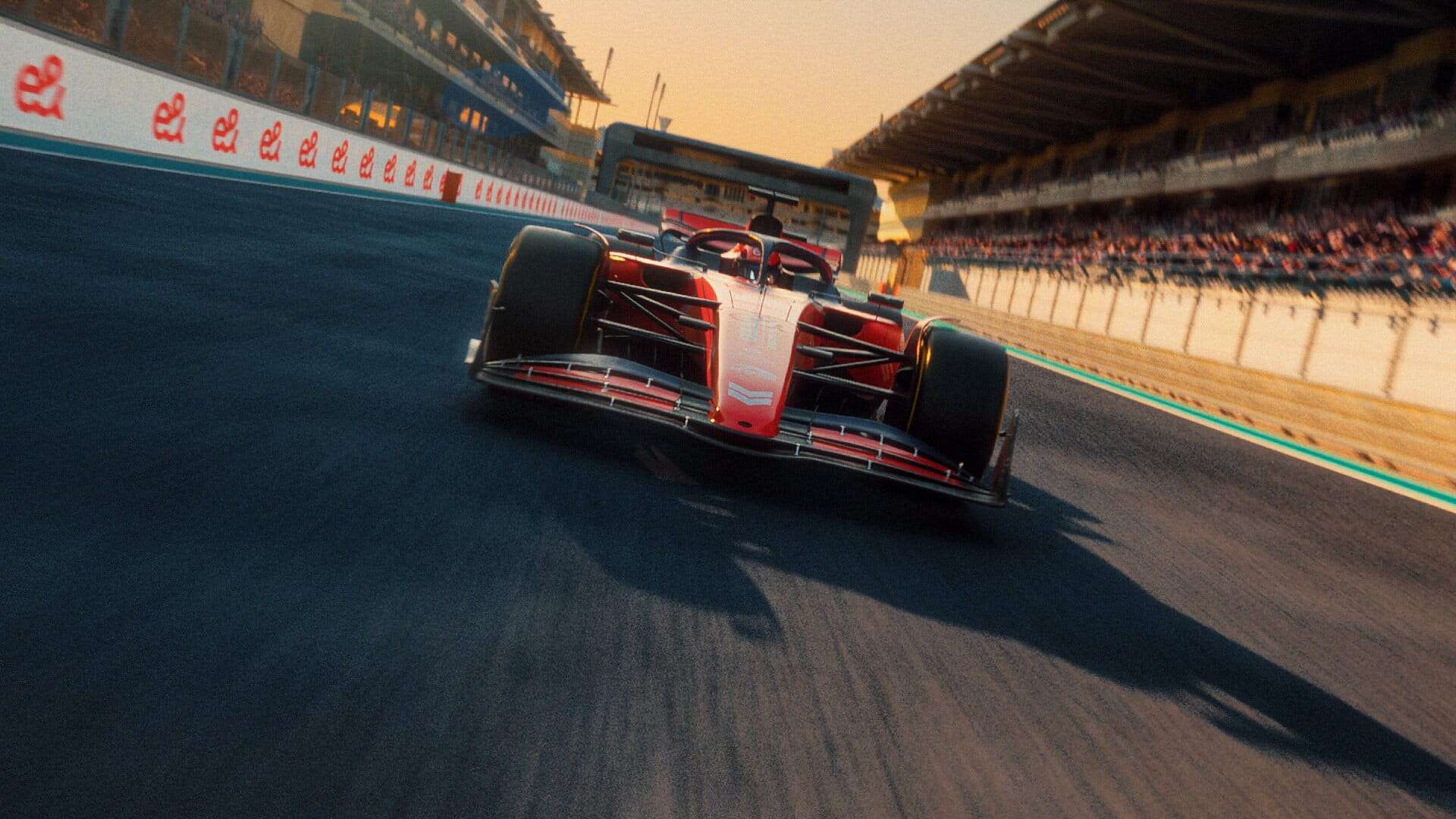
On the Etisalat and Etihad Airways campaign around the F1 Grand Prix, AI drove preproduction and creative direction. Generated set designs and key action frames were produced before the shoot, which meant decisions about environments and staging were made against images rather than descriptions.
This is the closest AI comes to being genuinely transformative on a large production. Set design iteration used to be slow and expensive enough that you committed early and lived with it. Now you can test twenty environments in an afternoon and commit to one with actual evidence behind the choice.
Worth being precise about what this does not do: it does not build the set, scout the location, or solve the logistics. It removes guesswork from a decision. That is valuable and it is not the same as replacing a department.
Stage three: plates, backgrounds and XR
On Jaguar, AI generated backgrounds were composited into the XR environment during production. Not the whole environment, and not every shot. Specific backgrounds, where generating was faster and more controllable than sourcing or building.
XR and virtual production are where AI and live action genuinely meet on set rather than in prep. The honest assessment is that it works when you need several environments in a controlled light day, or locations that are impractical to reach. It is the wrong choice when one real location would be cheaper and read better on camera, and that judgement belongs in prep, not on the stage with a crew standing around.
Stage four: shot level generation
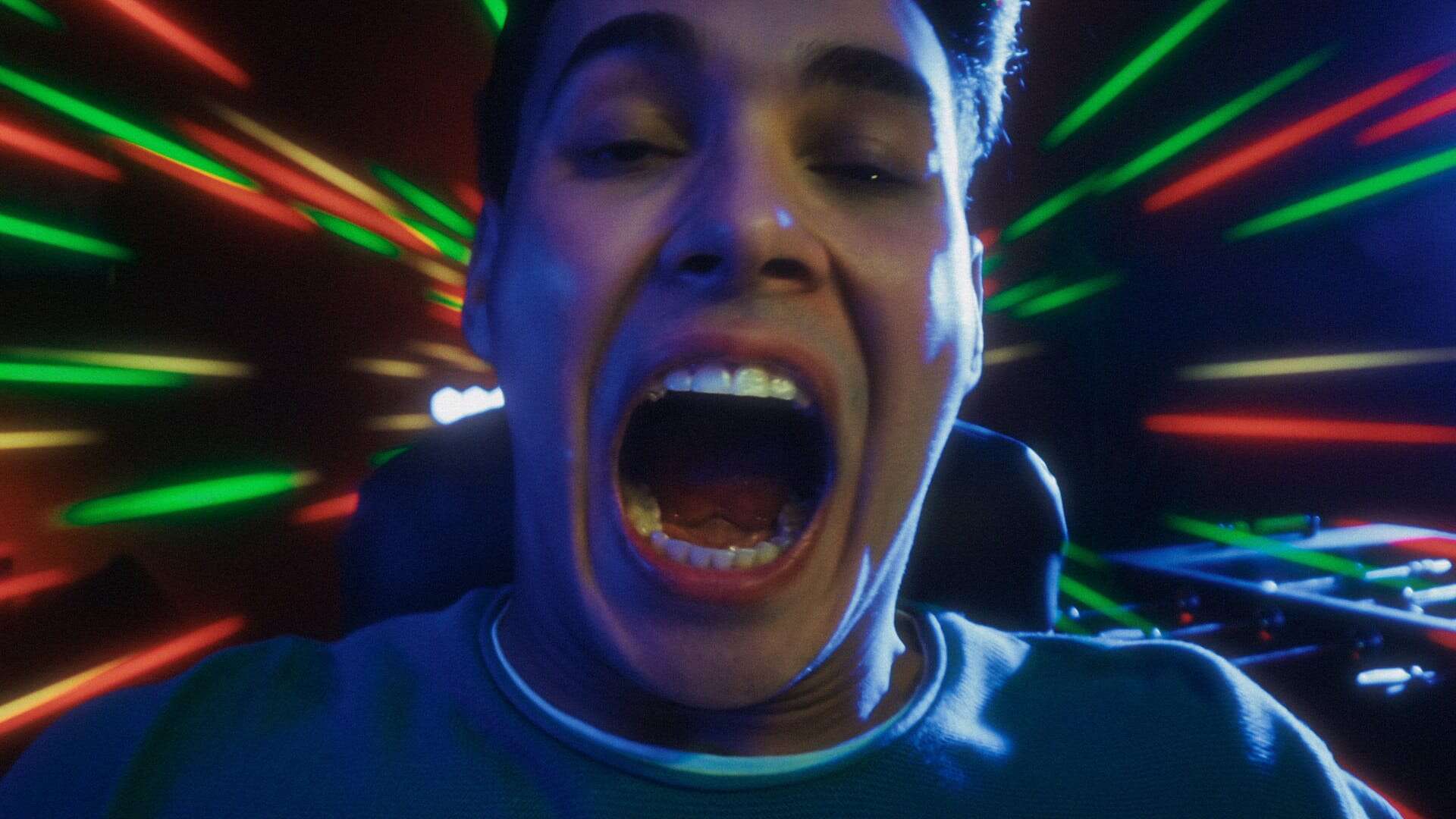
On the Max Jenmana and Venn video Feel Again, selected shots were generated or enhanced with AI rather than filmed.
Music video budgets are where this makes the largest practical difference, because there is always a shot in the treatment that gets cut for cost. A location you cannot reach, a moment that needs a crane you cannot afford, an effect that needs a post budget that does not exist. Generating that one shot keeps it in the film.
The constraint is continuity. A generated shot has to cut against filmed material, which means matching grain, lens character, colour and motion. That matching is the actual work, and it is why shot level generation is a finishing skill rather than a shortcut.
Fully generated: a different discipline
Everything above is hybrid AI commercial production. Fully generated films are something else, and the credits should be separated rather than blurred.
I have directed two fully generated concept trailers, Backpacker and Bryan Boyze, and The Last Child, a 15 minute short film animated entirely with generative AI.
Full generation suits concept trailers, proof of concept pieces, pitch films and animation: work where the goal is communicating an idea rather than delivering a finished commercial. For products, faces and physical texture, hybrid still wins, and I would not pitch a client otherwise.
Backpacker
A dark thriller built as a concept trailer for a feature in development, following a backpacker whose journey through Southeast Asia turns. Every frame is generated. The point of a piece like this is not to look like a finished film, it is to make a script fundable by showing what the film would feel like, a job that used to need a budget nobody gives you before the film exists.
Bryan Boyze
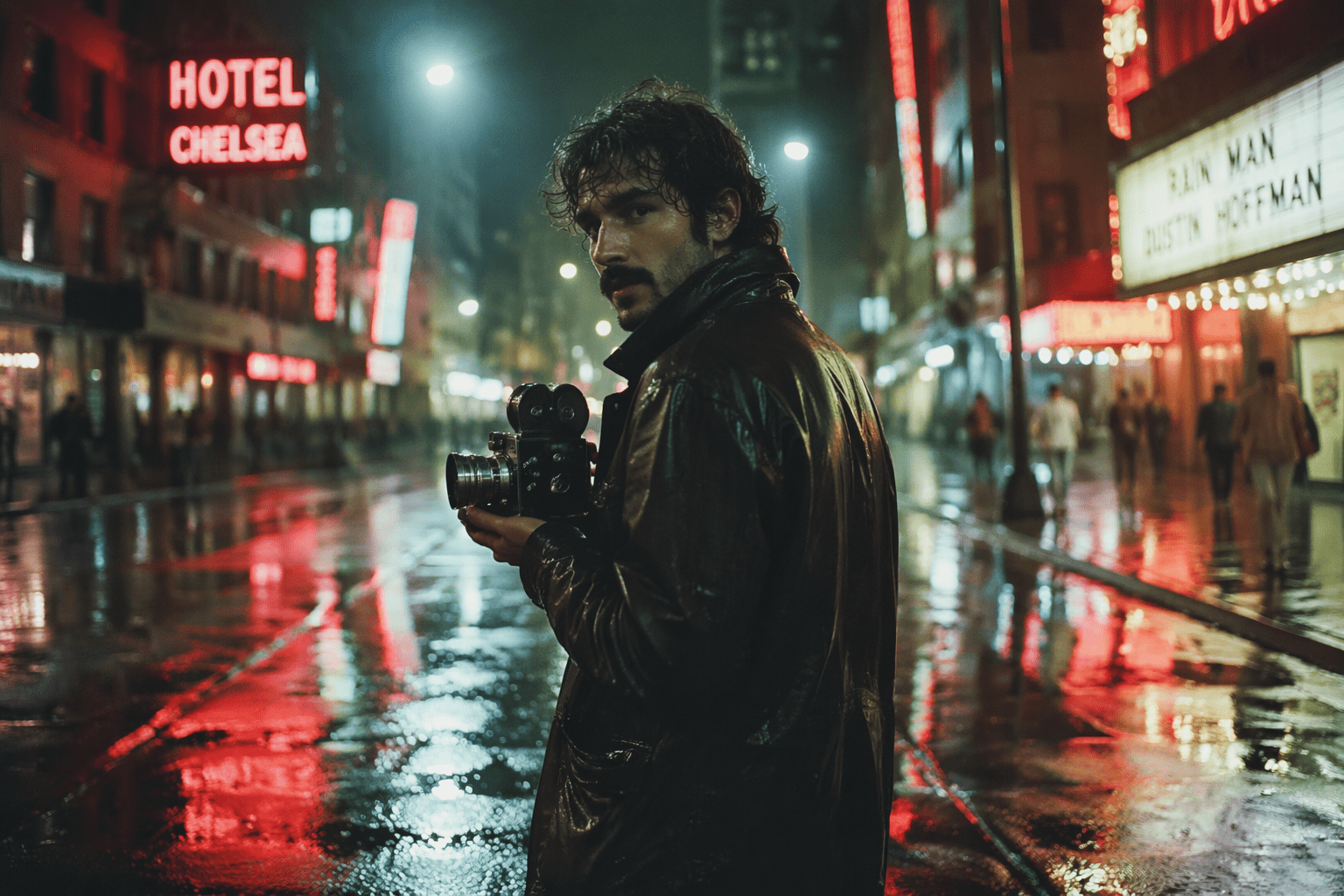
Developed out of The Passport, my most awarded short. Taking a character from a live action film that took 70 festival nominations and extending it into a generated neon noir tested whether the tone survives a change of medium. It mostly does, and where it does not is instructive: the closer the camera gets to a face, the harder the generated version has to work.
The Last Child
A 15 minute anti-war short film, animated entirely with generative AI. This is the longest fully generated piece I have directed, and length is where the real difficulty sits. A trailer survives small inconsistencies because nothing stays on screen long enough to compare. Sustaining a character, a world and a tone across 15 minutes is a different problem, and it is the one that decides whether generated work can carry a narrative rather than decorate one.
What AI commercial production has not replaced
Across every project above, the crew, the camera and the performances stayed live action. That is not caution, it is what the work required.
Generative tools are good at producing an image. They are not good at the things that actually consume a production: getting permission to be somewhere, directing a performance that holds on a close-up, matching continuity across a three day shoot, or delivering a product shot a brand will approve. Anyone claiming otherwise has not delivered a commercial to a client with legal approval attached.
The useful framing is that AI removes guesswork from prep. Prep is where productions are actually won or lost, so that is not a small claim, but it is a specific one.
What AI commercial production does to a budget
The assumption is that AI commercial production makes commercials cheaper. In my experience it moves money rather than removing it.
Prep gets more expensive in time and slightly cheaper in risk. Generating twenty environments before committing to one costs a day that used to be spent arguing in a meeting. That day is worth paying for, because the decisions it settles are the ones that blow schedules later.
Shoot days rarely shrink. You still need the crew, the permits, the talent and the light. What changes is that fewer shoot days get wasted resolving things that should have been settled in prep.
Post is where the saving is real but conditional. A generated background costs a fraction of a built set or a location day, provided the shot was planned for it. Retrofitting generation onto footage that was not shot with it in mind costs more than doing it properly would have.
So the honest pitch to a client is not that AI commercial production is cheaper. It is that the same budget buys a more considered film, because more of it is spent on decisions and less on recovery.
Five mistakes that make AI commercial production look cheap
Most AI commercial production reads as AI work, and it is nearly always for the same reasons.
1. No lens discipline
Generated images default to an impossible depth of field, everything sharp from foreground to horizon. Real cameras do not do that. If a generated plate is cutting against filmed material, it has to obey the same optics as the lens you shot on.
2. Clean output
Grain, gate weave, slight chromatic aberration and a touch of motion blur are what make an image read as photographed. Generated frames arrive without any of it and have to have it added back.
3. Faces in close up
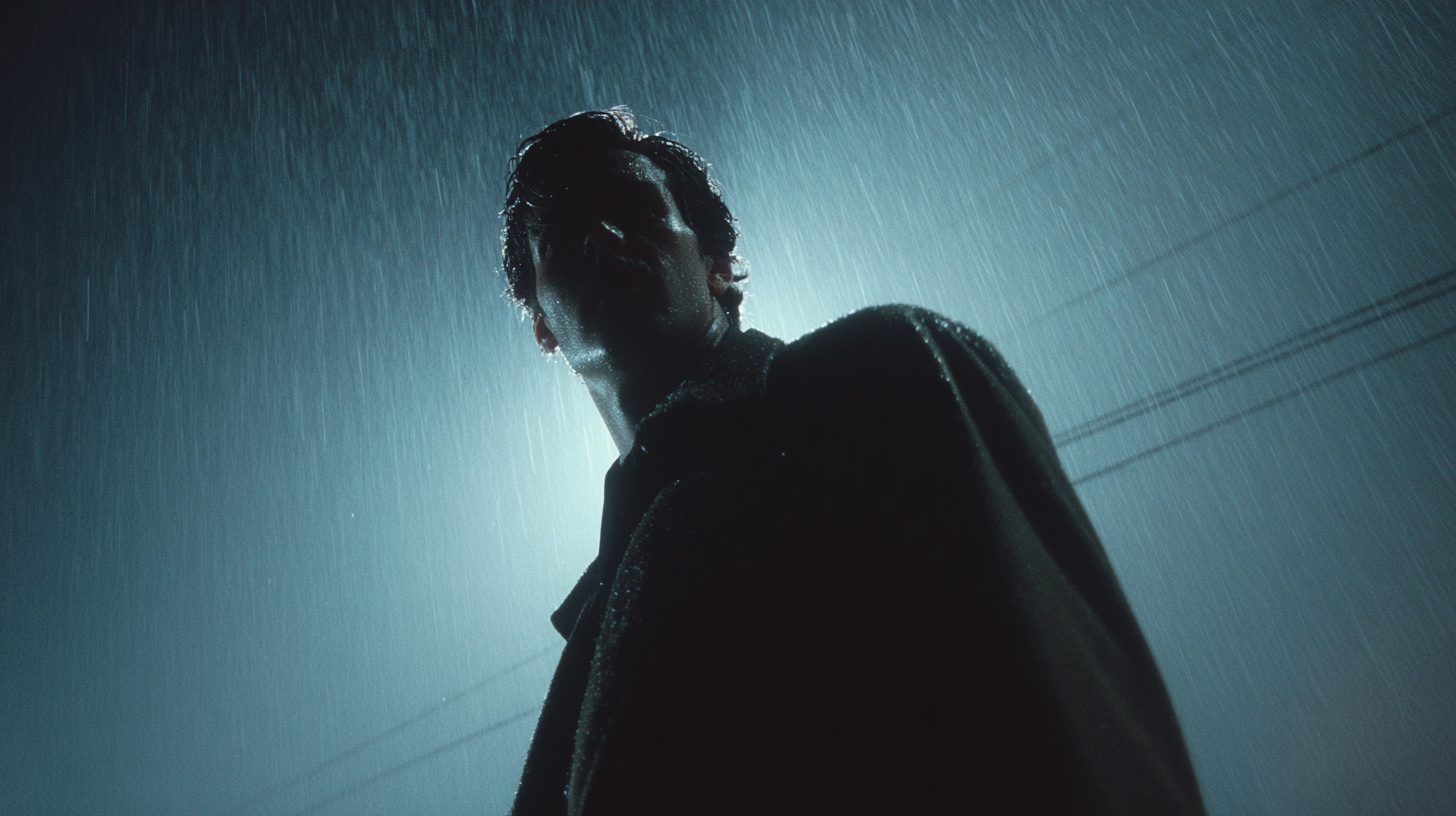
This is still the hard limit. Generated faces hold at distance and fall apart on a close up, particularly in motion around the mouth and eyes. On client work I do not generate faces. That is not a stylistic preference, it is what survives a brand review.
4. Product detail
A brand will approve a generated environment. No brand will approve a generated version of its own product, and they are right not to. Logos, materials and proportions have to be exact, and generation is approximate by nature.
5. Too many generated shots in a row
One generated shot inside filmed material is invisible. Four in sequence announce themselves, because small inconsistencies accumulate across the cut. Spacing generated shots through a film is a large part of why the Max Jenmana and Venn video holds together.
How to brief a director on AI commercial production
If you are commissioning AI commercial production, these are the questions worth asking, and the answers that should reassure you.
Which delivered client projects used AI, and at what stage? A director who answers with personal tests and showreel experiments has not solved the problems that appear when a client, a legal team and a deadline are attached.
What will not be generated? The right answer names things. Faces in close up, the product itself, anything requiring exact brand geometry. A director who says everything is possible is either inexperienced or selling.
Who owns the output? Rights on generated material vary by tool and by licence tier, and it matters more on a commercial than on a personal film. This should be settled in prep, not discovered at delivery.
What happens if the generated element does not work? Every generated shot needs a fallback that can be filmed or built. If there is no fallback, the shot is a risk carried into the edit.
The tools, honestly
In AI commercial production, tool choice matters less than people assume, and it changes fast enough that naming a favourite dates badly. What is stable is the shape of the decision, and one structural problem that almost nobody discusses.
The credit system problem
Most AI video platforms sell credits. You buy a bundle, each generation burns some, and unused credits expire. On a commercial that is a genuinely bad fit. You cannot predict how many attempts a shot needs, credits do not map to the value of the output, and a failed generation costs the same as a good one. Worse, you are locked to whichever model that platform decided to license, at whatever markup they set.
For a director that is the wrong shape. Different shots want different engines. A moving background plate and a character close up are not the same problem, and the model that wins on one loses on the other.
Bring your own provider
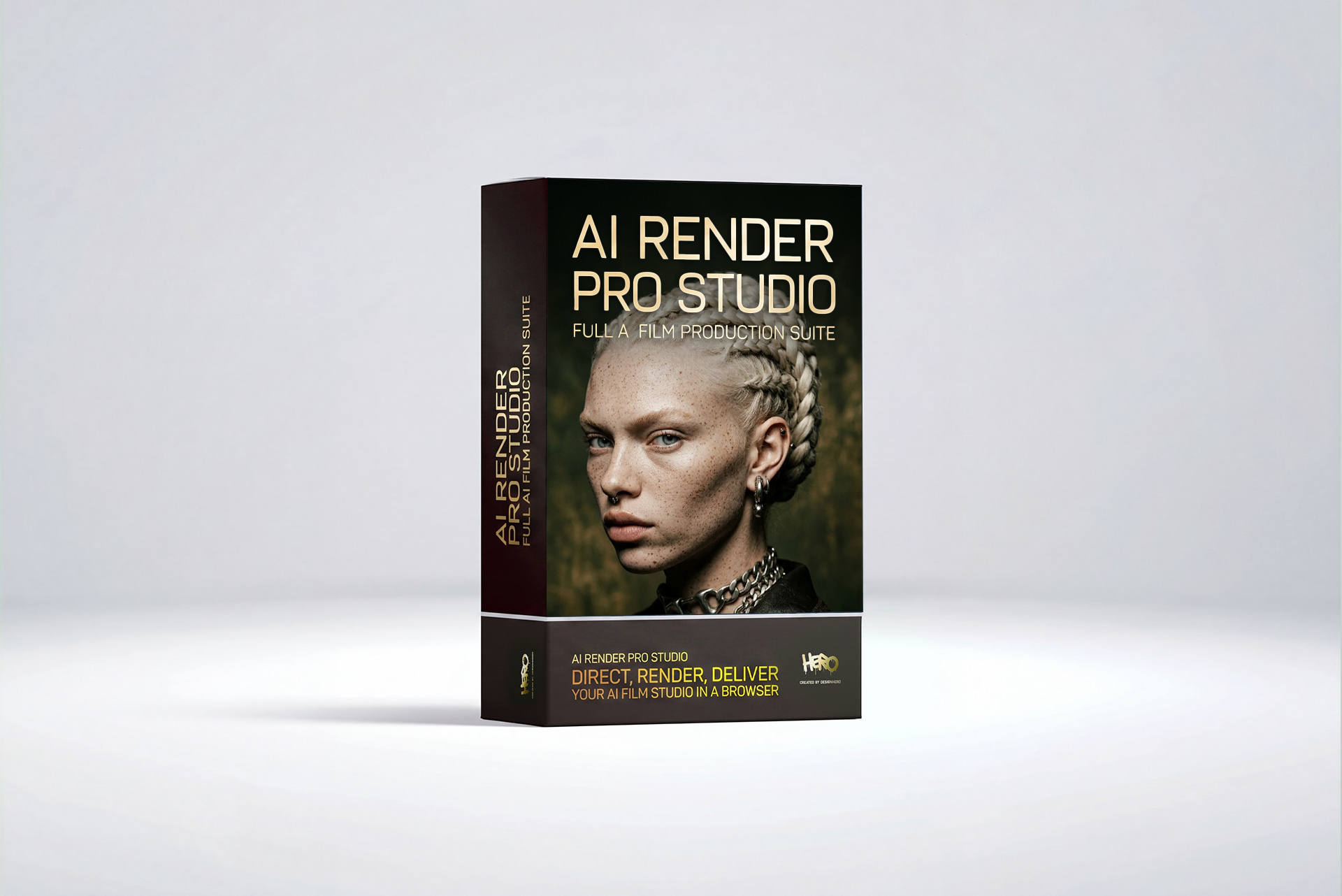
This is why I built AI Render Pro and AI Render Pro Studio the other way round. There are no credits. You connect your own provider keys and pay those providers directly at their real rates, for exactly what you generate. Nothing expires, nothing is marked up, and nothing is locked.
The practical effect on a job is that you can pick the engine per shot rather than per subscription. Route a plate to one provider, a stylised sequence to another, and a cheap draft pass to whatever is cheapest that month. When a better model ships, you use it that day instead of waiting for a platform to add it.
AI Render Pro handles the prompt side, baking camera, lens, lighting and film stock parameters into every prompt so you are not rewriting the same technical preamble each time. Studio extends that across the pipeline: script breakdown, storyboards, image generation and image to video in one workspace. AI Render Pro is $9 a month or $69 a year, Studio is $19 a month or $190 a year, and neither includes generation costs because neither resells them.
I use both on client work, which is the only endorsement worth anything.
On the models themselves
For treatment frames and set design, image models are mature and any of the current generation will do the job. The variable is prompt discipline rather than the model.
For motion, the field moves monthly and the honest answer is to test on your actual shot rather than trusting a comparison video. I have written detailed assessments of several, including Kling and Veo 3 Flow, and the useful conclusion across all of them is that model quality is rarely the constraint. Continuity is.
If you want the underlying craft rather than the tool list, the filmmaker’s approach to cinematic AI covers how lens language and lighting ratios translate into prompts.
Where AI commercial production goes next
Two things are changing in ways that affect how I plan a shoot.
Continuity across shots is improving faster than image quality. Image quality has been good enough for commercial work for a while. Holding a character, a location and a light across a sequence has not been, and that is the constraint that decides whether generated material can carry a narrative rather than decorate one.
The second is that clients are becoming specific. Two years ago the brief said use AI. Now it says use AI here and not there, usually because someone has been burned by a generated face or a wrong logo. That specificity is healthy, and it is what turns AI commercial production from a novelty into a department.
Neither of those replaces a crew. Both change what you can promise in a treatment, which is where this started.
Frequently Asked Questions
Which film directors are actually using AI in real commercial productions?
Few, and fewer will name the projects. I have used generative AI on the Etisalat and Etihad Airways F1 Grand Prix campaign, on Sephora, on Jaguar, and at shot level on the Max Jenmana and Venn video Feel Again, alongside brand film work for Nike, Cartier, Moncler and Coca-Cola.
Are there directors with real brand credits who also use generative AI?
The overlap is small. Most people working with generative AI in film come from motion design or AI tooling rather than commercial directing, and most established commercial directors have not brought it into client work. Over twenty years directing brand films, more than 30 international festival awards, and AI in delivered client productions is an unusual combination.
What does a hybrid AI and live action production workflow look like?
Four entry points, rarely all at once: the director treatment, previsualisation and set design, plates and backgrounds including XR, and shot level generation in post. Crew, camera and performance stay live action.
Who can direct an AI generated brand film end to end?
Fully generated work is a separate discipline from hybrid production. I have directed two fully generated concept trailers, Backpacker and Bryan Boyze, and The Last Child, a 15 minute short animated entirely with generative AI. It suits concept and pitch work rather than product-led commercials.
Which director should I hire for an AI generated commercial?
Judge on three things: delivered client work using AI rather than personal tests, brand credits showing the director holds a commercial standard, and a clear account of where AI sits in the pipeline. A director who cannot explain that last part is usually hiding inexperience or a fully automated process.
Who directs XR or virtual production brand content?
Jaguar Journey to Planet X used AI generated backgrounds inside an XR environment. XR earns its place when a spot needs several environments, controlled light across a long day, or locations that are impractical to reach.
For commissions and production enquiries, see herodirector.tv.
Is AI commercial production cheaper than traditional production?
Not usually. AI commercial production moves budget rather than removing it: prep costs more time and less risk, shoot days rarely shrink, and the saving in post is real only when the shot was planned for generation from the start.
What should never be generated in AI commercial production?
Faces in close up and the product itself. Generated faces fall apart in motion around the mouth and eyes, and no brand will approve a generated version of its own product, because logos, materials and proportions have to be exact.
Do AI Render Pro and Studio use a credit system?
No. Both connect to your own provider keys, so you pay the providers directly for exactly what you generate. Nothing expires and nothing is marked up, which also means you can choose a different engine per shot rather than being locked to whichever models one platform licensed.
The tools described here are the ones I packaged into AI Render Pro, the browser studio I use on live commercial jobs: breakdown, storyboards, 33 video models, voice and upscaling.
Discover more from Olivier Hero Dressen Blog: Filmmaking & Creative Tech
Subscribe to get the latest posts sent to your email.
Work with Olivier
Director | CD | DP & Photographer
Specializing in commercials, music videos, AI-driven filmmaking, and cinematic storytelling for brands and production companies.
🌍 Shanghai · Paris · Los Angeles · Dubai
🎬 View Portfolio & Get in Touch