

Key Takeaways
- First insight, Good Fortune, directed and written by Aziz Ansari, offers a refreshing take on the body-swap comedy, blending sharp social commentary with heartfelt themes of empathy and friendship.
- Craft highlight, The film benefits from Aziz Ansari’s precise direction and script, complemented by Adam Newport-Berra’s evocative cinematography and Carter Burwell’s nuanced score, creating a cohesive and impactful narrative.
- Industry context, Operating within the mainstream studio comedy/fantasy genre, Good Fortune boldly tackles contemporary issues like wealth disparity, the gig economy, and automation, providing a thought-provoking experience that resonates deeply with present-day struggles.
- Bottom line, Despite a slightly uneven performance from Keanu Reeves, Good Fortune is a highly enjoyable and significant film, praised for its engaging story, strong ensemble cast, and vital social message, making it a must-see for audiences seeking both entertainment and substance.
The cinematic landscape is constantly evolving, yet certain narratives retain their timeless appeal, especially when infused with contemporary relevance. Such is the case with Good Fortune, the latest offering from writer and director Aziz Ansari, a film that deftly navigates the familiar territory of a life-swap premise while grounding it firmly in the stark realities of today’s socio-economic climate.
Need a Director for Your Next Project?
From commercials to branded campaigns—Olivier brings creative vision and technical expertise.
→ View ProjectsReleased on October 14, 2025, this Comedy/Fantasy feature, clocking in at 97 minutes, transcends mere entertainment, emerging as a potent commentary on empathy, privilege, and the pursuit of genuine connection in a world increasingly defined by digital isolation and economic divides. My wife and I found ourselves thoroughly engrossed, a testament to its compelling narrative and the profound questions it dares to ask.

Good Fortune — By the Numbers
Aziz Ansari
2025-10-14
97 minutes
Comedy / Fantasy
$30 million
$26 million
Lionsgate · Media Capital Technologies · Garam Films
Need a miracle?
Ansari’s Vision: A Modern Take on Good Fortune
Aziz Ansari, as both writer and director, demonstrates a clear, incisive vision with Good Fortune. Known for his sharp wit and observational humor, Ansari takes a significant step into a narrative that, while comedic, is steeped in profound social commentary.
The film’s premise, revolving around a struggling gig worker, played by Ansari himself, and a high-flying venture capitalist (Seth Rogen) whose lives are inexplicably swapped, serves as a brilliant vehicle for exploring the vast chasm between socio-economic strata. What could have been a straightforward laugh-out-loud comedy is instead elevated by Ansari’s thoughtful script and direction, which never shy away from the harsh realities faced by many in contemporary society.

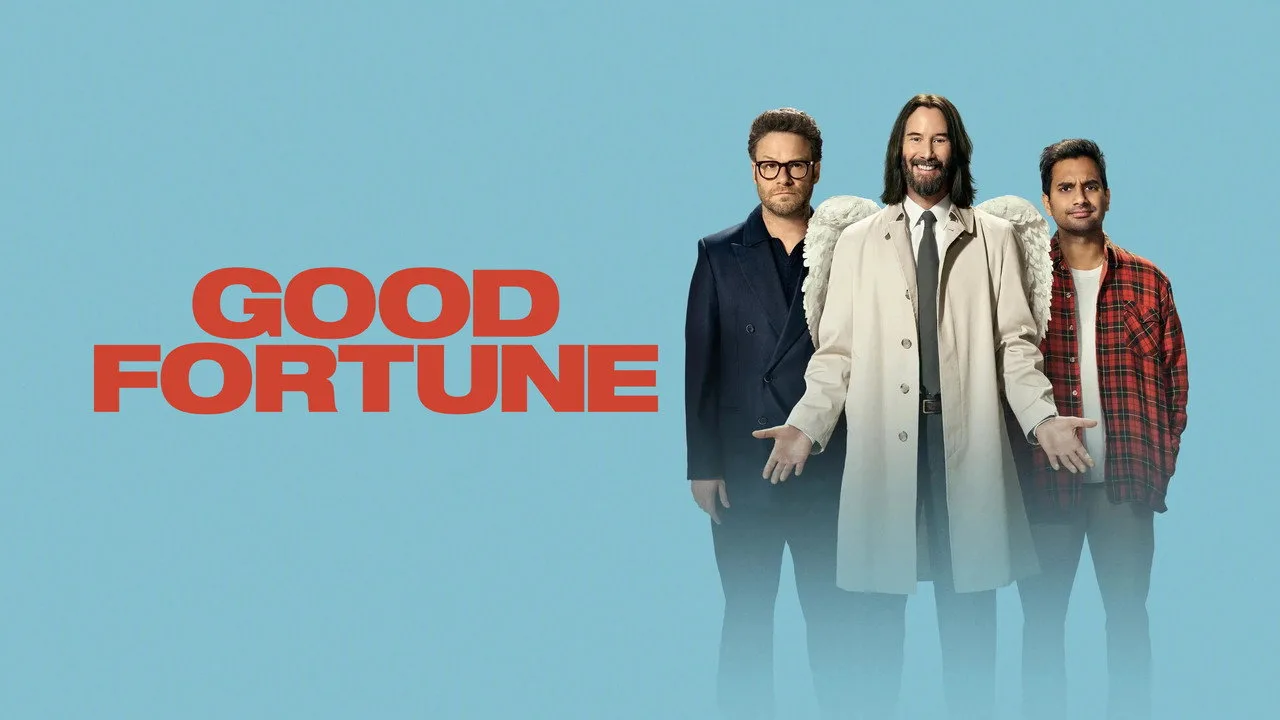
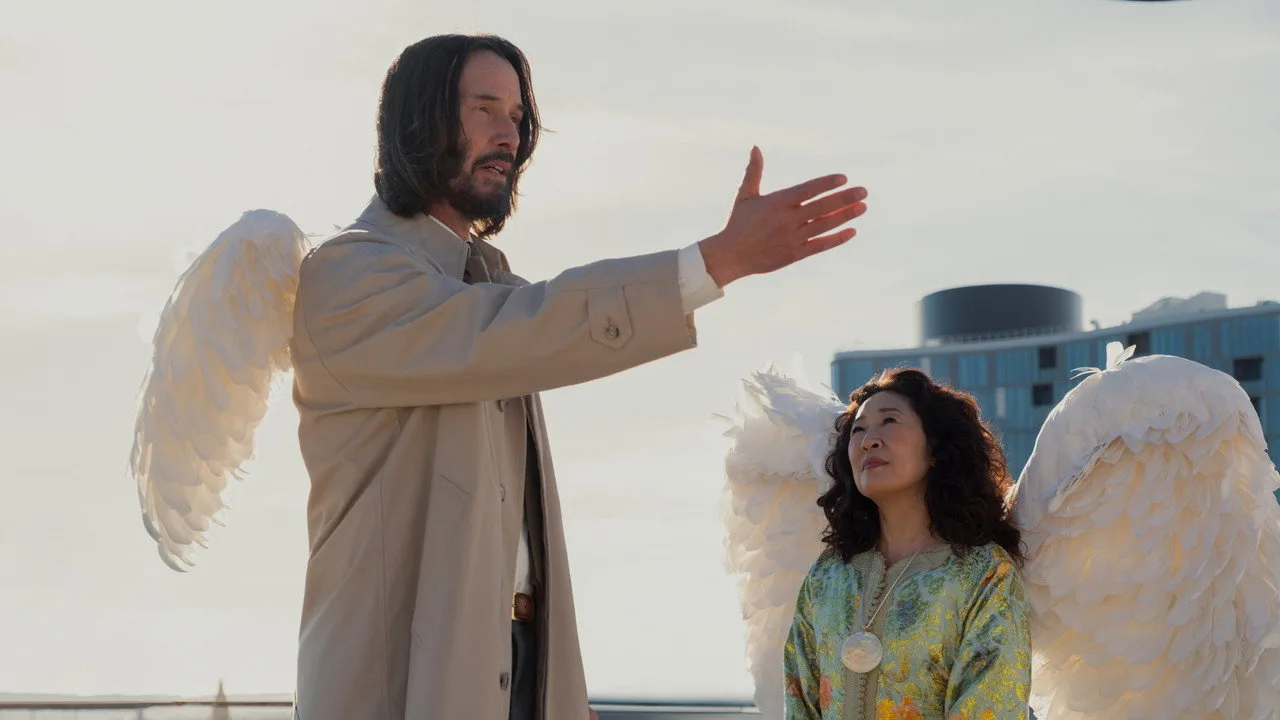
His storytelling feels authentic, pulling from a well of shared experiences that resonate deeply with audiences. The decision to frame this exploration through a fantasy lens, with an angel (Keanu Reeves) orchestrating the swap, adds a layer of whimsical introspection without detracting from the film’s core message.
Ansari’s direction is marked by a precision that keeps the story moving at an engaging pace, ensuring that the comedic beats land effectively while allowing space for the more poignant moments to breathe. He manages to balance the fantastical elements with a grounded sense of realism, making the characters’ struggles and transformations feel earned and believable.
This is not just a film about magic; it is a film about the magic of human connection and the often-overlooked power of empathy. The narrative arc, which sees the protagonist initially reveling in his newfound wealth before gradually realizing the value of his former life’s challenges and the people within it, is handled with a nuanced hand. Ansari ensures that the character’s journey from self-interest to self-awareness feels organic, allowing the audience to grow with him.
It is this balance of humor, heart, and pointed observation that truly defines Ansari’s directorial signature in Good Fortune, making it a standout entry in the Comedy/Fantasy genre. The film’s ability to tackle weighty themes within an accessible, entertaining format is a testament to his mature approach to filmmaking, marking him as a director capable of delivering both laughs and profound thought.
The Premise: A Divine Intervention for Good Fortune
The central conceit of Good Fortune is its ingenious body-swap mechanism, orchestrated by a slightly bumbling, yet well-intentioned angel, portrayed by Keanu Reeves. This angel, in a moment of celestial misjudgment, believes that by placing Aziz Ansari’s struggling gig worker character into the opulent life of Seth Rogen’s venture capitalist, he will somehow ignite a realization in Ansari’s character about the ‘simple’ joys of his previous, less fortunate existence.
The irony, as the film quickly establishes, is that Ansari’s character, upon experiencing the lavish lifestyle of the wealthy, finds little to miss about his former life of struggle. This initial subversion of the typical “grass is greener” trope immediately sets Good Fortune apart, injecting a fresh perspective into a well-worn narrative device.
The angel’s naive assumption that hardship inherently builds character, and that luxury is ultimately unfulfilling, is challenged head-on, providing much of the film’s early humor and critical reflection. This divine intervention, intended to teach a lesson, instead exposes the deep-seated allure of wealth and comfort, and the ease with which one can become accustomed to privilege.
The angel’s simplicity, rather than being a flaw in the plot, becomes a crucial narrative driver, highlighting the disconnect between an idealized, perhaps even heavenly, understanding of human suffering and the gritty reality of it. The film brilliantly uses this setup to explore how quickly a person can adapt to a life of ease, and how easily those “beneath” them can be disregarded once comfort is attained.
The angel’s repeated attempts to nudge Ansari’s character back towards an appreciation of his old life, only to be met with resistance and a growing embrace of his new identity, form the comedic backbone of the first act. It’s a clever way to initiate a story that ultimately delves into much deeper waters, questioning societal values and the very nature of what constitutes true good fortune.
The premise is not just a catalyst for comedy; it’s a philosophical query wrapped in a fantastical package, compelling viewers to consider their own definitions of success and happiness.
A Tale of Two Lives: Exploring Disparity

At its core, Good Fortune is a stark examination of the dramatic disparity between the ultra-rich and the working poor, particularly within the unforgiving landscape of Los Angeles. Aziz Ansari’s character initially embodies the struggles of the gig economy worker, a life fraught with precarious employment, financial instability, and the constant threat of homelessness.
The film vividly portrays his existence, often sleeping in his car, highlighting the fragility of his situation and the systemic issues that contribute to such vulnerability. This portrayal is not merely background detail; it is the essential foundation upon which the entire narrative rests. When his life is swapped with Seth Rogen’s affluent venture capitalist, the contrast is immediate and jarring.
Rogen’s character lives in the hills, surrounded by luxury, seemingly untouched by the struggles that define Ansari’s daily reality. This juxtaposition is crucial, allowing the audience to viscerally experience the chasm that separates these two worlds. The film does an excellent job of showing how quickly the protagonist adapts to a life of abundance, almost instinctively adopting the habits and attitudes of the privileged.
This ease with which he sheds his former struggles and embraces a life of comfort is both humorous and unsettling, serving as a powerful commentary on human nature and the intoxicating draw of wealth. It’s a mirror reflecting how easily anyone might succumb to the allure of a life without want, and perhaps, how quickly one might forget the hardships once faced.
The narrative doesn’t preach, but rather illustrates through compelling character development how the initial disregard for those less fortunate gradually gives way to a more empathetic understanding. This transformation is not instantaneous, but rather a slow burn, fueled by unexpected encounters and the inherent goodness that eventually surfaces within the protagonist.
The film bravely confronts the ways in which society often treats those with everything versus those with nothing, exposing the often-inhumane disregard for the fragile and marginalized. Good Fortune forces viewers to confront these uncomfortable truths, making it a film that lingers long after the credits roll, prompting reflection on our own roles in perpetuating or alleviating such disparities.
The Ensemble Cast and Their Dynamic Roles
🎬 AI Render Pro Studio, the AI film production suite I built and use on my own productions. Script breakdown, storyboards, 30+ video models including Seedance 2.5 and Kling O3, image generation, retouch, 7K upscaling and audio, all in one browser workspace. $19/month flat, bring your own API keys and pay providers at cost, no credit packs, no markup. Try AI Render Pro Studio →

Beyond the central premise, the strength of Good Fortune lies significantly in its stellar ensemble cast, each member bringing a distinct energy and depth to their respective roles. Aziz Ansari, pulling double duty as writer-director and lead actor, delivers a performance that is both relatable and transformative. His portrayal of the struggling gig worker, navigating the complexities of his new, luxurious life, is nuanced and authentic.
He captures the initial bewilderment, the subsequent embrace of privilege, and the eventual dawning of empathy with a compelling honesty that anchors the film. Seth Rogen, as the venture capitalist whose life is inadvertently swapped, provides his characteristic blend of humor and underlying vulnerability, making his character more than just a caricature of wealth.
His portrayal adds a layer of unexpected pathos, suggesting that even those seemingly at the pinnacle of success might harbor their own forms of dissatisfaction or misunderstanding. The supporting cast further enriches the narrative. Keke Palmer and Sandra Oh deliver performances that are both vibrant and essential to the protagonist’s journey.
Palmer, often bringing a grounded, no-nonsense perspective, acts as a crucial touchstone for Ansari’s character, helping to steer him towards self-awareness. Sandra Oh, with her undeniable screen presence, imbues her role with a compelling mix of wisdom and warmth, providing mentorship and challenging the protagonist’s evolving worldview.
Their interactions are not merely plot devices; they are genuine relationships that contribute to the film’s exploration of friendship and community. The chemistry among the cast members is palpable, creating a dynamic and believable world that draws the audience in. Even with the fantastical element of an angel facilitating the swap, the human interactions feel incredibly real, allowing the social commentary to land with greater impact.
This collective strength ensures that Good Fortune is not just a vehicle for Ansari’s vision, but a collaborative triumph, showcasing how a well-chosen cast can elevate a story from good to truly exceptional. Their performances collectively underscore the film’s message that true wealth lies not in material possessions, but in the richness of human connection and understanding.
Keanu Reeves: An Angelic Performance with Nuance
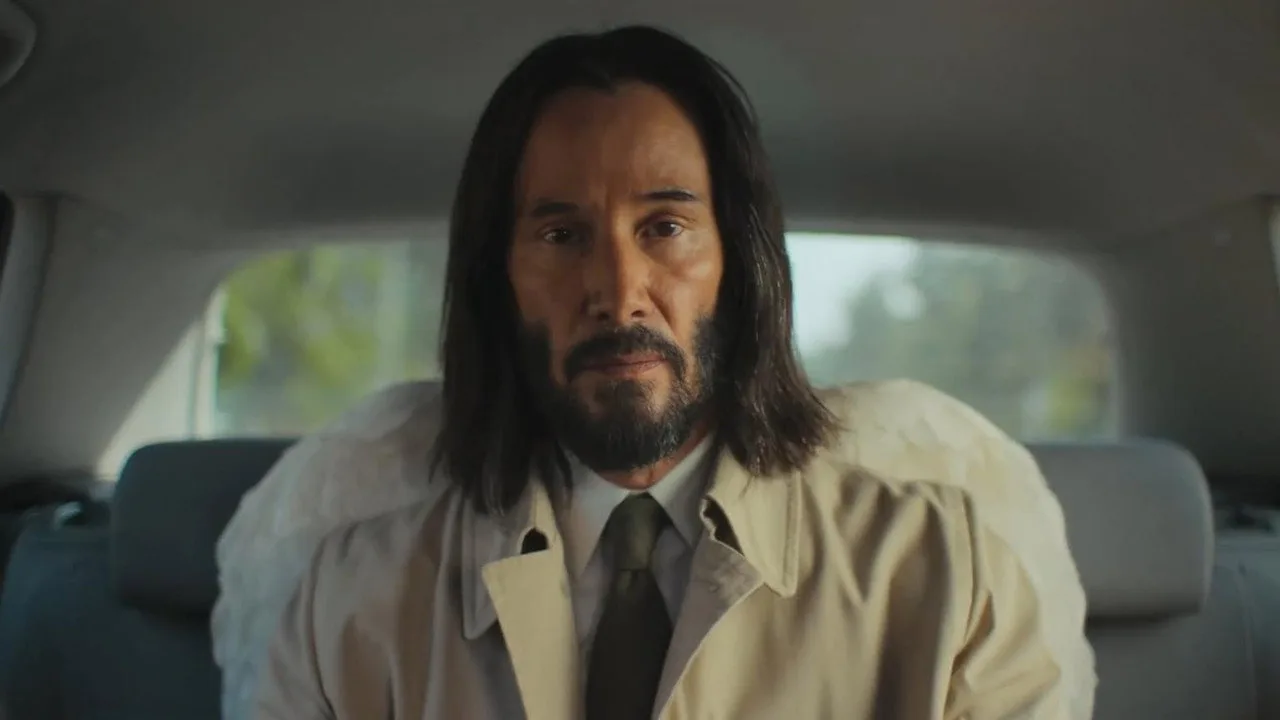
One of the most talked-about aspects of Good Fortune, and indeed one that sparked much discussion between my wife and me, is Keanu Reeves’ portrayal of the angel responsible for the life swap. Reeves takes on the role of a celestial being who is, shall we say, a bit simpleton in his understanding of human nature and the complexities of socio-economic realities.
His intention is pure – to teach a lesson about appreciating one’s life – but his execution is flawed, leading to the film’s central conflict and much of its comedic timing. Reeves aims for a character that is quite nice, endearing even, yet undeniably naive and somewhat out of touch with earthly suffering. This interpretation is a bold choice, diverging from the more stoic or ethereal angelic figures often seen in cinema.
While I am a genuine admirer of Keanu Reeves and his extensive body of work, and I recognize his immense bankability, which undoubtedly played a role in bringing this $30,000,000 budget film to fruition, his performance here felt a touch uneven. It’s hard for me to articulate, as I genuinely love Keanu Reeves, but there were moments where I couldn’t quite grasp what he was going for with the “nice but dumb angel” persona.
It occasionally felt as though the performance hovered between deliberate awkwardness for comedic effect and a slight misstep in delivery. That being said, it is crucial to acknowledge that without an actor of Reeves’ stature, the film might not have secured the necessary backing. His presence alone elevates the project, drawing in audiences who might not otherwise engage with a film featuring such pointed social commentary.
Despite my personal reservations about certain aspects of his portrayal, his contribution is undeniably significant to the film’s existence and its overall appeal. The role demands a delicate balance of humor and otherworldly detachment, and while it didn’t always land perfectly for me, it certainly added a unique flavor to the narrative of Good Fortune.
Social Commentary: The Heartbeat of Good Fortune
What truly sets Good Fortune apart from typical studio comedies is its unapologetic and very strong social commentary. Aziz Ansari leverages the fantastical premise to shine a harsh, yet empathetic, light on some of the most pressing issues facing society today. The film directly addresses the rise of automation and its impact on the gig economy, where stable employment is increasingly scarce and workers are often left vulnerable.
Ansari’s character, initially a struggling gig worker, perfectly embodies this precarity, his life a constant tightrope walk between earning enough to survive and falling into destitution. This portrayal is incredibly refreshing for a mainstream film, as it tackles these complex economic realities head-on, rather than skirting around them. The narrative weaves in these themes organically, making them integral to the characters’ motivations and transformations.
Furthermore, the film bravely confronts the enormous disparities between the rich and the poor, a divide that is particularly stark in places like Los Angeles. The visual contrast between the protagonist’s initial life, often spent living in his car and at one point even losing it, and the lavish existence of the venture capitalist, serves as a powerful metaphor for systemic inequality.
Good Fortune meticulously illustrates the ways in which society treats individuals based on their economic status, highlighting the casual mistreatment and disregard often shown towards those who are fragile and struggling. This isn’t just a backdrop; it’s a central theme that drives the emotional arc of the film.
The movie’s ability to discuss such profound and often painful aspects of contemporary life, from the indignity of homelessness to the dehumanizing effects of economic precarity, within a genre typically associated with lighthearted escapism is commendable. It compels viewers to look beyond the laughter and reflect on the very real struggles that many people are enduring in the present time.
This commitment to social truth makes Good Fortune not just an entertaining film, but an important one, sparking conversations that extend far beyond the cinema hall.
Crafting the Narrative: Cinematography and Music
The visual and auditory landscape of Good Fortune plays a crucial role in enhancing its thematic depth and emotional resonance. Cinematography by Adam Newport-Berra is particularly noteworthy, capturing the stark contrasts between the two worlds the protagonist inhabits.
Newport-Berra masterfully uses lighting and composition to delineate the gritty, often bleak reality of the gig worker’s life, the muted tones of urban streets, the cramped confines of a car, versus the expansive, polished, and often sterile environments of extreme wealth. The camera work is precise, never ostentatious, serving the story by subtly underscoring the characters’ emotional states and their changing perspectives.
His visual storytelling contributes significantly to how the audience perceives the disparity and the protagonist’s evolving understanding of his good fortune. The cinematography doesn’t just show; it feels, immersing the viewer in the distinct atmospheres of poverty and privilege. Complementing the visual artistry is the evocative score by Carter Burwell, a composer renowned for his ability to craft music that is both distinctive and deeply atmospheric.
Burwell’s compositions for Good Fortune are no exception. His music navigates the film’s genre shifts with grace, from the lighthearted whimsy of the fantasy elements to the underlying tension of economic struggle and the warmth of budding friendships. The score never overpowers the narrative but rather augments it, adding layers of emotional depth to key scenes.
Whether it’s a melancholic melody accompanying a moment of reflection or an uplifting theme signaling a shift towards empathy, Burwell’s music is an integral part of the film’s emotional fabric. The synergy between Newport-Berra’s cinematography and Burwell’s score creates a cohesive and immersive experience, proving that even in a comedy/fantasy, the technical aspects can profoundly elevate the storytelling.
Their collective contribution ensures that the film’s message is felt as much as it is understood, making the journey of Good Fortune a truly sensory experience. For filmmakers looking to understand the impact of craft on storytelling, examining the work of talents like Newport-Berra and Burwell offers invaluable insights.
Empathy and Friendship: The Evolving Journey
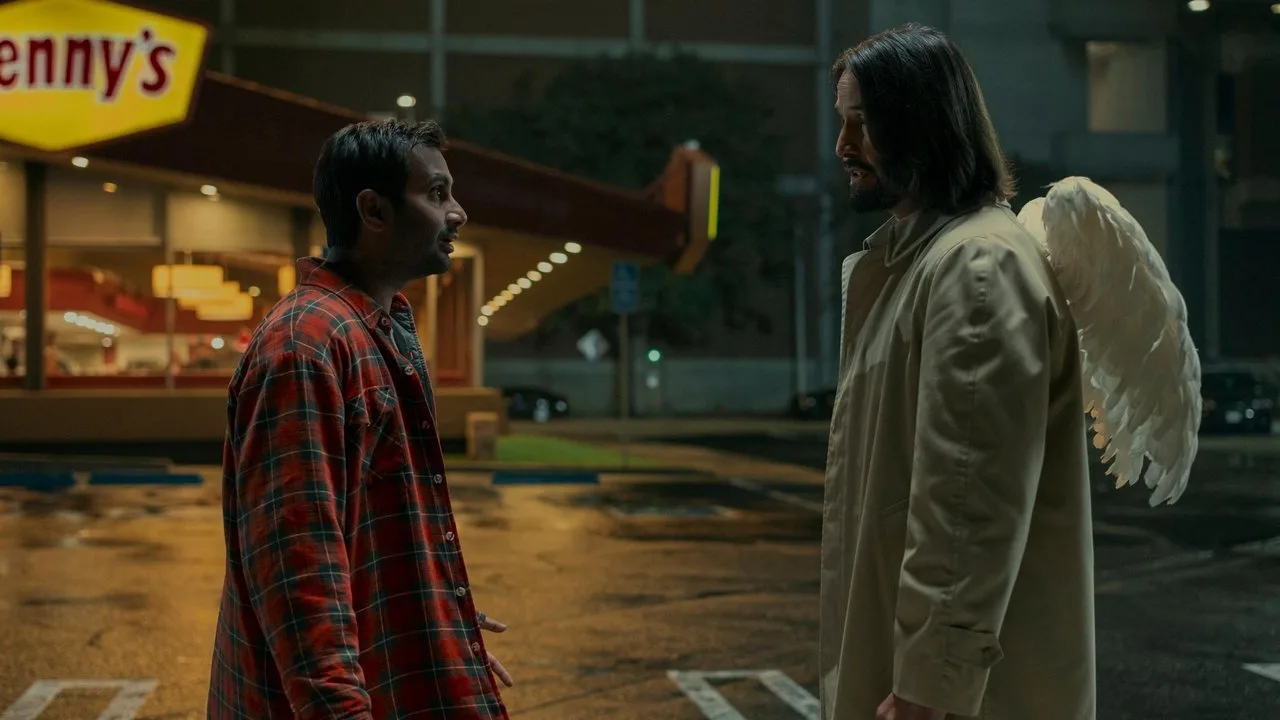
While Good Fortune starts as a comedic exploration of a life swap, its true strength lies in its profound exploration of empathy and the transformative power of friendship. Initially, Aziz Ansari’s character, once thrust into a life of luxury, quickly adopts the detached perspective of the privileged, seemingly forgetting the struggles he once faced.
He begins to disregard the people he left behind and those still experiencing hardship, a common pitfall when one suddenly gains immense wealth. However, as the movie evolves, this self-centeredness begins to erode. Through various encounters and the re-emergence of relationships from his past, or the formation of new, genuine connections in his present state, his perspective slowly but surely shifts.
This evolution is not a sudden epiphany but a gradual awakening, making the journey feel authentic and earned. The film beautifully illustrates how empathy is not an innate trait for all, but often a learned response, cultivated through genuine connection and understanding. It shows that true good fortune is not merely about material wealth, but about the richness of human relationships and the capacity to understand and share the feelings of another.
The friendships forged and rekindled in the film serve as catalysts for the protagonist’s growth, reminding him of the values beyond monetary gain. These relationships challenge his newfound complacency and force him to confront the moral implications of his actions and attitudes. The narrative cleverly highlights how these bonds, whether with former acquaintances or unexpected allies, provide a moral compass that guides him towards a more compassionate outlook.
This focus on the human element, on how we treat one another regardless of our station, is what gives Good Fortune its lasting impact. It’s a powerful reminder that while external circumstances can change rapidly, the core of what makes us human, our capacity for connection and care, remains paramount. This deeply humanistic core elevates the film beyond a simple fantasy and into a resonant commentary on the importance of community and shared humanity.
Good Fortune at the Box Office and Beyond
With a budget of $30,000,000 USD, Good Fortune entered the cinematic arena with a considerable investment, indicative of a studio’s belief in Aziz Ansari’s vision and the star power of its ensemble cast, particularly Keanu Reeves. Upon its release on October 14, 2025, the film garnered a worldwide box office total of $26,117,423 USD. This figure, while not a blockbuster success in terms of recouping its budget directly from theatrical gross alone, tells only part of the story.
In today’s dynamic film industry, box office numbers are increasingly influenced by a complex ecosystem that includes streaming rights, international distribution, and ancillary markets. For a Comedy/Fantasy film with a strong social commentary, hitting the break-even point from theatrical release alone can be challenging, especially when competing with larger franchise films.
However, judging the success of a film like Good Fortune purely on its initial box office performance would be an oversight. The film’s critical reception and its profound thematic content suggest a longer tail of influence and appreciation. Films that resonate deeply with audiences due to their social relevance often find a second life on streaming platforms, through word-of-mouth, and in academic discussions.
The fact that a studio invested $30 million in a project that tackles issues like wealth disparity and the gig economy within a mainstream genre is significant in itself. It signals a willingness to support narratives that are both entertaining and thought-provoking. The film’s lasting impact may not be measured in immediate profits, but in its contribution to cultural dialogue and its ability to inspire reflection.
This underscores a broader trend in the industry where artistic merit and social impact are increasingly valued alongside commercial viability. Understanding the economics of film production, especially for projects with a strong message, requires looking beyond opening weekend numbers and considering the film’s long-term cultural footprint. Good Fortune, despite its initial box office, is poised to be a film that gains increasing recognition for its courage and relevance.
The Power of Perspective: A Final Reflection
My experience watching Good Fortune was overwhelmingly positive. It is a film that successfully marries the lighthearted escapism of a fantasy comedy with the weighty introspection of social drama. Aziz Ansari has crafted a narrative that is both genuinely funny and deeply moving, a rare feat in contemporary cinema.
The film’s ability to tackle pressing issues such as the rise of automation, the vast economic disparities, and the pervasive problem of homelessness in a city like Los Angeles, without ever feeling preachy, is its greatest triumph. It manages to deliver a powerful message about empathy and friendship through an engaging story that resonated strongly with both my wife and me. We left the cinema discussing the various themes, a clear sign of a film that truly hit its mark.
The overall script is brilliant, filled with sharp dialogue and well-developed characters. The ensemble cast, including Seth Rogen, Keke Palmer, and Sandra Oh, delivers strong performances that enrich the narrative and bring its various facets to life.
While I maintain my slight reservation about aspects of Keanu Reeves’ portrayal of the angel, feeling it was a bit off the mark despite my deep admiration for him as an actor and his undeniable contribution to the film’s production, it is a minor point in an otherwise fantastic cinematic experience.
The film’s commitment to showing how easily one can become accustomed to privilege and how crucial it is to maintain a connection to humanity, regardless of one’s circumstances, is truly commendable. Good Fortune serves as a powerful reminder that our perspective on life, and our capacity for compassion, are perhaps the truest measures of our wealth.
It is a film I highly recommend, not just for the laughs, but for the important conversations it sparks and the empathy it inspires. It is a refreshing example of how mainstream cinema can be both entertaining and profoundly meaningful.
Every AI illustration in this article was crafted using AI Render Pro, the same prompting engine used across this blog. Read the full breakdown here.
Cast and Crew
Key Crew
- Director: Aziz Ansari
- Screenplay: Aziz Ansari
- Cinematography: Adam Newport-Berra
- Music: Carter Burwell
Main Cast
- Keanu Reeves — Gabriel
- Aziz Ansari — Arj / Delivery Robots (voice)
- Seth Rogen — Jeff
- Keke Palmer — Elena
- Sandra Oh — Martha
- Sherry Cola — Linda
- Stephen McKinley Henderson — Azrael
References and Further Reading
- Good Fortune on Wikipedia — production details, cast and release history.
- Good Fortune on TMDB — cast, crew, budget and box-office data.
- Good Fortune on IMDb — full credits and technical specs.
- Aziz Ansari on Wikipedia — director background and filmography.
Frequently Asked Questions
What is Good Fortune about?
Good Fortune is a Comedy/Fantasy film directed and written by Aziz Ansari. It tells the story of a struggling gig worker whose life is swapped with a wealthy venture capitalist by a benevolent but somewhat naive angel, leading to a journey of self-discovery, empathy, and social commentary.
Who stars in Good Fortune?
The film features an impressive ensemble cast including Aziz Ansari, Seth Rogen, Keanu Reeves, Keke Palmer, and Sandra Oh. Aziz Ansari also directs and wrote the screenplay.
What are the key themes explored in Good Fortune?
Good Fortune deeply explores themes of wealth disparity, the impact of automation on the gig economy, homelessness, empathy, and the true meaning of friendship. It uses its fantastical premise to deliver a poignant social commentary relevant to modern times.
When was Good Fortune released and what was its budget?
Good Fortune was released on October 14, 2025. The film had a production budget of $30,000,000 USD, with cinematography by Adam Newport-Berra and music by Carter Burwell.
Is Good Fortune worth watching?
Based on its strong script, engaging direction by Aziz Ansari, powerful social commentary, and excellent ensemble performances, Good Fortune is highly recommended. It offers a blend of humor and heartfelt reflection, making it a significant and enjoyable cinematic experience despite a minor critique of one performance.
Discover more from Olivier Hero Dressen Blog: Filmmaking & Creative Tech
Subscribe to get the latest posts sent to your email.

Work with Olivier
Director | CD | DP & Photographer
Specializing in commercials, music videos, AI-driven filmmaking, and cinematic storytelling for brands and production companies.
🌍 Shanghai · Paris · Los Angeles · Dubai
🎬 View Portfolio & Get in Touch