

Key Takeaways
- First insight, The Awards Daily podcast challenges the industry’s obsession with premature Oscar speculation, particularly concerning the best actor category, asserting that early frontrunner predictions are often baseless and distort the true appreciation of cinematic performance.
- Craft highlight, The podcast emphasizes that genuine best actor contention should emerge from the nuanced evaluation of a performance’s impact, depth, and the film’s overall critical reception, rather than generated hype or early buzz.
- Industry context, This critical perspective highlights a systemic issue within awards season reporting: the rush to declare “shocking frontrunners” creates a self-fulfilling prophecy dynamic that overshadows thoughtful analysis and devalues the actual artistic merit of the performances.
- Bottom line, For a more authentic discussion, the podcast advocates for a patient, informed approach, allowing the cinematic landscape to unfold before anointing a best actor, thus fostering a more meaningful discourse about the craft.
The perennial discussion around the best actor Oscar race often begins long before films have even screened for a wide audience, let alone critics. This endless, premature Oscar speculation, particularly regarding who might be deemed a “frontrunner,” isn’t just tiresome; it actively distorts the conversation around cinematic achievement. The Awards Daily podcast, in its recent episode “Frontrunners and Challengers, Talking Best Actor,” correctly identifies this core problem. It argues that the relentless pursuit of early predictions undermines the very process of appreciating art, creating a landscape where manufactured buzz often eclipses genuine merit. As a filmmaker, I find this critique not only accurate but essential for anyone who truly values the craft of acting and directing. The podcast’s hosts dissect the mechanics of this speculative frenzy, revealing how it shapes narratives, creates false expectations, and ultimately detracts from a deeper, more informed appreciation of performances that truly deserve recognition for best actor.
Need a Director for Your Next Project?
From commercials to branded campaigns—Olivier brings creative vision and technical expertise.
→ View ProjectsThe Futility of Early Prediction: Awards Daily’s Stance on Best Actor
The Awards Daily podcast opens with a refreshing, if somewhat contrarian, take on the annual Oscar season: the vast majority of early predictions are not just premature, they are actively detrimental. This is particularly true for categories like best actor, where performances often carry a film’s emotional weight and critical reception. The podcast hosts, known for their seasoned insights, argue that the rush to declare “frontrunners” in the summer or early fall, months before most Academy members have even seen the films, is a disservice to both the art and the audience. They highlight how these early declarations are often based on little more than a director’s reputation, a film’s logline, or a single festival screening, rather than a comprehensive understanding of the performance’s depth or the film’s overall impact. This speculative cycle creates an echo chamber, where initial, often unsubstantiated, buzz becomes amplified, drowning out more considered analysis later in the season.
From a filmmaker’s perspective, this premature judgment is frustrating. Crafting a performance, especially one worthy of a best actor nomination, involves countless hours of rehearsal, intricate character development, and often, a demanding physical and emotional transformation. To have that work reduced to a speculative bullet point on an awards pundit’s list before it has even been fully experienced by its intended audience diminishes the artistic effort. The podcast implicitly advocates for a return to a more organic process of appreciation, where performances are judged on their own merits after widespread viewing, rather than on the strength of a publicist’s campaign or a journalist’s need for clicks. They correctly identify that the problem isn’t the discussion of potential contenders, but the certainty with which these early predictions are often presented, creating a false sense of inevitability that rarely materializes. This approach, they suggest, allows for a more nuanced understanding of what truly constitutes an exceptional method acting performance.
Moreover, the podcast touches upon the inherent difficulty in predicting a category as subjective as best actor. Unlike technical categories which might have more objective metrics, acting is deeply personal, resonating differently with various voters. An actor’s arc, their ability to convey complex emotions, and their chemistry with co-stars are all elements that require careful consideration, not snap judgments. The Awards Daily team emphasizes that the true contenders for best actor often emerge through a slow burn of critical consensus and peer admiration, building momentum as more people engage with the film. This process is antithetical to the instant gratification sought by early prediction culture. They cite examples of performances that were initially overlooked only to gain significant traction later, proving that patience is a virtue in this particular arena. This critical approach by Awards Daily offers a valuable counter-narrative to the prevailing media frenzy, urging a more thoughtful engagement with the art form. For a deeper dive into the world of film awards and predictions, one might consult established news outlets like Variety’s awards coverage, though it’s important to approach such lists with the podcast’s cautionary perspective in mind.


Deconstructing the ‘Frontrunner’ Myth for Best Actor
The concept of a “frontrunner” in the best actor category, particularly in the nascent stages of awards season, is largely a manufactured construct, a point the Awards Daily podcast drives home with precision. This myth often stems from a combination of factors: an actor’s previous Oscar history, the perceived “Oscar bait” nature of a film, or a strong showing at an early film festival like Sundance or Telluride. However, as the podcast meticulously explains, these early indicators are far from guarantees. A strong festival premiere might generate initial buzz, but that buzz can quickly dissipate if the film struggles with wider critical reception or fails to connect with audiences. The journey from a festival darling to an actual Oscar nominee, let alone a winner, is fraught with challenges. The industry’s obsession with anointing early frontrunners for best actor creates a narrative that is often disconnected from the reality of how the Academy votes.
The podcast hosts delve into historical examples where early “locks” for best actor failed to even secure a nomination, while dark horses emerged from seemingly nowhere to claim the coveted statue. This phenomenon underscores the volatility of the race and the complex interplay of various factors, performance quality, film success, campaign strategy, and even the broader cultural zeitgeist, that ultimately determine a winner. A performance, no matter how compelling, cannot exist in a vacuum. Its chances for a best actor nomination are heavily influenced by the strength of the film itself, its critical reception, and its box office performance. A film that flounders with critics or audiences can drag down even the most extraordinary individual performance. This interconnectedness is often overlooked in the rush to identify singular “frontrunners” based on isolated factors.
Furthermore, the podcast highlights that the “frontrunner” label can sometimes be a curse rather than a blessing. The immense pressure and heightened scrutiny that come with being an early favorite can lead to voter fatigue or a backlash effect. Academy members, being artists themselves, often appreciate genuine discovery and performances that gain momentum through sustained critical acclaim rather than pre-ordained status. The podcast’s critique is not to dismiss the talent of the actors discussed, but to question the mechanism by which these labels are applied so prematurely. It’s a call for a more nuanced understanding of the awards process, one that acknowledges its inherent unpredictability and the many variables that come into play long after the first reviews are published. Understanding the nuances of film production, even elements like Superman VFX secrets, can sometimes offer insight into how a film is perceived, which in turn affects an actor’s chances. The official website of Awards Daily provides a platform for these detailed discussions, offering a refreshing counterpoint to the more superficial predictions found elsewhere.
The Shifting Sands of the Best Actor Landscape
The landscape of the best actor race is far from static; it’s a constantly evolving terrain shaped by critical reception, audience engagement, and the strategic machinations of awards campaigns. The Awards Daily podcast eloquently illustrates how narratives shift, films emerge from obscurity, and performances gain unexpected traction as the season progresses. What might seem like a clear path to a nomination in September can become a convoluted maze by December, and an entirely different scenario by January. This fluidity is precisely why early predictions are so often misguided. A film that initially generates lukewarm reviews might find its footing with a re-evaluation, or a smaller, independent feature might slowly build a groundswell of support, pushing its lead actor into contention for best actor.
The podcast stresses the importance of understanding the “narrative” surrounding a performance and a film. Is the actor overdue for an Oscar? Is the film a comeback story for a veteran? Does the performance resonate with current cultural conversations? These are the intangible elements that often swing votes, far more than a single rave review in August. Furthermore, the sheer volume of quality films released, especially in the latter half of the year, means that many exceptional performances for best actor are simply not seen by Academy members until much later. The “late-breaker” phenomenon is a testament to this, where films released in November or December often arrive with significant momentum, overshadowing earlier contenders. Directors, for instance, might employ sophisticated gimbal techniques to capture performances, enhancing their visual impact and potentially contributing to a film’s late-season surge.
Moreover, the competitive nature of the awards circuit means that studios are constantly adjusting their strategies. A performance initially positioned for best actor might be shifted to supporting actor if the competition proves too fierce, or vice-versa. These strategic decisions, often made behind closed doors, can dramatically alter the perceived landscape. The Awards Daily podcast argues that true insight into the best actor race requires not just an understanding of the films and performances themselves, but also an awareness of these dynamic industry forces. It’s a complex ecosystem, far too intricate to be reduced to a simple list of “frontrunners” before the leaves have even fully turned. The hosts wisely counsel against taking any early pronouncements as gospel, instead advocating for a watchful, patient approach that allows the full picture to develop. This perspective is vital for anyone trying to decipher the true trajectory of the Oscar race. For a broader view of how narratives are shaped in the industry, one might observe how major news outlets like Reuters cover Oscar predictions, noting the emphasis on evolving narratives.
Beyond the Buzz: Identifying True Best Actor Contenders
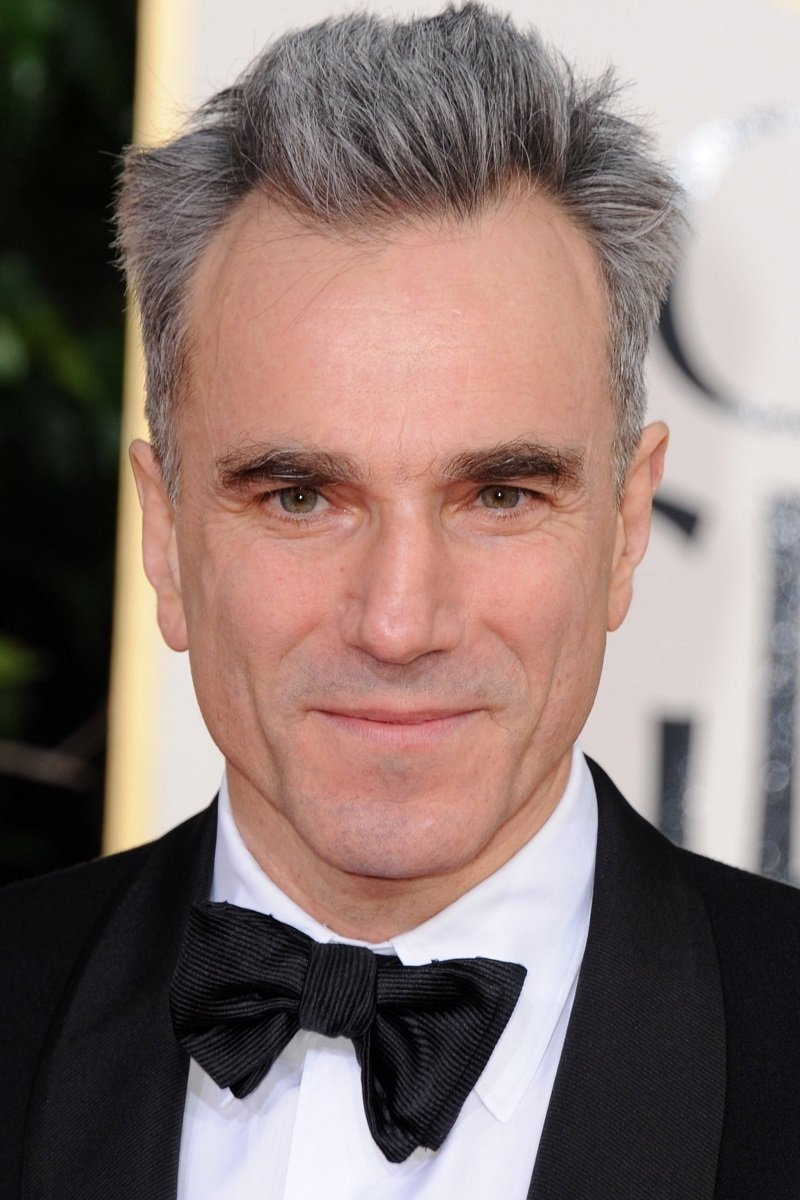
Moving beyond the superficial buzz, the Awards Daily podcast offers a framework for identifying what truly constitutes a strong best actor contender, emphasizing substance over speculation. This framework centers on a few core principles: the undeniable quality of the performance itself, the critical consensus it garners over time, and its ability to resonate emotionally and intellectually with a diverse group of voters. It’s not enough for an actor to simply deliver a “good” performance; an Oscar-worthy turn often involves a transformative effort, a profound exploration of character, or a unique artistic vision that pushes the boundaries of the craft. This type of performance rarely needs a publicist to declare it a “frontrunner” from the outset; its power speaks for itself.
The podcast champions the idea that a true best actor performance should stand on its own merits, regardless of the film’s overall awards prospects. While a strong film certainly helps, there are numerous instances where an actor has been nominated, or even won, despite their film being otherwise overlooked. This speaks to the undeniable impact of their individual work. The hosts encourage listeners to look beyond the “Oscar bait” label and instead focus on performances that exhibit genuine depth, nuance, and a palpable commitment to character. This includes performances that might be subtle rather than showy, or those in smaller, independent films that might not have the marketing muscle of a major studio release. It’s about the raw, visceral connection an actor makes with their role and, by extension, with the audience. Sometimes, even the tools used to capture such performances, like advanced drone cinematography techniques, can enhance the overall impact and perception of a film’s quality, indirectly benefiting the actor.
Moreover, the podcast suggests paying close attention to how a performance is discussed by actual filmmakers and industry professionals, rather than just awards pundits. Peer recognition within the acting community, often evidenced by nominations from guilds like SAG, can be a far more reliable indicator of true best actor contention. These are the individuals who truly understand the demands and artistry of the craft, and their collective endorsement carries significant weight. The Awards Daily team’s message is clear: strip away the noise, ignore the premature declarations, and focus on the fundamental elements of what makes a performance exceptional. This disciplined approach allows for a more authentic appreciation of the art of acting and a more accurate prediction of who might genuinely be in the running for the ultimate prize. For those interested in the craft of filmmaking that supports such performances, understanding aspects like Darren Aronofsky’s directing style can provide valuable context.
The Peril of Premature Enthusiasm: A Historical Perspective on Best Actor
The Awards Daily podcast uses historical context to underscore the peril of premature enthusiasm in the best actor race. Time and again, actors touted as “sure things” in the early stages of awards season have seen their momentum stall, their narratives shift, or simply been overshadowed by later-emerging contenders. This isn’t a phenomenon limited to recent years; it’s a consistent pattern that highlights the inherent unpredictability of the Oscars. The podcast reminds listeners that the Academy is a diverse body, and their collective taste is complex, often defying easy categorization or early consensus. What excites a small group of critics at a summer festival might not resonate with thousands of industry professionals months later.
Consider the numerous instances where an actor delivers a career-best performance, receives initial raves, and is immediately crowned the best actor to beat, only for another, perhaps less buzzy, performance to slowly build steam and ultimately triumph. This can happen for a myriad of reasons: a stronger narrative for another actor, a film that gains unexpected traction, or simply the subjective nature of voting. The podcast offers a valuable service by reminding us that the Oscar race is a marathon, not a sprint. The sustained conversation, the ability of a performance to withstand scrutiny over months, and its capacity to remain relevant are far more crucial than an initial burst of hype. Even the most stunning visual effects, as detailed in VFX breakdown secrets, can’t guarantee an acting win if the performance itself doesn’t connect.
Moreover, the hosts discuss how the very act of declaring an early “frontrunner” can sometimes work against a nominee. The pressure to live up to such lofty expectations can be immense, and voters might subconsciously look for flaws in a performance that has been overhyped. Conversely, a performance that flies under the radar initially, slowly gaining critical appreciation, often benefits from the element of surprise and genuine discovery. This “dark horse” narrative can be incredibly powerful for a best actor contender, allowing them to build an organic groundswell of support. The podcast’s historical perspective serves as a crucial corrective to the prevailing awards punditry, urging a more measured and patient approach to prognosticating. It’s a call for humility in the face of an inherently unpredictable process, acknowledging that the truest indicators of a best actor win often only become clear in the final weeks leading up to the ceremony. For a look at past winners and nominees, the official Oscars website provides comprehensive historical data.
Navigating the Campaign Trail: How Narratives Shape the Best Actor Race
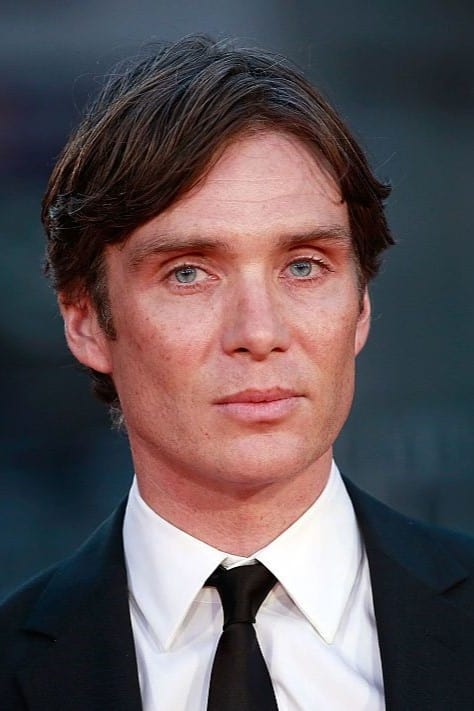
The Awards Daily podcast dedicates significant airtime to the intricate dance of the awards campaign trail, particularly how carefully constructed narratives can shape the best actor race. It’s not simply about the performance itself; it’s about the story told around the performance and the actor. Studios and publicists are masters at crafting compelling narratives that resonate with Academy voters. Is the actor a beloved veteran who is “due” for an Oscar? Is their role a transformative one that required immense dedication, perhaps even touching upon the actor’s personal struggles? These are the kinds of stories that can elevate a performance from excellent to undeniable in the minds of voters.
The podcast emphasizes that these narratives are often meticulously planned, designed to hit at specific points in the awards calendar. Early festival buzz might focus on the “shocking transformation,” while later in the season, the emphasis might shift to the actor’s long and distinguished career. This strategic storytelling is crucial for any best actor contender, as it helps to differentiate them in a crowded field. The hosts point out that even a brilliant performance can get lost if it doesn’t have a compelling story attached to it, or if the studio lacks the resources or expertise to mount an effective campaign. This is where smaller films, despite having incredible acting, can struggle against the might of major studios. Sometimes, even innovative marketing techniques, like those explored in creating an AI concept trailer, are employed to build early buzz.
Moreover, the podcast discusses the role of critical endorsements and peer recognition in shaping these narratives. A strong showing at the Golden Globes, Critics’ Choice Awards, or, most importantly, the Screen Actors Guild (SAG) Awards, can significantly bolster an actor’s narrative for best actor. These early wins provide tangible proof of momentum and validate the studio’s campaign strategy. However, the podcast also cautions against over-reliance on these early indicators, reiterating that the narrative can still shift dramatically. A perceived frontrunner might face scrutiny, or a challenger might gain unexpected ground, forcing a recalibration of campaign efforts. The Awards Daily team’s analysis serves as a valuable reminder that the Oscars are as much about politics and perception as they are about pure artistic merit, especially in a category as high-profile as best actor. Understanding this dynamic is key to deciphering the true nature of the race. For insight into how studios strategize, articles from industry publications like The Hollywood Reporter often cover campaign strategies.
The Elephant in the Room: Bias and Blind Spots in Best Actor Forecasting
One of the most incisive points raised by the Awards Daily podcast concerns the inherent biases and blind spots prevalent in early best actor forecasting. Pundits, critics, and even industry insiders are not immune to their own preconceived notions, which can significantly skew predictions. These biases can stem from a variety of sources: a preference for certain genres, a historical favoritism towards particular types of performances (e.g., transformative roles over subtle ones), or an unconscious lean towards actors with established Oscar narratives. The podcast argues that these biases often lead to a narrow view of potential contenders, overlooking diverse performances that might not fit neatly into traditional “Oscar boxes.”
For instance, there’s often a bias towards dramatic roles over comedic ones, or English-language films over international productions, despite the Academy’s recent efforts to diversify its membership. An actor delivering a brilliant, nuanced performance in a genre film or a foreign-language production might be overlooked in early best actor discussions simply because it doesn’t conform to the perceived template of an Oscar winner. The podcast calls for a more expansive and inclusive approach to forecasting, one that actively seeks out and champions performances from a wider range of films and backgrounds. This is crucial for fostering a truly representative and meritocratic awards season. The discussion around Super Mario Galaxy box office might seem unrelated, but it highlights the industry’s focus on mainstream success, which can inadvertently overshadow critical performances in smaller, less commercial films.
Moreover, the podcast addresses the “blind spot” created by limited access to films in the early stages. Many prognosticators base their predictions on a select few festival premieres or early screenings, which means a vast majority of potential best actor contenders remain unseen and thus unconsidered. This creates an echo chamber where the same handful of names are recycled, reinforcing the “frontrunner” myth even when there’s insufficient data to support it. The Awards Daily team advocates for a patient approach, waiting until more films have been widely screened and critically evaluated before drawing firm conclusions. They implicitly argue that true expertise in awards forecasting comes not from being first, but from being thorough and open-minded, allowing for the possibility that the most deserving best actor performance might emerge from an unexpected quarter. This critical self-awareness is what sets their analysis apart from much of the premature speculation. The BBC’s cultural reporting often provides a more global perspective on film, which can help mitigate some of these biases, as seen in their coverage of Oscar winners.
The Unpredictable Nature of a Best Actor Win
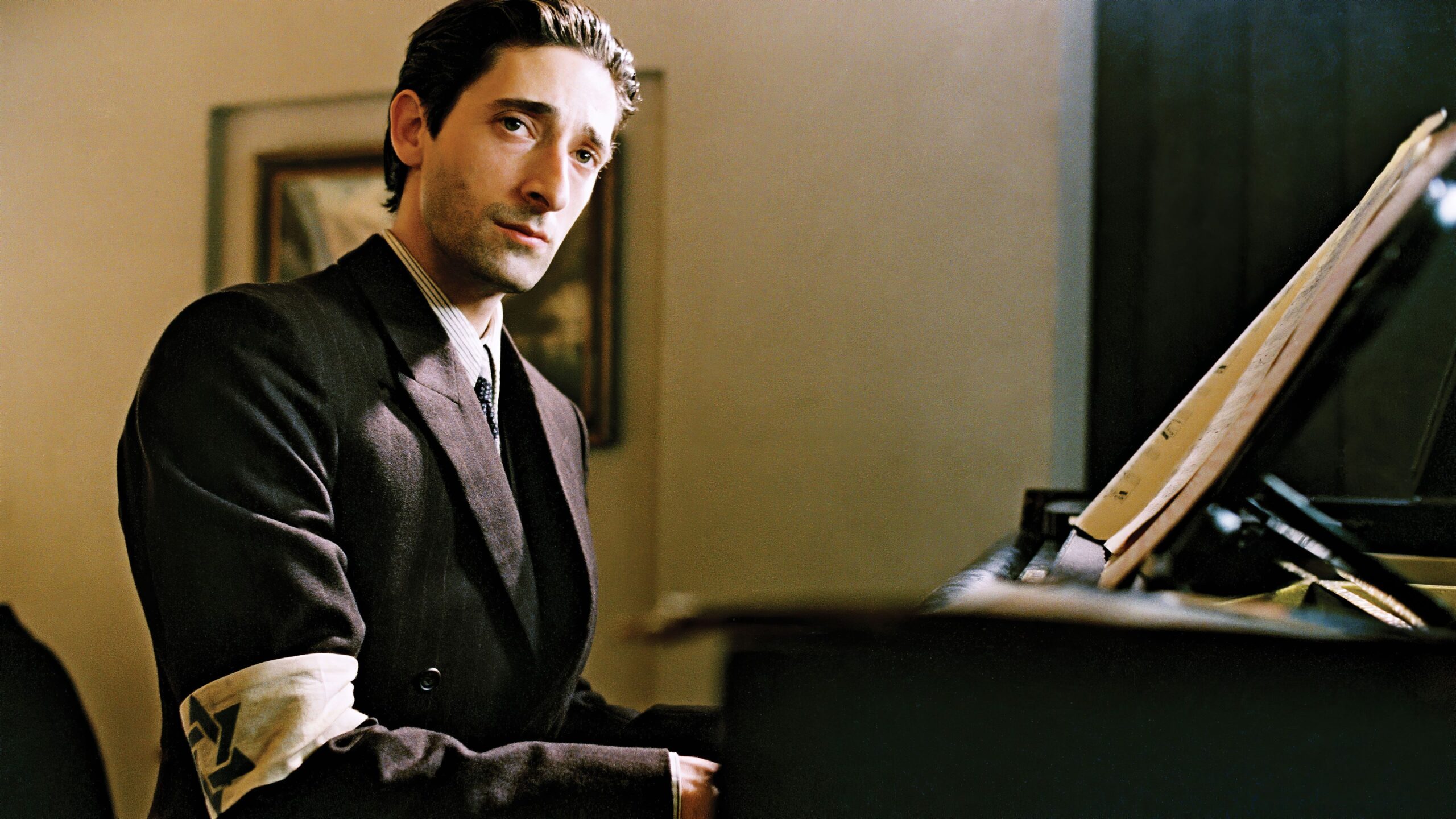
The Awards Daily podcast vehemently argues that despite all the fervent speculation, the best actor Oscar remains an inherently unpredictable category until the very last ballots are cast. This unpredictability stems from a confluence of factors, many of which are beyond the control of studios, publicists, or even the actors themselves. The Academy’s voting body is large and diverse, comprising thousands of individuals with varying tastes, preferences, and allegiances. A performance that deeply resonates with one segment might leave another untouched. This makes building a broad consensus for a best actor winner an incredibly challenging endeavor.
The hosts highlight that momentum can swing dramatically in the final weeks leading up to the Oscars. A surprising win at a precursor award, a particularly poignant acceptance speech, or even a sudden shift in public sentiment can catapult an actor into contention or derail a seemingly secure frontrunner. The emotional component of voting cannot be underestimated; sometimes, it’s not just the “best” performance in a purely technical sense, but the one that tells the most compelling story, evokes the strongest emotion, or feels “right” in a particular cultural moment that ultimately wins. This subjective, almost ephemeral quality, is impossible to predict months in advance. The intricate dance of blending practical vs digital effects in a film might contribute to its overall impression, subtly influencing how an actor’s performance is perceived within that cinematic world.
Furthermore, the podcast points out that the best actor race is often influenced by the wider context of the awards season. If a particular film is dominating other categories, it can sometimes pull its lead actor along to a win, even if their performance wasn’t universally considered the absolute strongest. Conversely, if a film is underperforming, even a stellar individual performance might struggle to break through. This interconnectedness means that no category truly exists in a vacuum. The Awards Daily team’s ultimate message is a plea for patience and a rejection of the illusion of certainty. They argue that embracing the unpredictability of the best actor race allows for a more exciting and engaging season, where the focus remains on the quality of the performances rather than the accuracy of early guesses. It encourages a genuine appreciation for the art form, rather than reducing it to a mere betting game.
What the Awards Daily Podcast Gets Right About Best Actor
The Awards Daily podcast, in its discussion about best actor frontrunners and challengers, gets several crucial things right, offering a much-needed antidote to the often-frenetic pace of awards season speculation. First and foremost, it correctly diagnoses the fundamental flaw in premature prognostications: they prioritize being “first” over being “right,” and in doing so, they diminish the very art they purport to celebrate. The hosts articulate that genuine appreciation for a performance, especially one worthy of a best actor Oscar, requires time, reflection, and broad engagement from critics and audiences alike. This patient approach stands in stark contrast to the rush to declare winners before films have even been widely seen.
Secondly, the podcast accurately highlights the dynamic and fluid nature of the best actor race. It’s not a static list of names but an evolving conversation, influenced by critical consensus, campaign narratives, and the broader cultural zeitgeist. By emphasizing this fluidity, the podcast helps listeners understand that early “frontrunners” are often just temporary placeholders, subject to dramatic shifts as the season progresses. This perspective encourages a more critical and informed engagement with awards coverage, rather than passive acceptance of whatever narrative is presented. Even in the realm of creative technology, as seen with AI image enhancement, waiting for full development before judgment is key.
Moreover, the Awards Daily team brings a level of experience and historical perspective that is often missing from more superficial awards commentary. Their ability to recall past Oscar cycles, identifying patterns of overhyped contenders and unexpected winners, lends significant weight to their arguments. This historical context is invaluable for demonstrating that the current cycle is rarely an exception to the rule of unpredictability. They implicitly advocate for a return to discussing the craft of acting, the nuances of performance, and the artistic merit of the films, rather than simply treating the Oscars as a horse race. This focus on substance over sensationalism is what the Awards Daily podcast truly gets right about the best actor discussion, making it an essential listen for anyone genuinely interested in the art of cinema. Their insights provide a robust framework for approaching the awards season with greater discernment and appreciation.
A Call for Patience: Reclaiming the Best Actor Discussion
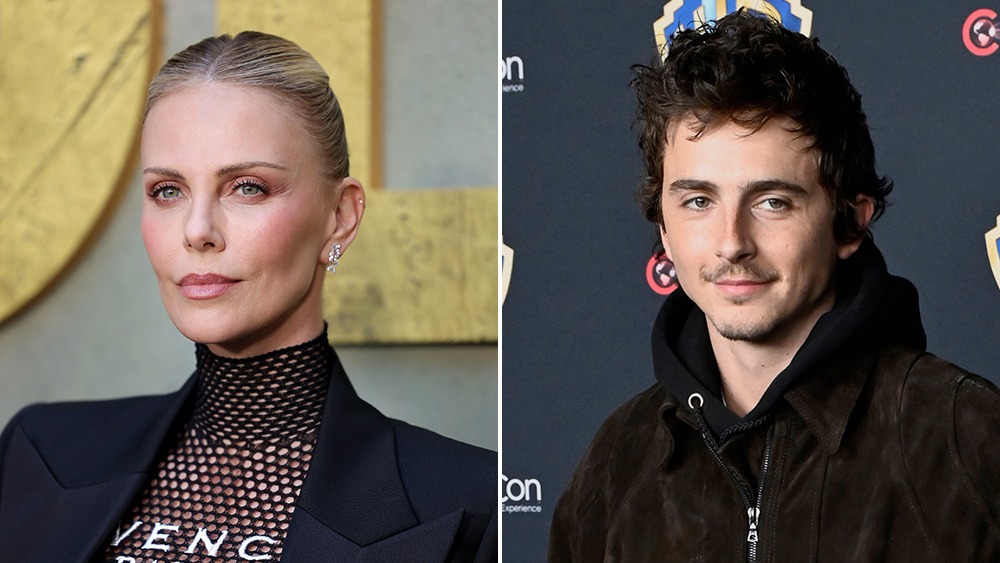
The ultimate takeaway from the Awards Daily podcast’s discussion on best actor frontrunners is a resounding call for patience and a reclamation of the discussion from the clutches of premature speculation. The hosts argue that by constantly chasing the next “shocking frontrunner” or declaring definitive “locks” months in advance, the industry and its observers are missing the point of awards season entirely. The Oscars, at their best, are a celebration of cinematic achievement, an opportunity to reflect on the year’s finest performances and films. When the focus shifts predominantly to prediction and horse-race narratives, the intrinsic value of these achievements gets lost.
This call for patience is not an appeal to ignore the awards entirely, but rather to engage with them in a more considered and appreciative manner. It means allowing films to breathe, performances to be widely seen and digested, and critical consensus to form organically. Only then can a truly informed and meaningful conversation about who deserves the best actor Oscar take place. The podcast suggests that by resisting the urge to jump to conclusions, we can foster a richer, more nuanced dialogue about the artistry involved in creating these memorable roles. This approach is reminiscent of how filmmakers meticulously plan every shot, often using advanced tools, before a single frame is committed, as discussed in the context of prompt engineering for video.
For filmmakers, this perspective is particularly resonant. We spend years, sometimes decades, honing our craft, pouring our hearts into projects. To see that effort reduced to a speculative bullet point on an awards chart before it has had a chance to connect with an audience is disheartening. The Awards Daily podcast champions a return to valuing the craft, the performance, and the film itself above the endless chatter of predictions. It’s a reminder that the true joy of awards season should lie in discovering and celebrating exceptional talent, not in proving whose crystal ball is clearer. By embracing patience, we can elevate the discussion around best actor, making it less about who will win and more about who should win, based on the undeniable merit of their work. This shift in focus is crucial for maintaining the integrity and artistic relevance of the Academy Awards.
Frequently Asked Questions
What is the core problem identified by the Awards Daily podcast regarding Oscar speculation?
The podcast highlights that endless, premature Oscar speculation, especially for categories like best actor, isn’t just tiresome but actively detrimental. It distorts the conversation around cinematic achievement, creating a landscape where manufactured buzz often eclipses genuine merit and thoughtful analysis.
Why does the podcast argue against early ‘frontrunner’ declarations for Best Actor?
The podcast argues that early “frontrunner” declarations are often based on insufficient information, such as reputation or early festival screenings, rather than comprehensive understanding of a performance. This creates a false sense of inevitability that rarely materializes and can even work against a candidate due to heightened scrutiny.
How do campaign narratives influence the Best Actor race, according to the podcast?
Campaign narratives are meticulously planned stories built around an actor and their performance, emphasizing aspects like career trajectory or transformative effort. These narratives, along with critical endorsements and precursor awards, strategically influence how Academy voters perceive a best actor contender, shaping the race beyond just the performance itself.
What biases and blind spots does the podcast identify in Best Actor forecasting?
The podcast points out biases towards certain genres (e.g., drama over comedy), types of roles, or established actors, often overlooking diverse performances. Additionally, limited access to films in early stages creates blind spots, leading to a narrow, often recycled, list of potential best actor contenders.
What is the podcast’s ultimate call to action for engaging with the Best Actor discussion?
The podcast’s ultimate call is for patience and a reclamation of the discussion from premature speculation. It advocates for allowing films to be widely seen and critical consensus to form organically, fostering a more nuanced and appreciative dialogue about the artistry of acting, rather than reducing the Oscars to a mere prediction game.
Discover more from Olivier Hero Dressen Blog: Filmmaking & Creative Tech
Subscribe to get the latest posts sent to your email.

Work with Olivier
Director | CD | DP & Photographer
Specializing in commercials, music videos, AI-driven filmmaking, and cinematic storytelling for brands and production companies.
🌍 Shanghai · Paris · Los Angeles · Dubai
🎬 View Portfolio & Get in Touch