
Key Takeaways
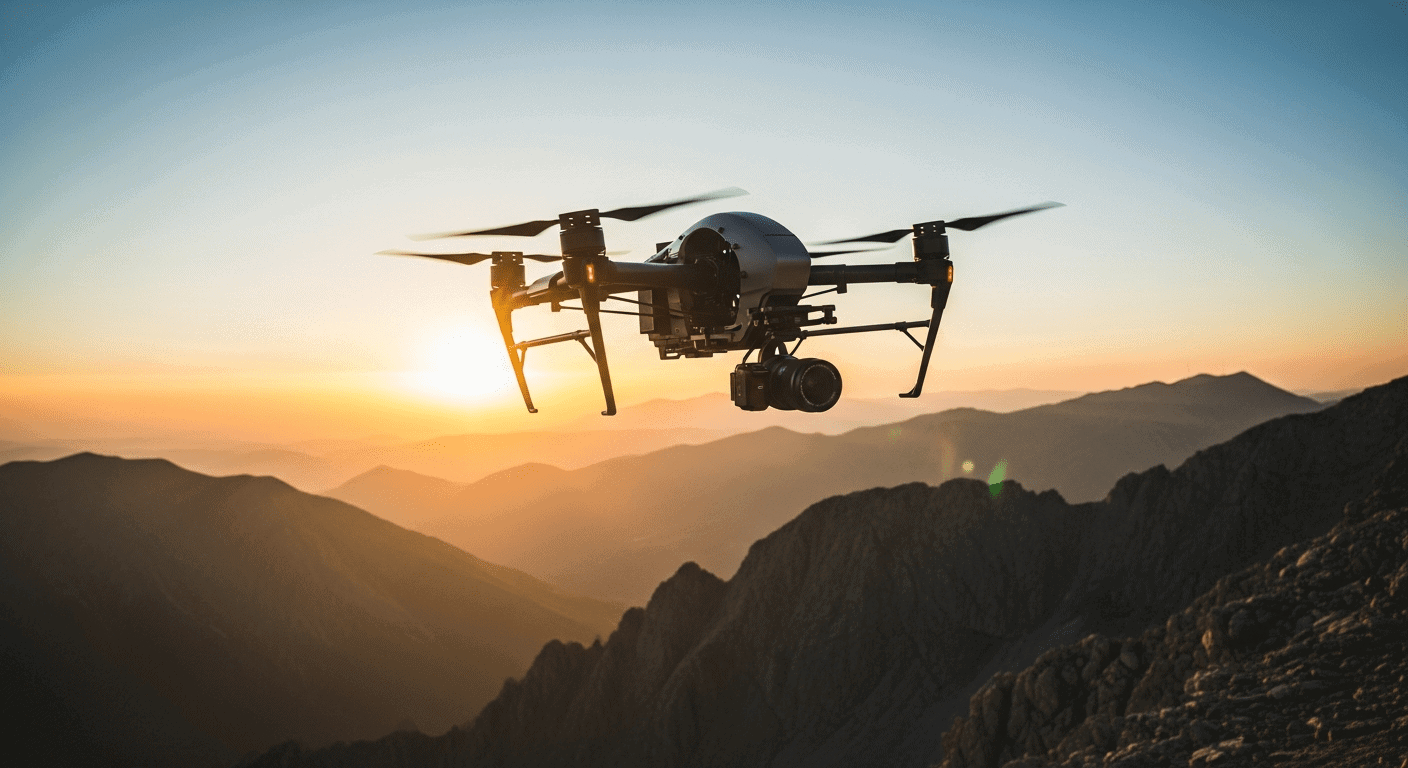
- First insight, Drone cinematography, when executed with precision and narrative intent, elevates storytelling beyond mere spectacle.
- Craft highlight, The true artistry lies in pre-visualization, the synergy between pilot and camera operator, and the integration of drone movement into traditional blocking.
- Industry context, Drones democratize complex aerial shots, but demand a higher standard of technical and creative discipline to avoid generic results.
- Bottom line, A drone is a tool; its impact depends entirely on the director’s vision and the crew’s mastery, turning flight into narrative.
The landscape of visual storytelling has been irrevocably altered by drone cinematography. This technology offers filmmakers unprecedented access to dynamic aerial perspectives, transforming how we establish scale, track action, and convey emotion. After two decades in this industry, working on campaigns for Nike and Porsche, and directing films like “The Passport,” I have seen drones evolve from novelties to indispensable instruments. The question is no longer if we use them, but how we use them to serve the story, not just to impress. The proper application of drone cinematography techniques can dramatically improve any film.
Need a Director for Your Next Project?
From commercials to branded campaigns—Olivier brings creative vision and technical expertise.
→ View ProjectsThe Evolution of Aerial Perspective: From Cranes to Drones
For decades, aerial shots were a luxury. Helicopters required significant budgets, permits, and specialized crews. Cranes and jibs offered limited vertical reach and horizontal movement. Filmmakers like Stanley Kubrick, with his meticulous camera work in The Shining, or Orson Welles in Citizen Kane, pushed the boundaries of what was possible with practical rigs. These tools, while effective, were cumbersome and restricted the spontaneity of a shot. The sheer logistics often meant aerials were reserved for grand establishing shots or pivotal moments, their cost dictating their use. The craft was about maximizing impact within severe constraints. The evolution to using drone cinematography techniques allows for greater flexibility.
Early Aerials: Limitations and Innovations
Before the advent of modern drone cinematography, aerial perspectives were achieved through a combination of ingenuity and brute force. Helicopter mounts, such as the Tyler Camera Systems, allowed for breathtaking vistas but came with inherent limitations: noise, vibration, fuel consumption, and strict flight paths. These factors made precise, low-altitude, or indoor aerials virtually impossible. Directors and cinematographers had to pre-visualize meticulously, often sketching storyboards in extreme detail, knowing that each minute of helicopter time was valuable. The focus was on broad strokes, sweeping landscapes, or high-altitude cityscapes, where the scale justified the expense. The challenge was to make these expensive shots feel integrated, not just tacked on for grandeur. Understanding limitations is key to appreciate the benefits of drone cinematography techniques.
The Drone Revolution: Accessibility and New Angles
The introduction of drones fundamentally changed this equation. Suddenly, a director could achieve complex, dynamic aerials with a fraction of the cost and setup time. Small, agile drones like the DJI Inspire or Freefly Alta could fly through tight spaces, track subjects at high speeds, and perform intricate maneuvers impossible for traditional equipment. This accessibility, however, brought its own set of challenges. The initial wave of drone cinematography often prioritized spectacle over substance. Shots became generic, flying over everything just because it was possible. The true innovation lies not in the ability to fly, but in the intelligent application of that flight. It demands a new kind of choreography, where the drone becomes an extension of the director’s eye, moving with purpose. Mastering drone cinematography techniques creates new artistic pathways.
Precision and Narrative: Beyond the Spectacle of Drone Cinematography
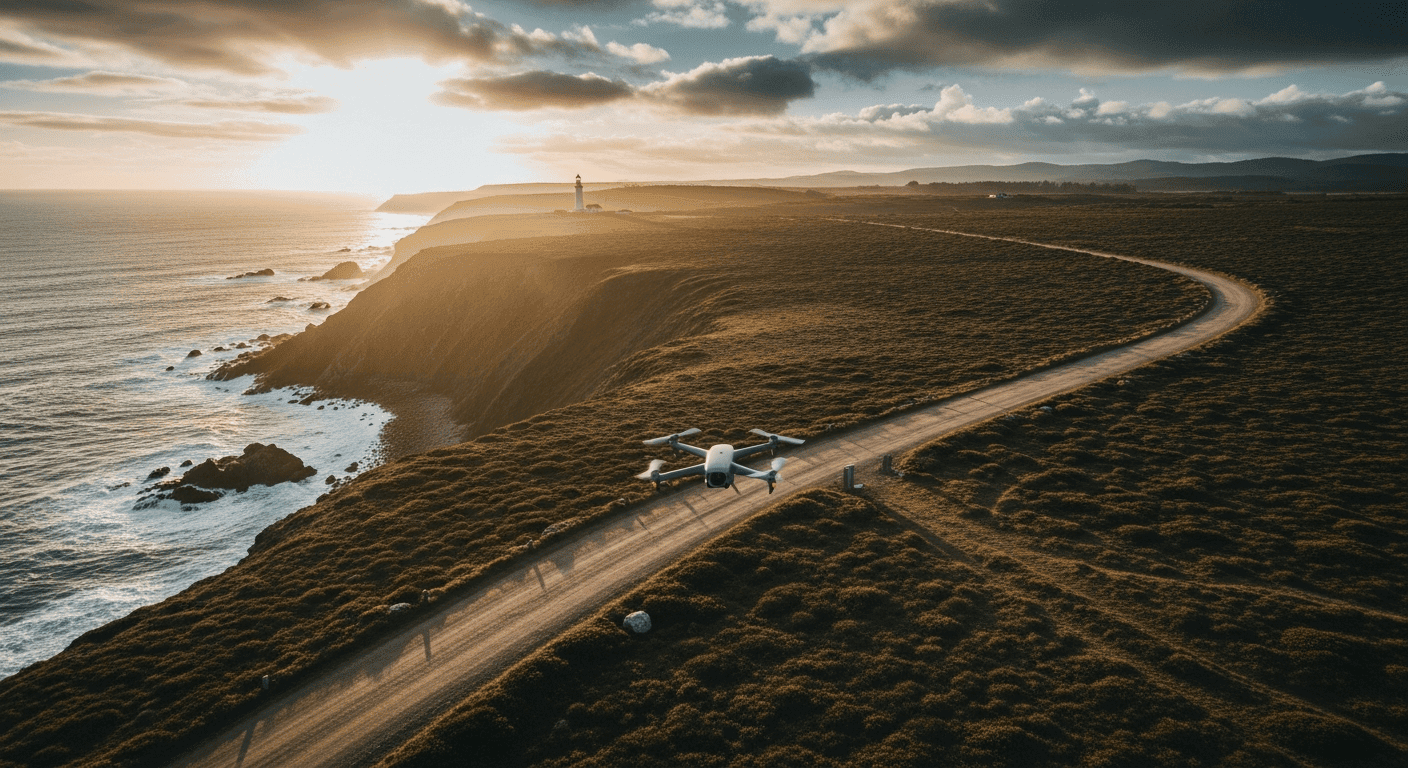
The common pitfall of drone cinematography is its overuse as a visual flourish. A drone shot should not exist merely to show off the technology. It must serve the narrative, deepen character, or advance the plot. Consider the opening sequence of Spectre, directed by Sam Mendes with Hoyte van Hoytema as DP. The 4-minute continuous shot, starting with a tracking shot through a Day of the Dead parade in Mexico City, ascending over rooftops, and then descending into a building, is a masterclass in controlled chaos. While not entirely drone-based, it exemplifies the seamless, narrative-driven camera movement that drones now make more accessible. The camera’s movement mirrors Bond’s infiltration, building tension and immersing the viewer directly into the action. This is not just a cool shot; it is a meticulously planned narrative device. Effective drone cinematography techniques create immersive viewer experiences.
Crafting Emotional Impact with Flight Paths
A well-executed drone shot can evoke powerful emotions. A slow, ascending shot can convey isolation or the vastness of a character’s challenge. A rapid, low-altitude chase can amplify urgency and fear. In 1917, Roger Deakins’ work created the illusion of a single continuous take, with drones playing a crucial role in transitions and complex movements that would have been impossible with cranes alone. The camera’s relentless forward motion, often achieved through sophisticated drone cinematography, mirrors the protagonists’ desperate journey, drawing the audience into their immediate, terrifying reality. This is not about showing a pretty landscape; it is about immersing the viewer in a character’s psychological state through dynamic perspective. The drone becomes a character in itself, observing, following, and sometimes even leading the audience’s eye. The careful selection of drone cinematography techniques can enhance emotional connection.
Pre-Visualization and Choreography
The success of complex drone cinematography hinges on rigorous pre-visualization. Storyboards, animatics, and virtual scouting are essential. For my commercial work with Nike, every drone movement is mapped out to the second, synchronized with talent and other camera systems. This ensures the drone’s path is not only technically feasible but also emotionally resonant and perfectly timed. The drone operator and camera operator are not just pilots; they are collaborators, understanding the director’s intent for every frame. They must anticipate action, adjust for environmental factors, and maintain precise framing, often in highly dynamic situations. This level of choreography transforms a technical operation into an artistic performance, making the drone an extension of the director’s creative will. Pre-visualization informs the best application of drone cinematography techniques.
Case Study: Directing an Entire Film With Drones for Moncler
Every technique above came out of real shoots, so here is one where the drone was not a supporting tool but the entire camera department. For Moncler’s 70th anniversary I directed a film shot end to end with drones, FPV and standard aerials both, choreographed around a Shanghai skyscraper.
Shooting a brand film this way changes the prep more than the shoot. Flight paths get boarded like camera moves, the FPV runs are rehearsed against the building rather than improvised, and the whole schedule bends around light and wind windows instead of company moves. You can see more of my commercial and film work at herodirector.tv.
Technical Mastery: Gear, Pilots, and the Art of Drone Cinematography
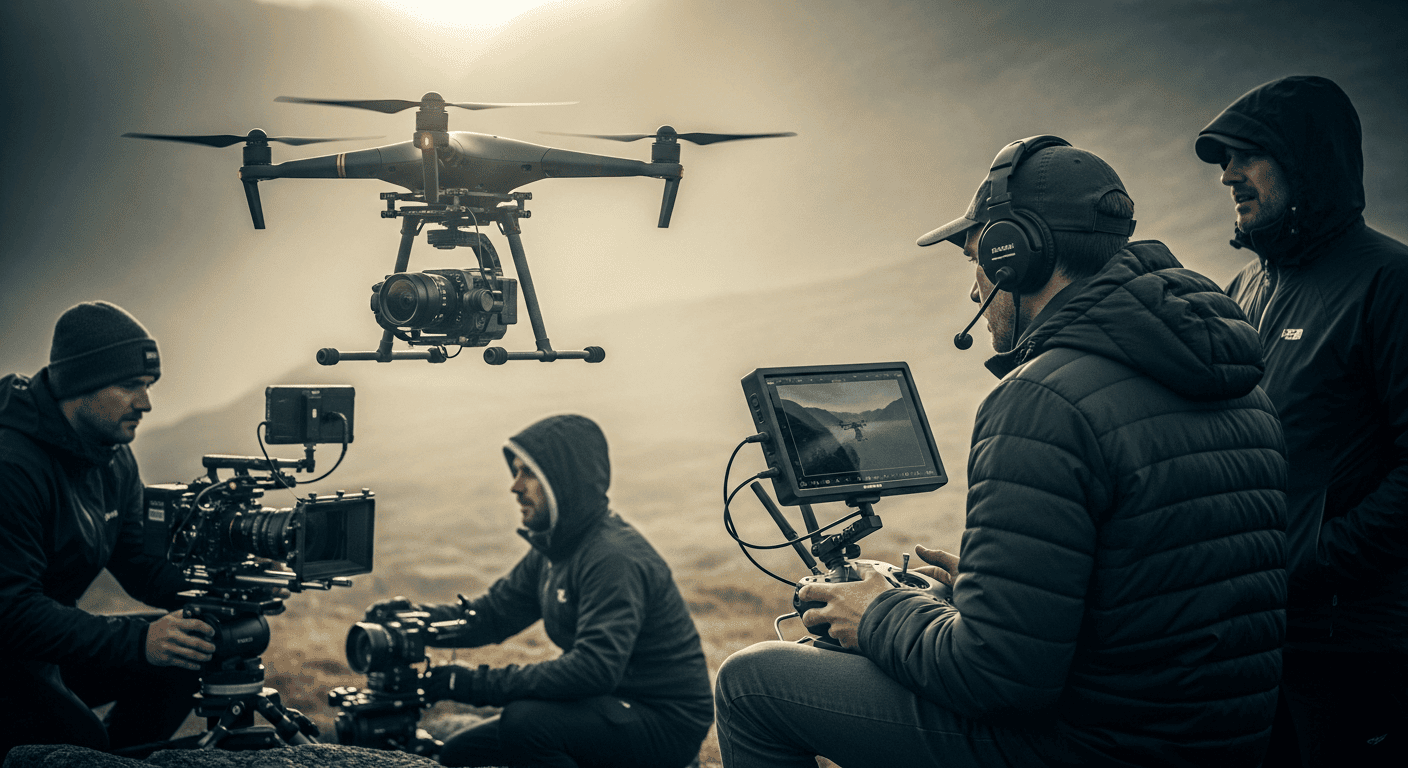
The quality of drone cinematography is directly tied to the equipment and the expertise of the crew. It is not enough to simply own a drone. The choice of drone platform, camera payload, and stabilization system are critical. High-end productions often utilize heavy-lift drones like the Freefly Alta X or DJI Matrice series, capable of carrying cinema cameras such as the ARRI Alexa Mini LF or RED Komodo. These setups provide the dynamic range, color science, and lens options necessary to seamlessly integrate drone footage with ground-based principal photography. The goal is visual consistency, where the aerial shots feel like a natural extension of the overall aesthetic, not a jarring departure. Understanding equipment is crucial for perfecting drone cinematography techniques. This ensures visual harmony.
Camera Systems and Stabilization
The evolution of camera stabilization technology, particularly gimbals like the DJI Ronin 2, has been pivotal. These gimbals isolate the camera from the drone’s vibrations and movements, ensuring buttery-smooth footage even in challenging conditions. The choice of lens is also critical; wide-angle lenses are common for expansive shots, but telephoto lenses can create compressed, dramatic perspectives from the air. Understanding how different focal lengths behave when flown at various speeds and altitudes is part of the cinematographer’s expertise. This technical understanding allows for precise control over depth of field, motion blur, and overall image quality, pushing drone cinematography into the realm of high art. Choosing the right equipment influences the possible drone cinematography techniques.
The Synergy of Pilot and Camera Operator
Effective drone cinematography is almost always a two-person operation: a drone pilot and a camera operator. The pilot focuses solely on flying the drone safely and precisely, executing the pre-planned flight path. The camera operator, often a dedicated gimbal technician, controls the camera’s pan, tilt, roll, zoom, and focus, ensuring the subject is perfectly framed and exposed. This division of labor allows for maximum precision and creative control. Their communication is constant, a silent language of cues and adjustments that ensures the shot is captured exactly as envisioned. Without this synergy, even the most advanced drone system is just a toy. It is the human element, the combined skill and intuition, that truly elevates the craft. For a deeper dive into the technical aspects of drone operation, resources like DJI’s professional cinematography guides offer valuable insights. Mastering drone cinematography techniques requires excellent teamwork.
The Director as Aerial Choreographer: Integrating Drones into Vision
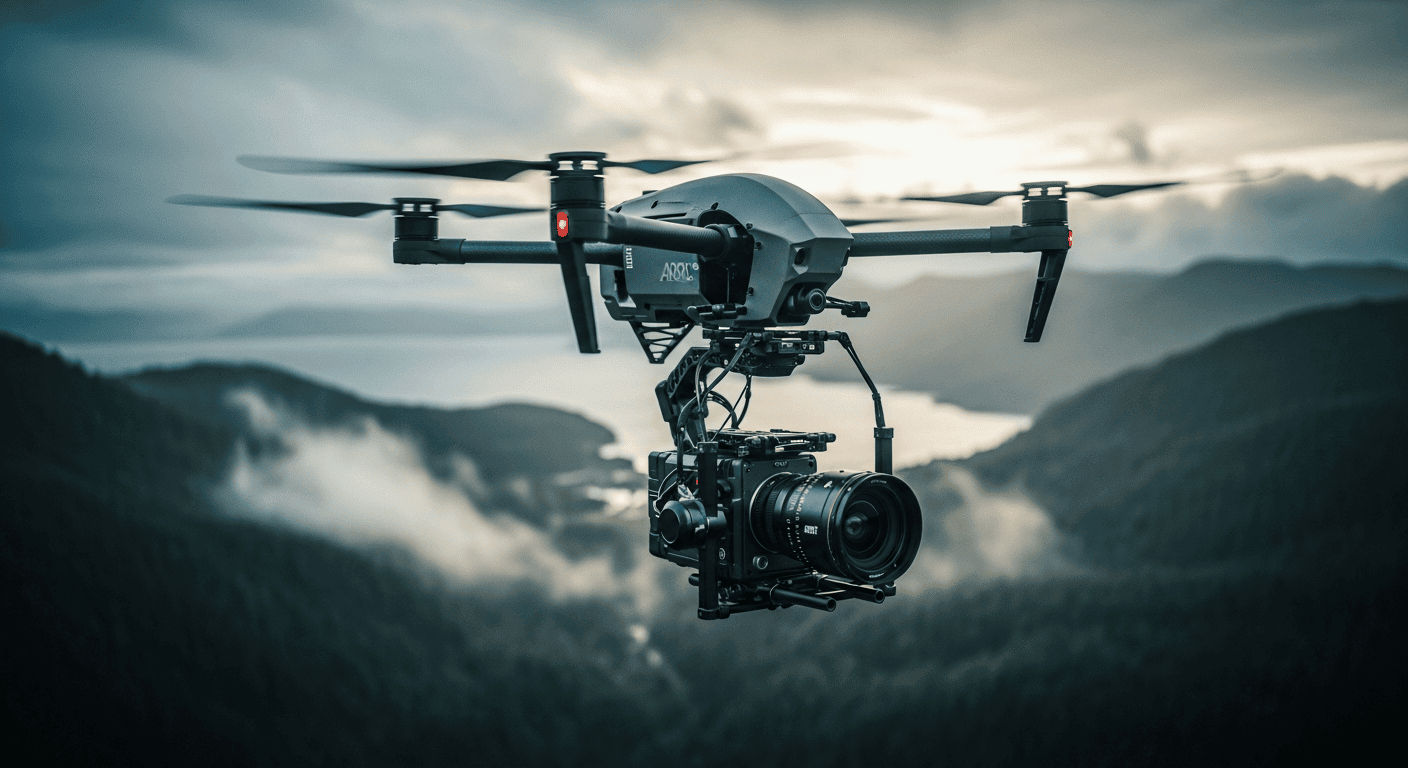
A director’s role in drone cinematography extends far beyond simply asking for an “aerial shot.” It involves understanding the drone’s capabilities and limitations, and integrating its unique perspective into the overall visual language of the film. This means thinking about how a drone shot connects to the preceding and succeeding shots, how it contributes to the pacing, and what emotional beat it delivers. It’s about treating the drone as another tool in the cinematic arsenal, alongside dollies, cranes, and handheld cameras, each with its specific purpose. The director must be the aerial choreographer, guiding the dance between camera, subject, and environment. A director must master the best drone cinematography techniques for their vision.
Overcoming Regulatory Hurdles
The increasing prevalence of drone cinematography has led to a complex web of regulations worldwide. Airspace restrictions, privacy concerns, and safety protocols vary significantly by country and even by local jurisdiction. Navigating these hurdles requires meticulous planning, permit acquisition, and often, specialized legal counsel. Production companies must ensure their drone operations are fully compliant, which can impact scheduling and budget. For example, filming in urban areas or near airports demands strict adherence to aviation authority guidelines. Understanding these limitations upfront is crucial for realistic planning and execution, ensuring that creative ambition doesn’t clash with legal realities. The FAA’s guidelines for commercial drone operations in the U.S. provide a comprehensive overview of these complexities. Compliance with regulations are important to practice drone cinematography techniques legally.
The Director as Aerial Choreographer
Ultimately, the director is responsible for the artistic direction of every frame, including those captured by a drone. This means collaborating closely with the drone team, communicating the desired mood, rhythm, and narrative purpose of each aerial sequence. It involves blocking actors and vehicles in conjunction with the drone’s flight path, ensuring that the camera’s movement enhances, rather than distracts from, the performance. For my own work, whether a commercial for Converse or a short film, the drone is never an afterthought. It is integrated into the initial vision, becoming a vital part of the storytelling fabric. This level of intentionality transforms drone cinematography from a technical stunt into a powerful narrative instrument. Intentionality transforms the best drone cinematography techniques.
The Future of Flight: Innovation and Impact in Drone Cinematography
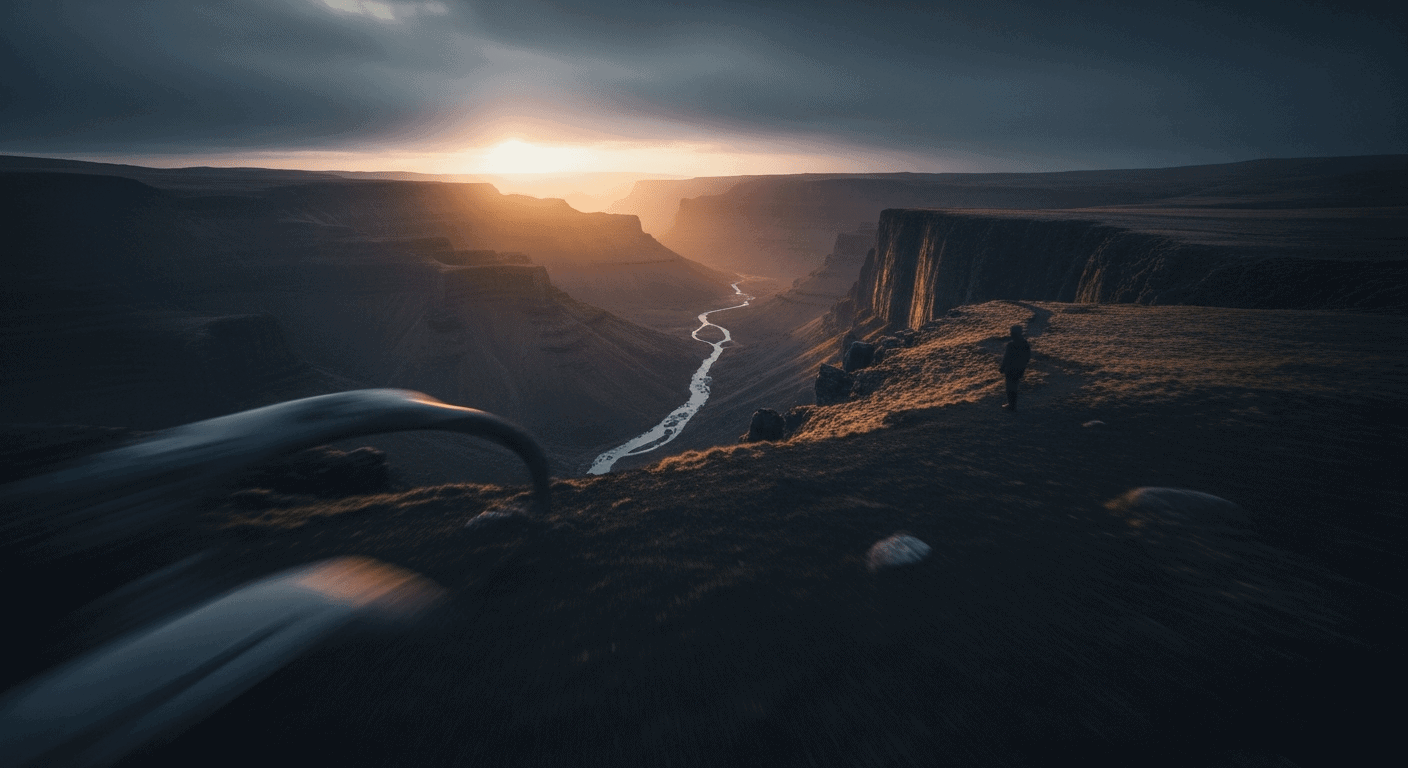
The evolution of drone cinematography continues at a rapid pace. Smaller, quieter drones with enhanced AI capabilities are emerging, promising even more precise and autonomous flight paths. FPV (First Person View) drones are pushing the boundaries of dynamic, immersive shots, allowing for incredibly fluid and fast movements through complex environments. These “cinewhoops” can fly inches from subjects, through windows, and around obstacles, creating a visceral sense of presence. This innovation is not just about speed or agility; it is about expanding the emotional palette available to filmmakers. The future of drone cinematography techniques focuses on advanced innovation.
AI, Automation, and Creative Control
The integration of AI into drone systems offers exciting possibilities for automation and enhanced precision. Drones capable of intelligent tracking, obstacle avoidance, and even generating complex flight paths based on pre-programmed parameters can free up operators to focus more on the creative aspects of framing and composition. However, this technology must be wielded with caution. The human touch, the intuitive decision-making of a skilled operator and director, remains paramount. Automation should serve creativity, not replace it. The goal is to make complex shots more achievable, not to surrender artistic control to an algorithm. Even with AI, mastering human-led drone cinematography techniques remains key.
The Enduring Power of Vision
The true impact of drone cinematography lies in its ability to unlock new visual language. It allows us to see the world, and our stories within it, from perspectives previously unimaginable or prohibitively expensive. From the vast, desolate landscapes of Dune (DP Greig Fraser) to the intimate, kinetic energy of a sports commercial, drones offer a unique lens. The technology itself is just a tool. Its power is realized when a director, a cinematographer, and a skilled drone team collaborate to tell a story with intention, precision, and emotional depth. The future of drone cinematography is not about faster drones or higher resolutions; it is about how we continue to harness this flying eye to deepen our connection with the audience. It demands vision. Vision determines the best applications of drone cinematography techniques. The best use of drone cinematography techniques always involves human vision. The impact of drone cinematography techniques is profound.
Discover more from Olivier Hero Dressen Blog: Filmmaking & Creative Tech
Subscribe to get the latest posts sent to your email.

Work with Olivier
Director | CD | DP & Photographer
Specializing in commercials, music videos, AI-driven filmmaking, and cinematic storytelling for brands and production companies.
🌍 Shanghai · Paris · Los Angeles · Dubai
🎬 View Portfolio & Get in Touch