

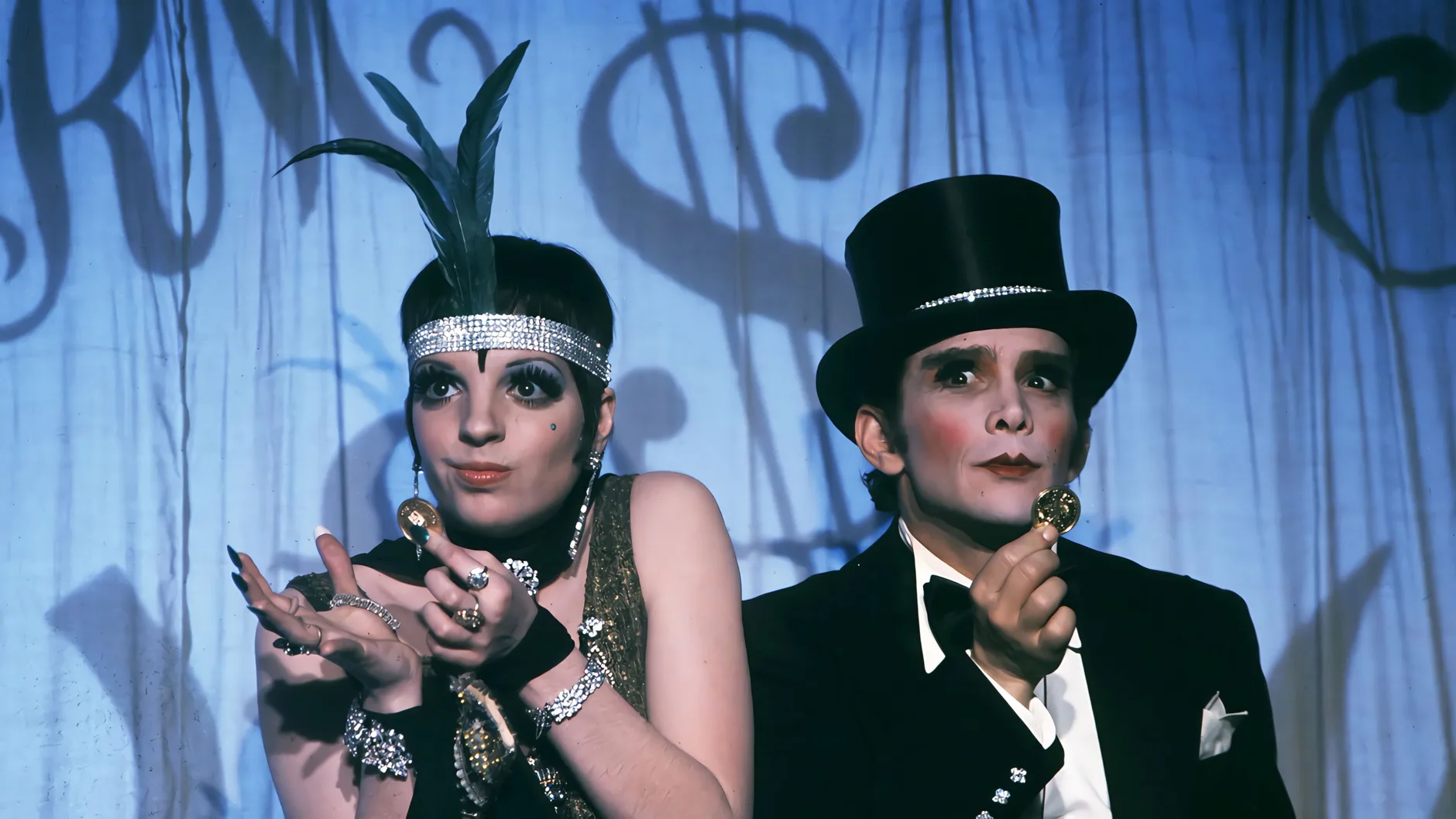

Key Takeaways
- First insight, Bob Fosse’s 1972 film Cabaret redefined the movie musical genre by grounding its musical numbers within the diegetic reality of a seedy Berlin nightclub, using performance as a direct commentary on the escalating political turmoil rather than as a mere narrative device.
- Craft highlight, Fosse’s unparalleled direction and choreography, combined with Geoffrey Unsworth’s evocative cinematography and Liza Minnelli’s transformative performance, created a visually and emotionally potent experience that transcended traditional musical spectacle, earning eight Academy Awards.
- Industry context, The film marked a pivotal shift in Hollywood, demonstrating that musicals could tackle mature, complex themes with unflinching realism, influencing subsequent generations of filmmakers and elevating the genre’s artistic credibility beyond escapist entertainment.
- Bottom line, Cabaret remains a masterclass in cinematic storytelling, its innovative structure, potent performances, and stark historical commentary establishing it as not just a classic, but a definitive work that continues to resonate with profound relevance.
The 1972 Bob Fosse masterpiece, Cabaret, isn’t just a classic film; it’s a foundational text in the history of the cabaret musical, a work whose influence reverberates through cinema decades later. Its daring approach to storytelling, its unflinching portrayal of a society teetering on the brink, and its groundbreaking integration of music and narrative elements set a new standard for what a movie musical could achieve. This film stands as a testament to artistic courage and precision, elevating the genre beyond mere spectacle into a potent form of social commentary and psychological drama.
Need a Director for Your Next Project?
From commercials to branded campaigns—Olivier brings creative vision and technical expertise.
→ View Projects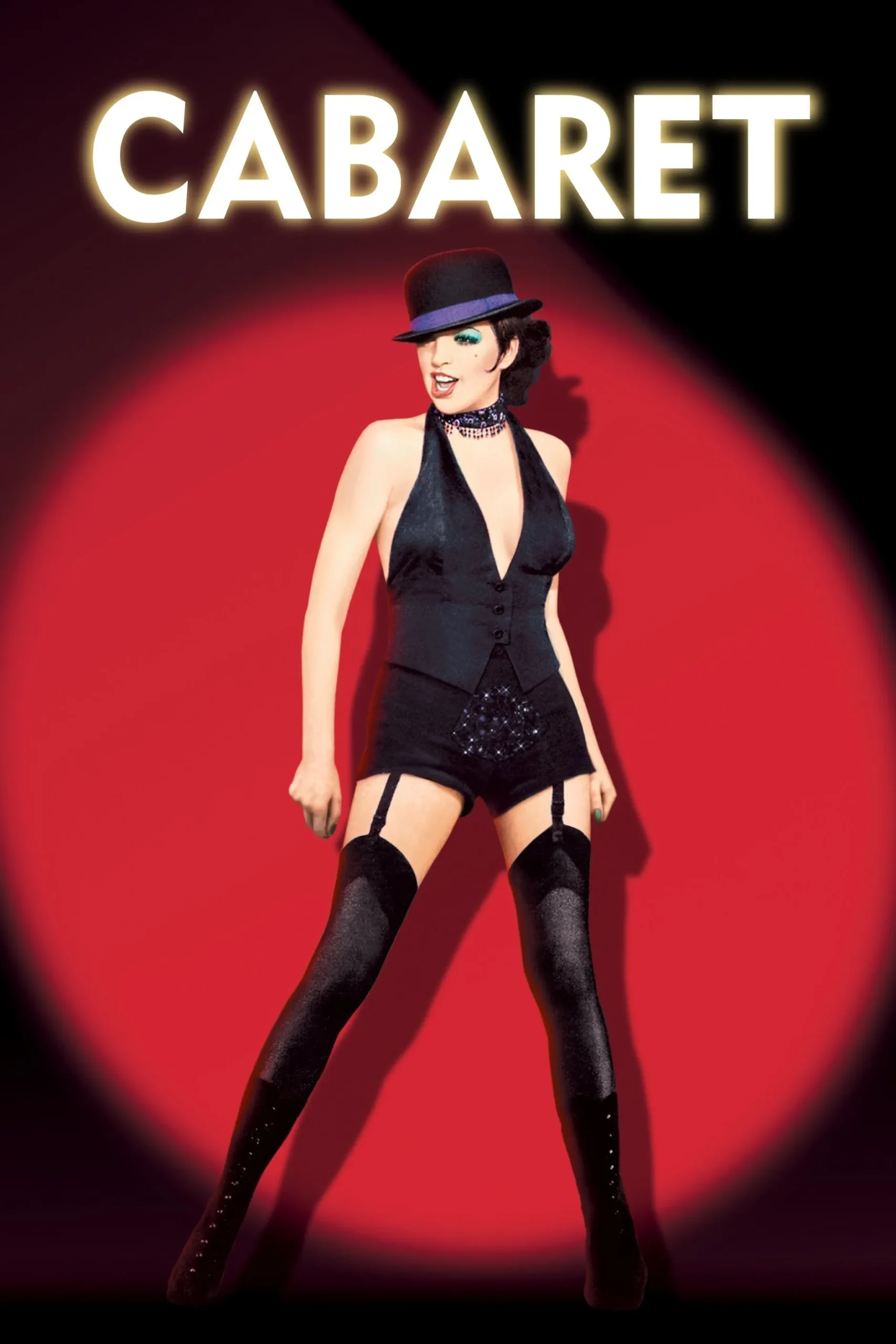
Revolutionary Integration of Music: A Diegetic Masterstroke
One of the most profound reasons Cabaret remains a definitive movie musical is its radical approach to musical integration. Unlike most musicals of its era, where characters spontaneously burst into song in everyday settings, Cabaret confines nearly all its musical numbers to the stage of the Kit Kat Klub. This isn’t merely a stylistic choice; it’s a narrative and thematic linchpin. The songs, performed by Sally Bowles, the Emcee, and the Kit Kat Girls, serve as a direct, often cynical, commentary on the unfolding drama and the encroaching political darkness outside the club’s doors. They are not interruptions of reality but rather distorted reflections of it, a theatrical lens through which the audience experiences the characters’ inner lives and the societal decay. This diegetic constraint means the music never feels divorced from the narrative; instead, it deepens it.
Consider the stark contrast between the vibrant, albeit seedy, performances within the club and the increasingly grim reality of 1930s Berlin. The songs, such as “Money, Money” or “Tomorrow Belongs to Me,” take on chilling new meanings when viewed through the prism of rising Nazism and economic desperation. “Tomorrow Belongs to Me,” initially presented as an innocent folk song, transforms into a terrifying anthem of Nazi youth, its beauty twisted into a symbol of burgeoning fascism. This innovative structure allows the film to maintain a gritty realism in its dramatic scenes while still harnessing the emotional power and symbolic weight inherent in musical performance. The audience is never asked to suspend disbelief for a character to sing their feelings in a grocery store; instead, they are invited to witness how art, even in its most desperate forms, can reflect, distort, and comment upon the human condition. This approach was revolutionary and set a new benchmark for how musicals could be constructed, proving that the genre could be both entertaining and intellectually rigorous. The success of this cabaret musical fundamentally altered perceptions of the genre’s capabilities. It showed that musical numbers could be organic, essential components of a story’s fabric, rather than mere embellishments. This technique demanded a more sophisticated engagement from the audience, challenging them to interpret the performances as symbolic expressions of the world outside the club’s smoky confines, a world rapidly succumbing to political extremism.
Bob Fosse’s Visionary Direction and Choreography
Bob Fosse’s direction of Cabaret is nothing short of a masterclass, cementing his reputation as one of cinema’s most distinctive visual stylists. His unique blend of theatricality and raw realism is evident in every frame, transforming the film into a kinetic and emotionally charged experience. Fosse’s choreography, instantly recognizable for its sensual, angular, and often cynical movements, is perfectly integrated into the narrative. It’s not just dancing; it’s storytelling through motion, each gesture loaded with meaning and subtext. He understood that the Kit Kat Klub was a microcosm of a society in decline, and his choreography reflected this decadence, desperation, and forced gaiety. The dancers’ movements are often sharp, precise, and almost grotesque, mirroring the uneasy atmosphere of pre-war Berlin.

Fosse’s directorial vision extends beyond the dance sequences. He masterfully juxtaposes the vibrant, yet unsettling, energy of the Kit Kat Klub with the increasingly bleak and threatening world outside. His use of close-ups, especially on Liza Minnelli’s expressive face and Joel Grey’s enigmatic Emcee, draws the audience directly into their complex emotional states. The pacing is deliberate, allowing moments of quiet intimacy to breathe before plunging back into the frenetic energy of the club or the chilling reality of the streets. Fosse’s background as a choreographer gave him an unparalleled understanding of rhythm and movement, not just on stage, but within the cinematic frame itself. His camera moves with a dancer’s grace, creating visual compositions that are both dynamic and deeply symbolic. This precise control over every element – from performance to camera placement to editing – ensures that every scene, every song, every dance contributes to the film’s overarching themes of political decay, sexual liberation, and personal compromise. His meticulous approach to filmmaking, a characteristic that would define his later works, is fully present here, demonstrating a director at the peak of his creative powers. The film’s success underscored the power of a singular artistic vision, proving that a director with a profound understanding of both stage and screen could elevate a cabaret musical to high art. Fosse’s unique blend of cynicism and theatricality became a hallmark, distinguishing Cabaret from its contemporaries and leaving an indelible mark on cinematic history. His work here is a testament to the idea that true cinematic art demands a holistic approach, where every detail, no matter how small, serves the greater narrative and thematic purpose.
Liza Minnelli’s Iconic Performance as Sally Bowles
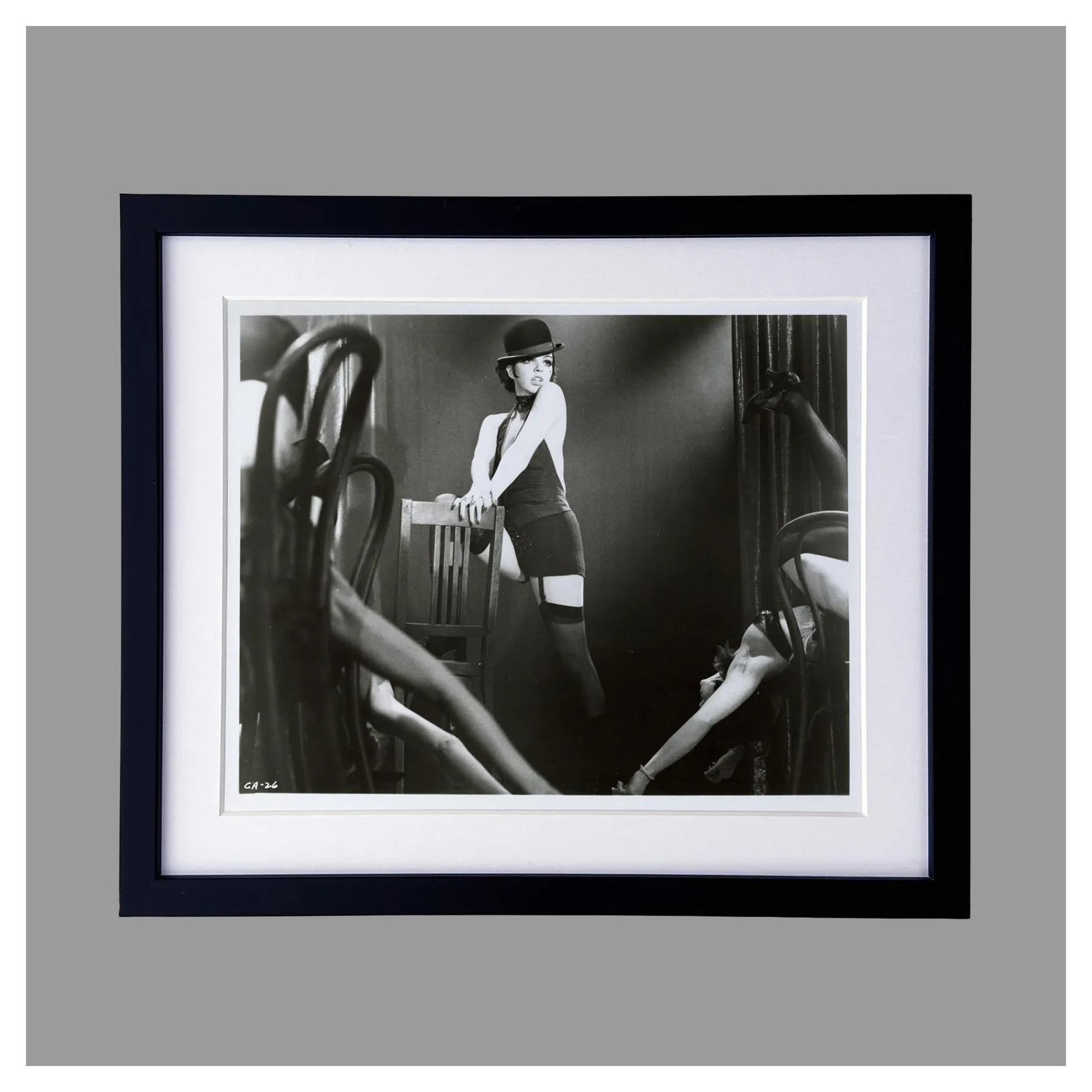
Liza Minnelli’s portrayal of Sally Bowles is not merely a performance; it is an embodiment, a raw and electrifying force that anchors the entire film. Her Sally is a whirlwind of contradictions: vulnerable yet defiant, naive yet world-weary, desperately seeking love and attention while often sabotaging her own chances at happiness. Minnelli brings an intensity and authenticity to the role that transcends mere acting, making Sally feel utterly real and tragically human. Her expressive eyes, at turns sparkling with childlike hope and shadowed by profound sadness, convey the character’s turbulent inner life without needing dialogue. This depth of characterization is crucial, as Sally is often a symbol of the hedonistic escapism prevalent in Weimar Berlin, a desperate attempt to ignore the storm clouds gathering on the horizon.
Minnelli’s vocal performances are equally extraordinary. She doesn’t just sing the songs; she performs them with every fiber of her being, infusing each note with Sally’s distinctive blend of bravado, vulnerability, and underlying desperation. Whether it’s the defiant optimism of “Maybe This Time” or the raw, almost manic energy of the title track “Cabaret,” Minnelli pours her soul into every number. Her rendition of “Cabaret” itself is a tour de force, transforming from a seemingly cheerful declaration of life’s fleeting pleasures into a chilling acceptance of impending doom, reflecting the film’s broader themes. This performance earned her an Academy Award for Best Actress, and rightly so. It is a masterclass in how a performer can inhabit a role so completely that they become inseparable from it in the audience’s mind. Minnelli’s Sally Bowles is not just a character; she is an icon, a symbol of a particular time and place, and a testament to the power of a truly transformative performance. Her work here solidified her status as a global star and set a new standard for lead performances in a cabaret musical. The emotional range she displayed, from the carefree bohemian to the deeply troubled individual, was unprecedented for the genre, compelling audiences to confront the complexities of human nature amidst societal collapse. This performance is a cornerstone of the film’s enduring impact.
Joel Grey’s Masterful Emcee: The Chilling Observer
🎬 AI Render Pro Studio, the AI film production suite I built and use on my own productions. Script breakdown, storyboards, 30+ video models including Seedance 2.5 and Kling O3, image generation, retouch, 7K upscaling and audio, all in one browser workspace. $19/month flat, bring your own API keys and pay providers at cost, no credit packs, no markup. Try AI Render Pro Studio →
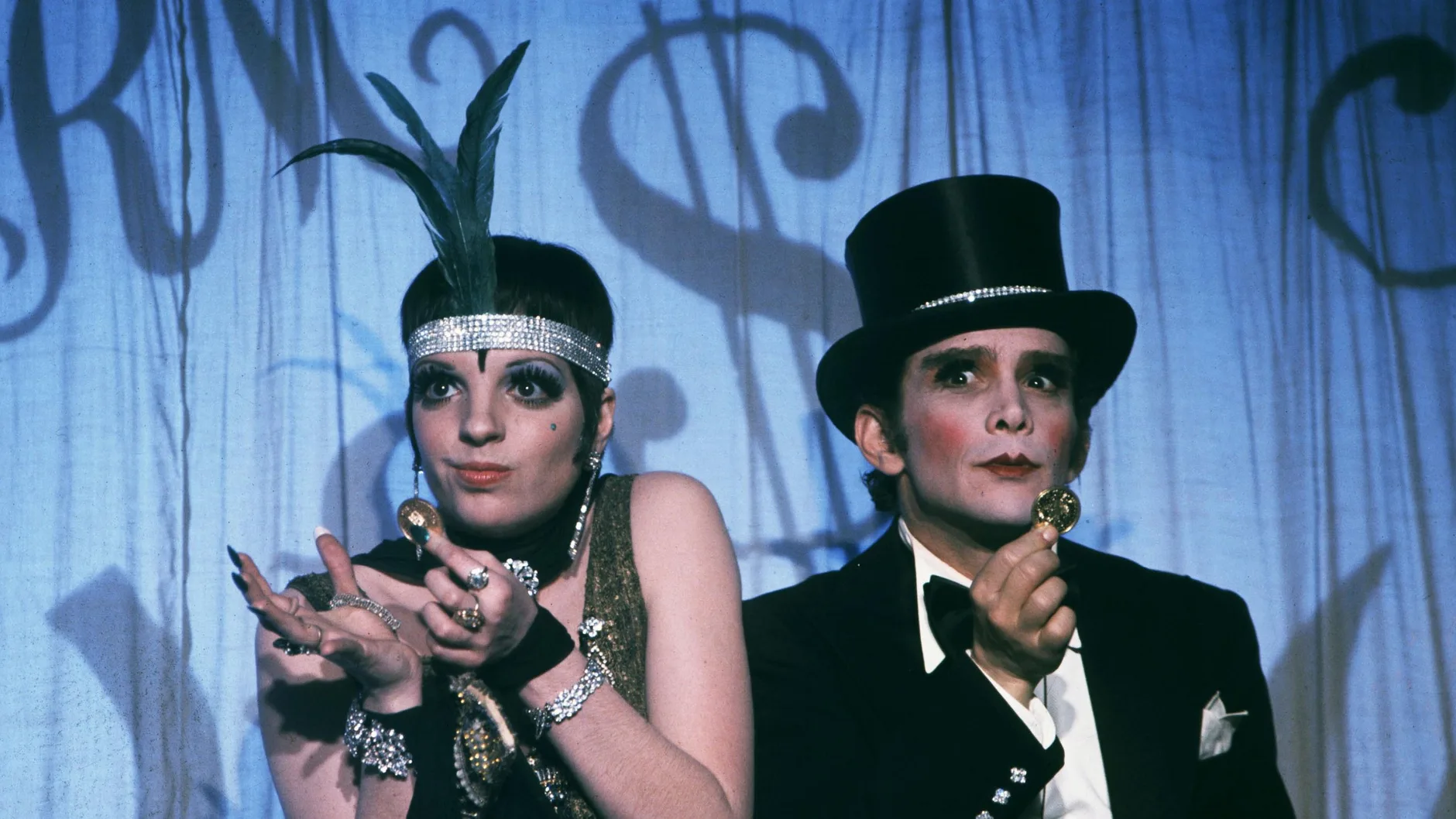
Joel Grey’s portrayal of the Emcee is one of the most iconic and unsettling performances in cinematic history, a pivotal element that elevates Cabaret far beyond a typical musical. The Emcee is not merely a host; he is the omnipresent, omniscient observer and commentator, a grotesque mirror reflecting the moral decay and political extremism engulfing Berlin. His painted face, leering grin, and ambiguous sexuality make him a figure of both fascination and dread. He is a master manipulator, pulling strings, making suggestive remarks, and creating a carnival of depravity within the Kit Kat Klub, all while subtly hinting at the horrors brewing outside.
Grey’s performance is a tightrope walk between playful theatricality and chilling menace. He never fully breaks character, maintaining an unsettling detachment even as the world around him, and within the club, becomes increasingly dark. His songs, often delivered with a sneering irony or a false cheer, serve as direct allegories for the film’s themes. “Wilkommen” initially invites the audience into a world of carefree indulgence, but by the film’s end, its promise feels hollow, a desperate illusion. The Emcee’s transformation throughout the film, though subtle, is profound. As Nazism tightens its grip, his humor grows darker, his smile more forced, and his presence more sinister, culminating in the chilling final shot that reveals the true face of the Kit Kat Klub’s audience. Grey’s ability to convey so much with so little dialogue, relying instead on physical expression, vocal inflection, and an unnerving gaze, is a testament to his immense talent. He won an Academy Award for Best Supporting Actor for this role, and it is a performance that continues to captivate and disturb. The Emcee is the dark heart of the cabaret musical, a character who embodies the seductive danger of ignoring reality until it’s too late. His presence ensures that the film’s political undertones are never far from the surface, even amidst the glitzy performances.
Unflinching Portrayal of Pre-War Germany: A Historical Mirror
Cabaret distinguishes itself by its brave and unflinching portrayal of Weimar Republic Germany on the cusp of Nazi rule. The film doesn’t shy away from depicting the social, political, and economic instability that created fertile ground for fascism. It captures the desperate hedonism of Berlin in the early 1930s, where people sought solace and distraction in nightclubs, sex, and artistic expression, often as a means to escape the harsh realities of unemployment, political violence, and societal decay. This historical context is not merely a backdrop; it is an integral character in the narrative, subtly and then overtly influencing the lives and choices of Sally, Brian, and their friends.
The film meticulously builds the atmosphere of impending doom, showing the gradual encroachment of Nazism from isolated incidents of violence and propaganda to a pervasive, terrifying force. The scenes outside the Kit Kat Klub are crucial: the sight of Nazi thugs intimidating citizens, the casual anti-Semitism, and the chilling normalization of extremist ideology. The “Tomorrow Belongs to Me” scene, performed in an idyllic beer garden, is a particularly powerful example of this. What begins as a seemingly innocent folk song sung by a fresh-faced youth quickly transforms into a chilling anthem of Nazi solidarity, revealing the insidious way fascism can seduce and mobilize. This direct confrontation with history, rather than merely using it as scenery, gives Cabaret a profound weight and relevance. It serves as a stark warning about the dangers of political apathy, the seductive power of demagoguery, and the fragility of liberal democracies. The film’s commitment to historical accuracy and its willingness to explore uncomfortable truths elevate it beyond entertainment, making it a vital piece of cinematic social commentary. This deep engagement with its historical setting is a key reason why it remains one of the greatest examples of a cabaret musical, demonstrating the genre’s capacity for serious historical inquiry. The film successfully uses the specific context of Weimar Germany to explore universal themes of freedom, oppression, and the human capacity for both resilience and complicity.
Subversion of Traditional Musical Tropes: Darker, Deeper Narratives
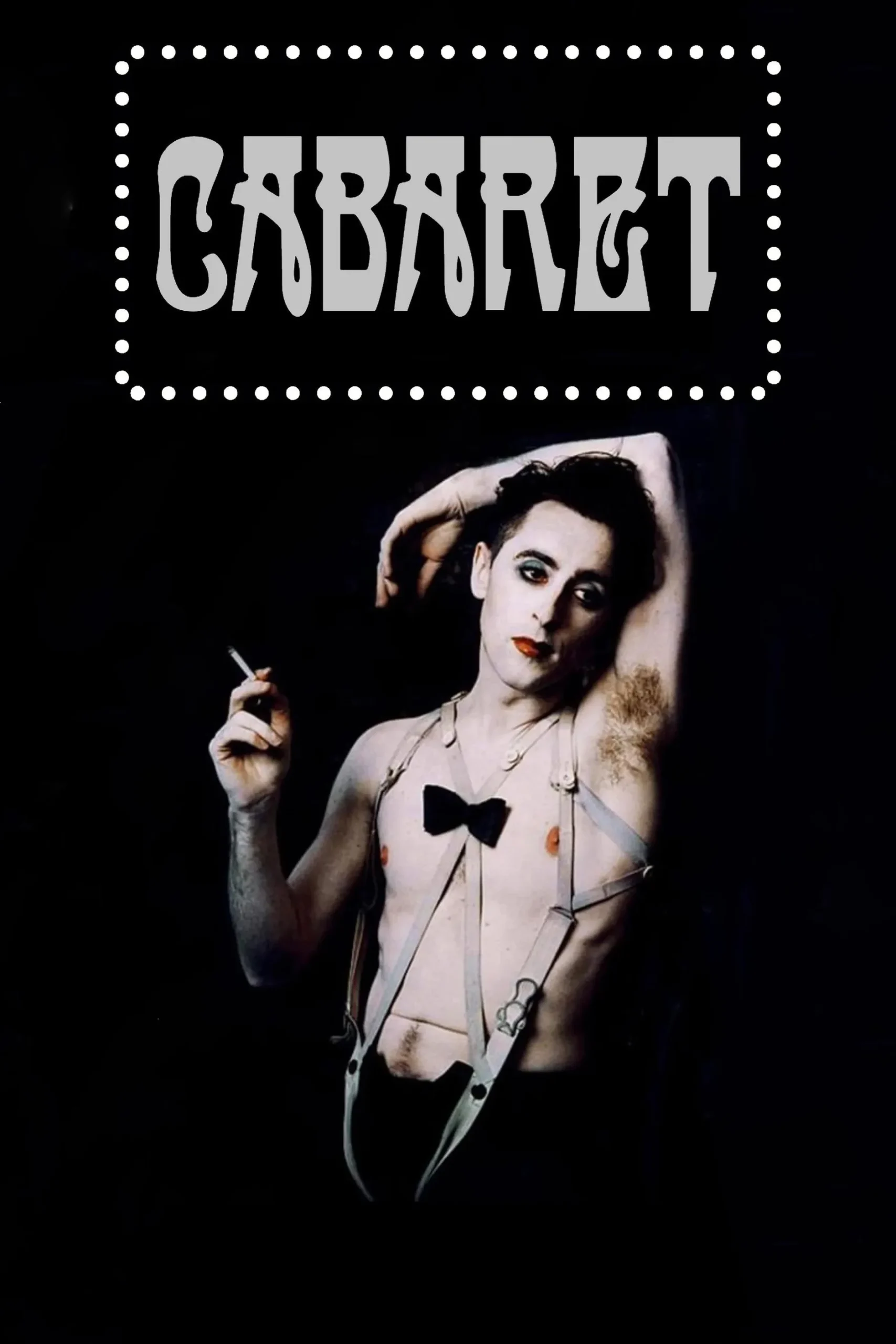
At its core, Cabaret is a masterful subversion of nearly every traditional movie musical trope, which is a primary reason for its enduring impact and high position in film history. Prior to Fosse’s film, musicals were largely characterized by their escapist nature, romanticized plots, and optimistic endings, often featuring characters who, through song and dance, found their way to happiness. Cabaret shattered this mold. It presented a world far from idealized, filled with morally ambiguous characters, complex sexual politics, and a narrative that veered towards tragedy rather than triumph. There are no saccharine love stories here; relationships are transactional, complicated, and often heartbreaking.
The film explores themes of bisexuality, abortion, anti-Semitism, and political extremism with a frankness rarely seen in mainstream cinema, let alone a musical. The musical numbers themselves, confined to the Kit Kat Klub, don’t advance a conventional plot in the way traditional musical numbers might. Instead, they comment on the plot, satirize it, or offer psychological insights into the characters and the darkening world around them. This refusal to conform to established expectations allowed Cabaret to tackle mature, adult themes with unprecedented depth. It proved that a musical could be dark, cynical, and deeply intellectual without sacrificing its artistic integrity or entertainment value. The film’s ending, far from offering resolution or hope, leaves the audience with a chilling sense of unease, a powerful statement on the cyclical nature of history and the dangers of complacency. This bold departure from the norm cemented its status as a groundbreaking work, demonstrating the vast, untapped potential of the musical genre for serious artistic expression. The film’s willingness to challenge audience expectations of what a cabaret musical could be fundamentally changed the landscape, proving that the genre could be a vehicle for profound social and political commentary rather than just lighthearted entertainment. This subversion was not merely for shock value but served to amplify the film’s potent message.
Cinematography and Production Design: Crafting Atmosphere and Despair
The visual language of Cabaret, expertly crafted by cinematographer Geoffrey Unsworth and production designer Rolf Zehetbauer, is integral to its power and lasting appeal. Unsworth’s cinematography is a masterclass in mood and atmosphere, seamlessly transitioning between the garish, smoky interiors of the Kit Kat Klub and the increasingly bleak, oppressive exteriors of Berlin. Inside the club, the lighting is often stark, theatrical, and saturated with reds and blues, emphasizing the artificiality and desperation of the performances. Shadows play a crucial role, often obscuring faces or creating an air of mystery and danger. Outside, the natural light often feels colder, more muted, highlighting the grim reality of daily life under the rising shadow of Nazism.
Zehetbauer’s production design is equally vital, meticulously recreating the decadent yet decaying aesthetic of Weimar Berlin. The Kit Kat Klub itself is a character, its peeling paint, mismatched furniture, and slightly seedy grandeur perfectly encapsulating the era’s blend of glamour and desperation. Every detail, from the costumes to the props, feels authentic and purposeful, immersing the audience in the period. The contrast between the club’s confined, often claustrophobic spaces and the wider, more open yet threatening streets of Berlin reinforces the film’s central themes. The visual design effectively communicates the characters’ attempts to carve out a pocket of freedom and hedonism in a world that is rapidly closing in on them. This meticulous attention to visual detail ensures that the film is not just historically accurate but also emotionally resonant, using its aesthetic to amplify its narrative and thematic impact. The film’s ability to use visual cues to convey the escalating tension and moral decay is a testament to the collaborative brilliance of its visual team. This commitment to an evocative visual narrative helps solidify its status as a definitive cabaret musical, where the setting itself becomes a crucial part of the storytelling, rather than just a backdrop. The film’s visual style is inseparable from its message. For filmmakers looking to achieve such nuanced atmospheric depth, tools like AI Render Pro, the prompting tool for filmmakers and creatives can be invaluable for pre-visualizing complex lighting and set designs, helping to craft the perfect visual narrative.
Groundbreaking Editing and Visual Storytelling
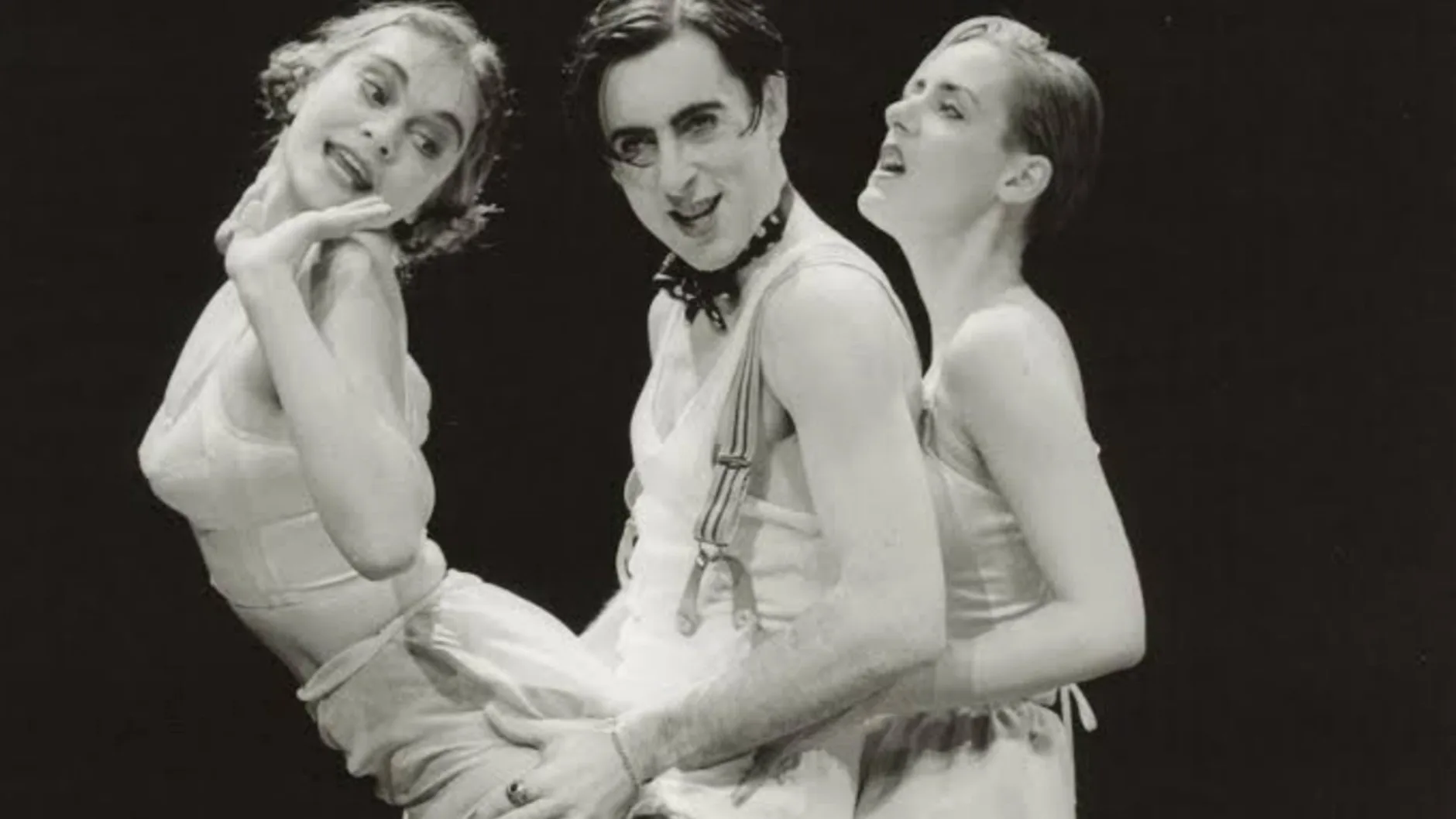
Bob Fosse, with editor David Bretherton, employed a groundbreaking approach to editing that significantly contributed to Cabaret‘s impact and its status as a definitive movie musical. Fosse’s background in choreography instilled in him a profound understanding of rhythm and pacing, which he translated into a distinct cinematic editing style. The film features rapid, almost percussive cuts during the musical numbers, mirroring the frenetic energy of the performances and the underlying tension. These quick edits often serve to disorient the viewer, reflecting the chaotic and morally ambiguous world of the Kit Kat Klub.
Beyond the musical sequences, Fosse uses editing to create powerful juxtapositions. He masterfully cuts between the vibrant, escapist performances on stage and the harsh, often violent realities of Nazi Germany outside the club. This technique is not merely for contrast; it’s a form of visual commentary, highlighting the characters’ willful blindness or their desperate attempts to ignore the encroaching political darkness. A particularly effective example is the cutting between the Emcee’s increasingly cynical numbers and scenes of Nazi rallies or acts of anti-Semitism. This creates a powerful sense of dramatic irony and heightens the emotional stakes. The editing also contributes to the film’s non-linear, impressionistic feel, allowing for a more complex exploration of themes and character psychology. Moments of intimate dialogue are often punctuated by quick cuts to revealing glances or symbolic imagery, adding layers of meaning without explicit exposition. This innovative editing style was ahead of its time, breaking away from more conventional, linear storytelling in musicals. It demonstrated how editing could be a powerful tool for thematic development, not just narrative progression. The precision and daring of Cabaret‘s editing solidified its place as a groundbreaking work, influencing how subsequent filmmakers approached the visual rhythm and narrative construction of their own projects. This sophisticated use of montage and cross-cutting is a core reason for the film’s enduring power, making it a benchmark for visual storytelling in a cabaret musical.
Thematic Depth and Enduring Relevance: A Warning from the Past
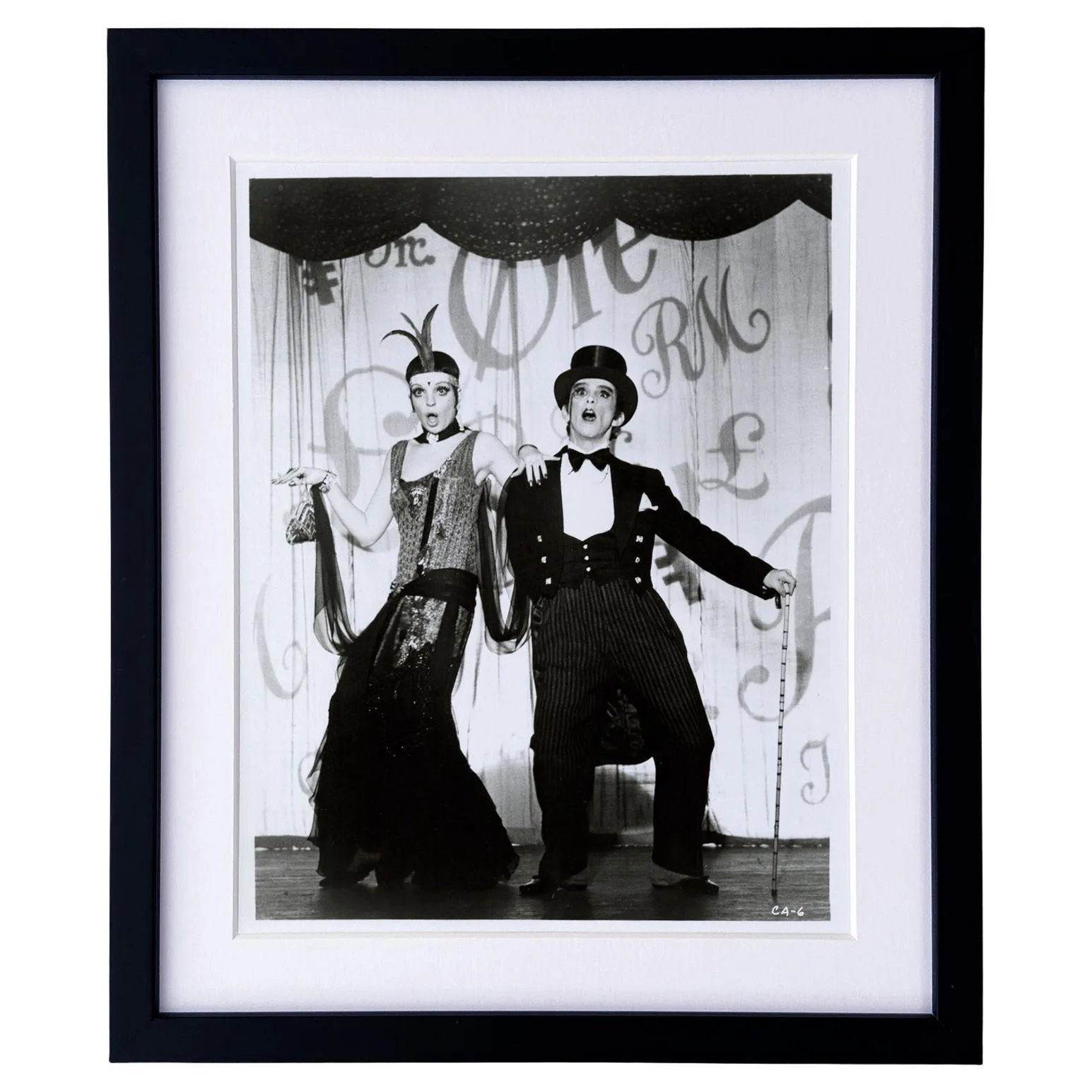
The thematic depth of Cabaret is perhaps its most enduring quality, ensuring its relevance decades after its release. The film transcends a simple period piece to become a profound warning about the dangers of political apathy, the seductive nature of extremism, and the fragility of human rights. It explores complex themes such as identity, sexuality, moral compromise, and the human capacity for both resilience and complicity in the face of tyranny. The characters, particularly Sally Bowles and Brian Roberts, grapple with their personal freedoms and desires against a backdrop of escalating political oppression, forcing them to confront uncomfortable truths about their own choices and allegiances.
The film’s exploration of Nazism’s rise is not didactic but deeply unsettling, showing how a society can gradually slide into fascism through a combination of economic hardship, fear, and the normalization of hatred. The casual anti-Semitism and xenophobia depicted are chillingly familiar, reminding viewers that the seeds of extremism are always present. The Kit Kat Klub itself becomes a metaphor for society’s tendency to distract itself with entertainment and pleasure while ignoring the fundamental threats to its values. The Emcee, with his increasingly dark and cynical commentary, serves as a constant reminder of the encroaching danger. Cabaret forces its audience to confront uncomfortable questions: What would you do? Where would you draw the line? How easy is it to be seduced by a charismatic leader promising order and belonging? These questions remain profoundly relevant in contemporary political landscapes, making the film a timeless piece of social commentary. Its ability to resonate across generations, serving as a powerful cautionary tale, solidifies its position as a definitive work. The film’s rich thematic tapestry ensures it continues to spark discussion and introspection, underscoring the enduring power of a well-crafted cabaret musical to address universal human struggles. This depth makes it more than just a film; it’s a cultural touchstone.
Critical Acclaim and Legacy: A Definitive Cabaret Musical
Cabaret’s immediate and sustained critical acclaim, coupled with its immense influence on subsequent filmmaking, firmly establishes its position as a definitive movie musical. Upon its release in 1972, the film was lauded by critics for its daring subject matter, innovative direction, and powerhouse performances. It swept the Academy Awards, winning eight Oscars, including Best Director for Bob Fosse (beating Francis Ford Coppola for The Godfather), Best Actress for Liza Minnelli, Best Supporting Actor for Joel Grey, Best Cinematography, Best Art Direction, Best Sound, and Best Film Editing. This remarkable achievement, especially against such formidable competition, underscored the film’s artistic merit and its groundbreaking nature.
Beyond the awards, Cabaret left an indelible mark on the musical genre and cinema as a whole. It demonstrated unequivocally that musicals could be sophisticated, gritty, and intellectually challenging, paving the way for darker, more realistic musical films that followed. Its integrated musical numbers, confined to a performance space, became a model for how to make song and dance feel organic and essential to a narrative, influencing films that sought to blend realism with musicality. The film’s unflinching portrayal of historical events and its complex characters provided a blueprint for how cinema could use entertainment to deliver profound social and political commentary. Its visual style, Fosse’s unique choreography, and the iconic performances of Minnelli and Grey have become touchstones in popular culture, frequently referenced and admired. The legacy of Cabaret is not just in its individual brilliance, but in how it expanded the possibilities of an entire genre, proving that a cabaret musical could be both commercially successful and critically revered while pushing artistic boundaries. It remains a work that continues to be studied, celebrated, and re-evaluated, its impact undiminished by time. Its place in cinematic history is secure, not merely as a classic, but as a revolutionary work that redefined what a movie musical could be.
Every AI illustration in this article was crafted using AI Render Pro, the same prompting engine used across this blog. Read the full breakdown here.
Frequently Asked Questions
What makes 1972’s Cabaret different from other movie musicals?
Cabaret revolutionized the movie musical by confining nearly all musical numbers to the stage of the Kit Kat Klub, using them as commentary on the narrative and political climate rather than as traditional plot advancements. This diegetic approach grounded the film in realism while still leveraging the power of song and dance.
How did Bob Fosse’s direction influence the film’s success?
Bob Fosse’s visionary direction and distinctive choreography infused the film with a unique blend of theatricality and raw realism. His precise control over every element, from camera movement to editing, created a kinetic and emotionally charged experience that perfectly mirrored the film’s themes of decadence and political decay.
What is the significance of the Emcee character in Cabaret?
Joel Grey’s Emcee serves as the chilling, omnipresent observer and narrator, a grotesque mirror reflecting the moral and political decay of Weimar Germany. His songs and commentary provide a cynical lens through which the audience experiences the escalating horrors outside the Kit Kat Klub, making him a crucial element of the film’s social commentary.
Why is Cabaret considered historically significant?
The film offers an unflinching and historically accurate portrayal of pre-World War II Germany, depicting the rise of Nazism and its impact on society with stark realism. It serves as a powerful cautionary tale about political apathy and the insidious nature of extremism, making its themes profoundly relevant even today.
Did Cabaret win any major awards?
Yes, Cabaret was highly celebrated, winning eight Academy Awards, including Best Director for Bob Fosse, Best Actress for Liza Minnelli, and Best Supporting Actor for Joel Grey. Its critical and commercial success cemented its status as a groundbreaking and influential film in cinematic history.
Discover more from Olivier Hero Dressen Blog: Filmmaking & Creative Tech
Subscribe to get the latest posts sent to your email.

Work with Olivier
Director | CD | DP & Photographer
Specializing in commercials, music videos, AI-driven filmmaking, and cinematic storytelling for brands and production companies.
🌍 Shanghai · Paris · Los Angeles · Dubai
🎬 View Portfolio & Get in Touch