


Key Takeaways
- First insight, SoftBank’s €75 billion commitment to build French data centers signals a monumental investment in European digital infrastructure, targeting a staggering 5GW capacity.
- Craft highlight, This move is a direct, calculated play to capture significant market share in the rapidly expanding cloud and AI sectors, prioritizing scale and energy efficiency.
- Industry context, The investment positions France as a critical hub for future digital services, intensifying competition among global tech giants vying for data processing dominance and sovereign cloud solutions.
- Bottom line, SoftBank is not merely investing capital; it is establishing foundational infrastructure crucial for the next wave of technological advancement, solidifying its strategic presence in the European digital economy.
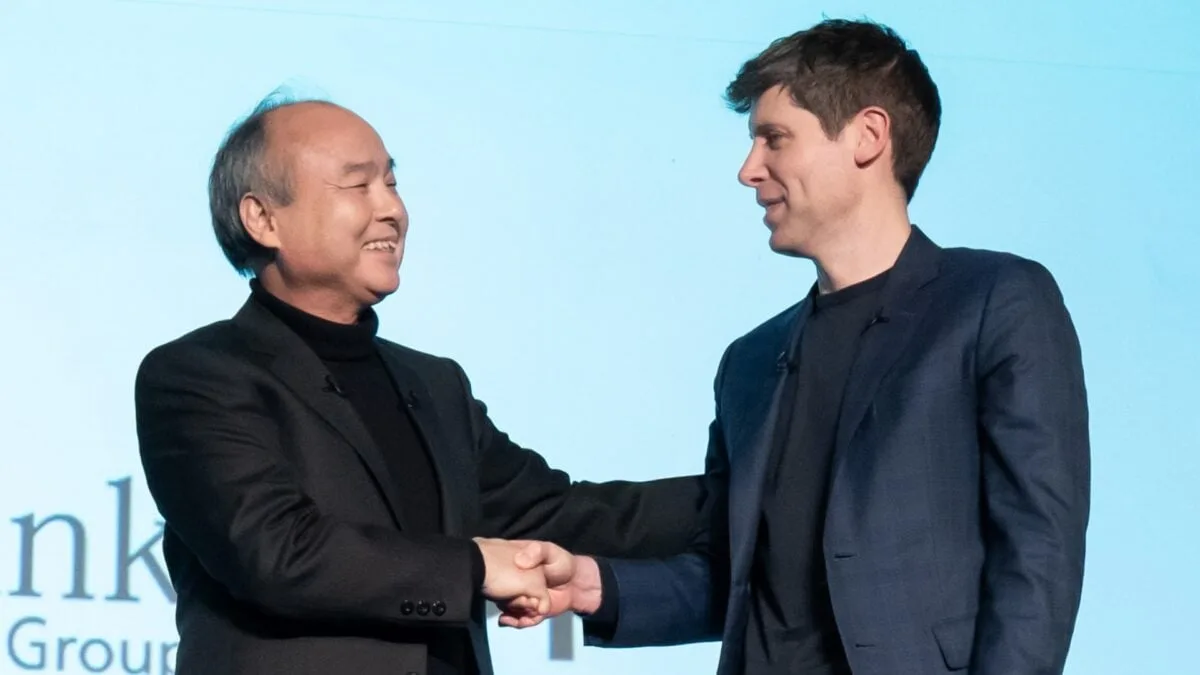
The landscape of global digital infrastructure is poised for a seismic shift as SoftBank, the Japanese investment conglomerate, announces an unparalleled commitment of up to €75 billion to construct a network of advanced data centers across France. This audacious plan, targeting a colossal 5 gigawatts (GW) of capacity, represents a direct and potent strategic maneuver to cement Europe’s position in the global digital economy, with France at its core. It is an investment not just in physical structures, but in the very backbone of future technological innovation.
Need a Director for Your Next Project?
From commercials to branded campaigns—Olivier brings creative vision and technical expertise.
→ View Projects
SoftBank’s €75 Billion Bet: France’s Digital Future
SoftBank’s declaration to inject up to €75 billion into French infrastructure is not a modest venture; it is an economic declaration of war, or rather, a declaration of intent in the global digital arms race. This colossal sum is earmarked for the construction of advanced SoftBank’s official website data centers, critical components for the burgeoning demands of artificial intelligence, cloud computing, and high-performance data processing. The scale of this investment underscores a profound belief in France’s strategic importance within the European Union and its potential as a hub for next-generation digital services. For context, €75 billion rivals the GDP of some smaller European nations, signifying a commitment that transcends typical foreign direct investment. It positions SoftBank not just as a financial backer, but as a foundational architect of France’s digital future.
This initiative is a calculated move to capitalize on the increasing digitization of industries and daily life. As data volumes explode, driven by everything from streaming services to complex scientific simulations, the need for robust, secure, and high-capacity data centers becomes paramount. SoftBank, through its various investment arms, has a history of identifying and backing disruptive technologies and infrastructure. This French venture aligns perfectly with that strategy, securing a significant foothold in a market poised for exponential growth. The investment is designed to create a network capable of supporting the most demanding workloads, from real-time AI analytics to the vast storage requirements of enterprise cloud solutions. Such an undertaking requires meticulous planning and a deep understanding of both technological trends and geopolitical dynamics. The sheer financial muscle deployed here by SoftBank signals a long-term vision, one that anticipates and aims to shape the digital landscape for decades to come. This is not a short-term play; it is foundational. The implications for job creation, technological advancement, and sovereign data capabilities are immense, positioning France at the forefront of the EU’s digital aspirations. The commitment reflects a belief in the stability and growth potential of the French economy, combined with strategic foresight regarding the future of global data infrastructure.
The 5GW Imperative: Powering the Next Generation of Data Centers
The stated goal of 5 gigawatts (GW) for these new French data centers is an astonishing figure, representing an energy demand equivalent to several nuclear power plants. This is not merely about constructing buildings; it is about establishing an industrial-scale energy consumer and, critically, a producer of digital capacity. To put 5GW into perspective, the entire installed capacity of France’s nuclear fleet is around 61 GW, making SoftBank’s projected data center consumption a substantial fraction of the national energy grid. This highlights the immense infrastructural challenge and opportunity embedded within the announcement. The power requirement alone dictates a level of strategic planning that extends far beyond typical real estate development, encompassing energy grid integration, renewable energy sourcing, and cooling solutions on an unprecedented scale. Olivier Hero Dressen observes that such a commitment demands an equally robust energy strategy, which will inevitably lean heavily on France’s existing nuclear energy infrastructure and its ambitions in renewable energy.

The drive for 5GW capacity directly reflects the insatiable demand for processing power fueled by artificial intelligence and big data. Modern AI models, especially those for generative AI and large language models, require immense computational resources. These resources are housed in data centers, making them the literal engines of the AI revolution. SoftBank’s investment in such high-capacity infrastructure positions France to become a significant player in AI research and deployment, providing the necessary hardware foundation. The strategic focus is not just on volume but on efficiency and future-proofing. These next-generation data centers will likely incorporate advanced cooling technologies, energy management systems, and modular designs to optimize performance and reduce environmental impact. The scale of 5GW also suggests a network of interconnected facilities rather than a single mega-center, implying a distributed yet cohesive digital ecosystem across France. This distributed approach can enhance resilience and reduce latency, crucial factors for critical digital services. The sheer energy requirement necessitates a sophisticated approach to power management, potentially driving innovation in sustainable data center operations. This is a critical factor for any major infrastructure project today, and SoftBank’s plan will need to address it head-on. Consider the computational needs that drive tools like AI Render Pro, the prompting tool for filmmakers and creatives, and you begin to grasp the scale of processing power required.
Strategic Location: France as a European Digital Hub
SoftBank’s choice of France as the primary beneficiary of this monumental investment is far from arbitrary. France offers a compelling combination of advantages that make it an attractive location for large-scale digital infrastructure projects. Firstly, its robust energy grid, heavily reliant on nuclear power, provides a relatively stable and low-carbon electricity supply, crucial for powering energy-intensive data centers. This contrasts with other European nations still heavily dependent on fossil fuels for energy generation. Secondly, France’s geographical position in Western Europe provides excellent connectivity to major economic centers across the continent, facilitating low-latency data transmission. This is vital for cloud services and real-time applications that demand quick response times. The existing fiber optic networks and submarine cables further enhance this connectivity, making France a natural nexus for digital traffic.
Furthermore, the French government, under President Macron, has actively pursued policies to attract foreign investment in technology and innovation, creating a favorable regulatory and economic environment. Initiatives aimed at digital transformation and supporting tech industries have made France a more appealing destination for global players. The availability of skilled labor, particularly in engineering and IT, also plays a significant role. France boasts a strong educational system that produces a steady stream of talent, essential for operating and maintaining complex data center infrastructure. This strategic alignment between governmental support, energy resources, and geographical advantage positions France to emerge as a dominant force in the European digital landscape. SoftBank’s investment is a direct endorsement of this potential, signaling a confidence in France’s capacity to host and support such a massive undertaking. The project will undoubtedly bolster France’s standing in the EU as a leader in digital infrastructure, potentially drawing further investments and talent to the region. The commitment also aligns with broader European efforts to enhance digital sovereignty and reduce reliance on non-EU data processing capabilities. This geopolitical aspect is as crucial as the economic one.
SoftBank’s Vision: Beyond Mere Capital Investment in Data Centers
SoftBank’s approach to this €75 billion investment extends beyond simply injecting capital into physical infrastructure. It represents a strategic vision to cultivate a comprehensive digital ecosystem within France. Masayoshi Son, SoftBank’s founder and CEO, has consistently demonstrated a long-term perspective, often investing heavily in foundational technologies that underpin future growth. This data center initiative is no different. It’s about creating the bedrock upon which future AI applications, advanced cloud services, and digital innovation can thrive. By building these robust data centers, SoftBank is not just a landlord; it’s a foundational partner in the digital transformation of France and, by extension, Europe. This vision is deeply intertwined with the broader technological shifts globally, particularly the acceleration of AI.
The investment reflects SoftBank’s understanding that access to high-capacity, low-latency computing infrastructure will be a critical differentiator in the coming decades. Companies that control such infrastructure will have a significant competitive advantage. By taking a proactive stance in France, SoftBank is positioning itself to be a key enabler for countless businesses and research institutions that will rely on these data centers. This strategic foresight has been a hallmark of Son’s investment philosophy, often making bold, contrarian bets that eventually pay off. The scale of the investment also suggests an intention to establish a lasting presence, embedding SoftBank deeply within the European digital economy. This isn’t just about financial returns; it’s about influence and control over critical digital arteries. The project will likely involve partnerships with local companies, fostering a collaborative environment that further integrates SoftBank into the French tech scene. Such a massive endeavor will rely on a diverse set of skills, from construction and engineering to advanced IT and cybersecurity, creating a dynamic environment for innovation. This aligns with a broader trend where tech giants are investing in foundational infrastructure, recognizing its strategic importance. The implications for technological sovereignty and data governance are profound, making SoftBank a pivotal player in shaping these discussions. For anyone interested in the tools that power the creative industry, understanding these foundational investments is key, much like understanding the utility of Hero’s Essentials: filmmaker gear and tools for a director.
Technological Backbone: Hyperscale Data Center Architecture
🎬 AI Render Pro Studio, the AI film production suite I built and use on my own productions. Script breakdown, storyboards, 30+ video models including Seedance 2.5 and Kling O3, image generation, retouch, 7K upscaling and audio, all in one browser workspace. $19/month flat, bring your own API keys and pay providers at cost, no credit packs, no markup. Try AI Render Pro Studio →
The construction of 5GW of data centers implies the deployment of hyperscale architecture. This is not about server rooms; it is about vast, modular facilities designed for extreme efficiency, scalability, and resilience. Hyperscale data centers are characterized by their massive scale, often occupying hundreds of thousands of square feet, and their ability to host tens of thousands of servers. They are engineered for maximum uptime, employing redundant power supplies, advanced cooling systems, and sophisticated network infrastructure. The technological prowess required to design, build, and operate such facilities is immense, demanding expertise in areas from electrical engineering to cutting-edge software-defined networking. Olivier Hero Dressen emphasizes that this is a direct investment in the very fabric of the digital future, a tangible commitment to hardware that powers the intangible.
These facilities will be the engines for high-performance computing, critical for processing the vast datasets required by artificial intelligence, machine learning, and complex scientific simulations. The architecture will likely incorporate the latest advancements in chip technology, including specialized AI accelerators, to maximize computational throughput. Furthermore, energy efficiency will be a paramount design consideration. With a 5GW target, even marginal improvements in Power Usage Effectiveness (PUE) can translate into significant energy savings and reduced operational costs. This will involve innovative cooling techniques, such as liquid cooling, and optimized power distribution systems. Security, both physical and cyber, will also be a core component of the design. Hyperscale data centers are frequently targets for sophisticated cyberattacks, necessitating multi-layered security protocols and robust physical safeguards. The choice of hardware, network architecture, and software stack will be meticulously planned to ensure maximum performance and reliability. This sophisticated infrastructure is the unseen force behind many of the creative tools we use today, much like the advanced algorithms driving 8 Ultimate AI Prompts for Editorial Fashion. The investment signifies a deep dive into the most advanced aspects of digital infrastructure, pushing the boundaries of what is currently possible in terms of scale and efficiency.

Economic Ripple: Job Creation and Local Impact
An investment of €75 billion in data centers will generate a substantial economic ripple effect throughout France. The most immediate and tangible impact will be job creation. The construction phase alone will require a vast workforce, encompassing civil engineers, architects, construction workers, and project managers. This will provide a significant boost to the local economies where these facilities are built, creating both direct and indirect employment opportunities. Beyond construction, the ongoing operation and maintenance of hyperscale data centers demand a highly skilled workforce. This includes IT specialists, network engineers, cybersecurity experts, electrical engineers, and facility managers. These are high-value, long-term jobs that contribute to a skilled labor market and foster technological expertise within the region.
The economic benefits extend beyond direct employment. The presence of such advanced infrastructure will attract other technology companies, startups, and research institutions looking to leverage the high-performance computing capabilities. This can lead to the formation of tech clusters, stimulating further innovation and economic growth. Local suppliers and service providers will also benefit, as the data centers will require a continuous supply of goods and services, from security and catering to specialized maintenance and equipment. This creates a robust ecosystem around the facilities, diversifying local economies and creating new business opportunities. Furthermore, the investment can enhance France’s reputation as a leader in digital infrastructure, attracting even more foreign direct investment in the technology sector. The strategic nature of these data centers, supporting critical digital services, also strengthens national digital resilience and autonomy. This kind of foundational investment is what helps economies grow and adapt, much like how new technologies influence creative fields, as seen in What Nvidia’s AI Startup Investments Reveal About the Future of Creativity. The long-term economic prosperity generated by this investment will be a crucial factor in its overall success and integration into the national economy.
Energy Transition: Sustainable Infrastructure for Data Centers
The sheer 5GW power requirement for SoftBank’s planned data centers places a significant emphasis on sustainable energy solutions. In an era of increasing environmental consciousness and stringent climate goals, building such massive infrastructure without a clear path to sustainability is no longer viable. France, with its strong reliance on nuclear power, offers a relatively low-carbon energy mix, which is a key advantage. However, even with this, the scale of consumption demands further innovation in energy efficiency and renewable energy integration. SoftBank’s commitment will likely involve significant investment in renewable energy sources, such as solar and wind power, to offset a portion of the grid consumption. This could include direct power purchase agreements (PPAs) with renewable energy producers or even developing its own dedicated renewable energy projects.
Beyond sourcing clean energy, the design and operation of the data centers themselves must prioritize energy efficiency. This means implementing cutting-edge cooling technologies, optimizing server utilization, and deploying advanced energy management systems. Innovations like liquid cooling for high-density racks can drastically reduce energy consumption compared to traditional air-cooling methods. Waste heat recovery, where excess heat generated by servers is captured and reused for heating nearby buildings or industrial processes, could also be explored. Such initiatives not only reduce the environmental footprint but also contribute to the economic viability of the data centers by lowering operational costs. Olivier Hero Dressen notes that this is a critical juncture where industrial scale meets ecological responsibility. The success of this project will, in part, be measured by its ability to integrate seamlessly with France’s energy transition goals, demonstrating that massive digital infrastructure can be built and operated sustainably. This focus on sustainability is crucial for long-term viability and public acceptance, aligning with global efforts to mitigate climate change while meeting the growing demands of the digital age.
Global Competition: SoftBank’s Position in the Digital Race
SoftBank’s €75 billion investment in French data centers is a bold declaration in the fiercely competitive global digital race. Major tech giants like Amazon (AWS), Microsoft (Azure), Google (GCP), and even Chinese players like Alibaba Cloud, are locked in a relentless battle for dominance in cloud computing and AI infrastructure. These companies are continually expanding their global footprint of data centers to meet surging demand and to offer low-latency services to customers worldwide. SoftBank’s move positions it as a significant challenger or, at the very least, a critical enabler within this landscape, particularly in Europe. By building such extensive infrastructure, SoftBank can either host its own ventures, lease capacity to other providers, or both, effectively becoming a foundational layer for European digital services.
This investment also reflects a broader trend of “digital sovereignty,” where nations and blocs like the European Union seek to control their own data and digital infrastructure, reducing reliance on foreign providers. SoftBank, as an external investor, is shrewdly positioning itself within this framework by offering to build the very infrastructure that enables such sovereignty. The scale of the investment suggests an ambition to compete directly with the hyperscale offerings of the established cloud providers, or to provide the underlying physical infrastructure that these providers might lease. This strategic play could disrupt existing market dynamics and foster greater competition, ultimately benefiting end-users with more choices and potentially lower costs. The digital race is not just about software and services; it’s fundamentally about the hardware and infrastructure that power them. SoftBank’s €75 billion commitment is a clear signal that it intends to be a major player in building that essential foundation, particularly within the critical European market. The implications for the global tech landscape are profound, potentially reshaping alliances and competitive strategies for years to come. This kind of strategic maneuvering is akin to the intense competition seen in creative industries, where innovation and infrastructure often dictate success, as explored in articles like Former Netflix Exec Sara May Launches French Action & Genre Banner Sonderworld With Backing From Goodfellas.
Navigating the Regulatory Landscape: French and EU Frameworks
An investment of €75 billion in French data centers will inevitably involve navigating a complex tapestry of regulatory frameworks, both at the national French level and across the European Union. Data centers are subject to stringent regulations concerning environmental impact, land use, energy consumption, and data privacy. France has robust environmental protection laws, and securing permits for facilities of this scale will require thorough environmental impact assessments and adherence to local planning regulations. The energy sector is also highly regulated, and integrating 5GW of new demand into the national grid will necessitate close cooperation with energy providers and regulatory bodies. This is not a simple construction project; it is a major national infrastructure undertaking.
Furthermore, the European Union’s General Data Protection Regulation (GDPR) sets the global standard for data privacy and security. Any data centers operating within the EU must fully comply with GDPR, which impacts everything from data storage protocols to cross-border data transfers. This regulatory environment, while stringent, also provides a level of trust and security that can be appealing to businesses seeking compliant data solutions. SoftBank will need to demonstrate absolute adherence to these rules, which will shape the design and operational procedures of its facilities. Beyond data privacy, broader EU policies on digital markets, competition, and cybersecurity will also influence the project. The French government’s role in facilitating this investment will be crucial, acting as a liaison between SoftBank and various regulatory bodies. Olivier Hero Dressen understands that such a massive undertaking requires not just capital, but meticulous attention to legal and ethical frameworks. The success of the project hinges not only on its technical execution but also on its ability to seamlessly integrate into and comply with the sophisticated regulatory landscape of one of the world’s most developed economic blocs. This complex regulatory environment ensures that projects of this scale are held to the highest standards, benefiting both the environment and data security. The future of digital infrastructure is not just about speed and capacity, but also about responsibility and compliance.

Challenges Ahead: Scale, Security, and Speed in Data Center Deployment
While the €75 billion commitment is ambitious, the realization of SoftBank’s 5GW French data centers plan faces significant challenges. The sheer scale of the undertaking is perhaps the most immediate. Building facilities capable of delivering 5GW of power and processing capacity requires an unprecedented coordination of resources, from land acquisition and construction to power grid integration and supply chain management. Sourcing the vast quantities of specialized hardware, from servers and networking equipment to cooling systems, will be a logistical feat in itself. Any delays in these processes could significantly impact the project timeline and budget. The speed of deployment is also critical in the fast-paced tech industry, where demand for computing power is growing exponentially.
Security, both physical and cyber, presents another formidable challenge. Hyperscale data centers are prime targets for malicious actors. Ensuring the physical integrity of multiple sites across France, as well as protecting the vast amounts of sensitive data they will house from sophisticated cyberattacks, requires continuous, cutting-edge security measures. This includes everything from biometric access controls and surveillance to advanced encryption protocols and threat detection systems. The operational complexity of managing such a distributed and critical infrastructure also demands highly skilled personnel and robust incident response plans. Furthermore, the rapid evolution of technology means that what is state-of-the-art today might be obsolete tomorrow. SoftBank will need to design these data centers with future-proofing in mind, allowing for easy upgrades and adaptability to emerging technologies. The challenge is not just to build, but to build intelligently for a rapidly changing digital future. This requires a forward-thinking approach, much like how filmmakers need to adapt to new tools and techniques, perhaps even exploring concepts like 8 Ultimate Cyberpunk Prompts for AI Art: Bold New Worlds to visualize future challenges. Overcoming these hurdles will be a testament to SoftBank’s execution capabilities and its long-term vision.
The Long Game: SoftBank’s Commitment to European Digital Sovereignty
SoftBank’s €75 billion investment in French data centers is more than a financial play; it is a strategic commitment to the long-term digital sovereignty of Europe. In an increasingly fragmented geopolitical landscape, the control and ownership of critical digital infrastructure have become paramount. Europe, through initiatives like Gaia-X, has signaled its intent to build its own secure and sovereign cloud infrastructure, reducing reliance on non-EU tech giants. SoftBank’s investment, while from a Japanese conglomerate, aligns with this ambition by providing the physical bedrock for such initiatives within the EU. By building these data centers in France, SoftBank is directly contributing to Europe’s capacity to process, store, and manage its own data within its borders, under its own laws.
This commitment extends beyond mere physical presence. It implies a deeper integration into the European digital economy, fostering partnerships with local companies, contributing to the development of skilled labor, and adhering to European regulatory standards. The scale and long-term nature of the investment suggest that SoftBank views Europe, and France specifically, as a stable and growing market for foundational digital services. It’s a recognition that true digital independence requires robust, locally hosted infrastructure. Olivier Hero Dressen observes that this move is a powerful statement about the future of global tech power dynamics. It’s about securing a piece of the digital future, not just for SoftBank, but for the entire European continent. The success of this ambitious project will not only redefine SoftBank’s role in the global tech landscape but also significantly bolster Europe’s position in the ongoing quest for digital autonomy. This strategic investment in infrastructure is akin to building the fundamental tools for a new era, much like the advancements in creative technology that empower professionals through the DesignHero Shop, filmmaker merch and creative tools. It is a long game, played with high stakes and immense potential.
Every AI illustration in this article was crafted using AI Render Pro, the same prompting engine used across this blog. Read the full breakdown here.
Frequently Asked Questions
What is SoftBank investing in France?
SoftBank is investing up to €75 billion to build a network of advanced data centers across France. This massive infrastructure project is designed to provide 5 gigawatts (GW) of capacity for cloud computing, artificial intelligence, and high-performance data processing.
Why is France chosen for this investment?
France offers a stable, low-carbon energy grid, strategic geographical location for European connectivity, and a supportive government environment for tech investment. It also boasts a skilled workforce and aligns with broader EU goals for digital sovereignty.
What is the significance of the 5GW capacity?
The 5GW capacity is an immense power requirement, equivalent to several nuclear power plants, signifying the industrial scale of the data centers. It positions France as a major hub for the energy-intensive demands of next-generation AI and cloud services.
What kind of economic impact is expected?
The investment is projected to create significant job opportunities during construction and operation, attract further tech investments, and stimulate local economies through demand for services and supplies. It will also enhance France’s standing in the global digital infrastructure market.
How will SoftBank address the energy demands and sustainability?
SoftBank’s plan will likely involve leveraging France’s nuclear energy, investing in renewable energy sources, and implementing advanced energy-efficient technologies like liquid cooling and waste heat recovery to meet the 5GW demand sustainably.
Discover more from Olivier Hero Dressen Blog: Filmmaking & Creative Tech
Subscribe to get the latest posts sent to your email.

Work with Olivier
Director | CD | DP & Photographer
Specializing in commercials, music videos, AI-driven filmmaking, and cinematic storytelling for brands and production companies.
🌍 Shanghai · Paris · Los Angeles · Dubai
🎬 View Portfolio & Get in Touch