

Key Takeaways
- First insight: Annemarie Jacir’s “Palestine 36” is a rare and necessary cinematic account of the 1936 Great Arab Revolt, focusing on a villager’s personal struggle against British colonial rule.
- Craft highlight: The film’s cinematography by Hélène Louvart and score by Ben Frost create an immersive, emotionally resonant atmosphere that elevates the historical drama.
- Industry context: With a modest box office of $650,000, the film represents a vital but underfunded perspective in global cinema, highlighting the difficulty of telling stories from marginalized geopolitical viewpoints.
- Bottom line: Despite some pacing issues and a didactic tone, “Palestine 36” is an impassioned, essential film for anyone seeking to understand the roots of the Israeli-Palestinian conflict through a human lens.
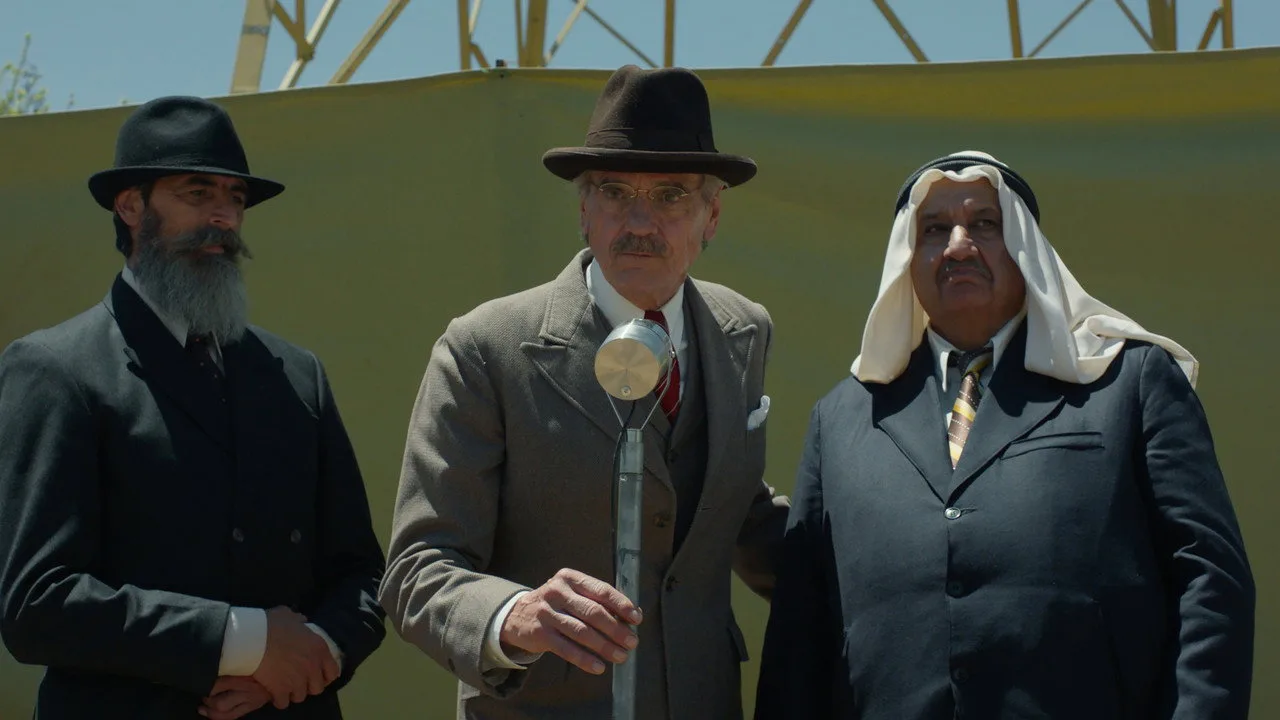
Palestine 36 review: Annemarie Jacir’s historical epic is a deeply flawed yet profoundly necessary film that forces viewers to confront a foundational moment in modern Middle Eastern history. Released in late 2025 and still generating intense discussion in 2026, the film tells the story of Yusuf, a Palestinian villager navigating the chaos of the 1936 Great Arab Revolt.
Need a Director for Your Next Project?
From commercials to branded campaigns—Olivier brings creative vision and technical expertise.
→ View ProjectsIt is a rare cinematic attempt to depict the Palestinian perspective on a period often overshadowed by later events. The film has drawn both passionate praise and sharp criticism, making it one of the most talked-about historical dramas of the year.

Palestine 36 — By the Numbers
Annemarie Jacir
2025-10-31
120 minutes
Drama / History / War
$650000
Philistine Films · Autonomous · Corniche Media
The uprising that took on an empire.
The 1936 Revolt: What You Need to Know
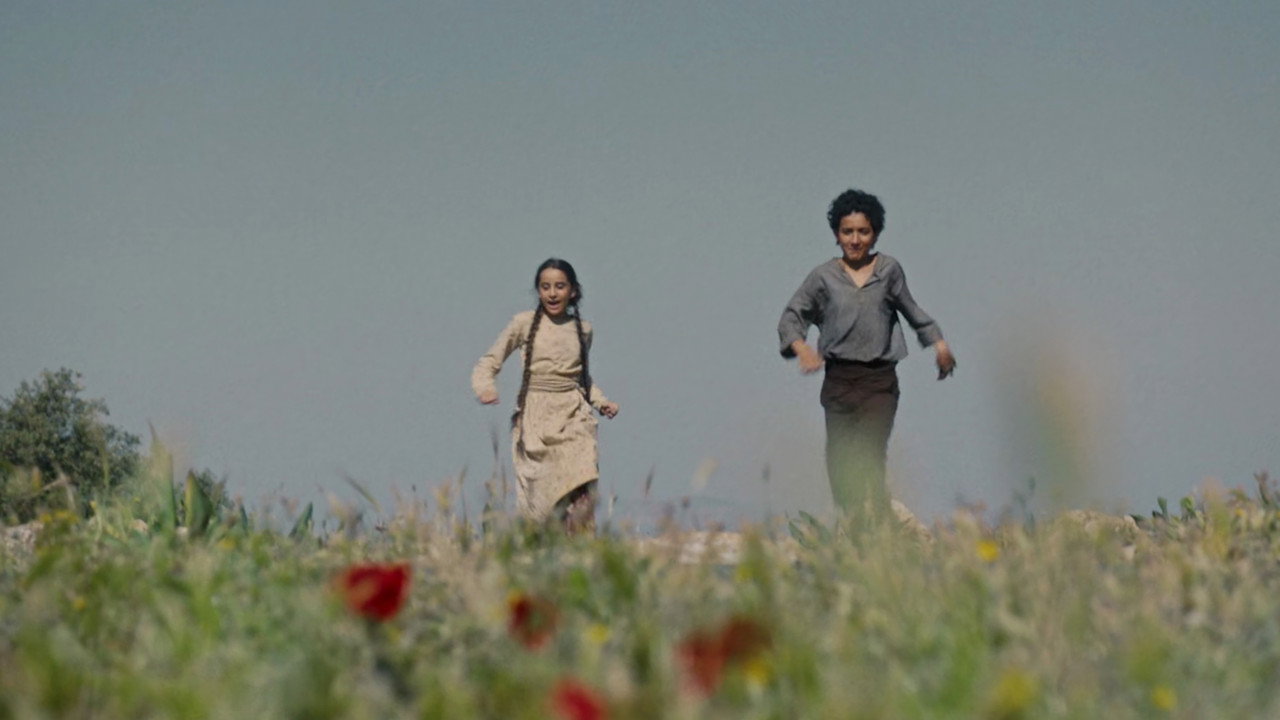
The Great Arab Revolt of 1936 was a three-year uprising by Palestinian Arabs against British colonial rule and the increasing Jewish immigration to Mandatory Palestine. It was the longest anti-colonial campaign the British Empire faced in the 20th century. The revolt began with a general strike and quickly escalated into armed resistance, with villagers and urban workers uniting across class lines.
The British response was brutal. Tens of thousands of troops were deployed to crush the rebellion. The British used collective punishment, destroyed homes, and imposed curfews. The revolt ultimately failed, but it had lasting consequences. It led to the 1937 Peel Commission, which proposed the partition of Palestine into Jewish and Arab states. This was the first official proposal for partition, and it set the stage for the 1948 war and the Nakba.

The revolt is a pivotal moment in Palestinian national consciousness. It is also a period that is often glossed over in mainstream Western histories of the conflict. The 1936 Arab revolt on Wikipedia provides a comprehensive overview of the events. “Palestine 36” attempts to fill this gap, focusing on the human cost of the uprising rather than the political machinations in London or Jerusalem.
How Hélène Louvart’s Lens Captures the Dust and Despair
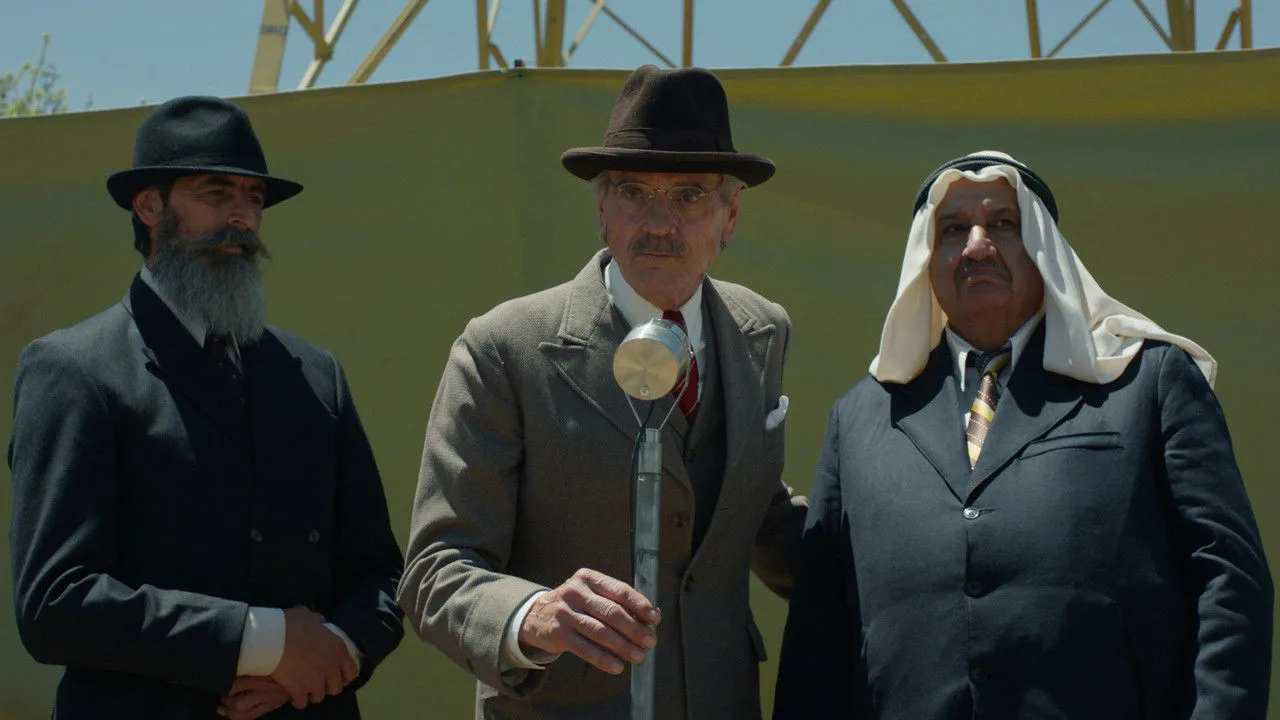
Cinematography by Hélène Louvart is a masterclass in visual storytelling. Louvart, known for her work on films like “Never Rarely Sometimes Always” and “The Beach Bum,” brings a tactile, almost documentary-like quality to the frame. The camera lingers on the dust of the roads, the sweat on the faces of the farmers, and the stark light of the Palestinian sun.
The visual language of the film is deliberately unglamorous. There are no sweeping, romanticized vistas of the Holy Land. Instead, Louvart focuses on the cramped interiors of village homes, the narrow alleyways of Jerusalem, and the claustrophobic tension of a community under siege. The color palette is muted, dominated by earth tones and the pale blue of the sky. This choice grounds the film in a harsh, unyielding reality.
For a director, the decision to shoot this way is a bold one. It rejects the temptation to make the past look picturesque. It forces the audience to sit in the discomfort of the period. The camera work is often handheld, adding a sense of urgency and instability. This is not a film that lets you admire the scenery. It demands you feel the heat, the fear, and the exhaustion.
The Cast: From Hiam Abbass to Robert Aramayo
The cast of “Palestine 36” is a mix of Palestinian acting royalty and British talent. Hiam Abbass, a veteran of films like “The Visitor” and “Succession,” delivers a performance of quiet, stoic grief. She plays a matriarch trying to hold her family together as the world around her collapses. Her presence alone lends the film a weight of authenticity.
Karim Daoud Anaya, as the lead character Yusuf, carries the emotional core of the film. He is a villager caught between his duty to his family and his desire to join the revolt. Anaya’s performance is one of internal conflict. He rarely shouts or gesticulates wildly. His pain is written in his silences and his tired eyes. This is a difficult role, and he handles it with a subtlety that prevents the film from becoming a mere propaganda piece.
The British actors, Robert Aramayo and Billy Howle, play colonial officers. Their performances are deliberately restrained. They are not cartoon villains. They are bureaucrats and soldiers following orders, which makes their actions all the more chilling. Aramayo, in particular, brings a sense of weary duty to his role. The film does not demonize these characters. It simply shows them as cogs in a machine of oppression.
This nuance has drawn criticism from some quarters, but it is a sign of Jacir’s skill as a director.
Why Some Historians Call It a Distortion
🎬 AI Render Pro Studio, the AI film production suite I built and use on my own productions. Script breakdown, storyboards, 30+ video models including Seedance 2.5 and Kling O3, image generation, retouch, 7K upscaling and audio, all in one browser workspace. $19/month flat, bring your own API keys and pay providers at cost, no credit packs, no markup. Try AI Render Pro Studio →
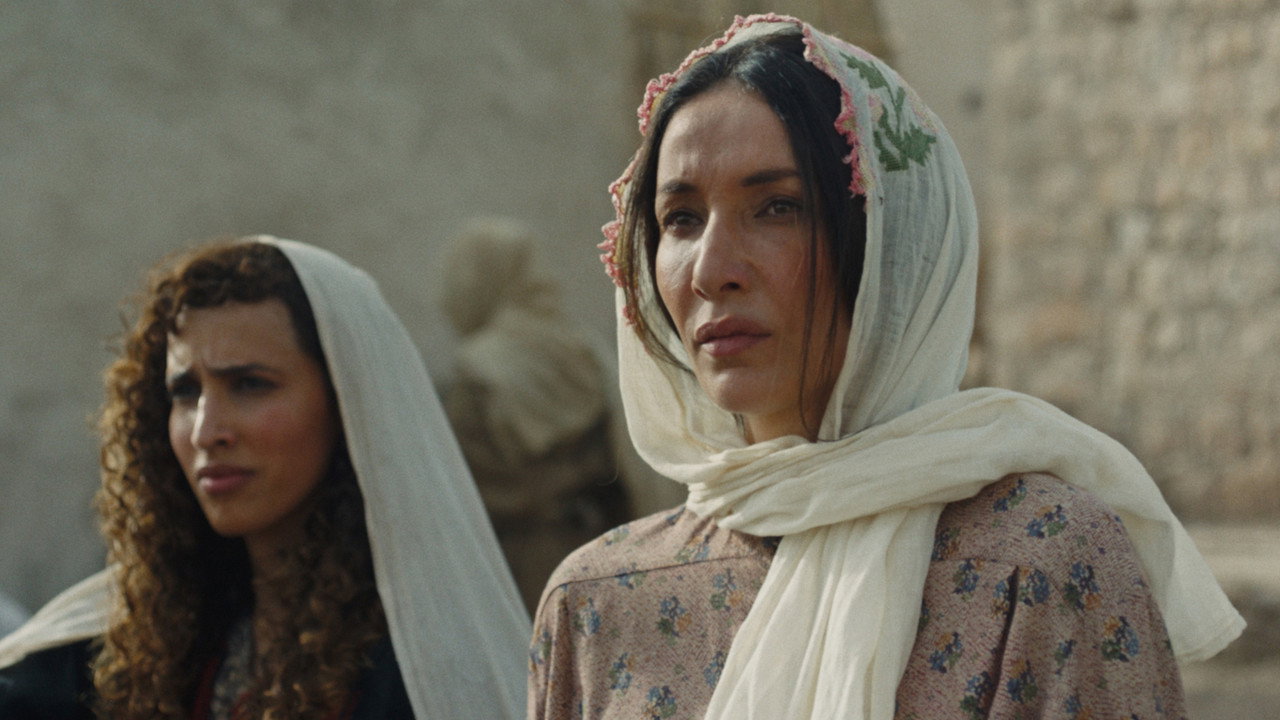
Not everyone is impressed. A review on Engelsberg Ideas calls “Palestine 36” a “deeply flawed, disappointingly partial and waywardly remiss representation of British rule.” The criticism centers on the film’s portrayal of the British as the primary aggressors, while downplaying the violence between Palestinian and Jewish communities during the revolt.
The reviewer argues that the film presents a one-sided view of history. It shows Palestinian villagers as victims of British brutality, but it does not adequately address the attacks on Jewish civilians that also occurred during the revolt. This is a legitimate historical debate. The 1936 revolt was a complex, multi-sided conflict. Reducing it to a simple story of colonial oppression versus native resistance risks distorting the historical record.
As a filmmaker, I understand the tension between historical accuracy and dramatic necessity. Every historical film makes choices about what to include and what to omit. The question is whether those choices serve a truthful purpose or a political one. “Palestine 36” clearly has a point of view. It is a film about the Palestinian experience of colonialism. It does not pretend to be an objective history. For some viewers, this will be its strength. For others, it will be a fatal flaw.
A Director’s Perspective on Palestine 36
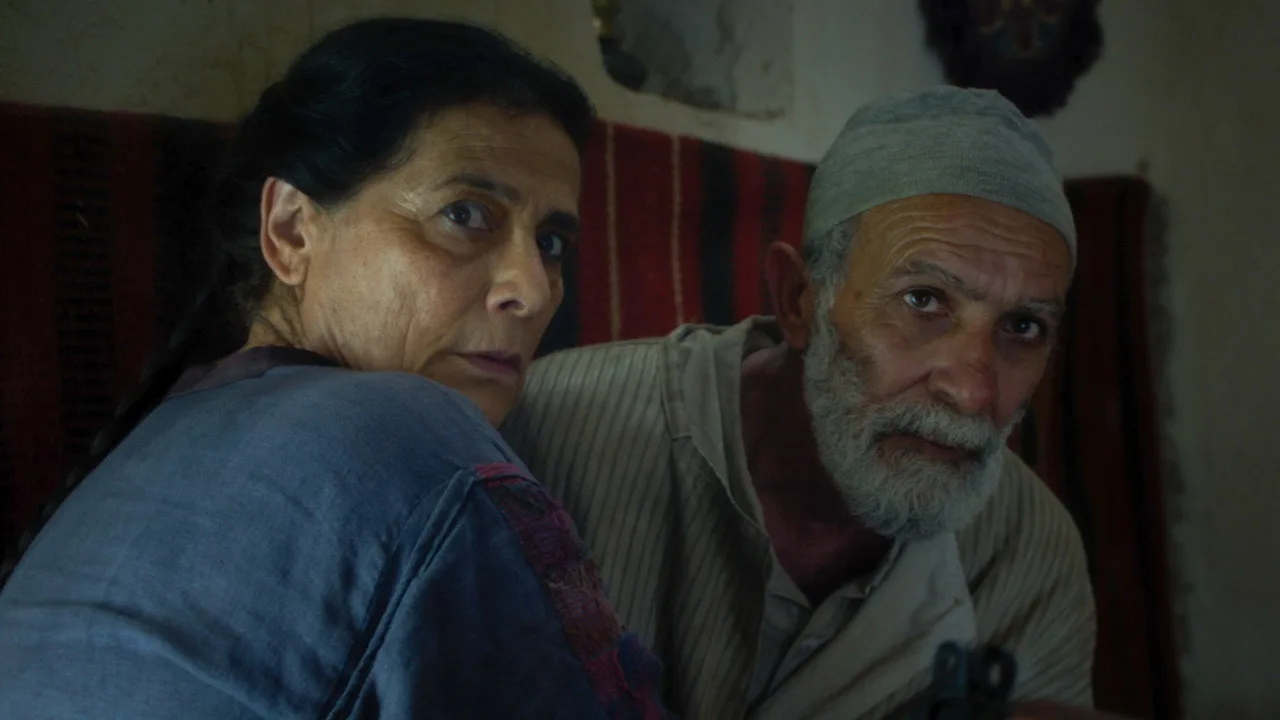
I have spent years shooting campaigns across Europe and Asia, and I have seen how difficult it is to tell stories from the perspective of the powerless. The film industry is built on narratives that serve the interests of those who fund them. A film about the Palestinian experience in 1936 is not a natural fit for the studio system. It has no easy heroes, no clear villains, and no happy ending.
What Jacir has done is remarkable. She has taken a subject that is almost entirely absent from mainstream cinema and turned it into a feature film with international distribution. It is a labor of love, not a moneymaker.
The film reminds me of the importance of listening to lower voices. In my own work, I try to find the human story within larger historical forces. “Palestine 36” does this effectively. It does not lecture the audience. It shows you the daily life of a village under occupation. The small moments of a mother cooking, a child playing, a farmer tending his olive trees. These are the details that make history feel real.
For anyone interested in the craft of filmmaking, this is a film worth studying for its commitment to a single, clear perspective.
Ben Frost’s Score: The Unseen Character
The music for “Palestine 36” is composed by Ben Frost. Frost is known for his experimental, often abrasive soundscapes. His work on the Netflix series “Dark” and the film “The Tyrant” established him as a composer who can create tension and dread through sound. In “Palestine 36,” he uses a minimalist approach.
The score is sparse. Long passages of the film have no music at all, only the sounds of the environment. The wind, the footsteps, the distant crack of gunfire. When the music does appear, it is often a single, mournful cello line or a low, droning synthesizer. This restraint is effective. It prevents the film from becoming melodramatic. It trusts the images and the performances to carry the emotional weight.
Frost’s score does not tell you how to feel. It creates a mood of unease and sorrow. It is the sound of a world that is falling apart. The music is not triumphant. There is no swelling orchestral climax when the villagers fight back. There is only the grim reality of struggle. This is a brave choice for a historical drama. Most films in this genre use music to manipulate the audience’s emotions. Frost refuses to do that. He lets the story speak for itself.
Does the Film’s Slow Pace Hurt Its Impact?
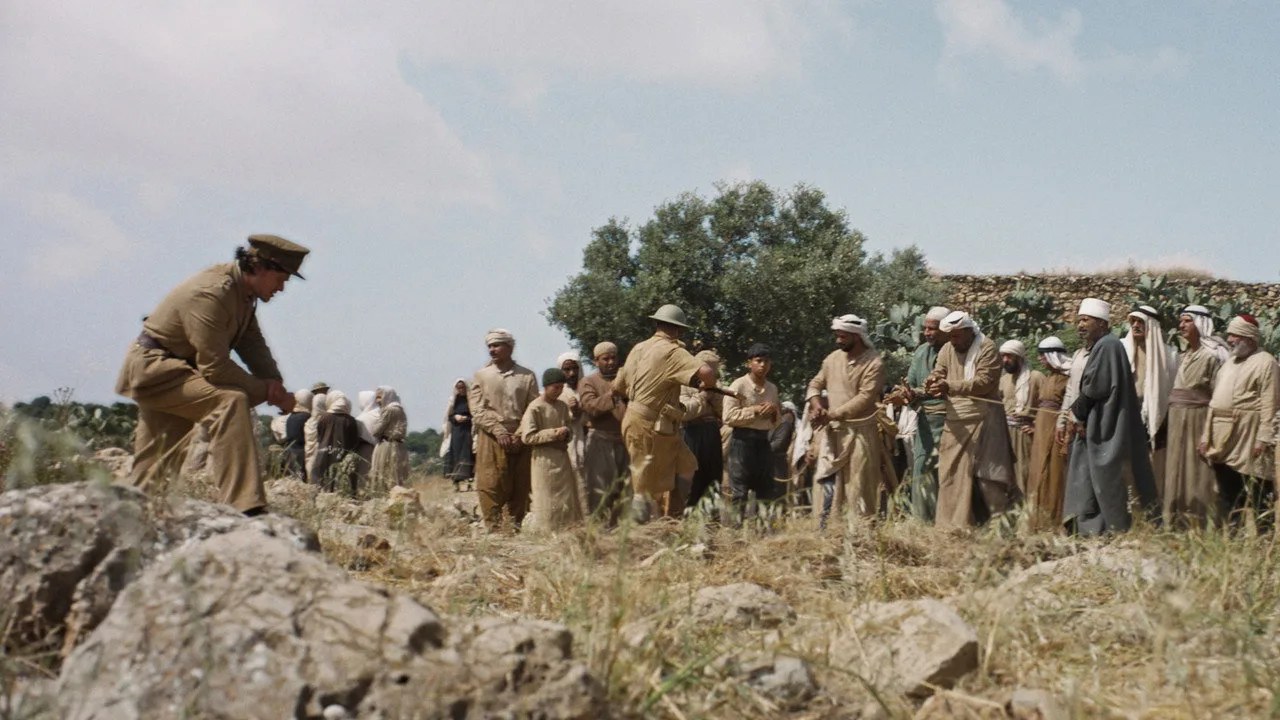
The Guardian’s review of “Palestine 36” describes the film as “rather stolidly paced and sometimes pedagogically conveyed.” This is a fair criticism. The film runs for 120 minutes, and it does not rush. There are long scenes of characters walking, working, or simply sitting in silence. Some viewers will find this meditative. Others will find it boring.
The pacing is a deliberate choice. Jacir is not making a Hollywood action film about the revolt. She is making a film about the daily grind of resistance. The slow pace mirrors the slow, grinding nature of colonial oppression. Nothing happens quickly in a village under occupation. Every decision is weighed down by the fear of reprisal. The film asks the audience to sit in that slowness, to feel the weight of time.
However, the didactic tone is a problem. Some scenes feel like history lessons. Characters explain the political situation to each other in ways that feel unnatural. This is a common trap in historical films. The filmmaker wants to educate the audience, but the education can come at the cost of dramatic flow. The film is at its best when it trusts the audience to understand the context through the characters’ actions, not their dialogue.
The $650,000 Reality of Independent Historical Cinema
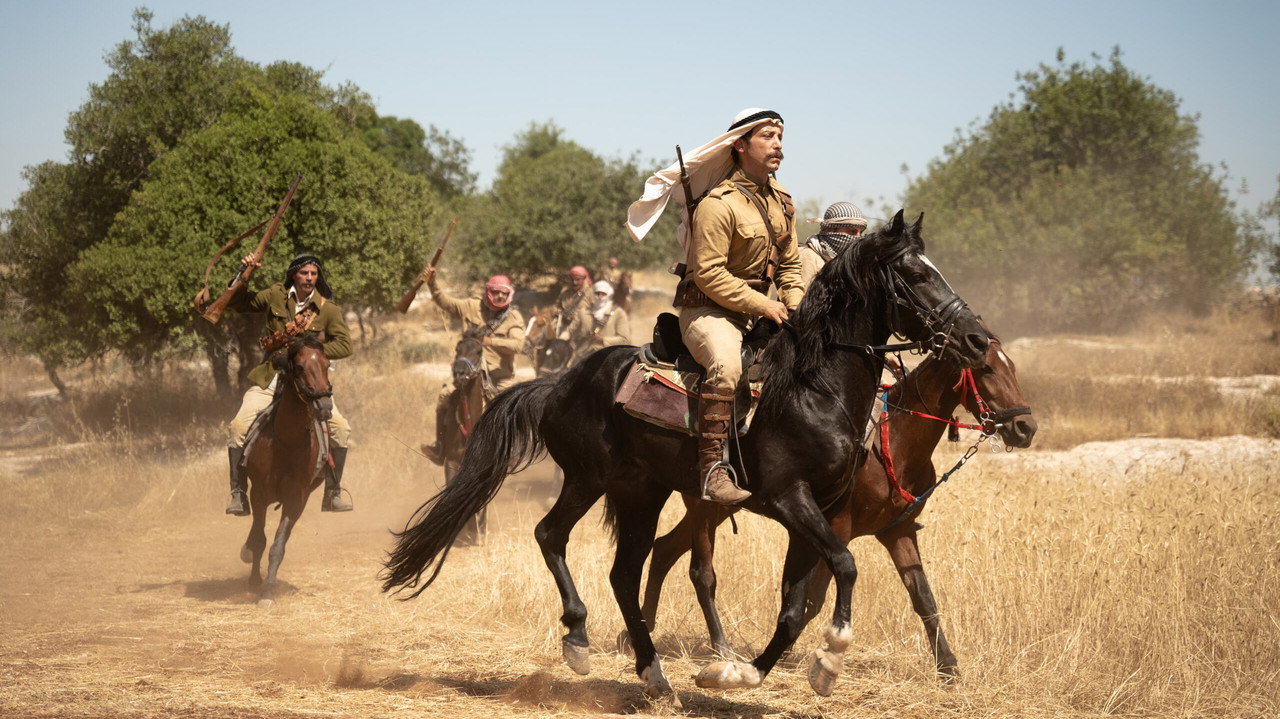
The box office figure of $650,000 for “Palestine 36” is sobering. It is a tiny sum for a film of this ambition. To put it in perspective, a single Marvel movie can gross that much in its opening weekend in a single country. This is the reality of independent cinema, especially for films that tackle controversial historical subjects.
The film’s financial performance is not a measure of its quality. It is a measure of the systemic barriers that exist for stories from the Global South. Distribution is expensive. Marketing is expensive. A film about Palestine faces additional hurdles in many markets where the subject is politically sensitive. The fact that the film exists at all is a testament to the dedication of its cast and crew.
For filmmakers like me, this is a familiar struggle. The industry is built on a model that rewards safe, familiar stories. A film about the 1936 revolt is not safe. It is not familiar. It is a risk. The $650,000 box office is a reminder that the market does not always reward artistic courage. But it also shows that there is an audience for these stories. The film has found its viewers through festivals and word of mouth. It is a small victory in a difficult business.
Why Palestine 36 Matters in 2026
In 2026, the conflict in Palestine and Israel continues to dominate global headlines. The events of 1936 are not ancient history. They are the direct prelude to the current situation. The British policies of divide and rule, the Zionist immigration, and the Palestinian resistance all have their roots in this period. Understanding 1936 is essential to understanding 2026.
“Palestine 36” is not a perfect film. It has flaws in pacing and historical nuance. But it is a necessary film. It gives a voice to a people who are often spoken about but rarely allowed to speak for themselves. It shows the humanity of the villagers, their hopes, their fears, and their resilience. It is a corrective to a cinematic landscape that has largely ignored the Palestinian story.
The film’s greatest achievement is that it makes you care. You care about Yusuf and his family. You care about the fate of the village. You feel the injustice of the British occupation. This emotional connection is the most powerful tool a filmmaker has. “Palestine 36” uses it well. It is a film that will stay with you long after the credits roll. It is a film that deserves to be seen, debated, and remembered.
I write my prompts with AI Render Pro, the prompting engine I built for filmmakers and creatives. Read the full breakdown here.
Frequently Asked Questions
What is the film “Palestine 36” about?
The film is a historical drama set during the 1936 Great Arab Revolt in Mandatory Palestine. It follows a villager named Yusuf as he navigates the escalating unrest between Palestinian communities, British colonial forces, and Zionist immigrants.
Who directed “Palestine 36”?
The film was directed by Annemarie Jacir, a Palestinian filmmaker known for her work on “Wajib” and “Salt of This Sea.” She also wrote the screenplay for the film.
Is “Palestine 36” historically accurate?
The film has been praised for its emotional authenticity but criticized by some historians for presenting a one-sided view of the conflict. It focuses on the Palestinian experience of British colonialism and does not give equal weight to the violence against Jewish civilians during the revolt.
Where can I watch “Palestine 36”?
The film was released in theaters in late 2025 and has since become available on select streaming platforms and festival circuits. Check local listings for availability in your region.
Why is the film titled “Palestine 36”?
The title refers to the year 1936, which marks the beginning of the Great Arab Revolt. The film is set during this pivotal period in Palestinian history.
Cast and Crew
Key Crew
- Director: Annemarie Jacir
- Screenplay: Annemarie Jacir
- Cinematography: Hélène Louvart
- Music: Ben Frost
- Editor: Tania Reddin
- Production Design: Nael Kanj
Main Cast
- Karim Daoud Anaya — Yusuf
- Hiam Abbass — Hanan
- Robert Aramayo — Captain Wingate
- Billy Howle — Thomas Hopkins
- Dhafer L’Abidine — Amir
- Yasmine Al Massri — Khouloud
- Liam Cunningham — Charles Tegart
References and Further Reading
- Palestine 36 on Wikipedia — production details, cast and release history.
- Palestine 36 on TMDB — cast, crew, budget and box-office data.
- Palestine 36 on IMDb — full credits and technical specs.
- Annemarie Jacir on Wikipedia — director background and filmography.
Discover more from Olivier Hero Dressen Blog: Filmmaking & Creative Tech
Subscribe to get the latest posts sent to your email.

Work with Olivier
Director | CD | DP & Photographer
Specializing in commercials, music videos, AI-driven filmmaking, and cinematic storytelling for brands and production companies.
🌍 Shanghai · Paris · Los Angeles · Dubai
🎬 View Portfolio & Get in Touch