
Coyote vs. Acme is in cinemas, which for about two years was not a sentence anyone expected to write. This film was finished, tested well, and then killed on purpose for accounting reasons. That it exists in front of an audience at all is the result of a lot of people refusing to let it go quietly, and I was one of the loud ones.
Need a Director for Your Next Project?
From commercials to branded campaigns—Olivier brings creative vision and technical expertise.
→ View ProjectsI wrote about what Warner Bros. did to this film on LinkedIn four days before it finally opened. That post did around 30,000 views and drew some of the sharpest reactions I have had on anything I have posted, because every filmmaker who read it understood immediately that it could have been their film. So I had a personal stake in sitting down to watch this one, and I am relieved to report it is genuinely good. It has been a strong few weeks for the cinema, between this and Ridley Scott’s The Dog Stars.
What Actually Happened to This Film
The facts are worth getting right, because the story has been retold loosely. In November 2023, Warner Bros. Discovery announced it would shelve the completed film as a tax write-off, taking a write-down of roughly $30 million. The film had already tested well. It was simply going to disappear.
The backlash was immediate and it came from inside the industry as much as from fans. Directors reportedly cancelled meetings with the studio, on the reasonable logic that a company willing to bury a finished film might bury yours. Within days, Warner Bros. reversed course and agreed to let the filmmakers shop it elsewhere. Nobody should take individual credit for that. It was a wave, and the wave moved the studio.
Then it stalled again. The studio reportedly wanted around $80 million and rejected the offers it received. A funeral screening was held for the crew. The film sat in limbo until March 2025, when Ketchup Entertainment bought worldwide rights for a reported $50 million. It premiered at San Diego Comic-Con in July 2026 and reached cinemas in late August, roughly three years after it was finished. Director Dave Green watched his own film with an audience for the first time at that Comic-Con screening.
It Is a Roger Rabbit Film, and It Knows It
Watching it, the film I kept thinking about was Who Framed Roger Rabbit. Not as an accusation, as a lineage. That 1988 film worked because the animated characters had real weight in the frame, they cast shadows, they displaced things, they were treated by the camera as physically present. It set a standard almost nobody has matched since, and the reason is simple. It is extremely difficult and extremely expensive. It is the same problem I keep running into from the other direction, where the tools got cheap but the integration did not.
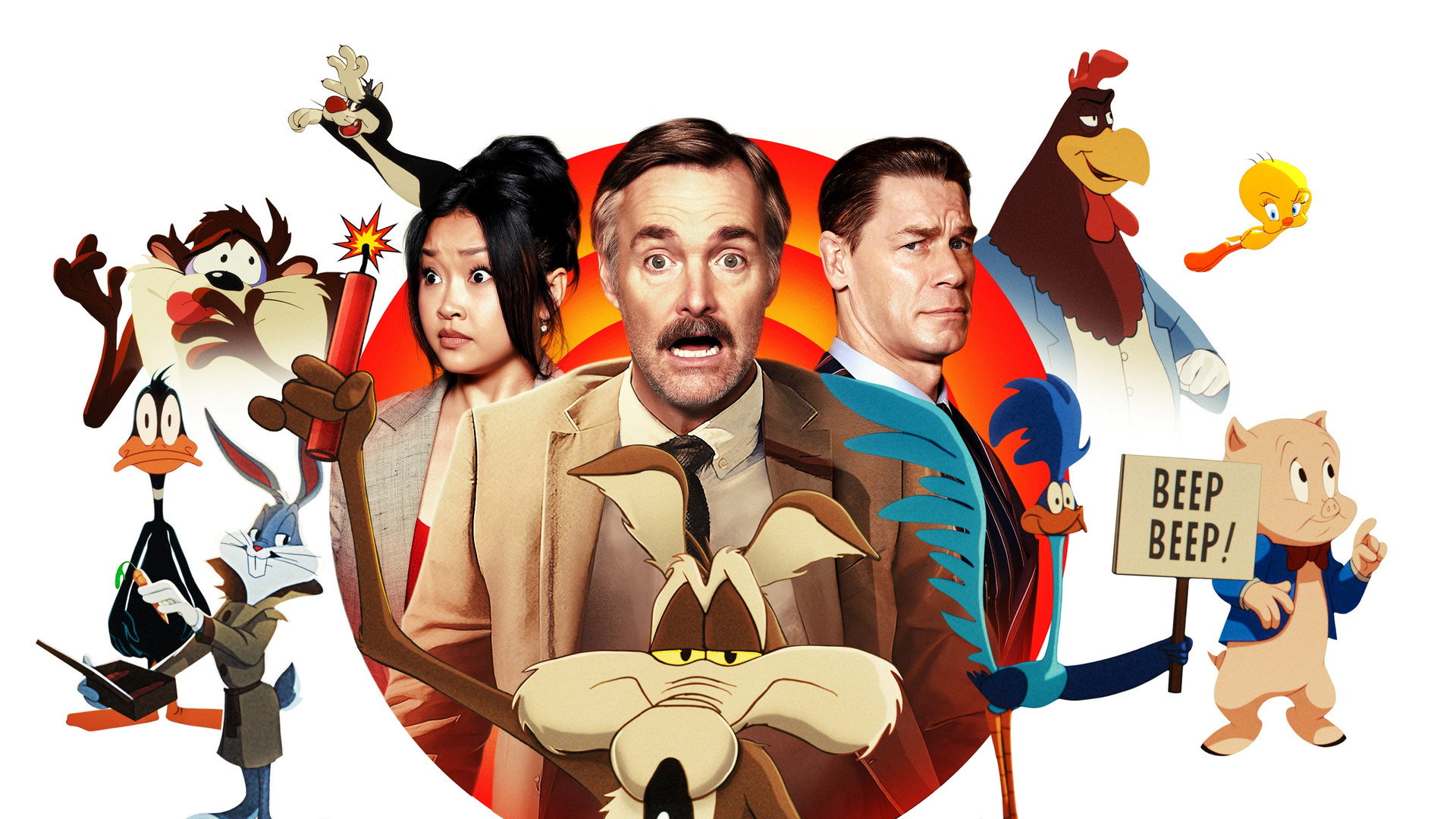
Coyote vs. Acme takes that seriously. Wile E. Coyote shares a frame with Will Forte and behaves like an object in the world rather than a sticker on top of it. The Looney Tunes physics are intact, which matters more than it sounds, because the whole comic logic of these characters depends on a universe with its own consistent and absurd rules. Get that wrong and it collapses into noise.
I trained in animation myself, at La Cambre in Belgium, so I will admit to being an easy audience for this. But the nostalgia is not doing the heavy lifting here. The craft is.
The Script Is Smarter Than It Needed to Be
The premise comes from a 1990 New Yorker satire by Ian Frazier, written as a legal complaint filed by Wile E. Coyote against the Acme Corporation for selling him defective products. It is a very funny piece of writing and it is also, structurally, a lawsuit. Turning that into a feature is not obvious.
Samy Burch, who wrote May December, did the adaptation, and the choice to put a serious screenwriter on a Looney Tunes courtroom comedy is exactly why it works. Will Forte plays the lawyer who takes the case, John Cena plays opposing counsel for Acme, and the film commits to the joke of treating cartoon violence as admissible evidence. It has the discipline to play the legal frame straight while the gags escalate around it. That tension is the entire engine, and a lazier script would have abandoned it in the first twenty minutes. Spider-Man: Brand New Day pulled a similar trick this year with a much bigger toy box.
It runs 103 minutes, it is rated PG, and it does not outstay its welcome. Critics have been warm, with a Rotten Tomatoes score in the mid-nineties and a Metacritic around 77.
How They Actually Animated It
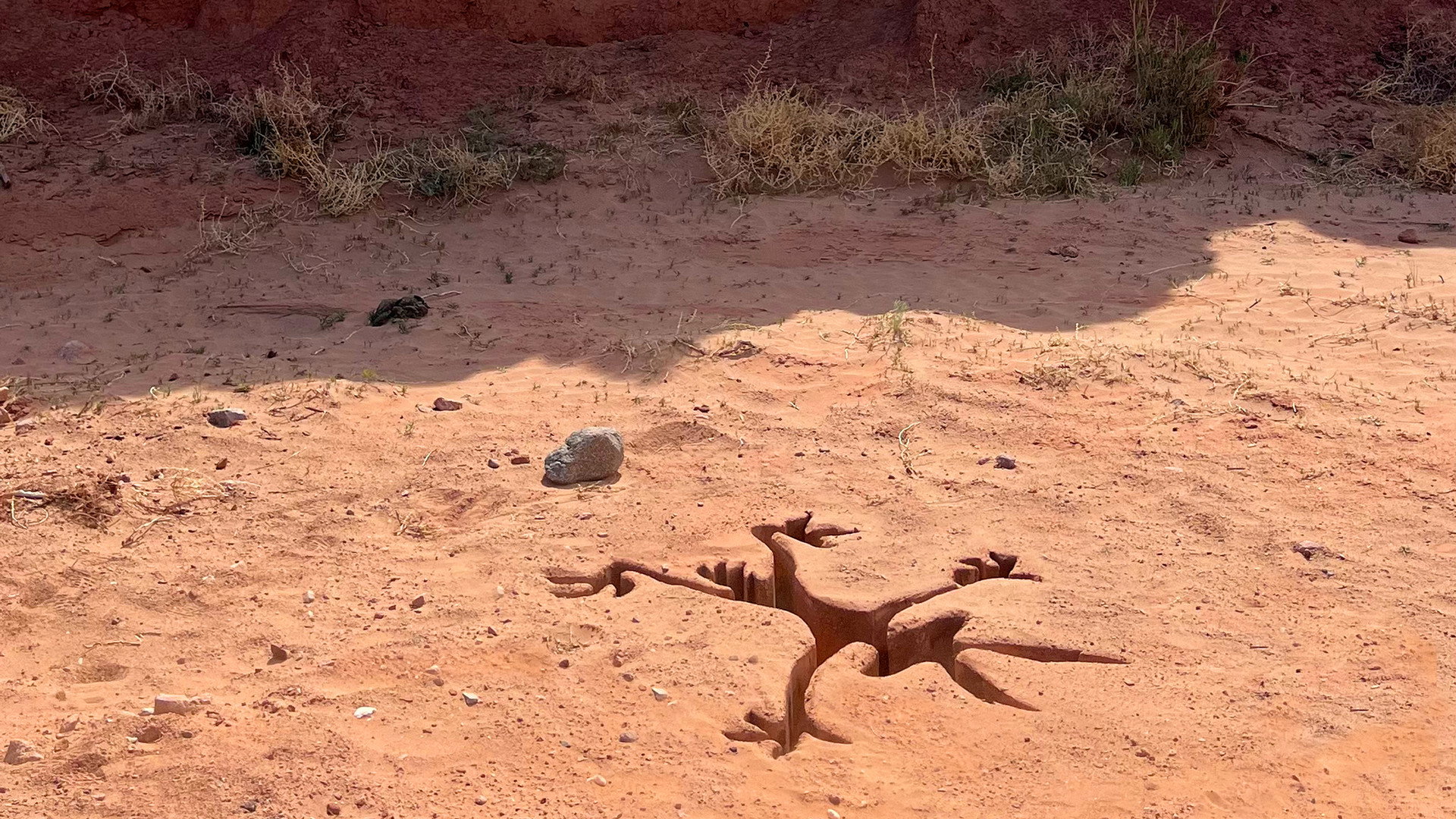
Here is the part that will interest anyone who works in animation. The Tunes in this film are not traditional 2D. Wile E., the Road Runner and most of the main characters are 3D models rendered with cel shading, so they read on screen as flat, outlined, hand-drawn characters while actually being CG underneath.
That is much harder to pull off than it sounds. Cel shading a 3D model is easy enough as a render setting. Making it survive as a convincing 2D character is not, because a drawn character is allowed to cheat. Classic Looney Tunes animation constantly breaks anatomy for the gag: a silhouette that only works from one angle, a squash that no rig would tolerate, a face that reshapes itself between frames because the joke needs it to. A 3D model is consistent by nature, and consistency is the enemy of that comedy. Add a moving camera, which immediately exposes any pose that was designed to work flat, and you have a problem that has defeated plenty of productions.
They solved it here. The characters hold their shape language, the outlines behave, and I never caught the model underneath. Not everyone agrees, some reviewers have found the CG obvious and stiff in close-up, but coming from an animation background I thought it held up.
Your instinct about cost is correct too, and the crew confirmed it. Editor Carsten Kurpanek said outright that they would have preferred 2D creatively but it was not feasible because it was too expensive. The economics of CG are that the pain is front-loaded into modelling and rigging, and after that reuse is nearly free: the same character can be re-shot from any angle, in any camera move, as many times as the edit demands. In 2D you commit to a performance and a camera very early, and every change is a new drawing.
There is a lovely twist in that though. Late editorial changes created shots nobody had budgeted for, and at that point hand-drawn 2D was suddenly the cheaper option, so some sequences were drawn traditionally to fill the gaps. The bug sequence and Witch Hazel are fully 2D with no CG model ever built, and Porky and Bugs are hand-drawn as well. Two techniques sitting side by side in the same film, chosen shot by shot on cost and schedule, and the audience cannot tell which is which. That is the real craft achievement here.
Why We Get So Few of These
The obvious question after watching it is why this kind of film is so rare. The answer is the budget. Coyote vs. Acme cost around $72 million, and hybrid animation is one of the few formats where you genuinely cannot cheat the number. You are paying for a full live-action shoot and a full animation pipeline, and then paying again for the integration work that makes the two look like one image. Every shadow, every contact point, every moment a cartoon touches a real object is hand-solved.
That is why studios flinch. It is also why, when the accounting mood changes, a film like this becomes a line item rather than a body of work. Roughly three years sat between the last day of post and the first paying audience, and the difference between those two states was entirely financial.
Budgets are the least romantic part of this job and the part that decides which films exist. I build them constantly, which is why I ended up making Production Mogul, a browser app that turns a blank page into a client-ready quote: budget, crew, gear, conditions, schedule and PDF in one document, with rates that adjust to the market you are actually shooting in. The full app is free to use with no signup. Exporting and saving unlock at $19 a month.
Try Production Mogul free in your browser
Go and See It
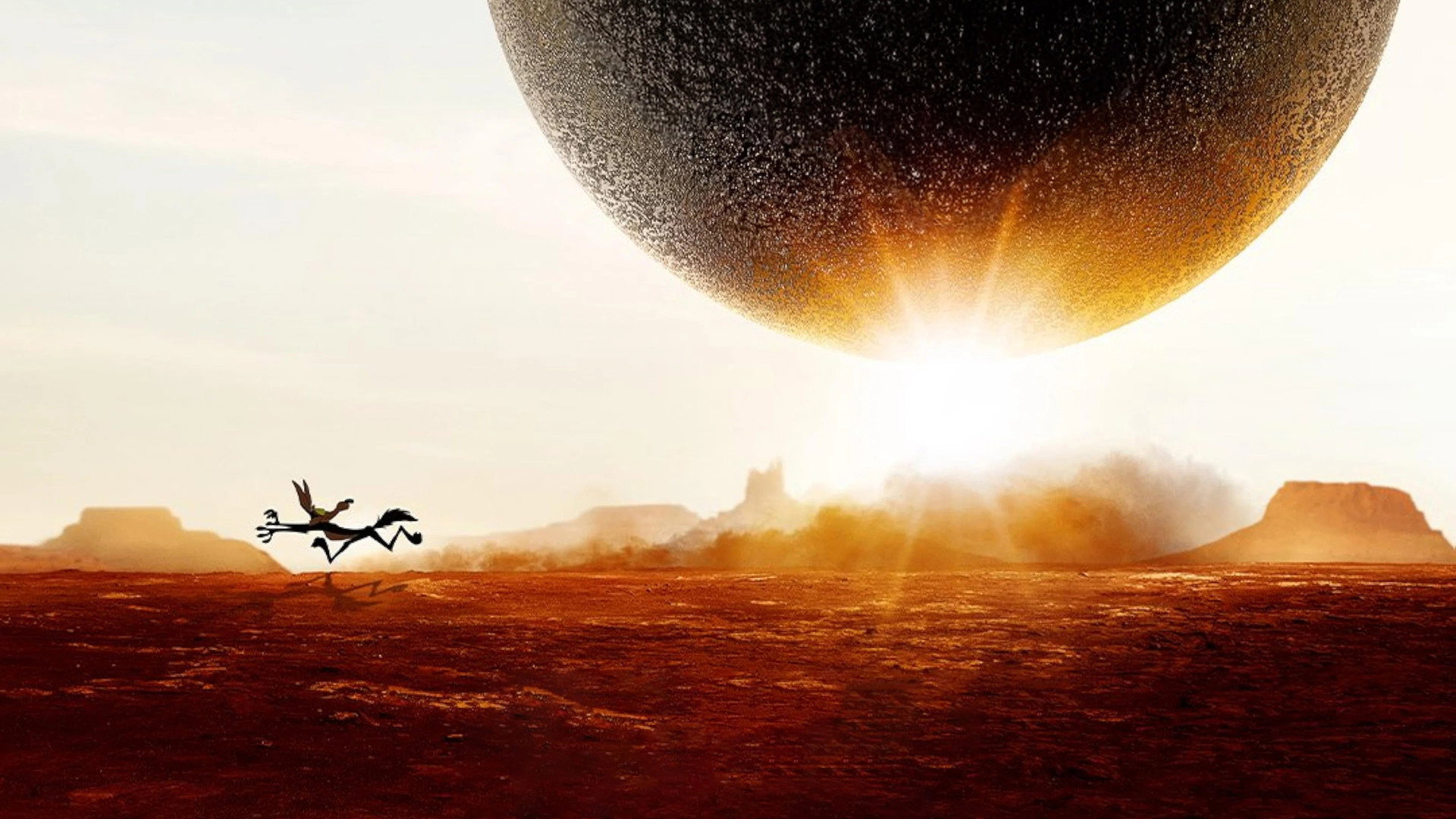
See it in a cinema, and take someone who grew up on these cartoons. It is funny, it is warm, it is beautifully made, and it very nearly did not happen. There is a version of this industry where a completed film can be erased for a tax benefit and nobody outside the crew ever knows what was lost. That version came very close to winning here.
What I want from this is more of them. I want the live-action and animation hybrid to be a format studios are willing to fund again rather than a curiosity we get once a decade. The way that happens is people buying tickets to this one.
Frequently Asked Questions
Why was Coyote vs. Acme shelved?
Warner Bros. Discovery decided in November 2023 to shelve the completed film as a tax write-off, taking a write-down of roughly $30 million, as part of a wider cost-cutting strategy. The same period saw Batgirl and Scoob! Holiday Haunt cancelled. The film had already tested well with audiences.
How did Coyote vs. Acme finally get released?
Public and industry backlash pushed Warner Bros. to let the filmmakers seek another distributor. After the studio rejected early bids, the film sat in limbo until March 2025, when Ketchup Entertainment acquired worldwide rights for a reported $50 million. It reached cinemas in August 2026.
Who stars in Coyote vs. Acme?
Will Forte plays lawyer Kevin Avery, John Cena plays Acme’s counsel Buddy Crane, and Lana Condor plays Paige Avery. Luis Guzman, Tone Bell, P.J. Byrne and John Early also appear, with Eric Bauza and Jim Cummings among the voice cast.
Is Coyote vs. Acme based on anything?
Yes, on a 1990 New Yorker satire by Ian Frazier titled “Coyote v. Acme”, written as a legal complaint filed by Wile E. Coyote against the Acme Corporation over its defective products.
How long is Coyote vs. Acme?
103 minutes, rated PG. It was directed by Dave Green and written by Samy Burch.
Is it like Who Framed Roger Rabbit?
It sits in the same tradition of live-action and animation hybrids, alongside Space Jam and Looney Tunes: Back in Action. It treats the animated characters as physically present in the frame, which is the technique Roger Rabbit set the standard for in 1988.
Cast and Crew
| Director | Dave Green |
| Screenplay | Samy Burch, from the New Yorker piece by Ian Frazier |
| Cinematography | Brandon Trost |
| Music | Steven Price |
| Editor | Carsten Kurpanek |
| Starring | Will Forte, John Cena, Lana Condor, Luis Guzman |
| Distributor | Ketchup Entertainment |
| Budget | Around $72 million |
| Runtime | 103 minutes, rated PG |
References and Further Reading
- Inside the revival of Coyote vs. Acme, The Hollywood Reporter.
- The Deadline review.
- Will Forte on the shelving, Variety.
- Inside the animation process of Coyote vs. Acme, The Hollywood Reporter, interviews with the animation and editorial team.
- Coyote vs. Acme on TMDB, cast, crew and budget data.
Discover more from Olivier Hero Dressen Blog: Filmmaking & Creative Tech
Subscribe to get the latest posts sent to your email.

Work with Olivier
Director | CD | DP & Photographer
Specializing in commercials, music videos, AI-driven filmmaking, and cinematic storytelling for brands and production companies.
🌍 Shanghai · Paris · Los Angeles · Dubai
🎬 View Portfolio & Get in Touch