
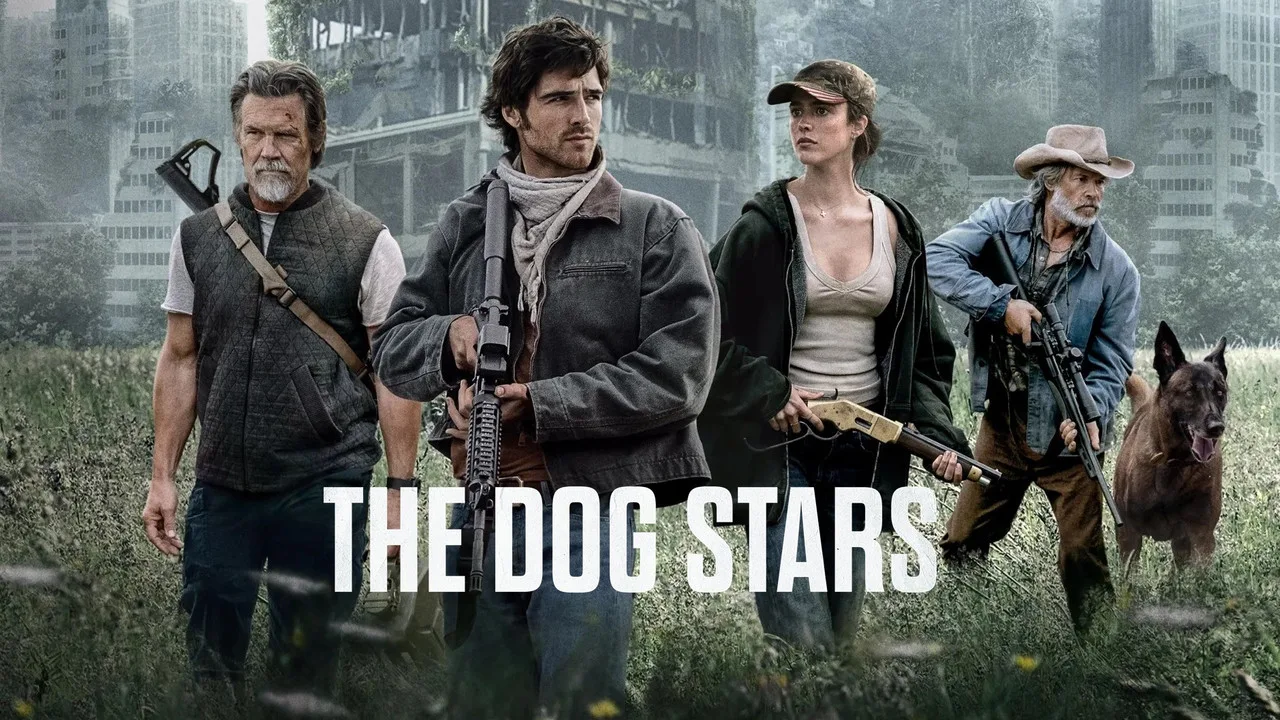

The Dog Stars is Ridley Scott at 88, making a post-apocalyptic film about a man, a dog, and a small yellow plane. I went in wanting to like it because I love science fiction and because Scott coming back to this genre is not a small thing. I came out thinking it is the most personal film he has made in years, and that most of the reviews are measuring it against the wrong yardstick. I had a similar argument with myself about Nolan’s The Odyssey earlier this year.
Need a Director for Your Next Project?
From commercials to branded campaigns—Olivier brings creative vision and technical expertise.
→ View ProjectsThe Dog Stars is not the Ridley Scott who blows things up. It is the one who sits with a character for two hours and lets the silence do the work. If you walk in expecting the momentum of Gladiator, you will be bored. If you walk in expecting a film about grief that happens to be set after the end of the world, you will get something closer to what he actually built.
What The Dog Stars Is Actually About
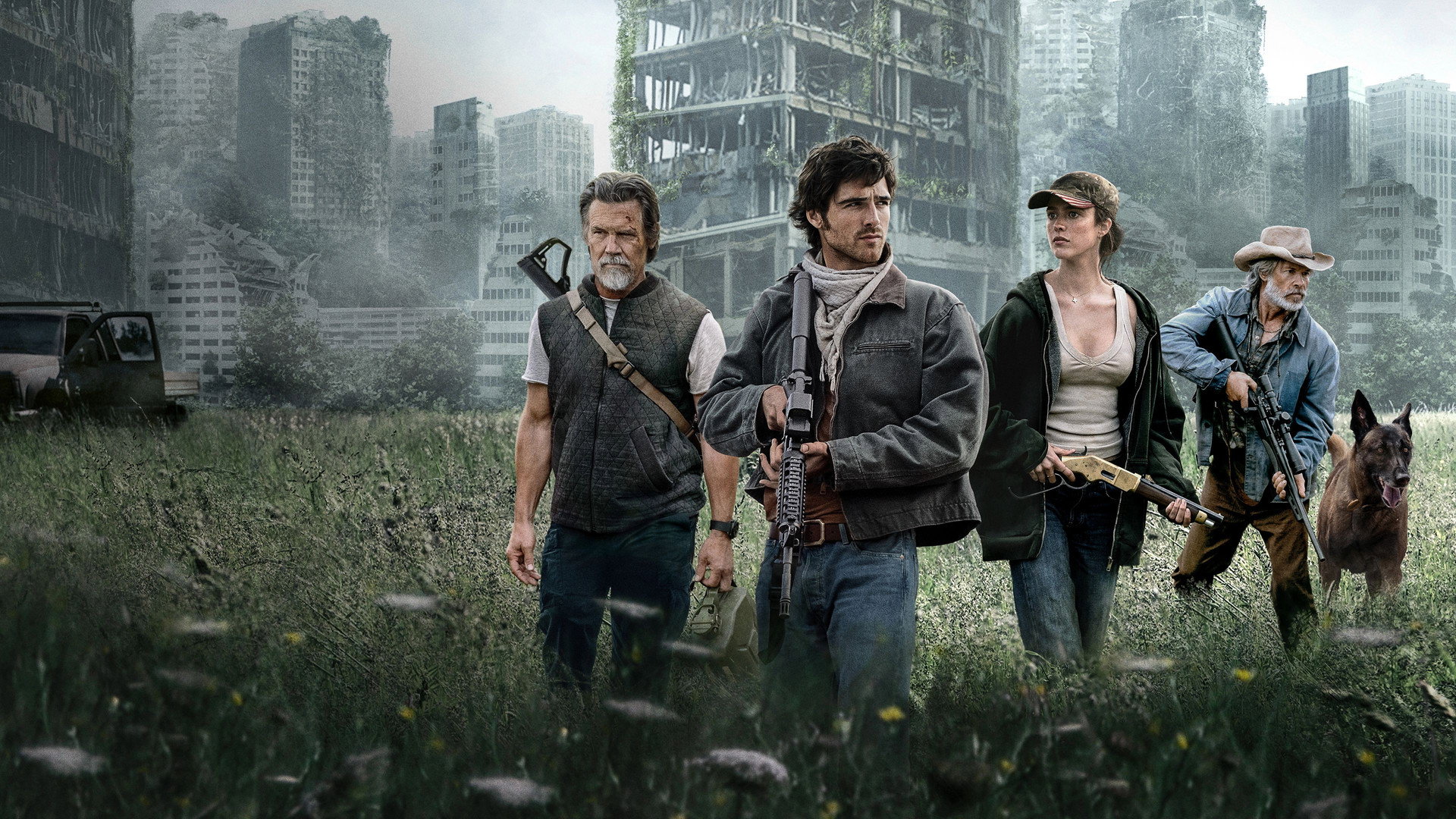
The setup is simple. A flu has wiped out most of the population. Hig, played by Jacob Elordi, lives on an abandoned Colorado airfield with his dog Jasper and a heavily armed ex-marine called Bangley, played by Josh Brolin. Hig flies an old Cessna in circles around their perimeter, watching for anyone coming. Then a voice comes through on the radio, and he decides to go and find where it came from.
That is the whole engine. It runs 119 minutes and it is adapted by Mark L. Smith from Peter Heller’s 2012 novel. Scott has made films with a tenth of that patience and twice the noise. Here he lets a man fly over empty mountains for long stretches and trusts you to stay with him.
Jacob Elordi Carries It
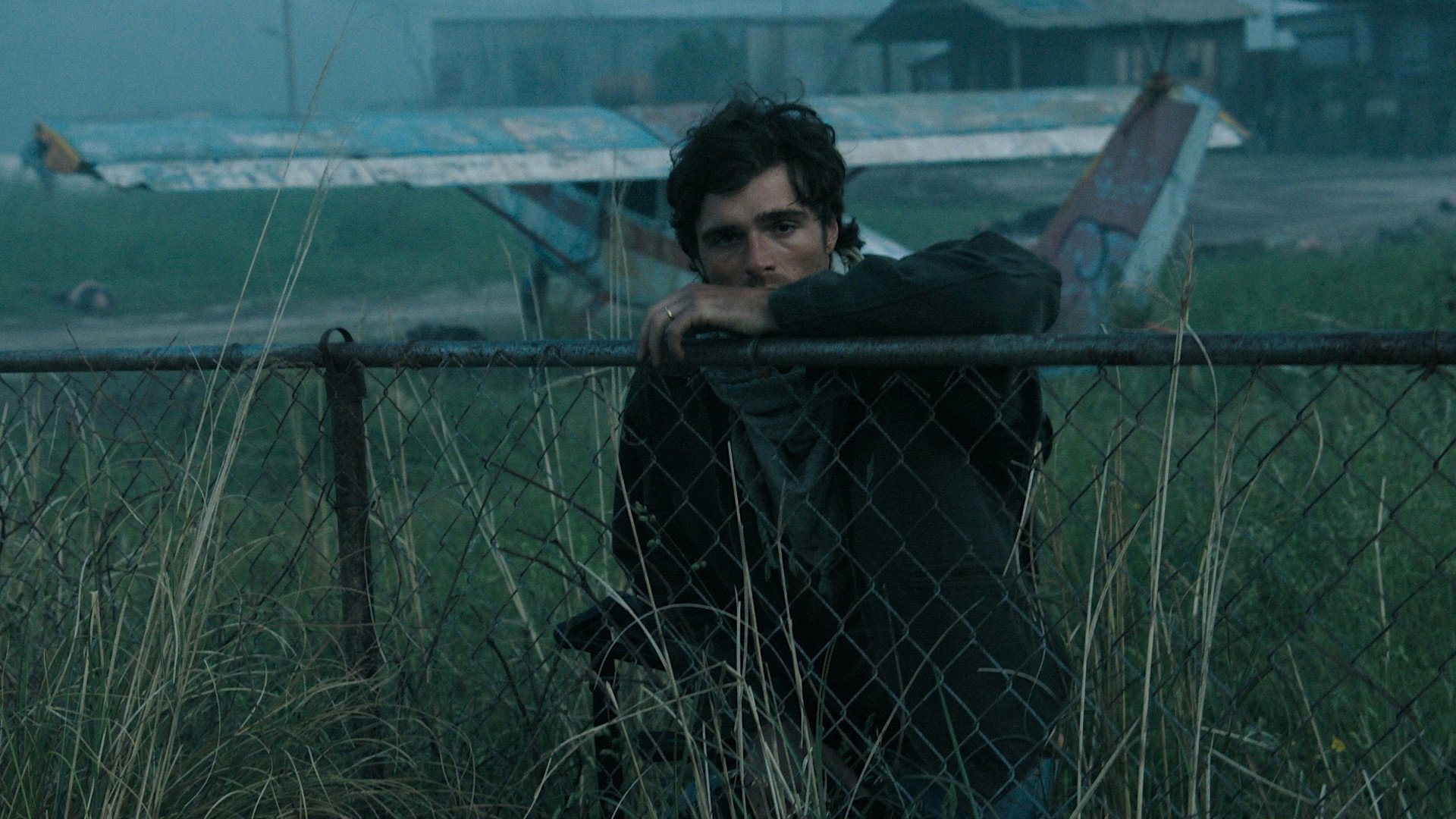
Elordi is very good in this. Not showy good, which is the harder version. He is playing a man who has spent years with almost no one to talk to, and he plays it without the tics actors usually reach for to signal loneliness. There is a stillness to him that holds the frame. The Hollywood Reporter compared him to Kevin Costner in his prime and I understand exactly why, it is that same quality of a leading man who does not seem to be performing for you.
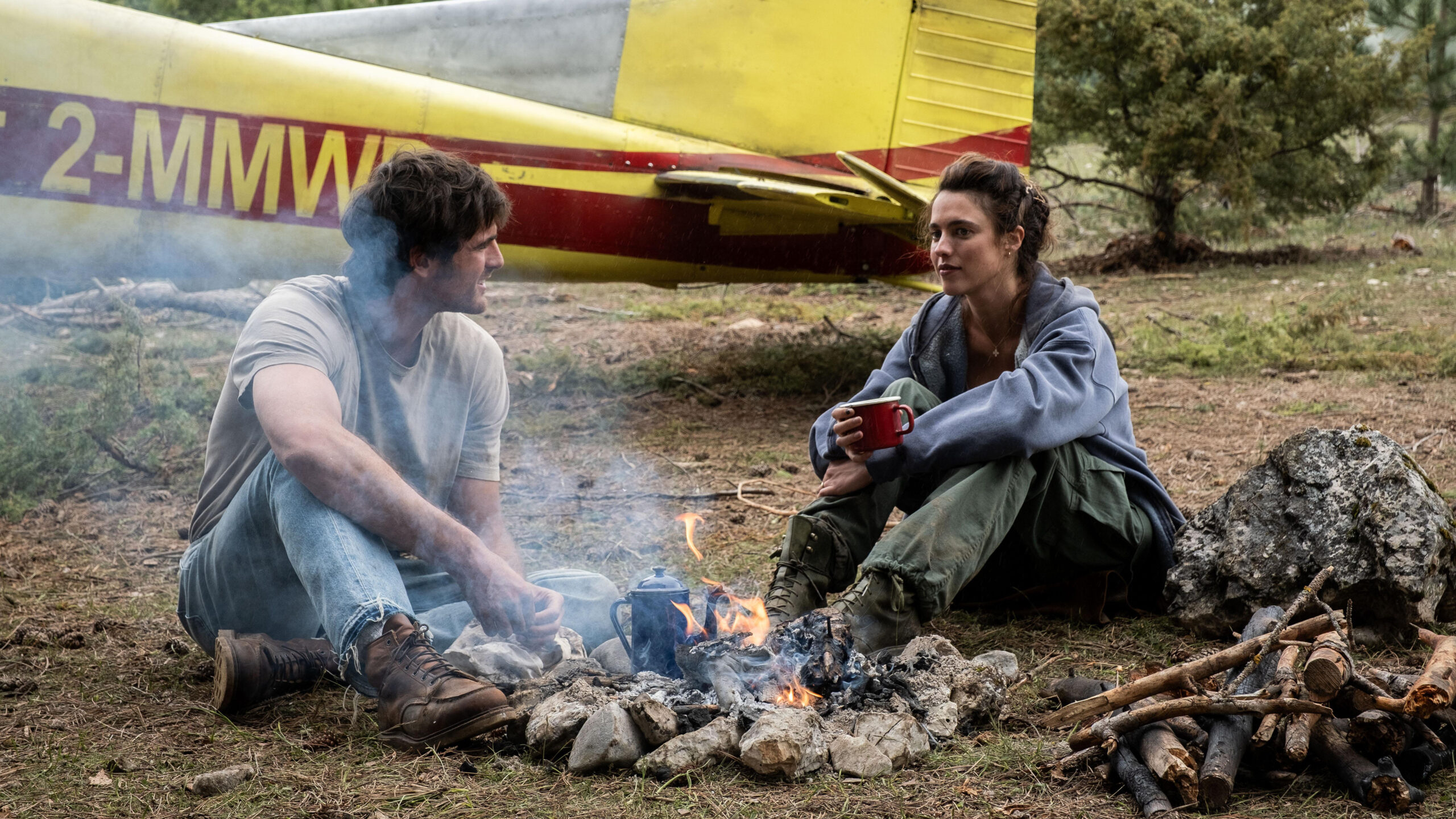
The rest of the cast is doing real work too. Brolin is all hard edges and suspicion, and the friendship between the two men is the best relationship in the film. Margaret Qualley and Guy Pearce arrive later as a daughter and father holding a farm together, and Pearce in particular is having a great time being difficult. Allison Janney turns up and takes a scene apart with almost nothing.
The Plane Is the Whole Idea
The Cessna is what makes this film different from every other survival story, and I do not think enough people have said so. Aviation is not new to the post-apocalypse, we have seen aircraft in these worlds before. What is rare is a film that makes flying the emotional centre rather than a set piece.
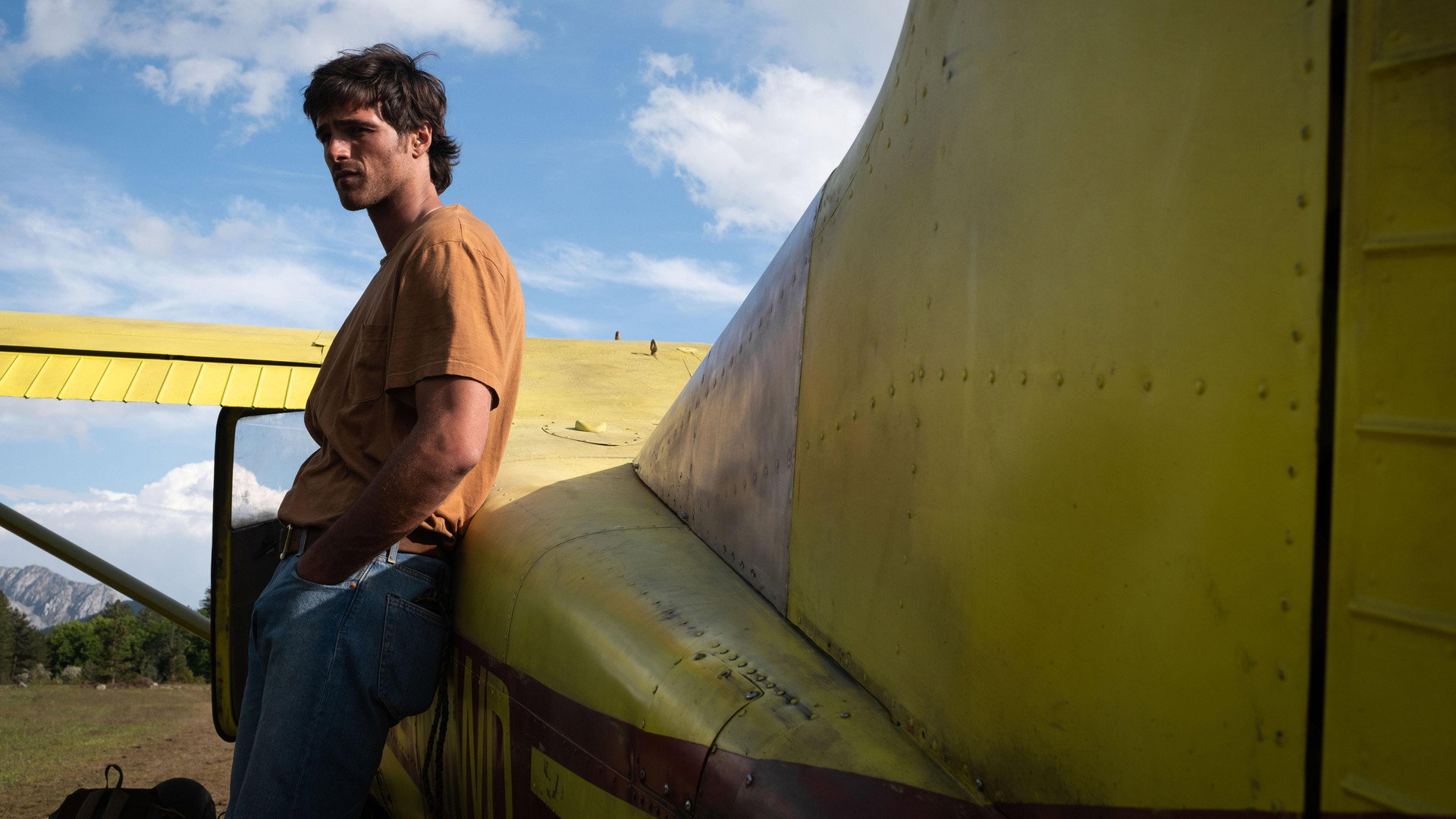
Think about what a small plane does dramatically. It gives a man range without giving him company. He can see everything and reach almost nothing. Every flight is a search that ends with him landing back where he started. That is a very precise image of what it means to be the last one left, and it is doing more character work than most of the dialogue. Erik Messerschmidt shoots those mountains wide and empty. Anyone who has tried to make landscape read as emotion knows how much aerial coverage depends on restraint, and the scale is not there to impress you. It is there to make Hig small.
Those Colorado Mountains Are Italy
Here is the part I did not clock while watching, and I am glad I looked it up. Almost none of this was shot in Colorado. Principal photography ran from late April to June 2025 almost entirely in Italy: Bordano and the Tagliamento river country in Friuli-Venezia Giulia, the Cansiglio plateau in Veneto, and then Abruzzo, whose limestone peaks around the Sirente-Velino park stand in for the Colorado Rockies. The hangar Hig lives in is L’Aquila-Preturo airport. Interiors were done at Cinecitta in Rome, with some additional studio work in England. Scott’s own explanation for choosing Italy was that the food is better.
That is a serious piece of work and it is invisible, which is the point. Doubling one country for another across nine weeks and four regions means matching light, vegetation, rock colour and horizon line across locations hundreds of kilometres apart, then holding it together in the grade. The film never once asked me to believe it, which is the only review of location work that matters. If you know the Dolomites you might catch it. I did not.
The Brother in the Background
Watching it, I kept feeling that Scott was talking about his brother. I had not read anything about the production, it was just the sense the film gave me. So I went and checked afterwards, and it turns out he has said so himself.
Tony Scott, who directed Top Gun, True Romance and Crimson Tide, died in 2012. He was Ridley’s younger brother and they were extremely close. Ridley cast him as the lead in his very first film, a 1962 short called Boy and Bicycle, shot for 65 pounds on a borrowed camera when Tony was still a teenager. Years later Tony gave him a framed still from it with the words “we’ve come a long way” written on it. In an interview in 2024, asked if he wanted to add anything, Ridley simply said he missed his brother.
Once you know that, the film reorganises itself. Two men on an airfield, mismatched, needing each other, one of them flying. A story about the person you cannot get back and the transmission you keep chasing anyway. I am not going to claim this is a coded autobiography, because it is not that literal. But the grief in it is real and it is load-bearing, and it explains why the film refuses to behave like an action movie. Scott is not trying to entertain you here. He is working something out.
The Reapers and the Value of Not Explaining
The threat in this world comes from the Reapers, roaming scavengers who take what they need from whoever is left. The film tells you almost nothing about them. No origin, no manifesto, no sympathetic lieutenant with a tragic backstory to make you reconsider.
Watch how they move. No convoys, no armoured trucks, no engines. They come on horseback or on foot. That is a deliberate piece of design and it does a lot of quiet work, because it puts the whole film on a single clean axis: Hig has the only machine left that flies, and the people hunting him travel at the speed humanity managed for several thousand years. The apocalypse here is not loud, it is regressive. It is the world sliding back down the technological ladder while one man keeps a Cessna in the air out of stubbornness. That is also why the film reads as a Western to so many critics. Men on horses, an isolated homestead, someone watching the horizon.
That restraint is a real choice and I think it is the right one. The modern instinct is to humanise the antagonist, to give the audience a reason to understand him. It works in some films and it quietly ruins others, because the moment you explain a threat you shrink it. Here the danger stays weather-shaped, something that arrives rather than something that argues. In a story this interior, that is exactly what you want. The film is not interested in who is hunting Hig. It is interested in what being hunted does to a man who is already alone.
Where It Sits in Post-Apocalyptic Cinema
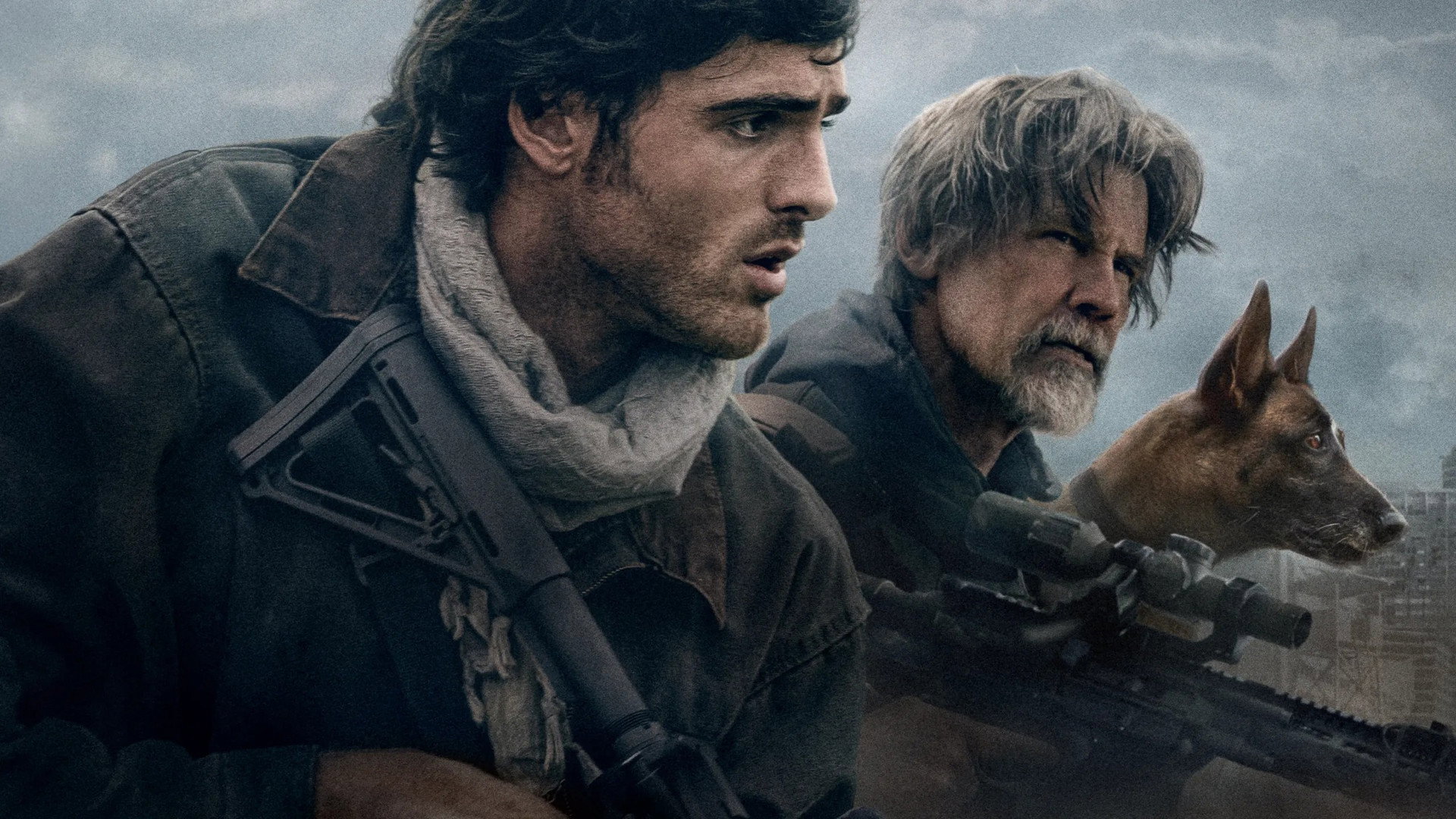
This film is in conversation with The Road, Children of Men and Mad Max, and it knows it. What separates it is the altitude. Almost every story in this genre is told at ground level, on foot or in a vehicle, with the camera down in the debris where the world is a tunnel of threat. Scott puts his protagonist in the air.
I think about camera position constantly in my own work, and it is never only a visual decision. Where you put the lens is a statement about what the audience is allowed to know and feel. Ground level means you are inside the danger with the character. Altitude means you see the shape of the whole ruined thing at once, and you are separated from it. Scott chose distance, and that choice runs through the entire film. Hig is a man who can survey his world and cannot rejoin it.
That is why it plays as elegy rather than thriller, and why the ground-level crowd came away calling it slow. They were watching for a genre that this film politely declines to be.
A Note on What a Film Like This Costs
One number in this review is worth sitting with. The Dog Stars carries a budget of around $110 million and has taken roughly $19 million so far. Whatever you think of the film, that gap is the reality every producer works inside, and it starts with the quote.
I build budgets for a living as well as shoot them, which is why I made Production Mogul. It turns a blank page into a client-ready production quote in the browser: budget, crew, gear, conditions, schedule and PDF in one document. Rates adjust to the market you are actually shooting in, whether that is Los Angeles, Paris, Shanghai, Dubai or Bangkok, with live currency conversion. It exists because producers deserve better than a spreadsheet at two in the morning before a bid deadline, which is where most of us have written our worst numbers.
The full app is free to use with no signup and no card. Exporting, saving and printing unlock at $19 a month or $190 a year.
Try Production Mogul free in your browser
Where the Critics Landed
I should be straight about this: the response has been mixed. IndieWire found it inert and called it unnecessary. The Boston Globe thought it could not decide what genre it was in. Several reviewers made the same point, that Scott is only as good as his screenplay, and that this one does not give him enough.
The Hollywood Reporter went the other way and called it arguably his best since The Martian, describing it as a melancholic character-driven Western rather than a survivalist thriller. That is the read I agree with. The complaints are not wrong about what the film does, they are just describing its intentions as failures. It is slow because it is about a man with nothing but time. It resists the genre beats because the genre beats would cheapen what it is doing. It is the same reason Dune Part Two earns its silences.
You can dislike that choice. I have made things that were called slow and I know the difference between a film that is empty and a film that is quiet. This one is quiet.
Still Working at 88
This is his 30th feature. He has been directing since The Duellists in 1977, he made Alien and Blade Runner, and he is now being given an honorary Oscar while already developing his next project. There is no version of this where that is not remarkable.
What gets me is not the stamina, it is that he is still taking swings that might not land. He could have made the crowd-pleasing version of this book. He made the introspective one instead, at 88, knowing exactly how it would be received. That is a director still making choices rather than protecting a legacy, something I think about a lot in an era when the tools got cheap but the taste did not, and there is something in that worth paying attention to for anyone who wants a long career in this work.
Should You See It
Yes, and see it in a cinema if you still can, because the flying sequences and Messerschmidt’s landscapes lose something on a laptop. Go in knowing what it is. A patient, sad, beautifully shot film about a man who lost everything and keeps flying anyway, made by a director who knows precisely what that feels like.
It is not Scott’s best film. It might be his most honest one.
Frequently Asked Questions
What is The Dog Stars about?
It follows Hig, a pilot living on an abandoned Colorado airfield with his dog and a former marine after a pandemic has killed most of the population. When a voice comes through on his radio, he flies out to find its source. It is set in 2035 and adapted from Peter Heller’s 2012 novel.
Who stars in The Dog Stars?
Jacob Elordi plays Hig, with Josh Brolin as Bangley, Margaret Qualley as Cima, Guy Pearce as Pops, and Allison Janney as Darlene. Benedict Wong and Ewen Bremner also appear.
How long is The Dog Stars?
119 minutes, just under two hours. It is rated R for strong violence and language.
Is The Dog Stars based on a book?
Yes, on the 2012 novel by Peter Heller, adapted for the screen by Mark L. Smith, who also wrote The Revenant. Heller is credited as an executive producer on the film.
Is The Dog Stars connected to Ridley Scott’s brother?
Scott has spoken publicly about seeing his late brother Tony in the film. Tony Scott, director of Top Gun and True Romance, died in 2012, and the two were close throughout their careers. Ridley cast him in his first short film in 1962. The bond between the two men at the centre of The Dog Stars carries an echo of that relationship.
Is The Dog Stars worth watching?
If you want a reflective, character-driven film with strong performances and beautiful cinematography, yes. If you want a fast survival thriller with constant action, you will probably find it slow. Reviews have been split largely along that line.
The Dog Stars by the Numbers
| Budget | $110 million |
| Box office | $19.3 million as of early September 2026 |
| Runtime | 119 minutes |
| Released | 28 August 2026 |
| Rating | R, for strong violence and language |
| Source | The Dog Stars by Peter Heller, 2012 |
Cast and Crew
| Director | Ridley Scott |
| Screenplay | Mark L. Smith, from the novel by Peter Heller |
| Cinematography | Erik Messerschmidt |
| Music | Harry Gregson-Williams |
| Editors | Claire Simpson, Sam Restivo |
| Starring | Jacob Elordi, Josh Brolin, Margaret Qualley, Guy Pearce, Allison Janney, Benedict Wong |
| Studios | 20th Century Studios, Scott Free |
| Runtime | 119 minutes |
| Released | 28 August 2026 |
References and Further Reading
- The Dog Stars on TMDB, cast, crew, budget and box office data.
- The Dog Stars on IMDb, full credits and technical specs.
- The Hollywood Reporter review, the most positive of the major notices.
- The IndieWire review, for the opposing case.
- Ridley Scott on seeing his brother Tony in the film, The National.
Discover more from Olivier Hero Dressen Blog: Filmmaking & Creative Tech
Subscribe to get the latest posts sent to your email.

Work with Olivier
Director | CD | DP & Photographer
Specializing in commercials, music videos, AI-driven filmmaking, and cinematic storytelling for brands and production companies.
🌍 Shanghai · Paris · Los Angeles · Dubai
🎬 View Portfolio & Get in Touch