
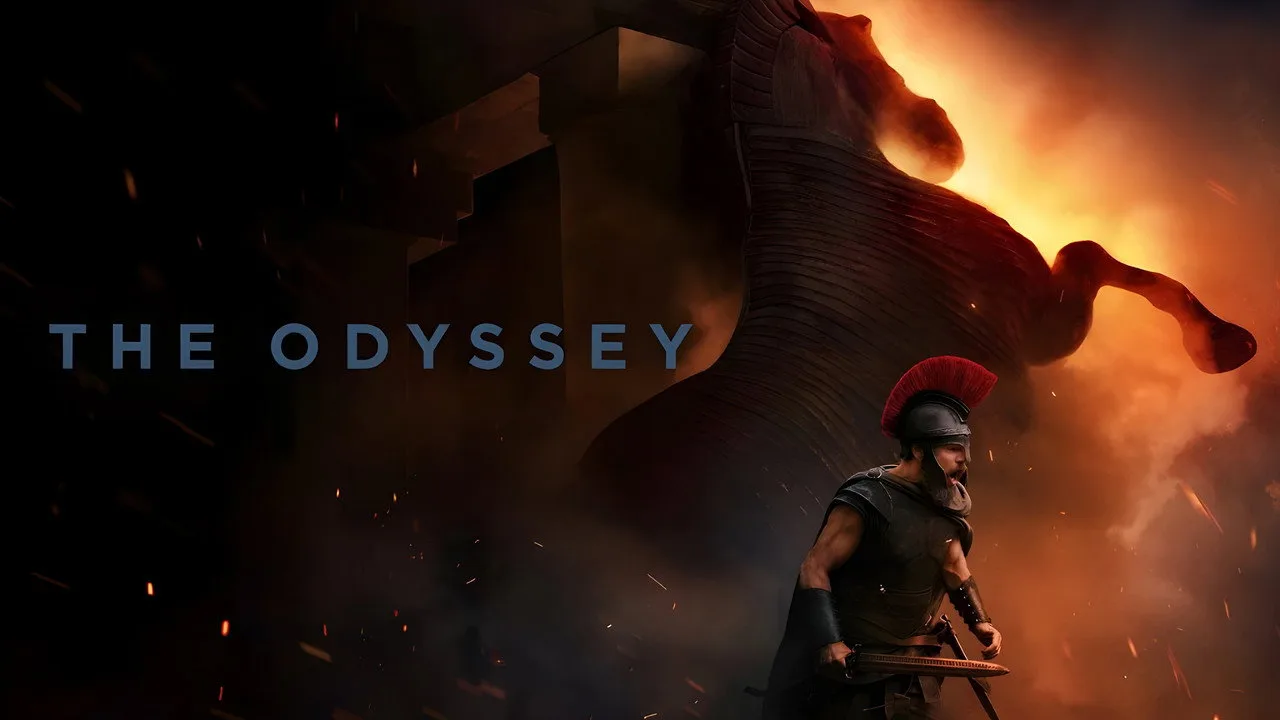

Key Takeaways
- First insight: Christopher Nolan’s “The Odyssey” is a masterful anti-war epic that reframes a 2,000-year-old legend for a divided 2026 world, with a final reveal that forces a complete re-reading of the entire film.
- Craft highlight: The practical prosthetic makeup work, particularly a transformation scene, is the most groundbreaking I have seen on screen since John Carpenter’s “The Thing,” and is a strong Oscar contender for the makeup department led by Louisa Abel.
- Industry context: The Bangkok IMAX screening was the most packed I have witnessed since the “Barbenheimer” phenomenon, signaling a massive public appetite for ambitious, auteur-driven blockbusters despite online controversies around casting and historical accuracy.
- Bottom line: Ignore the noise about diversity quotas and anachronistic costumes. This is Nolan’s most emotionally resonant and technically audacious film since “Memento,” and a vital cinematic experience that argues for peace over tribalism through its very structure.
This review of the Odyssey isn’t a difficult thing to write the morning after, because the film does not let you go. I saw Christopher Nolan’s “The Odyssey” last night in Bangkok on IMAX, and the cinema was full. It was the most packed theater I have seen since the Barbie and Oppenheimer double-feature summer of 2023. I go to the movies constantly. I did not see that many people in a single screening for a long while.
Need a Director for Your Next Project?
From commercials to branded campaigns—Olivier brings creative vision and technical expertise.
→ View ProjectsThe energy in the room was electric, a rare communal anticipation that you cannot fake. This is a review from a working director, a filmmaker who has spent 20 years on sets and in edit suites, and I am telling you: this is a masterpiece.
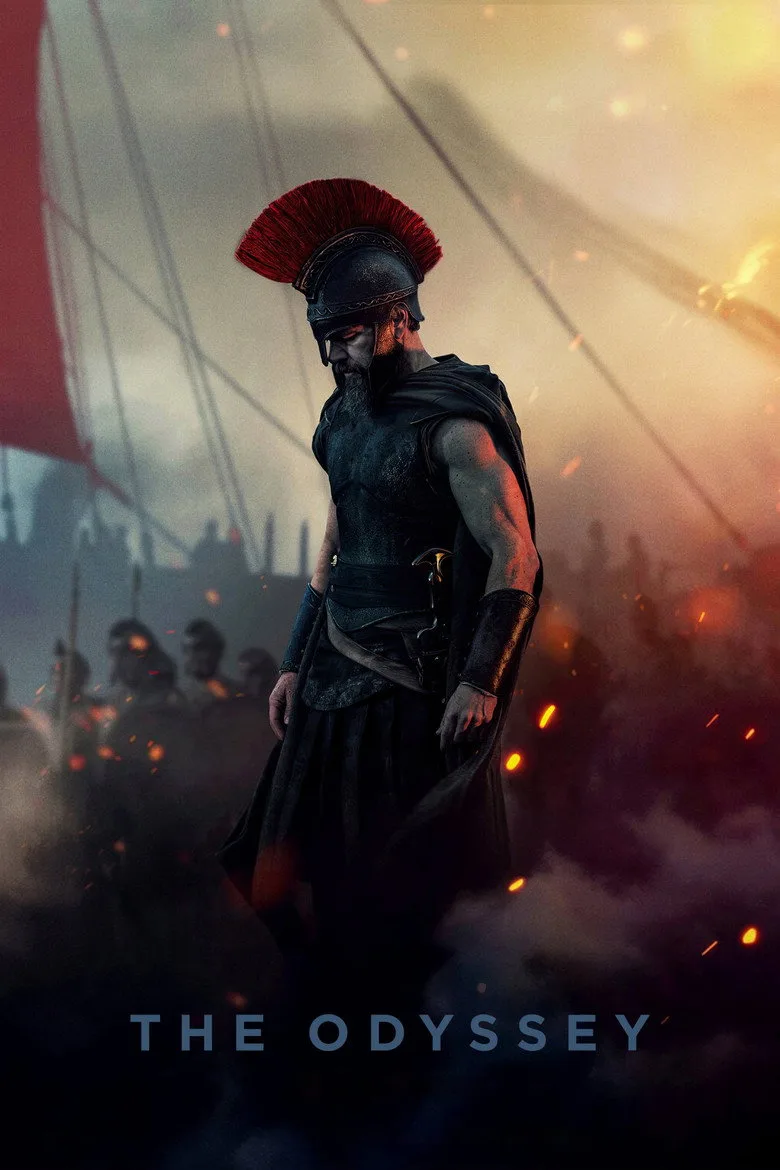
The Odyssey — By the Numbers
Christopher Nolan
2026-07-15
173 minutes
Adventure / Action / Fantasy
$250 million
$258 million
Universal Pictures · Syncopy
Defy the gods.
A Full House in Bangkok: Why This Crowd Mattered
The first thing you need to understand about The Odyssey is the context of the screening. I sat in a packed IMAX theater in Bangkok on a Sunday night. The audience was not a press crowd. It was regular people. Families. Couples. Students. They paid full price to see a three-hour epic about a Greek hero. That is a rare thing in 2026.
I have seen theater attendance decline steadily over the past decade. Streaming killed the mid-budget drama. Marvel fatigue has dented the superhero machine. But Nolan still fills seats. This was the most crowded I have seen a cinema since the Barbenheimer weekend in 2023. That tells you something about the trust audiences still place in a director who shoots on film and builds practical sets. The box office numbers this year keep proving the same point: people still show up when the event feels worth leaving the house for.

The crowd was silent for the first hour. Not a restless silence either, the kind where a room has actually committed to what it is watching. That is not a normal Sunday night in Bangkok. When the lights came up, people were talking it over with whoever they came with. I did the same with my friend. The film seemed to leave almost everyone changed in some way, and that is the power of something that demands your full attention.
From a director’s perspective, that is the hardest thing to achieve. You can make a film that is technically brilliant. You can make a film that is emotionally resonant. But to send a full house back out into the night still chewing on it? That is rare. Nolan did it with “Oppenheimer.” He did it again with “The Odyssey.”
The Anti-War Heart of The Odyssey
Let me be direct about the central thesis of this film. The Odyssey is an anti-war movie. That is not a subtle reading. It is the entire point of the final act. Nolan builds a story about a man trying to return home after a decade of slaughter, and he makes you feel the weight of every death.
I recently directed a film called “The Last Child,” which at its core also talks about the futility of violence in this violent world. So I recognize the theme when I see it executed at this level. Nolan’s Odysseus is not a hero in the classical sense. He is a traumatized soldier who has forgotten why he fought. The film argues that we have long forgotten the lessons learned during the battle of Troy.
We have repeated the same mistakes thousands of times, probably millions of times, over the centuries.
The final reveal in The Odyssey reframes the entire journey as a condemnation of war itself. It is a brilliant structural choice. You spend three hours watching a man struggle to return to his wife and son, only to realize that the real enemy was never the Cyclops or the Sirens. The real enemy was the war that sent him away in the first place.
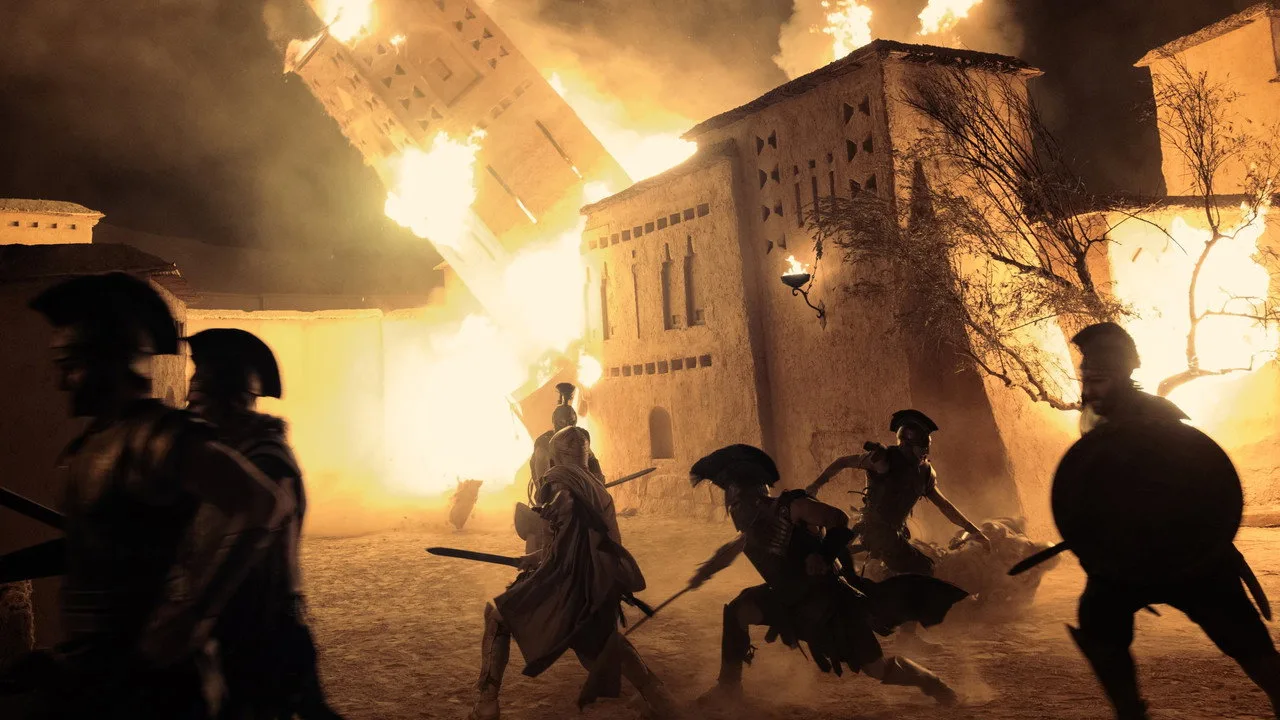
This is a message that resonates deeply in 2026. We are living in a dividing era of human history. Everything seems to be about physical and verbal violence. Our worlds are so divided. Tribalism is resurgent. The fact that there is so much controversy and debate around this film only proves Nolan’s point. He is holding a mirror to our deeply flawed nature through this old epic. And we are too busy arguing about casting to see it.
Casting Controversy: Why the Noise Misses the Point
There has been significant controversy around the casting of The Odyssey. Much of it centers on the diversity of the ensemble. Some critics argue that the Academy’s recent “quotas” have forced Nolan’s hand. Others say it is simply a reflection of the diversity that exists in America. I have read dozens of hot takes online. Most of them miss the point entirely, the same way the Han Solo casting backlash did. I wrote about this pattern at length in The Rage Economy: outrage is the product now, and a casting announcement is just cheap raw material for it.
I did not mind the casting this time. The film is partially a legend. It is not a documentary. The actors who were less expected for a movie about Greece were not overpowering the overall ensemble. The cast was still “reasonably realistic” if you consider that most of the actors were from America, if not everywhere but Greece. The performance quality was so high that the question of national origin became irrelevant within the first ten minutes.
The real controversy around historical accuracy extends to the costumes and artifacts. Some historians have pointed out that the outfits do not match the archaeological record. The boats are not hyper-realistic. I understand the criticism intellectually. But as a filmmaker, I know that historical accuracy is a tool, not a rule. You use it when it serves the story. You abandon it when it does not.
Nolan is not making a museum exhibit. He is making a myth. Myths are living things. They change with each telling. The Odyssey has been retold for more than 2,000 years. Every generation adds its own layer. Nolan’s version is no different. The diversity of the cast is a reflection of the world that is watching the film, not the world that lived it. That is a valid artistic choice.
Matt Damon’s Oscar-Worthy Odysseus
🎬 AI Render Pro Studio, the AI film production suite I built and use on my own productions. Script breakdown, storyboards, 30+ video models including Seedance 2.5 and Kling O3, image generation, retouch, 7K upscaling and audio, all in one browser workspace. $19/month flat, bring your own API keys and pay providers at cost, no credit packs, no markup. Try AI Render Pro Studio →
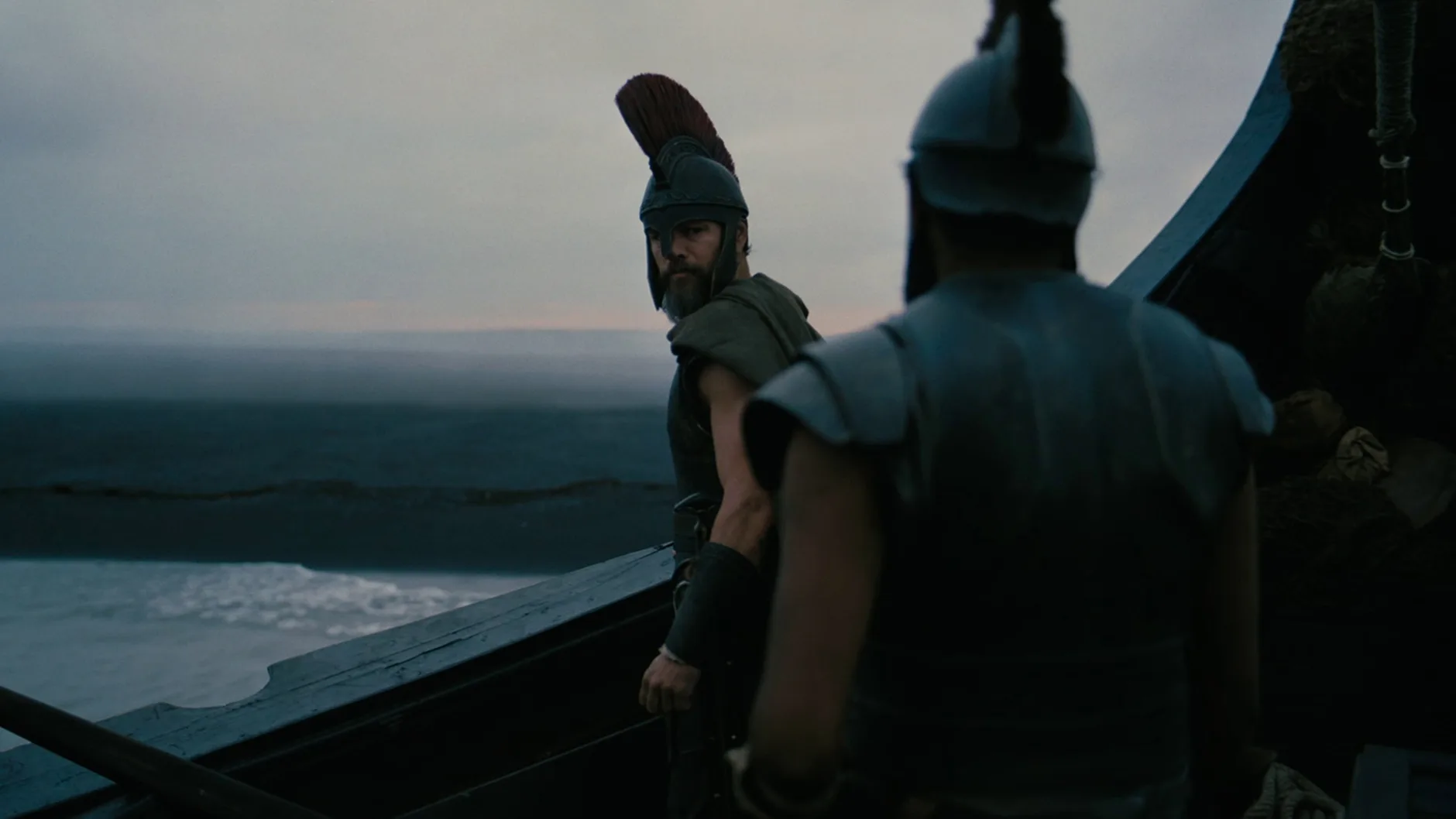
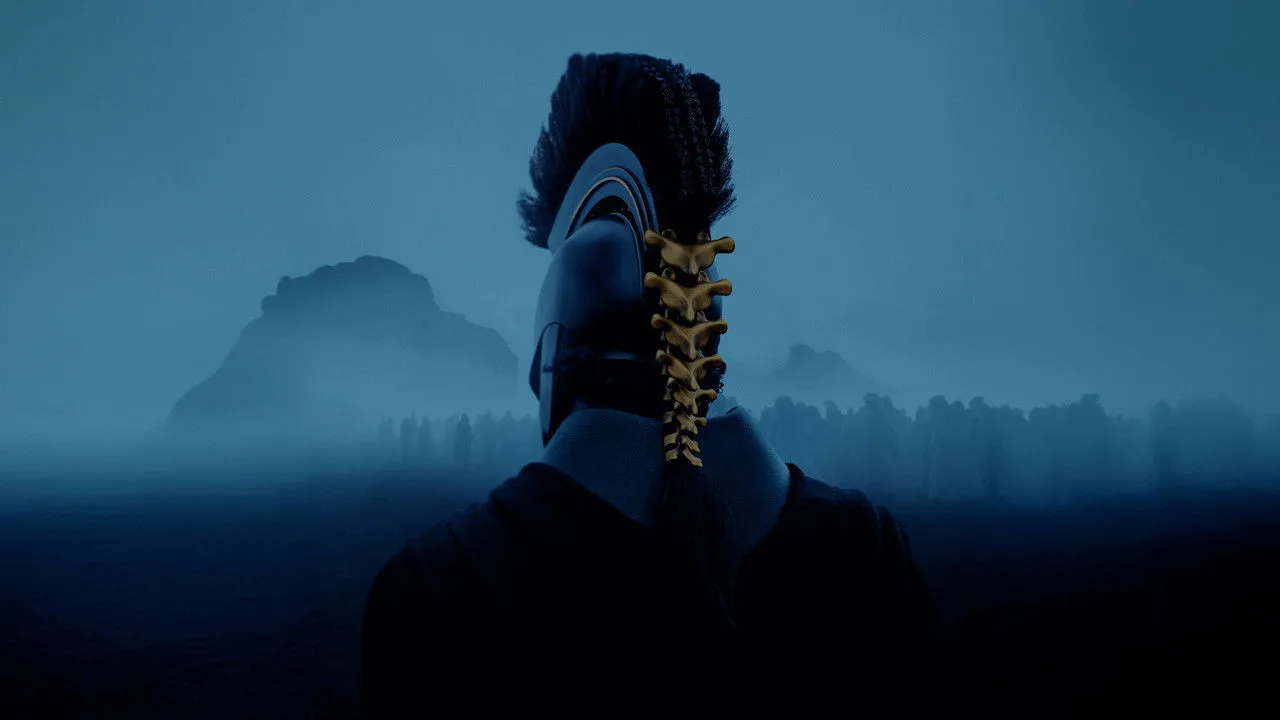
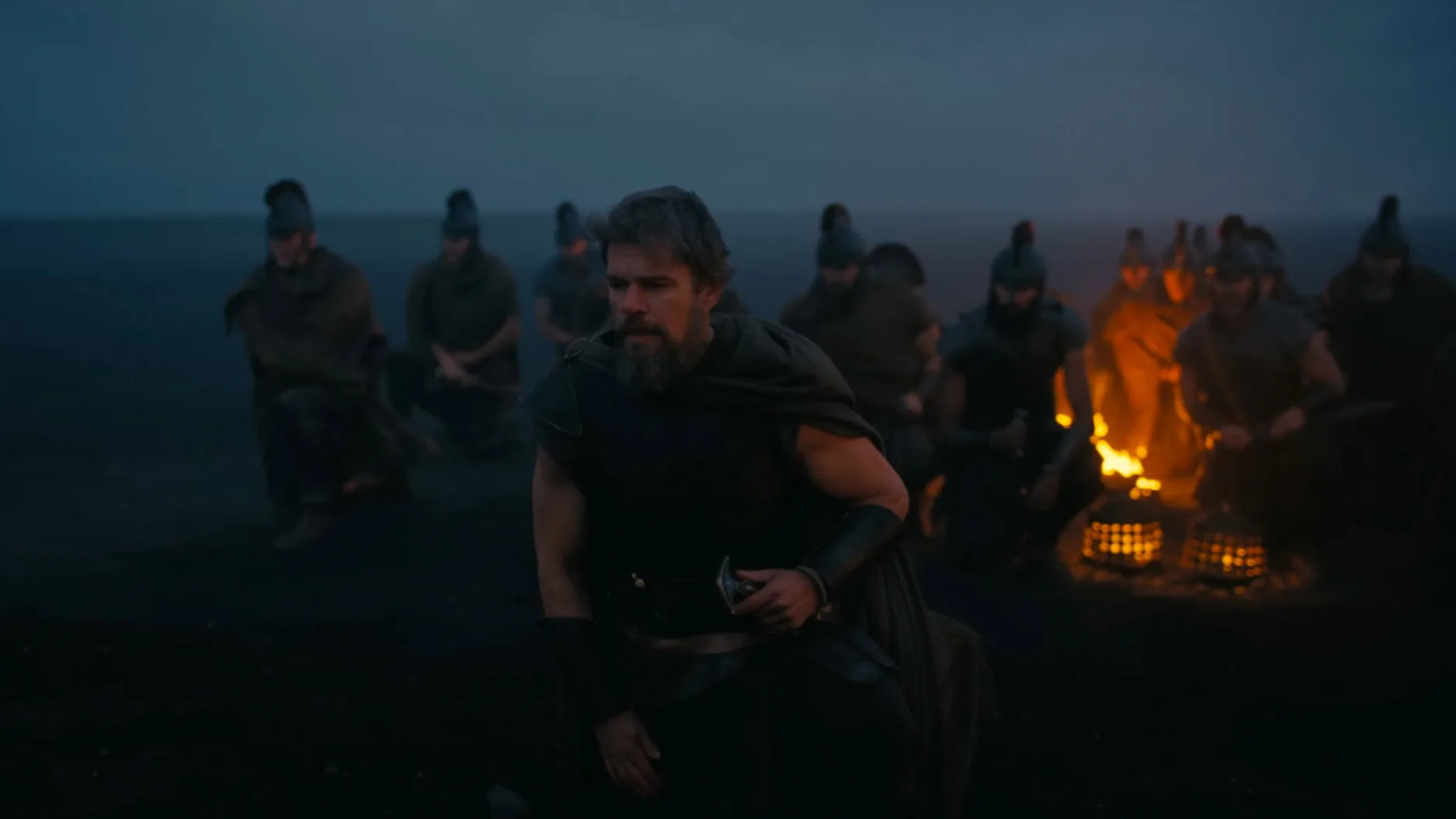
Matt Damon delivers the performance of his career in The Odyssey. I expect him to be running for an Oscar soon. He should be. His Odysseus is a man broken by war, desperate to return home, but incapable of leaving the violence behind. Damon plays the role with a physicality that is rare for him. He looks like a man who has spent ten years fighting. He moves like a man who expects an ambush around every corner.
The supporting cast is equally strong. Anne Hathaway brings a quiet dignity to Penelope. She is not just a woman waiting. She is a ruler holding a kingdom together while her husband is gone. Robert Pattinson delivers a great villain. He plays the role with a menace that is genuinely unsettling. Tom Holland as Telemachus, the son of Odysseus, brings a youthful energy that contrasts sharply with his father’s weariness.
But the performance that surprised me the most was John Leguizamo. I have watched his career for decades. I have never seen him work like this. His supporting role is the emotional anchor of several key scenes. He delivers lines that could have been melodramatic in another actor’s hands. He makes them feel like ancient truths. His performance is the one I loved the most, alongside Hathaway’s.
The ensemble works because Nolan trusts his actors. He gives them space to breathe. He does not cut away from their faces. He lets the camera hold on a reaction. That is a director’s choice. It is a choice that pays off in every scene.
The Prosthetic Makeup That Rivals John Carpenter
I need to talk about the prosthetic makeup in The Odyssey. I am a big fan of practical effects, the same reason Dune: Part Two still holds up on a big screen. My feature film project “Backpacker” will also need a lot of practical effects. So I was watching this film with a professional eye. I was looking for seams. I was looking for the telltale signs of silicone and foam latex. I found none.
The makeup department, led by Louisa Abel, has done something extraordinary. There is a transformation scene in The Odyssey that is the most groundbreaking prosthetic makeup work I have ever witnessed on screen. I watch almost one movie per day. I have been doing that for years. I have never seen anything like this.
It reminded me of the groundbreaking prosthetic makeup and practical effects used on the set of “The Thing,” directed by one of my idols, John Carpenter. The transformation in “The Thing” was a landmark in cinema history. It changed what was possible with practical effects. The transformation in The Odyssey is on that level. It is a technical achievement that will be studied by makeup artists for years.
The makeup department is most likely Oscar worthy, if not the winner. The prosthetics are not just about creating monsters. They are about creating characters. The Cyclops in this film is not a CGI creation. It is a practical suit with animatronic elements. The texture of the skin, the movement of the eye, the weight of the creature. It all feels real because it is real. That is the power of practical effects.
I suspect a lot of practical prosthetic makeup was involved in the making of this film. The boats, the creatures, the battle wounds. Everything has a tactile quality that digital effects cannot replicate. Nolan is one of the few directors who still insists on this approach. He is right to do so.
Three Hours of Immersion: The Boats and the World
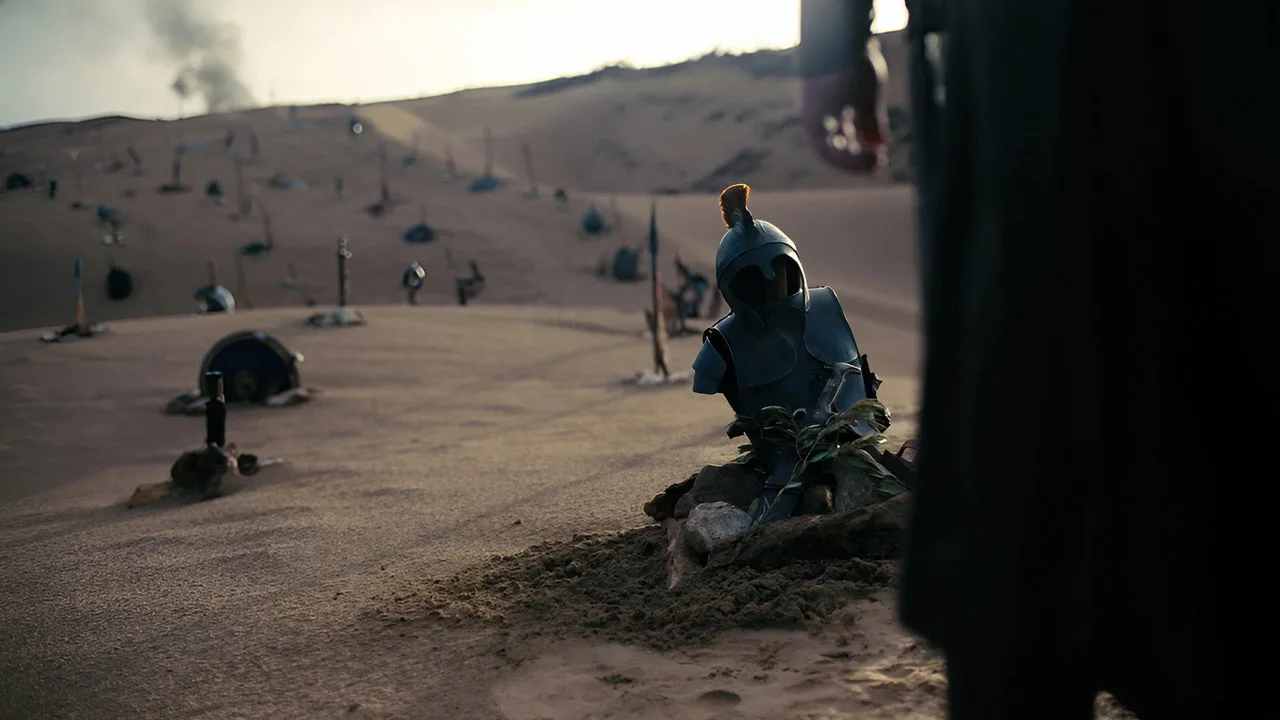
The Odyssey runs 173 minutes. That is nearly three hours. It did not feel long. It felt immersive. I did not feel the time passing. That is the highest compliment I can give a film.
The art department deserves enormous credit for this. The epic boat reconstructions are incredible. I suspect they were built practically. The wood, the ropes, the sails. Everything has a weight and texture that digital boats lack. You can feel the salt spray. You can hear the timbers creak. You are there.
The cinematography by Hoyte van Hoytema is, as expected, stunning. He shoots the Greek islands with a clarity that makes them feel both ancient and present. The IMAX format is used sparingly but effectively. The wide shots of the fleet sailing across the Aegean Sea are breathtaking. The close-ups of Damon’s face in the darkness are intimate.
The props and the overall brilliance of the art department create a world that is completely believable. Even if it is not hyper-realistic or historically accurate, it is a great pleasure to be immersed in that world. The attention to detail is extraordinary. The pottery, the weapons, the jewelry. Everything has a story.
From a director’s perspective, world-building at this level requires a massive team working in perfect coordination. Nolan has been doing this for decades. He knows how to manage a large crew. He knows how to communicate his vision. The result is a film that feels like a complete world, not a collection of sets.
Nolan’s Greatest Trick: The Reveal That Rewrites Everything
The most striking element of The Odyssey is the emotional reveal near the end. It is a moment that echoes backward through the entire film in a real Nolan fashion. It makes you reconsider many scenes. It makes you reconsider the entire story.
This is a technique Nolan has used before. “Memento” is built on a similar structural trick. The ending changes the meaning of everything that came before. But The Odyssey takes this to a new level. The reveal is not just a plot twist. It is a thematic recontextualization. It transforms the film from a hero’s journey into an anti-war statement.
I consider this film a masterpiece alongside “Memento.” That is high praise. “Memento” is one of the most structurally innovative films ever made. The Odyssey is not as structurally experimental in the same way. But it is just as ambitious in its storytelling. It uses the epic form to tell a story about the cost of violence.
The reveal works because Nolan has earned it. He has spent three hours building a world and a character. He has made you care about Odysseus. He has made you want him to get home. And then he shows you the truth. The truth is that home is not a place. It is a state of mind. And war destroys that state of mind forever.
I recommend you watch this film despite all the controversy. I wrote a previous article about “The Rage Economy.” I argued that we are living in such a dividing era of human history. Everything seems to be about physical and verbal violence. Our worlds are so divided. The Odyssey is a call against those divisions. It is a call against the resurgence of tribalism and deep-rooted violence.
Ludwig Goransson’s Score and the Sound of War
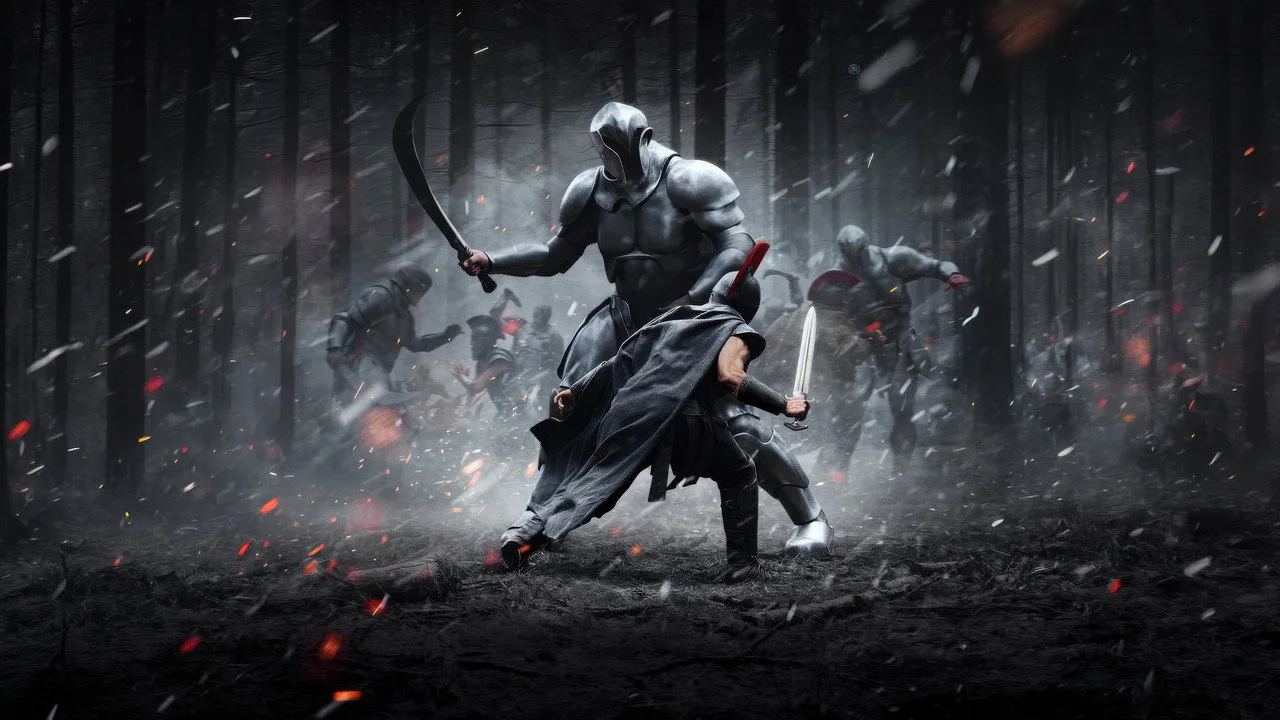
The score and sound design in The Odyssey are outstanding. That is expected for a Nolan film. He has always prioritized sound as a storytelling tool. But Ludwig Goransson has outdone himself.
The score blends ancient Greek instrumentation with modern orchestration. There are lyres and flutes alongside a full symphony orchestra. The result is a sound that feels both ancient and contemporary. It is a perfect match for the film’s themes.
The sound design is equally impressive. The battle scenes are loud and chaotic. The quiet moments are deafening in their silence. Nolan uses sound to create tension. He uses silence to create dread. The scene with the Sirens is a masterclass in audio manipulation. The voices are layered and distorted. They feel like they are coming from inside your head.
I have worked on sound design for my own films. I know how difficult it is to achieve this level of clarity and impact. The mix in The Odyssey is flawless. Every sound has a purpose. No sound is wasted.
The music by Ludwig Goransson is available on streaming platforms. I recommend listening to it after you see the film. It stands on its own as a piece of art. But it is best experienced in the context of the film, where it serves the story without overwhelming it.
If you want to see how much of this was built rather than rendered, the making-of below is worth the full runtime. It covers the practical builds, the ships, the prosthetics and the on-location shooting that the finished film keeps hiding in plain sight.
Watch it after the film, not before. What stands out is how little of the spectacle is post. The scale you feel in the theater was mostly earned on set, which is exactly why it survives an IMAX screen instead of falling apart on one.
Frequently Asked Questions
Is The Odyssey historically accurate?
No, and it does not try to be. The costumes, artifacts, and boats are not hyper-realistic or historically accurate. The film is a myth retold for a modern audience. Historical accuracy is sacrificed for emotional and thematic resonance. That is a valid artistic choice.
How long is The Odyssey?
The film runs 173 minutes, which is nearly three hours. It does not feel long. The pacing is excellent. The story is immersive. I did not feel the time passing. The length is justified by the scope of the story.
Is The Odyssey worth watching in IMAX?
Yes, absolutely. The cinematography by Hoyte van Hoytema is stunning. The wide shots of the Greek islands and the battle sequences are designed for the large format. The sound design is also more impactful in an IMAX theater. I saw it in Bangkok IMAX and the crowd was packed. It was the most crowded screening I have seen since the Barbenheimer era.
Will Matt Damon win an Oscar for The Odyssey?
I expect him to be nominated and he has a strong chance of winning. His performance as Odysseus is the best of his career. He plays a man broken by war with a physicality and emotional depth that is rare. The Academy has historically rewarded this kind of committed performance.
What is the main message of The Odyssey?
The film is an anti-war statement. The final reveal reframes the entire journey as a condemnation of violence and tribalism. Nolan argues that we have forgotten the lessons of the Trojan War. We have repeated the same mistakes for thousands of years. The film is a call for peace and humanity.
You can see more of my directorial work, including films like “The Last Child,” “The Passport,” “Kite,” “The Black Box,” “Wednesday,” “She is So Perfect,” “Backpacker,” “Dead Island,” and “Hide,” at herodirector.tv.
Cast and Crew
Key Crew
- Director: Christopher Nolan
- Screenplay: Christopher Nolan
- Cinematography: Hoyte van Hoytema
- Music: Ludwig Göransson
- Editor: Jennifer Lame
- Production Design: Ruth De Jong
Main Cast
- Matt Damon — Odysseus
- Tom Holland — Telemachus
- Anne Hathaway — Penelope
- Robert Pattinson — Antinous
- Lupita Nyong’o — Helen / Clytemnestra
- Charlize Theron — Calypso
- Zendaya — Athena
References and Further Reading
- The Odyssey on Wikipedia, production details, cast and release history.
- The Odyssey on TMDB, cast, crew, budget and box-office data.
- The Odyssey on IMDb, full credits and technical specs.
- Christopher Nolan on Wikipedia, director background and filmography.
Discover more from Olivier Hero Dressen Blog: Filmmaking & Creative Tech
Subscribe to get the latest posts sent to your email.

Work with Olivier
Director | CD | DP & Photographer
Specializing in commercials, music videos, AI-driven filmmaking, and cinematic storytelling for brands and production companies.
🌍 Shanghai · Paris · Los Angeles · Dubai
🎬 View Portfolio & Get in Touch