


Key Takeaways
- First insight, Tow delivers a raw, unflinching look at the systemic injustices faced by vulnerable populations, centered on one woman’s battle against a predatory tow bill.
- Craft highlight, Director Stephanie Laing, alongside cinematographer Vanja Černjul, employs a deliberate, unadorned visual style that prioritizes authenticity and emotional resonance over stylistic flourish, grounding the narrative in stark reality.
- Industry context, The film’s modest box office of $243,331 USD highlights the ongoing challenge for essential social dramas to find broad commercial traction, despite their critical importance in fostering dialogue.
- Bottom line, Rose Byrne’s compelling performance anchors Tow as a crucial dramatic work, exposing the brutal fragility of homelessness and the power of principle in the face of corporate exploitation.
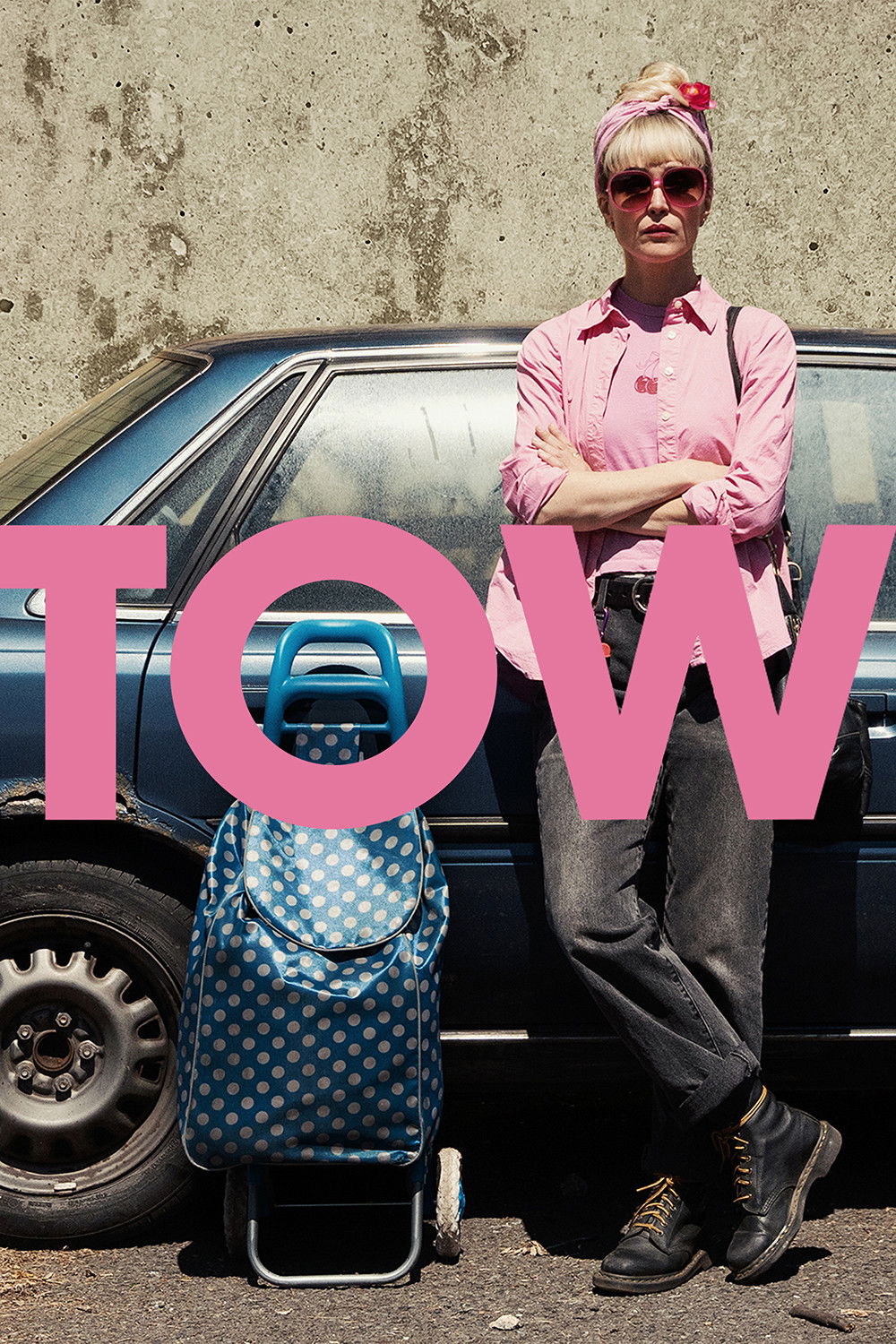
The film “Tow” released on March 20, 2026, presents a harrowing yet ultimately redemptive narrative centered on Amanda Ogle, a homeless woman in Seattle whose life spirals further into chaos after her car is impounded, leading to an exorbitant $21,634 tow bill.
Need a Director for Your Next Project?
From commercials to branded campaigns—Olivier brings creative vision and technical expertise.
→ View ProjectsDirected by Stephanie Laing and written by Jonathan Keasey, Brent Boivin, and Annie Weisman, this drama is not merely a story about a car; it is a profound exploration of corporate injustice, the precariousness of homelessness, and one individual’s fight for dignity. As a director who has spent decades crafting narratives, I recognize the immense courage required to tackle such raw, systemic issues without flinching, to portray the human struggle with an unvarnished lens.
Tow — By the Numbers
Stephanie Laing
2026-03-20
105 minutes
Drama
$243331
The Exchange · Cake or Death Pictures · Astro Lion Pictures
The Fight for a Car and a Life: Understanding the Core Conflict of Tow
The central conflict of Tow is stark: a woman, already at society’s margins, faces an insurmountable debt for the impoundment of her only asset. Amanda Ogle, portrayed by Rose Byrne, finds her 1991 Camaro, a vehicle worth very little in monetary terms, stolen and then subsequently subjected to a predatory tow. The resulting bill of $21,634 is not just a financial burden; it represents a complete blockage to any path forward for Amanda.
This scenario is a microcosm of larger systemic failures. For Amanda, the car is more than transportation; it is her home, her shelter, her last vestige of stability. Losing it, and then being presented with an astronomical bill to reclaim it, pushes her to the brink. The film meticulously details her year-long battle, highlighting the bureaucratic hurdles and the sheer emotional toll of fighting an entity designed to profit from vulnerability.

This narrative choice forces the audience to confront the arbitrary cruelties embedded within certain industries. The film’s focus on this specific tow incident serves as a powerful metaphor. It illustrates how easily someone can be trapped in a cycle of debt and despair when they lack resources and support. Amanda’s fight becomes a battle for principle, not just property.
She doesn’t sue for damages; she fights for the right to reclaim what was unjustly taken, a battle for basic human dignity.

Stephanie Laing’s Direction: A Lens on Reality
Stephanie Laing’s direction in Tow is characterized by its unflinching realism and emotional honesty. She opts for a visual language that feels almost documentary-like, avoiding ostentatious camera work or overly stylized shots. This approach ensures that the audience’s focus remains squarely on Amanda’s plight and the stark realities she faces. The film’s 105-minute runtime is utilized effectively, allowing the narrative to unfold with a deliberate, impactful pace.
From a director’s perspective, choosing this kind of visual restraint is a conscious and often difficult decision. It means trusting the story and the performances to carry the weight, rather than relying on cinematic spectacle. For a project like Tow, where the subject matter is so grounded in social reality, this choice is crucial. Any visual distraction would undermine the film’s core message, pulling the viewer away from the authentic struggle on screen.
Laing navigates the sensitive themes of homelessness and substance abuse with a delicate balance of empathy and directness. She doesn’t sensationalize Amanda’s trauma or her coping mechanisms. Instead, she presents them as integral parts of a complex human experience, inviting understanding rather than judgment. This directorial integrity is what elevates Tow beyond mere melodrama into a significant piece of social commentary.
Rose Byrne’s Portrayal of Amanda Ogle: A Study in Resilience
Rose Byrne delivers a truly transformative performance as Amanda Ogle, embodying the character with raw vulnerability and tenacious spirit. Known for her versatility across genres, Byrne sheds any semblance of glamour to portray a woman beaten down by life yet unwilling to surrender. Her portrayal captures the profound impact of long-term trauma and the desperate reliance on alcohol as a coping mechanism. Byrne’s performance is central to the film’s emotional weight.
She communicates Amanda’s desperation, her fleeting moments of hope, and her unwavering resolve through nuanced expressions and body language. The audience feels Amanda’s exhaustion, her frustration with a system that seems designed to fail her, and her quiet strength that emerges through sheer will. This is not a performance that seeks pity; it demands empathy and understanding.
As a director, guiding an actor through such an intense, physically and emotionally demanding role requires immense trust and a shared vision. Byrne’s commitment to portraying the harsh realities of Amanda’s existence, including the physical toll of living on the streets and battling addiction, is commendable. It grounds the film in an authentic human experience, making Amanda’s struggle feel deeply personal and universally resonant.
Crafting consistent character design in such a role demands a deep dive into the character’s psyche, which Byrne clearly embraced.
The Fragility of Homelessness and Corporate Injustice
Tow unflinchingly exposes the brutal fragility of homelessness and the systemic corporate injustices that prey on the most vulnerable. The film highlights a harsh reality: for many, especially in America, a single misstep or unforeseen circumstance can lead to losing everything. Amanda’s situation, where her car is her only shelter, reflects the lives of over half a million people experiencing homelessness in the U.S., a significant portion of whom live in their vehicles.
This staggering statistic underscores the film’s timely relevance. The narrative vividly illustrates how corporate entities, in this case, a towing company, can exploit legal loopholes and the desperation of individuals for profit. The $21,634 tow bill is not just an arbitrary figure; it represents a calculated mechanism designed to be impossible for someone in Amanda’s position to pay, effectively seizing her property.
This predatory practice is a critical element of the film’s critique of broader economic inequalities. The film serves as a powerful reminder that homelessness is not solely a consequence of individual choices but often a symptom of systemic failures and lack of safety nets.
It highlights the immense difficulty of climbing back up when one is at the absolute bottom, especially when faced with seemingly insurmountable financial obstacles created by entities with disproportionate power. For more context on the national scale of this issue, see reports from organizations like the National Alliance to End Homelessness.
Vanja Černjul’s Cinematography: Capturing the Gritty Truth
🎬 AI Render Pro Studio, the AI film production suite I built and use on my own productions. Script breakdown, storyboards, 30+ video models including Seedance 2.5 and Kling O3, image generation, retouch, 7K upscaling and audio, all in one browser workspace. $19/month flat, bring your own API keys and pay providers at cost, no credit packs, no markup. Try AI Render Pro Studio →
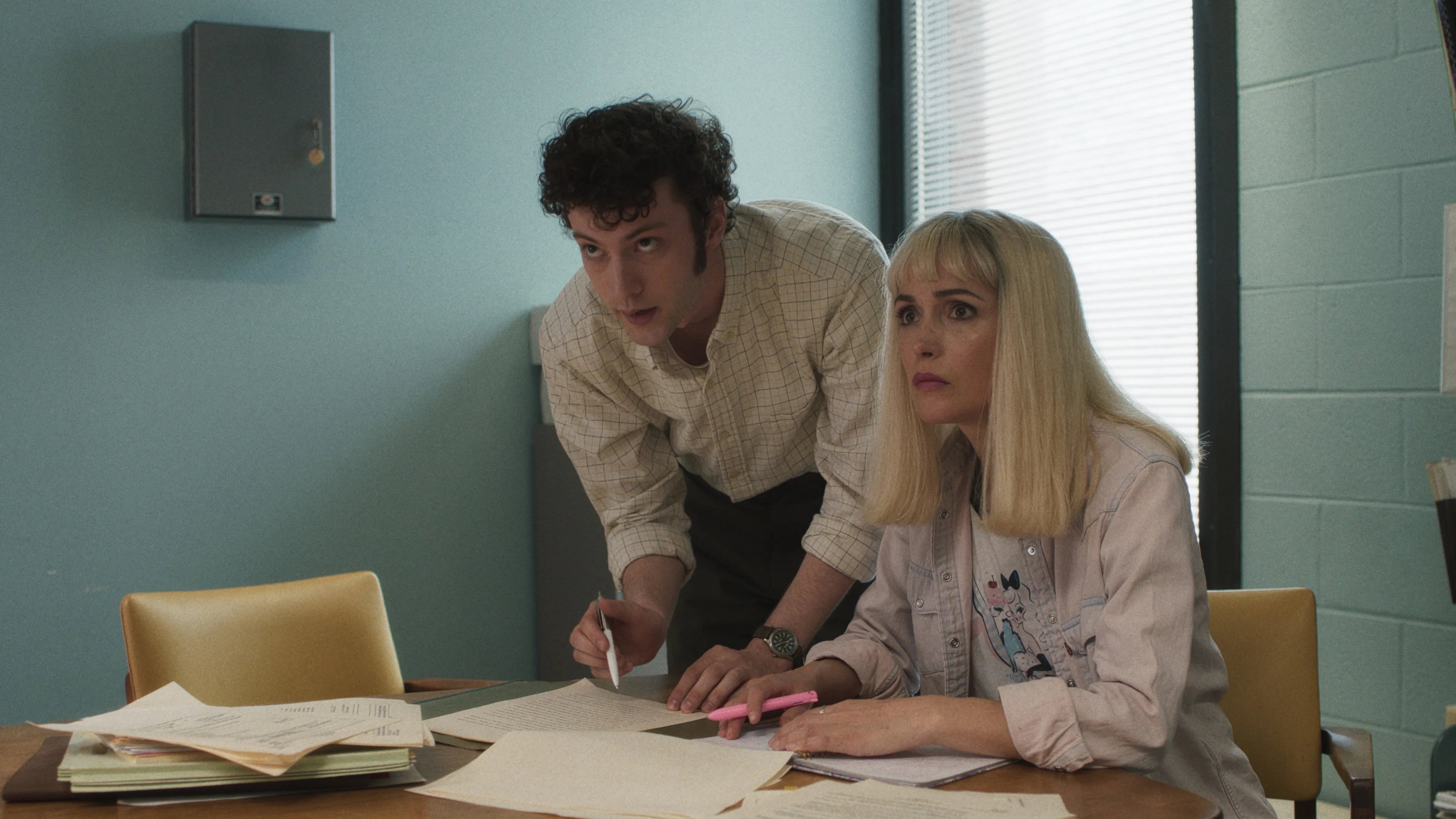
The cinematography by Vanja Černjul in Tow is a masterclass in understated visual storytelling. Rather than employing flashy techniques, Černjul opts for a raw, naturalistic aesthetic that mirrors the film’s commitment to realism. The camera work feels observational, allowing the audience to witness Amanda’s struggle without artificial embellishment.
This choice ensures that the visual style complements, rather than distracts from, the emotional core of the narrative. Černjul’s use of light and shadow effectively conveys the bleakness of Amanda’s circumstances, often utilizing available light to create a sense of authenticity in the urban landscape. The visual environment feels lived-in and unglamorous, reflecting the harsh realities of homelessness.
This deliberate lack of “groundbreaking visually” elements is precisely what makes the cinematography so impactful; it serves the story’s demand for unvarnished truth. As a cinematographer myself, I understand the discipline required to prioritize narrative authenticity over aesthetic flair. When shooting a brand film for clients like Nike or Cartier, the visuals are often designed to be aspirational and polished. But for a drama like Tow, the objective shifts entirely.
The goal is to capture genuine human experience, which often means embracing imperfections and finding beauty in the everyday struggle. Černjul achieves this by making the camera an empathetic observer, allowing the audience to connect directly with Amanda’s world.
Nathan Barr’s Score: The Emotional Undercurrent
Nathan Barr’s musical score for Tow plays a crucial role in shaping the film’s emotional landscape without ever becoming intrusive. His compositions subtly underscore the narrative, providing an emotional resonance that deepens the audience’s connection to Amanda’s journey. The music is never overbearing, instead working as a quiet companion to the visuals and performances, enhancing the film’s authenticity.
Barr’s score avoids the typical swells of dramatic music, opting for a more nuanced and melancholic tone that reflects Amanda’s internal state. It evokes a sense of loneliness and desperation, but also moments of quiet determination and hope. This judicious use of music ensures that the emotional impact comes primarily from the story and characters, with the score acting as an invisible hand guiding the audience’s feelings.
In film production, the music often dictates the audience’s emotional response. For a drama like Tow, where the goal is raw realism, the score must be handled with extreme care. An overly dramatic or manipulative score would betray the film’s grounded approach. Barr’s ability to create a powerful emotional undercurrent while maintaining this restraint is a testament to his understanding of the film’s core message and directorial vision.
The Writing Team: Crafting a Principled Battle
The screenplay for Tow, penned by Jonathan Keasey, Brent Boivin, and Annie Weisman, is a meticulously constructed narrative that balances individual tragedy with broader social commentary. The writers effectively build Amanda Ogle’s character, revealing her past trauma and current struggles with substance abuse as integral parts of her journey, not just plot devices. This depth allows for a more empathetic understanding of her predicament.
The narrative arc, centered on Amanda’s year-long legal fight, is particularly compelling because it emphasizes a battle for principle over monetary gain. Amanda’s refusal to settle for financial compensation, instead insisting on the return of her car and the acknowledgment of injustice, elevates the story beyond a personal vendetta. It transforms her struggle into a fight for basic rights, a stand against corporate exploitation.
The dialogue is authentic and grounded, reflecting the harsh realities of Amanda’s world and the bureaucratic language of the legal system. The writers avoid easy answers or simplistic resolutions, ensuring that the film’s conclusion, while triumphant for Amanda, still resonates with the broader, unresolved issues of homelessness and systemic inequality. Their commitment to a realistic portrayal of a complex legal and personal battle is a hallmark of the film’s strength.
Supporting Performances: Anchoring the Struggle

While Rose Byrne’s performance as Amanda Ogle is undeniably the anchor of Tow, the film benefits greatly from a strong ensemble cast that provides crucial support and additional layers to the narrative. Dominic Sessa, Demi Lovato, Simon Rex, and Elsie Fisher all contribute to the film’s gritty realism, portraying characters who interact with Amanda at various points in her challenging journey.
Each performance, no matter how brief, feels authentic and serves to deepen the audience’s understanding of Amanda’s isolated world. Dominic Sessa brings a quiet intensity to his role, representing potential allies or even just fellow travelers in the margins of society. Demi Lovato, in a dramatic departure from her public persona, delivers a performance that adds to the film’s raw authenticity, illustrating the diverse faces of those struggling with addiction or poverty.
Simon Rex, known for his charismatic roles, here presents a different facet, grounding the film in its stark environment. Elsie Fisher, a young actress with considerable talent, provides another perspective on the impact of Amanda’s situation on those around her. As a director, I know that even the smallest roles can significantly impact the overall texture of a film.
In a drama centered on a single character’s arduous journey, the supporting cast must provide believable interactions and reflections of the broader world. The casting in Tow is astute, bringing together actors who not only deliver strong individual performances but also collectively enhance the film’s commitment to portraying a complex, often harsh, reality.
The Predatory Nature of the Tow Industry
At the heart of Amanda Ogle’s struggle in Tow lies the predatory nature of certain practices within the tow industry. The film exposes how a routine vehicle impoundment can quickly escalate into an insurmountable financial burden, particularly for those with limited resources. The $21,634 bill for a 1991 Camaro, a car with minimal market value, is not an anomaly but a stark illustration of how fees, storage costs, and administrative penalties can compound rapidly.
This system often targets vulnerable individuals, effectively stripping them of their property. The film meticulously details the mechanics of this exploitation. Once a vehicle is towed, daily storage fees accrue, often at rates that far exceed the car’s actual worth. Coupled with initial towing fees, administrative charges, and potential legal costs, the total quickly becomes astronomical.
For someone like Amanda, who is already homeless and unemployed, paying such a sum is simply impossible. This creates a cycle where the towing company can then claim ownership of the vehicle, profiting from the owner’s inability to pay. This specific aspect of the narrative is crucial for understanding the film’s broader critique of corporate injustice. It’s not just about one bad actor; it’s about a system that allows and even incentivizes such predatory practices.
The film compels viewers to consider the ethical implications of a business model that thrives on the misfortune of others. For further reading on consumer protection issues related to vehicle towing, various government consumer protection agencies offer resources and advice.
A Call for Empathy and Systemic Change
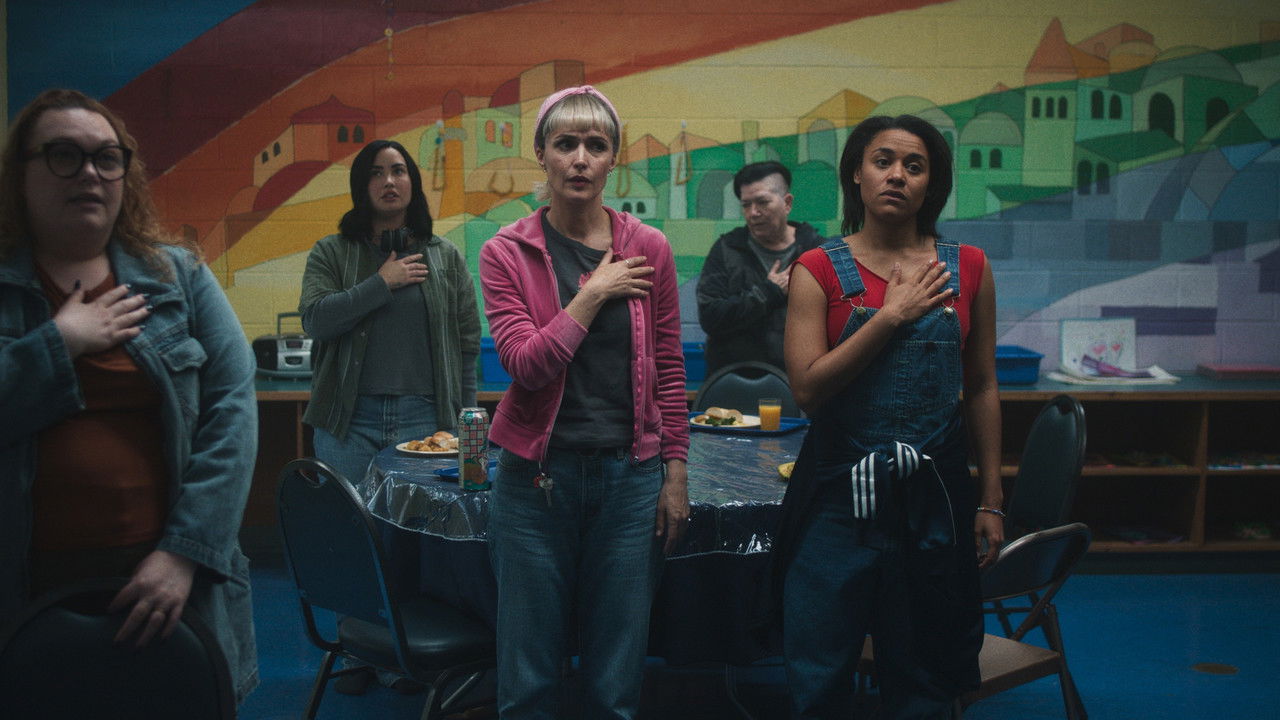
Tow is more than just a dramatic narrative; it functions as a powerful call for empathy and a critical examination of the need for systemic change. By placing an audience squarely in Amanda Ogle’s shoes, the film forces a confrontation with uncomfortable truths about poverty, addiction, and the often-invisible struggles of those on the margins.
It challenges preconceptions about homelessness, revealing its complex roots in trauma, economic precarity, and institutional indifference. The film’s emotional impact stems from its ability to humanize statistics. Amanda’s journey, from despair to defiant resilience, makes the abstract concept of “homelessness” tangible and deeply personal.
It underscores the importance of a justice system that protects the rights of all citizens, regardless of their economic standing, and the vital role of legal aid and community support. The intervention of a pro bono lawyer in Amanda’s case highlights the difference that dedicated individuals can make. The resonance of Tow lies in its ability to provoke thought and conversation long after the credits roll.
It prompts viewers to consider their own communities, the prevalence of similar injustices, and the collective responsibility to address the underlying causes of vulnerability. This kind of storytelling is essential for fostering a more just and compassionate society.
The Power of Drama: Film as Social Commentary
As a filmmaker, I firmly believe that drama, when executed with integrity, holds immense power as a form of social commentary. Tow exemplifies this principle, using the medium to shed light on critical societal issues that often remain unseen or misunderstood. Unlike documentaries, which rely on direct factual presentation, a compelling drama can immerse an audience in a character’s lived experience, fostering a deeper emotional connection and understanding.
A film like Tow moves beyond mere information delivery. It creates an emotional landscape where viewers can grapple with complex moral and ethical questions. It humanizes the statistics of homelessness and corporate injustice, making the abstract consequences of systemic failures palpably real. This immersive quality of drama can often be more effective in shifting perspectives and inspiring action than a purely factual presentation.
The film’s commitment to realism, from its cinematography to its performances, enhances its power as social commentary. It avoids sensationalism, instead presenting a nuanced portrayal of a challenging reality. This approach resonates deeply, proving that cinema can be a vital tool not just for entertainment, but for critical reflection and catalyzing important conversations about the world we inhabit.
It reminds us that some of the most profound stories are found in the struggles of everyday survival, a theme I often consider when developing projects using tools like AI Render Pro to visualize difficult scenes.
The Box Office Reality and Impact
Tow, despite its critical importance and compelling narrative, achieved a modest box office gross of $243,331 USD. This figure, while not indicative of mainstream commercial success, is a common reality for independent dramas that tackle challenging social themes.
Films of this nature often prioritize artistic integrity and thematic depth over broad commercial appeal, playing to niche audiences and finding their impact through critical acclaim and subsequent distribution channels rather than initial theatrical receipts. The financial performance of Tow highlights the ongoing challenges faced by films that deviate from traditional blockbuster formulas.
Marketing and distribution for such films are often constrained, making it difficult to reach a wide audience. However, the true measure of a film like Tow is not solely its box office; it is its ability to spark conversation, educate, and resonate with viewers on a deeper level. Its value lies in its contribution to public discourse and its lasting cultural impact. As a producer, I understand the delicate balance between creative vision and commercial viability.
While the box office numbers for Tow may seem small, they do not diminish the film’s artistic merit or its crucial message. Many impactful films, particularly those with strong social commentary, gain wider recognition and influence through streaming platforms, educational screenings, and film festivals long after their initial theatrical run. This demonstrates that a film’s “profit” can be measured in ways beyond just financial returns, including its societal contribution. For more insights into film economics, consider exploring resources on movie profits.
Cast and Crew
Key Crew
- Director: Stephanie Laing
- Screenplay: Jonathan Keasey, Brent Boivin, Annie Weisman
- Cinematography: Vanja Černjul
- Music: Nathan Barr
- Editor: Sarah Flack
- Production Design: Liz Toonkel
Main Cast
- Rose Byrne — Amanda
- Dominic Sessa — Kevin
- Demi Lovato — Nova
- Simon Rex — Cliff
- Elsie Fisher — Avery
- Corbin Bernsen — Martin LaRosa
- Ariana DeBose — Denise
References and Further Reading
- Tow on Wikipedia, production details, cast and release history.
- Tow on TMDB, cast, crew, budget and box-office data.
- Tow on IMDb, full credits and technical specs.
- Stephanie Laing on Wikipedia, director background and filmography.
Frequently Asked Questions
What is Tow about?
Tow is a drama film centered on Amanda Ogle, a homeless Seattle woman, who faces an overwhelming $21,634 bill after her stolen car is recovered and impounded. The film follows her year-long legal battle to reclaim her vehicle and her dignity.
Who directed Tow and who wrote it?
The film Tow was directed by Stephanie Laing. The screenplay was written by Jonathan Keasey, Brent Boivin, and Annie Weisman, who crafted the story of Amanda Ogle’s fight against corporate injustice.
Who are the main stars in Tow?
The primary star of Tow is Rose Byrne, who delivers a powerful performance as Amanda Ogle. The supporting cast includes Dominic Sessa, Demi Lovato, Simon Rex, and Elsie Fisher, all contributing to the film’s authentic portrayal of its characters.
What is the significance of the $21,634 tow bill in the film?
The $21,634 tow bill is central to the film’s theme of corporate injustice. It represents an insurmountable financial barrier designed to strip vulnerable individuals of their assets, highlighting how predatory practices can trap people in cycles of poverty and despair.
When was Tow released and how long is it?
Tow was released on March 20, 2026. The film has a runtime of 105 minutes, allowing for a thorough and impactful exploration of Amanda Ogle’s challenging journey.
Discover more from Olivier Hero Dressen Blog: Filmmaking & Creative Tech
Subscribe to get the latest posts sent to your email.

Work with Olivier
Director | CD | DP & Photographer
Specializing in commercials, music videos, AI-driven filmmaking, and cinematic storytelling for brands and production companies.
🌍 Shanghai · Paris · Los Angeles · Dubai
🎬 View Portfolio & Get in Touch