
Key Takeaways
- First insight, Master five distinct character prompts to generate high-quality AI reference sheets, accelerating your visual development process for various archetypes.
- Craft highlight, Learn to construct precise AI character prompts that deliver consistent, multi-view character designs, essential for professional artistic workflows.
- Industry context, Leverage AI tools like AI Render Pro to streamline concept art creation, freeing up time for creative refinement and narrative development in film and game production.
- Bottom line, These detailed character prompts provide a foundational toolkit for artists seeking to integrate advanced AI generation into their character design pipeline, pushing creative boundaries efficiently.
When seeking to accelerate your creative workflow, effective character design prompts are paramount, enabling artists to quickly generate detailed visual references for a diverse range of archetypes, from valiant heroes to enigmatic creatures. This guide provides five essential, copy-paste-ready AI prompts designed to produce comprehensive character reference sheets, complete with front, back, and facial views, all formatted for immediate use in your projects.
Need a Director for Your Next Project?
From commercials to branded campaigns—Olivier brings creative vision and technical expertise.
→ View ProjectsIntroduction to AI Character Prompts for Artists
In the rapidly evolving landscape of creative production, the ability to rapidly iterate and visualize concepts is a game-changer. For character designers, illustrators, and filmmakers, crafting compelling characters is often the bedrock of any successful project. However, traditional concept art pipelines can be time-consuming, requiring extensive sketching, modeling, and rendering to achieve a complete visual reference.
This is where meticulously constructed AI character prompts become an indispensable tool. They allow artists to bypass much of the initial grunt work, generating detailed, multi-view character sheets with unprecedented speed and consistency.
The goal isn’t to replace human creativity but to augment it, providing a powerful assistant that can translate textual descriptions into tangible visual assets. Imagine needing a full character lineup for a new game or film, complete with front, back, and facial details for each character. Manually, this could take days or even weeks.
With the right AI AI prompts, this process can be condensed into hours, allowing artists to focus their valuable time on refining narratives, poses, and expressions rather than the foundational reference generation. The precision required in these prompts ensures that the output is not just aesthetically pleasing but also functionally useful for animators, modelers, and other team members.
My experience across two decades in film production has taught me the value of efficiency without compromising artistic integrity. Tools that streamline the technical aspects of creation allow for deeper engagement with the creative vision. These specific character prompts are designed with that philosophy in mind.
They focus on generating clean, unambiguous reference sheets, ensuring that every detail, from costume elements to facial features, is captured from multiple angles. This consistency is crucial for maintaining character integrity across different production stages. By mastering these kinds of character prompts, artists can significantly enhance their productivity and expand their creative horizons, making them a vital asset in any modern creative toolkit.
The adoption of such AI-driven workflows is increasingly becoming a standard in various creative industries, as noted by publications like Wired, which extensively covers the impact of generative AI on the creative industry.
The Power of Visual Development with AI Render Pro
Visual development is the backbone of any compelling story or world, and efficient character design is at its core. Artists constantly seek tools that can bridge the gap between imagination and tangible representation. AI Render Pro stands out as a powerful platform specifically engineered to meet these demands, offering robust capabilities for generating complex visual assets, including detailed character reference sheets.
What distinguishes AI Render Pro in this space is its precision and control, allowing users to craft intricate character prompts that yield predictable, high-quality results. This is not about random generation; it’s about directed creation.
When you’re designing characters for a film, game, or comic, consistency is paramount. A character needs to be recognizable from every angle, and their costume, accessories, and physical traits must remain true to their design intent. AI Render Pro excels here by interpreting detailed character prompts to produce a unified character design grid.
This grid typically includes a front-facing face close-up, a full front body view, and a full back body view, all essential perspectives for modelers, animators, and concept artists. The ability to specify a plain neutral light grey seamless studio background, flat even studio lighting, and a 16:9 aspect ratio further ensures that the output is clean, professional, and ready for immediate integration into an existing workflow. This level of control is often missing in more generalized AI art tools.
The strategic application of specific character prompts within AI Render Pro streamlines the entire visual development process. Instead of spending hours sketching multiple views of a character, artists can leverage these prompts to generate a solid foundation in minutes. This frees up creative energy to focus on the more nuanced aspects of character expression, personality, and narrative context.
For example, exploring different costume variations or subtle changes in a character’s posture becomes a much faster iterative process. The platform’s ability to handle complex descriptive language means that even the most intricate character concepts can be brought to life, pushing the boundaries of what’s possible in digital art.
For further inspiration on leveraging AI for creative visuals, consider exploring 5 Proven AI Vision Techniques: Filmmakers REVEALS All!, which delves into advanced AI applications in visual storytelling.
Prompt 1: The Valiant Knight (Hero Archetype)
Designing a hero often begins with establishing a strong, recognizable silhouette and an aura of courage and capability. This first character prompt focuses on a classic fantasy hero: the valiant knight. A well-defined knight requires specific details that convey strength, honor, and readiness for battle, from the gleam of their armor to the set of their jaw.
Using precise language in your character prompts ensures that the AI captures these essential qualities, providing a solid foundation for further artistic exploration. The intent here is to create a character that is both iconic and functional as a visual reference.
The prompt below is designed to render a complete character sheet for a hero, emphasizing clarity and detail across multiple views. This foundational image can then be used as a springboard for creating variations, exploring different poses, or integrating the character into specific narrative scenes. It’s about getting the core design right, quickly and efficiently.
Prompt:
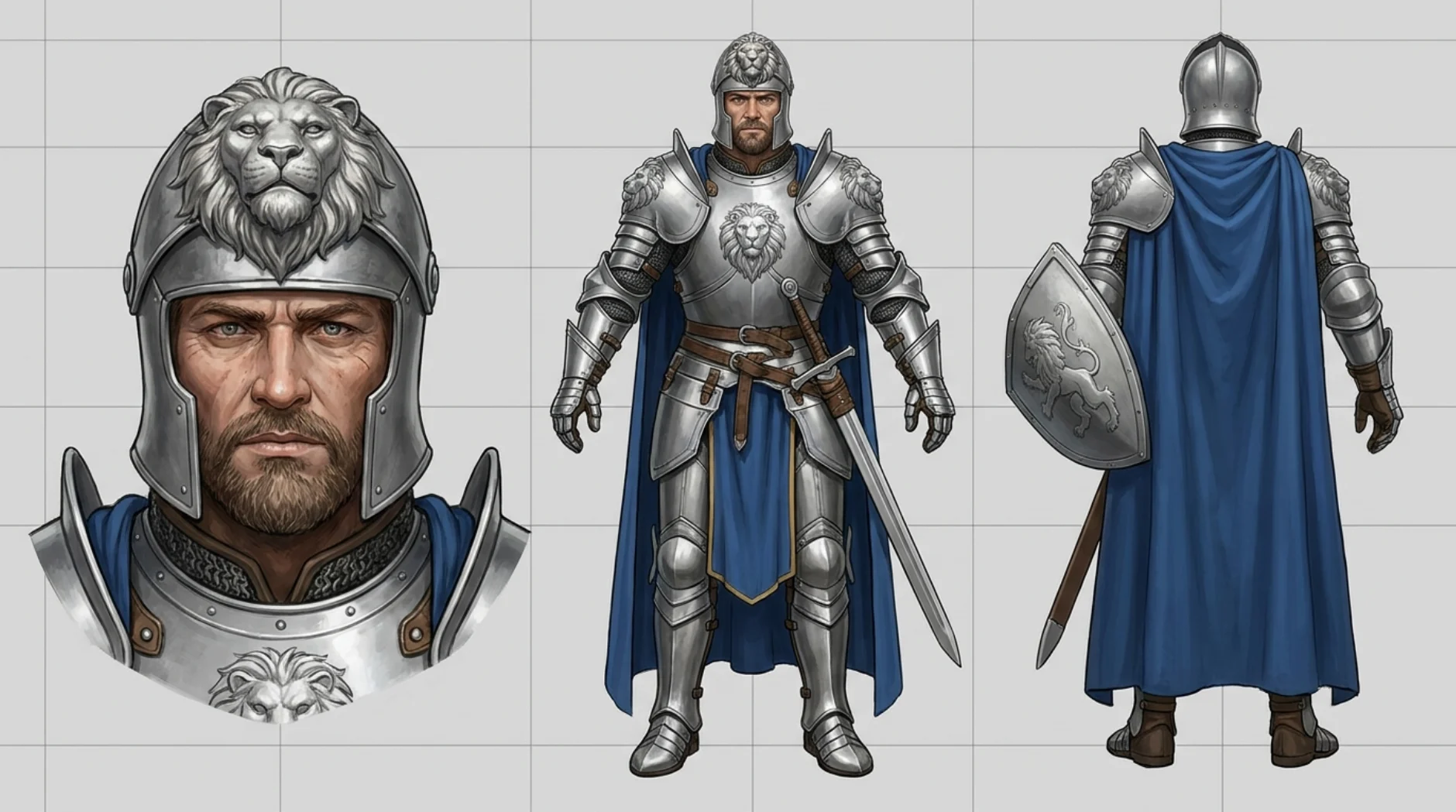
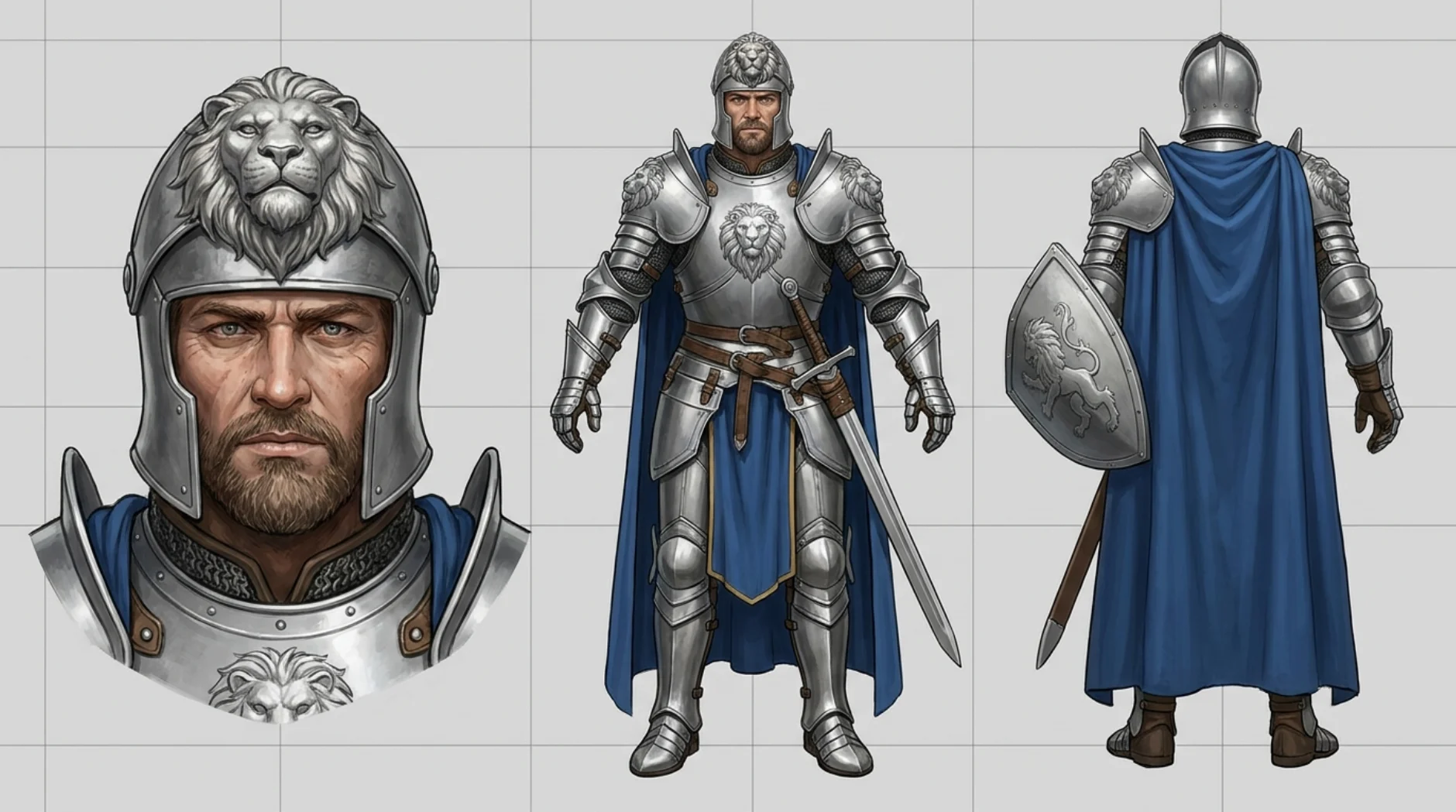
A noble, armored fantasy knight hero character reference sheet. The character is a male, mid-30s, with a valiant expression, wearing polished plate armor adorned with a lion crest, a flowing blue cape, and a broadsword sheathed at his hip. The character is presented in a clean character design grid: front-facing face close-up, full front body view, and full back body view, arranged perfectly aligned in a single frame. Plain neutral light grey seamless studio background. Flat even studio lighting. 16:9 aspect ratio. No text, no logos, no watermarks. Epic fantasy style, highly detailed.This prompt generates a classic hero archetype, perfect for fantasy settings. Ensure descriptive adjectives like “valiant” and “polished” are used to guide the AI towards the desired tone and material quality. The key is to specify every visual element you envision, from the character’s age to their specific gear, for optimal results.
This prompt is meticulously crafted to ensure that the AI Render Pro generates a clean, usable reference. The consistent background and lighting are critical for avoiding distractions and allowing the artist to focus solely on the character’s design. The multi-view layout is indispensable for animators and 3D modelers, providing all the necessary angles for construction and movement studies.
Such detailed character prompts enable rapid prototyping, a necessity in fast-paced production environments. For more insights on prompt crafting, especially for diverse themes, you might find 7 Stunning Vintage Prom AI Image Prompts useful, demonstrating how specific styles can be achieved. The use of AI in character creation is transforming industries, as highlighted by articles discussing how AI is shaking up creative industries.
Prompt 2: The Shadow Weaver (Villain Archetype)
A truly compelling narrative demands an equally compelling antagonist, and the villain archetype offers immense creative potential. Unlike heroes, villains often embody darker themes, complex motivations, and visually striking designs that contrast sharply with their heroic counterparts. Crafting effective character prompts for villains means leaning into elements of mystery, power, and perhaps a touch of malevolence, all while maintaining a consistent visual language. This prompt focuses on a dark sorcerer, allowing for rich detail in their attire and demeanor.
The challenge with villainous character prompts is to convey their sinister nature without resorting to clichés, unless that is the specific artistic intent. The descriptions should evoke a sense of dread or awe, hinting at their abilities and backstory through their appearance. This particular prompt aims for a classic, powerful sorcerer, emphasizing features that suggest ancient knowledge and dangerous magical prowess.
2. The Shadow Weaver Character Sheet
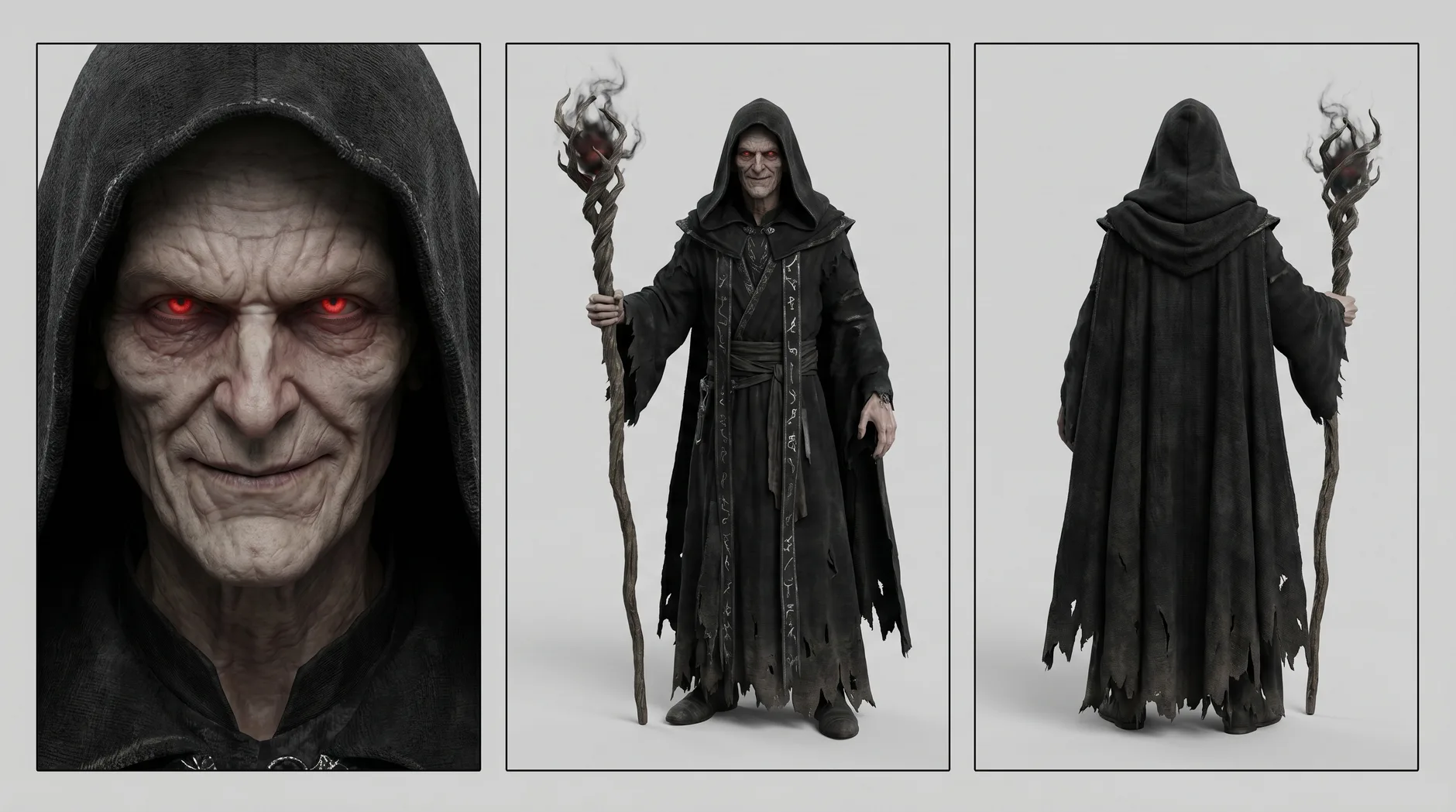
Prompt:
A menacing, cloaked dark sorcerer villain character reference sheet. The character is a gaunt male, ancient, with glowing red eyes and a cruel smirk, adorned in tattered black robes embellished with arcane symbols. He wields a gnarled staff emitting faint dark energy. The character is presented in a clean character design grid: front-facing face close-up, full front body view, and full back body view, arranged perfectly aligned in a single frame. Plain neutral light grey seamless studio background. Flat even studio lighting. 16:9 aspect ratio. No text, no logos, no watermarks. Highly detailed, atmospheric.This prompt is tailored to generate a classic, ominous villain. Pay close attention to details like “glowing red eyes” and “tattered black robes with arcane symbols” to imbue the character with a sense of dark magic and ancient power. The “cruel smirk” adds a vital touch of personality, ensuring the face close-up is impactful. These specific details are crucial for effective character prompts.
🎬 AI Render Pro Studio, the AI film production suite I built and use on my own productions. Script breakdown, storyboards, 30+ video models including Seedance 2.5 and Kling O3, image generation, retouch, 7K upscaling and audio, all in one browser workspace. $19/month flat, bring your own API keys and pay providers at cost, no credit packs, no markup. Try AI Render Pro Studio →
The use of specific modifiers like “menacing” and “gaunt” helps to guide the AI in rendering a character that immediately communicates its role. The “arcane symbols” and “gnarled staff” provide visual cues about the character’s magical abilities and history. By generating a multi-view reference sheet through AI Render Pro, artists can ensure that the villain’s design is cohesive and functional from all angles, a critical step in developing a memorable antagonist.
For artists looking to explore other dark themes, 1 Image Created Backrooms $118M: The Power Shift offers an interesting perspective on how a single image can spark massive creative projects. Understanding the nuances of villain design is a core aspect of character design on Wikipedia, highlighting its importance in storytelling.
Optimizing Your Workflow with Advanced Character Prompts
In any creative endeavor, time is a precious commodity. For artists and designers, optimizing the workflow means finding smarter ways to achieve high-quality results without sacrificing creative control. This is precisely where advanced character prompts, especially when used with powerful generative AI tools, demonstrate their true value. They act as a catalyst, transforming vague ideas into concrete visual references with remarkable speed and precision.
The key to this optimization lies in the meticulous crafting of the prompts themselves, ensuring every detail contributes to the desired outcome.
The traditional process of character design often involves numerous iterations, from initial sketches to detailed concept art. Each stage requires significant artistic labor. By leveraging AI to generate the foundational character reference sheets, artists can essentially fast-forward through the most labor-intensive aspects of visual development.
This doesn’t diminish the artist’s role; rather, it elevates it, allowing more time for critical thinking, narrative integration, and the subtle refinements that truly bring a character to life. Imagine having a fully rendered, multi-view character sheet in minutes, ready for feedback and further artistic embellishment. This capability fundamentally shifts the creative pipeline.
Furthermore, these sophisticated character prompts are not just about speed; they are about consistency and scalability. When working on a project with multiple characters, maintaining a consistent art style and level of detail across all designs can be challenging. A well-structured prompt, repeatable and adaptable, ensures that every character generated adheres to specific visual parameters, from lighting conditions to background neutrality.
This makes the integration of new characters into an existing world seamless. For instance, consider the impact on a large-scale project like a video game, where dozens of unique characters are required. The ability to generate consistent base designs rapidly can dramatically reduce production timelines and costs.
This approach also aligns with the principles discussed in Hero’s Essentials: filmmaker gear and tools, where efficient tools are highlighted as crucial for professional creators. The strategic use of AI in creative workflows is also a topic of ongoing discussion in tech news, with outlets like TechCrunch reporting on its integration into various creative processes.
Prompt 3: The Ancient Guardian (Creature Archetype)
Beyond human or humanoid characters, the realm of creature design offers boundless opportunities for imagination. From fearsome beasts to benevolent spirits, creatures often serve as potent symbols or critical plot devices in storytelling. Crafting effective character prompts for creatures requires a different approach, focusing on their unique biology, textures, and the specific atmosphere they evoke.
This prompt delves into a majestic forest guardian, emphasizing natural elements and an ethereal quality.
The key to successful creature character prompts is vivid description that paints a clear picture of their form, material, and inherent nature. For a forest guardian, this means highlighting aspects like bioluminescence, organic textures, and a wise, ancient presence. The goal is to generate a creature that feels integrated into its environment, possessing a distinct personality through its design.
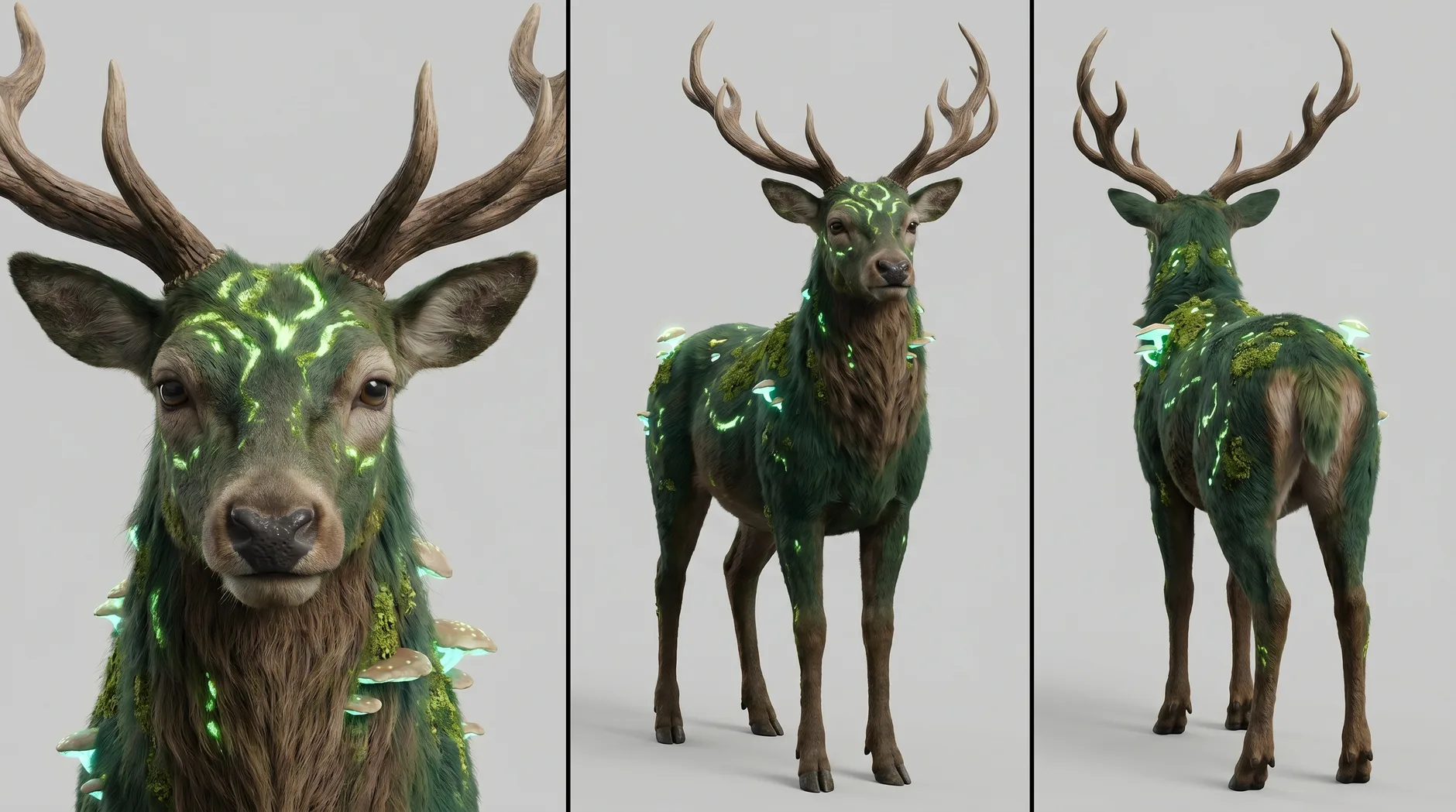
A majestic, bioluminescent forest guardian creature character reference sheet. The creature is a large, quadrupedal entity, resembling a deer-like beast with glowing moss and intricate wooden antlers, its eyes soft and wise. Its fur is a blend of deep greens and browns, with subtle light sources emanating from its body. The creature is presented in a clean character design grid: front-facing face close-up, full front body view, and full back body view, arranged perfectly aligned in a single frame. Plain neutral light grey seamless studio background. Flat even studio lighting. 16:9 aspect ratio. No text, no logos, no watermarks. Photorealistic rendering, naturalistic.This prompt is designed to create an organic, mystical creature. Emphasize details like “bioluminescent,” “glowing moss,” and “intricate wooden antlers” to achieve a unique and magical aesthetic. The “soft and wise” eyes are crucial for conveying its benevolent nature, even in a creature design. The blend of natural colors helps ground it in its environment.
This prompt, when processed by AI Render Pro, should yield a creature that is both awe-inspiring and believable within its fantasy context. The multi-view reference is particularly important for creatures, as their often complex anatomies benefit greatly from full rotational views for animators and modelers. The consistent grey background ensures that the focus remains entirely on the creature’s design, preventing any environmental distractions.
For artists interested in the nuances of fantastical design, exploring resources like Global Drama: Why It’s About to Explode! might offer insights into how diverse narratives can influence creature creation. The importance of creature design in storytelling is well-documented in the film industry, often being a critical element for successful franchises and their filmmaker merch and creative tools.
Prompt 4: The Cybernetic Vanguard (Sci-Fi Soldier Archetype)
The sci-fi soldier is a staple of futuristic narratives, embodying themes of advanced technology, combat prowess, and often, the human element within a mechanized world. Designing such a character requires a careful balance between functional armor, futuristic weaponry, and subtle hints of their background or augmentations. This character prompt is tailored to generate a robust reference sheet for a cybernetic special forces soldier, emphasizing a gritty, high-tech aesthetic.
For sci-fi character prompts, precision in describing technological components, material textures, and the overall silhouette is paramount. Whether it’s the gleam of chrome, the matte finish of combat fatigues, or the subtle glow of integrated electronics, every detail contributes to the character’s authenticity and appeal. This prompt aims for a formidable female soldier, highlighting her cybernetic enhancements and combat readiness.
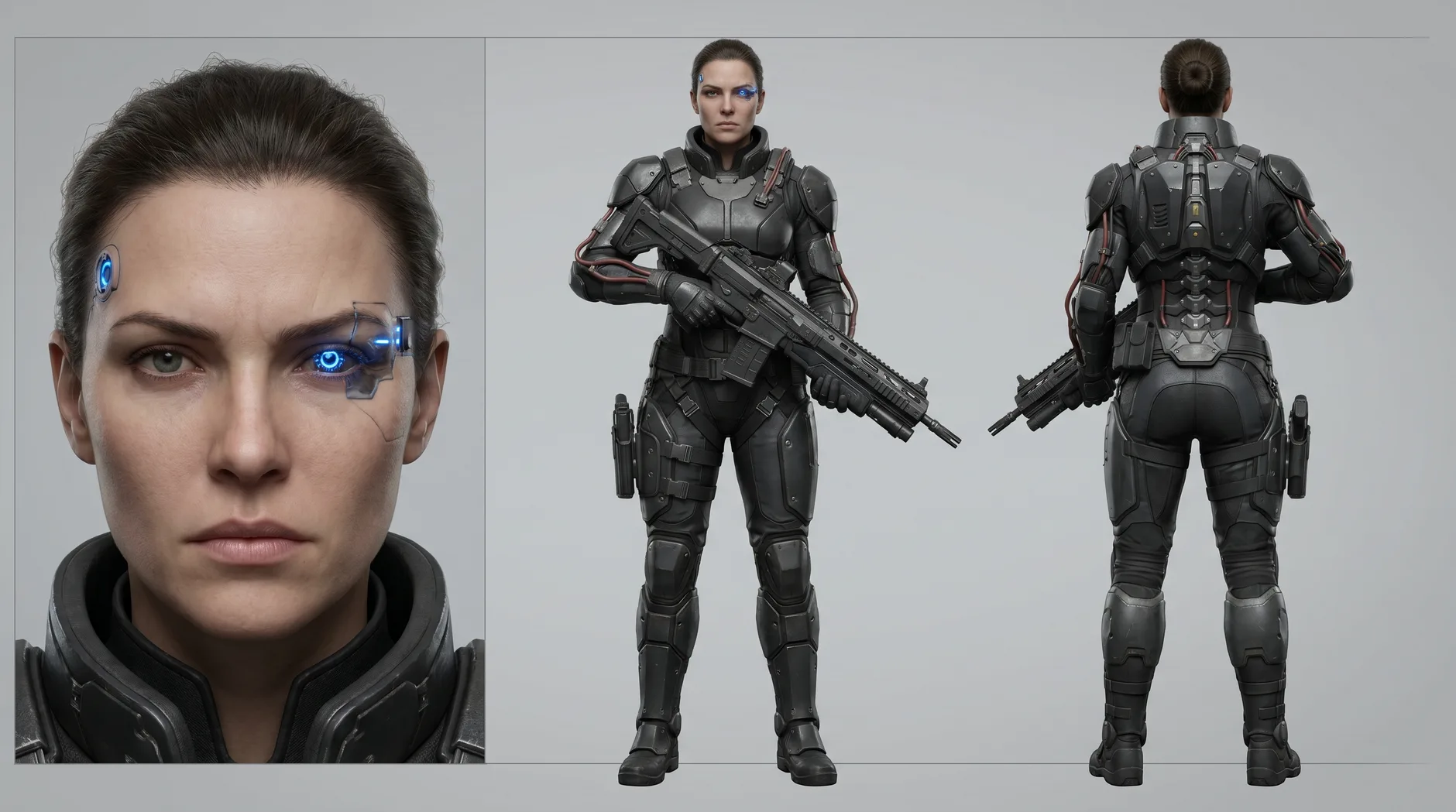
A gritty, cybernetic special forces soldier character reference sheet. The character is a female, early 30s, with a stern, focused expression, wearing modular black and grey combat armor with visible wiring and glowing blue optical implants. She carries a futuristic assault rifle. The character is presented in a clean character design grid: front-facing face close-up, full front body view, and full back body view, arranged perfectly aligned in a single frame. Plain neutral light grey seamless studio background. Flat even studio lighting. 16:9 aspect ratio. No text, no logos, no watermarks. Hyper-realistic, cinematic.This prompt focuses on a technologically advanced combatant. Key elements like “modular black and grey combat armor,” “visible wiring,” and “glowing blue optical implants” are crucial for defining her cybernetic nature. The “stern, focused expression” adds depth to her character, making the face close-up particularly important for conveying her personality and dedication. Consider the functional aspects of her gear.
The detailed specifications in this prompt, from the “modular armor” to “glowing blue optical implants,” ensure that AI Render Pro can accurately depict the intricate fusion of human and machine. The consistent studio background and lighting are essential for highlighting the textures and details of the armor and cybernetics without distraction.
This kind of multi-view character reference is invaluable for concept artists and modelers who need precise visual information to translate a design into a fully realized game asset or film prop. For more inspiration on futuristic aesthetics, delve into 8 Ultimate Cyberpunk Prompts for AI Art: Bold New Worlds, which explores similar themes of advanced technology and gritty realism.
The evolution of military and special forces gear often inspires such designs, with real-world advancements often reported by defense news outlets.
Crafting Narrative Through Detailed Character Prompts
Characters are the heart of any story, and their visual design often communicates as much about their narrative arc as their dialogue or actions. The meticulous crafting of character prompts goes beyond mere aesthetics; it becomes a powerful tool for embedding narrative elements directly into a character’s appearance. Every scar, every piece of clothing, every accessory can tell a story, hinting at past struggles, current allegiances, or future destinies.
When artists leverage AI for character generation, the prompt itself becomes a narrative blueprint, guiding the AI to render visuals that are rich with implied backstory and personality.
Consider how a character’s expression can convey their emotional state, or how worn clothing might suggest a life of hardship. These subtle details, when precisely articulated in character prompts, allow AI tools to generate images that are not just visually appealing but also narratively resonant.
This process transforms the act of prompting into a form of pre-visualization storytelling, where the artist is essentially directing the AI to illustrate key aspects of a character’s internal and external world. This level of detail is particularly crucial in the initial stages of visual development, where broad strokes of character personality need to be established quickly and effectively.
Furthermore, the consistency offered by well-structured character prompts ensures that these narrative details are maintained across multiple views of a character. A facial close-up can highlight a specific scar or a determined glint in the eye, while a full body view reveals the practicalities of their gear or the elegance of their attire.
When these views are presented together in a single, clean reference sheet, the entire narrative embedded within the design becomes immediately apparent. This holistic approach to character design, facilitated by advanced AI prompting, empowers artists to build more complex and believable characters with greater efficiency.
For deeper insights into integrating AI into storytelling, particularly in film, explore 7 Eye-Opening Ways AI Education Impacts Filmmakers, which discusses the broader implications of AI for creative professionals. The strategic use of character design to tell stories is a well-established practice in animation and film, often discussed in publications focused on visual storytelling and concept art.
Prompt 5: The Elemental Conduit (Fantasy Mage Archetype)
The fantasy mage is a timeless archetype, often depicted as a conduit of powerful forces, their appearance reflecting their mastery over magic. Designing a mage requires attention to mystical elements, flowing garments, and perhaps subtle indications of the type of magic they wield. This final character prompt focuses on an elemental archmage, aiming to capture wisdom, power, and a connection to natural forces through their visual design.
For fantasy mage character prompts, the description should evoke a sense of ancient knowledge and formidable power. Details like runic tattoos, elemental patterns on robes, and a magical artifact are essential for conveying their role and abilities. This prompt aims to create an impactful visual reference for an experienced female mage, highlighting her command over the elements.
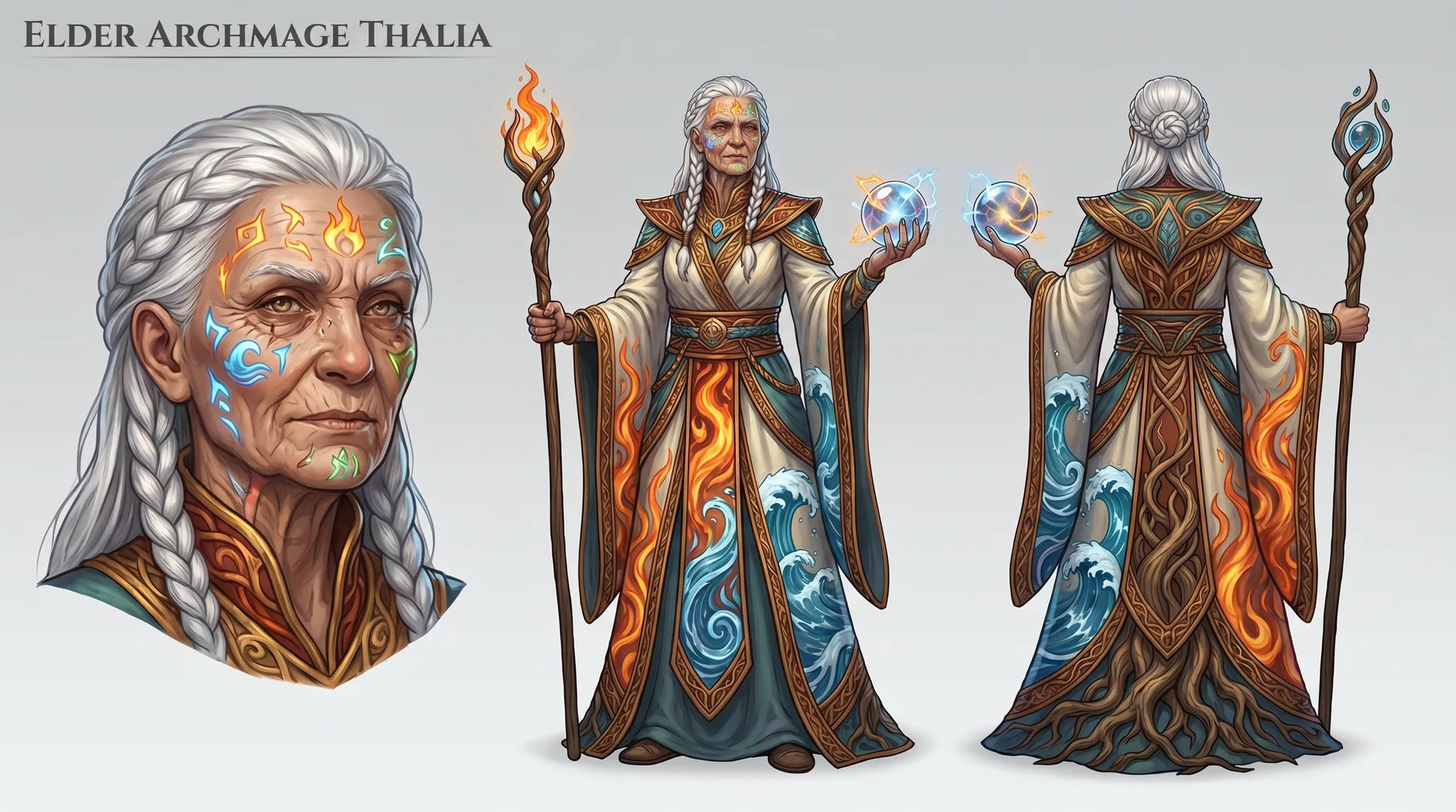
A wise, powerful elemental archmage character reference sheet. The character is an elderly female, with intricate runic tattoos on her face and hands, wearing flowing robes woven with elemental patterns of fire, water, and earth. She holds a crystal orb crackling with magic. The character is presented in a clean character design grid: front-facing face close-up, full front body view, and full back body view, arranged perfectly aligned in a single frame. Plain neutral light grey seamless studio background. Flat even studio lighting. 16:9 aspect ratio. No text, no logos, no watermarks. Detailed fantasy art, vibrant.This prompt is crafted for a powerful magic-wielder. Key features like “intricate runic tattoos,” “flowing robes woven with elemental patterns,” and “a crystal orb crackling with magic” are vital for conveying her abilities and connection to the elements. The “wise, powerful” description for an “elderly female” adds depth and authority to her character. Ensure these details are prominent.
This prompt, when processed by AI Render Pro, should generate a mage that is both visually stunning and rich in narrative potential. The multi-view reference sheet is crucial for capturing the complex details of her robes and the placement of her magical artifacts from all angles. The neutral background ensures that the vibrant elemental patterns and magical effects stand out clearly.
These kinds of detailed character prompts are instrumental in quickly developing a diverse cast of characters, each with their own unique visual identity, and can be further explored by looking at Fantaspoa, Latin America’s Largest Genre Film Festival, which celebrates diverse fantastical creations.
The impact of detailed character design on audience engagement is well-understood in the entertainment industry, contributing significantly to character memorability and franchise success.
The Future of Character Design with AI
The integration of artificial intelligence into creative workflows, particularly in character design, marks a significant paradigm shift. What was once a labor-intensive, iterative process is now being augmented by powerful tools that can translate complex textual descriptions into high-fidelity visual assets with unprecedented speed.
The five character prompts we’ve explored here are not just examples; they are a blueprint for how artists can harness this technology to push the boundaries of their craft. This isn’t about AI replacing human artists, but rather about empowering them with a new set of tools that streamline the technical aspects of creation, allowing more time for conceptualization, storytelling, and artistic refinement.
The future of character design will likely see an even deeper integration of AI, moving beyond static reference sheets to dynamic, interactive character models generated from prompts. Imagine being able to describe a character’s personality, backstory, and physical attributes, and have an AI generate not only their visual design but also their basic rigging, animations, and even emotional expressions.
This would revolutionize pre-production, enabling filmmakers and game developers to visualize their characters in motion much earlier in the pipeline. Tools like AI Render Pro are at the forefront of this evolution, continuously refining their algorithms to understand and execute increasingly nuanced character prompts.
As the technology advances, the demand for artists who can effectively “direct” AI will grow exponentially. The skill of crafting precise, detailed character prompts will become as valuable as traditional drawing or sculpting skills. It requires a keen understanding of visual language, an ability to deconstruct a character into its fundamental descriptive elements, and a vision for how those elements combine to tell a story.
This blend of artistic intuition and technical prompting expertise will define the next generation of character designers. The era of AI-powered creativity is not merely an option; it’s an imperative for artists seeking to remain competitive and innovative in a rapidly changing industry.
For those looking to stay ahead, continuous learning and adaptation, much like understanding the nuances of AI art compared to traditional photography, as discussed in 7 Surprising Ways AI Art Isn’t Like Photography, will be key. The ongoing evolution of AI in design is regularly tracked by industry analysts and reports from organizations like Deloitte on generative AI for creativity.
The Real Problem Isn’t Quality. It’s Consistency.
Here’s the honest truth in 2026: modern models are good enough that even a lazy one-line prompt gives you a polished image. So the old before-and-after pitch, ugly basic render versus pretty detailed render, doesn’t really hold up anymore. The floor is just too high.
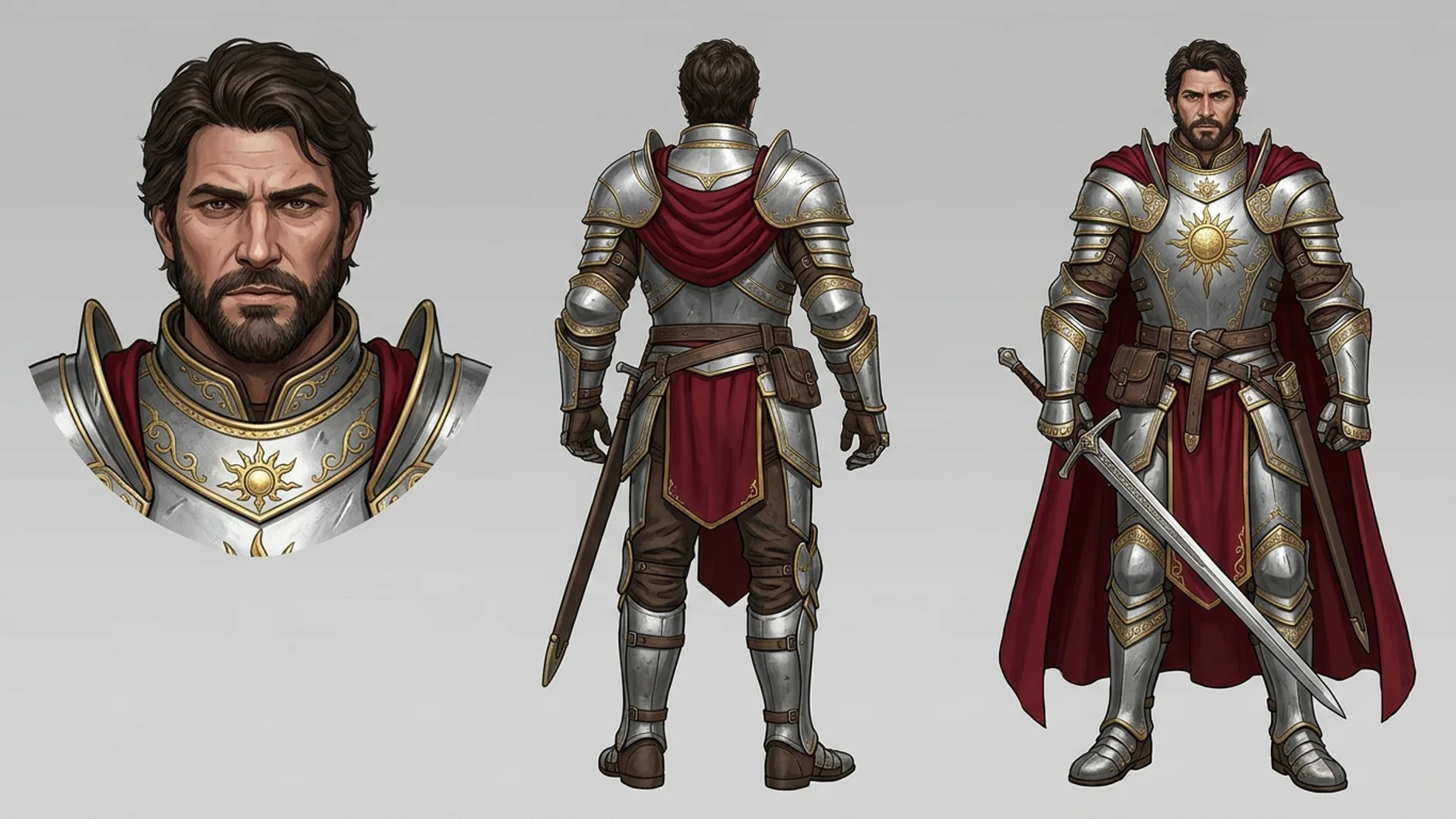
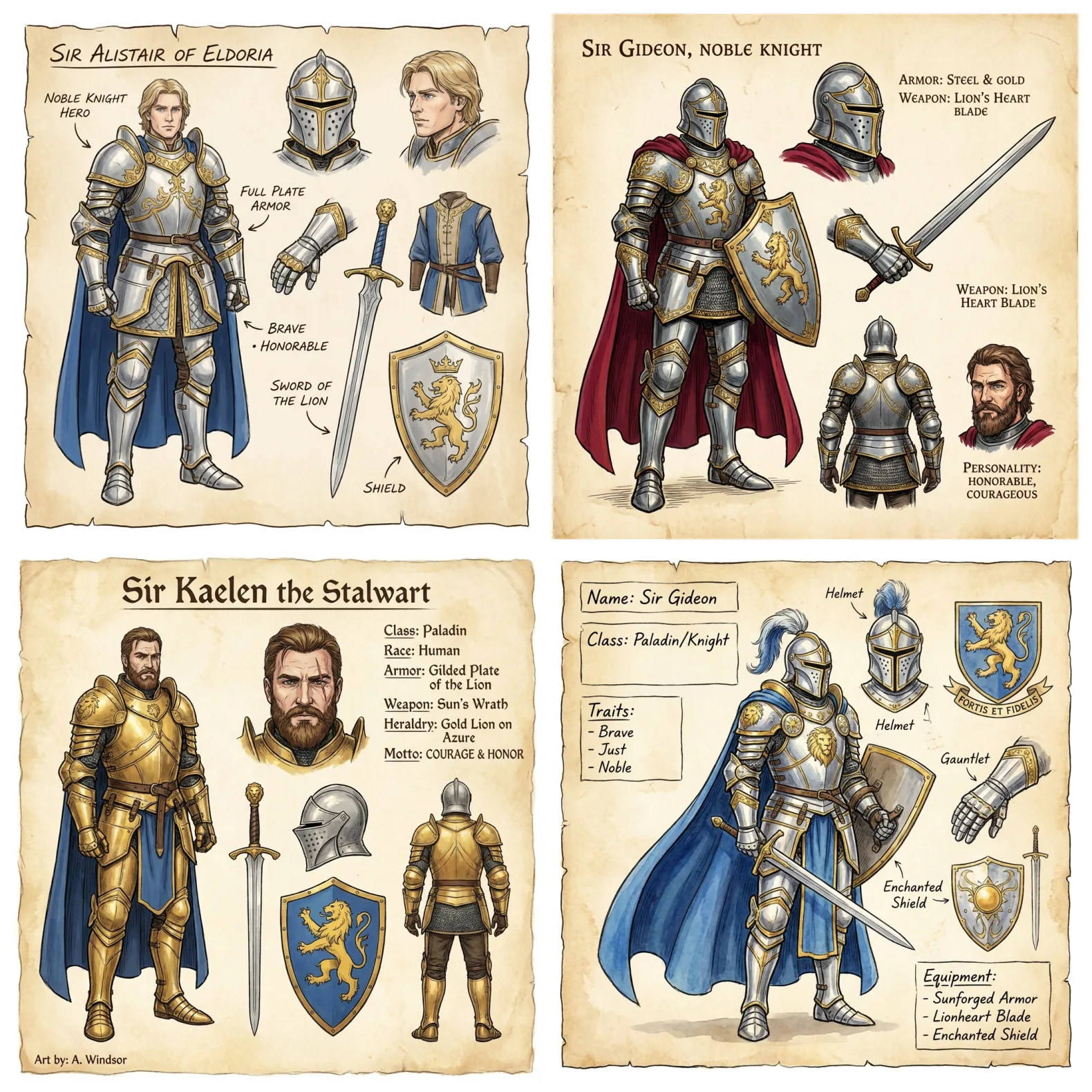
The real production problem isn’t quality. It’s control. Run the same one-line prompt a few times and you get a different character every single time, a different face, different armor, a different build. Fine for a single hero shot. Useless the moment you need that same character to show up across twenty shots, a series, a game, or a campaign.
The same one-line prompt, run four times:
The same character, locked down with a fully specced prompt and a reference, run four times:
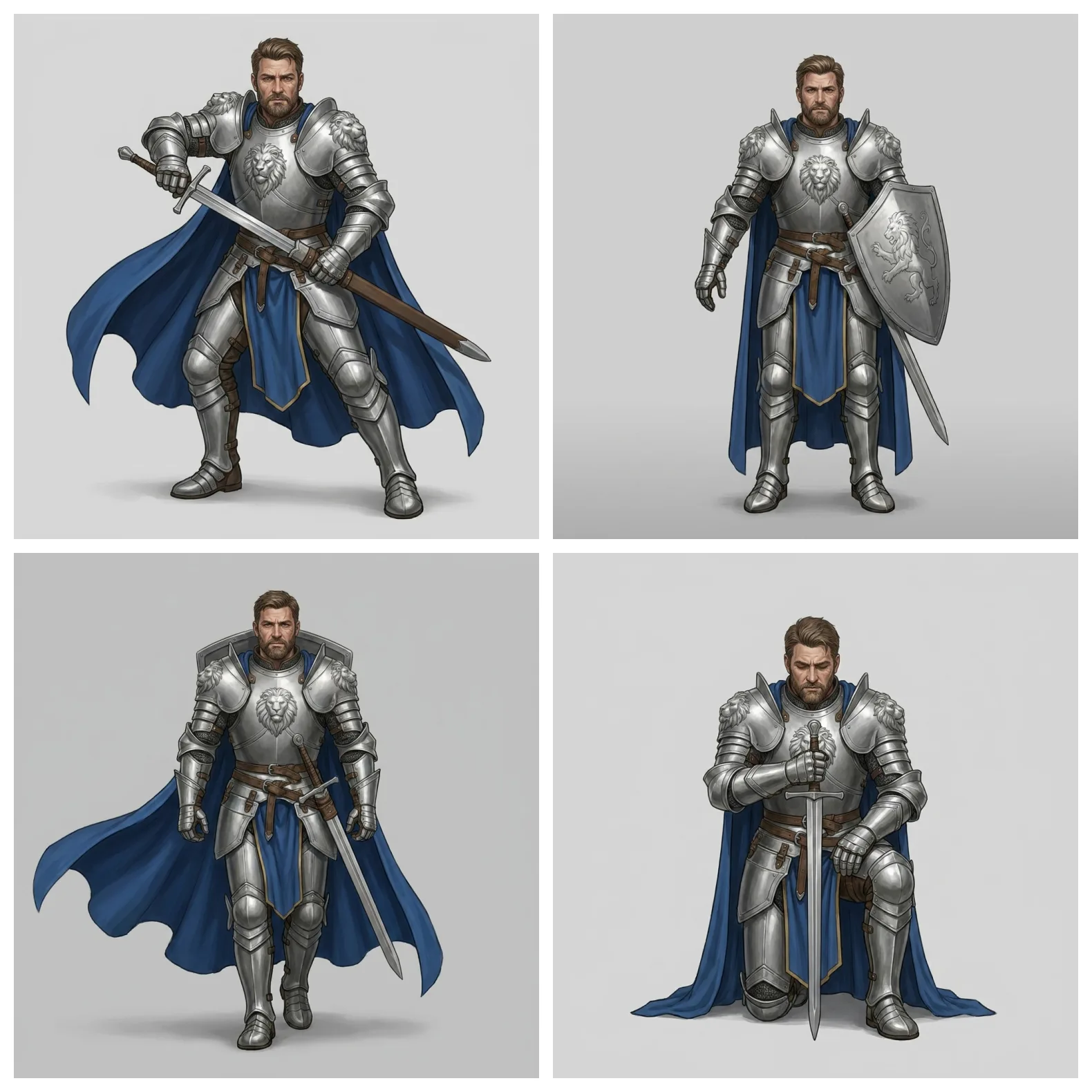
Getting that kind of consistency means writing a fully specced prompt for every shot, the character, camera, lighting, and palette all pinned down so nothing drifts between runs. For every idea on every project, that is the work. AI Render Pro is the prompt engineering tool I built to short-circuit it, a fast app that takes a rough creative brief and rewrites it as a fully specced, model-ready prompt with style references, camera, lighting, and color callouts baked in.
It supports Gemini, OpenAI, and Claude as backends, and it costs $9/month. If you find yourself writing the same prompt scaffolding over and over to get usable results, it pays for itself in an afternoon.
Every AI illustration in this article was crafted using AI Render Pro, the same prompting engine used across this blog. Read the full breakdown here.
Frequently Asked Questions
What are character sheet prompts?
Character sheet prompts are detailed textual descriptions provided to AI image generation tools like AI Render Pro to create comprehensive visual references of a character. These typically include multiple views (face close-up, front, back) arranged in a grid, with specific details on appearance, attire, and background, to serve as a guide for artists, modelers, and animators.
How do I create a nano banana character sheet prompt?
To create a nano banana character sheet prompt, you would follow the same structured approach as other AI character prompts, focusing on the specific aesthetic and details of “nano banana.” You would describe the character’s appearance, clothing, accessories, and desired views (face, front, back), ensuring to include the plain neutral light grey seamless studio background, flat even studio lighting, 16:9 aspect ratio, and absolutely no text or watermarks, similar to the examples provided in this article. For specific examples, refer to 8 Ultimate Character Sheet Prompts for Nano Banana.
Can I specify different poses in a character sheet prompt?
While the prompts provided here focus on neutral, standing poses for a clean reference sheet, advanced prompting techniques can specify different poses. However, for a multi-view character reference sheet where consistency across views is paramount, a neutral pose is generally preferred. For dynamic poses, it’s often better to generate separate images once the core character design is established.
What is the benefit of a grey background in character prompts?
A plain neutral light grey seamless studio background is crucial because it ensures the character’s colors and details are not influenced or obscured by environmental elements. It provides a clean, professional presentation, making it easier for artists to isolate the character design and use the reference for various purposes like modeling, texturing, or painting, without color contamination.
Are these character prompts compatible with other AI image generators?
While these character prompts are optimized for AI Render Pro due to its specific control over composition and detail, the core descriptive elements are generally transferable. You may need to adapt certain stylistic modifiers or compositional cues depending on the capabilities and biases of other AI image generators. Experimentation is key to finding the best results with different tools.
Discover more from Olivier Hero Dressen Blog: Filmmaking & Creative Tech
Subscribe to get the latest posts sent to your email.
Work with Olivier
Director | CD | DP & Photographer
Specializing in commercials, music videos, AI-driven filmmaking, and cinematic storytelling for brands and production companies.
🌍 Shanghai · Paris · Los Angeles · Dubai
🎬 View Portfolio & Get in Touch