

Key Takeaways
- First insight, Hasbro’s Sixth Wall AI Studio fundamentally shifts character licensing from reactive deal-making to proactive, AI-driven content generation, creating new IP and extending existing brands with unprecedented speed and scale.
- Craft highlight, The studio leverages generative AI to not only produce new narrative concepts and visual assets but also to identify market opportunities and audience preferences, streamlining the entire creative and commercial pipeline for Beyond Toys: Hasbro’s Sixth Wall AI Studio Just Changed Character Licensing Forever.
- Industry context, This move positions Hasbro at the forefront of the entertainment and licensing industries, setting a new benchmark for how intellectual property can be developed, exploited, and protected in the age of artificial intelligence, impacting competitors and traditional creative workflows.
- Bottom line, Sixth Wall represents a strategic pivot for Hasbro, moving beyond its traditional toy manufacturing core to become a dominant force in AI-powered content creation and ai licensing, promising a future where character narratives are fluid, abundant, and hyper-personalized.
The landscape of character and intellectual property exploitation is undergoing a radical transformation, with ai licensing emerging as the new frontier, epitomized by Hasbro’s innovative Sixth Wall AI Studio. This is not merely an incremental improvement; it is a tectonic shift, redefining how stories are told, characters are born, and brands are extended beyond their original forms.
Need a Director for Your Next Project?
From commercials to branded campaigns—Olivier brings creative vision and technical expertise.
→ View ProjectsHasbro, a company historically synonymous with physical toys, has pivoted sharply into the digital vanguard, establishing a dedicated AI-powered content and development studio aimed at generating new entertainment properties and expanding existing universes.
This strategic move, Beyond Toys: Hasbro’s Sixth Wall AI Studio Just Changed Character Licensing Forever, signals a profound re-evaluation of creative production and commercial strategy within the global entertainment ecosystem.

The Genesis of Sixth Wall: Hasbro’s AI Leap
Hasbro’s Sixth Wall studio represents a significant departure from conventional creative development models. Traditionally, intellectual property (IP) creation within large entertainment conglomerates has been a lengthy, resource-intensive process, relying heavily on human ideation, artistic execution, and iterative refinement. Licensing these IPs then follows a separate, often protracted, negotiation phase.

Sixth Wall, however, integrates artificial intelligence directly into the nascent stages of content generation, aiming to accelerate both the creation and subsequent commercialization of new narratives and characters. This initiative is not merely about utilizing AI as a tool for efficiency; it’s about fundamentally rethinking the pipeline from concept to consumer.
The studio’s mandate is broad: to develop fresh entertainment properties, expand existing franchises, and identify untapped market opportunities using advanced AI algorithms. This involves leveraging generative AI models to craft story concepts, design character visuals, and even script short-form content.
The underlying philosophy is that AI can augment human creativity, providing a rapid prototyping environment where ideas can be tested, refined, and brought to market far quicker than ever before. This agility is crucial in a fast-paced media landscape where audience tastes are constantly evolving and the demand for fresh content is insatiable.
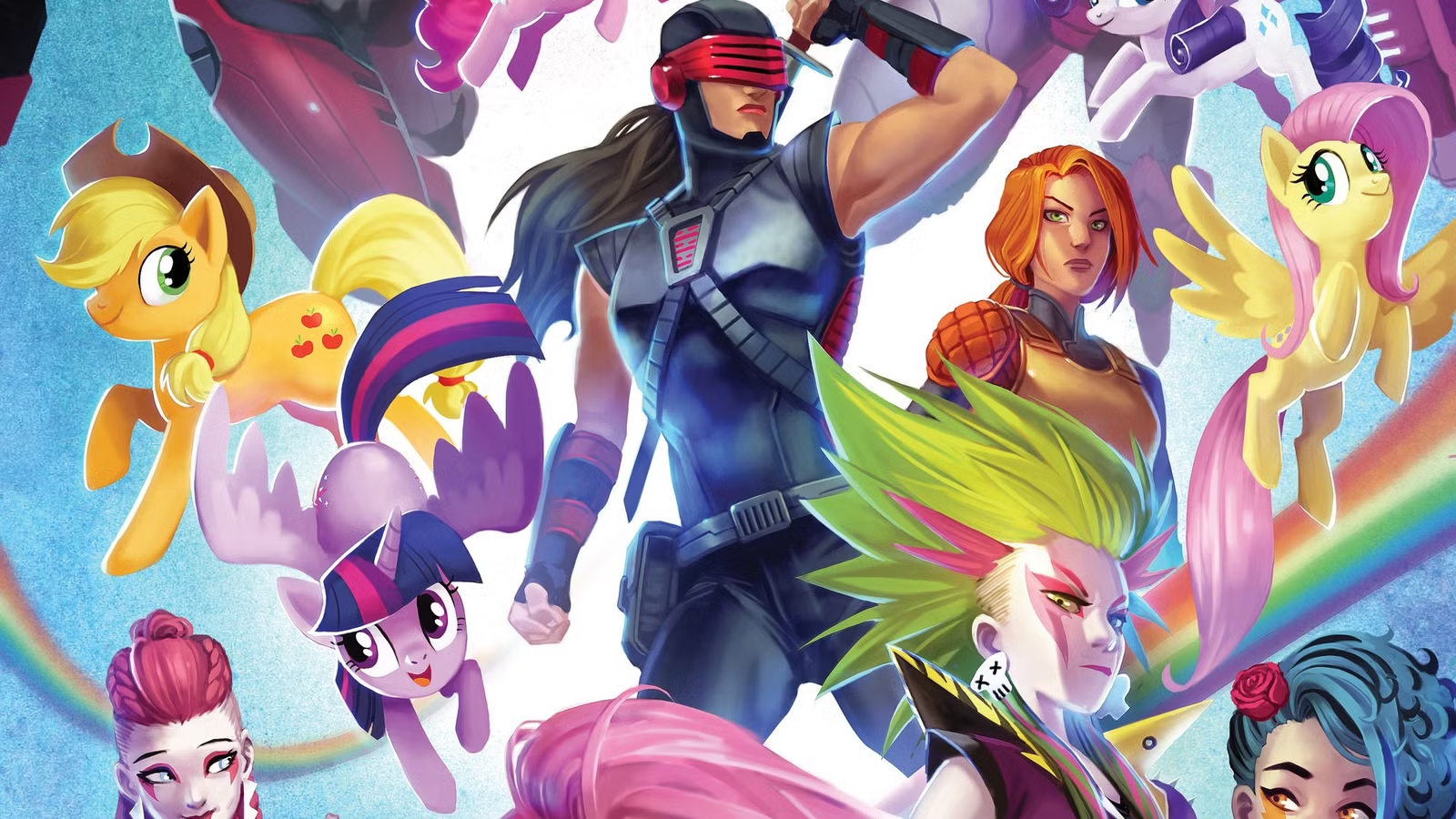
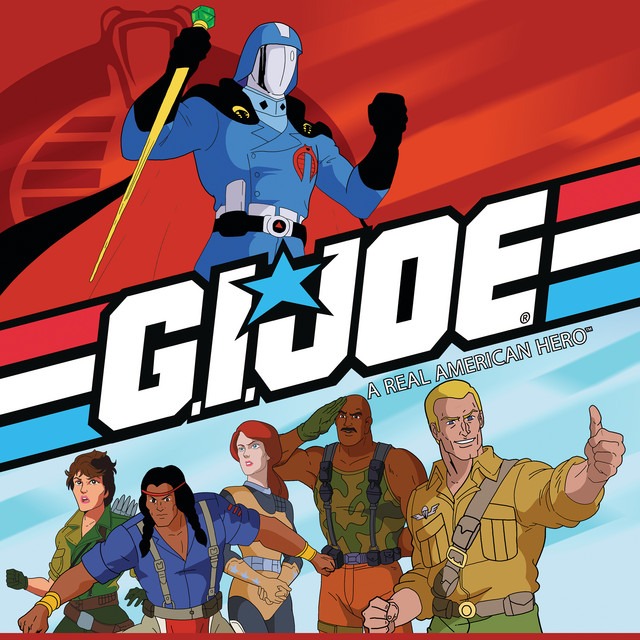
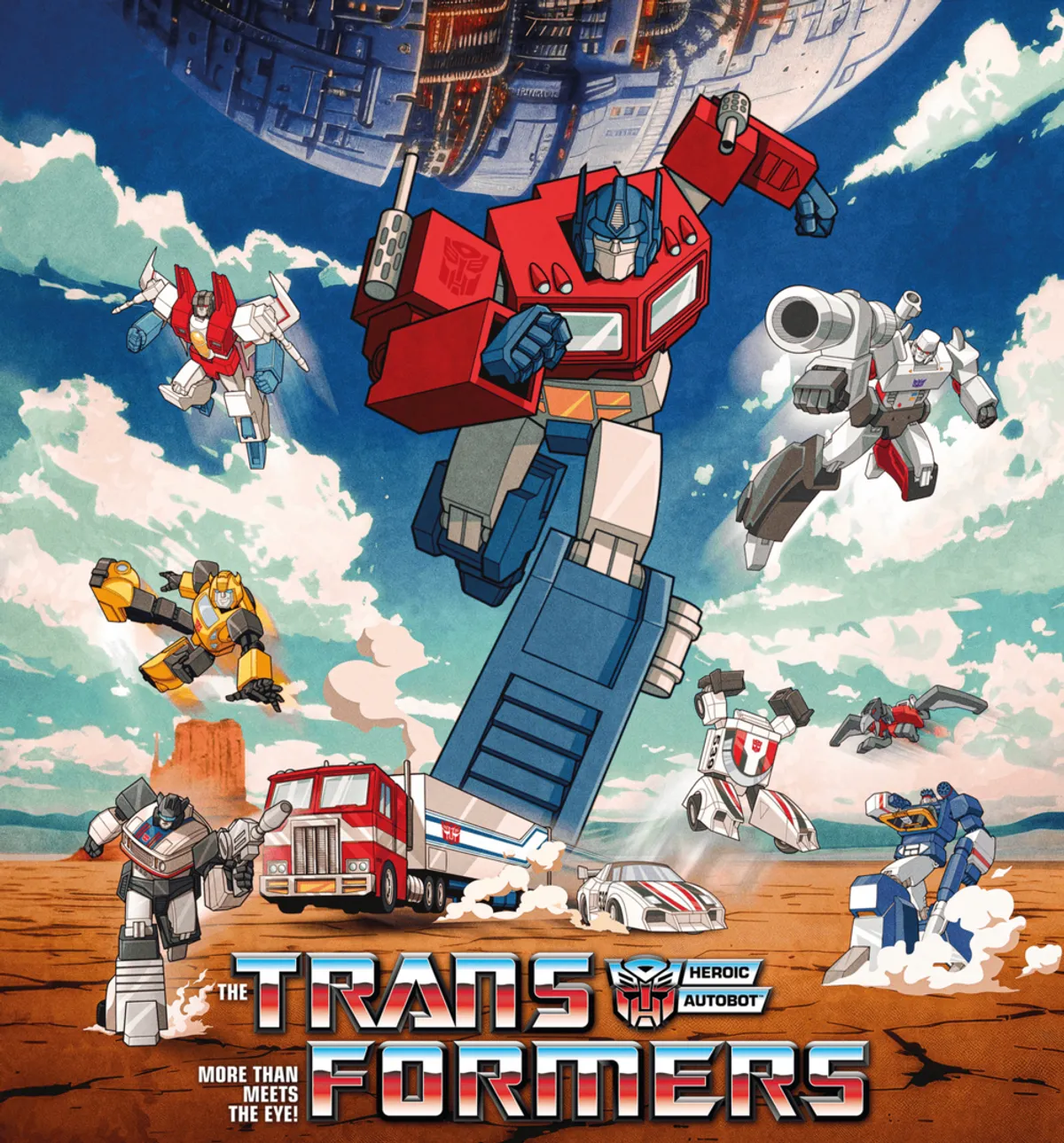
For Hasbro, a company with a rich catalog of beloved brands like Transformers, G.I. Joe, and My Little Pony, Sixth Wall offers a potent mechanism for revitalization and expansion. Imagine an AI capable of generating hundreds of new Transformers storylines or exploring alternate realities for the characters, each tailored to specific demographic preferences or emerging cultural trends.
This capacity moves beyond simple derivative content; it aims for genuinely novel extensions that retain the core essence of the brand while pushing creative boundaries. The studio’s existence underscores a strategic recognition that the future of entertainment IP lies in its infinite adaptability and the speed at which new iterations can be brought to fruition.
This is a direct challenge to the slow, linear model of traditional content development, signaling a new era where the creative process is iterative, data-driven, and significantly accelerated. The implications for the entire entertainment industry, particularly in how IP is conceived and disseminated, are profound. This studio is not just about toys; it’s about a complete re-imagining of the creative factory.
Redefining IP Creation with Generative AI
The core innovation of Beyond Toys: Hasbro’s Sixth Wall AI Studio Just Changed Character Licensing Forever lies in its sophisticated application of generative AI to IP creation. This isn’t about AI replacing human artists; it’s about AI acting as an unparalleled creative partner, capable of exploring vast conceptual spaces with an efficiency that human teams cannot match.
Generative AI tools, powered by large language models and advanced image synthesis algorithms, can produce a multitude of narrative arcs, character designs, world-building elements, and even marketing copy in mere moments. This capability dramatically shortens the ideation phase, allowing human creatives to focus on curation, refinement, and strategic direction rather than starting from a blank slate.
Consider the traditional process: a creative team brainstorms ideas, artists sketch concepts, writers develop outlines, and then these ideas go through multiple rounds of internal review before even reaching a pilot stage. With Sixth Wall’s AI, the initial burst of creativity is supercharged.
An AI could be prompted to generate twenty distinct character concepts for a new fantasy world, complete with backstories, visual descriptors, and potential narrative hooks, all within minutes. Human designers then review these AI-generated outputs, selecting the most promising, tweaking elements, and guiding the AI towards further iterations.
This collaborative loop between human and machine accelerates the discovery of compelling ideas and reduces the time-to-concept dramatically.
Furthermore, the AI can be trained on vast datasets of existing entertainment IP, including Hasbro’s own extensive library, to understand successful tropes, character archetypes, and narrative structures. This allows the AI to generate content that is both novel and resonant with established fan bases, while also identifying potential gaps in the market.
For instance, if Hasbro identifies a need for new content targeting a specific demographic or genre, Sixth Wall’s AI can rapidly prototype concepts that align with those parameters, from unique character designs to compelling story premises. This capability is particularly impactful for ai licensing, as it means Hasbro can offer licensees a continuous stream of fresh, market-tested content, rather than waiting for years for new human-generated properties to emerge.
The studio transforms IP creation from a linear, often bottlenecked process into a dynamic, parallelized workflow where human oversight guides an AI-driven deluge of creative possibilities. This shift is not just about efficiency; it’s about expanding the very definition of what’s creatively possible at scale.
The Speed and Scale Advantage in AI Licensing
The most immediate and transformative impact of Hasbro’s Sixth Wall AI Studio lies in its ability to operate at unprecedented speed and scale, particularly concerning ai licensing. In the traditional licensing model, a new character or narrative property typically undergoes extensive development, market testing, and often, a successful launch in one medium (e.g., a film or TV show) before it becomes viable for broad licensing across various product categories.
This process can span years, limiting the agility of brand expansion and market penetration. Sixth Wall shatters this bottleneck.
By leveraging generative AI, the studio can rapidly prototype and iterate on an immense volume of creative assets. Imagine not just a single character design, but hundreds of variations, each subtly tweaked to appeal to different demographics or cultural contexts. An AI can generate diverse narrative snippets, short animations, or even interactive experiences based on these characters, all at a pace human teams simply cannot match.
This allows Hasbro to present potential licensees with a rich, dynamic portfolio of content that can be immediately adapted for toys, apparel, digital games, publishing, and more. The time from concept to marketable asset is drastically reduced, creating a continuous pipeline of fresh opportunities.
This speed isn’t just about output; it’s about responsiveness. If market data indicates a sudden surge in demand for a particular genre or character type, Sixth Wall’s AI can quickly generate new content that capitalizes on that trend. This agile approach to content creation means Hasbro can always be at the forefront of consumer interest, offering relevant and timely IP extensions. For licensees, this translates to reduced risk and increased opportunity.
Instead of investing in a property that might be years old by the time their product hits the shelves, they can access burgeoning IPs that are designed to be current and adaptable. The continuous influx of AI-generated content also enables hyper-segmentation of licensing deals.
A specific AI-generated character variant might be licensed exclusively for a niche apparel line, while another narrative thread is developed for a mobile game, maximizing revenue potential across diverse markets without diluting the core brand. This capacity for granular, high-volume content generation fundamentally alters the economics and strategy of character licensing, making it a far more dynamic and data-driven endeavor.
The sheer volume and variety of content that Sixth Wall can produce redefine what “scale” means in the context of entertainment IP.

Economic Implications and Market Disruption
🎬 AI Render Pro Studio, the AI film production suite I built and use on my own productions. Script breakdown, storyboards, 30+ video models including Seedance 2.5 and Kling O3, image generation, retouch, 7K upscaling and audio, all in one browser workspace. $19/month flat, bring your own API keys and pay providers at cost, no credit packs, no markup. Try AI Render Pro Studio →
The economic ramifications of Beyond Toys: Hasbro’s Sixth Wall AI Studio Just Changed Character Licensing Forever are vast, extending far beyond Hasbro’s balance sheet to potentially disrupt the entire entertainment and licensing industries. By significantly reducing the cost and time associated with IP development, Sixth Wall creates a powerful competitive advantage.
Traditional creative studios face high overheads for talent, protracted development cycles, and the inherent risks of creative endeavors. AI-driven content generation, while not free, drastically lowers the marginal cost of producing new concepts and assets once the initial infrastructure is in place.
For Hasbro, this translates to a more efficient allocation of resources. Instead of investing heavily in a few speculative big-budget projects, they can use AI to generate a broader portfolio of potential IPs, test them rapidly, and then double down on those that show the most promise. This diversified approach reduces risk and increases the likelihood of discovering the next blockbuster franchise.
Furthermore, the rapid expansion of existing brands through AI-generated content means more licensing opportunities, more product lines, and ultimately, increased revenue streams across multiple categories. The ability to generate tailored content for specific regional markets or demographic segments also opens up new avenues for monetization that might have been too costly or time-consuming to pursue with traditional methods.
The market disruption will be felt acutely by competitors. Studios and IP holders who continue to rely solely on traditional human-centric creative processes will find themselves outmaneuvered in terms of speed, volume, and cost-effectiveness. The barrier to entry for new IP creation might lower for those who can leverage AI, but the scale at which Hasbro is operating will make it difficult for smaller players to compete on sheer output.
This could lead to consolidation in the licensing market, with companies either adopting similar AI strategies or finding themselves at a disadvantage. Moreover, the increased availability of AI-generated content might drive down the per-unit licensing fees for generic content, placing a premium on truly unique, high-quality, or deeply established human-created IP. The shift towards AI-powered creation also necessitates a re-evaluation of valuation models for IP.
How do you value an IP that can generate infinite variations? These are complex questions that the industry will grapple with, but one thing is clear: Hasbro has fired a shot across the bow, signaling a future where economic success in entertainment IP is inextricably linked to advanced AI capabilities.
Maintaining Brand Integrity in an AI-Driven World
A critical challenge and a testament to Hasbro’s strategic foresight with Sixth Wall is the imperative of maintaining brand integrity amidst an explosion of AI-generated content. When AI can produce infinite variations of characters, stories, and visual styles, the risk of diluting or distorting a beloved brand’s core essence becomes significant. Hasbro, with its portfolio of iconic brands like Transformers, G.I.
Joe, and My Little Pony, understands that the emotional connection consumers have with these characters is paramount. Sixth Wall is not designed to operate autonomously without human guidance; rather, it functions as a highly sophisticated tool under stringent creative direction.
The studio employs a hybrid model where human brand managers, creative directors, and storytellers establish the guardrails and provide the initial training data for the AI. This data includes canonical lore, character bibles, visual style guides, and brand guidelines that define what makes a Transformers story feel like a Transformers story, or a My Little Pony adventure authentic. The AI learns these parameters and generates content within those established boundaries.
Human oversight then becomes a crucial filter, curating the AI’s output, selecting the best concepts, and discarding anything that deviates too far from the brand’s core identity or quality standards. This ensures that while the volume of content increases, its fidelity to the brand remains uncompromised.
Furthermore, Sixth Wall’s approach to ai licensing inherently includes mechanisms for quality control and brand alignment. Licensees will not simply be handed raw AI output; they will receive curated, approved, and brand-compliant assets and narratives. This might involve a new AI-generated character variant that perfectly fits the Transformers universe but offers a fresh angle for a specific product line, or a short story that expands on G.I.
Joe lore without contradicting established canon. The studio’s success hinges on its ability to leverage AI for expansive creativity while simultaneously reinforcing the core values and aesthetic of each brand. This delicate balance is achieved through a continuous feedback loop: AI generates, humans review and refine, and that refined data then feeds back into the AI for improved future generations.
This iterative process is essential for ensuring that the creative deluge from the Sixth Wall enhances, rather than diminishes, the enduring appeal of Hasbro’s properties.
The Evolution of the Licensee Relationship via AI
The establishment of Beyond Toys: Hasbro’s Sixth Wall AI Studio Just Changed Character Licensing Forever signifies a profound evolution in the relationship between IP holders and licensees. Historically, licensees would approach Hasbro seeking rights to existing, proven properties. The process involved selecting from a finite catalog, negotiating terms, and then developing products based on established character designs and storylines.
Sixth Wall flips this paradigm, transforming Hasbro into a proactive, content-generating partner that can offer bespoke, dynamic, and continuously refreshed IP opportunities.
Instead of merely offering access to static brand guides, Hasbro can now present licensees with an ever-expanding universe of AI-generated content. A licensee looking to develop a new mobile game, for instance, might receive not just a character model, but an entire suite of AI-generated narrative prompts, character variations, environmental concepts, and even potential gameplay mechanics derived from Sixth Wall.
This significantly reduces the creative burden on the licensee, allowing them to focus more on execution and less on initial ideation, thereby accelerating their product development cycle.
Moreover, the AI can be leveraged to tailor content specifically for a licensee’s needs or target market. If a toy manufacturer in Asia identifies a specific trend in children’s entertainment, Sixth Wall’s AI can rapidly generate character concepts and storylines that align with that trend, while still being rooted in a Hasbro brand universe. This level of customization and responsiveness was previously unimaginable.
The studio also facilitates a more data-driven approach to licensing. Hasbro can use AI to analyze market trends, consumer preferences, and even predict the potential success of certain character archetypes or narrative themes. This intelligence can then be shared with licensees, guiding their product development and marketing strategies, leading to more targeted and potentially more successful ventures.
The relationship moves from a transactional one to a collaborative, innovation-driven partnership where both parties benefit from the speed and insights offered by advanced AI. This shift is not just about selling rights; it’s about co-creating the future of entertainment products with an AI as a central catalyst. The ability to generate such precise and targeted content makes the proposition of ai licensing incredibly attractive for potential partners.
Navigating the Legal and Ethical Minefield of AI Licensing
The advent of Beyond Toys: Hasbro’s Sixth Wall AI Studio Just Changed Character Licensing Forever inevitably thrusts Hasbro into the complex legal and ethical minefield surrounding AI-generated content and ai licensing. These are uncharted waters, and Hasbro’s approach will set precedents for the industry. Key concerns revolve around copyright, ownership, originality, and the ethical implications of using AI to create and monetize IP.
On the legal front, the question of copyright ownership for AI-generated works remains largely unresolved globally. Who owns the copyright for a character designed by an AI based on human prompts and training data? Is it the human prompt engineer, the company that developed the AI, or the company that owns the underlying training data?
Hasbro will likely assert ownership over all content generated by Sixth Wall, arguing that the AI is merely a tool used by its employees within its proprietary systems, making the output a “work for hire.” However, this stance could be challenged, especially if the AI incorporates elements from its vast training datasets, some of which might contain copyrighted material.
Ensuring that the AI is trained on licensed, public domain, or internally owned data is paramount to mitigate future legal challenges. For a deeper dive into the complexities of this area, one might consider the broader discussions around AI training data lawsuits for creatives.

Ethically, the use of AI raises questions about creative labor and fair compensation. If AI can generate content at scale, what does this mean for human artists, writers, and designers? Hasbro’s stated position is that AI augments, rather than replaces, human creativity, allowing humans to focus on higher-level strategic and creative direction. However, the perception of AI displacing jobs is a real concern that needs careful management.
Transparency about the role of AI in content creation and clear policies regarding its use will be crucial for maintaining trust with both creators and consumers.
Furthermore, there’s the ethical consideration of deepfakes and the potential for AI to generate content that could be misused or misattributed, particularly when extending existing character likenesses. Hasbro must implement robust safeguards to prevent its AI from creating content that is offensive, misleading, or harmful, ensuring that all AI-generated output aligns with its corporate values and brand safety guidelines.
Navigating these complexities requires a proactive legal strategy, transparent ethical frameworks, and a commitment to ongoing dialogue with stakeholders across the creative and legal communities. The success of Sixth Wall will not only depend on its creative output but also on its ability to establish a responsible and defensible model for AI-powered IP development.
Data-Driven Narratives and Audience Engagement
A cornerstone of Beyond Toys: Hasbro’s Sixth Wall AI Studio Just Changed Character Licensing Forever is its inherent capability for data-driven narrative development and enhanced audience engagement. Unlike traditional creative processes that often rely on intuition and focus groups, Sixth Wall integrates advanced analytics and machine learning to understand and predict what audiences want.
This allows Hasbro to create content that is not just creatively compelling, but also strategically optimized for maximum appeal and market penetration.
The AI can analyze vast amounts of data, including social media trends, viewing habits, sales figures of licensed products, and even sentiment analysis from online forums, to identify emerging interests, popular themes, and character archetypes that resonate with specific demographics. This intelligence then informs the generative AI models, allowing them to craft narratives, character designs, and visual styles that are precisely tailored to current market demands.
For example, if data indicates a growing interest in eco-conscious themes among young adults, the AI could generate new Transformers characters or storylines that incorporate environmental protection as a core element, ensuring immediate relevance.
This data-driven approach extends beyond initial creation into ongoing audience engagement. Sixth Wall can rapidly prototype short-form content, interactive experiences, or personalized narratives that respond to real-time audience feedback. Imagine an AI-powered choose-your-own-adventure story based on a Hasbro IP, where the narrative branches are dynamically generated based on player choices and preferences.
This level of personalized content delivery can significantly deepen audience connection and loyalty, turning passive consumers into active participants in the brand’s evolving narrative. The continuous feedback loop between data analysis, AI generation, and audience interaction creates a dynamic ecosystem where content is constantly being refined and optimized for engagement.
This capability is invaluable for ai licensing, as it means licensees are not just acquiring rights to a static brand, but to a living, breathing, and responsive entertainment property that is continuously evolving to meet consumer demand. This is a powerful differentiator in a crowded entertainment market, ensuring that Hasbro’s IPs remain fresh, relevant, and deeply engaging for years to come.
Beyond Toys: The Multimedia Future
Hasbro’s Sixth Wall AI Studio is a clear declaration that the company’s future extends far Beyond Toys. While toys remain a foundational element of their business, the studio positions Hasbro as a formidable player in the broader multimedia entertainment landscape.
The ability to rapidly generate diverse content, from narrative concepts and character designs to visual assets and even short scripts, means Hasbro can now confidently develop and license properties across virtually every medium.
This includes television series, animated features, digital comics, video games, interactive experiences, and even virtual reality content. The AI acts as a universal content engine, capable of producing outputs formatted for different platforms and audiences. For instance, a single AI-generated character concept could be simultaneously developed into a pitch for a streaming series, a blueprint for a mobile game, and a design for a new toy line.
This cross-platform synergy is incredibly powerful, allowing Hasbro to maximize the reach and monetization potential of each new IP or brand extension.
The studio also facilitates collaborative ventures with other entertainment companies. Imagine a scenario where a streaming service needs a new animated series with specific thematic elements and a tight production timeline. Sixth Wall could rapidly generate a range of concepts that fit the brief, complete with character designs and pilot episode outlines, offering a compelling and efficient pathway to production.
This makes Hasbro not just an IP owner, but a content solutions provider for the entire entertainment industry. The shift is from being primarily a toy company that licenses out its characters for other media, to being a multimedia content creator that leverages its IP across all platforms, with toys being one, albeit important, component.
The strategic move represents a pivot towards becoming an “entertainment first” company, where the core business is storytelling and character development, powered by AI, and then amplified across every possible medium. This holistic approach ensures that Hasbro’s brands remain culturally relevant and economically viable in an increasingly fragmented and digitally-driven entertainment world.
The Irreversible Shift in Character Licensing
The launch and operational philosophy of Beyond Toys: Hasbro’s Sixth Wall AI Studio Just Changed Character Licensing Forever marks an irreversible shift in the character licensing industry. This is not a temporary trend or an experimental sideline; it is a fundamental re-engineering of the creative and commercial processes that underpin intellectual property exploitation.
The traditional model, characterized by slow, labor-intensive development cycles and reactive licensing strategies, is now challenged by an agile, AI-powered paradigm that prioritizes speed, scale, and data-driven precision.

The implications are far-reaching. IP holders who fail to embrace similar AI-driven approaches risk being left behind, unable to compete with the sheer volume, velocity, and relevance of content that studios like Sixth Wall can produce. The market will increasingly demand fresh, responsive, and adaptable content, and AI provides the most efficient means to deliver it.
Licensees, too, will come to expect more from their brand partners: not just access to established characters, but a dynamic pipeline of new ideas, tailored assets, and data-backed insights that can accelerate their own product development and market success.
Ultimately, Sixth Wall is more than just an AI studio; it is a declaration of intent from Hasbro. It signifies a future where characters and narratives are not static creations but fluid, evolving entities, continuously generated, refined, and deployed across a multitude of platforms. This fluidity enables unprecedented levels of personalization and responsiveness to consumer demand, ensuring that brands remain evergreen and relevant.
The challenges, legal, ethical, and creative, are substantial, but Hasbro’s commitment signals a belief that the rewards outweigh the risks. The era of traditional character licensing, where content creation was a bottleneck, is drawing to a close. We are entering a new age where AI is a central engine for creativity and commerce, and Hasbro, through Sixth Wall, is leading the charge, irrevocably altering the future of entertainment IP. The blueprint for future ai licensing has been laid.
Every AI illustration in this article was crafted using AI Render Pro, the same prompting engine used across this blog. Read the full breakdown here.
Frequently Asked Questions
What is Hasbro’s Sixth Wall AI Studio?
Hasbro’s Sixth Wall AI Studio is a dedicated content development studio that leverages artificial intelligence to create new entertainment properties and expand existing franchises. It aims to accelerate the ideation, creation, and commercialization of characters and narratives across various media.
How does Sixth Wall change character licensing?
Sixth Wall fundamentally changes character licensing by moving from a reactive model to a proactive, AI-driven one. It enables Hasbro to rapidly generate a vast volume of new content, character variations, and narrative concepts, offering licensees a continuous stream of fresh, market-tested, and customizable IP opportunities.
What are the main benefits of AI in content creation for Hasbro?
The primary benefits include unprecedented speed and scale in content generation, reduced development costs, improved market responsiveness through data-driven insights, and the ability to expand existing brands or create new ones more efficiently across multiple entertainment platforms.
Are there ethical or legal concerns with AI-generated content from Sixth Wall?
Yes, significant concerns exist regarding copyright ownership of AI-generated works, the potential impact on human creative jobs, and the ethical use of AI to create character likenesses. Hasbro must navigate these complexities with robust legal strategies and transparent ethical guidelines.
Will Sixth Wall replace human creatives at Hasbro?
Hasbro states that Sixth Wall’s AI is designed to augment human creativity, not replace it. The studio operates on a hybrid model where AI handles rapid ideation and generation, while human creatives provide strategic direction, curation, refinement, and ensure brand integrity.
Discover more from Olivier Hero Dressen Blog: Filmmaking & Creative Tech
Subscribe to get the latest posts sent to your email.

Work with Olivier
Director | CD | DP & Photographer
Specializing in commercials, music videos, AI-driven filmmaking, and cinematic storytelling for brands and production companies.
🌍 Shanghai · Paris · Los Angeles · Dubai
🎬 View Portfolio & Get in Touch