
- The Core Conflict: A new class-action lawsuit filed by prominent authors against major AI companies (like NVIDIA and Anthropic) challenges the legality of using copyrighted books and art to train large language models (LLMs) without consent or compensation.
- What’s at Stake for Artists: The outcome will directly impact the cost, availability, and legal standing of the generative AI tools filmmakers and artists rely on for everything from concept art to scriptwriting, potentially reshaping creative workflows forever.
- Fair Use on Trial: AI companies argue their data scraping is “transformative fair use,” a legal defense that, if successful, would solidify their current training methods. If they lose, the entire AI industry may need to re-engineer its models.
You pour your creative energy into crafting the perfect prompt, and in seconds, a stunning piece of concept art appears on your screen, ready to inspire the next scene of your film. Tools like Midjourney, Stable Diffusion, and ChatGPT have become indispensable co-pilots in our creative journeys, accelerating ideation and unlocking visual possibilities once reserved for big-budget studios. But beneath this miraculous surface, a legal storm is brewing that threatens to shake the very foundation of generative AI.
Need a Director for Your Next Project?
From commercials to branded campaigns—Olivier brings creative vision and technical expertise.
→ View ProjectsA series of high-profile AI training data lawsuits, including a recent one from authors like John Carreyrou, are taking aim at the tech giants, asking a simple but profound question: was the art, writing, and data used to train these incredible models acquired legally? The answer could redefine the digital creative landscape for years to come.
Understanding the Core of the AI Training Data Lawsuit
The central issue at the heart of the current legal battles is the uncredited, uncompensated use of copyrighted material for training generative AI models. When an AI creates an image or a piece of text, it’s not pulling it from thin air; it’s generating a novel output based on patterns, styles, and information it learned from a colossal dataset. This data often consists of billions of images and texts scraped from the open internet, a process that inevitably includes vast amounts of work protected by copyright.
The authors and artists filing these suits argue that this constitutes massive, willful copyright infringement on an industrial scale, as their life’s work is being used to build a commercial product that can then replicate their style, effectively devaluing their own creations. The current AI training data lawsuit is a critical flashpoint in this ongoing debate.
This isn’t an isolated incident but part of a growing wave of legal challenges. While the lawsuit involving John Carreyrou targets companies like Anthropic and NVIDIA for using copyrighted books, it follows a similar pattern seen in other major cases. Getty Images is famously suing Stability AI for allegedly using millions of its watermarked photos for training, and The New York Times has filed its own landmark suit against OpenAI and Microsoft. These cases represent a united front from creators across different media, journalism, photography, and literature, all claiming that their intellectual property was foundational to the success of these multi-billion dollar AI platforms, and that they have been left out of the equation entirely.
For filmmakers and digital creatives, this legal struggle is not just abstract courtroom drama; it’s a direct challenge to the ecosystem they are increasingly operating in. The very tools used to generate pre-visualization shots, character concepts, or script ideas are built on these contested datasets. The outcome of the AI training data lawsuit will establish a crucial precedent for what is considered legally and ethically permissible. It forces us to ask tough questions about our own workflows. A practical tip for creators right now is to begin meticulously documenting the AI tools, models, and platforms used in your commercial projects. This record could become invaluable for proving due diligence should legal clarity shift in the future.
The “Fair Use” Defense: Silicon Valley’s Big Bet
In response to these allegations, AI companies have rallied around a powerful legal concept: the “fair use” doctrine. This provision in copyright law allows for the limited use of copyrighted material without permission for purposes such as criticism, commentary, news reporting, and research. The tech industry’s argument is that their use is “transformative.” They claim that by feeding a book or an image into a training model, they aren’t simply republishing it; they are using it to teach the AI about abstract concepts like grammar, composition, or artistic style. In their view, this process is transformative enough to qualify as fair use, similar to how a search engine creates thumbnail images to help users find information.
This interpretation of fair use, however, is a massive legal gamble. Historically, fair use has been applied in cases like parody (Weird Al Yankovic’s songs) or academic quotation, where the new work comments on or critiques the original. AI companies are stretching this definition to cover the ingestion of nearly the entire internet to create a product that can then directly compete with the original creators.
They often point to the Google Books case as a precedent, where courts ruled that scanning millions of books to create a searchable index was transformative fair use. However, critics argue that generative AI is fundamentally different, as it can produce derivative works that mimic the style and substance of the training data, unlike a simple search index.
Why this matters to you is that the court’s decision on this single issue will either bless the current “scrape-first, ask-later” model or completely upend it. If the fair use argument prevails, the floodgates will remain open. If it fails, AI companies could be on the hook for unimaginable damages and may be forced to rebuild their models from the ground up using only licensed data. For a creator, this uncertainty is risky.
A practical tip is to explore and support AI platforms that have already made ethical sourcing a cornerstone of their model. Tools like Adobe Firefly, which is trained on Adobe’s licensed stock library and public domain content, offer a more legally robust alternative while the dust from the AI training data lawsuit settles.
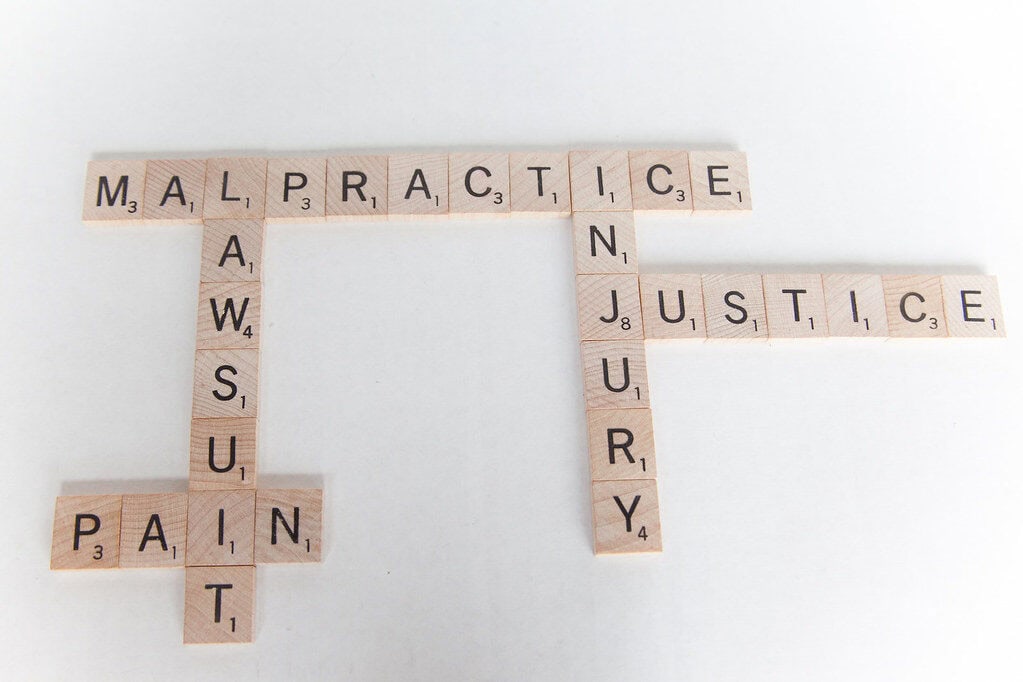
The Ripple Effect on Your Creative Workflow
The potential consequences of these lAI training data lawsuits could cascade directly into the software and workflows you use daily. If courts rule against the AI companies, the most immediate impact could be on the cost and accessibility of these tools. To cover massive licensing fees or damages, companies may be forced to significantly increase subscription prices or shift to a pay-per-generation model.
In a more extreme scenario, some models or features might be pulled from the market entirely if they are found to be built on infringing data. The “in the style of” feature, which is so powerful for artists, is directly in the legal crosshairs, as it’s the clearest example of an AI leveraging a specific artist’s copyrighted body of work.
Imagine your go-to workflow for a new film project. You might start by using a tool like our AI Render Pro to brainstorm dozens of visual concepts for a key location. Then, you might move to a video generation tool to create an animated storyboard. If the underlying models for these tools are deemed illegal, your workflow is broken. Studios producing content might suddenly face new legal liabilities for using AI-generated assets in their films, leading to a demand for “certified clean” AI tools, creating a new divide in the market between ethically sourced and legally gray platforms. This shift would fundamentally alter the landscape of Filmmaking AI Workflows.
This uncertainty underscores the importance of creative resilience. While generative AI is a phenomenal tool for augmentation, an over-reliance on any single platform is a strategic risk. The crucial takeaway is to treat AI as a powerful collaborator, not a replacement for core creative skills. Focus on mastering the fundamentals of cinematography, storytelling, and design. Use AI to explore possibilities faster, but ensure your unique artistic voice remains the driving force.
A practical tip is to diversify your creative toolkit. Learn multiple AI platforms, but also stay sharp with traditional skills like sketching or physical model-making, ensuring that no single court ruling can derail your ability to create. The ongoing AI training data lawsuit is a reminder that technology is a means, not an end.

Forging a Path Toward an Ethical AI Future
The friction between creators and tech giants doesn’t have to be a zero-sum game. Several potential paths forward are emerging that could lead to a more sustainable and ethical AI ecosystem. One of the most discussed solutions is the development of robust licensing frameworks for training data. This could look like a marketplace where AI companies pay for access to high-quality, curated datasets from artists, photographers, and writers, creating a new revenue stream for creators who choose to participate. Another approach involves creating clear and respected “opt-out” mechanisms, allowing artists to flag their work and prevent it from being used in future training runs, giving them control over their intellectual property.
We are already seeing real-world examples of these alternative models taking shape. As mentioned, Adobe Firefly stands as a major commercial example of an AI built on an ethically-sourced dataset. On the creator side, services like Spawning.ai have developed tools that allow artists to add “do not train” tags to their work and monitor whether their art has been included in popular datasets. These initiatives demonstrate that a different way is possible, one where innovation doesn’t have to come at the expense of creator rights. The success of these models may ultimately depend on market pressure from users who demand more transparency from their tool providers.
Ultimately, the future health of our creative industry depends on finding a fair balance. Unchecked data scraping risks creating a feedback loop where AI models, trained on the work of human artists, eventually replace those same artists, cannibalizing the very creativity that fuels them. For filmmakers and artists, this is the most important reason to pay attention to the AI training data lawsuit and advocate for a better system. Your practical step is to join the conversation.
Support creator advocacy groups, ask AI companies tough questions about their data sources, and use your purchasing power to favor platforms that prioritize ethical practices. Mastering your craft with resources like our Midjourney Mastery Guide is essential, but so is helping to build an industry where that craft is respected and valued for generations to come.
Internal Links for Further Learning
- Craft stunning visuals while navigating the new AI landscape with our guide, AI Render Pro.
- Integrate these powerful new tools into your production process with our breakdown of Filmmaking AI Workflows.
- Dive deep into the art of prompt crafting and world-building with our comprehensive Midjourney Mastery Guide.
Conclusion
The legal battles currently raging over AI training data are far more than a simple dispute over copyright; they are a referendum on the future of creativity itself. As filmmakers, artists, and storytellers, we stand at a crossroads. The tools we are adopting offer unprecedented power, but they come with complex ethical and legal questions that can no longer be ignored.
The outcome of the AI training data lawsuit will set the rules of the road for the next decade of digital art. By staying informed, advocating for transparency, and continuing to center our own unique human creativity, we can help shape a future where technology empowers artists, rather than replaces them. Start exploring what’s possible today with a tool designed for creators at AI Render Pro.
FAQ
What is an AI training data lawsuit?
A data lawsuit is a legal challenge, typically a class-action suit, filed by creators (like authors, artists, or programmers) against AI companies. The core claim is that these companies engaged in mass copyright infringement by using copyrighted works to train their AI models without permission, credit, or compensation.
Are the images I generate with AI legal for commercial use?
This is currently a legal gray area and one of the most debated topics. The US Copyright Office has stated that works created solely by AI are not copyrightable, but works with significant human authorship may be. The legality also depends on the terms of service of the AI tool you use and the outcome of these ongoing AI training data lawsuits. Using AI-generated content for commercial purposes carries more potential risk until legal precedents are firmly established.
How can I support the development of more ethical AI?
You can support ethical AI by using and paying for services that are transparent about their training data and use licensed sources, such as Adobe Firefly. You can also support creator rights organizations that are advocating for fair compensation and data transparency, and participate in the public conversation about AI ethics to raise awareness.
Discover more from Olivier Hero Dressen Blog: Filmmaking & Creative Tech
Subscribe to get the latest posts sent to your email.
Work with Olivier
Director | CD | DP & Photographer
Specializing in commercials, music videos, AI-driven filmmaking, and cinematic storytelling for brands and production companies.
🌍 Shanghai · Paris · Los Angeles · Dubai
🎬 View Portfolio & Get in Touch






[…] for years to come as a case study in independent film finance and distribution. The impact on how rights deals are structured and valued will be […]
[…] to globalize their unique cultural narratives. This also ties into the broader discussion around AI training data lawsuits and the ethical considerations that arise with digital replicas. The ethical considerations of AI […]
[…] This financial entanglement underscores a broader trend in the tech ecosystem where data, capital, and innovation converge, sometimes with insufficient regard for the ethical frameworks that should govern such powerful technologies. The deletion of the 3 million photos, while a dramatic event, can be seen as a symptom of this underlying issue—a desperate measure taken after the initial ethical boundaries might have already been stretched thin by the pursuit of profit and technological advantage. The episode is a stark illustration of how financial incentives can shape data policies, sometimes to the detriment of user privacy and trust, echoing concerns often raised in discussions about AI training data lawsuits. […]
[…] on this defense is a risky gamble. Proactive measures are always better. This is why the issue of AI training data lawsuits is so vital for creatives to […]
[…] Is it you, the user, or the company that designed the algorithms and hosts the data? Questions of AI training data lawsuits and data ownership are becoming increasingly relevant as more devices gather such intimate […]
[…] their technological sophistication, lack integrity and perpetuate harmful stereotypes. The ongoing AI training data lawsuits highlight the real-world consequences of these ethical […]
[…] a deeper dive into the complexities of this area, one might consider the broader discussions around AI training data lawsuits for creatives. Ethically, the use of AI raises questions about creative labor and fair compensation. If AI can […]
[…] not only well-crafted but also deeply authentic, making them prime candidates for becoming truly linkedin viral. AI-generated illustration | […]
[…] creative landscape is a whirlwind. Every week, it feels like a new AI model drops, promising to revolutionize everything from scriptwriting to visual effects, from sound design to interactive art. For filmmakers, […]
[…] there’s Sátántango. Seven and a half hours of stark, unflinching black and white cinema that demands everything from its audience. A recent screening was described as a “holy rite for hardcore cinephiles,” a […]
[…] situation is the living proof that creatives must own their own platforms and websites with their own contents and intellectual properties. You cannot […]