
Key Takeaways
- First insight, Achieving LinkedIn viral status in 2026 demands a sophisticated integration of AI tools for content generation and audience insight, moving beyond simple automation.
- Craft highlight, The SLAY framework (Storytelling, Leverage Data, Authenticity, Yield Quality) is paramount, guiding creators to use AI like Cleo not as a replacement, but as an enhancement for compelling, high-quality posts.
- Industry context, Quality over volume is the definitive strategy; AI in 2026 serves to refine and target content, ensuring deeper engagement and strategic impact rather than merely increasing output.
- Bottom line, Success on LinkedIn in 2026 hinges on human-AI collaboration, where AI streamlines processes and provides data-driven insights, allowing creators to focus on the authentic storytelling that drives truly viral content.
The Redefinition of LinkedIn Viral in 2026
The term “linkedin viral” in 2026 signifies more than just a high number of impressions or shares. It represents content that deeply resonates, sparks meaningful conversations, and establishes thought leadership within specific professional niches. The days of generic, clickbait-style posts gaining widespread traction are largely over. LinkedIn’s algorithms, now significantly more sophisticated, prioritize genuine engagement, relevance, and originality. This shift has been accelerated by the proliferation of AI-generated content, forcing a higher bar for what truly stands out. In this evolved ecosystem, achieving social media virality on LinkedIn means understanding the subtle cues of professional discourse. It requires content that educates, inspires, or provokes thought in a constructive manner, tailored to the specific interests and challenges of a professional audience. AI’s role here is not to automate the entire process but to augment human intuition and creativity. It’s about using intelligent tools to analyze trends, predict audience reactions, and optimize delivery, thereby increasing the probability of a post becoming genuinely linkedin viral. The challenge for creators is no longer merely generating content, but generating *impactful* content. With AI tools readily available, the market is saturated with easily produced text and visuals. The discerning LinkedIn user in 2026 can often spot purely AI-driven, uninspired content. Therefore, the strategy must pivot from quantity to quality, from broad appeal to targeted resonance. This redefinition emphasizes the imperative for creators to integrate AI thoughtfully, ensuring it serves to enhance, not dilute, the authenticity and value of their contributions. Without this strategic approach, even the most advanced AI will fail to produce truly linkedin viral outcomes. The goal is to create content that not only reaches a wide audience but also leaves a lasting impression, driving further discussion and establishing credibility.
AI as the Cornerstone of Content Creation
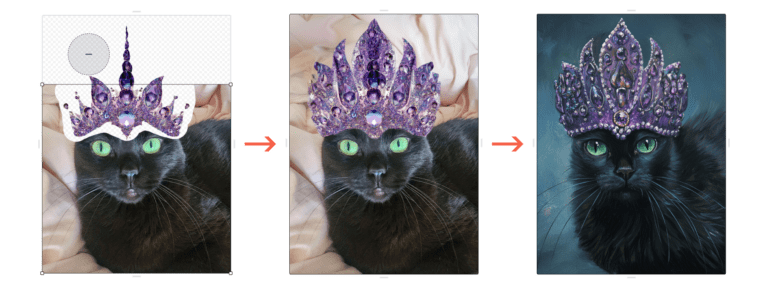
Artificial Intelligence has transitioned from a futuristic concept to an indispensable tool in the content creation workflow. In 2026, AI is no longer just about automating mundane tasks; it’s about intelligent augmentation. From drafting initial concepts to refining prose, generating visuals, and even suggesting optimal posting times, AI streamlines nearly every facet of content production. This isn’t about AI replacing human creators, but rather empowering them to operate at an unprecedented level of efficiency and insight. Consider the initial brainstorming phase. Instead of staring at a blank screen, creators can leverage AI to generate a multitude of ideas based on specified topics, target audiences, and desired tones. These AI art direction prompts can kickstart the creative process, offering diverse perspectives that a single human might overlook. Furthermore, AI writing assistants can then transform these concepts into coherent drafts, adhering to specific length requirements and stylistic guidelines. This significantly reduces the time spent on rudimentary writing, allowing creators to focus on the crucial editorial oversight and infusion of unique human perspective. Beyond text, AI’s prowess extends to visual content. Tools capable of AI image enhancement, generation, and even prompt engineering for video are readily available. This means that a single creator can produce high-quality infographics, short animated clips, or compelling hero images that complement their textual posts, all without needing extensive graphic design or video editing skills. The integration of AI into these visual workflows ensures consistency in branding and messaging, while also opening up new avenues for engaging storytelling. This symbiotic relationship between human creativity and AI efficiency is what defines the content creation landscape of 2026, making it possible for individuals and small teams to compete with larger organizations in terms of output quality and reach. The ability to quickly iterate and refine content using AI feedback loops ensures that every piece published is optimized for maximum impact.Cleo: Your AI Co-Pilot for LinkedIn Viral Posts
In the competitive sphere of 2026, a standout AI tool for crafting linkedin viral content is Cleo. Cleo isn’t merely a content generator; it’s an intelligent co-pilot designed to navigate the complexities of LinkedIn’s algorithm and audience psychology. Its core strength lies in its ability to analyze vast datasets of successful LinkedIn posts, identify emerging trends, and then guide users in creating content that aligns with these insights. Imagine an AI that understands not just *what* to say, but *how* to say it for maximum professional impact. Cleo operates on a sophisticated neural network trained specifically on professional discourse, industry-specific jargon, and engagement patterns observed on LinkedIn. When a user inputs a topic or a preliminary idea, Cleo doesn’t just spin out generic text. Instead, it offers strategic suggestions: optimal headline structures, compelling opening hooks, data-backed insights to include, and even calls to action that have historically driven high engagement within a given niche. It can even help refine the tone, ensuring it’s authoritative yet approachable, or thought-provoking without being controversial. This nuanced understanding is what sets Cleo apart, making it an invaluable asset for anyone aiming for linkedin viral success. Furthermore, Cleo integrates seamlessly with other AI capabilities. It can suggest relevant visual elements by connecting to AI rendering vs traditional tools, propose optimal posting times based on audience activity patterns, and even draft personalized responses to comments to foster deeper engagement. This holistic approach ensures that every aspect of a LinkedIn post, from initial concept to post-publication interaction, is optimized for virality. While Cleo provides the data and the framework, the human creator remains essential, injecting authenticity, personal anecdotes, and unique perspectives that no AI can fully replicate. The synergy between human creativity and Cleo’s analytical power is the secret to unlocking unprecedented levels of engagement on LinkedIn in 2026. This isn’t just about automation; it’s about intelligent collaboration.
The SLAY Framework for LinkedIn Virality
To consistently achieve linkedin viral status in 2026, a structured approach is imperative. The SLAY framework provides this blueprint: **S**torytelling, **L**everage Data, **A**uthenticity, and **Y**ield Quality. This framework acknowledges the evolving nature of LinkedIn’s algorithm and user expectations, emphasizing depth and impact over superficial reach. It’s a strategic guide for creators to harness AI tools like Cleo effectively, ensuring that every piece of content contributes meaningfully to their professional brand and network. **S – Storytelling:** At its core, human connection is built on narratives. Even in a professional context, compelling stories resonate more than dry facts. AI assists in identifying narrative arcs, crafting engaging hooks, and structuring content to maximize reader retention and emotional impact. It helps transform complex ideas into digestible, relatable stories. **L – Leverage Data:** Data is the fuel for intelligent content. AI tools excel at analyzing vast quantities of information, from trending topics and keyword performance to audience demographics and engagement metrics. Leveraging this data allows creators to make informed decisions about content topics, formats, and optimal posting times, significantly increasing the chances of a post becoming AI search changing creative work. **A – Authenticity:** In an age of pervasive AI, authenticity is a premium. While AI can draft content, the human element, personal insights, unique experiences, and genuine voice, is what truly differentiates a post. The framework stresses using AI to *enhance* authenticity, not replace it, ensuring the content feels genuinely human and relatable. **Y – Yield Quality:** This is the ultimate objective. Rather than mass-producing mediocre content, the SLAY framework prioritizes crafting fewer, higher-quality pieces that deliver substantial value. AI aids in refining language, checking for clarity and conciseness, and ensuring the content is error-free and polished. This focus on quality ensures that each post has a higher probability of becoming linkedin viral, fostering deeper engagement and solidifying a creator’s reputation as a thought leader. The SLAY framework ensures that AI isn’t just a tool for volume, but a strategic partner for impact.Storytelling with AI: Crafting Compelling Narratives
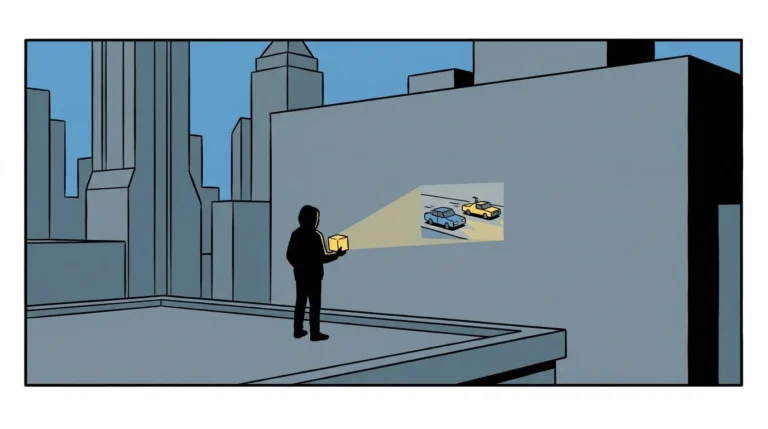
Storytelling remains the most powerful mechanism for human connection, even in the professional realm of LinkedIn. In 2026, AI tools are not just generating text; they are assisting in the intricate art of narrative construction. The challenge on LinkedIn is to transform complex business insights or technical concepts into stories that captivate, educate, and inspire. This is where AI becomes an invaluable ally, helping creators to structure narratives that resonate deeply with their target audience. AI platforms like Cleo can analyze successful story structures within specific industries, identifying common themes, emotional triggers, and narrative arcs that lead to high engagement. For instance, if a creator wants to share a success story about a project, Cleo can suggest frameworks that highlight challenges, pivotal moments, and resolutions, ensuring the narrative follows a compelling trajectory. It can help brainstorm different angles for a story, identify potential metaphors or analogies that make complex ideas more accessible, and even suggest ways to inject personal vulnerability or triumph without compromising professional gravitas. This capability moves beyond simple text generation to genuine narrative support, making the process of crafting a truly AI concept trailer for your professional journey possible. Furthermore, AI can assist in the refinement of language, ensuring that the storytelling is clear, concise, and impactful. It can identify jargon that might alienate a broader audience and suggest simpler, more evocative phrasing. It can also help in creating strong opening hooks that immediately grab attention and powerful conclusions that encourage reflection or action. The human element, however, remains crucial. The AI provides the structural support and linguistic polish, but the authentic experience, the unique perspective, and the emotional core of the story must still originate from the creator. This collaborative approach ensures that the stories shared on LinkedIn in 2026 are not only well-crafted but also deeply authentic, making them prime candidates for becoming truly linkedin viral.
Leverage Data Insights: Predicting LinkedIn Viral Trends
The second pillar of the SLAY framework, “Leverage Data,” is where AI truly shines in its predictive capabilities. In 2026, relying on guesswork for content creation is an outdated strategy. AI tools are now sophisticated enough to analyze vast troves of data to identify patterns, predict emerging trends, and pinpoint the topics most likely to achieve linkedin viral status within specific professional communities. This data-driven approach removes much of the ambiguity from content planning. Cleo, for example, can monitor real-time discussions across various LinkedIn groups, industry news feeds, and professional publications. It identifies keywords, concepts, and questions that are gaining traction, allowing creators to jump on relevant topics before they become saturated. This isn’t just about identifying popular hashtags; it’s about understanding the underlying sentiment, the pain points, and the aspirations driving professional conversations. By analyzing engagement metrics of past posts, likes, comments, shares, and even dwell time, AI can offer insights into what types of content formats and tones resonate most effectively with a particular audience segment. This predictive analysis is crucial for anyone aiming to create impactful content. Moreover, AI can help segment an audience with unprecedented precision. Instead of broad strokes, creators can understand the specific interests of sub-groups within their network, allowing for highly targeted content. This granular understanding means that a post is not just generally relevant, but specifically tailored to the immediate needs and interests of its intended recipients. This level of personalization, powered by AI, significantly increases the likelihood of a post being widely shared and discussed, thereby achieving linkedin viral status. The intelligent application of data insights, guided by AI, transforms content creation from an art into a highly strategic science, ensuring that every piece of content is published with maximum impact in mind.Authenticity and Engagement: The Human-AI Symbiosis
In 2026, as AI becomes ubiquitous in content generation, the premium on authenticity has never been higher. The “Authenticity” component of the SLAY framework emphasizes that while AI can assist in crafting messages, the core human voice, genuine experience, and personal touch are indispensable for achieving true authenticity and fostering deep engagement. The goal is a symbiosis: AI enhances, but never replaces, the human element. AI tools like Cleo can analyze the linguistic patterns of a creator’s previous successful posts and even their unique writing style. This allows the AI to generate content drafts that sound remarkably similar to the creator’s natural voice, maintaining brand consistency and personal resonance. However, the final review and infusion of specific anecdotes, nuanced opinions, or emotional depth must come from the human. This is where the creator adds the “soul” to the content, preventing it from feeling generic or overtly machine-generated. This human touch is what differentiates merely informative content from content that truly connects and sparks conversation. Furthermore, AI can play a significant role in facilitating engagement *after* a post is published. It can monitor comments, identify key questions or sentiments, and even suggest personalized responses that align with the creator’s tone and expertise. This ensures that the conversation around a linkedin viral post is sustained and meaningful, further boosting its visibility and impact. By handling the initial drafts and engagement monitoring, AI frees up the creator to focus on the strategic, high-value aspects of interaction, engaging in deeper discussions, offering unique insights, and building genuine relationships. This delicate balance, where AI handles the heavy lifting while the human provides the essential personal connection, is the hallmark of successful LinkedIn content strategy in 2026.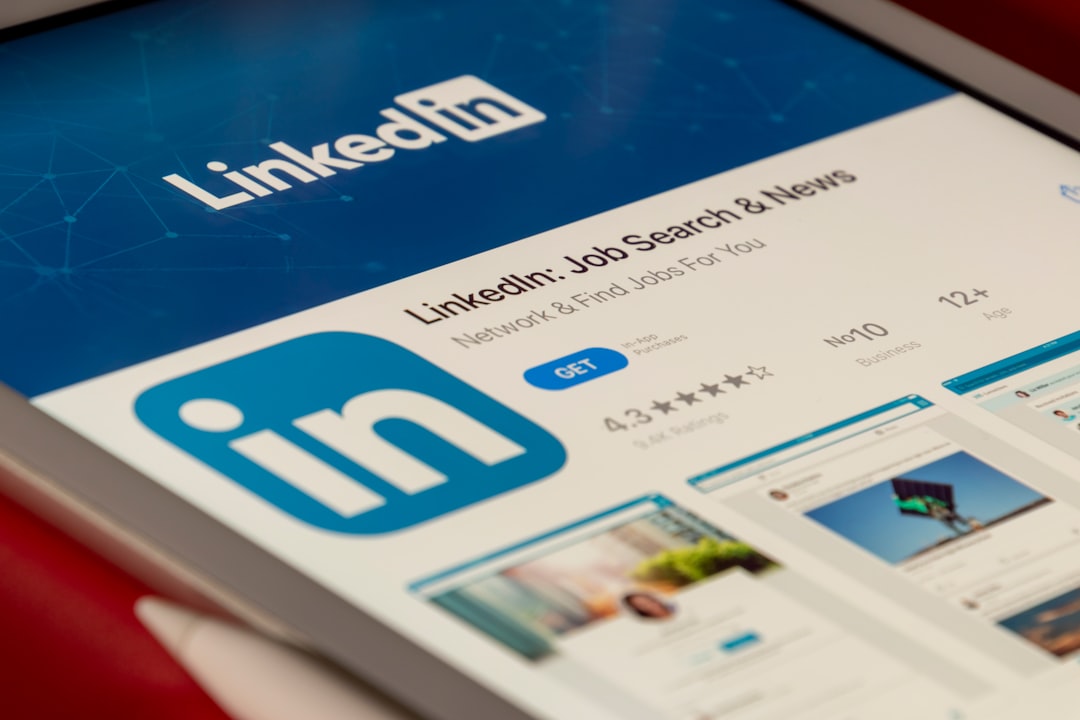
Yielding High-Quality Over Volume: A Paradigm Shift
The final, and perhaps most critical, component of the SLAY framework is “Yield Quality.” In 2026, the prevailing wisdom on LinkedIn is a definitive shift from the “more is better” mentality to an unwavering focus on quality over volume. The sheer accessibility of AI content generation tools has led to an explosion of mediocre content, making it harder for genuinely valuable posts to stand out. Therefore, the strategy for achieving high-quality linkedin viral status is to publish less, but make each post count significantly more. AI tools like Cleo are instrumental in this paradigm shift. Instead of using AI to churn out dozens of shallow posts, creators leverage it to meticulously refine a smaller number of highly impactful pieces. This involves using AI for advanced grammar and style checks, ensuring clarity, conciseness, and persuasive language. AI can identify logical inconsistencies, suggest stronger vocabulary, and even optimize sentence structure for readability and impact. It transforms a good draft into an exceptional one, increasing the likelihood of it becoming linkedin viral. This focus on quality extends beyond mere linguistic perfection. It encompasses the depth of insight, the originality of thought, and the practical value offered to the audience. AI can assist in thoroughly researching a topic, compiling diverse viewpoints, and even simulating potential audience reactions to different arguments. This rigorous pre-publication scrutiny, largely automated by AI, ensures that every piece of content is not just well-written, but also intellectually robust and genuinely valuable. By investing more time and AI processing power into fewer posts, creators can elevate their content above the noise, establishing themselves as authoritative voices whose contributions are consistently worth engaging with. This strategic prioritization of quality is the most effective path to sustained influence and virality on LinkedIn in 2026.Beyond Text: AI-Generated Visuals for Impact
While compelling text is fundamental, the visual component of a LinkedIn post plays an equally crucial role in capturing attention and conveying complex information quickly. In 2026, AI has revolutionized the creation of visuals, making it possible for even non-designers to produce high-quality, engaging graphics, and short videos that significantly enhance the potential for a post to become linkedin viral. The days of relying solely on stock photos or hiring expensive graphic designers for every post are increasingly behind us. AI tools, often integrated with platforms like Cleo, can generate a wide array of visual assets. From custom infographics that distill data into easily digestible formats to unique hero images that perfectly complement the post’s theme, the possibilities are extensive. These tools can interpret the textual content and suggest appropriate visual styles, color palettes, and even generate entirely new imagery based on specific prompts. This capability to create bespoke visuals ensures that the content not only looks professional but also stands out from the generic visuals that often populate feeds. For instance, an AI could generate a short animated explainer video from a text summary, illustrating complex concepts in a dynamic and engaging manner, similar to creating an AI concept trailer for a product launch. Moreover, AI can ensure visual consistency across a creator’s profile, reinforcing brand identity. It can automatically resize and optimize images for LinkedIn’s specific requirements, ensuring fast loading times and optimal display on various devices. The integration of AI in visual content creation means that creators can produce a diverse range of media, from static images to dynamic charts and short video clips, with unprecedented ease and speed. This visual richness, combined with strong textual content, creates a powerful synergy that is highly effective in grabbing attention, fostering engagement, and ultimately propelling a post towards linkedin viral status.
Ethical Considerations and the Future of AI-Driven Content
As AI becomes more deeply embedded in the creation of linkedin viral content, ethical considerations come to the forefront. In 2026, the discussion extends beyond mere plagiarism to issues of transparency, bias, and the potential for manipulation. Creators and platform providers alike bear the responsibility of navigating this complex landscape to ensure the integrity and trustworthiness of content on LinkedIn. One significant concern is transparency. While AI can draft eloquent posts, the audience increasingly values knowing whether content is human-generated or AI-assisted. Opaque use of AI can erode trust, particularly if the content is perceived as disingenuous or manipulative. Platforms like LinkedIn are likely to implement clearer guidelines or even mandatory disclosures for AI-generated content, similar to discussions around AI training data lawsuits. The goal is to maintain a level playing field where authenticity is paramount. Another critical ethical aspect is AI bias. If AI models are trained on biased data, they can inadvertently perpetuate stereotypes or exclude certain perspectives, leading to content that is not inclusive or fair. Creators must be vigilant in reviewing AI-generated content for such biases and applying their human judgment to correct them. Furthermore, the potential for AI to generate highly convincing but factually incorrect or misleading information requires rigorous human oversight. The future of AI-driven content on LinkedIn necessitates a commitment to ethical AI development and responsible usage. This means prioritizing human oversight, ensuring transparency with the audience, and actively working to mitigate biases in AI models. Without these safeguards, the very tools designed to enhance communication could undermine the trust that is foundational to professional networking, making true linkedin viral impact unsustainable.Measuring Success: AI-Powered Analytics for Viral Campaigns
Achieving linkedin viral status is only half the battle; understanding *why* a post went viral and how to replicate that success is crucial. In 2026, AI-powered analytics tools have transformed the way creators measure the impact of their content, moving beyond superficial metrics to provide deep, actionable insights. This advanced analytical capability is essential for continuous improvement and for refining future content strategies. Traditional analytics might show likes, shares, and comments, but AI delves deeper. Platforms like Cleo, integrated with LinkedIn’s own enhanced analytics, can perform sentiment analysis on comments, identifying not just the volume of engagement but the emotional tone and thematic focus of discussions. This helps creators understand whether their message truly resonated positively or if it sparked controversy in an unintended way. Furthermore, AI can track the journey of a linkedin viral post across the network, identifying key influencers who amplified it and the specific demographics that engaged most strongly. These tools also provide predictive analytics, offering insights into which elements of a viral post contributed most to its success. Was it the headline? The call to action? The visual? By correlating these factors with engagement metrics, AI can generate recommendations for future content, advising on optimal posting times, preferred content formats, and even suggesting alternative phrasing for higher impact. This continuous feedback loop, driven by AI, allows creators to systematically deconstruct their viral successes and apply those learnings to future campaigns. The ability to precisely measure, analyze, and learn from every piece of content ensures that the pursuit of linkedin viral status becomes a data-informed, strategic endeavor rather than a hit-or-miss gamble.Frequently Asked Questions
What is the SLAY framework for LinkedIn viral content in 2026?
The SLAY framework stands for Storytelling, Leverage Data, Authenticity, and Yield Quality. It’s a strategic guide for creators to use AI tools like Cleo to produce high-impact, deeply engaging LinkedIn content that prioritizes genuine connection and value over sheer volume.How does AI specifically help with storytelling on LinkedIn?
AI tools assist by analyzing successful narrative structures, suggesting compelling hooks, refining language for clarity and impact, and identifying metaphors or analogies that make complex professional topics more relatable and engaging, enhancing the human story.Is it possible for AI to create truly authentic LinkedIn content?
AI can generate content that mimics a creator’s voice and style, enhancing consistency. However, true authenticity stems from human experience and perspective. AI should be used to augment and refine, allowing the human creator to infuse the unique personal touch that resonates genuinely with an audience.Why does quality beat volume for LinkedIn viral content in 2026?
The proliferation of easily generated AI content has saturated LinkedIn with mediocre posts. High-quality content, meticulously crafted with AI assistance and human oversight, stands out, fosters deeper engagement, and establishes thought leadership more effectively than a high volume of generic posts.What ethical considerations should be kept in mind when using AI for LinkedIn content?
Key ethical considerations include transparency regarding AI-assisted content, mitigating potential biases in AI models, and ensuring factual accuracy. Human oversight is crucial to prevent the spread of misinformation and maintain trust within the professional community.Discover more from Olivier Hero Dressen Blog: Filmmaking & Creative Tech
Subscribe to get the latest posts sent to your email.
Need a Director for Your Next Project?
From commercials to branded campaigns—Olivier brings creative vision and technical expertise.
→ View Projects
Work with Olivier
Director | CD | DP & Photographer
Specializing in commercials, music videos, AI-driven filmmaking, and cinematic storytelling for brands and production companies.
🌍 Shanghai · Paris · Los Angeles · Dubai
🎬 View Portfolio & Get in Touch