
Key Takeaways
- First insight, Midjourney excels in artistic style and aesthetic coherence, DALL-E offers precise control over specific elements, and Stable Diffusion provides deep customization and open-source flexibility.
- Craft highlight, Each tool serves distinct creative needs; Midjourney is ideal for rapid aesthetic exploration, DALL-E for detailed compositional control, and Stable Diffusion for advanced technical integration and bespoke model training.
- Industry context, The rapid evolution of Midjourney, DALL-E, and Stable Diffusion continues to redefine visual production workflows, demanding artists understand their unique strengths for commercial and personal projects.
- Bottom line, Mastering the specific capabilities and limitations of Midjourney, DALL-E, and Stable Diffusion is essential for any working artist leveraging generative AI to enhance their creative output in 2026.
The landscape of ai art has been profoundly reshaped by tools like Midjourney, DALL-E, and Stable Diffusion, each offering distinct capabilities for creative professionals. Midjourney excels in producing aesthetically striking, often painterly images with minimal prompting. DALL-E provides superior control over object placement and detailed compositions. Stable Diffusion, as an open-source platform, offers unparalleled customization and flexibility for advanced users.
Need a Director for Your Next Project?
From commercials to branded campaigns—Olivier brings creative vision and technical expertise.
→ View Projects
Introduction to Generative AI Art: The Creative Revolution
The advent of generative artificial intelligence has fundamentally shifted the paradigms of visual creation. For filmmakers, photographers, and graphic designers, tools like Midjourney, DALL-E, and Stable Diffusion are no longer novelties but integral components of the creative process in 2026. These platforms allow artists to translate abstract concepts and detailed visions into tangible images with unprecedented speed and efficiency.
The power of ai art lies in its ability to democratize complex visual production. What once required extensive technical skill or large budgets can now be explored through text prompts, opening new avenues for concept development, mood boarding, and even final asset generation. Understanding the distinct philosophies and capabilities of each major player is paramount for maximizing their potential.
Each of these systems, while broadly categorized as generative AI, employs different underlying architectures and training methodologies. This results in unique output characteristics, user interfaces, and suitability for various artistic tasks. My experience as a director and cinematographer has shown me that the right tool, precisely applied, can elevate a project significantly.
The continuous evolution of these tools means that what was cutting-edge last year is merely baseline today. Staying informed about their updates and nuances is not just academic; it directly impacts the quality and efficiency of a working artist’s output. This guide aims to cut through the noise, providing a direct, practical comparison for professionals seeking to leverage the best in ai art.
We will explore how Midjourney excels in pure aesthetic generation, how DALL-E offers a more controlled approach to specific elements, and how Stable Diffusion provides unparalleled flexibility for those who demand deep customization. The goal is to equip you with the knowledge to make informed decisions about which tool best serves your particular creative needs. This understanding is critical for navigating the rapidly expanding landscape of digital art.
Midjourney: The Aesthetic Powerhouse for AI Art
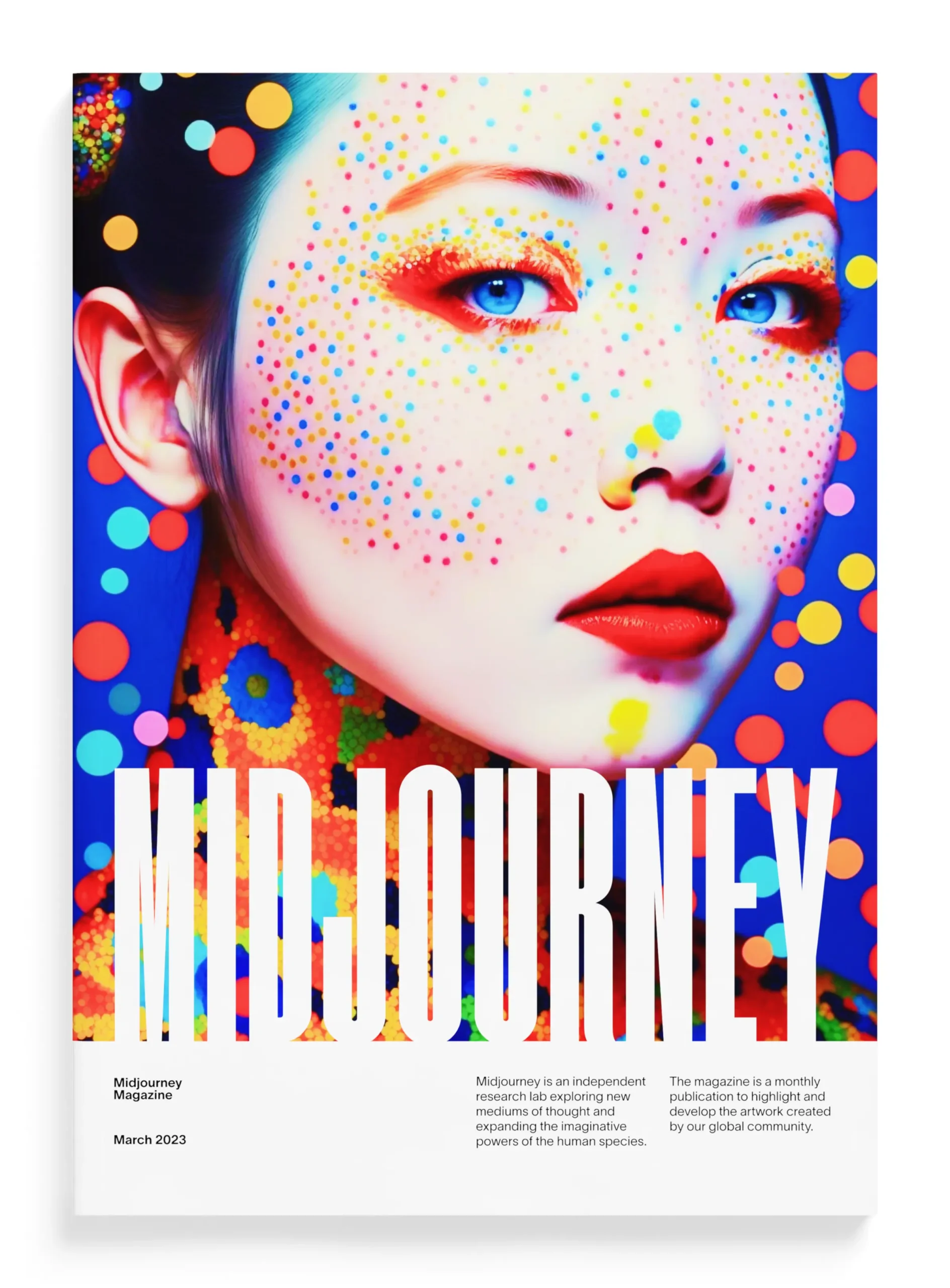
Midjourney has carved out a unique niche as the go-to tool for generating visually stunning, often ethereal, and highly artistic imagery. Its strength lies in its sophisticated aesthetic engine, which frequently produces outputs that require minimal post-processing to achieve a polished look. For artists prioritizing immediate visual impact and a distinct artistic style, Midjourney is often the first choice.
The platform excels at interpreting abstract or stylistic prompts, often imbuing images with a painterly quality, dramatic lighting, and a cohesive mood. This makes it particularly effective for concept art, mood boards, and generating evocative visual themes where a strong artistic voice is desired. Many users find its default outputs to be inherently beautiful, requiring less iterative prompting to achieve a pleasing result compared to some competitors.
One key aspect of Midjourney’s effectiveness is its ability to adhere closely to specific stylistic instructions when dialed in correctly. As observed by users, Midjourney can be “much better at following specific prompts when you dial it to, S.0,” ensuring the output sticks “exactly to the prompt” in terms of style and composition. This precision, combined with its aesthetic bias, makes it a powerful tool for visual storytelling.
For those looking to master this tool, understanding the nuances of its parameters can unlock even greater potential, as detailed in various guides on Midjourney mastery secrets.
While Midjourney’s default aesthetic is a major draw, it can also be a limitation if you require absolute photorealism or precise control over minute details within a scene. It tends to prioritize artistic interpretation over strict adherence to physical accuracy. However, for many forms of ai art, this artistic license is precisely what makes it so valuable.
The community surrounding Midjourney, primarily hosted on Discord, is another significant asset. It fosters a collaborative environment where users share prompts, techniques, and showcase their work, accelerating the learning curve for newcomers. This active community contributes to the rapid evolution of prompting best practices and stylistic trends within the Midjourney ecosystem. Access to the official platform can be found on the Midjourney website.
DALL-E: Precision and Compositional Control
DALL-E, developed by OpenAI, approaches ai art generation with a focus on precision, object recognition, and compositional control. Unlike Midjourney’s often more artistic interpretation, DALL-E aims to deliver exactly what the prompt specifies, making it an excellent tool for scenarios where specific objects, placements, and logical arrangements are critical.
This precision makes DALL-E particularly useful for product visualization, creating specific illustrations, or generating scenes with clearly defined elements and relationships. If you need a “red car parked next to a blue house with a dog on the porch,” DALL-E is generally more adept at rendering these distinct elements accurately and placing them logically within the scene. Its strength lies in understanding and executing explicit instructions.
The evolution of DALL-E, especially with DALL-E 3, has seen significant improvements in its ability to understand complex prompts and generate coherent images. However, some users, even in 2026, still perceive DALL-E’s image quality and realism to lag behind competitors like Midjourney and Stable Diffusion XL.
As noted in community discussions, “DALL·E 3 feels outdated” in comparison, particularly regarding “image quality, realism.” This perception often stems from its earlier versions, and while DALL-E 3 has closed the gap, the aesthetic quality might still require more iterative prompting or specific stylistic cues to match the immediate impact of Midjourney.
DALL-E’s integration within the broader OpenAI ecosystem, including ChatGPT, offers a streamlined workflow for prompt generation and refinement. This can be a significant advantage for users already embedded in OpenAI’s suite of tools, allowing for conversational prompt iteration and sophisticated text-to-image workflows. OpenAI continues to refine its models, enhancing both the aesthetic output and the user’s control over the generated images. The official platform is available via OpenAI’s DALL-E page.
For tasks requiring specific object manipulation, text integration, or a clear, literal interpretation of a prompt, DALL-E remains a powerful and reliable choice. Its strength lies in its ability to translate explicit instructions into visual reality with a high degree of fidelity to the prompt’s literal meaning.
Stable Diffusion: Open Source Flexibility and Customization
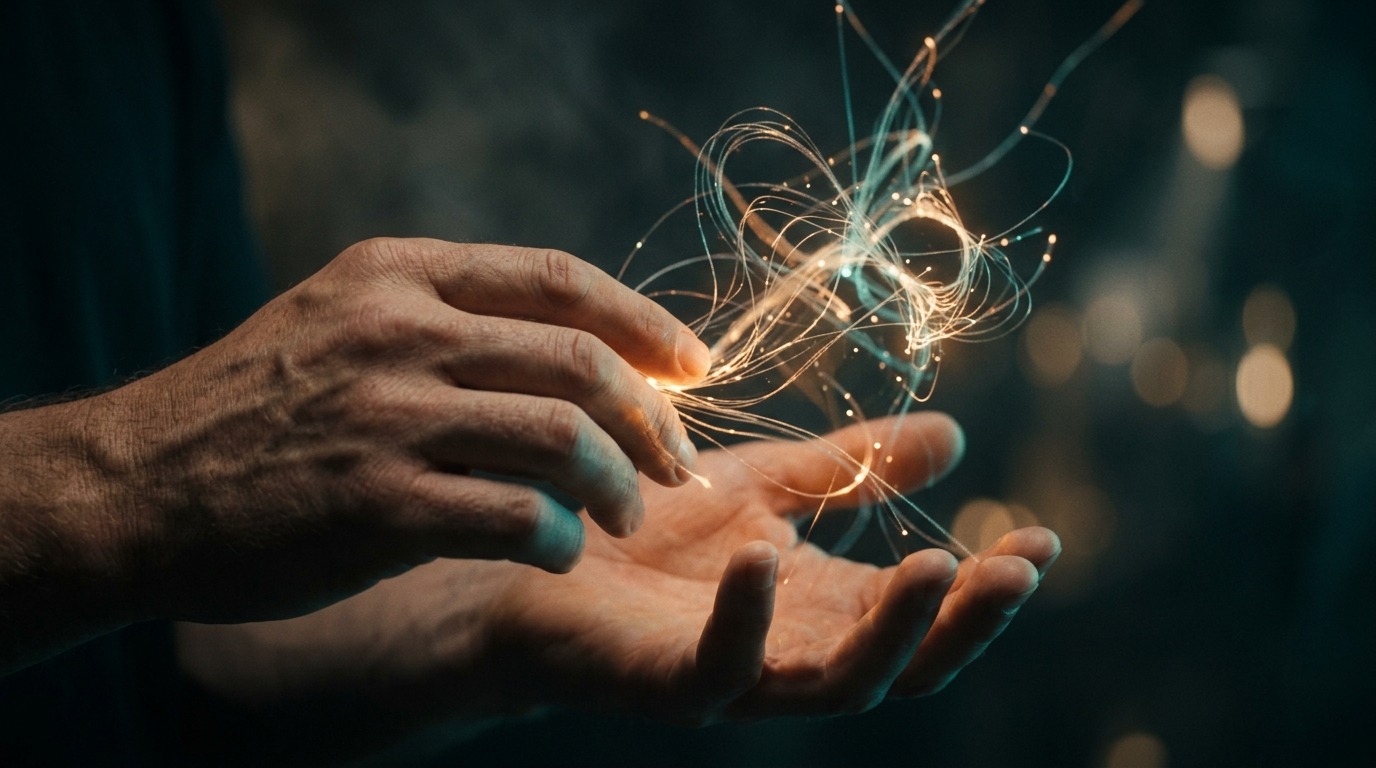
Stable Diffusion stands apart as the premier open-source generative ai art tool, offering unparalleled flexibility, customization, and control to its users. Unlike Midjourney and DALL-E, which primarily operate as hosted services, Stable Diffusion can be run locally on compatible hardware, providing a level of privacy and direct control that proprietary solutions cannot match.
This open-source nature means that Stable Diffusion is constantly being refined and expanded by a global community of developers and artists. This has led to an explosion of custom models, extensions, and user interfaces (UIs) that cater to virtually every niche and artistic demand. From specialized models trained on specific art styles to tools for inpainting, outpainting, and animation, the ecosystem around Stable Diffusion is incredibly rich and dynamic.
For artists who require deep technical control, the ability to fine-tune models, or integrate generative AI directly into existing pipelines, Stable Diffusion is the clear winner. Its flexibility allows for the creation of highly specific assets, character variations, and environmental elements that perfectly match a project’s unique requirements. This level of customization is invaluable for professional workflows where generic outputs are insufficient.
Its versatility makes it a cornerstone for many advanced generative image comparisons and experiments.
However, this power comes with a steeper learning curve. Setting up and optimizing Stable Diffusion, especially with its various UIs like Automatic1111 or ComfyUI, requires more technical proficiency than simply typing prompts into a Discord bot or web interface. Users need to understand concepts like checkpoints, LoRAs, ControlNet, and sampling methods to fully harness its capabilities. The official home of the underlying technology is Stability AI.
Despite the initial technical hurdle, the rewards of mastering Stable Diffusion are significant. It empowers artists with complete ownership over their creative process and the generated assets, offering a level of freedom unmatched by its competitors. For those willing to invest the time, Stable Diffusion provides the ultimate toolkit for producing highly customized and technically sophisticated ai art.
The Core Differences: Style, Control, and Accessibility
🎬 AI Render Pro Studio, the AI film production suite I built and use on my own productions. Script breakdown, storyboards, 30+ video models including Seedance 2.5 and Kling O3, image generation, retouch, 7K upscaling and audio, all in one browser workspace. $19/month flat, bring your own API keys and pay providers at cost, no credit packs, no markup. Try AI Render Pro Studio →
When choosing between Midjourney, DALL-E, and Stable Diffusion, a direct comparison of their core philosophies reveals why each excels in different areas of ai art generation. These differences are crucial for a working artist to understand, as they dictate which tool will be most effective for a given task.
Midjourney’s primary strength lies in its inherent artistic bias and aesthetic quality. It’s designed to make beautiful images with minimal effort, often interpreting prompts with a distinctive, cohesive style. This makes it incredibly accessible for artists seeking visually striking results quickly, particularly for conceptual work or expressive imagery.
Its user interface, primarily through Discord, is intuitive, making it a low-barrier-to-entry platform for exploring generative art.
DALL-E, by contrast, prioritizes literal interpretation and compositional control. It aims for accuracy in rendering specific objects and their spatial relationships, making it ideal for tasks requiring precision, such as product mock-ups, architectural visualizations, or illustrations with clearly defined elements.
Its integration with OpenAI’s broader AI ecosystem enhances its accessibility for users already familiar with those tools, offering a more structured approach to prompt engineering.
Stable Diffusion champions flexibility and open-source customization. Its strength is its adaptability: users can run it locally, fine-tune models, and integrate it deeply into existing software pipelines. This offers unparalleled control over the generation process, from the underlying model to specific artistic styles through LoRAs and ControlNet.
However, this power comes at the cost of accessibility; it requires more technical knowledge and setup compared to the more user-friendly interfaces of Midjourney and DALL-E.
The quality examples and clear commercial licensing considerations for each platform have been extensively compared, helping artists make informed decisions. For a comprehensive overview of these distinctions, resources like the Future Business Academy’s guide on AI image generators provide valuable insights into their practical applications.
Understanding these core differences allows artists to select the tool that best aligns with their creative vision and technical requirements for any given project involving generative AI.
Mastering Prompts for Superior AI Art
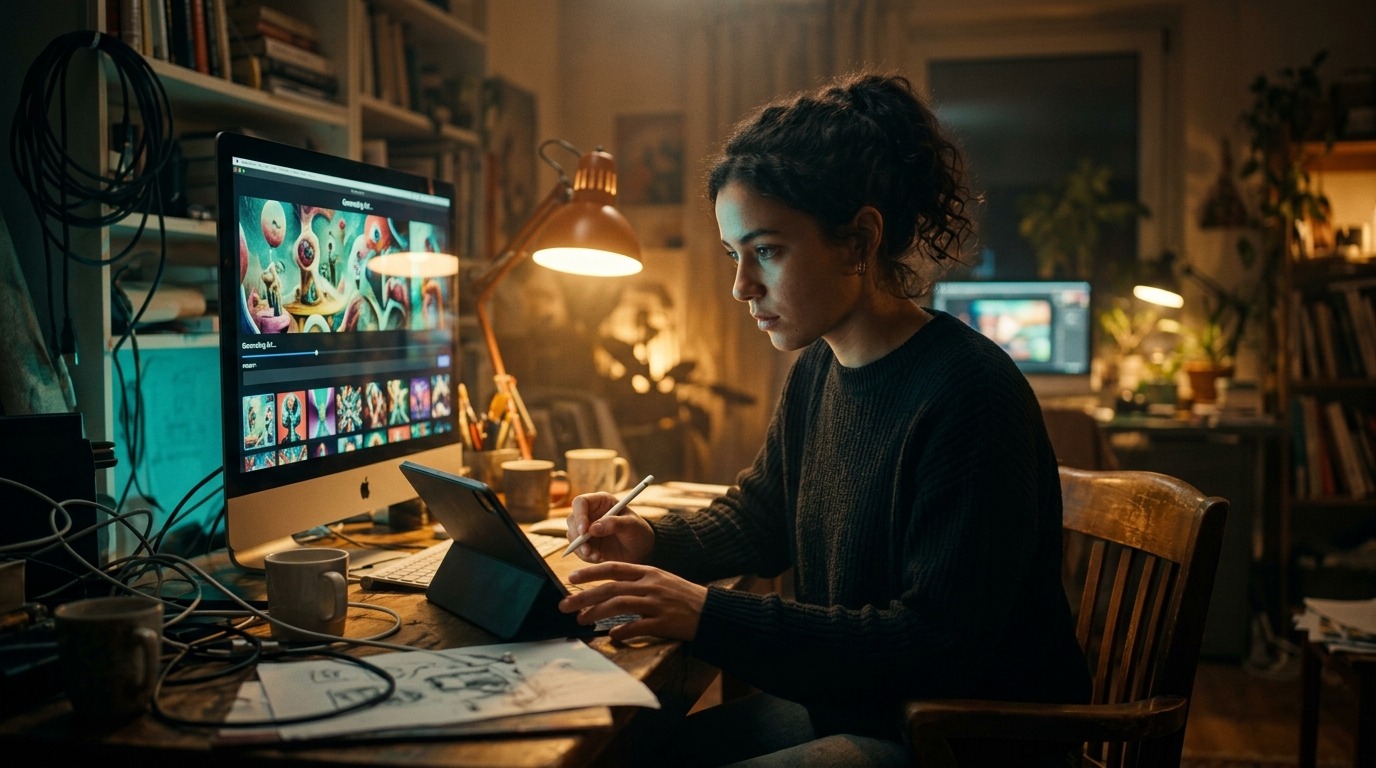
The quality of ai art generated by Midjourney, DALL-E, and Stable Diffusion is inextricably linked to the quality of the prompts provided. Crafting effective prompts is an art form in itself, requiring clarity, specificity, and an understanding of how each model interprets language. It’s not just about what you want to see, but how you ask for it.
For Midjourney, prompts often benefit from evocative language, stylistic descriptors, and artistic references. It responds well to terms that describe mood, lighting, camera angles, and artistic movements. While simple prompts can yield beautiful results, adding specific parameters and stylistic tags can significantly refine the output, guiding Midjourney towards a more precise aesthetic vision.
Its strong artistic bias means it often fills in stylistic gaps, but explicit direction further hones the output.
DALL-E thrives on clear, descriptive language that explicitly names objects, actions, and their spatial relationships. Detail is key here; the more precisely you describe what you want, the better DALL-E will be at rendering it. It’s less about abstract mood and more about concrete elements. Specifying colors, materials, and exact placements will yield more accurate results.
For those seeking to refine their generative images across these platforms, a tool like AI Render Pro, the prompting tool for filmmakers and creatives can significantly enhance prompt engineering, translating artistic vision into precise AI art outputs.
Stable Diffusion, given its open-source nature and vast array of custom models, offers the most granular control over prompting. Beyond basic descriptive text, users can leverage negative prompts to specify what they don’t want, utilize weights for specific terms, and integrate LoRAs (Low-Rank Adaptation) or ControlNet for highly specific style or compositional guidance. This level of control demands a deeper understanding of prompt syntax and model capabilities.
Regardless of the tool, the principle remains: “Single-word and longer descriptive prompts will produce beautiful images.” This insight from CreativePool underscores the fundamental importance of well-constructed prompts. Iteration is also vital; rarely does the first prompt yield the perfect result. Experimentation, learning from outputs, and refining prompts are integral to mastering the creation of compelling ai art.
Licensing and Commercial Use: Navigating the AI Art Landscape
For professional artists, understanding the licensing terms associated with Midjourney, DALL-E, and Stable Diffusion is as critical as mastering their creative capabilities. The ability to use generated ai art for commercial projects, client work, or public distribution varies significantly between platforms and has evolved rapidly since their initial releases.
Midjourney, as a commercial service, generally grants users significant rights to the images they create, particularly for paid subscribers. As of 2026, paid subscribers typically own the assets they generate, allowing for commercial use. However, it’s crucial to always review their latest Terms of Service, as these can be updated. For non-subscribers or those using free tiers (if available), commercial use might be restricted.
DALL-E, being a product of OpenAI, also has clear commercial usage policies. Generally, users who generate images through DALL-E (especially via paid access or API integration) retain commercial rights to their creations. OpenAI’s terms usually emphasize responsible use and adherence to content policies, prohibiting the generation of harmful or illegal content.
Artists should always consult OpenAI’s Terms of Use for the most current information regarding commercial rights and content guidelines.
Stable Diffusion, due to its open-source nature, often provides the most flexible licensing. The base Stable Diffusion models are typically released under permissive licenses, such as the CreativeML Open RAIL-M license, which generally allows for commercial use with certain restrictions, particularly around harmful content.
However, the licensing can become more complex when using custom models (LoRAs, checkpoints) developed by third parties, as these may have their own specific licensing terms. Artists must verify the license of each custom model they intend to use commercially.
The legal landscape surrounding AI-generated content, copyright, and commercial rights is still in flux globally. While many platforms grant commercial rights to users, the broader legal recognition of AI-generated content as copyrightable by a human creator is a subject of ongoing debate and legal challenges. For artists working in this space, staying informed about these developments is paramount.
News sources like The Verge frequently cover the evolving legal aspects of AI art and intellectual property.
Performance and Iteration: Speed Versus Fidelity
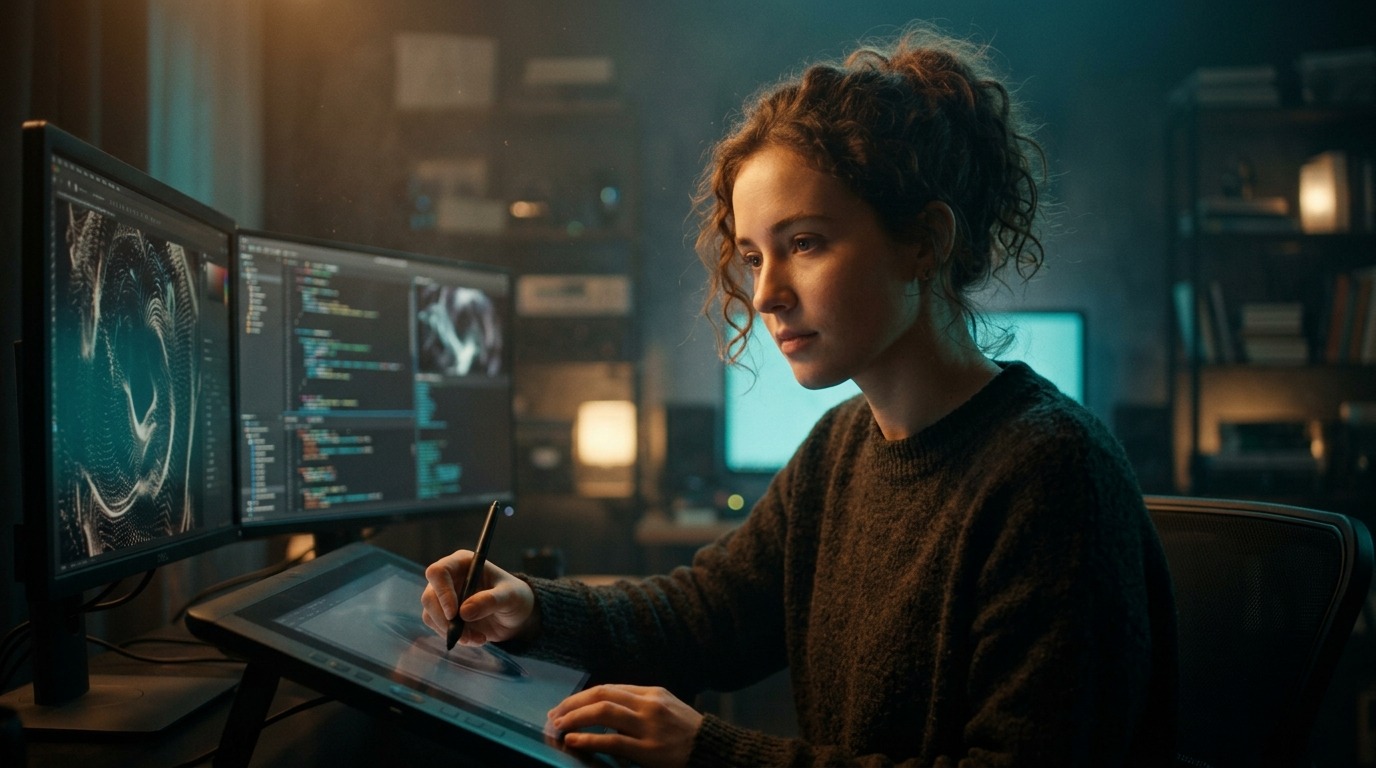
The practical application of Midjourney, DALL-E, and Stable Diffusion in a professional workflow often boils down to a balance between generation speed, image fidelity, and the efficiency of iteration. Each tool approaches this balance differently, influencing their suitability for various creative phases.
Midjourney is often praised for its ability to produce high-quality, aesthetically pleasing images relatively quickly, even with less complex prompts. Its iterative process, primarily through variations and upscaling within the Discord interface, allows artists to rapidly explore different visual directions.
While it might not offer the pixel-level control of Stable Diffusion, its speed in delivering “good enough” or even “excellent” artistic results makes it ideal for rapid concepting and mood board generation. The fidelity of its artistic output is consistently high.
DALL-E has also significantly improved its generation speed and fidelity, particularly with its latest iterations. Its strength lies in its ability to execute precise prompt instructions, meaning fewer iterations might be needed to achieve a specific compositional goal. However, if the initial prompt is vague or requires significant aesthetic refinement, the iterative process might feel slower compared to Midjourney’s more fluid stylistic exploration.
The focus here is on achieving specific compositional fidelity rather than broad artistic interpretation.
Stable Diffusion offers the most granular control over both speed and fidelity, but this comes with dependencies. When run locally, generation speed is directly tied to the user’s hardware (GPU power). Powerful machines can generate images incredibly fast, allowing for rapid iteration and experimentation. The fidelity is also highly customizable, with users able to choose between various models, samplers, and resolution settings to prioritize speed over detail or vice-versa.
This flexibility is a double-edged sword; while powerful, it requires technical knowledge to optimize. The ability to generate high-resolution images without significantly increasing computational burden is a key advantage for diffusion models, as noted in discussions around the performance of generative AI.
For a busy professional, the choice often comes down to the project’s specific demands. If speed and artistic flair are paramount for early-stage conceptualization, Midjourney might be favored. If precise, controlled compositions are needed, DALL-E excels. If deep customization, technical control, and hardware-dependent iteration speed are the priority, Stable Diffusion is the tool of choice for producing specialized ai art.
Integrating AI Art into Your Workflow
The true value of Midjourney, DALL-E, and Stable Diffusion for a working artist lies not just in their individual capabilities, but in how effectively they can be integrated into existing creative workflows. These tools are not replacements for traditional artistic skills but powerful augmentations that can streamline processes and open new creative avenues.
For filmmakers and concept artists, Midjourney is invaluable for quickly generating diverse visual ideas for scenes, characters, or environments. Its ability to create aesthetically compelling images from simple text prompts makes it perfect for mood boards, pitch decks, and early-stage visual development. The outputs can serve as strong starting points for traditional painting, 3D modeling, or matte painting.
DALL-E shines when specific elements or precise compositions are required. It can be used to generate variations of props, costumes, or architectural details that need to adhere to a strict brief. Its output can then be directly incorporated into graphic design projects, used as reference for illustrators, or even as textures for 3D models. Its strength in generating text within images also makes it useful for mock-ups involving typography.
Stable Diffusion, with its open-source nature, offers the deepest integration possibilities. Artists can train custom models on their own art style, character designs, or specific object libraries, ensuring consistency across a project. It can be used for inpainting to modify existing images, outpainting to extend canvases, or generating complex animations frame-by-frame.
Its API access allows for automation and integration into custom tools or production pipelines, making it a powerful asset for studios and individual artists with technical proficiency. This kind of integration is how AI is used in real commercial productions today.
Regardless of the tool, the workflow typically involves prompt engineering, generation, selection, and refinement. The generated ai art often serves as a foundation, which is then enhanced, edited, or composited using traditional software like Photoshop, Blender, or DaVinci Resolve. This hybrid approach, combining the speed of AI with the precision of human artistry, is where the most compelling results are achieved in 2026.
The Future of AI Art: Evolving Tools and Techniques
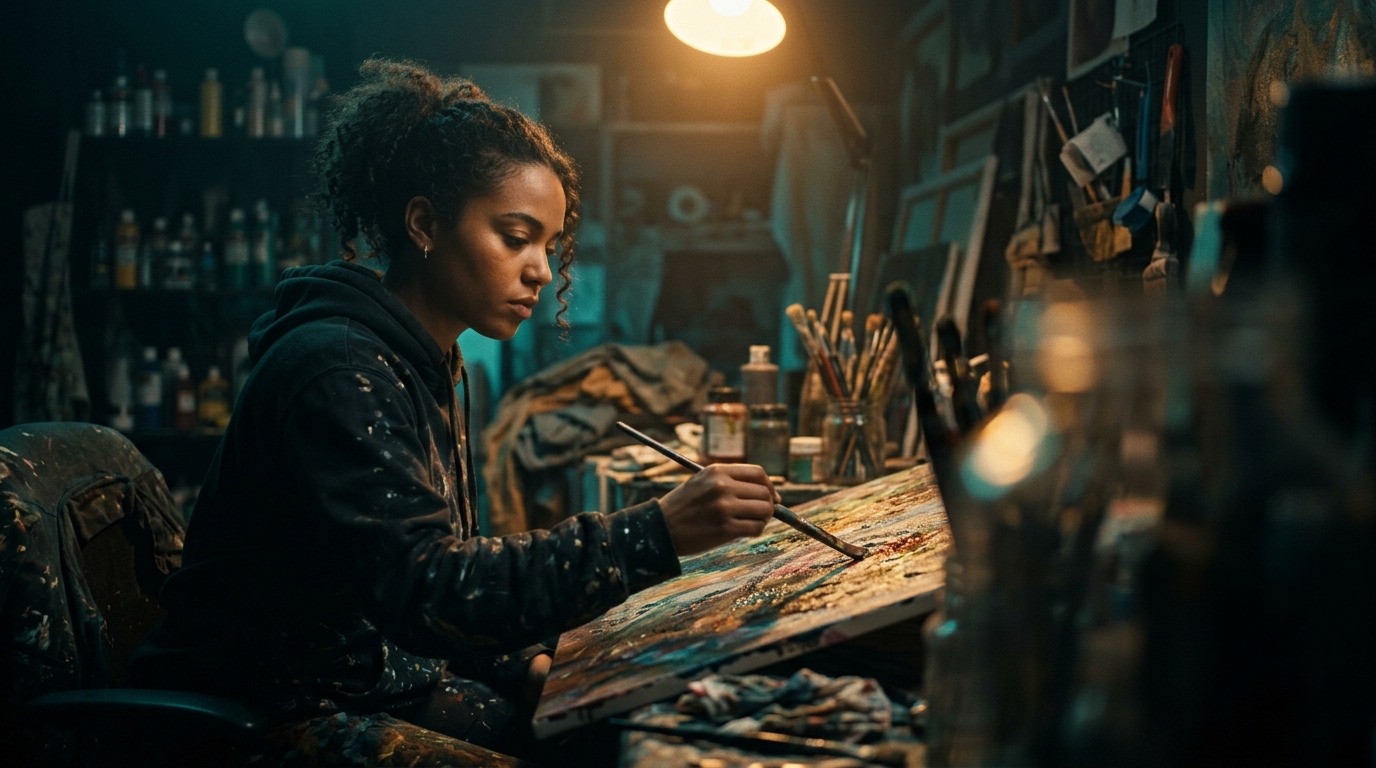
The landscape of ai art generation is anything but static. Midjourney, DALL-E, and Stable Diffusion are in a state of continuous evolution, with new versions, features, and capabilities being rolled out regularly. Staying abreast of these developments is crucial for any artist committed to leveraging these powerful tools effectively.
Midjourney continues to refine its aesthetic engine, often introducing new stylistic parameters, aspect ratios, and prompt interpretation capabilities. Its focus remains on pushing the boundaries of artistic output, constantly surprising users with improved coherence and visual fidelity. Expect further advancements in its ability to handle complex narratives and maintain character consistency across multiple generations.
DALL-E, backed by OpenAI, is likely to see further integration with large language models, enhancing its understanding of nuanced prompts and improving its ability to generate contextually relevant and accurate imagery. Improvements in realism, detail, and the ability to manipulate specific elements within a scene are ongoing. Its role as a precise visual interpreter within a broader AI ecosystem is expected to solidify.
Stable Diffusion, driven by its open-source community, will continue to expand its ecosystem of custom models, extensions, and user interfaces. The community’s rapid innovation means that new techniques for control (like advanced ControlNet applications), animation, and 3D integration are constantly emerging. Its flexibility ensures it will remain at the forefront for technical artists and researchers pushing the limits of generative AI.
The underlying diffusion models themselves are still undergoing significant research and development, promising even more powerful and efficient generations in the years to come.
Beyond individual tool improvements, the broader future of ai art involves greater interoperability between platforms, more sophisticated control mechanisms, and an increasing focus on ethical considerations. The conversation around copyright, authenticity, and the role of the human artist will only intensify, shaping the legal and cultural context in which these tools operate.
For artists, this means a continuous learning curve, but also an exciting frontier of creative possibility.
Choosing Your Tool: Midjourney, DALL-E, or Stable Diffusion?
The decision of which ai art tool to use, Midjourney, DALL-E, or Stable Diffusion, ultimately depends on your specific creative goals, technical comfort level, and project requirements. There is no single “best” tool; rather, there is the most appropriate tool for the task at hand.
If your primary goal is to generate visually stunning, artistically rich images with minimal fuss, and you prioritize aesthetic coherence and mood, Midjourney is likely your strongest contender. It excels at conceptual art, mood boards, and generating evocative visuals where a strong artistic style is paramount. Its ease of use and consistent high-quality output make it a favorite for rapid ideation.
For tasks that demand precision, accurate object placement, and a literal interpretation of your prompts, DALL-E offers superior control. It’s ideal for product visualization, specific illustrations, graphic design elements, or any scenario where compositional accuracy is more important than abstract artistic interpretation. Its integration with other OpenAI tools can also be a workflow advantage.
If you require deep customization, open-source flexibility, the ability to run models locally, or the technical capacity to fine-tune models and integrate them into complex pipelines, Stable Diffusion is the clear choice. It empowers advanced users with unparalleled control over every aspect of the generation process, making it indispensable for niche applications, bespoke art styles, and technical art development.
Many professional artists in 2026 find themselves using a combination of these tools, leveraging the unique strengths of each. Midjourney for initial concepts, DALL-E for specific elements, and Stable Diffusion for detailed refinement or custom asset generation. The key is to experiment, understand their individual quirks, and integrate them strategically into your creative process.
The journey to mastering ai art is an ongoing one, but with these tools, the possibilities are vast.
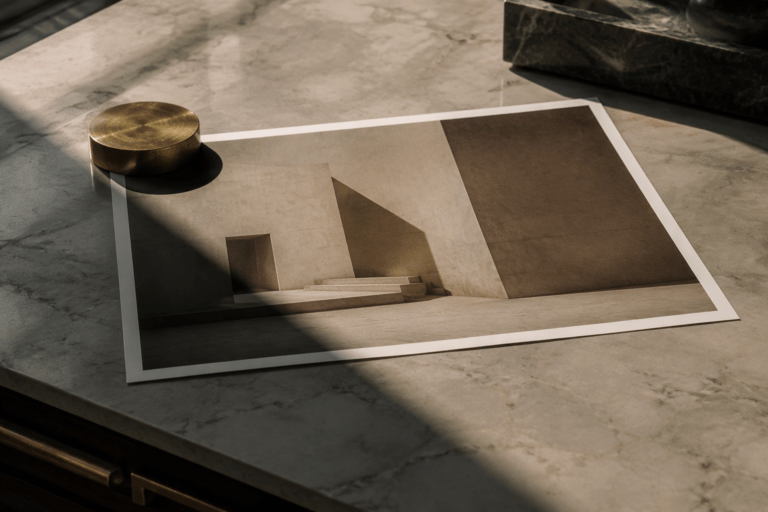
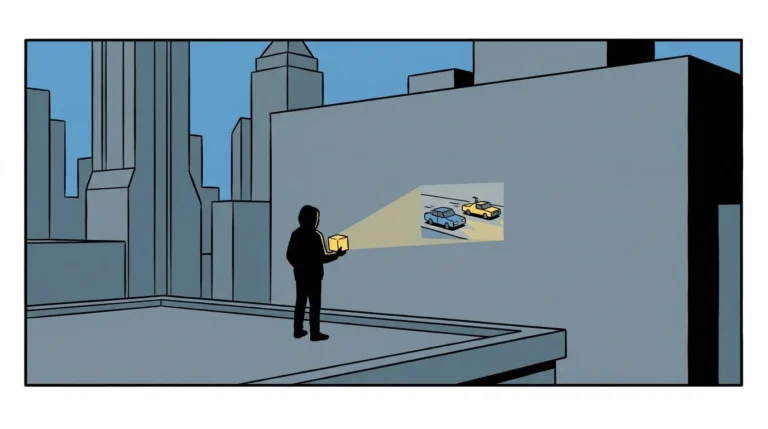
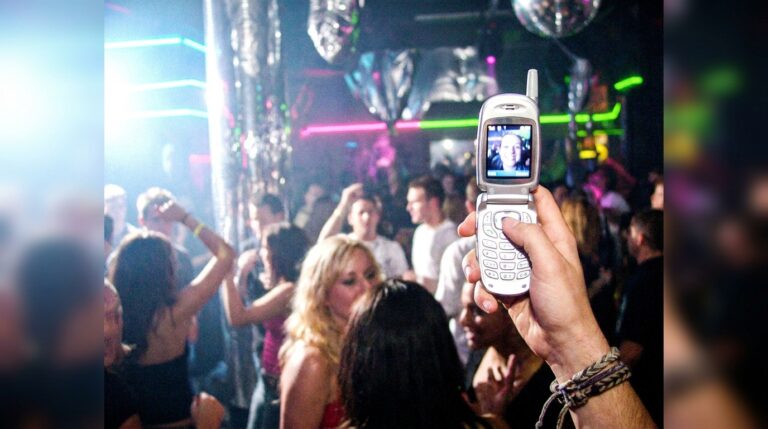
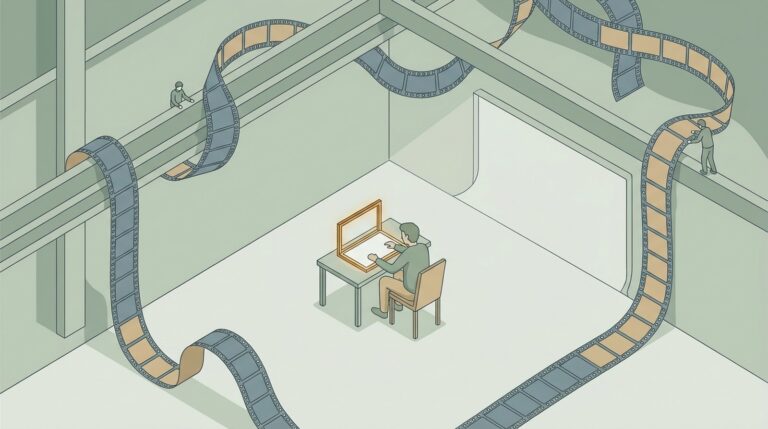
Every AI image in this article was generated with AI Render Pro, the prompting engine I built for filmmakers and creatives. Read the full breakdown here.
Frequently Asked Questions
What are the main differences between Stable Diffusion vs DALL-E?
Stable Diffusion offers open-source flexibility and deep customization, allowing local hosting and extensive model fine-tuning. DALL-E, a proprietary tool from OpenAI, focuses on user-friendliness and precise object generation, often excelling at literal interpretation of prompts.
Which is better, DALL-E vs Stable Diffusion, for specific object placement?
DALL-E generally provides superior control for specific object placement and compositional accuracy. Its models are trained to interpret and render explicit instructions regarding objects and their spatial relationships with a high degree of fidelity.
What are the key distinctions between Midjourney, DALL-E, and Stable Diffusion?
Midjourney specializes in generating highly aesthetic and artistic images with a strong stylistic bias. DALL-E offers precision and control for specific compositional elements. Stable Diffusion provides open-source flexibility, deep customization, and local deployment for advanced users.
Which AI art tool is best for commercial use?
All three tools can be used for commercial purposes, but their licensing terms differ. Midjourney and DALL-E generally grant commercial rights to paid subscribers, while Stable Diffusion’s open-source nature often provides permissive licensing for its base models, though custom models require individual license verification.
Why does DALL-E sometimes lag behind Midjourney and Stable Diffusion in perceived quality?
While DALL-E has significantly improved, particularly with DALL-E 3, some users perceive its aesthetic quality and realism to lag slightly behind Midjourney’s artistic flair or Stable Diffusion’s highly customizable fidelity. This perception often relates to its earlier versions and its emphasis on literal interpretation over inherent artistic style.
Discover more from Olivier Hero Dressen Blog: Filmmaking & Creative Tech
Subscribe to get the latest posts sent to your email.
Work with Olivier
Director | CD | DP & Photographer
Specializing in commercials, music videos, AI-driven filmmaking, and cinematic storytelling for brands and production companies.
🌍 Shanghai · Paris · Los Angeles · Dubai
🎬 View Portfolio & Get in Touch