
Key Takeaways
- First insight, True midjourney mastery stems from understanding the AI’s interpretive logic, moving beyond simple keywords to nuanced prompt engineering.
- Craft highlight, Precision in advanced parameters like aspect ratios, stylization, and chaos values is crucial for translating artistic intent into predictable visual outcomes.
- Industry context, Integrating Midjourney into professional workflows, particularly for pre-visualization and concept development, significantly accelerates creative iteration and client communication.
- Bottom line, Continuous experimentation, iterative refinement, and a deep engagement with the community are indispensable for maintaining a cutting-edge approach to AI art generation.
To achieve true midjourney mastery, one must transcend basic prompting, understanding the AI not merely as a tool for random generation but as a sophisticated co-creator capable of executing precise artistic intent through careful parameter manipulation and iterative refinement. This requires a director’s eye for detail, a commitment to understanding the nuances of AI interpretation, and the discipline to refine prompts until the vision is perfectly articulated.
Need a Director for Your Next Project?
From commercials to branded campaigns—Olivier brings creative vision and technical expertise.
→ View Projects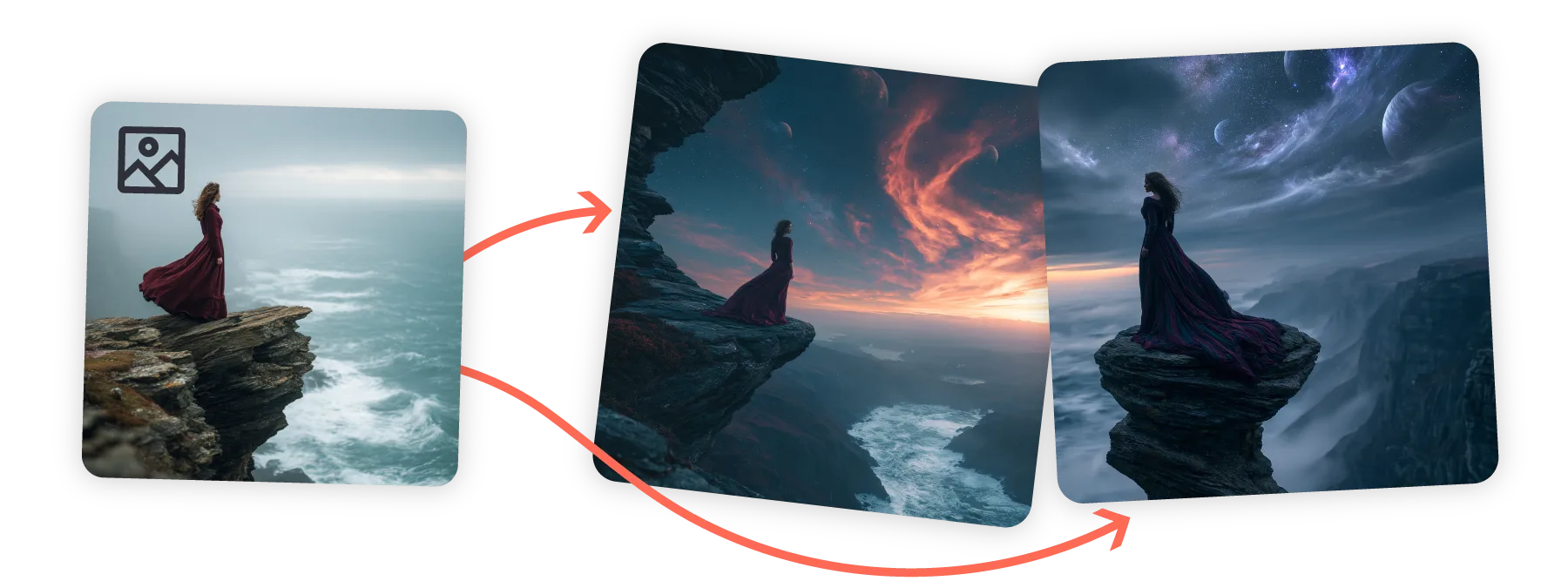
The Core of Midjourney Mastery: Intentional Prompt Engineering
Achieving midjourney mastery begins with a profound understanding of prompt engineering, moving beyond the superficiality of keyword stuffing to a deliberate, almost surgical construction of commands. It’s about translating abstract creative vision into the precise language the AI understands, ensuring that every element in your prompt serves a specific purpose. Think of it as writing a script for a highly capable, yet literal, visual effects team. Your prompt is the blueprint, and any ambiguity will result in unintended interpretations.
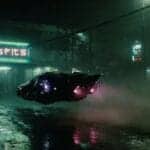
The fundamental principle here is specificity without redundancy. Instead of a vague “futuristic city,” articulate the details: “neo-noir metropolis, rain-slicked chrome skyscrapers, flying vehicles, dense fog, hyper-detailed, cinematic lighting, 8k.” Each descriptive term guides the AI towards a more refined output. Understanding how Midjourney interprets adjectives, verbs, and nouns in combination is paramount.
A simple comma can shift emphasis, and the order of elements often dictates their visual prominence. This level of granular control is what separates casual users from those demonstrating genuine midjourney mastery.
Consider the interplay of styles. Instead of simply stating “photorealistic,” you might specify “cinematic still from a 1980s sci-fi film, shot on Kodak Vision3 500T, anamorphic lens flare, deep shadows.” This provides a rich context that Midjourney can draw upon, referencing millions of images it has been trained on to synthesize a coherent aesthetic. It’s about building a layered instruction set, where each layer adds depth and fidelity to the final image. The goal is to minimize the “randomness” and maximize the “intentionality.”
Furthermore, understanding negative prompting, while not always explicitly a parameter in Midjourney (though implicit through careful positive phrasing), is crucial to midjourney mastery. By being precise about what you do want, you inherently exclude what you don’t.
For instance, if you want a clean, minimalist design, you might emphasize “minimalist, sleek, uncluttered, smooth surfaces” rather than relying on a negative prompt like “no clutter.” This positive framing often yields more consistent and aesthetically pleasing results, aligning directly with the core tenets of strong art direction.
This deliberate approach to prompt construction is not just about generating better images; it’s about developing a dialogue with the AI. Each prompt is an experiment, and its output is feedback. Analyzing why a certain prompt succeeded or failed refines your understanding of Midjourney’s internal logic, propelling you further towards comprehensive midjourney mastery.
It’s an ongoing process of learning, testing, and adapting your linguistic toolkit to the AI’s visual vocabulary.
Beyond Keywords: Harnessing Advanced Parameters for Precision
True midjourney mastery is unlocked not just through descriptive keywords, but by a sophisticated command of its advanced parameters. These parameters are the technical controls that allow a director to fine-tune the composition, style, and even the “mood” of the generated image. Ignoring them is like shooting a film without understanding aperture or shutter speed; you’re leaving too much to chance. For any artist serious about control, mastering these is non-negotiable.
Let’s break down some of the most critical parameters:
--ar (Aspect Ratio): This is fundamental for framing. Whether you need a cinematic widescreen (--ar 2.35:1), a classic portrait (--ar 2:3), or a standard screen ratio (--ar 16:9), setting this precisely from the outset is crucial. It dictates the entire composition and how elements are placed within the frame, a non-negotiable aspect of professional visual storytelling.
--stylize <number> (--s): This parameter controls how strongly Midjourney’s default aesthetic influences your image.
A lower value (e.g., --s 50) will adhere more closely to your prompt, while a higher value (e.g., --s 750 or even --s 1000 for certain models) will infuse more of Midjourney’s inherent artistic flair, often resulting in more abstract or visually striking, yet potentially less literal, interpretations. Finding the right balance here is key to retaining your unique vision while leveraging the AI’s capabilities.
--chaos <number> (--c): As the name suggests, this introduces variability. A low chaos value (e.g., --c 0) will produce very similar results across your initial grid, making it easier to refine. A high chaos value (e.g., --c 100) will yield wildly different images, which can be excellent for brainstorming or breaking creative blocks, but less suitable for precise iteration. For midjourney mastery, knowing when to inject chaos and when to restrain it is vital.
--weird <number> (--w): Introduced in more recent versions, --weird pushes the boundaries of conventional aesthetics, generating images that are unusual, bizarre, or unexpected.
It’s a powerful tool for artists looking to create truly unique and memorable visuals that stand out. Experimenting with this can lead to groundbreaking results, but demands a discerning eye to avoid mere randomness.
--seed <number>: This parameter locks the initial noise pattern, allowing you to re-run a prompt and get highly similar results. It’s invaluable for consistency, especially when you’ve found a promising direction and want to make minor adjustments without starting from scratch. For professional work, maintaining continuity across a series of images often relies heavily on careful seed management.
--sref <URL> (Style Reference): A game-changer for stylistic consistency.
By providing an image URL, you can instruct Midjourney to adopt the aesthetic qualities of that image. This is incredibly powerful for maintaining a consistent look across multiple generations or for emulating specific artistic styles.
--cref <URL> (Character Reference): Another powerful recent addition, --cref allows you to reference a character’s visual traits from an image URL, helping to maintain character consistency across different poses, scenes, or expressions. This is invaluable for narrative projects and character design.
Understanding how these parameters interact and layering them effectively is what elevates prompting from a casual activity to a precise craft. It’s about wielding the full power of the engine, not just its accelerator. This detailed control is a hallmark of genuine midjourney mastery, allowing artists to sculpt their visions with unprecedented fidelity.
For those seeking even greater control and precision, tools like AI Render Pro, the prompting tool for filmmakers and creatives can streamline the management and application of these complex parameters, ensuring your creative intent is accurately translated.
Iterative Refinement: The Filmmaker’s Approach to AI Art
In filmmaking, a director doesn’t just shoot a scene once and call it finished. There are countless takes, lighting adjustments, and post-production tweaks. The same principle applies to midjourney mastery: iterative refinement is not merely a step, but the core methodology. It’s a continuous loop of generate, analyze, modify, and regenerate, pushing the image closer to your precise vision with each cycle. This disciplined approach separates accidental successes from consistently intentional output.
Starting with a broad prompt, you generate an initial set of images. These are your dailies. From this initial grid, you select the most promising variations, upscaling them or creating further variations (V1, V2, V3, V4). This is where critical analysis comes into play. What works? What doesn’t? Are the colors right? Is the composition balanced? Is the subject accurately rendered? These questions guide your next prompt modification.
Perhaps the lighting is off, or the style is too abstract. You then adjust your prompt, adding or removing keywords, tweaking parameters like --stylize or --chaos, and rerun the generation.
This process is highly analytical. It requires a keen eye for detail and the ability to diagnose what specific prompt elements contributed to a desirable or undesirable outcome. For example, if your character’s expression isn’t quite right, you might add emotional descriptors or specific facial features to your prompt. If the background is too busy, you might introduce “minimalist background” or “bokeh” to focus attention.
Each iteration is an opportunity to learn more about how Midjourney interprets your instructions. It’s a dialogue, a negotiation, with the AI.
Version control is also paramount in this iterative process. Keeping track of your successful prompts, the parameters used, and the resulting images allows you to build a personal library of effective techniques. This repository becomes an invaluable resource, accelerating future projects and solidifying your midjourney mastery. Many artists maintain spreadsheets or dedicated project folders to log their experiments, noting key takeaways from each generation. This disciplined documentation transforms random exploration into structured learning.
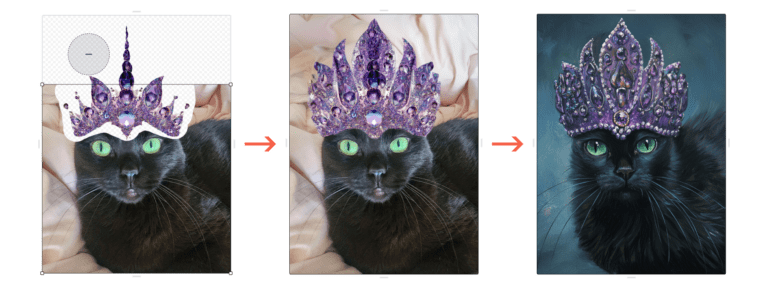
Furthermore, don’t be afraid to remix and combine elements. Midjourney’s ability to blend images or use them as style references (--sref) means you can take the best parts of several generations and fuse them into a new, more refined image. This combinatorial approach mirrors techniques used in traditional art and design, where mood boards and reference collages are common practice.
The AI provides the canvas; your iterative process provides the brushstrokes, constantly refining the composition until it truly reflects your artistic intent. This commitment to relentless refinement is a defining characteristic of advanced midjourney mastery.
Visual Storytelling: Image Prompts and Stylistic References
🎬 AI Render Pro Studio, the AI film production suite I built and use on my own productions. Script breakdown, storyboards, 30+ video models including Seedance 2.5 and Kling O3, image generation, retouch, 7K upscaling and audio, all in one browser workspace. $19/month flat, bring your own API keys and pay providers at cost, no credit packs, no markup. Try AI Render Pro Studio →
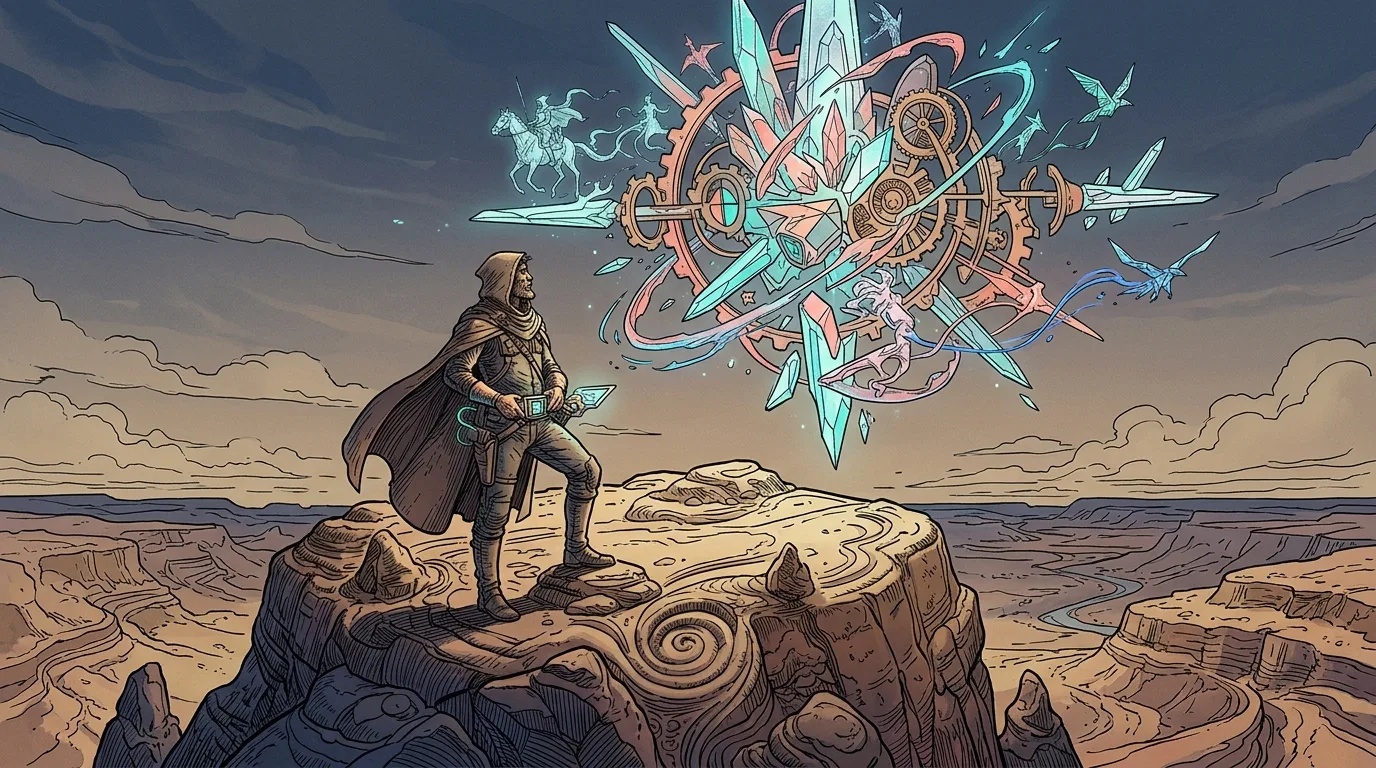
For filmmakers and visual artists, the ability to communicate through existing imagery is second nature. Midjourney extends this capability dramatically through the use of image prompts and stylistic references. This technique moves beyond purely textual descriptions, allowing artists to feed visual data directly into the AI, guiding its output with unparalleled precision.
It’s a powerful secret weapon for those striving for midjourney mastery, bridging the gap between verbal instruction and visual intuition.
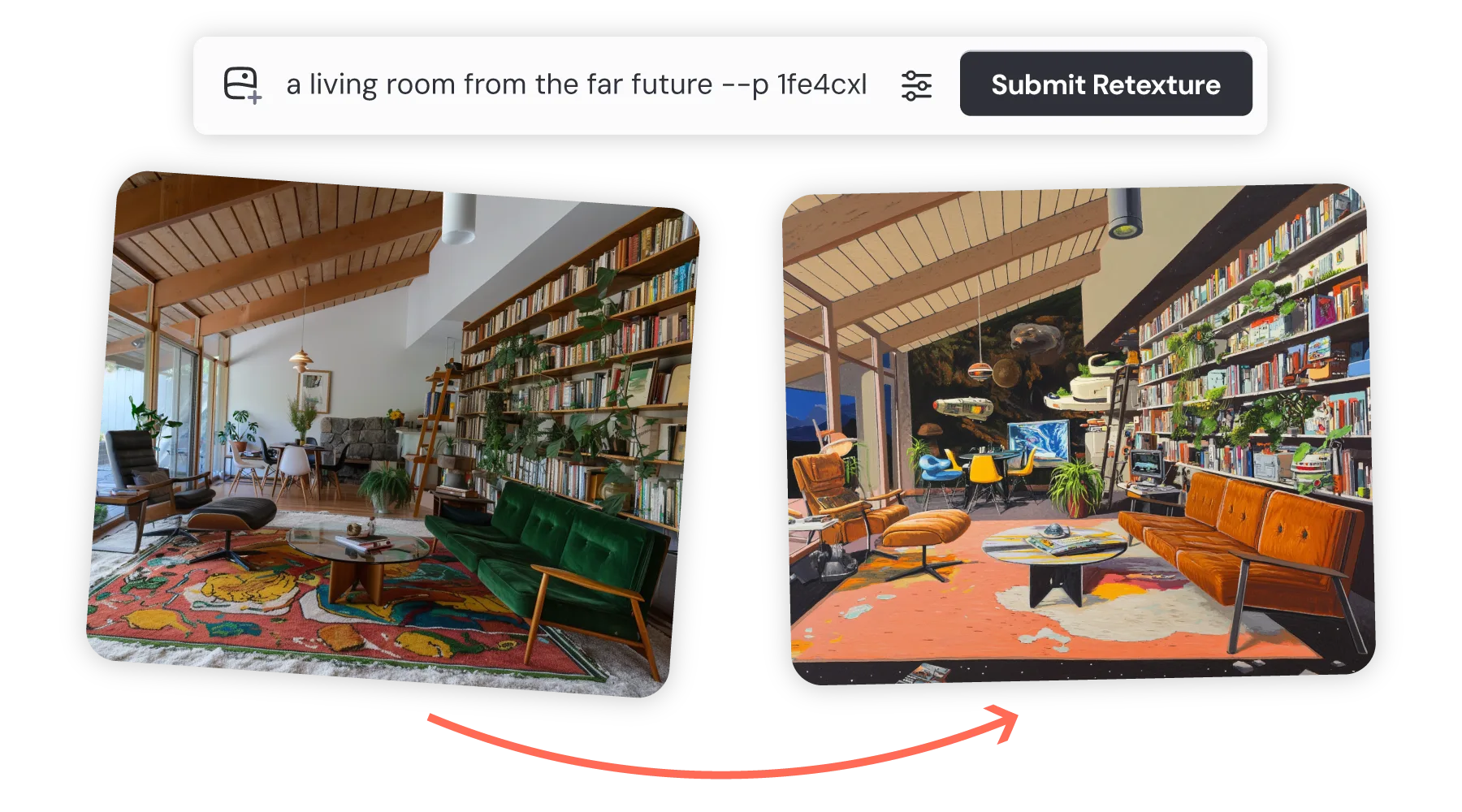
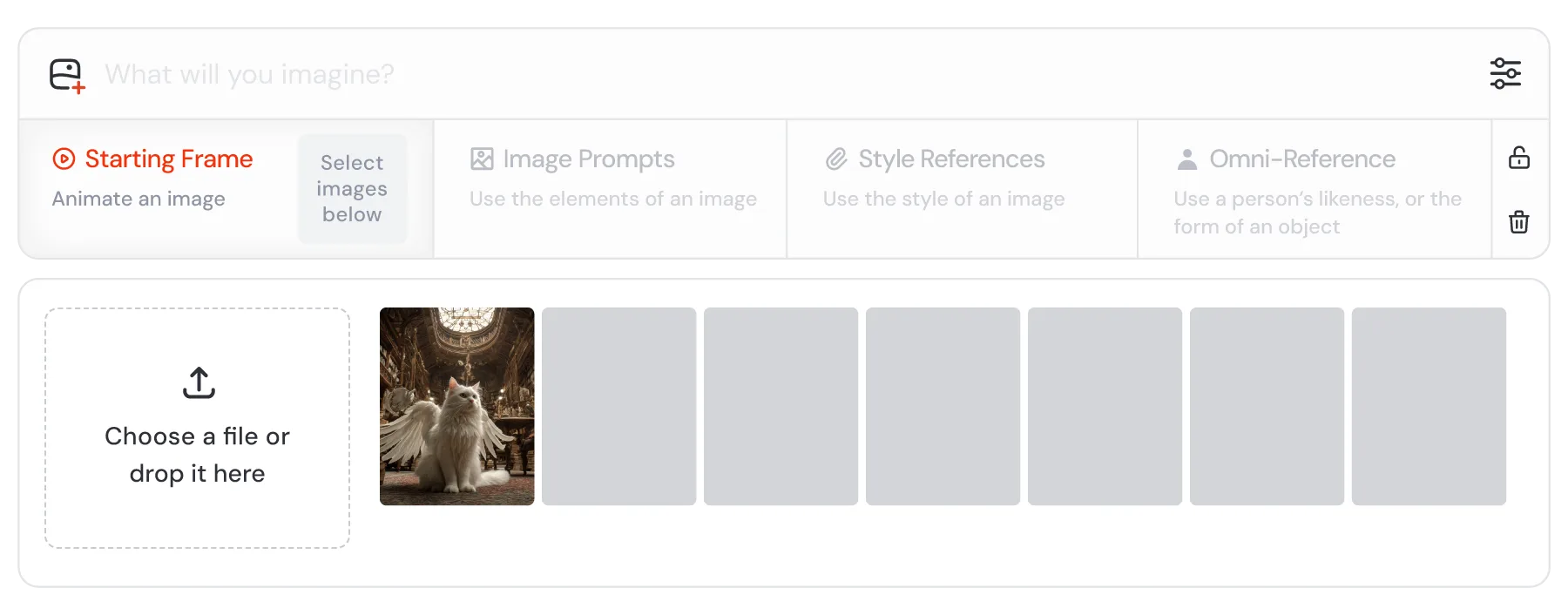
An image prompt (by simply adding an image URL at the beginning of your text prompt) provides Midjourney with a visual starting point. This is akin to giving a concept artist a reference photo before they begin sketching. The AI analyzes the composition, color palette, lighting, and general aesthetic of the provided image, then attempts to incorporate these elements into its new generation, alongside your text prompt.
This is particularly effective when you have a specific visual in mind that is difficult to describe purely with words, or when you need to maintain a strong visual continuity. For example, using a still from a classic film as an image prompt can imbue your AI-generated scene with that film’s distinct cinematic quality.
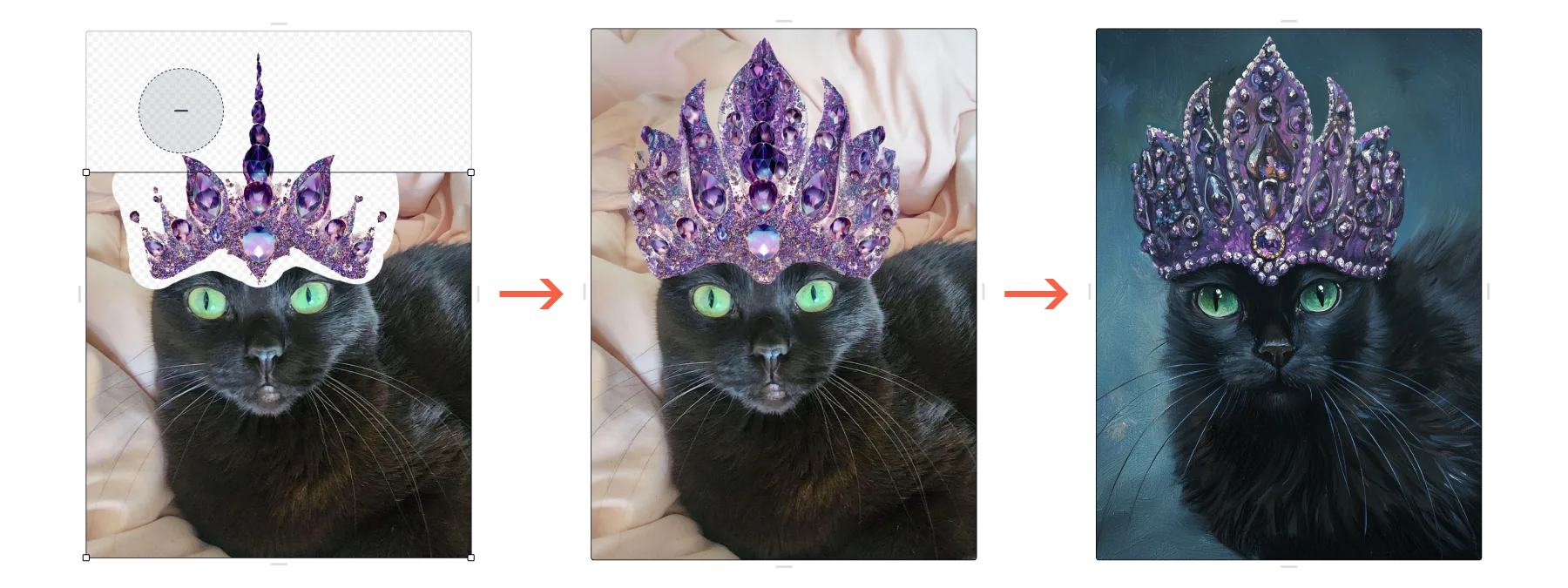
The --sref (style reference) parameter, introduced in more recent Midjourney versions, takes this a step further. Instead of influencing the overall content and composition like a direct image prompt, --sref focuses specifically on the style*. You can point Midjourney to an image, and it will attempt to adopt its artistic style, textures, brushstrokes, color grading, lighting nuances, while still adhering to your text prompt for subject matter and composition. This is invaluable for establishing a consistent visual language across an entire project, ensuring that every generated image feels like part of the same artistic universe. Imagine generating a series of character portraits, each with the distinct painterly style of a specific artist, simply by referencing one of their works. This level of stylistic control is a hallmark of true midjourney mastery.
The --cref (character reference) parameter is another groundbreaking addition, particularly useful for narrative artists. By providing an image of a specific character, --cref helps Midjourney maintain that character’s visual identity across different scenes, poses, and expressions. This has been a significant challenge in AI art, and --cref offers a robust solution for ensuring character consistency, a critical aspect of any storytelling endeavor. For detailed character design and storyboarding, this parameter is indispensable.
When using image prompts or style references, the quality and relevance of your source image are paramount. A blurry, low-resolution image will yield less precise results than a sharp, high-quality one. Likewise, an image that is stylistically aligned with your overall vision will provide a stronger foundation for Midjourney to build upon. Experimentation with different reference images is key to understanding how Midjourney interprets and integrates visual information.
This sophisticated blending of text and visual input is a powerful tool for visual artists, enabling a new dimension of creative control and significantly accelerating the path to midjourney mastery.
Cultivating Your Signature Style: Aesthetic Consistency in Midjourney
Every great artist, director, or photographer develops a recognizable signature style. This isn’t just about subject matter, but a distinct visual language, a consistent approach to color, composition, lighting, and texture. Achieving midjourney mastery means cultivating such a signature style within the AI’s vast generative capabilities.
It’s about imposing your unique artistic voice onto the machine, ensuring that your AI-generated work is instantly identifiable as yours, not merely a generic output.
Developing this consistency requires conscious effort and methodical experimentation. Start by identifying the core elements of your desired aesthetic. Do you prefer high contrast and dramatic lighting, or soft, diffused illumination? Are your colors vibrant and saturated, or muted and desaturated? Do you lean towards photorealism, painterly abstraction, or a specific graphic style? Once these preferences are articulated, they become the guiding principles for your prompts.
For instance, if you favor a gritty, film-noir aesthetic, your prompts should consistently include terms like “chiaroscuro lighting,” “heavy shadows,” “rain-slicked streets,” and “monochromatic with subtle color accents.”
The judicious use of parameters like --stylize, --weird, and especially --sref (style reference) is crucial here. By consistently using a specific --stylize value or referencing a curated set of your own previous successful images (or even external art pieces) with --sref, you can train Midjourney to lean towards your preferred aesthetic. Think of it as developing a personal “style guide” for the AI, a set of unspoken rules that govern its creative output under your direction.
This is where advanced midjourney mastery truly shines, transcending mere prompt writing to become genuine aesthetic curation.
Furthermore, maintaining a consistent character design across multiple images is a common challenge that, when overcome, is a clear indicator of midjourney mastery. Utilizing the --cref parameter effectively is key. By referencing a well-designed character image, you can ensure that your protagonist maintains their distinctive features, clothing, and even expressions across different scenes and scenarios.
This is vital for any project involving narrative or character-driven visuals, allowing for cohesive storytelling.
Documentation plays a vital role in this process. Keep a log of prompts that consistently produce results aligning with your desired style. Note the keywords, parameters, and image references that worked best. Over time, you’ll build a personal dictionary of effective instructions that reliably evoke your signature look.
This systematic approach to prompt development and style curation is what transforms a user into a master, ensuring that every image generated contributes to a cohesive and distinctive body of work, a true testament to midjourney mastery.
Workflow Integration: Midjourney as a Pre-Visualization Powerhouse
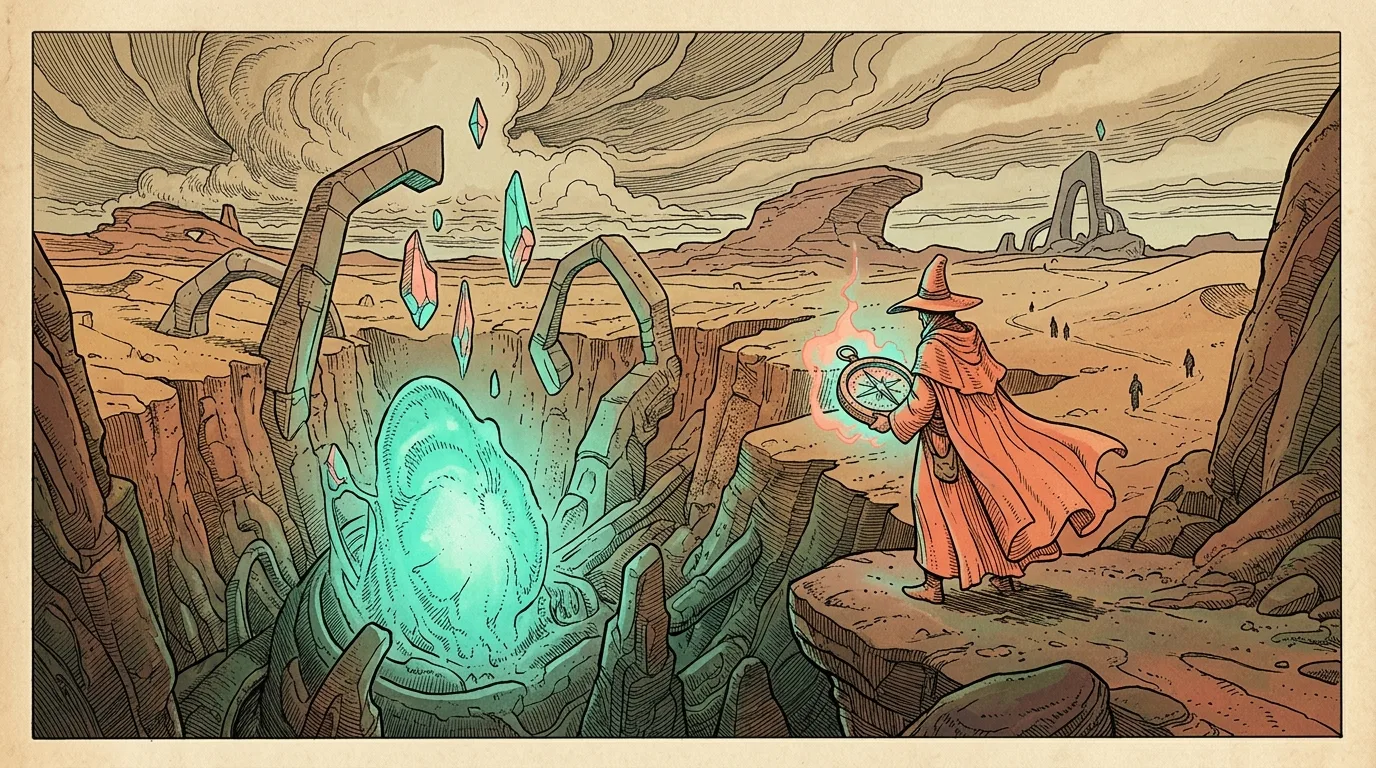
For professional creatives, particularly in film, animation, and game development, midjourney mastery isn’t just about generating beautiful images; it’s about seamlessly integrating this powerful tool into existing workflows. Midjourney’s speed and versatility make it an unparalleled pre-visualization powerhouse, capable of accelerating concept development, storyboarding, and mood board creation, dramatically reducing the time and cost associated with traditional methods.
Consider the early stages of a film project. Traditionally, concept artists would spend days or weeks sketching character designs, environment concepts, and key scenes. With Midjourney, a director or art director can generate dozens of variations of a character, a futuristic cityscape, or a fantastical creature within minutes. This rapid iteration allows for immediate feedback and much faster convergence on a desired visual direction.
It’s no longer about waiting for an artist to produce a single rendering; it’s about exploring a multitude of possibilities instantaneously. This capability is a cornerstone of operational midjourney mastery.
For storyboarding, Midjourney transforms the process. Instead of rough sketches, filmmakers can generate highly detailed visual panels that convey lighting, composition, and atmosphere with incredible fidelity. This allows directors to experiment with camera angles, shot types, and visual effects much earlier in production, identifying potential challenges or exciting opportunities before committing to expensive shoots or complex CGI.
Imagine being able to “see” a complex action sequence or a dramatic emotional moment rendered in a near-final aesthetic, all before a single frame is shot. This is the practical application of midjourney mastery in a professional context.
Mood boards, essential for establishing the overall aesthetic and emotional tone of a project, also benefit immensely. Instead of laboriously curating images from disparate sources, Midjourney can generate bespoke visuals tailored precisely to the desired mood, color palette, and style. Need a mood board for a dystopian sci-fi film with a specific brutalist architecture and a desaturated color scheme?
Midjourney can deliver a rich collection of relevant images in minutes, ensuring that all stakeholders are aligned on the visual direction from day one.
Furthermore, for client presentations, AI-generated visuals elevate the pitch. Presenting high-quality, concept-accurate imagery early on can help clients visualize the final product more clearly, fostering stronger collaboration and reducing miscommunications. It’s about showing, not just telling.
This strategic application of Midjourney not only saves time and resources but also enhances the creative output, demonstrating a pragmatic approach to midjourney mastery that directly impacts project success. The efficiency gained allows more time for creative problem-solving and refining the core artistic vision, rather than being bogged down by time-consuming preliminary visual development.
Troubleshooting Common Pitfalls: Mastering the Unpredictable
Even with advanced knowledge, Midjourney can sometimes produce unexpected or undesirable results. True midjourney mastery includes the ability to troubleshoot these common pitfalls, understanding why the AI might deviate from your intent and how to course-correct effectively. It’s about developing a diagnostic mindset, treating each unexpected output as a puzzle to solve, rather than a frustrating dead end.
One frequent issue is the AI “hallucinating” extra limbs, distorted faces, or strange artifacts. This often occurs when the prompt is too vague, contradictory, or attempts to depict subjects that Midjourney’s training data has less experience with. The solution often lies in increased specificity.
If a character has too many fingers, explicitly state “five fingers on each hand, anatomically correct.” If faces are distorted, focus on descriptors like “perfect symmetry,” “clear eyes,” “well-defined features.” Sometimes, simplifying the prompt or breaking it down into smaller, more manageable parts can also help.
Another common challenge is achieving stylistic consistency, especially when trying to generate a series of images with the same look and feel. This is where parameters like --sref and --cref become invaluable. If your images lack cohesion, ensure you are consistently applying a strong style reference image or character reference. If not, try to encapsulate your desired style in a concise set of keywords that you apply to every prompt.
For example, always include “cinematic, high detail, volumetric lighting” if that’s your signature look.
Over-prompting, or including too many conflicting descriptors, can also lead to muddled results. Midjourney tries to incorporate every element, sometimes to its detriment. If your image looks chaotic or incoherent, try simplifying your prompt. Remove redundant adjectives or conflicting stylistic instructions. Sometimes, less is more.
For instance, instead of “dark, moody, vibrant, colorful, ethereal forest,” choose a more focused direction like “dark, moody, ethereal forest, deep shadows, subtle bioluminescence.”
Furthermore, understanding the impact of different Midjourney model versions is critical. Each new version brings improvements but also subtle shifts in how prompts are interpreted. If a prompt that once worked perfectly suddenly yields different results, check if you’re using a new default model or if your prompt implicitly relies on older model behaviors.
Explicitly stating --v 5.2 (or whatever the current stable version is in 2026) can help ensure consistency if you’re working with a specific previous version’s aesthetic. Staying updated on model changes, perhaps through official Midjourney announcements or reliable tech news sources like The Verge’s AI coverage, is part of maintaining midjourney mastery.
Finally, don’t underestimate the power of iteration and variation. If an initial generation isn’t quite right, use the “V” buttons to create variations of the most promising image. These variations often nudge the image closer to your vision without requiring a complete re-prompt. This systematic approach to identifying and correcting issues is a fundamental skill for anyone aiming for comprehensive midjourney mastery.
Ethical Craftsmanship: Navigating Copyright and Attribution in AI Art
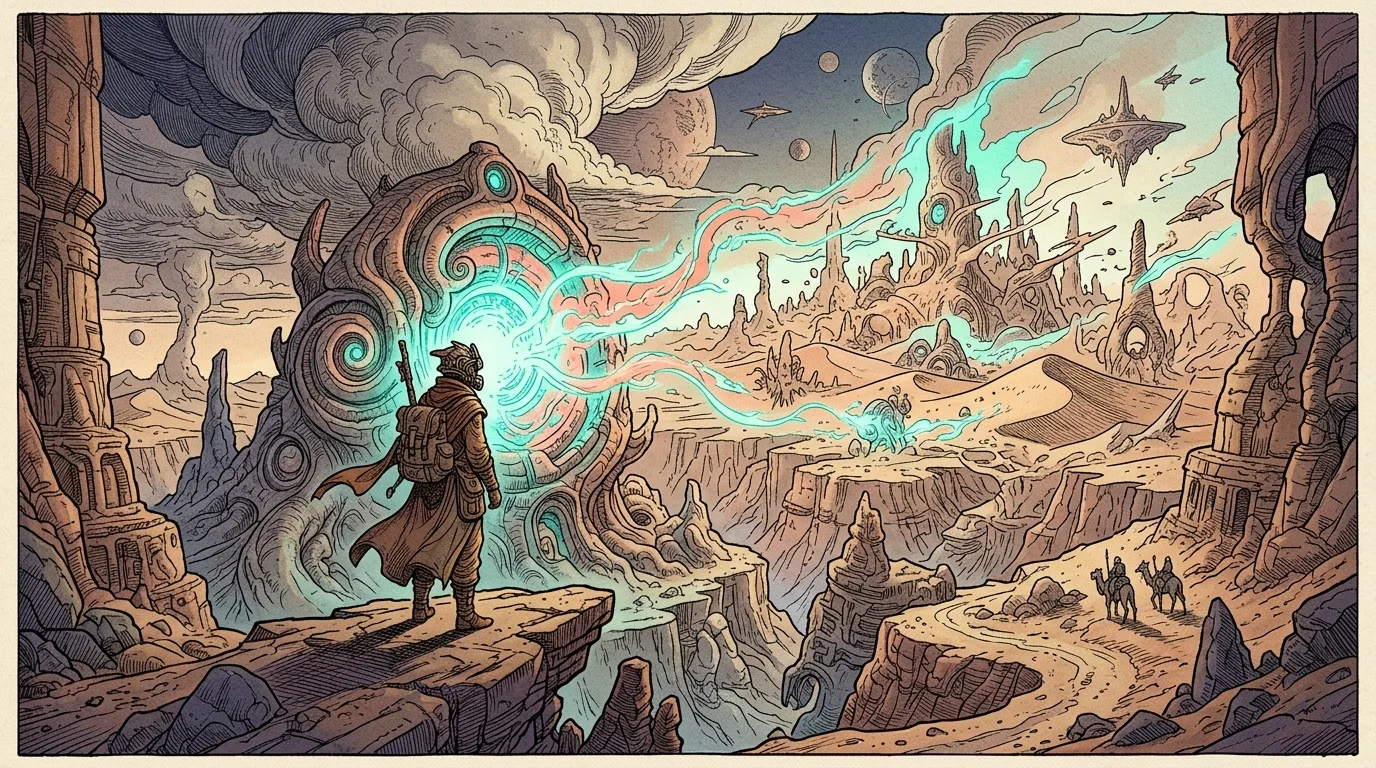
As AI art tools like Midjourney become increasingly sophisticated and integrated into professional workflows, the discussion around ethical craftsmanship, particularly concerning copyright and attribution, has intensified. For professionals aiming for true midjourney mastery, understanding and navigating this complex landscape is not just a legal necessity but a moral imperative.
Ignoring these considerations risks not only legal challenges but also reputational damage within the creative community.
The core of the debate often centers on the training data used by generative AI models. These models learn from vast datasets of existing images, many of which are copyrighted. While courts and legal frameworks are still evolving globally, the question of whether AI-generated art constitutes a derivative work or a transformative new creation remains contentious.
In 2023 and 2024, several high-profile lawsuits were filed against generative AI companies, highlighting the legal complexities. As of 2026, the legal landscape is clearer in some jurisdictions, but still ambiguous in others.
For example, the U.S. Copyright Office has issued guidance stating that human authorship is required for copyright protection, meaning purely AI-generated works may not be copyrightable, while works with significant human creative input using AI tools can be. This nuance is crucial. You can read more about these legal developments on sources like TechCrunch’s coverage of AI copyright.
For artists using Midjourney, the ethical responsibility lies in how they integrate the tool into their creative process. If you are using Midjourney for commercial work, it’s prudent to ensure that your prompts and any image references you use do not infringe on existing copyrights. Avoid prompting for specific artists’ styles without significant transformation, or using copyrighted characters and logos without explicit permission. The goal is to use the AI as a creative amplifier, not a plagiarism machine.
Attribution is another key ethical concern. While Midjourney generates the image, the creative input, direction, and iterative refinement come from the human artist. Therefore, attributing the work solely to “AI” diminishes the artist’s role. A more accurate attribution might be “Artwork by [Artist Name] using Midjourney.” Transparency about the tools used fosters trust and educates the audience about the evolving nature of creative production. This openness is a hallmark of responsible midjourney mastery.
Furthermore, consider the broader impact on the creative industry. As AI tools automate certain tasks, there’s an ethical imperative to advocate for fair compensation and new opportunities for human artists. Responsible use of AI means understanding its societal implications and contributing to a future where technology enhances, rather than diminishes, human creativity and livelihoods.
Engaging with these ethical questions, staying informed about legal developments, and practicing transparent attribution are not optional extras, but integral components of comprehensive midjourney mastery in 2026.
Community and Collaboration: Learning from the Collective Intelligence
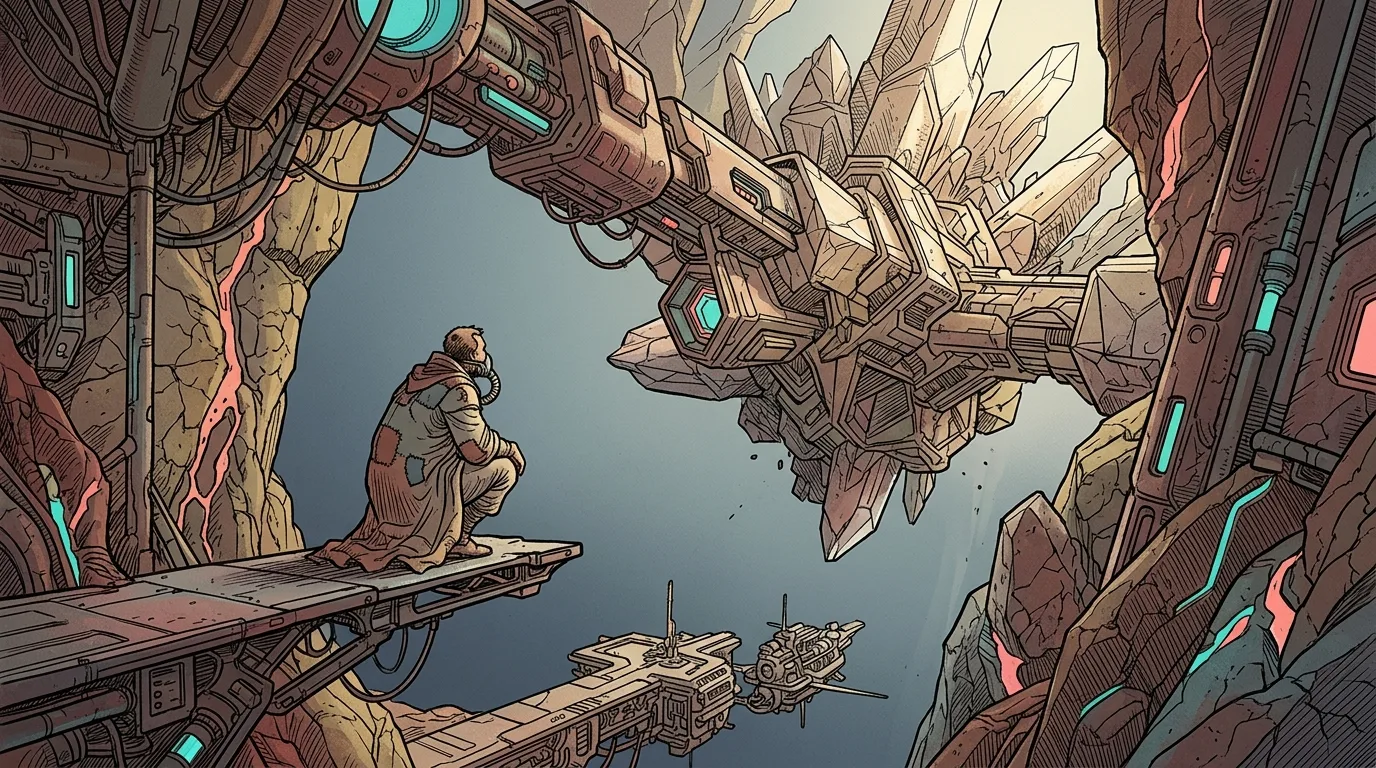
No artist works in a vacuum, and midjourney mastery is significantly accelerated by active engagement with the vibrant Midjourney community. This collective intelligence, primarily found on platforms like Discord, is an invaluable resource for learning, problem-solving, and staying abreast of the rapid developments in AI art. Ignoring this collaborative aspect is akin to trying to master a craft without ever speaking to another practitioner.
The official Midjourney Discord server, for instance, is a hub of activity. Here, users share their prompts, showcase their creations, and offer advice. Observing how experienced users construct their prompts, the parameters they employ, and the iterative steps they take to achieve specific results provides an unparalleled learning opportunity. It’s a real-time masterclass in prompt engineering.
By dissecting successful generations, you can reverse-engineer techniques and adapt them to your own artistic challenges. This open-source learning environment is a powerful accelerator for those seeking to deepen their midjourney mastery.
Beyond just learning, the community fosters collaboration. Artists often share tips, custom instructions, and even collaborate on projects, pushing the boundaries of what’s possible with Midjourney. This exchange of knowledge is crucial, especially given the rapid pace of AI development. What was a cutting-edge technique a few months ago might be superseded by a new parameter or model version today.
The community acts as an early warning system and a collective research and development arm, ensuring you’re always aware of the latest advancements.
Participating in challenges and contests within the community is another excellent way to hone your skills. These often provide specific themes or constraints, forcing you to experiment with new prompting strategies and push your creative boundaries. The feedback received, both explicit and implicit (through observing others’ submissions), is invaluable for refining your approach and understanding different perspectives on visual aesthetics.
This competitive yet collaborative environment is a fertile ground for cultivating true midjourney mastery.
Furthermore, engaging with the community helps you understand the subjective nature of AI interpretation. What works for one artist might not work for another, and seeing diverse approaches to similar prompts provides insight into the flexibility and nuances of Midjourney. This broader perspective enriches your own understanding and allows for more adaptable and creative problem-solving.
Embracing this collaborative spirit is not just about getting answers; it’s about becoming part of a global movement that is defining the future of digital art and achieving a holistic midjourney mastery.
The Evolving Canvas: Staying Ahead in Midjourney’s Rapid Development
The landscape of generative AI is not static; it is a constantly evolving canvas, with tools like Midjourney releasing significant updates and new model versions at a breakneck pace. For anyone committed to midjourney mastery, staying ahead of these developments is not optional, it’s essential. What was state-of-the-art in 2025 might be superseded by more powerful capabilities in 2026. A stagnant approach will quickly lead to obsolescence in this dynamic field.
Midjourney’s developers are continually refining their algorithms, expanding their training data, and introducing new parameters and features. Each new model version (e.g., from V5.1 to V5.2, or the anticipated V6 and beyond) often brings improvements in photorealism, coherence, understanding of natural language, and control over specific elements. These updates can fundamentally change how prompts are interpreted and what kind of results are achievable.
For example, the introduction of --sref and --cref parameters in recent versions revolutionized stylistic and character consistency, opening up entirely new possibilities for artists.
To maintain midjourney mastery, a proactive approach to learning is required. Regularly check the official Midjourney announcements, follow their Discord channels, and keep an eye on reputable AI news outlets. When a new feature or model is released, dedicate time to experiment with it. Understand its strengths, its weaknesses, and how it differs from previous iterations.
This hands-on exploration is crucial for integrating new capabilities into your workflow and refining your prompting strategies.
Consider the shift in prompt style that often accompanies new model versions. Older models might have responded better to highly descriptive, almost verbose prompts, while newer versions often understand more concise, natural language. Adapting your prompting style to match the AI’s evolving comprehension is a key aspect of advanced midjourney mastery. It’s about optimizing your communication with the machine, ensuring efficiency and precision.
Furthermore, the broader ecosystem of AI tools is also expanding. While Midjourney excels in image generation, understanding how it integrates with other AI tools, for tasks like upscaling, inpainting, or 3D model generation, can further enhance your creative output. This holistic view of the AI landscape, and Midjourney’s place within it, contributes to a more comprehensive and future-proof midjourney mastery.
The creative professional of 2026 must be a lifelong learner, constantly adapting their skills and tools to leverage the latest technological advancements. This continuous evolution is not a burden, but an exciting opportunity to push the boundaries of artistic expression.
Every AI image in this article was generated with AI Render Pro, the prompting engine I built for filmmakers and creatives. Read the full breakdown here.
Frequently Asked Questions
What is midjourney mastery?
Midjourney mastery refers to the advanced ability to precisely control Midjourney’s AI image generation, moving beyond basic prompting to consistently achieve specific artistic visions through nuanced prompt engineering, parameter manipulation, and iterative refinement. It encompasses a deep understanding of the AI’s interpretive logic and its application in professional creative workflows.
How do I get better at Midjourney?
To improve your Midjourney skills, focus on understanding advanced parameters like --ar, --stylize, --chaos, --seed, --sref, and --cref. Practice iterative refinement, analyze successful prompts from others, and actively engage with the Midjourney community to learn new techniques and stay updated on model developments.
What are the key components of midjourney mastery?
Key components include intentional prompt engineering, precise control over advanced parameters, a systematic approach to iterative refinement, effective use of image and style references, cultivation of a consistent personal aesthetic, and seamless integration into professional creative workflows for pre-visualization and concept art.
How important is prompt engineering for midjourney mastery?
Prompt engineering is absolutely central to midjourney mastery. It’s the art of translating artistic intent into the AI’s language, using specific keywords and structured commands to guide the generation process. A deep understanding of how Midjourney interprets different elements in a prompt is crucial for predictable and high-quality results.
Can midjourney mastery be applied to professional projects?
Yes, midjourney mastery is highly applicable to professional projects, especially in fields like film, animation, game development, and advertising. It enables rapid concept development, detailed pre-visualization, efficient storyboarding, and consistent aesthetic exploration, significantly accelerating creative workflows and enhancing client presentations.
The 95 camera techniques, lighting setups and lens recipes behind these prompts are packaged in AI Render Pro, the AI film production studio I built for my own shoots. If you want the prompt system on its own, it is also available as MidJourney Mastery.
Discover more from Olivier Hero Dressen Blog: Filmmaking & Creative Tech
Subscribe to get the latest posts sent to your email.
Work with Olivier
Director | CD | DP & Photographer
Specializing in commercials, music videos, AI-driven filmmaking, and cinematic storytelling for brands and production companies.
🌍 Shanghai · Paris · Los Angeles · Dubai
🎬 View Portfolio & Get in Touch