
Key Takeaways
- First insight, Midjourney excels in artistic aesthetics, DALL-E offers precise control and object manipulation, while Stable Diffusion provides unparalleled open-source flexibility and customization for artists seeking granular control over their creative process.
- Craft highlight, Each tool, Midjourney, DALL-E, Stable Diffusion, demands a distinct approach to prompting and post-processing, transforming raw text into visual narrative and expanding the artist’s toolkit beyond traditional mediums.
- Industry context, The rapid evolution of Midjourney, DALL-E, and Stable Diffusion is democratizing high-quality image generation, challenging established creative workflows, and necessitating a new understanding of authorship and collaboration in the digital art landscape.
- Bottom line, Mastering Midjourney, DALL-E, or Stable Diffusion is no longer optional for forward-thinking artists; it’s a fundamental skill for navigating the future of visual creation, offering both unique challenges and boundless opportunities for innovation.

The landscape of ai art is dominated by three titans: Midjourney, DALL-E, and Stable Diffusion, each offering distinct capabilities for visual creators. Midjourney is celebrated for its stunning, often ethereal artistic output, DALL-E for its precise object rendering and logical compositions, and Stable Diffusion for its open-source adaptability, allowing for deep customization and local execution. Understanding their nuances is crucial for any artist looking to leverage artificial intelligence in their workflow.
Need a Director for Your Next Project?
From commercials to branded campaigns—Olivier brings creative vision and technical expertise.
→ View ProjectsIntroduction to the AI Art Titans: Midjourney, DALL-E, Stable Diffusion
As a filmmaker and creative director with two decades in the industry, I’ve witnessed technological shifts redefine our craft, but few have been as profound and rapid as the advent of generative artificial intelligence in visual arts. Midjourney, DALL-E, and Stable Diffusion are not merely tools; they are new canvases, new lenses, and new collaborators in the creative process. For the working artist, understanding the core competencies and unique characteristics of each is paramount. These platforms represent the vanguard of ai art generation, each with its own philosophy embedded in its algorithms and user experience.
Midjourney, often lauded for its inherently artistic output, tends to produce images with a distinct painterly or photographic quality, characterized by rich textures, atmospheric lighting, and a strong sense of mood. It excels in abstract concepts, fantastical landscapes, and imaginative character designs, often requiring less explicit detail in prompts to achieve visually striking results. Its strength lies in interpretation and aesthetic coherence, making it a favorite for concept artists and illustrators seeking inspiration or final assets with a specific artistic flair. The community-driven nature, often accessed via Discord, fosters a collaborative environment where artists can learn from shared prompts and results.
DALL-E, developed by OpenAI, approaches image generation with a focus on logical consistency and the accurate rendition of specific objects and scenarios. Where Midjourney might interpret a prompt with artistic license, DALL-E aims for literal translation, making it invaluable for tasks requiring precise object placement, realistic depictions, or the combination of disparate elements in a coherent scene. Its ability to manipulate and modify existing images, or to generate variations of a given input, provides a powerful tool for designers working on product visualization, advertising, or storyboarding. The emphasis here is on control and predictability, offering a more direct path from concept to concrete visual.
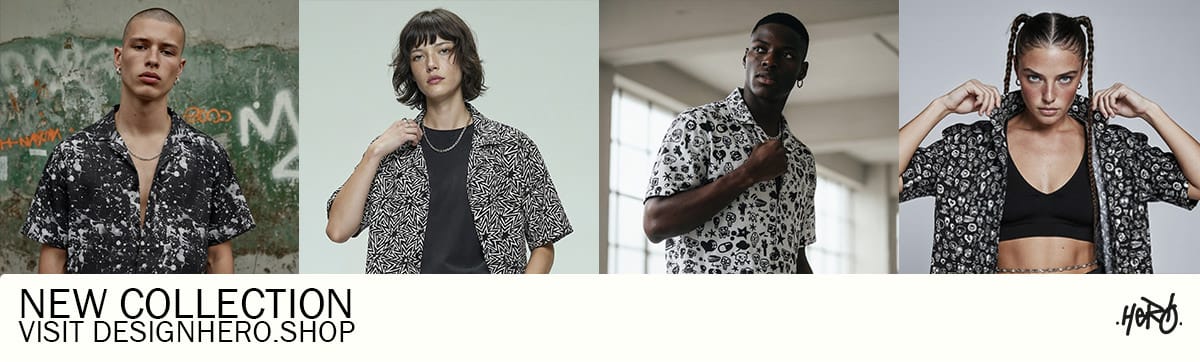
Stable Diffusion, an open-source project from Stability AI, represents a different paradigm entirely. Its accessibility means it can be run locally on powerful consumer hardware, offering artists unprecedented control over the generation process. This includes fine-tuning models with custom datasets, experimenting with various checkpoints, and integrating it into existing software workflows. Stable Diffusion’s power lies in its flexibility and the vast ecosystem of community-developed extensions and models.
It can mimic the artistic style of Midjourney, the precision of DALL-E, and much more, given the right prompts and technical expertise. For those who want to delve deep into the mechanics and customize every aspect of their ai art generation, Stable Diffusion is the definitive choice. Together, these three tools are reshaping how we conceive, create, and interact with visual content. They offer a spectrum of options, from the artistically intuitive to the technically demanding, ensuring that every creative professional can find a platform that aligns with their specific needs and artistic vision. My aim here is to cut through the noise, providing a direct, precise guide to leveraging Midjourney, DALL-E, and Stable Diffusion effectively in your professional practice.
Midjourney: The Aesthete’s Choice in AI Art
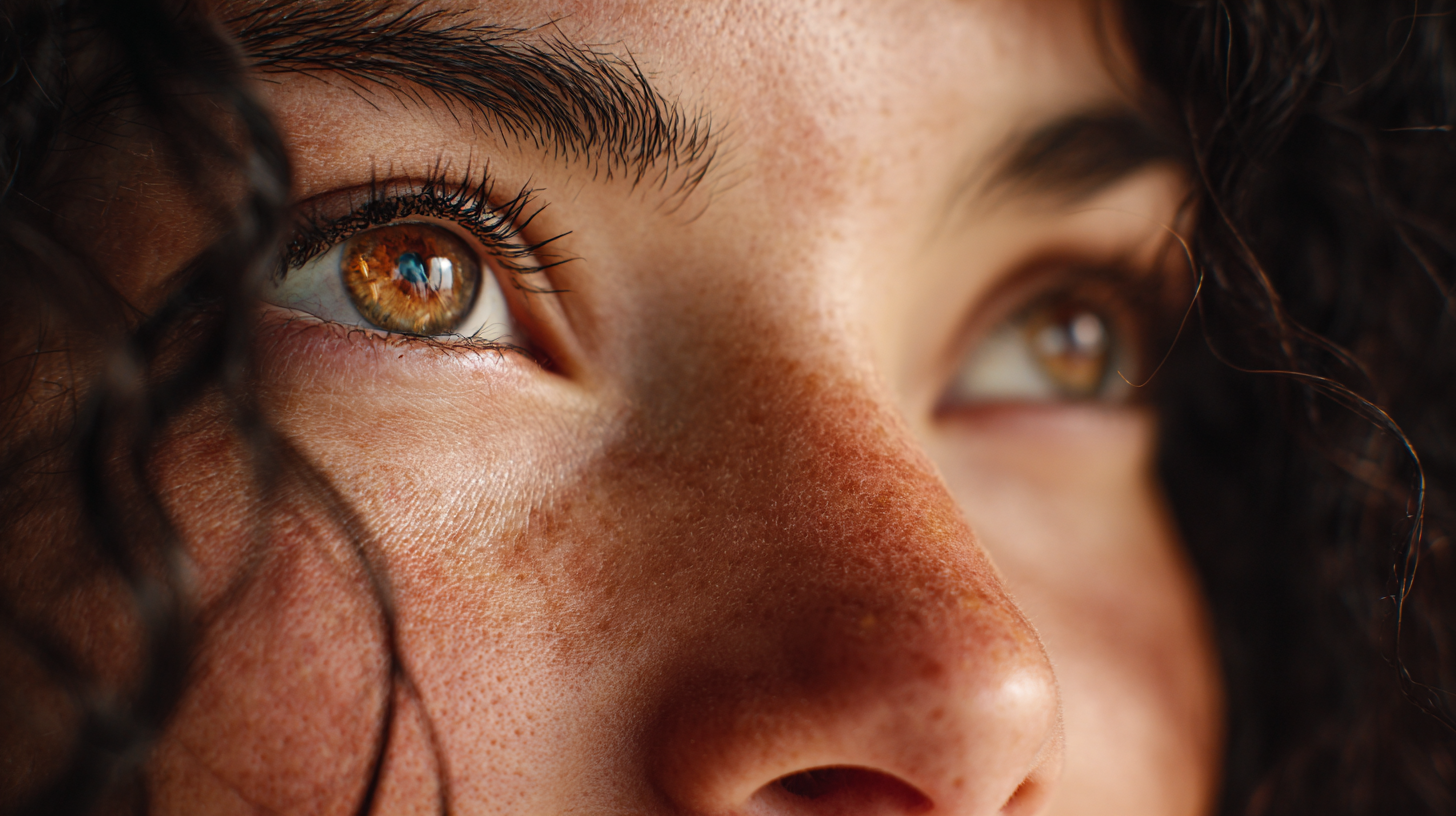
Midjourney has carved out a unique niche in the burgeoning field of ai art, distinguishing itself through its consistent delivery of aesthetically sophisticated and often breathtaking imagery. For many artists, especially those leaning into concept art, illustration, and speculative design, Midjourney is the go-to for its ability to imbue generated images with a profound sense of atmosphere and artistic interpretation. Unlike some other models that might prioritize literal interpretation, Midjourney often takes a prompt and elevates it, adding layers of stylistic nuance that can surprise and inspire.
The platform’s strength lies in its proprietary algorithms which seem to have an innate understanding of visual composition, color theory, and lighting. Users often find that even simple, less detailed prompts can yield stunning results, as Midjourney’s engine fills in the blanks with its own artistic intelligence. This makes it incredibly powerful for generating initial concepts, mood boards, or even final illustrations where a distinctive artistic style is desired. Whether you’re looking for a gothic cathedral bathed in moonlight, a futuristic city skyline at dusk, or an abstract representation of emotion, Midjourney tends to deliver with an almost magical touch.
Operating primarily through a Discord bot interface, Midjourney fosters a vibrant and highly engaged community. This environment is not just for generating images; it’s a collaborative space where artists share their prompts, learn from others’ techniques, and explore the boundaries of what’s possible. The iterative process of refining prompts, observing how the AI interprets different keywords, and understanding the impact of various parameters (like aspect ratios, stylization levels, and chaos values) is a core part of the Midjourney experience. This community aspect is a significant draw, allowing for rapid learning and inspiration. However, this artistic interpretation can also be a double-edged sword. For tasks requiring extreme precision, such as rendering a specific product design or ensuring a character’s features remain identical across multiple shots, Midjourney’s artistic leanings might sometimes introduce unexpected variations. While its consistency features have improved significantly, it still often prioritizes overall aesthetic cohesion over pixel-perfect replication of discrete elements.
This is where a tool like DALL-E or the highly controllable Stable Diffusion might offer more direct control. Nevertheless, for pure artistic exploration and the generation of evocative ai art, Midjourney remains a frontrunner, continually pushing the boundaries of what machine creativity can achieve. Its evolution, with new versions consistently released, indicates a commitment to refining its unique artistic vision.
DALL-E: Precision and Prompt Engineering for Visual Accuracy
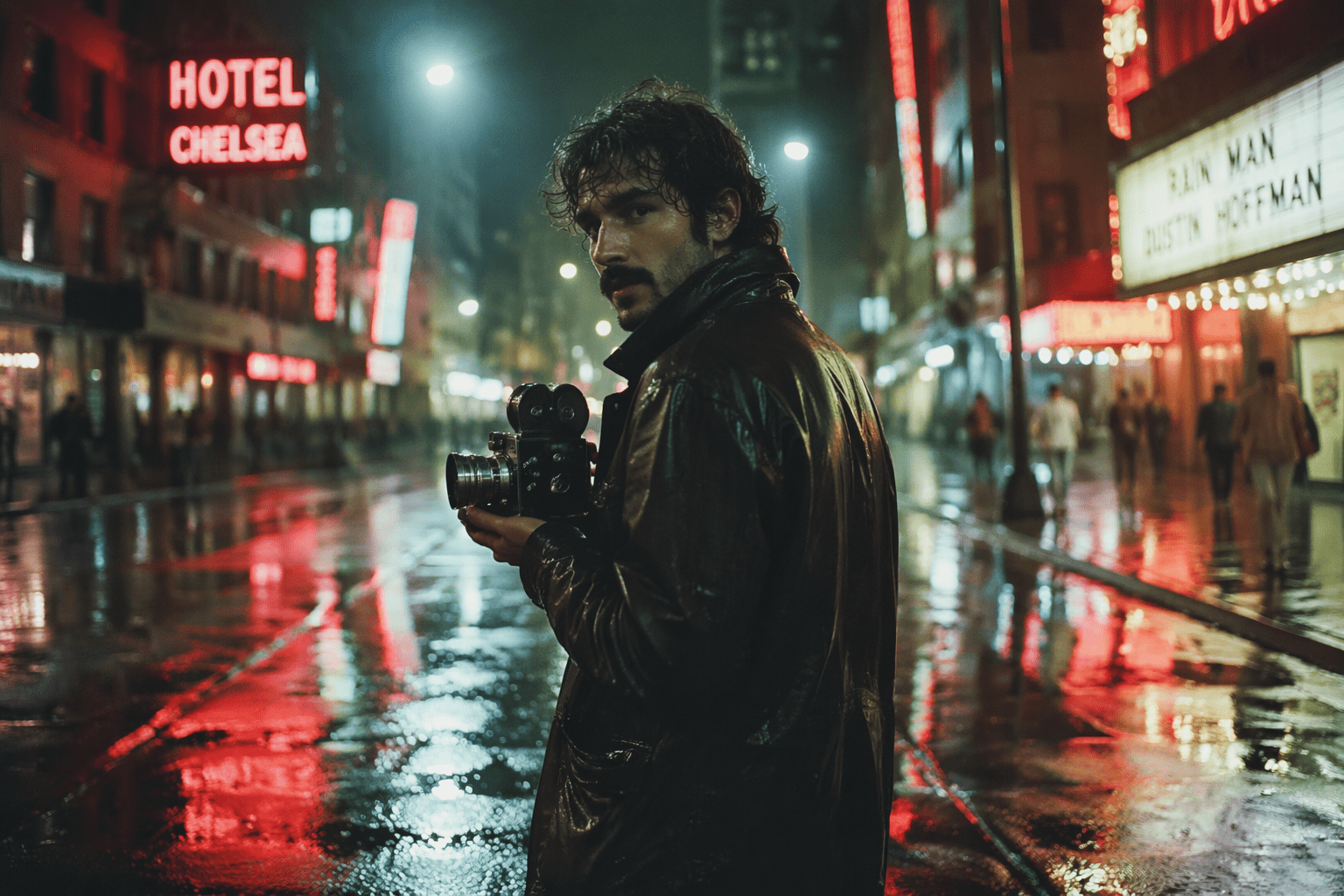
DALL-E, developed by the research powerhouse OpenAI, offers a distinct approach to ai art generation, prioritizing precision, logical consistency, and object manipulation. For artists and designers whose work demands accurate representation, specific object placement, or the creation of photorealistic scenarios from textual descriptions, DALL-E often proves to be an indispensable tool. Where Midjourney might interpret a prompt through an artistic lens, DALL-E aims for a more literal and predictable translation, making it highly effective for commercial applications, product design visualizations, and detailed scene compositions.
The core strength of DALL-E lies in its ability to understand and render specific subjects, attributes, and relationships described in a prompt with remarkable fidelity. If you need a “red car on a winding road with a blue sky and distant mountains,” DALL-E is highly likely to deliver exactly that, with the car, road, sky, and mountains appearing in their expected positions and with plausible interactions. This level of semantic understanding makes it exceptionally powerful for tasks that require a clear, unambiguous visual output. For instance, creating mock-ups for advertising campaigns, generating diverse stock imagery, or even illustrating specific concepts for educational materials benefits immensely from DALL-E’s literal interpretation capabilities.
Beyond simple generation, DALL-E also offers powerful image editing features, such as “outpainting” and “inpainting.” Outpainting allows users to extend an existing image beyond its original borders, intelligently filling in new content that matches the style and context of the original. This is invaluable for expanding scenes or changing aspect ratios while maintaining visual coherence. Inpainting, conversely, enables users to select specific areas within an image and replace them with new content generated from a prompt, or to remove elements entirely. This surgical precision provides a level of control over the ai art output that is crucial for professional retouching, design iteration, and nuanced visual storytelling.
Effective use of DALL-E hinges heavily on meticulous prompt engineering. Because of its literal nature, the clarity, specificity, and grammatical structure of your prompt directly correlate with the quality and accuracy of the output. Ambiguous or poorly structured prompts are more likely to yield confusing or incorrect results. Artists leveraging DALL-E often spend considerable time refining their prompts, experimenting with different phrasings, and utilizing specific keywords to guide the AI toward the desired visual outcome. This emphasis on precise language makes DALL-E a tool for those who appreciate direct control and a more predictable outcome in their ai art generation process. Its ongoing development continues to refine its understanding of complex prompts and visual contexts, further solidifying its position as a tool for accuracy-driven creative work.
Stable Diffusion: The Open-Source Powerhouse of AI Art
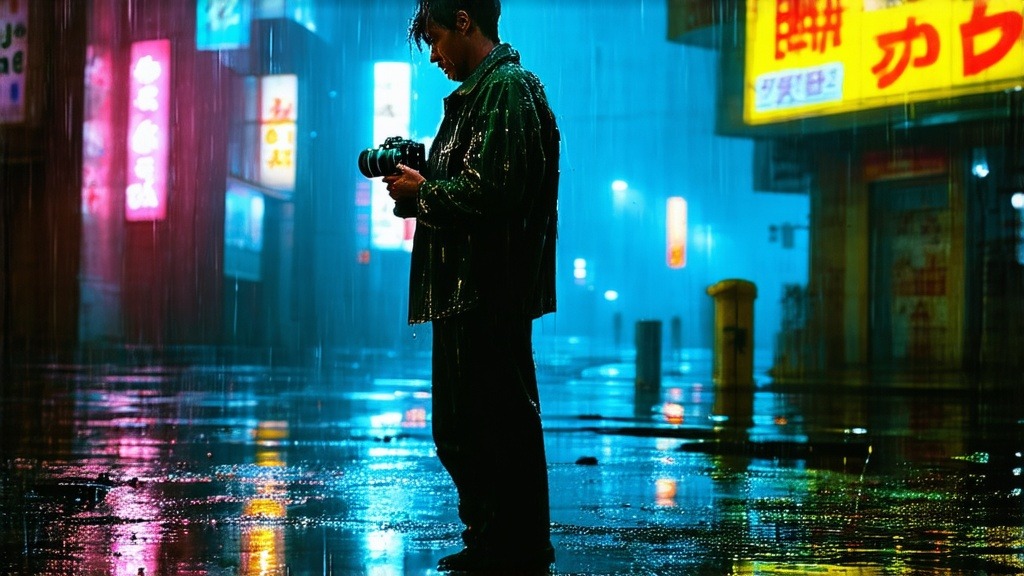
Stable Diffusion, an open-source model developed by Stability AI, represents a monumental shift in the accessibility and customizability of ai art generation. Unlike the often cloud-based, proprietary systems of Midjourney and DALL-E, Stable Diffusion can be run locally on a user’s own hardware, provided they have a sufficiently powerful GPU. This fundamental difference unlocks an unparalleled degree of control, flexibility, and extensibility, making it the preferred choice for artists, developers, and researchers who demand deep customization and technical mastery over their creative tools. The true power of Stable Diffusion lies in its open-source nature.
This means the underlying code is publicly available, allowing a vast global community of developers and artists to build upon it, create custom models (often called “checkpoints”), and develop a myriad of extensions and user interfaces. This vibrant ecosystem has led to an explosion of specialized models trained on specific styles, subjects, or aesthetic preferences. Want to generate images in the style of a particular artist, or create hyper-realistic portraits, or even generate 3D assets? There’s likely a Stable Diffusion model or a technique for it. This level of community contribution and customization is unmatched by its counterparts, offering an almost infinite palette of creative possibilities for ai art. For the artist, this translates into several key advantages.
First, running Stable Diffusion locally means greater privacy and control over data; images are generated on your machine, not on a remote server. Second, the ability to fine-tune models on personal datasets allows artists to inject their unique style, characters, or specific visual elements directly into the AI’s understanding. This is revolutionary for maintaining brand consistency, developing unique artistic signatures, or even creating entire worlds with consistent visual rules. Third, the sheer volume of community-developed tools, from advanced inpainting and outpainting capabilities to control networks like ControlNet that allow precise pose and composition guidance, means that Stable Diffusion can be tailored to almost any specific creative need. However, this power comes with a steeper learning curve. Setting up Stable Diffusion, navigating its various interfaces (like Automatic1111 or ComfyUI), understanding the role of different models,
LoRAs, and embeddings, and mastering its extensive prompting syntax requires a significant time investment. It demands a more technical mindset than the relatively plug-and-play experiences of Midjourney or DALL-E. Yet, for those willing to dive deep, the rewards are immense: complete creative freedom, the ability to iterate rapidly without reliance on external services, and access to the cutting edge of generative ai art research. The community support, with countless tutorials and forums, helps mitigate this learning curve, making advanced ai art accessible to dedicated practitioners.
Integrating Midjourney, DALL-E, and Stable Diffusion into Your Creative Workflow
🎬 AI Render Pro Studio, the AI film production suite I built and use on my own productions. Script breakdown, storyboards, 30+ video models including Seedance 2.5 and Kling O3, image generation, retouch, 7K upscaling and audio, all in one browser workspace. $19/month flat, bring your own API keys and pay providers at cost, no credit packs, no markup. Try AI Render Pro Studio →
As a professional navigating the complexities of visual production, the question isn’t whether to use ai art tools, but how to integrate Midjourney, DALL-E, and Stable Diffusion effectively into an existing creative workflow. Each tool, with its distinct strengths, can serve different phases of a project, from initial concept generation to final asset creation and refinement. The most successful artists will be those who understand how to orchestrate these powerful engines in concert. Consider a typical project lifecycle. For initial ideation and mood boarding, Midjourney often shines. Its ability to quickly generate visually stunning and emotionally resonant images from abstract prompts makes it ideal for exploring themes, aesthetics, and overall project direction. A quick series of prompts can yield dozens of compelling images that capture the essence of a client’s vision or your own artistic intent, providing a strong foundation before committing to more detailed work.
This exploratory phase benefits from Midjourney’s intuitive, artistic interpretations, allowing for broad strokes and unexpected inspirations. Once a general direction is established, DALL-E can be brought in for tasks requiring greater precision and control. If the project involves specific objects, character elements, or particular compositions that need to be accurately rendered, DALL-E’s literal interpretation and powerful editing capabilities become invaluable. For instance, generating variations of a product, placing a specific character in a new environment, or using inpainting to refine details on a generated image are areas where DALL-E excels.
This is where you move from abstract concept to concrete visual elements, ensuring logical consistency and accuracy. For artists who require ultimate control, deep customization, or the ability to work offline, Stable Diffusion integrates seamlessly into the later stages of refinement and bespoke asset creation. Running locally, it allows for iterative adjustments, fine-tuning with custom models (LoRAs), and the use of control networks to manipulate pose, depth, or composition with pixel-level precision. Imagine generating a base image with Midjourney, refining specific elements with DALL-E’s inpainting, and then bringing it into Stable Diffusion to apply a unique artistic filter, maintain character consistency across a series of shots, or generate variations with specific lighting conditions.
This multi-tool approach maximizes the strengths of each platform. For streamlining the prompt engineering process across these diverse platforms, tools like AI Render Pro, the prompting tool for filmmakers and creatives can be incredibly beneficial, allowing artists to manage and iterate prompts efficiently, ensuring consistent results and saving valuable time. Furthermore, these tools are not just for generating final images. They can be powerful aids in pre-visualization for film, designing virtual sets, creating unique textures for 3D models, or even generating storyboards. The fluidity with which one can move from concept to highly detailed visual information, leveraging the distinct capabilities of Midjourney, DALL-E, and Stable Diffusion, is revolutionizing creative production pipelines. The key is to view them as complementary components of a larger toolkit, rather than competing alternatives, each contributing uniquely to the overall project’s success. For deeper insights into character consistency, explore resources on 5 Character Design Prompts That Keep Your Character Consistent Across Every Shot.
Technical Underpinnings: How Midjourney, DALL-E, and Stable Diffusion Create AI Art
To truly leverage Midjourney, DALL-E, and Stable Diffusion, a working artist benefits from a basic understanding of the technical principles that drive these ai art generators. While the specifics of each model’s architecture are complex and often proprietary, they all fundamentally rely on a class of artificial intelligence models known as “diffusion models.” These models have revolutionized image generation by offering unprecedented quality and diversity compared to earlier generative adversarial networks (GANs). At a high level, diffusion models work by learning to reverse a process of noise addition. Imagine an image being progressively corrupted by random noise until it’s just static. A diffusion model is trained to reverse this process, step by step, gradually denoising the static back into a coherent image.
When you provide a text prompt to Midjourney, DALL-E, or Stable Diffusion, the model first encodes that text into a numerical representation (an “embedding”) that captures its semantic meaning. This embedding then guides the denoising process, ensuring that the generated image aligns with the concepts described in the prompt. Midjourney, while its exact architecture remains a closely guarded secret, is known for its highly sophisticated aesthetic filtering and iterative refinement processes. It likely employs advanced techniques to ensure artistic coherence and visual appeal, perhaps incorporating human feedback loops or specific stylistic datasets during its training. The rapid evolution of its versions (e.g., v4, v5, v6, and Niji models) suggests continuous algorithmic improvements focused on artistic quality, prompt understanding, and image consistency. Its proprietary nature means artists interact with it as a black box, focusing on prompt engineering to guide its inherent artistic bias.
DALL-E, particularly DALL-E 2 and its successors, heavily utilizes a two-stage process involving a “prior” model and a “decoder” model. The prior model translates the text prompt into an image embedding (a latent representation), and the decoder then takes this embedding and generates the actual image. This separation allows for robust understanding of complex prompts and enables features like image variations and inpainting by manipulating these latent representations.
OpenAI’s extensive research into transformers and large language models gives DALL-E a strong foundation in semantic understanding, which translates into its precision in rendering specific objects and scenes. Stable Diffusion, being open source, offers the most transparent view into its technical workings. It is built upon a “Latent Diffusion Model” architecture. Instead of performing the diffusion process directly on high-resolution pixel data (which is computationally expensive), it operates in a lower-dimensional “latent space.” This makes it much more efficient and performant, especially for running on consumer-grade GPUs.
The text prompt is encoded using a text encoder (often CLIP), and this encoding guides a U-Net architecture through the denoising process in the latent space. Finally, a decoder converts the denoised latent representation back into a full-resolution image. The open nature of Stable Diffusion has allowed for extensive experimentation with different text encoders, U-Net architectures, and training datasets, leading to the vast ecosystem of custom models and tools available today. Understanding these differences helps artists appreciate why each tool excels in specific areas of ai art generation.
A Comparative Analysis: Midjourney vs. DALL-E vs. Stable Diffusion
To keep this comparison honest, the three images below were generated for this article with the exact same prompt, one render per engine, no cherry picking. Midjourney is missing from this same-prompt set for one honest reason: it has no public API, so its renders in this article are sourced and credited instead.
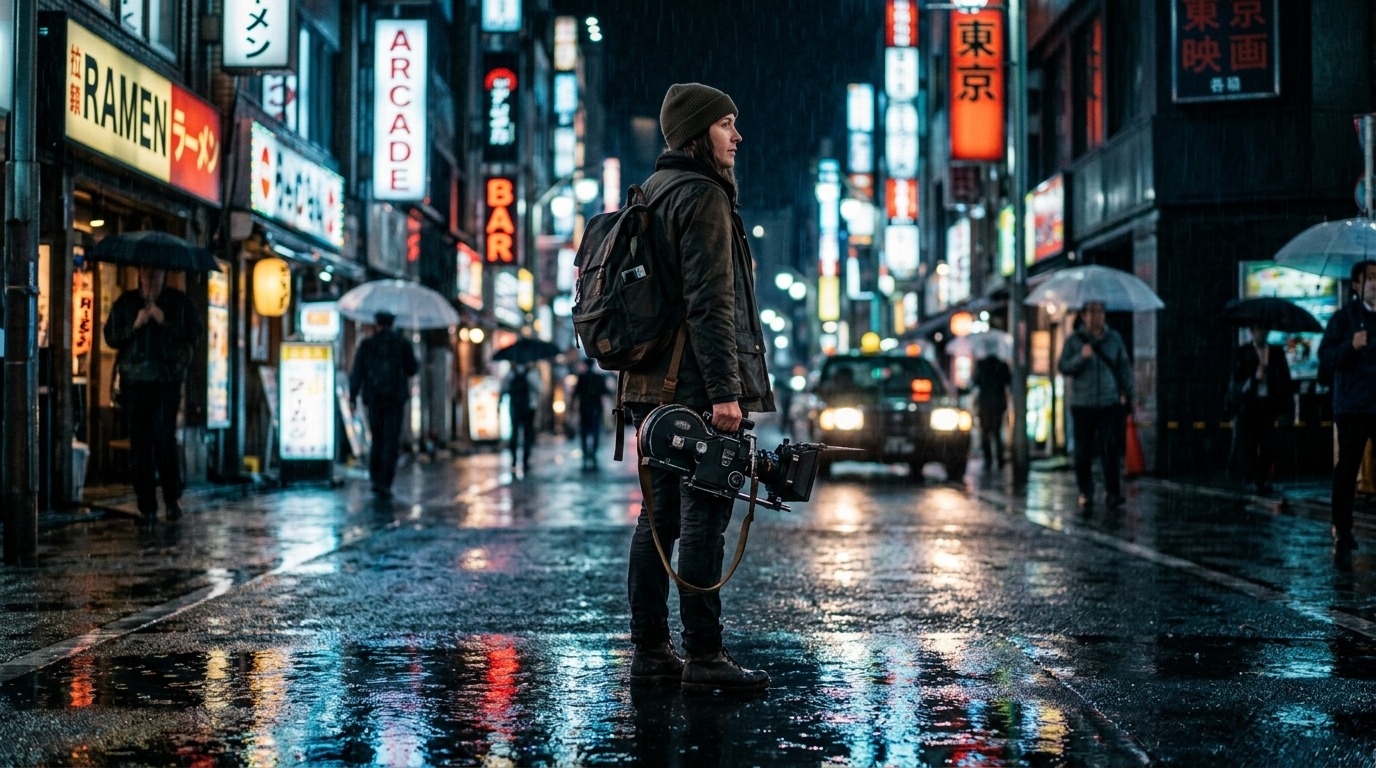
For the discerning artist, choosing between Midjourney, DALL-E, and Stable Diffusion isn’t about finding the “best” tool, but rather the “most appropriate” tool for a given task or creative vision. Each platform brings a distinct philosophy and set of capabilities to the table, making a direct comparison essential for optimizing your ai art workflow.
Aesthetic Output: Midjourney: Unquestionably the leader in producing aesthetically pleasing, often stylized, and highly artistic images with minimal prompting effort. It excels in generating evocative scenes, conceptual art, and imagery with a strong sense of mood and atmosphere. Its output often looks “finished” right out of the gate. DALL-E: Tends towards more literal, realistic, and commercially viable imagery. It’s excellent for accurate object rendering, logical compositions, and photorealistic depictions. While it can produce artistic styles, its default often leans towards clean, precise visuals.
Stable Diffusion: Highly versatile. Out-of-the-box, its results can vary widely depending on the base model used. However, with custom models (checkpoints, LoRAs) and detailed prompting, it can match or exceed the aesthetic quality of both Midjourney and DALL-E across a vast array of styles, from hyperrealism to abstract expressionism. Its aesthetic potential is only limited by the artist’s expertise in prompting and model selection.
Control and Customization: Midjourney: Offers moderate control through parameters like aspect ratios, stylization levels, and chaos. While its latest versions provide better consistency and minor inpainting capabilities, it still operates somewhat as a “black box,” prioritizing its artistic interpretation. DALL-E: Provides good control, especially with its inpainting, outpainting, and variations features. Its literal interpretation means prompts have a more direct impact on the output. It allows for precise object manipulation and scene modification. Stable Diffusion: King of control and customization. From local execution, custom model training, to extensive parameter tuning and advanced control networks (like ControlNet), it offers granular command over every aspect of the generation process. This is where artists can truly “own” their ai art workflow.
Ease of Use & Accessibility: Midjourney: Very accessible, primarily through Discord. The learning curve for basic generation is low, though mastering advanced prompting and parameters requires practice.
DALL-E: User-friendly web interface. Easy to get started with basic prompts. The learning curve for advanced features like inpainting and outpainting is moderate.
Stable Diffusion: Steepest learning curve. Requires technical setup (for local install), understanding of various interfaces, models, and advanced prompting techniques. However, cloud-based services and simplified GUIs are making it more accessible.
Cost: Midjourney: Subscription-based, offering various tiers of GPU time.
DALL-E: Credit-based system, often included in OpenAI API usage or specific subscription plans.
Stable Diffusion: Free to run locally (if you have the hardware), but cloud services or specialized models may incur costs. The initial hardware investment can be significant. In summary, if you need quick, beautiful, and inspiring visuals with a distinctive artistic flair, Midjourney is your immediate go-to. If precise object rendering, logical composition, and controlled image manipulation are paramount, DALL-E excels. If you demand ultimate creative freedom, deep customization, and are willing to invest in the technical mastery, Stable Diffusion offers unparalleled potential for your ai art endeavors. Many professional artists will find themselves using all three, leveraging each for its unique strengths at different stages of their creative process.
Ethical Considerations and the Future of AI Art with These Tools
The emergence and rapid evolution of Midjourney, DALL-E, and Stable Diffusion have not only transformed the practical aspects of visual creation but have also ignited crucial ethical debates within the art community and beyond. As an industry veteran, I’ve seen firsthand how new technologies challenge existing paradigms, and ai art is no different. Addressing these considerations is vital for the responsible and sustainable integration of these powerful tools into our creative future. One of the most pressing concerns revolves around authorship and intellectual property. When an AI generates an image based on a human prompt, who owns the copyright? Is it the prompt engineer, the AI developer, or is the work uncopyrightable? Current legal frameworks are struggling to keep pace with these advancements. The fact that these models are trained on vast datasets of existing human-created art, often without explicit consent or compensation to the original artists, raises serious questions about fair use, plagiarism, and the economic impact on human artists.
The debate around AI art copyright is ongoing and complex, with different jurisdictions and legal interpretations emerging. Another significant ethical concern is the potential for misuse. The ability to generate highly realistic, manipulated images and videos (deepfakes) with ease raises alarms about misinformation, propaganda, and privacy violations. While the focus here is on artistic creation, the underlying technology of Midjourney, DALL-E, and Stable Diffusion can be repurposed for malicious intent. Developers are implementing safeguards, but the open-source nature of Stable Diffusion, in particular, makes it harder to control its deployment and potential for misuse. The environmental impact of training and running these large AI models is also a growing concern. The computational power required for generating ai art consumes significant energy, contributing to carbon emissions. As these tools become more ubiquitous, their collective environmental footprint will need to be carefully managed and mitigated through more efficient algorithms and renewable energy sources. Looking to the future, the continuous development of Midjourney, DALL-E, and Stable Diffusion promises even more sophisticated capabilities.
We can anticipate further improvements in prompt understanding, image consistency, and the ability to generate not just static images, but also dynamic content like video and 3D models. The line between human and AI-generated art will blur further, leading to new forms of collaborative artistry. Artists will increasingly become “AI whisperers,” directing powerful models to realize their visions. This shift will require artists to not only master the technical aspects of these tools but also to engage critically with the ethical implications of their creations. The challenge for the creative community is to advocate for policies that protect artists’ rights, ensure transparency in AI training data, and promote ethical use of these technologies. The future of ai art is not just about what these tools can create, but how we, as a society, choose to wield them responsibly.
Mastering Prompting: Unlocking the Full Potential of Midjourney, DALL-E, and Stable Diffusion
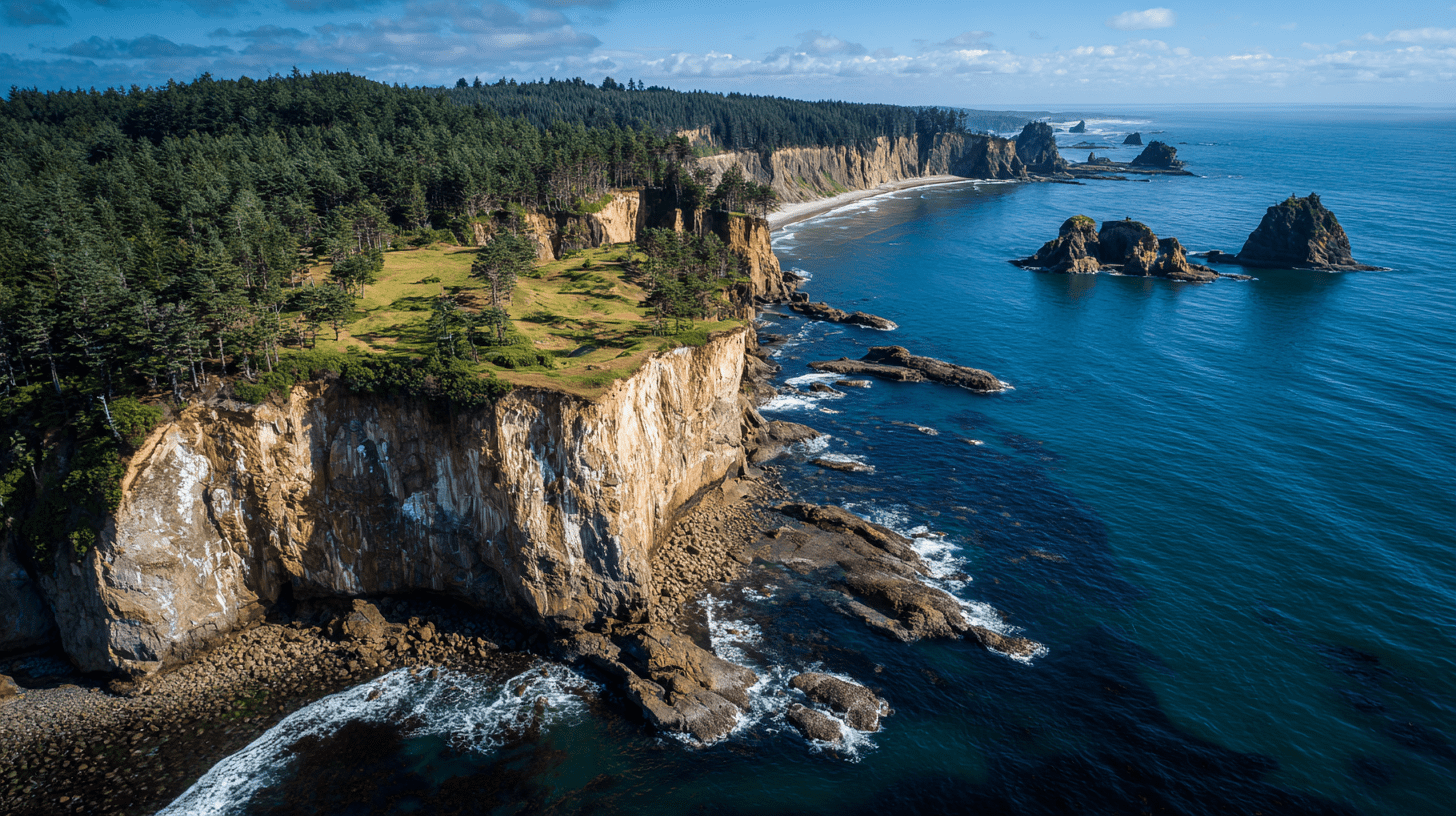
For any artist venturing into the realm of ai art, mastering the art of prompting is akin to mastering a new language. It’s the critical interface between human intent and machine execution, determining the quality, style, and relevance of the generated imagery. While Midjourney, DALL-E, and Stable Diffusion each interpret prompts with their own nuances, general principles apply across the board, alongside specific techniques for each platform.
Clarity and Specificity: This is the golden rule. Ambiguous prompts lead to ambiguous results. Instead of “a forest,” try “a dense, ancient forest bathed in dappled sunlight, with moss-covered trees and a winding stream, volumetric lighting.” The more detail you provide about subject, setting, mood, lighting, and style, the closer the ai art will get to your vision.
Keywords and Modifiers: Think like an AI. Use descriptive adjectives, artistic styles (e.g., “impressionistic,” “cyberpunk,” “oil painting”), camera angles (“wide shot,” “macro lens”), lighting conditions (“cinematic lighting,” “golden hour”), and even specific artists or directors for stylistic influence. For example, “a portrait of a woman, intricate details, highly realistic, by Caravaggio, dramatic chiaroscuro.”
Negative Prompts: A powerful technique, especially prevalent in Stable Diffusion, but also available in DALL-E and Midjourney (though sometimes implicitly or through specific parameters). Negative prompts tell the AI what not to include. For instance, if your generated images consistently have distorted hands, you might add “ugly, deformed, extra fingers, blurry hands” to your negative prompt. This refines the output by steering the AI away from undesirable elements.
Midjourney Specifics: Midjourney thrives on evocative language and often benefits from shorter, more poetic prompts, though detailed ones are also effective. Experiment with parameters like `–ar` (aspect ratio), `–style raw` (for less artistic interpretation), `–stylize` (for more or less artistic flair), and `–chaos` (for varied results). Its latest versions also allow for “permutations” to explore multiple prompt variations simultaneously.
DALL-E Specifics: DALL-E demands precision. Use clear, grammatically correct sentences. Explicitly state relationships between objects (e.g., “a cat sitting on a mat,” not just “cat mat”). Its inpainting and outpainting features require careful masking and concise prompts to guide the AI’s modifications accurately. DALL-E’s strength is in following instructions literally, so be direct.
Stable Diffusion Specifics: This is where prompt engineering becomes an art form in itself. Stable Diffusion allows for prompt weighting (e.g., `(word:1.2)` to emphasize a term), multiple prompts, and intricate combinations of keywords. The vast array of custom models (checkpoints) means the same prompt can yield wildly different results depending on the model chosen. Furthermore, ControlNet extensions enable artists to guide the AI with reference images for pose, depth, or edge detection, offering unparalleled control over composition. For advanced techniques in generating specific visual styles, exploring resources like 8 Bold AI Poster Prompts for Minimalist Design can provide valuable insights. Mastering prompting is an ongoing journey of experimentation and learning. It involves understanding not just what to say, but how the AI interprets it, and continually refining your approach based on the results. This iterative process is at the heart of generating compelling ai art with Midjourney, DALL-E, and Stable Diffusion.
Evolution and Outlook: Midjourney, DALL-E, Stable Diffusion in 2026 and Beyond
The trajectory of Midjourney, DALL-E, and Stable Diffusion over the past few years has been nothing short of exponential, and there’s every indication that this rapid evolution will continue through 2026 and beyond. For artists and creative professionals, staying attuned to these advancements is not merely an academic exercise; it’s essential for maintaining a competitive edge and exploring new frontiers of visual expression with ai art. These leaps are already landing across all three tools, with more advances expected through 2026 and beyond. The resolution and fidelity of generated images will continue to improve, making it increasingly difficult to distinguish AI-generated content from traditionally captured or rendered visuals. This will have profound implications for industries like stock photography, advertising, and even film production, where the generation of realistic assets could become a standard practice. The integration of 3D capabilities will likely become more robust, allowing for the direct creation of textured models and environments from text prompts, blurring the lines between 2D and 3D workflows.
The “consistency problem”, maintaining a consistent character, object, or style across multiple generated images, is an area of intense research and development. While current tools offer some solutions, the direction is already clear: more seamless and intuitive methods for generating entire sequences, narratives, or character sheets where visual elements remain perfectly consistent. This will be a game-changer for animators, filmmakers, and comic artists. User interfaces for Midjourney, DALL-E, and Stable Diffusion will also become more sophisticated and intuitive. While Midjourney’s Discord interface is effective, and DALL-E’s web app is clean, the complexity of Stable Diffusion often requires technical know-how. Future iterations will likely feature more visual prompting tools, drag-and-drop interfaces, and integrated editing suites that reduce the barrier to entry for advanced techniques. This will democratize access to powerful ai art capabilities further.
The underlying models themselves will become more efficient and capable of understanding increasingly complex and abstract prompts. Multimodal AI, which can process and generate content across different modalities (text, image, audio, video), will see greater integration. Imagine prompting with a combination of text, a rough sketch, and an audio clip to generate a fully realized scene. The potential for more nuanced control over composition, lighting, and narrative elements will continue to expand. Moreover, the ethical and legal frameworks surrounding ai art are expected to mature, albeit slowly. Discussions around copyright, intellectual property, and fair compensation for artists whose work is used in training data will intensify, potentially leading to new legislation or industry standards. Transparency in AI model training and data provenance will become more critical. In essence, Midjourney,
DALL-E, and Stable Diffusion, or their successors, are already evolving from powerful tools into indispensable creative partners. They will not replace human creativity but augment it, empowering artists to realize visions that were previously impossible or prohibitively expensive. The future of ai art is one of enhanced capability, greater accessibility, and continued ethical discourse, demanding that artists remain adaptable, informed, and ethically conscious in their practice.
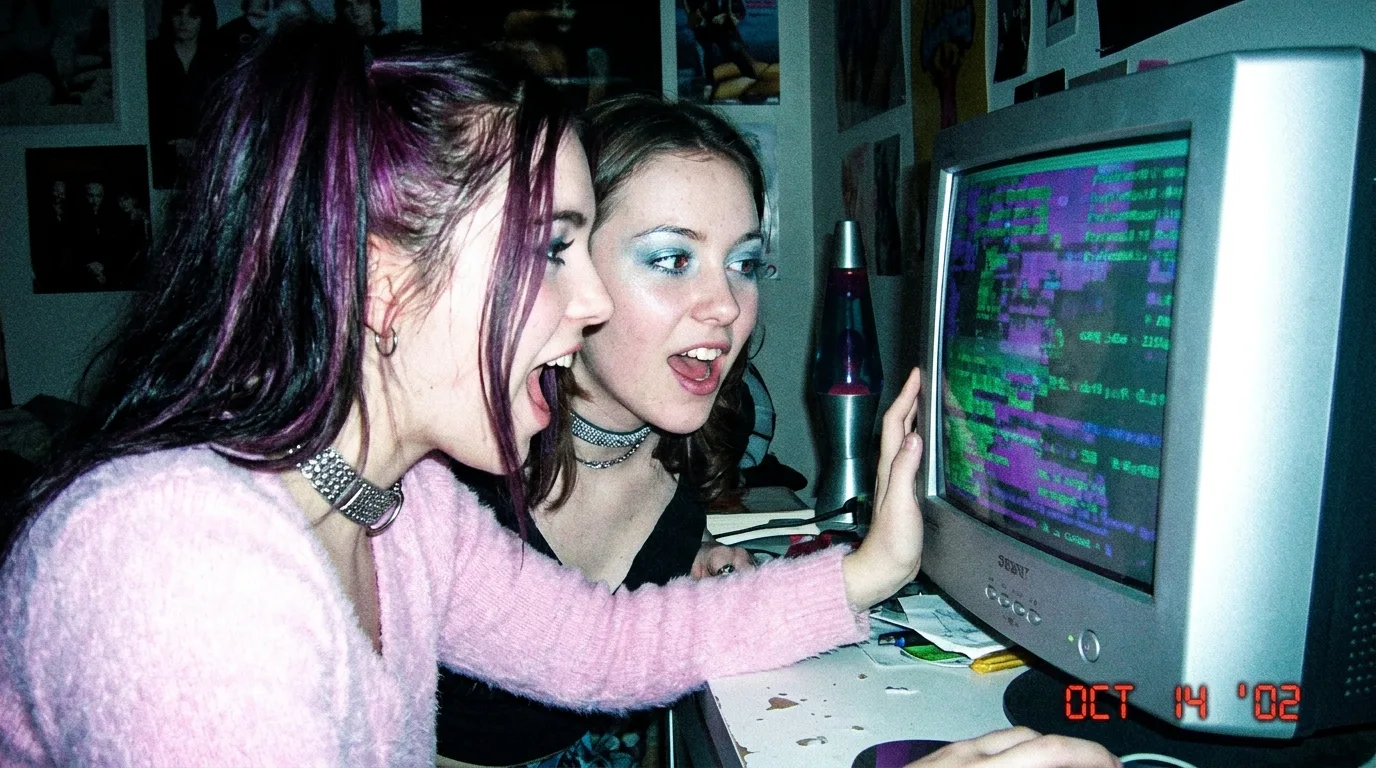
Every AI illustration in this article was crafted using AI Render Pro, the same prompting engine used across this blog. Read the full breakdown here.
Frequently Asked Questions
How do Midjourney, DALL-E, and Stable Diffusion compare in 2026?
As of 2026, Midjourney retains its lead in artistic aesthetics, offering highly stylized and evocative outputs with advanced consistency features. DALL-E will likely excel in precise object rendering, logical compositions, and sophisticated in-painting/out-painting tools. Stable Diffusion, due to its open-source nature, will continue to offer unparalleled customization, local control, and a vast ecosystem of specialized models, making it the choice for technical artists seeking ultimate flexibility.
What are the primary differences between Midjourney, DALL-E, and Stable Diffusion for artists?
Midjourney prioritizes artistic quality and mood, often requiring less specific prompting for stunning results. DALL-E focuses on literal interpretation and accurate object generation, ideal for commercial and precise design work. Stable Diffusion offers maximum control, allowing artists to run models locally, fine-tune with custom data, and integrate advanced tools for highly customized and technically demanding ai art projects.
Discover more from Olivier Hero Dressen Blog: Filmmaking & Creative Tech
Subscribe to get the latest posts sent to your email.
Work with Olivier
Director | CD | DP & Photographer
Specializing in commercials, music videos, AI-driven filmmaking, and cinematic storytelling for brands and production companies.
🌍 Shanghai · Paris · Los Angeles · Dubai
🎬 View Portfolio & Get in Touch