
Key Takeaways
- First insight: The best y2k prompts are not vague nostalgia requests. They are precise recipe cards that name the camera, the flash, the film stock, and the era’s specific visual flaws.
- Craft highlight: Flash photography is the single most powerful ingredient in a Y2K image. Direct on-camera flash, red-eye, and blown-out highlights sell the look faster than any filter.
- Industry context: The Y2K aesthetic has cycled back through fashion, music, and now AI image generation. ChatGPT’s GPT-4o model handles these prompts natively, which makes the trend accessible to anyone with a selfie.
- Bottom line: Write prompts that preserve your subject’s identity while transforming the environment. Tell the AI to keep the face recognizable, then let it go wild on the background, lighting, and texture.
The y2k prompts trend has taken over AI image feeds in 2026, turning ordinary selfies into grainy, flash-blasted relics of the early 2000s. What started as a niche experiment on ChatGPT has become a full-blown aesthetic movement, with thousands of creators sharing their nostalgic transformations daily.
Need a Director for Your Next Project?
From commercials to branded campaigns—Olivier brings creative vision and technical expertise.
→ View ProjectsThe appeal is obvious: the Y2K era, roughly 1997 to 2003, was a visual fever dream of chrome, glitter, and digital optimism, and AI tools now let anyone step into that world without a time machine.
What the Y2K Aesthetic Actually Means
The Y2K aesthetic is not just a filter. It is a complete visual language built from a specific historical moment: the panic and promise of the year 2000. The world feared computers would crash, then celebrated a shiny new millennium with frosted lip gloss and silver everything. That tension between anxiety and optimism lives in every grainy photo from the era.
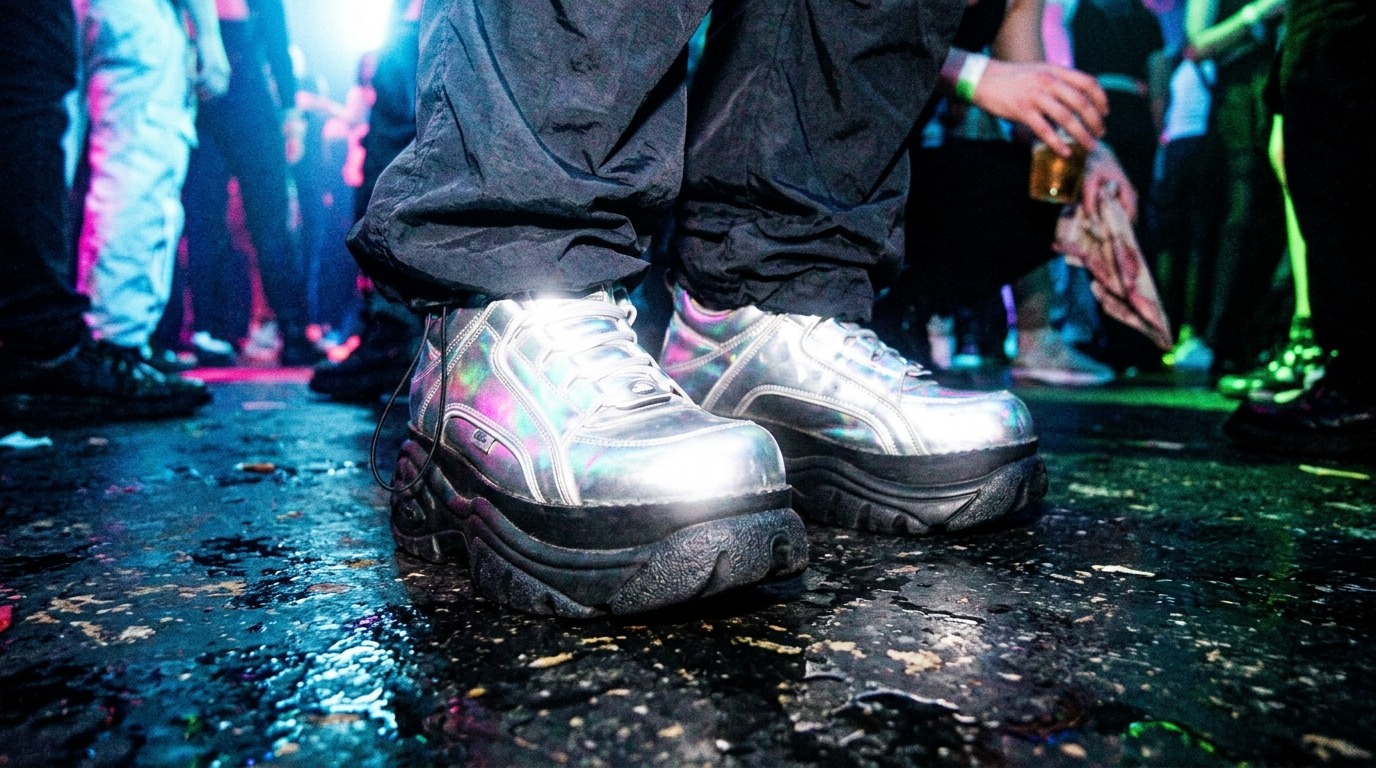
Visually, the style leans on a few recognizable pillars. Think metallic fabrics, translucent plastics, chunky platform shoes, and accessories that looked like they came from a spaceship’s gift shop. The color palette favors icy blues, hot pinks, and acid greens, often against stark white or black backgrounds. The Y2K aesthetic on Wikipedia traces these roots back to cyber-optimism and the dot-com boom.
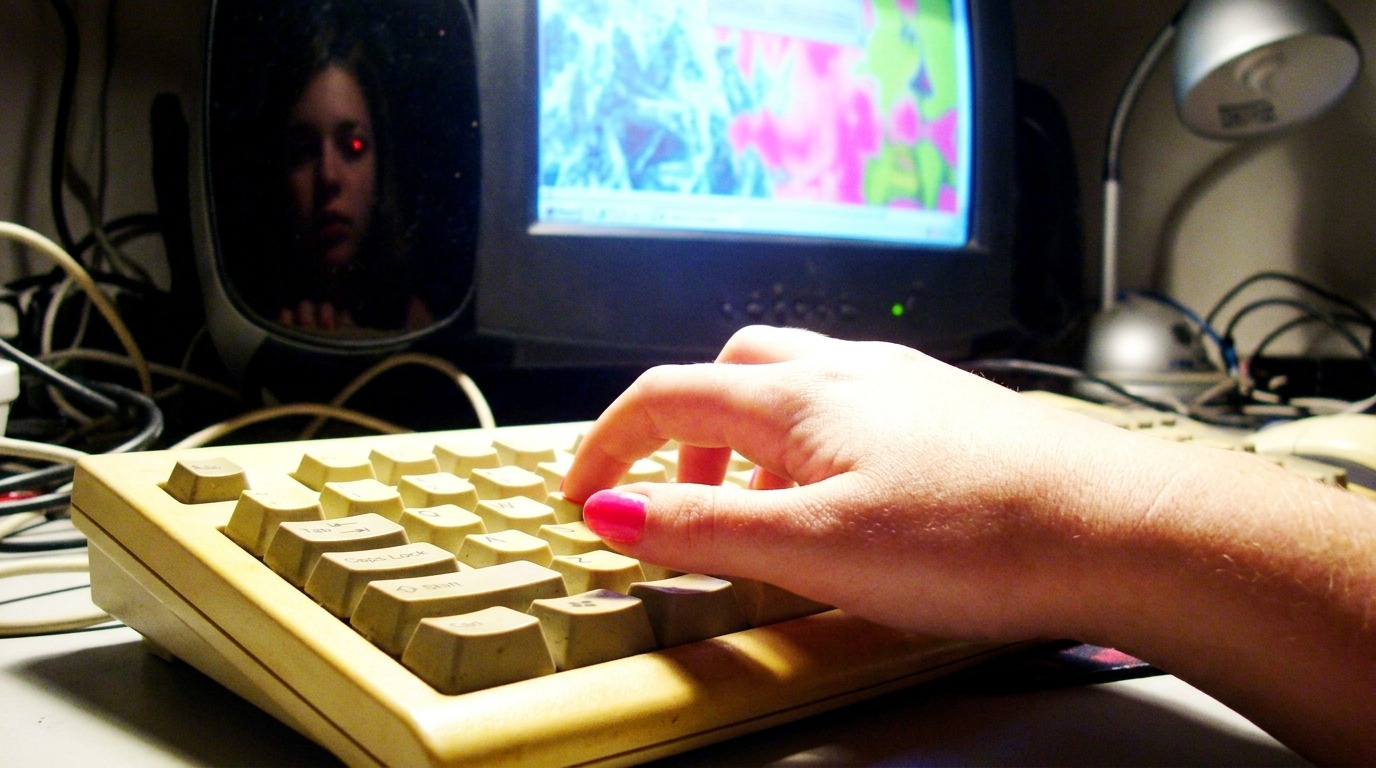
But the most important element is the photography itself. Early digital cameras produced harsh, unforgiving images. The flash was direct, the colors were oversaturated, and the resolution was low. These flaws, once considered technical limitations, are now the exact qualities that make a photo feel authentically Y2K. AI image generators have learned to replicate these imperfections, and that is why the trend works so well.
Understanding this history matters because it changes how you write prompts. If you simply ask for “a Y2K photo,” you get a generic, filtered look. If you ask for “a 2002 digital camera photo with direct flash and red-eye,” you get something that feels real. The difference is in the details, and this guide is built around those details.
Why ChatGPT Is the Best Tool for This Look
ChatGPT’s image generation, powered by the GPT-4o model, handles Y2K transformations better than most dedicated art tools. The reason is conversational editing. You can upload a selfie, ask for a transformation, then refine the result with follow-up commands like “more grain” or “less red-eye.” That iterative loop is where the magic happens.
Other tools like Midjourney and Stable Diffusion can produce stunning Y2K images, but they often require complex parameter strings or separate inpainting workflows. ChatGPT lets you talk to the image like a photo editor sitting next to you. This accessibility has driven the trend’s popularity across social platforms, where users share their before-and-after results with simple captions.
The model also understands cultural references. Mention “Glamour Shots,” “paparazzi flash,” or “mall photo booth” and it knows what you mean. This cultural fluency is rare in AI tools, which often struggle with niche aesthetic movements. For a deep dive into how this works, Kapwing has a detailed guide on the related ChatGPT 80s trend that shows similar prompt engineering principles.
One note on cost: ChatGPT’s image features require a Plus subscription, which runs about $20 per month. For heavy users, that is a reasonable price for unlimited experimentation. There are free alternatives, but they often watermark output or limit resolution. If you are serious about the look, the subscription is worth it.
The Core y2k prompts: Flash, Film, and Face
The most effective y2k prompts share a common structure. They name the camera, describe the lighting, specify the film or sensor type, and then add a cultural touchstone. This four-part recipe consistently produces better results than a single descriptive sentence.
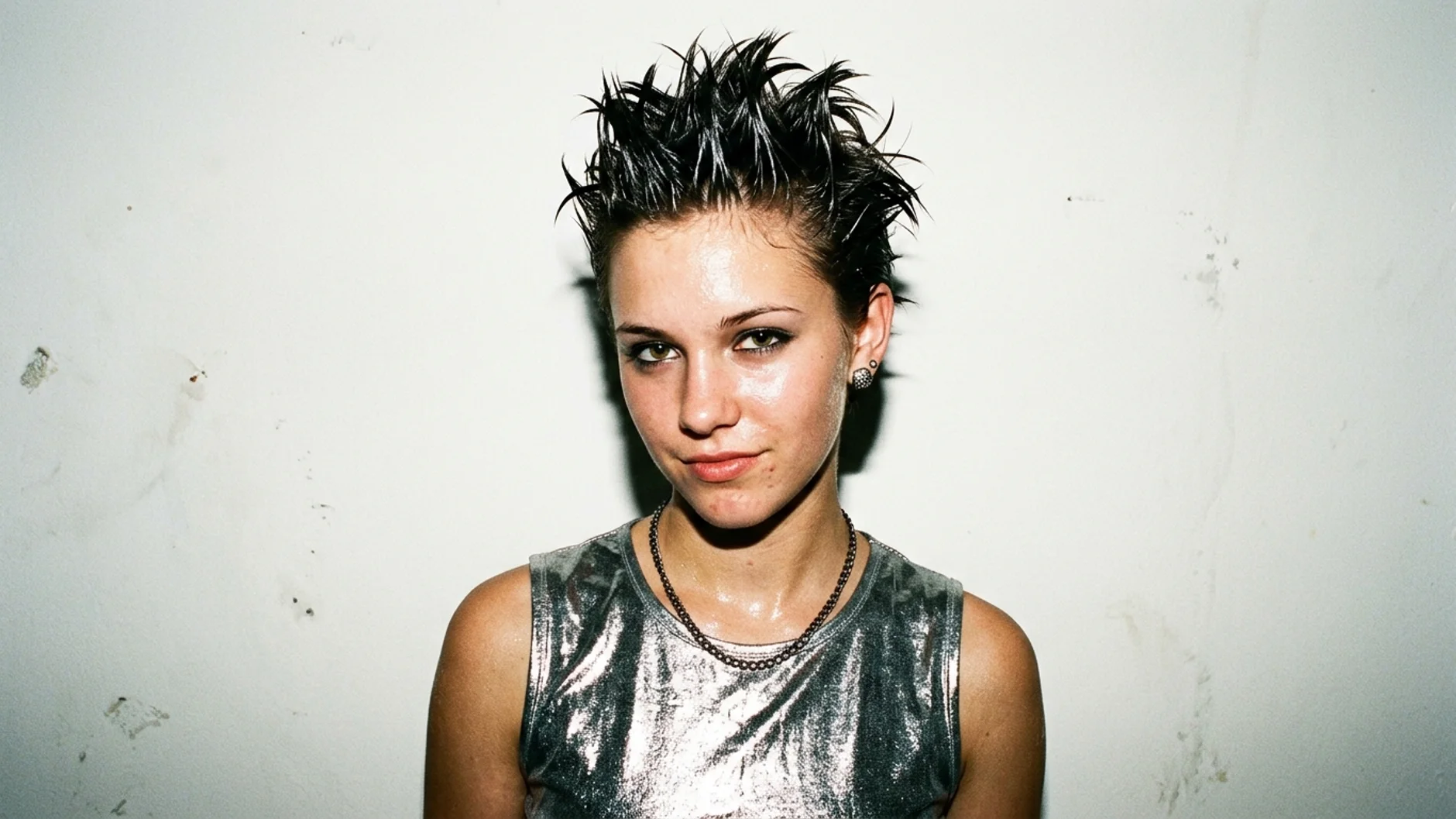
Here is a baseline prompt that works across most AI tools: “A photo taken on a Sony Cyber-shot digital camera from 2002, direct on-camera flash, slightly overexposed, red-eye visible, glossy skin, white background, early 2000s fashion, metallic top, chunky necklace, high resolution scan of a printed photo.” Break this down and you will see each element serves a purpose.
🎬 AI Render Pro Studio, the AI film production suite I built and use on my own productions. Script breakdown, storyboards, 30+ video models including Seedance 2.5 and Kling O3, image generation, retouch, 7K upscaling and audio, all in one browser workspace. $19/month flat, bring your own API keys and pay providers at cost, no credit packs, no markup. Try AI Render Pro Studio →
The camera reference matters because AI models have learned the visual signature of specific devices. The Sony Cyber-shot line produced a particular kind of saturated, slightly soft image that screams early 2000s. You can swap in other cameras like the Canon PowerShot or the Nikon Coolpix for subtle variations. Our dedicated Y2K prompt collection includes several camera-specific variations you can copy directly.
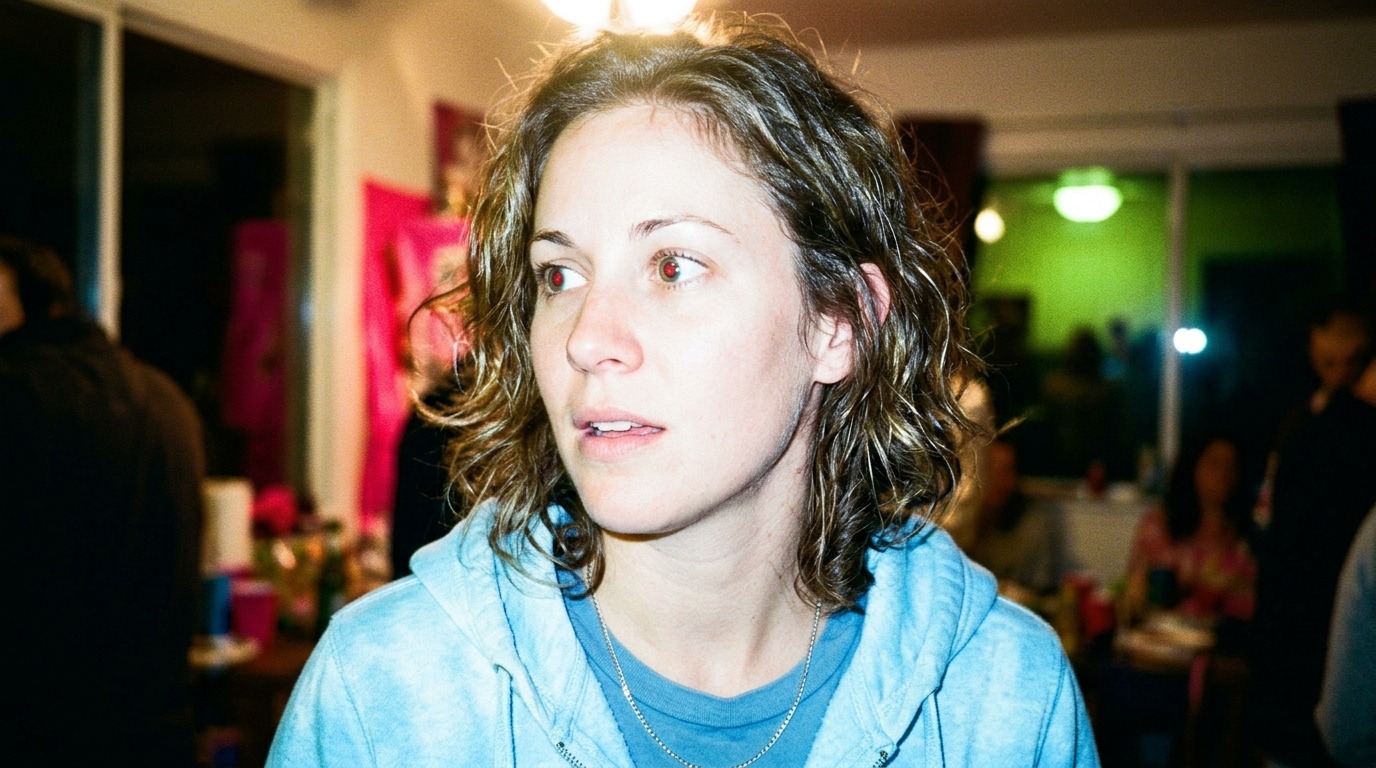
Lighting is the second pillar. Direct flash, meaning the light source is on the same axis as the lens, creates that flat, harsh look with visible shadows behind the subject. It also causes red-eye, which many prompts explicitly request. In the 2000s, red-eye was a flaw. In 2026, it is a feature.
Finally, the face. If you are transforming a real person’s photo, you must tell the AI to preserve identity. Add the phrase “keep the subject’s facial features recognizable” to avoid the model inventing a new face. This is the difference between a fun edit and a disturbing doppelganger.
Turning a Selfie into a Y2K Portrait
Transforming a modern selfie into a Y2K portrait is the most popular use case for these prompts, and the process is simpler than you might think. Start by uploading a clear, front-facing photo with good lighting. The AI needs to see the face clearly to preserve it during the transformation.
Your first prompt should be a broad transformation. Something like: “Turn this photo into a Y2K digital camera photo from 2001. Use direct flash, add a slight red-eye effect, make the background a bright pink or blue studio backdrop, and dress the subject in early 2000s style. Keep the facial features identical.” This gives the model a clear direction without overwhelming it.
Then refine. The beauty of ChatGPT is the follow-up. If the background looks wrong, say “change the background to a chrome texture.” If the skin looks too modern, say “add more grain and lower the resolution slightly.” Each iteration brings you closer to the authentic look. Techpresso’s AI Academy has a collection of 30 ChatGPT Y2K photo prompts that walk through this refinement process step by step.
One warning: do not upload photos of other people without their permission. The AI will happily transform anyone’s face, but using someone’s likeness without consent is a legal and ethical gray area. Stick to your own selfies or use stock photos of models who have consented to AI use.
For the best results, use a photo taken in natural light. Harsh shadows or heavy makeup can confuse the model and produce uncanny results. A clean, well-lit face gives the AI the most information to work with, and the transformation will look more convincing.
Y2K Collage Prompts: Stickers, Textures, and Chaos
Beyond simple portraits, the Y2K collage is a distinct subgenre that deserves its own prompt strategy. These images layer multiple photos, stickers, doodles, and textures onto a single canvas, mimicking the scrapbook aesthetic that defined the era. Think Lisa Frank meets a teen magazine’s mood board.
The key to a good collage prompt is specificity about layout and materials. Do not just say “make a Y2K collage.” Instead, try: “Create a collage of this photo with 2000s stickers, including stars, hearts, and butterflies. Add a silver metallic background, torn paper edges, and handwritten doodles in the margins. Overlay a subtle glitter texture.”
Texture matters enormously. The Y2K era loved shiny, reflective surfaces, so mention “holographic foil,” “glitter,” or “iridescent plastic” in your prompts. These materials read instantly as Y2K to anyone who grew up in the era. Media.io has published a solid set of 25 Y2K collage photo prompts that emphasize these specific textures and layout choices.
When editing an existing photo into a collage, always include the phrase “preserve the subject’s identity.” Collages often distort the original image, and the AI can drift toward a generic face. Locking identity early prevents that drift and keeps the result recognizable.
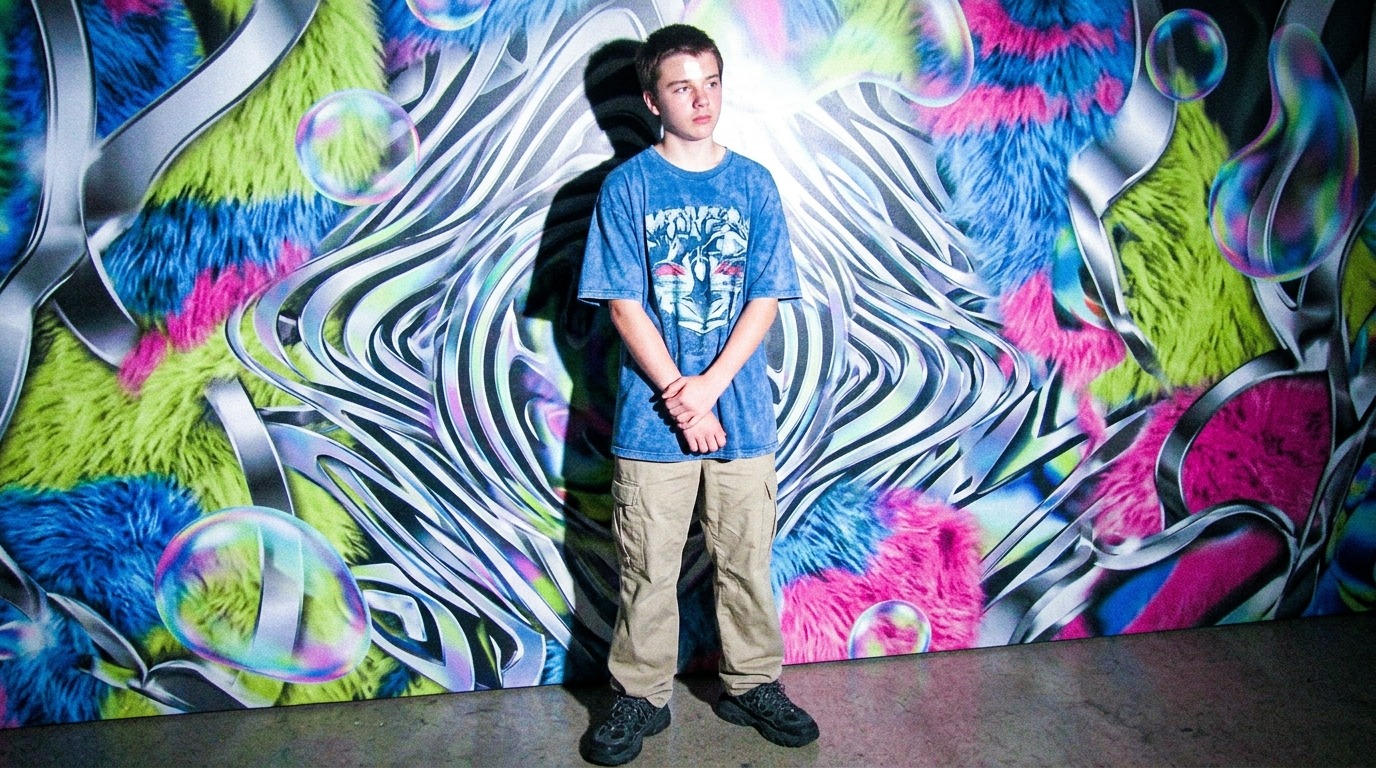
Layout is another variable you can control. Ask for “a central photo surrounded by smaller polaroids” or “a diagonal arrangement of photos with stickers filling the gaps.” The more specific your layout request, the more intentional the final collage looks. Random arrangements read as lazy, and the AI will default to chaos if you do not provide structure.
Five Mistakes That Ruin Y2K AI Photos
Even with a perfect prompt, several common errors can sink your Y2K image. The first is over-filtering. Many users apply an Instagram filter on top of the AI output, which adds modern color grading and destroys the authentic look. Trust the AI’s output and skip the extra filter.
The second mistake is ignoring the background. A Y2K portrait needs a period-appropriate backdrop, whether that is a studio cyclorama, a bedroom with posters, or a mall food court. If you leave the background as a modern living room, the illusion collapses. Always specify the background in your prompt.
Third, avoid asking for “high resolution” or “4K” in your Y2K prompts. The era’s charm comes from low resolution, grain, and compression artifacts. Requesting ultra-sharp output contradicts the aesthetic and produces an image that looks like a modern photo with a filter. Aim for “scanned at 300 DPI from a printed photo” instead, which preserves detail while keeping the vintage feel.
Fourth, do not overload the prompt with too many elements. If you mention ten different accessories, five background items, and three lighting conditions, the AI will struggle to prioritize and the image will look cluttered. Pick three or four key elements and let the model fill in the rest.
Finally, beware of modern clothing. The AI sometimes defaults to contemporary fashion even when you ask for Y2K styles. Be explicit: “low-rise jeans, butterfly clips, a velour tracksuit, or a metallic halter top.” Naming specific garments anchors the model to the era and prevents anachronisms.
Advanced Moves: Paparazzi Style and Glamour Shots
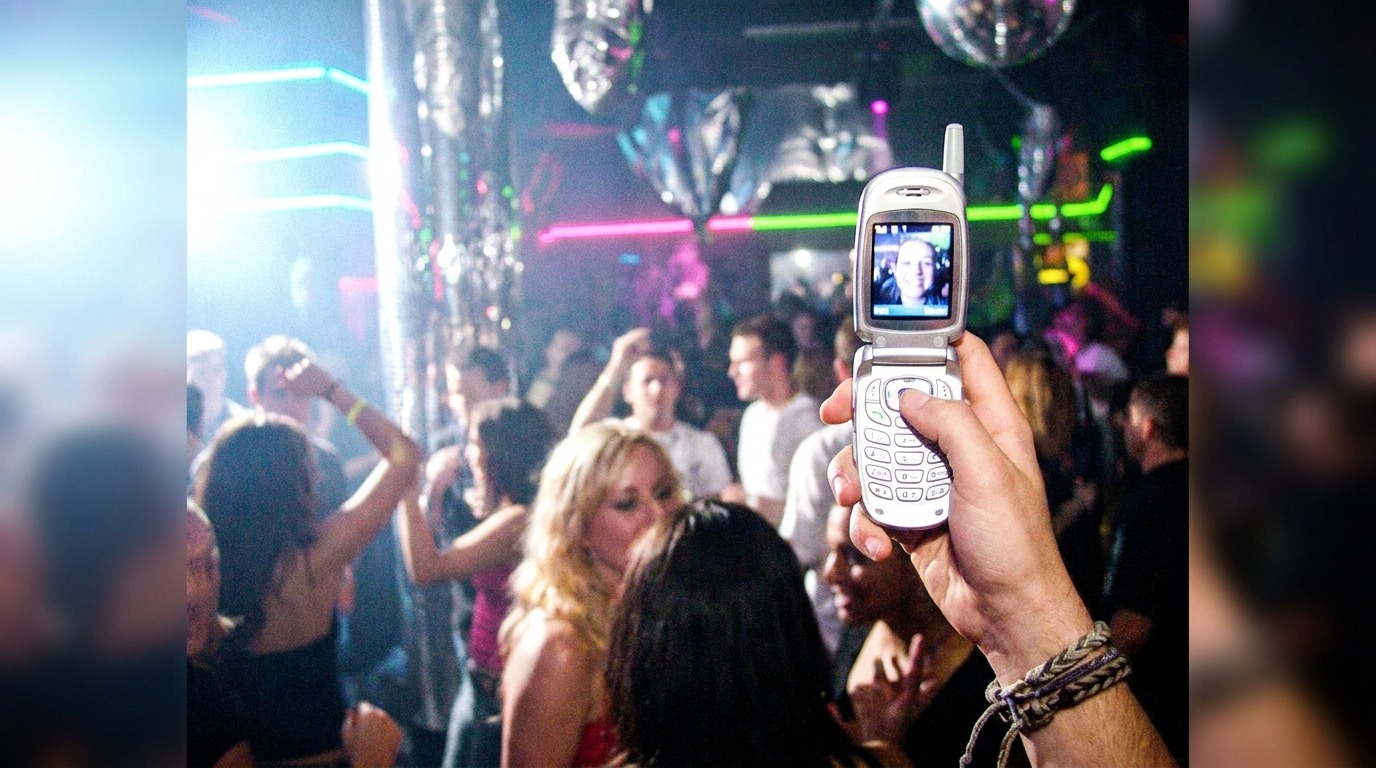
Once you master the basics, two advanced styles can elevate your Y2K game. The first is paparazzi flash photography, which mimics the grainy, long-lens shots of celebrities leaving nightclubs in the early 2000s. This look is defined by motion blur, harsh shadows, and a sense of being caught off guard.
For paparazzi style, prompt: “A candid photo taken from a distance with a long lens, night setting, bright camera flash, slight motion blur, subject looking surprised or laughing, flash glare on the lens, grainy film, early 2000s celebrity aesthetic.” The key is the combination of distance, flash, and blur, which creates that authentic tabloid feel.
The second advanced style is the Glamour Shots homage. This references the mall photography studios of the late 1990s and early 2000s, where subjects posed against airbrushed backdrops with dramatic lighting and heavy makeup. The result is a hyper-stylized, slightly absurd portrait that has become a beloved meme format.
For a Glamour Shots look, try: “A studio portrait in the style of a 1990s mall photo studio, soft focus, dramatic side lighting, a blue or purple gradient backdrop, subject with big hair and glossy makeup, a silk scarf or faux fur stole, airbrushed skin texture.” This style is intentionally over-the-top, and the AI tends to lean into the campiness, which is exactly what you want.
These advanced styles work particularly well for group photos or themed shoots. If you have a friend group, transform a group selfie into a paparazzi shot of “celebrities leaving a 2002 awards show.” The results are hilarious and shareable, which is why these variations dominate social media feeds.
What Filmmakers Can Learn from This Trend
As someone who works inside a production studio, I find this trend fascinating because it is essentially a masterclass in diegetic authenticity. The Y2K look is not achieved through expensive lenses or fancy color grading. It comes from embracing the limitations of the technology that actually existed in that era.
Filmmakers often chase “period accuracy” through elaborate production design, but AI image generation proves that the camera itself is the strongest time machine. If you shoot a modern scene with direct flash and grainy film stock, it instantly reads as 2002. The audience’s brain does the rest of the work. This is a lesson I have carried into my own work reviewing AI tools for our guide to AI vision techniques for filmmakers.
The trend also demonstrates the power of constraints. The Y2K aesthetic is defined by what the cameras could not do: no low-light sensitivity, no image stabilization, no high dynamic range. Those limitations created a distinct visual language. When AI models replicate those flaws, they tap into a collective visual memory that resonates across generations.
For creatives working with AI, the lesson is to study the technical history of the look you want to achieve. Do not just describe the outcome; describe the process that produced it. Mention the camera, the film, the flash, and the printing method. This level of detail is what separates a generic “retro” image from a genuinely authentic one.
If you want to take your prompting further, AI Render Pro, our prompting tool for filmmakers and creatives, includes presets for vintage looks that apply these same principles. It is built for people who think in terms of camera and lighting rather than abstract keywords.
Every AI image in this article was generated with AI Render Pro, the prompting engine I buil11 Character Design Prompts That Keep Your Character ConsisteA Director’s Guide to Googleflow: How to Craft Music Videos in 202610 ‘Impossible’ FLUX.2 Prompts: How to Generate Authentic Y2K AI Photos That Look 100% RealHow to Master Cinematic AI Art Direction: 7 Prompts for Professional Realism (FLUX & Midjourney)10 AI Persona Designs You Can Steal for Your Next Projectnt Across Every Shott for filmmakers and creatives. Read the full breakdown here.
Frequently Asked Questions
What exactly are y2k prompts?
Y2K prompts are text instructions given to AI image generators like ChatGPT that produce photos in the early 2000s aesthetic. They typically reference digital cameras from that era, direct flash lighting, specific fashion items, and the grainy, oversaturated look of early digital photography.
Can I use y2k prompts on any AI image tool?
Yes, most modern image generators like Midjourney, DALL-E, and Stable Diffusion respond well to these prompts. However, ChatGPT’s conversational editing makes it the easiest tool for transforming an existing photo, since you can refine the result with follow-up instructions.
Do I need a paid ChatGPT subscription for Y2K photos?
Yes, image generation in ChatGPT requires a Plus, Pro, or Team subscription, which costs around $20 per month. Free tiers do not include image generation features. If you want to test the look without paying, try free alternatives like Bing Image Creator, though the results may be less refined.
How do I keep my face recognizable in the transformed photo?
Always include the phrase “preserve the subject’s facial features” or “keep the identity recognizable” in your prompt. Also, start with a clear, well-lit selfie. If the AI drifts, use follow-up commands like “make the face look more like the original photo” to correct it.
What is the most important element in a Y2K prompt?
Direct on-camera flash is the single most important ingredient. It creates the harsh lighting, red-eye, and blown-out highlights that define the era’s look. Without flash, the image reads as modern, no matter how many other Y2K elements you include.
Discover more from Olivier Hero Dressen Blog: Filmmaking & Creative Tech
Subscribe to get the latest posts sent to your email.
Work with Olivier
Director | CD | DP & Photographer
Specializing in commercials, music videos, AI-driven filmmaking, and cinematic storytelling for brands and production companies.
🌍 Shanghai · Paris · Los Angeles · Dubai
🎬 View Portfolio & Get in Touch