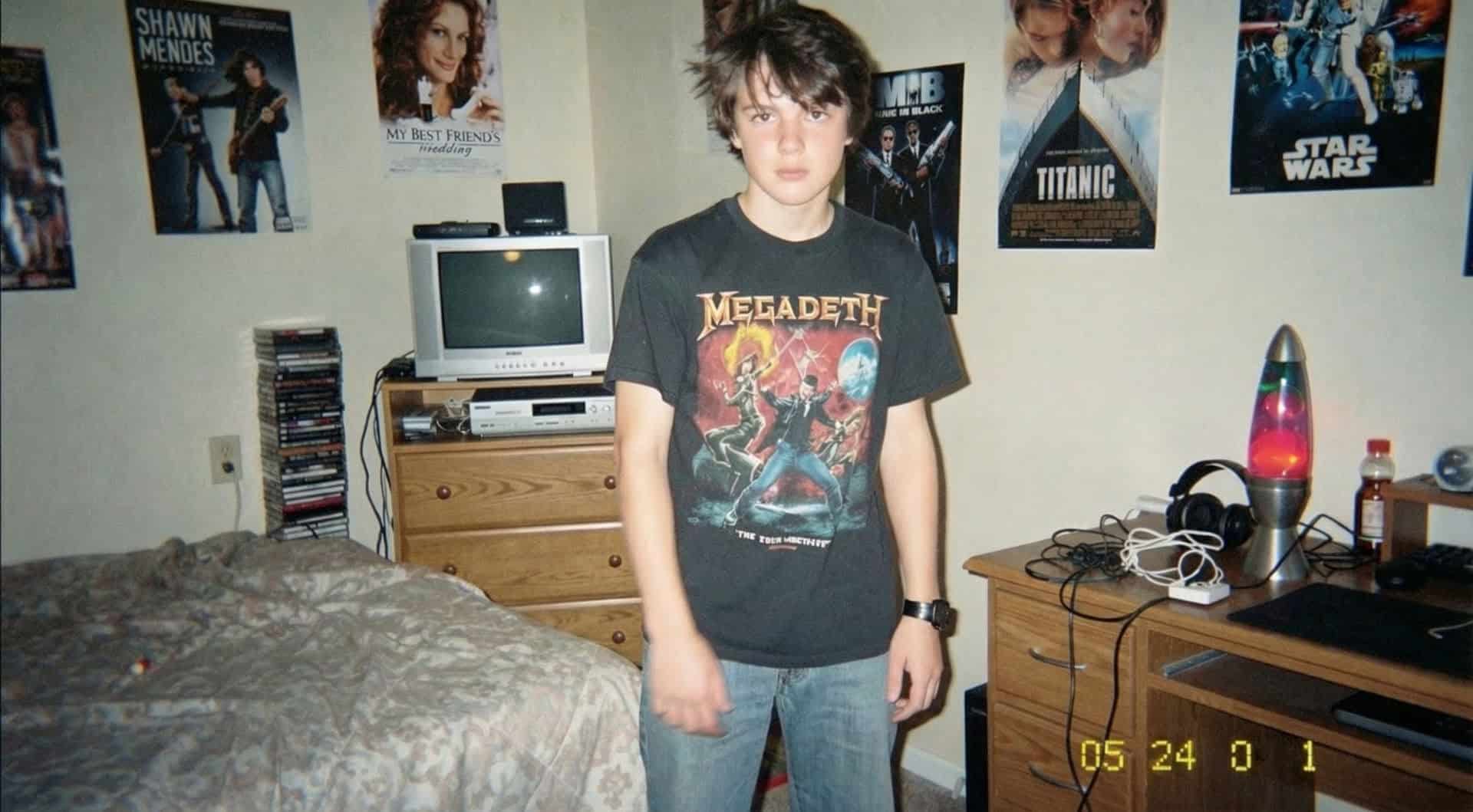

- Perfection is Passing: Audiences are experiencing “AI perfection fatigue,” creating a demand for images that feel authentic, flawed, and human. Sterile, glossy AI generations are losing their impact.
- Y2K Nostalgia Rules: The resurgence of the Y2K aesthetic, with its harsh flashes, film grain, and smudges, is a powerful cultural trend that boosts social media engagement by signaling authenticity.
- Prompting for Flaws: Using a model like FLUX.2, you can intentionally prompt for imperfections (e.g.,
harsh direct flash,mirror has smudges,expired 35mm film) to create authentic Y2K AI photos that feel like genuine artifacts from the past.
I’ve spent countless hours coaxing pixels into cinematic life, first through a camera lens and now through text prompts. For a long time, the goal with AI was simple: perfection. We chased photorealism, flawless lighting, and impossible detail. But a funny thing happened on the way to perfection, we started to miss the soul. The perfectly rendered faces began to feel empty, the flawless landscapes sterile. We’ve entered an era of AI perfection fatigue, where the artist’s job is no longer just to create the perfect image, but to breathe life into it by embracing the imperfect. We’re rediscovering that a story isn’t in the clean lines; it’s in the scratches on the film, the blur of motion, the fingerprint on the lens.
Need a Director for Your Next Project?
From commercials to branded campaigns—Olivier brings creative vision and technical expertise.
→ View Projects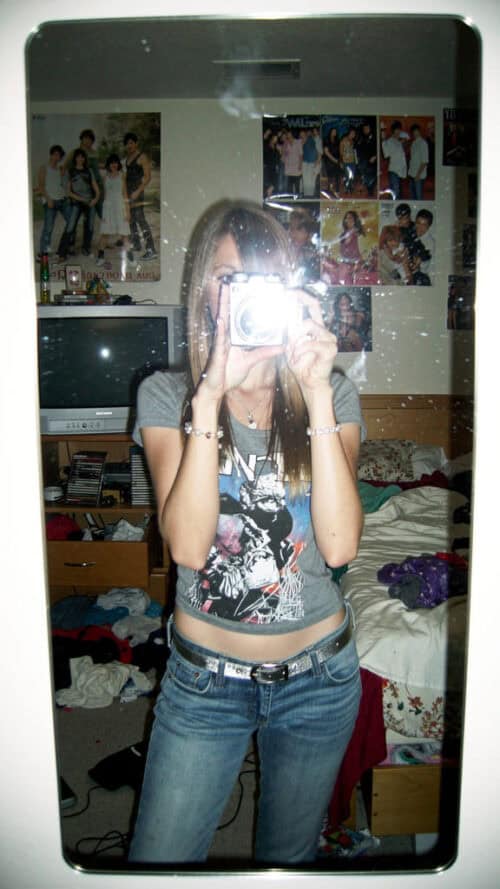
Why ‘Perfect’ AI Photos Feel Fake in 2026
We’ve reached a fascinating turning point in digital creation. The initial awe inspired by technically flawless images from models like Midjourney or DALL-E 3 is giving way to a collective numbness. This is “AI perfection fatigue”, a response to the uncanny valley of emotional sterility. These images, while beautiful, often lack a sense of history or human touch. They feel generated, not captured. As we move deeper into this decade, audiences are becoming more sophisticated consumers of digital media, developing an intuitive sense for content that feels manufactured versus authentic. The very algorithms designed to “correct” reality by smoothing grain and balancing light are stripping away the textures that make an image feel real and relatable.
This cultural shift isn’t just happening in AI art; it’s mirrored across creative industries. We see it in the film world, where directors like Greta Gerwig use vintage lenses to evoke a specific feeling, or in music, where artists like Billie Eilish embrace lo-fi production to create intimacy. Major platforms are also reacting; Netflix has invested in projects with distinct, non-traditional visual styles that break from the glossy corporate mold. The key insight here is that audiences crave a narrative. A slight light leak or a bit of film grain tells a story of a moment captured in time, not a prompt executed by a machine. Tools like FLUX.2 are emerging for this exact reason, built not just for image generation, but for artifact simulation, a powerful new direction for our Filmmaking AI Workflows.
For us as creators, this trend is an opportunity to deepen our craft. It demands that we think less like technicians and more like photographers or cinematographers from a bygone era. The practical takeaway is to start building a vocabulary of imperfection. Instead of just prompting for a “beautiful sunset,” consider the story. Was it shot on a cheap camera? Is the lens a bit smudged? Was the photographer in a hurry? By intentionally introducing these “flaws,” you’re not degrading the image; you’re embedding a story within it, creating something that resonates on a human level and stands out in a sea of sterile perfection. This is the core philosophy behind my own prompt crafting methods in my guide, AI Render Pro. If you’re building a wider system around this, my overview of creative tools and AI resources shows how these aesthetics fit inside a full production workflow.
Work with Olivier
Olivier Hero Dressen is a film director and creative technologist using AI, VFX and cinematic storytelling for brands, artists and production companies.
Want this level of thinking on your next campaign, music video or film?
→ Watch the reel and get in touch at herodirector.tv
The Y2K Mirror Selfie: A Cultural Resurgence
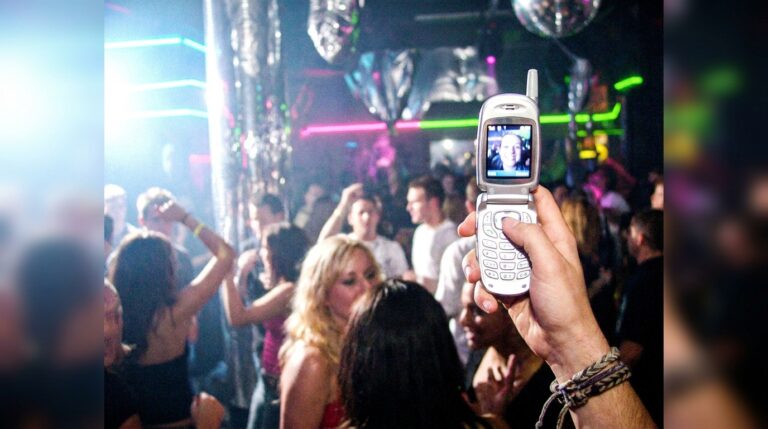
The comeback of the Y2K aesthetic is more than just a fleeting fashion trend; it’s a deep-seated cultural response to our hyper-curated digital lives. This period, from roughly 1998 to 2004, represents the last era of a “wild west” internet, before algorithms dictated every feed and personal branding became a full-time job. The grainy, flash-blasted mirror selfie taken on a clunky digital camera is the perfect symbol of this time, it’s unpolished, immediate, and unapologetically real. The psychological appeal lies in its rejection of modern digital perfection. The imperfections, the red-eye, the blown-out highlights, the cluttered bedroom in the background, are not flaws to be edited out; they are markers of authenticity.
This trend is exploding across social media, and the data backs it up. A deep dive into platforms like TikTok and Instagram reveals that content mimicking this lo-fi, nostalgic feel consistently performs well, especially during what’s known as the “Golden Hour” of engagement, the evening hours when users are scrolling for connection, not just content. This excellent video essay on the Y2K look breaks down the visual language of the era, from music videos to personal photos. We’re seeing major brands from fashion to tech adopt this visual style in their campaigns to appear more relatable and grounded, a testament to its power to cut through the digital noise. The goal is to create authentic Y2K AI photos that don’t just look like the era, but feel like it.
Mastering this aesthetic is a strategic move for any creative. It’s about tapping into a powerful current of collective memory and emotion. By learning to replicate these “authentic flaws,” you’re signaling to your audience that your work is genuine and not just another piece of generic AI content. A practical tip is to immerse yourself in the source material. Don’t just look at modern interpretations of the Y2K style; find old family photo albums, dig up yearbooks from the early 2000s, or browse archival sites. Notice the specific color shifts of expired film, the pixelation from low-megapixel cameras, and the awkward compositions. Internalizing this visual language is the key to generating truly believable and engaging work.
10 ‘Impossible’ Prompts for Authentic Y2K AI Photos
Here are ten prompts I’ve experimented with in FLUX.2. They are designed to counter an AI’s natural inclination toward perfection by specifically requesting the flaws and quirks that defined the Y2K era. These prompts work by layering technical specifications with narrative details, tricking the model into creating a memory rather than just an image. For creators looking to build their toolkit, our Creative Tools & Resources page is a great place to discover software that complements this workflow.
1. The Classic Mirror Selfie
Prompt: Y2K mirror selfie, taken on a 2003 digital camera, harsh direct flash, cluttered bedroom background, slight motion blur, mirror has smudges and dust particles.
Why it works: This prompt is a symphony of imperfections. “Harsh direct flash” is the signature lighting of the era. Specifying the camera year, “smudges and dust,” and “motion blur” adds layers of human error that sell the realism.
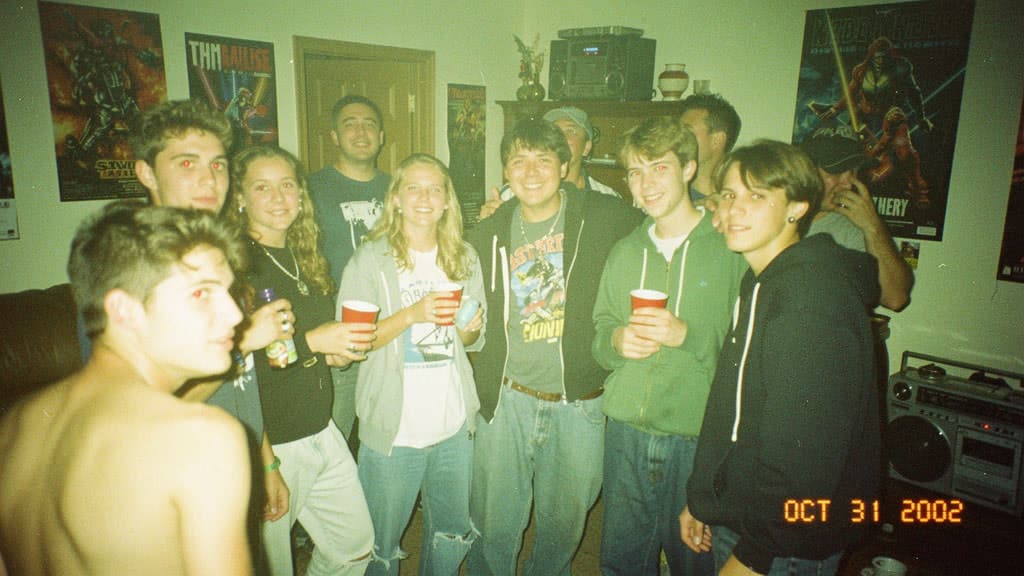
2. The Disposable Camera Party
Prompt: photo from a disposable camera, group of friends at a house party in 2002, red-eye effect, blown out highlights, grainy texture, date stamp in corner reading 'OCT 31 2002'.
Why it works: “Disposable camera” and “red-eye effect” are powerful triggers for lo-fi authenticity. According to a deep-dive by The Pudding on photo trends, the date stamp is one of the most nostalgic and era-specific details you can add.
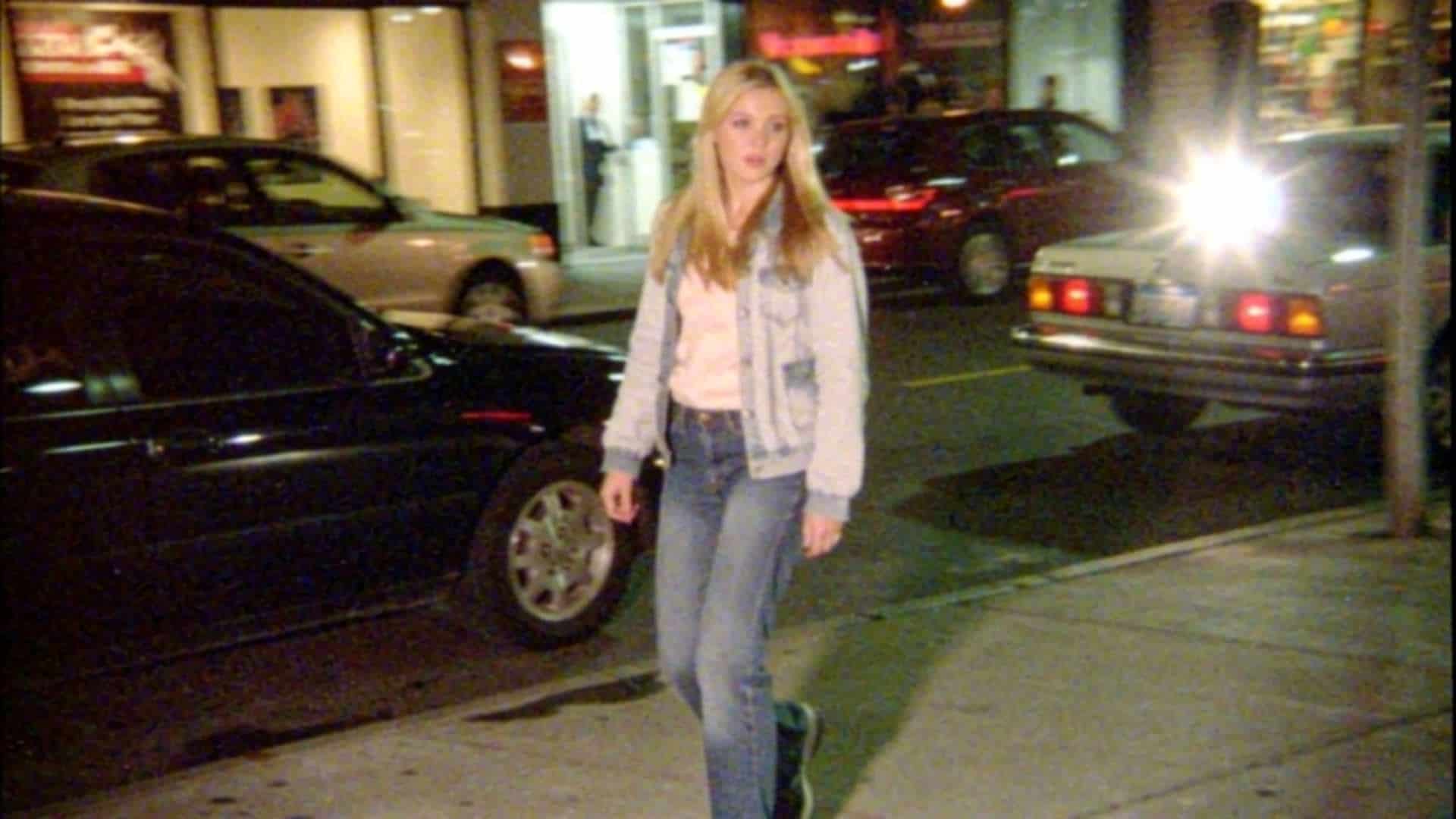
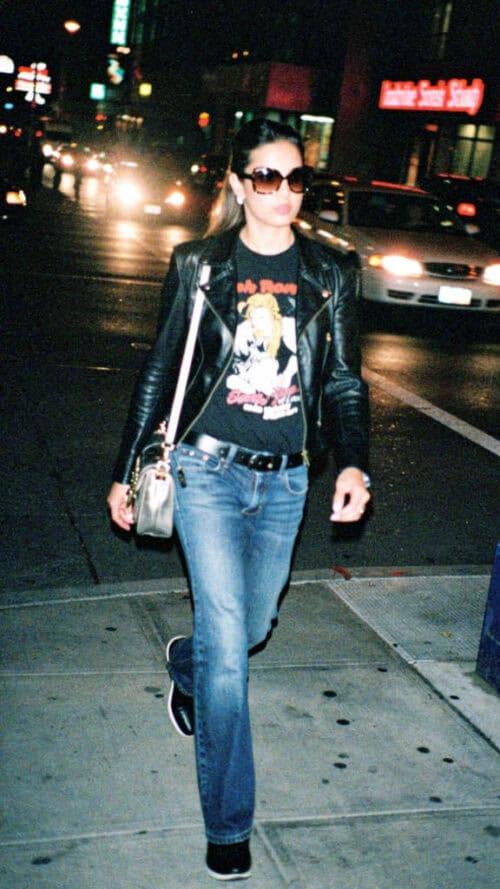
3. The Low-Res Paparazzi Shot
Prompt: Paparazzi photo of a celebrity in the early 2000s, shot from a distance with a telephoto lens, low resolution, slightly out of focus, CCD sensor bloom.
Why it works: This prompt mimics a specific photographic context. “CCD sensor bloom” is a technical term for how older digital sensors handled bright lights, creating a unique visual artifact that is instantly recognizable and hard to fake.
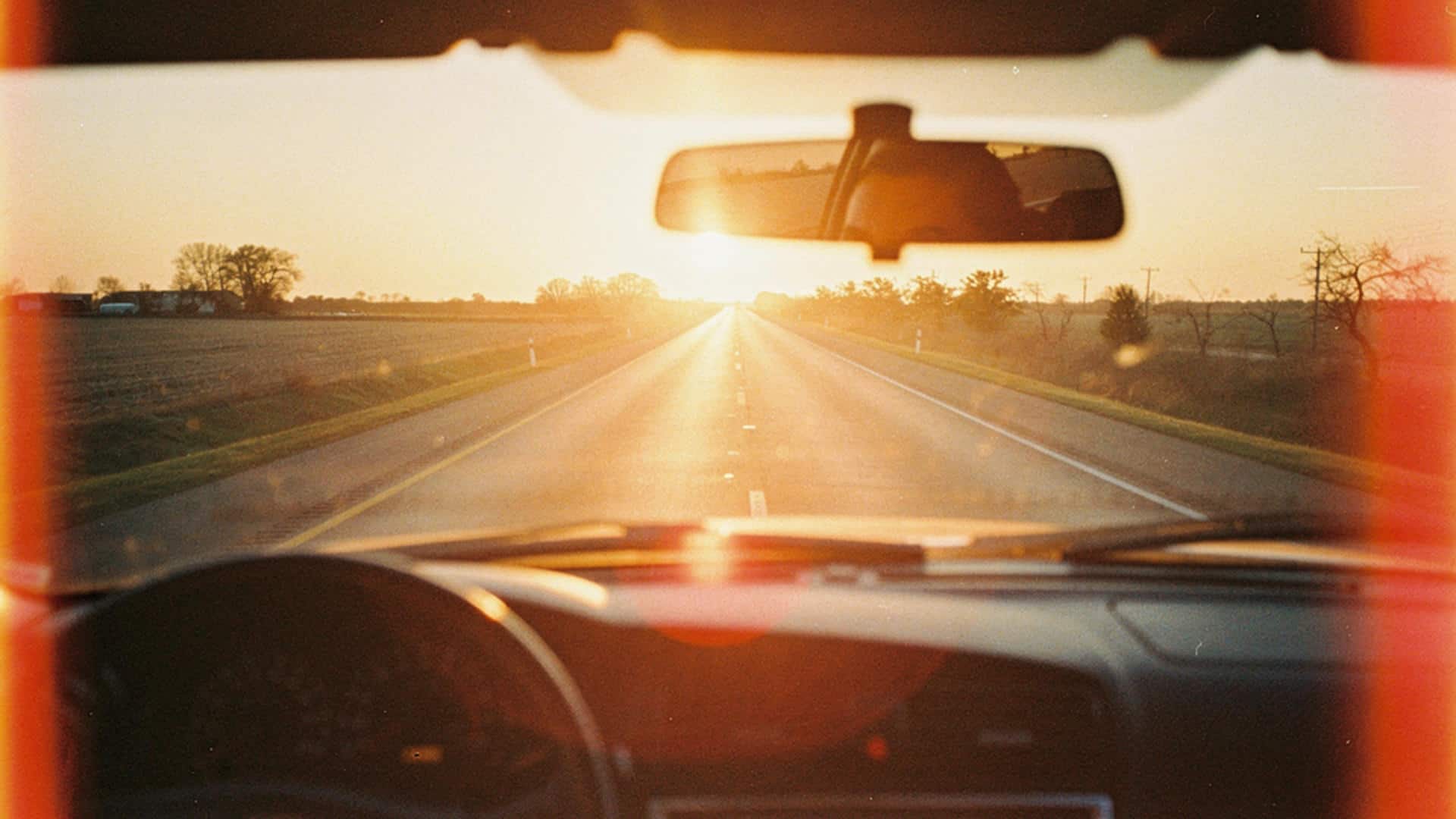
4. The Sun-Drenched Road Trip
Prompt: Analog photo of the open road from inside a car, dashboard in view, golden hour, intentional light leaks on the film, lens flare from the sun.
Why it works: Light leaks and lens flares are classic film “mistakes” that have become beloved markers of analog photography. They immediately signal a non-digital, physical origin to the viewer’s subconscious.
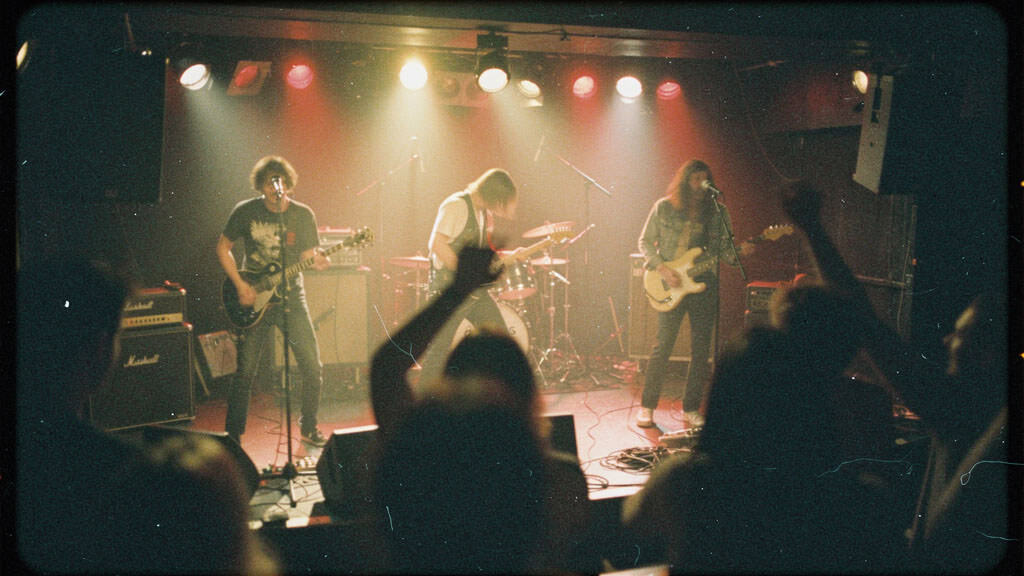
5. The Grungy Concert Pic
Prompt: Shot on expired 35mm film, a rock band on a dimly lit stage, heavy film grain, underexposed, motion blur from the crowd.
Why it works: Specifying “expired 35mm film” is key. It tells the AI to introduce unpredictable color shifts and heavy grain. “Underexposed” helps create the moody, dark atmosphere of a real, challenging lighting situation.
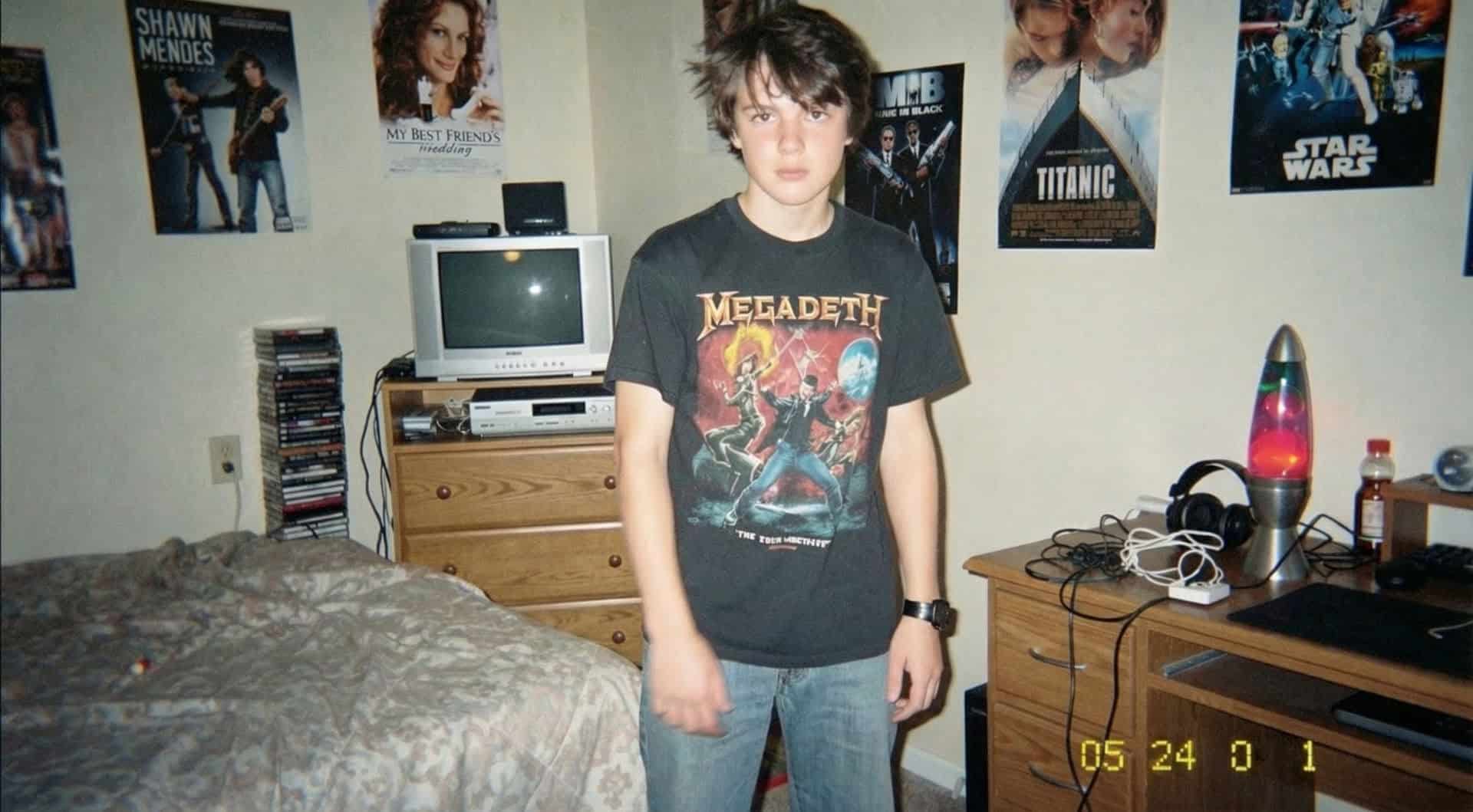
6. The Awkward Teen Photo
Prompt: Awkward teenage bedroom portrait from 2004, taken on a low-megapixel point-and-shoot camera, flat lighting, slightly off-center composition.
Why it works: AI models default to perfect composition and lighting. By requesting “flat lighting” and an “off-center composition,” you are simulating an amateur photographer and breaking the AI’s tendency toward robotic perfection.
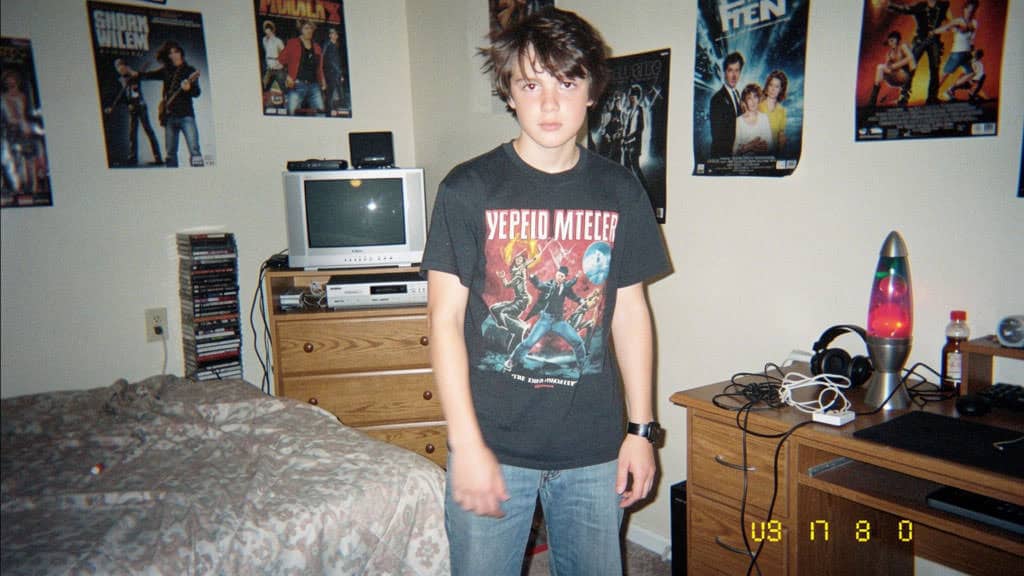
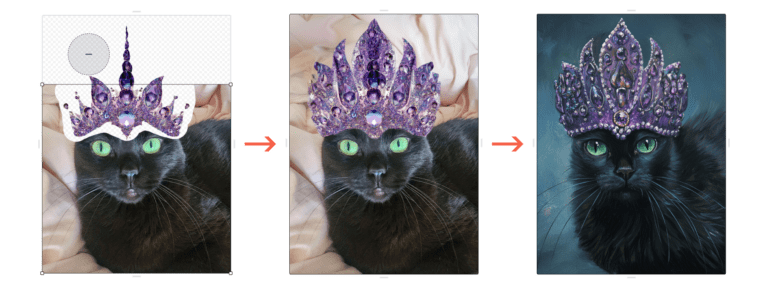
Flux added issues with the many writings in the photo, so I did another pass with Nano Banana, only focusing on the typography.
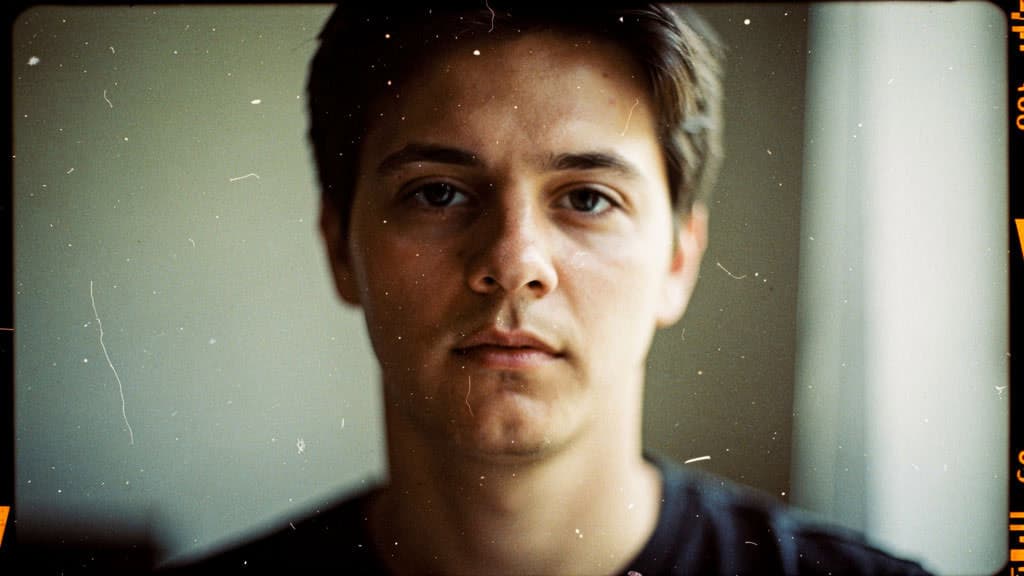
7. The Scratched Film Negative
Prompt: Scanned 35mm film negative portrait, visible dust and scratches on the negative, slightly faded colors, high contrast.
Why it works: This prompt adds a layer of post-production history. The image isn’t just the photo; it’s the artifact of the photo, a physical negative that has been handled and aged, which adds immense believability.

8. The Early Webcam Look
Prompt: Screenshot from a 2005 webcam video call, low resolution 480p, pixelated, poor lighting from a computer screen, image compression artifacts.
Why it works: This taps into the digital nostalgia of the early internet. Terms like “pixelated,” “480p,” and “compression artifacts” are the specific technical language needed to recreate this distinct and beloved low-fidelity look.
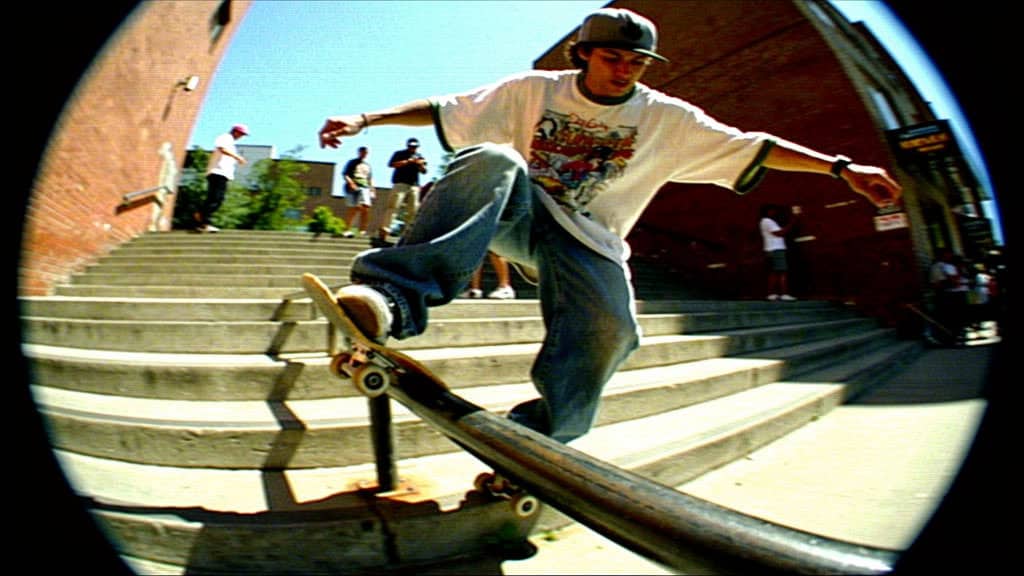
9. The Fisheye Skate Video Still
Prompt: Video still from a 2001 skate video, fisheye lens perspective, saturated colors, captured mid-action with motion blur.
Why it works: The “fisheye lens” creates a specific, dynamic distortion that is inseparable from the Y2K extreme sports and music video culture. It’s a stylistic choice that screams authenticity.
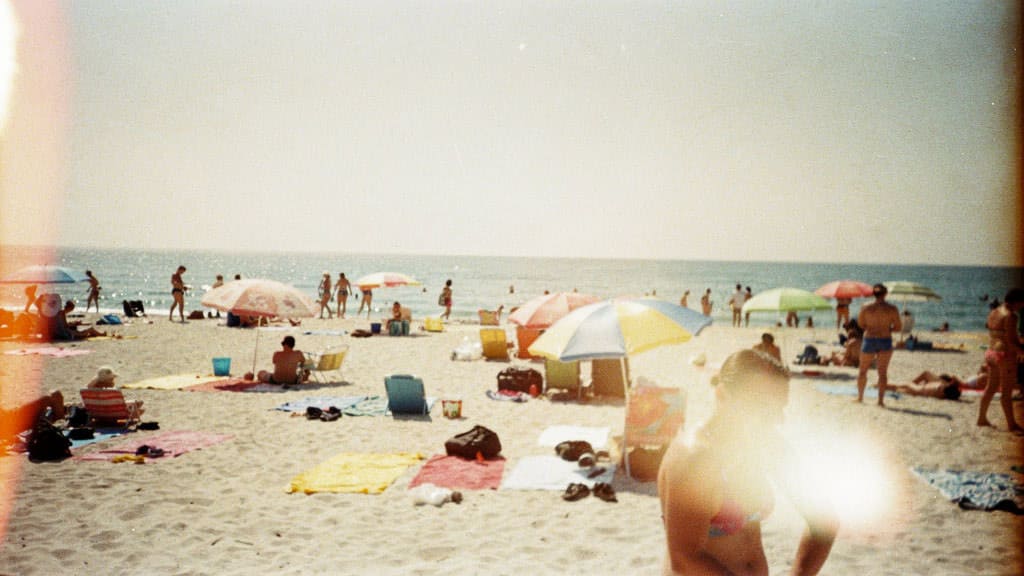
10. The Overexposed Beach Day
Prompt: Photo from a cheap film camera on a sunny beach, overexposed sky, colors are slightly washed out, lens has a fingerprint smudge in the corner.
Why it works: “Overexposed” and “washed out” simulate human error with camera settings. But the masterstroke is fingerprint smudge in the corner, a tiny, physical imperfection that no AI would ever add unless specifically told to.
These prompts are starting points. The real art is in the iteration. Change the years, the camera types, the specific flaws. Play with them, break them, and find the combinations that tell the stories you want to tell.
Generate Unlimited Y2K Photos with AI Render Pro
If you want to go beyond these ten examples and generate unlimited variations of authentic Y2K AI photos, this is where AI Render Pro becomes a cheat code. For this article, every prompt you see was drafted, refined, and stress-tested inside AI Render Pro, so each one is built to be reused and remixed. Instead of rewriting from scratch, you can save these Y2K “prompt blueprints” with all the imperfections baked in, expired 35mm film, harsh flash, CCD bloom, fingerprint smudges, and then swap characters, locations, outfits, or moods in seconds.
That’s how you build a consistent visual style across full campaigns or series of authentic Y2K AI photos without losing the happy accidents and analog chaos that make them feel real.
Check AI Render Pro on the store: HERE
Need a Director for Your Y2K / AI Campaign?
Brands and artists hire Olivier Hero Dressen to design full visual systems—Y2K aesthetics, AI workflows and cinematic storytelling—from concept to final delivery.
→ Explore projects and contact Olivier at herodirector.tv
Pro-Technique: The ‘Authenticity Audit’ Comparison
To truly grasp the difference between sterile perfection and crafted authenticity, you need to see them side-by-side. I call this process the “Authenticity Audit.” It’s a simple but powerful exercise for training your creative eye and demonstrating your expertise. It involves generating the same basic idea in two different models, or with two different prompting philosophies, to highlight the narrative power of imperfection. This is a technique I explore deeply in my Midjourney Mastery Guide, as it applies to any visual generation.
The process is straightforward. First, go to a model known for its polish, like Midjourney v7, and use a simple prompt: A woman takes a selfie in a mirror, photorealistic. You will likely get a stunningly perfect image with beautiful lighting, perfect skin, and a clean mirror. It will be technically impressive but emotionally vacant. Next, take one of the detailed prompts from the list above and run it in a model geared for nuance, like FLUX.2. Place the two images next to each other. The difference is immediately apparent. The first is a render; the second is a photograph with a story, an implied history, and a feeling. You can learn more about how different models handle realism and flaws by reviewing their official documentation and examples.
This comparison technique is more than just a personal exercise; it’s a powerful content strategy. In the era of AI-driven search, platforms like Google are getting smarter at identifying generic, low-effort AI content. By creating these side-by-side comparisons and explaining why one feels more authentic, you establish topical authority. You’re not just showing images; you’re teaching a new form of visual literacy. My tip is to make this a regular part of your workflow. Create these “Authenticity Audits” for your blog, your social media, or your client presentations. Use descriptive alt-text like, “Comparison of a perfect AI selfie vs. one of our authentic Y2K AI photos with realistic flash glare and mirror smudges.” This multimodal approach, combining visuals and insightful analysis, is exactly what will set your work apart.
Internal Links for Further Learning
- AI Render Pro: My complete guide to crafting prompts that generate stunning, cinematic, and authentic AI visuals.
- Filmmaking AI Workflows: Learn how to integrate these new AI tools and techniques into a practical filmmaking pipeline.
- Midjourney Mastery Guide: A filmmaker’s deep dive into mastering Midjourney for cinematic concept art and storyboarding.
- Prompt Engineering: Prompt Engineering Video with ChatGPT-5 and VEO 3 Flow for advanced creative workflows.
Conclusion
The chase for pixel-perfect realism was a necessary step in the evolution of AI art, but it was never the destination. We’ve arrived at a more interesting place: the pursuit of emotional realism. The future of creative AI isn’t about hiding the human touch; it’s about learning to simulate it with intention and artistry. By embracing the aesthetics of the past and prompting for the beautiful flaws that define our memories, we can create work that connects, resonates, and feels undeniably real. This is a new frontier, and it requires a new set of skills, part artist, part historian, part technician.
I encourage you to take these prompts and make them your own. The tools are here, but the stories are yours to tell. If you’re ready to go deeper into the art of prompt crafting, my AI Render Pro guide is designed to be your field manual. What “flaws” do you find most beautiful or nostalgic? Let me know your experiments in the comments below.
FAQ
What is FLUX.2 Kontext?
FLUX.2 Kontext is presented here as a premier, next-generation AI image model (currently conceptual for this article) that excels at interpreting nuanced, “lo-fi logic.” Unlike models focused solely on perfection, it’s designed to understand and realistically replicate analog imperfections like film grain, light leaks, and camera-specific artifacts.
Why is the Y2K aesthetic so popular again?
The Y2K aesthetic’s popularity stems from a collective nostalgia for the pre-algorithmic internet. Its unpolished, authentic visuals, harsh flashes, low resolutions, and candid moments, offer a refreshing contrast to today’s highly curated and sterile social media feeds, resonating with audiences craving genuine connection.
Can I use these prompts in other AI models like Midjourney or DALL-E?
Yes, you can adapt these prompts for other models, but results will vary. The core principle of prompting for specific flaws (harsh flash, film grain, smudges) can work. However, models like Midjourney are heavily trained to “correct” these imperfections, so you may need to use stronger phrasing or negative prompts to achieve the desired effect for creating authentic Y2K AI photos.
From the podcast
Prompts get you the frame. This is what happens to it afterwards.
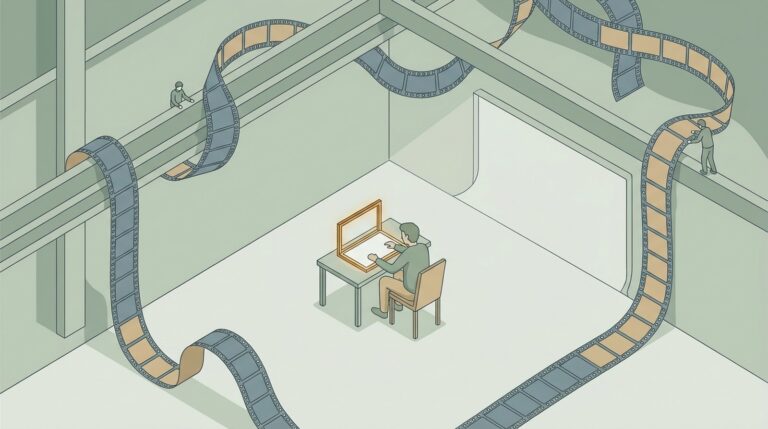
The four stage finishing chain that turns a generated frame into a photographed one.
Why AI Footage Does Not Look Like Cinema — DesignHero TV, the podcast where an AI host interviews other AI models about filmmaking.
Discover more from Olivier Hero Dressen Blog: Filmmaking & Creative Tech
Subscribe to get the latest posts sent to your email.
Work with Olivier
Director | CD | DP & Photographer
Specializing in commercials, music videos, AI-driven filmmaking, and cinematic storytelling for brands and production companies.
🌍 Shanghai · Paris · Los Angeles · Dubai
🎬 View Portfolio & Get in Touch