
Key Takeaways
- First insight, Implementing robust AI ethics isn’t just about compliance; it’s about safeguarding your creative integrity, audience trust, and legal standing in an evolving technological landscape.
- Craft highlight, Prioritize transparency by clearly disclosing AI usage through watermarks, metadata, and explicit credits, ensuring your audience and collaborators understand the nature of your production.
- Industry context, The rapid adoption of generative AI necessitates proactive engagement with intellectual property rights, bias mitigation strategies, and the preservation of human agency to avoid significant legal and reputational pitfalls.
- Bottom line, Filmmakers must embed ethical considerations into every stage of AI-assisted production, from data sourcing and model training to final output, to navigate the complexities and harness AI’s power responsibly.
When AI ethics are overlooked, the consequences for filmmakers can range from reputational damage to costly lawsuits, effectively derailing entire projects. As a filmmaker with two decades in this industry, I’ve seen technologies come and go, but none have posed such a profound, immediate challenge to our craft’s foundational principles as artificial intelligence. The hype around AI’s creative potential is immense – and rightly so. Tools for AI image enhancement, automated editing, and even script generation are becoming indispensable. Yet, beneath the shiny surface of innovation lies a murky ethical swamp that, if not navigated with extreme care, can swallow your production whole. This isn’t theoretical; it’s real-world production knowledge you need now. Ignoring the ethical dimension of AI isn’t an option; it’s a guaranteed path to disaster. I’m here to share five proven secrets – practical, actionable strategies – that will not only help you avoid these pitfalls but also empower you to use AI responsibly and effectively.
Need a Director for Your Next Project?
From commercials to branded campaigns—Olivier brings creative vision and technical expertise.
→ View ProjectsIntroduction: The Unavoidable Wave and Why AI Ethics Matter
The film industry is a crucible of innovation, constantly adapting to new technologies. From the advent of sound to color, from CGI to digital cameras, we’ve integrated tools that initially seemed disruptive but ultimately became indispensable. AI is no different in its transformative power, but it carries a unique ethical weight. We’re not just talking about rendering faster or automating rotoscoping; we’re talking about tools that can generate entire scenes, dialogue, and even performances. This unprecedented capability demands a heightened sense of responsibility. Without a solid framework for AI ethics, filmmakers risk alienating audiences, facing legal battles over intellectual property, and perpetuating harmful biases. The recent WGA and SAG-AFTRA strikes highlighted these concerns directly, with performers and writers demanding protections against unchecked AI exploitation. It’s not enough to be technically proficient; you must be ethically astute. My goal here is to cut through the noise and provide clear, actionable insights into how you can ethically integrate AI into your filmmaking process, ensuring your projects are both innovative and responsible. This is about building trust, maintaining artistic integrity, and future-proofing your career in a world increasingly shaped by algorithms.
When we talk about prompt engineering for video or using AI art direction prompts, we’re engaging with systems trained on vast datasets. The origins of these datasets, the biases they might contain, and the implications of their output are no longer abstract academic concerns. They are practical, on-the-ground issues that directly impact your production. A poorly sourced AI model could inadvertently inject copyrighted material into your film, leading to litigation. An AI trained predominantly on data reflecting a narrow demographic could create characters or narratives that alienate a significant portion of your audience. These aren’t minor glitches; they are fundamental failures in AI safety and ethics that can sink a project. The secrets I’m sharing are born from observing these challenges and understanding the critical need for proactive, rather than reactive, ethical engagement. This isn’t about slowing down innovation; it’s about guiding it responsibly.
Secret 1: Transparency as Your Creative North Star – Disclose Everything
The first, and arguably most crucial, secret to navigating AI ethics in filmmaking is absolute transparency. In an era where deepfakes and AI-generated content can be indistinguishable from reality, audiences and collaborators have a right to know what they are seeing and how it was created. This isn’t just about avoiding accusations of deception; it’s about building and maintaining trust. Imagine watching a documentary only to discover later that key interviews or archival footage were entirely AI-generated. The immediate reaction isn’t awe at the technology; it’s betrayal. This erosion of trust is a direct path to disaster for any filmmaker.

Practically, transparency means clearly disclosing where AI has been used in your production. This goes beyond a vague “AI assistance” credit in the end titles. It means being specific: was AI used for character animation, script development, visual effects, voice synthesis, or AI lip sync? For example, if you used generative AI to create concept art or storyboards, acknowledge it. If you employed AI to de-age an actor, be upfront about the process. This level of detail empowers your audience to engage with your work on an informed basis and signals to your peers that you are operating with integrity. Think of it as an extension of standard VFX breakdowns, where the techniques are celebrated rather than concealed. The goal isn’t to hide AI; it’s to integrate it honestly into your creative narrative.
The Content Authenticity Initiative (CAI), backed by companies like Adobe, is developing technical standards to embed provenance information directly into digital media. This is a game-changer. As filmmakers, we should embrace and advocate for such standards. Imagine a future where a viewer can click on an image or video frame and see a verifiable history of its creation, including any AI interventions. This technology, while still evolving, offers a powerful mechanism for transparent disclosure. By actively participating in these conversations and implementing available tools, you position yourself as a leader in ethical AI adoption, not a laggard. Transparency is not a weakness; it’s a testament to your confidence in your craft, regardless of the tools used.
Practical Application of Transparency: Watermarking and Metadata

Moving beyond philosophical arguments, how do we implement transparency effectively on a production? It comes down to two key technical strategies: robust watermarking and comprehensive metadata. When you use AI to generate or significantly alter visual or auditory elements, these are your frontline defenses against misinterpretation and potential ethical breaches.
Consider visual content: if you’re using generative AI for background plates, creature design, or even AI concept trailers, visible or invisible digital watermarks are essential. Visible watermarks, like a small, unobtrusive logo indicating “AI-Assisted Content,” can be used for promotional materials or early cuts. For final deliverables, invisible watermarks, embedded at the pixel level, can be detected by specialized software, providing verifiable proof of AI usage if questions arise. Various companies are developing these technologies, and it’s prudent to research which solutions are compatible with your post-production workflow. For example, some AI image generation platforms now offer integrated watermarking features.
Metadata is arguably even more critical. Every digital asset in your pipeline – images, audio files, video clips – carries metadata. This is where you document the specifics of AI intervention. Use standardized fields to record:
- The specific AI model used (e.g., Midjourney v6, Stable Diffusion XL, OpenAI Sora).
- The prompts or parameters used to generate the content.
- The extent of AI modification (e.g., “AI-generated background,” “AI-upscaled footage,” “AI voice cloning”).
- The date of AI generation and the operator responsible.
This granular data isn’t just for external transparency; it’s invaluable for internal production management, especially when dealing with multiple iterations or future legal inquiries. Tools like AI browsers and specialized asset management systems are evolving to handle this influx of AI-specific metadata. Make it a standard operating procedure to log this information, just as you would log camera settings or lens choices. This meticulous approach ensures that even years down the line, the provenance of every element in your film can be traced, solidifying your ethical stance and protecting your project from unforeseen challenges.
Secret 2: Navigating the IP Minefield – Fair Use and Consent in AI Generation
The second critical secret for filmmakers lies in understanding and rigorously applying intellectual property (IP) rights, fair use principles, and consent when leveraging AI. This is perhaps the most legally fraught area of AI ethics, and missteps here can lead to devastating lawsuits, injunctions, and significant financial penalties. Generative AI models are trained on vast datasets, often scraped from the internet without explicit permission from rights holders. This fundamental fact creates a legal quagmire that every filmmaker must navigate with extreme caution.
The core issue: if your AI-generated content is derived from copyrighted material without proper licensing or falls outside the bounds of fair use, you are at risk. This isn’t theoretical. Major lawsuits are already underway against AI companies for copyright infringement related to their training data. As a filmmaker, if you use AI tools that have been implicated in such cases, or if your output too closely resembles existing copyrighted works, you could be deemed a secondary infringer. This means you must ask:
- What was the AI model trained on? While difficult to ascertain definitively for proprietary models, understanding the general practices of the AI developer is crucial.
- Does my AI-generated output infringe on existing copyrights? This requires a keen eye and, often, legal counsel. Simply because an AI generated it doesn’t absolve you of responsibility.
- Have I obtained consent for any identifiable likenesses or voices? This is paramount for deepfakes and voice cloning, where an actor’s persona can be replicated.
The concept of “fair use” in copyright law is notoriously complex and highly contextual. While AI generation might, in some cases, fall under transformative use, relying solely on this defense is a risky gamble. Proactive measures are always better. This is why the issue of AI training data lawsuits is so vital for creatives to follow.
Case Study: The Dangers of Unchecked AI Training Data
Let’s look at a concrete example of how unchecked AI training data can lead to disaster. Imagine a filmmaker using a popular generative AI platform to create unique creature designs for their sci-fi epic. The AI produces stunning, never-before-seen concepts. The filmmaker is thrilled, incorporates them into their film, and proceeds with production. Years later, after the film’s release, they receive a cease-and-desist letter from a renowned fantasy artist. The artist claims the AI-generated creatures bear striking resemblances to their copyrighted work, published in a niche art book decades ago.
The artist’s legal team demonstrates that the generative AI model used by the filmmaker was trained on a vast dataset that, unbeknownst to the filmmaker, included scans of this very art book. While the AI didn’t copy pixel-for-pixel, its “learning” from the artist’s unique style and specific design elements led to an output that was deemed “substantially similar” by the court. The filmmaker, despite having no direct intent to infringe, is now liable. They face an injunction, forcing them to recall the film, digitally alter the infringing designs (a costly and time-consuming process), and potentially pay significant damages and legal fees. This scenario is not hypothetical; it’s the very core of many ongoing legal battles against generative AI companies.
The lesson here is profound: ignorance is not a defense. As filmmakers, we are ultimately responsible for the content we put on screen, regardless of the tools used. This necessitates a proactive approach to understanding the provenance of AI-generated assets. While it’s challenging to audit every AI model’s training data, filmmakers must:
- Vet AI vendors: Choose AI tools from companies that are transparent about their training data sources and have robust IP policies.
- Conduct due diligence: If an AI generates something exceptionally unique or familiar, perform reverse image searches and consult with IP lawyers.
- Prioritize custom-trained models: If feasible, train your own AI models on licensed or public domain data, giving you full control over the source material.
The cost of a few hours with an IP lawyer before incorporating AI-generated content is negligible compared to the financial and reputational devastation of a copyright infringement lawsuit. This is where Hollywood’s concerns about AI and intellectual property converge with practical production realities.
Secret 3: Battling Bias – Crafting Inclusive AI-Assisted Narratives
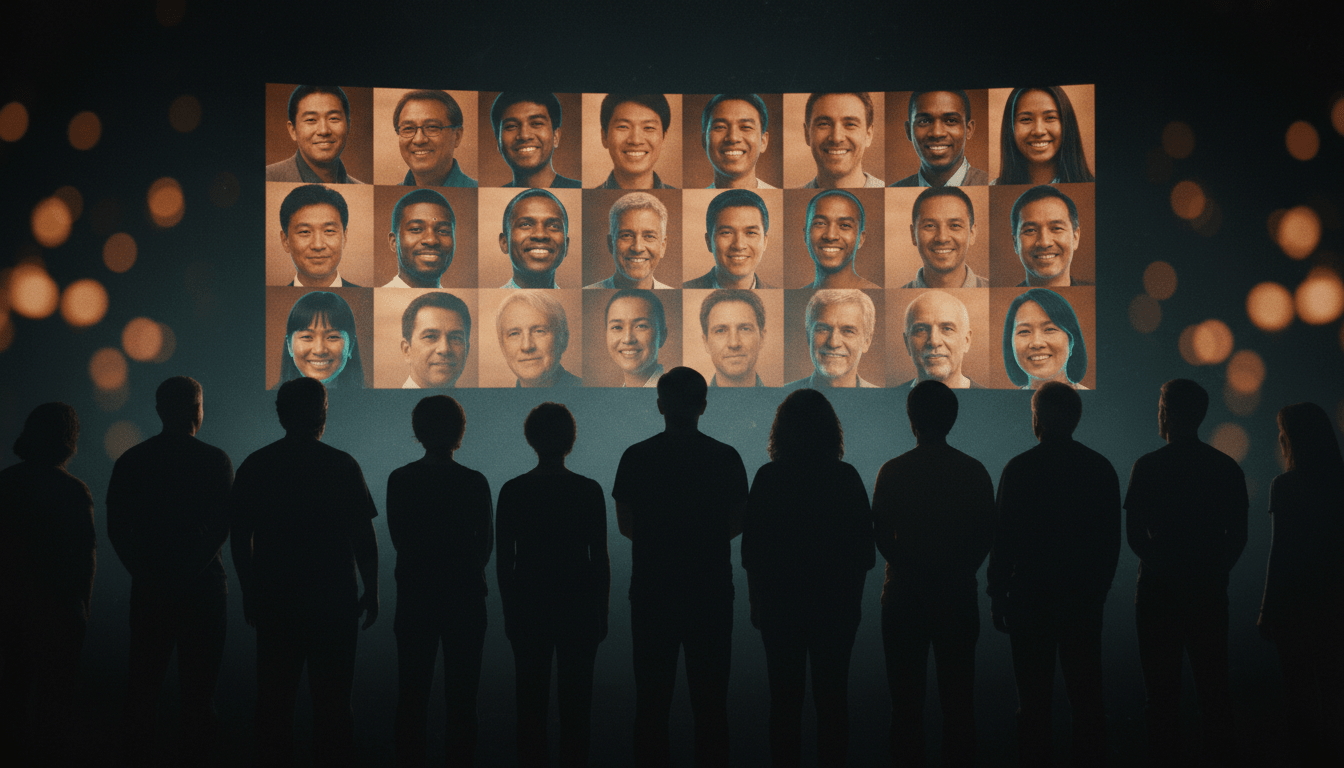
The third secret is about actively combating algorithmic bias, a pervasive ethical challenge in AI that directly impacts the inclusivity and authenticity of our narratives. AI models learn from the data they are fed, and if that data reflects existing societal biases – which it almost always does – the AI will not only replicate those biases but often amplify them. For filmmakers, this means AI tools can inadvertently perpetuate stereotypes, misrepresent demographics, or exclude certain groups, leading to inauthentic storytelling and alienating a diverse audience.
Consider an AI script generator tasked with creating character profiles for a diverse cast. If its training data predominantly features Western, male-centric narratives, the AI might default to stereotypical representations for female characters or characters of color, or simply omit them entirely. Similarly, an AI-powered casting tool might inadvertently favor certain physical traits or voice characteristics based on biased historical data, leading to a homogenous cast. This isn’t just a matter of political correctness; it’s a fundamental failure in narrative development. Good storytelling thrives on nuance, diversity, and authentic representation. When AI introduces bias, it undermines the very fabric of compelling cinema.
The responsibility falls on the filmmaker to be aware of these inherent biases and to actively work to mitigate them. This requires a critical eye on both the input you provide to the AI and the output it generates. You must treat AI-generated content not as gospel, but as a raw material that needs rigorous human oversight and ethical vetting. This commitment to algorithmic bias mitigation is crucial for crafting narratives that resonate universally and avoid unintended social harm. It is a core tenet of responsible AI ethics in creative work.
Implementing Bias Mitigation: Data Curation and Algorithmic Scrutiny
So, how do filmmakers practically battle bias? It involves a two-pronged approach: careful data curation for any custom AI models you use and rigorous algorithmic scrutiny of the outputs from commercial AI tools.
First, for any custom AI models you train – perhaps to generate specific character designs or stylistic elements for your film – the quality and diversity of your training data are paramount. If you’re building a dataset of faces for a crowd simulation AI, ensure it reflects a broad spectrum of ages, ethnicities, and genders. If you’re feeding an AI with historical fashion references, actively seek out examples from non-Western cultures and diverse socio-economic backgrounds. This proactive data curation is the most effective way to prevent bias from creeping into your AI’s foundational understanding. This might involve more work upfront, but it pays dividends in authentic and inclusive outputs.
Second, for commercially available AI tools, since you can’t control their training data, your focus shifts to scrutiny of their output. Treat every AI-generated element with skepticism. If an AI suggests character names, plot points, or visual designs, critically evaluate them for stereotypical representations. Ask:
- Does this AI output reinforce harmful stereotypes?
- Are certain demographics underrepresented or misrepresented?
- Does the AI’s “creativity” inadvertently lean towards a specific cultural aesthetic that might not be appropriate for your story?
This is where human oversight becomes indispensable. Use AI as a brainstorming partner, but never as the sole creative decision-maker. For example, if you’re using an AI for Superman VFX secrets or other character designs, ensure the final aesthetic is refined by human artists who can identify and correct any subtle biases in form, color, or expression. This iterative process, where AI generates and humans refine, is key to leveraging AI’s power while maintaining ethical control over your narrative. It’s about blending the efficiency of AI with the irreplaceable human capacity for empathy and cultural understanding, much like how we blend practical vs digital effects for a cohesive look.
Secret 4: Preserving Human Agency – AI as a Co-Pilot, Not the Director
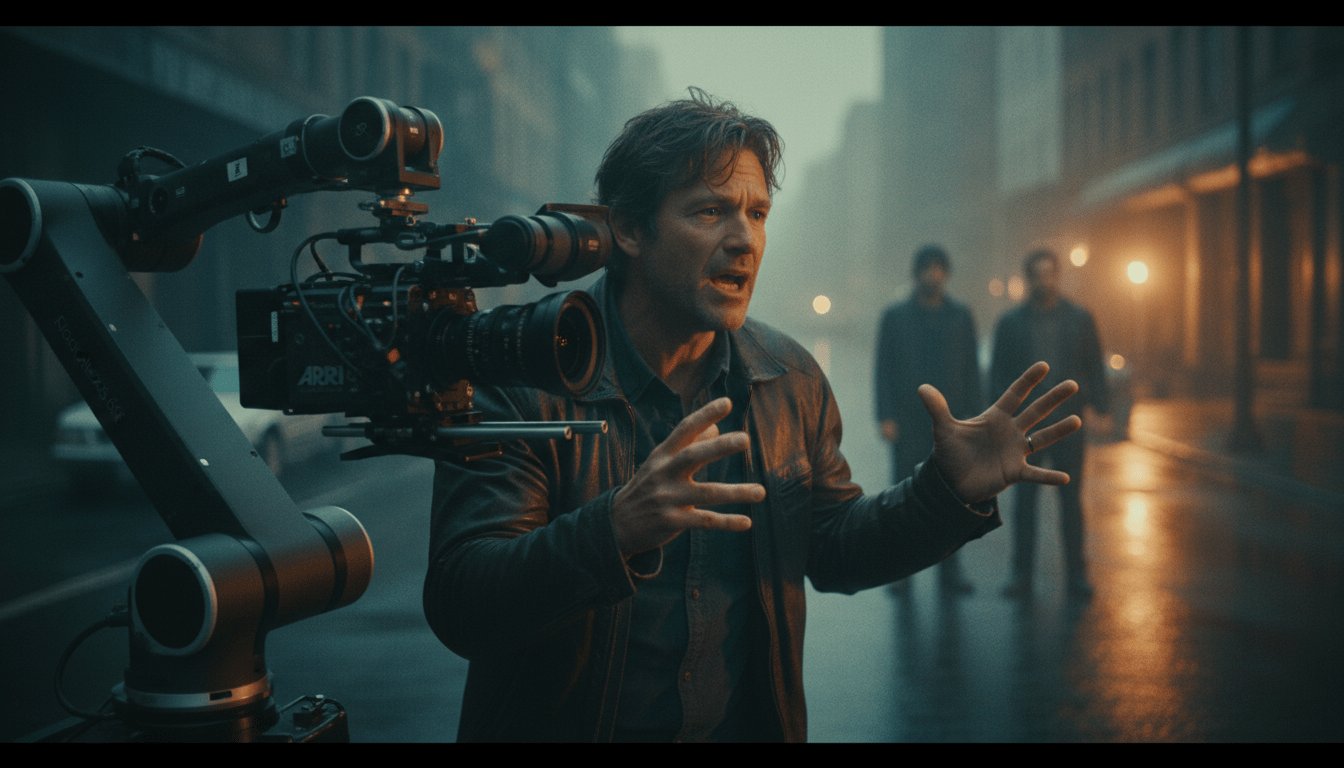
The fourth secret to ethical AI integration in filmmaking is to always preserve human agency. AI is a tool, a powerful assistant, a co-pilot – but it must never be allowed to replace the human director, writer, cinematographer, or editor. The essence of filmmaking is human creativity, intention, and emotional intelligence. These are qualities AI, in its current form, cannot replicate. When we delegate too much creative control to AI, we risk producing art that is technically proficient but emotionally hollow, lacking the unique vision and soul that only human artists can imbue.
The danger here isn’t just philosophical; it’s practical. Over-reliance on AI can lead to a homogenization of creative output. If every filmmaker uses the same AI models with similar prompts, we risk a future where films begin to look, sound, and feel eerily similar. The unique artistic voice, the unexpected creative leap, the subtle nuance that defines great cinema – these are often the result of human intuition, experience, and even serendipity, not algorithmic optimization. Filmmakers like Darren Aronofsky’s directing style or the immersive performances of Daniel Day-Lewis’s method acting are deeply human endeavors, built on unique perspectives and profound understanding of the human condition.
Your role as a filmmaker is to guide the AI, to prompt it, to refine its output, and ultimately, to make the final creative decisions. AI can generate a thousand variations of a scene, but only a human director can choose the one that best serves the story’s emotional core. AI can synthesize dialogue, but only a human writer can inject the subtext and character voice that makes it truly sing. This means understanding the limitations of AI, recognizing where its capabilities end and human ingenuity must take over. It’s a partnership, not a surrender.
The Future of Collaboration: AI Tools Enhancing, Not Replacing, Human Skill
Embracing AI while preserving human agency means redefining collaboration. Instead of viewing AI as a competitor, see it as an advanced instrument that augments human skill. This perspective shifts the focus from fear of replacement to excitement about enhancement. Think of it like this: a skilled camera operator still needs to understand gimbal techniques and composition, even if the camera itself has advanced stabilization. AI is just another layer of sophisticated tooling.
Practical application involves integrating AI at specific points in the workflow where it can offload tedious tasks or rapidly prototype ideas, freeing up human creatives for higher-level thinking.
- Pre-production: Use AI for rapid concept art generation, exploring hundreds of visual styles for a set design or character costume in minutes. This speeds up the ideation phase, allowing the art director to focus on refining the most promising concepts.
- Script development: AI can analyze scripts for pacing, dialogue density, or even potential plot holes. It can generate alternative lines or scene structures, but the human writer is always the final arbiter of narrative and character voice.
- Post-production: AI excels at tasks like rotoscoping, upscaling footage, or even early cuts based on scene recognition. This allows editors and VFX artists to dedicate more time to creative problem-solving and nuanced refinement, rather than repetitive manual work.
The key is to always maintain a human “override” function. For example, if you’re using AI for Sandman VFX world building, the initial AI-generated landscapes might be a starting point, but human artists layer in the specific textures, lighting, and narrative elements that make it unique. This collaborative model ensures that while AI handles the heavy lifting of data processing and rapid generation, the ultimate creative direction, emotional resonance, and artistic signature remain firmly in human hands. This approach not only upholds ethical standards but also leads to more innovative and deeply human-centric filmmaking, as explored by companies like Nvidia investing in AI startup investments for creative futures.
Secret 5: Data Privacy and the Deepfake Dilemma – Protecting Talent and Trust
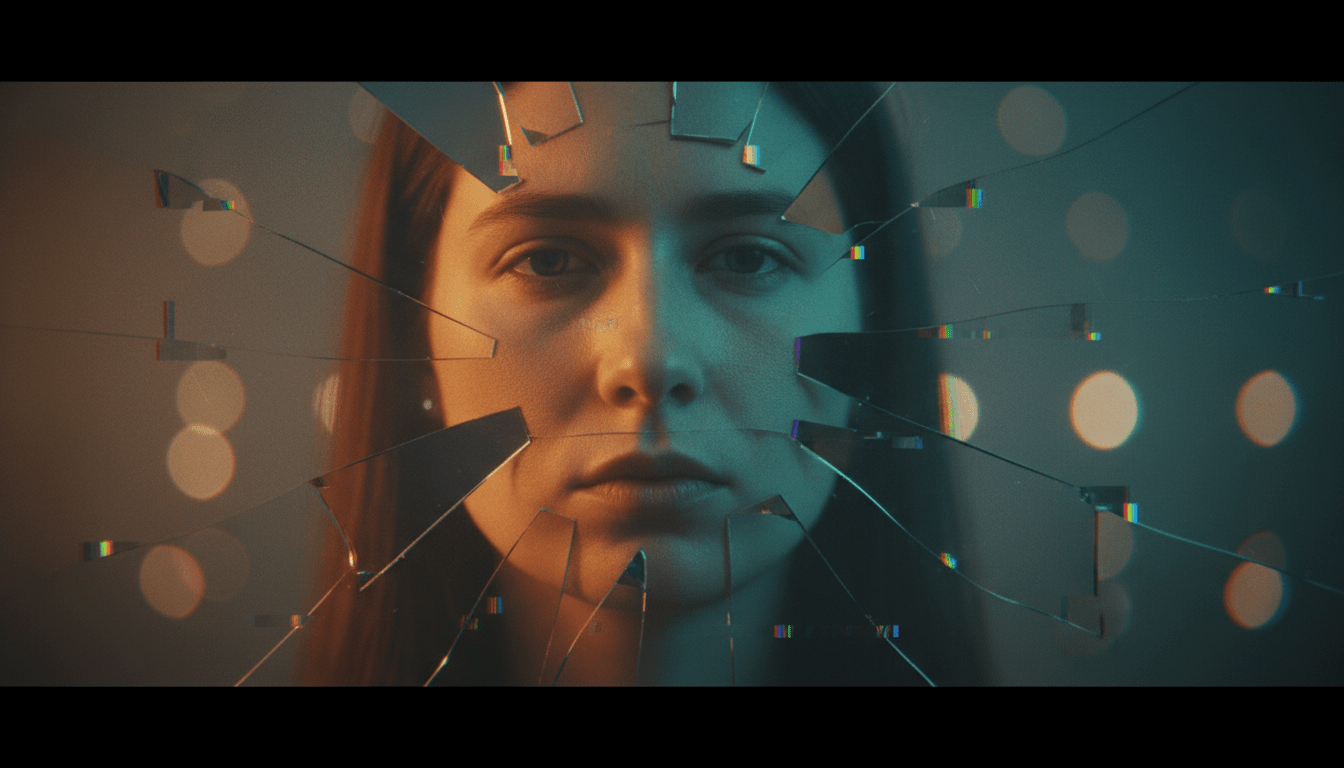
The fifth and final secret, particularly relevant in today’s landscape, is a stringent commitment to data privacy and a responsible approach to the deepfake dilemma. As filmmakers, we often work with highly sensitive personal data: actor likenesses, voice recordings, performance capture data, and even private conversations that might inform character development. When AI enters the picture, the potential for misuse of this data skyrockets, especially concerning deepfake technology.
Deepfakes, while offering incredible creative potential for scenarios like de-aging actors or creating synthetic performances, present profound ethical and legal challenges. The ability to realistically manipulate or generate a person’s image and voice without their explicit, informed consent is a direct violation of privacy and can lead to severe reputational damage, emotional distress, and even identity theft. The concerns raised by SAG-AFTRA during recent strikes underscore this point: actors fear their digital likenesses being used indefinitely without proper compensation or consent, effectively creating an “AI clone” that can work without them.
For filmmakers, this means:
- Explicit Consent: Always obtain explicit, written consent from any individual whose likeness or voice will be used to train or generate AI models. This consent must be specific about the scope, duration, and context of AI usage.
- Data Security: Treat all personal data used for AI training with the highest level of security. Ensure it is stored securely, access is restricted, and it is deleted once its purpose is served, in compliance with GDPR, CCPA, and other privacy regulations.
- Ethical Deepfake Policy: Develop a clear policy on the use of deepfakes. If used, ensure it’s for artistic purposes that enhance the narrative, not to deceive or exploit. Transparency (Secret 1) is crucial here.
Ignoring these principles is not just an ethical oversight; it’s a legal liability. Regulatory bodies worldwide are increasingly legislating against the misuse of deepfake technology, especially in non-consensual contexts. A filmmaker who uses an actor’s likeness for an AI model without proper consent risks not only a lawsuit but also being blacklisted by talent and agencies, destroying their ability to attract future collaborators. This is a critical area where laws are rapidly evolving to protect individuals.
The ethical implications of AI in filmmaking are not abstract; they are deeply personal and directly impact the trust between creators and talent. By prioritizing data privacy and approaching deepfake technology with extreme caution and respect for individual rights, filmmakers can ensure they build a sustainable, ethical practice that honors everyone involved in the creative process. This is the bedrock of responsible AI ethics.
Frequently Asked Questions
What is the most critical AI ethics secret for independent filmmakers?
For independent filmmakers, transparency is paramount. Clearly disclosing AI usage builds trust with audiences and collaborators, mitigating potential backlash and legal issues, especially when resources for complex legal vetting might be limited.
How can I ensure my AI-generated content doesn’t infringe on existing copyrights?
To avoid copyright infringement, vet AI tools for their training data transparency, conduct thorough due diligence on AI outputs for similarity to existing works, and prioritize custom AI models trained on licensed or public domain content. Consulting an IP lawyer for specific cases is highly recommended.
Is it possible to use AI for character generation without perpetuating biases?
Yes, but it requires active effort. When using AI for character generation, curate diverse training datasets for custom models and rigorously scrutinize the output of commercial tools for stereotypes or underrepresentation, refining with human artistic input.
What role should human artists play when AI is used in filmmaking?
Human artists should retain ultimate creative control, using AI as a co-pilot for ideation, automation of tedious tasks, and rapid prototyping. AI enhances efficiency, but human vision, emotional intelligence, and artistic judgment remain indispensable for compelling storytelling.
What are the legal implications of using deepfakes of actors without consent?
Using deepfakes of actors without explicit, informed consent carries severe legal implications, including lawsuits for privacy violations, likeness rights infringement, and potential reputational damage. It can also lead to professional blacklisting within the industry.
Discover more from Olivier Hero Dressen Blog: Filmmaking & Creative Tech
Subscribe to get the latest posts sent to your email.
Work with Olivier
Director | CD | DP & Photographer
Specializing in commercials, music videos, AI-driven filmmaking, and cinematic storytelling for brands and production companies.
🌍 Shanghai · Paris · Los Angeles · Dubai
🎬 View Portfolio & Get in Touch