
Color grading process: Frades & Sika “Autour d’un verre”
This post is a remaster of an old blog entry from 2013, revisiting the color grading process behind “Autour d’un verre” for Belgian band Frades & Sika. Shot on a Canon 5D Mark II with a very small independent budget, this music video became a turning point in my journey as a music video director and opened doors I never expected. For context, you can also read the original production story in this post about the release of the music video.
Need a Director for Your Next Project?
From commercials to branded campaigns—Olivier brings creative vision and technical expertise.
→ View Projects
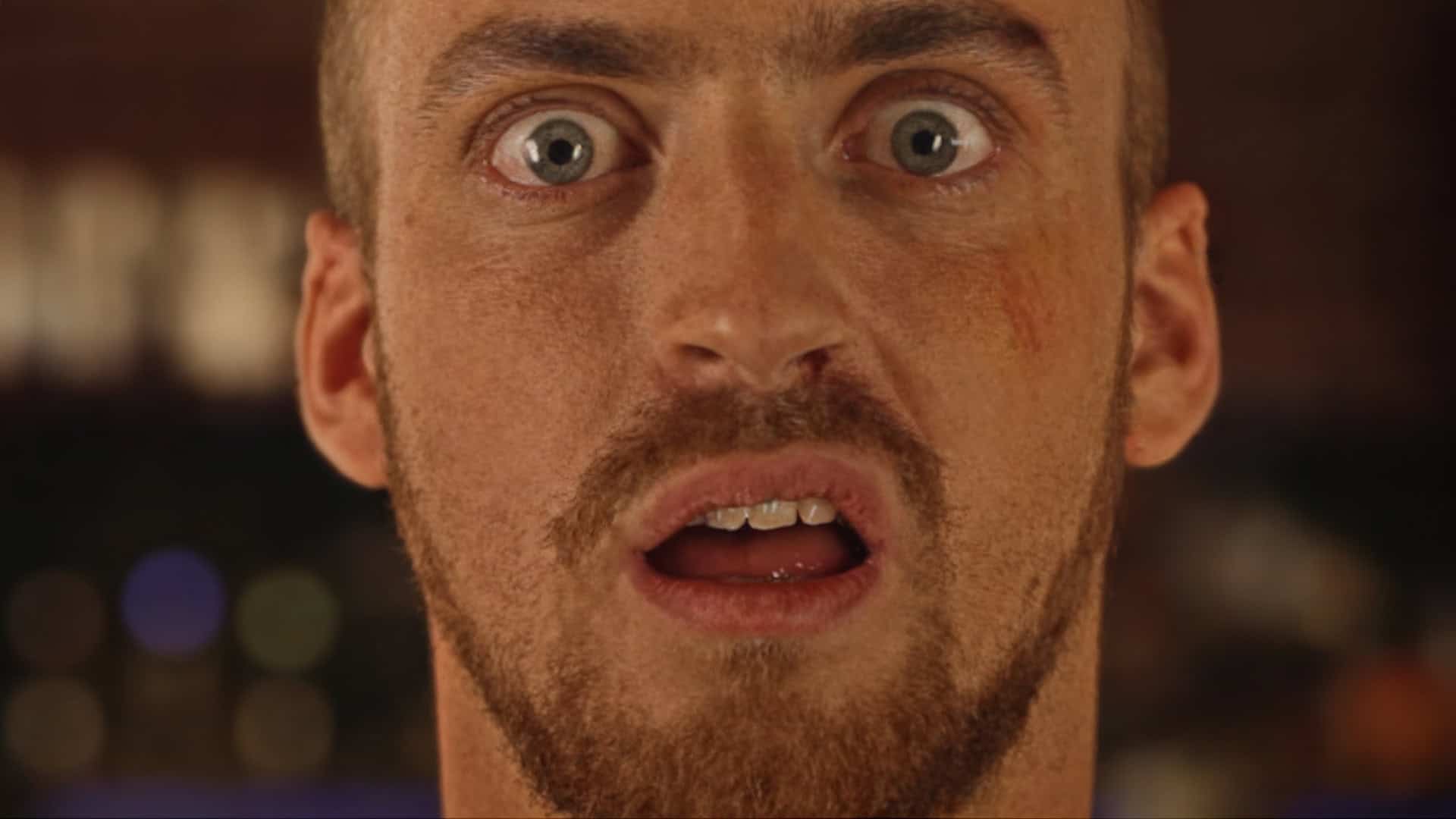
Back in 2013, I was documenting the grading process for this project, showing the before-and-after frames and explaining how we balanced the warm tones of the bar scene with the emotional core of the love song. Looking back from 2026, these frames feel like early snapshots of a workflow that was still being invented, when independent music video directors were learning to push cinematic looks out of small DSLR sensors and tight post-production budgets. If you want to see how this evolved with AI tools, you can jump to A Director’s Guide to Googleflow and modern music videos.

Early days grading on a Canon 5D Mark II
“Autour d’un verre” was shot entirely on the Canon 5D Mark II, which at the time was a game-changer for independent filmmakers and music video directors looking for cinematic depth of field and low-light performance without renting high-end cinema cameras. The Canon 5D Mark II itself became a landmark DSLR in cinema history, widely adopted by filmmakers around the world, as you can see in its official overview on Wikipedia. That DIY filmmaking spirit later fed directly into my experiments with AI and cinematic prompts, like in this guide to Midjourney for filmmakers.

The limitations were real: heavy compression, limited dynamic range, and a challenging color science that required careful grading to avoid artifacts. But those same limitations pushed creativity in lighting, framing and post-production workflows, which is exactly where this project became a learning lab for color grading techniques I still use today.


The grading focused on:
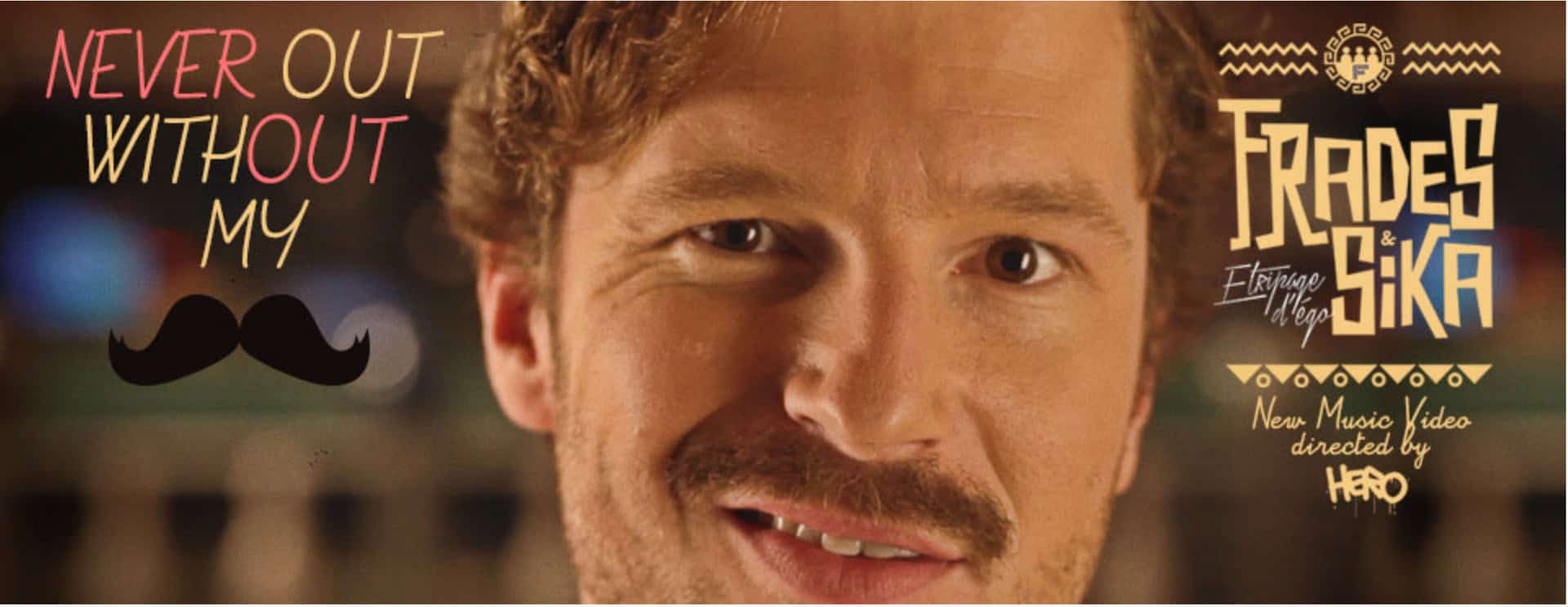
- Warming the bar interior to match the intimate, nostalgic mood of the song.
- Preserving skin tones while pushing for a vintage look since the MV was an homage to The Big Lebowski, yet still feeling fresh for a Belgian indie music video.
- Balancing compressed shadows and highlights without losing texture or introducing banding was tricky, so we shot with a flat LUT system, which wasn’t easy to pull off back then.
The music video, the final result
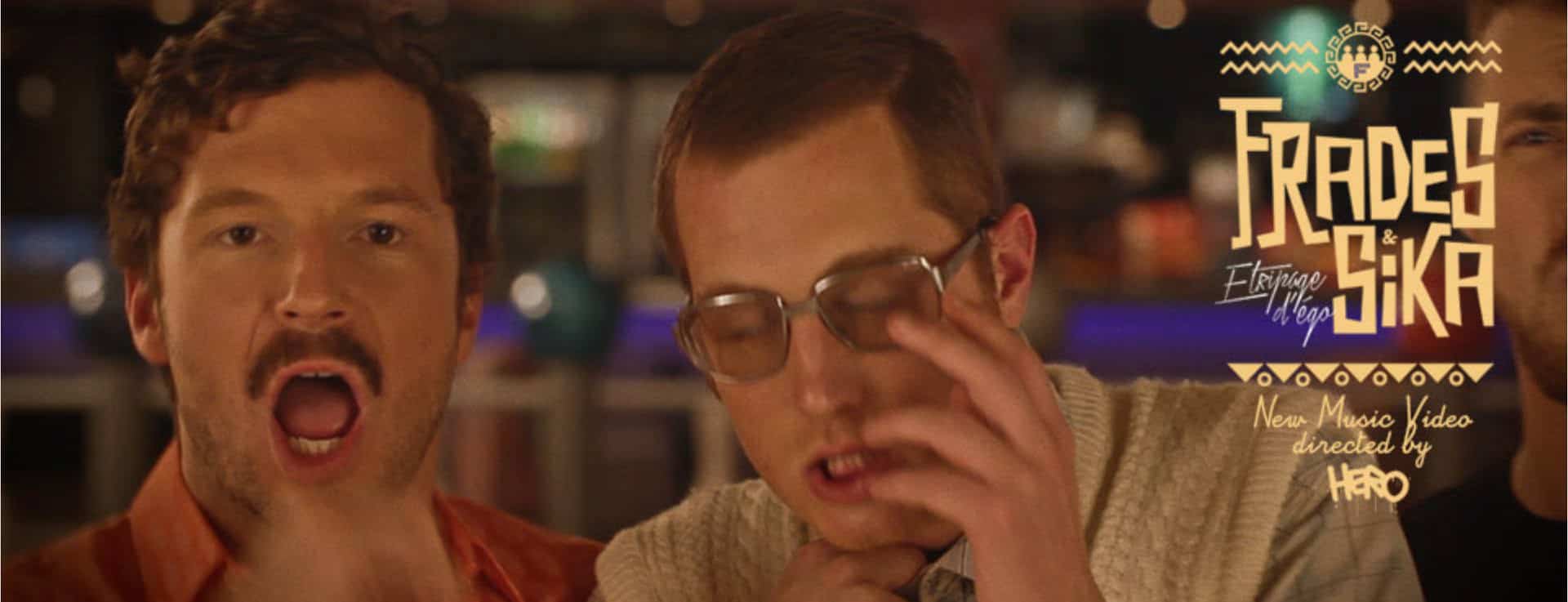
After weeks of color grading sessions, tweaking skin tones, and balancing the warm bar atmosphere with the story’s emotional tone, the final cut came together exactly as we envisioned. This director’s cut of “Autour d’un verre” showcases the full journey of the characters in that nostalgic bowling alley setting, from playful competition to unexpected romance. Shot entirely on the Canon 5D Mark II with its signature shallow depth of field, the video blends the rawness of a low-budget indie production with a polished, cinematic aesthetic that helped it stand out on international music video platforms.
Many people actually thought and still think we shot this project on an Arri Alexa, quite a stretch compared to the cost of a Canon 5D Mark II!
2026 update – how one small music video changed everything
When “Autour d’un verre” was released, it was just another independent project for a local Belgian band. But this small music video ended up being published on some of the biggest music video platforms and publications in the industry, putting it in front of a much wider audience of artists, producers, and other music video directors worldwide.
That visibility led directly to a collaboration with French rapper Grems, who saw the video and reached out. Grems then recommended me to work with GUTS on his music video “Wanted Back“, which went on to win the Filmets Film Festival in Barcelona and was selected for top music video festivals around the world, racking up millions of views.
From there, the network kept growing. The work with GUTS opened the door to collaborations with Romeo Elvis and Caballero & JeanJass, two projects that spanned between Los Angeles and Shanghai with unique brand partnerships for Converse and Fuji Film. Those videos also reached millions of views and solidified a style and approach that became the foundation of my work as a music video director abroad. You can dive deeper into that phase in this Fuji x Caballero & JeanJass interview.
All of this came from one low-budget Canon 5D Mark II music video shot in a bar in Belgium.
The morale: you never know where a project can lead you
“Autour d’un verre” is a perfect reminder that the size of a budget or the fame of an artist at the time of the shoot does not determine the impact a project can have on your career as a music video director. That same mindset also applies to later projects like the David Hasselhoff x Kung Fury collaboration, which also started from a wild but focused creative idea.
This video:
- Was shot on accessible gear with a tiny team.
- Had no expectation of international visibility.
- Became a calling card that opened doors across Europe, the U.S., and Asia.
The lesson is simple: treat every project with full commitment, because you never know who is watching, who will reach out, or where the next collaboration will take you. For a music video director, each video is not just a deliverable, it is a bridge to the next opportunity, the next artist, the next city, and the next creative challenge.
Q&A – life as music video director and the Frades & Sika project
Q: What made “Autour d’un verre” stand out at the time?
A: It was a love song with a warm, cinematic look shot on a Canon 5D Mark II, which was still relatively new for indie music videos in Belgium, and the color grading gave it a nostalgic, polished feel that resonated with audiences and other directors.
Q: How did this small project lead to working with Grems, GUTS and Romeo Elvis?
A: After “Autour d’un verre” was published on major music video platforms, Grems discovered it and reached out. That collaboration led to GUTS, and GUTS led to Romeo Elvis and Caballero & JeanJass, creating a chain reaction across Europe, Los Angeles and Shanghai.
Q: What is the most surprising lesson you learned as a music video director from this experience?
A: That visibility matters more than budget. A well-executed low-budget video can open more doors than a high-budget project with weak creative direction, especially when it reaches the right publications and platforms.
Q: How does working abroad as a music video director change the creative process?
A: You adapt to new crews, cultures, production realities, and visual references, which forces you to listen more, experiment faster, and protect the emotional core of the song while still pushing the visuals as far as the context allows.
Q: What advice would you give to emerging music video directors today?
A: Commit fully to every project, no matter the budget. Build your network by doing great work and being easy to collaborate with, and keep refining your craft across projects, from small DSLR clips to bigger campaigns and experimental pieces.


Discover more from Olivier Hero Dressen Blog: Filmmaking & Creative Tech
Subscribe to get the latest posts sent to your email.

Work with Olivier
Director | CD | DP & Photographer
Specializing in commercials, music videos, AI-driven filmmaking, and cinematic storytelling for brands and production companies.
🌍 Shanghai · Paris · Los Angeles · Dubai
🎬 View Portfolio & Get in Touch



[…] handled. Even the subtle art of color grading can make a significant difference, as highlighted in Working as a Music Video Director: 1 great Color grading example for Frades & Sika “Autour d&#…, showcasing how visual polish enhances narrative […]
[…] a music video director, I worked with Caballero & Jeanjass a couple of months back in Los Angeles and gave an […]
[…] footage I shot. Think of Flow as your camera, capturing the raw image, and AI Render Pro as your color grading suite, giving it the final cinematic polish. This bridge between AI generation and professional […]
[…] C-Series anamorphic lenses, 35mm anamorphic 2.39:1 aspect ratio, cinematic teal and orange color grade, heavy atmospheric haze, film […]
[…] establishing shots with stock footage, drone plates, or AI-generated environments that match your color grade. The key is clarity: in one shot, the viewer should know the location, time of day, and mood of the […]