
- Trust is Paramount: Director Joachim Trier builds deep, long-term trust with actors, allowing them to take significant emotional risks.
- Freedom Breeds Authenticity: Cast members like Elle Fanning feel “spoiled” by the creative freedom they are given, leading to more genuine and nuanced performances.
- Vulnerability is a Tool: Trier creates a safe environment where actors like Renate Reinsve can confront their fears, turning them into powerful, on-screen moments.
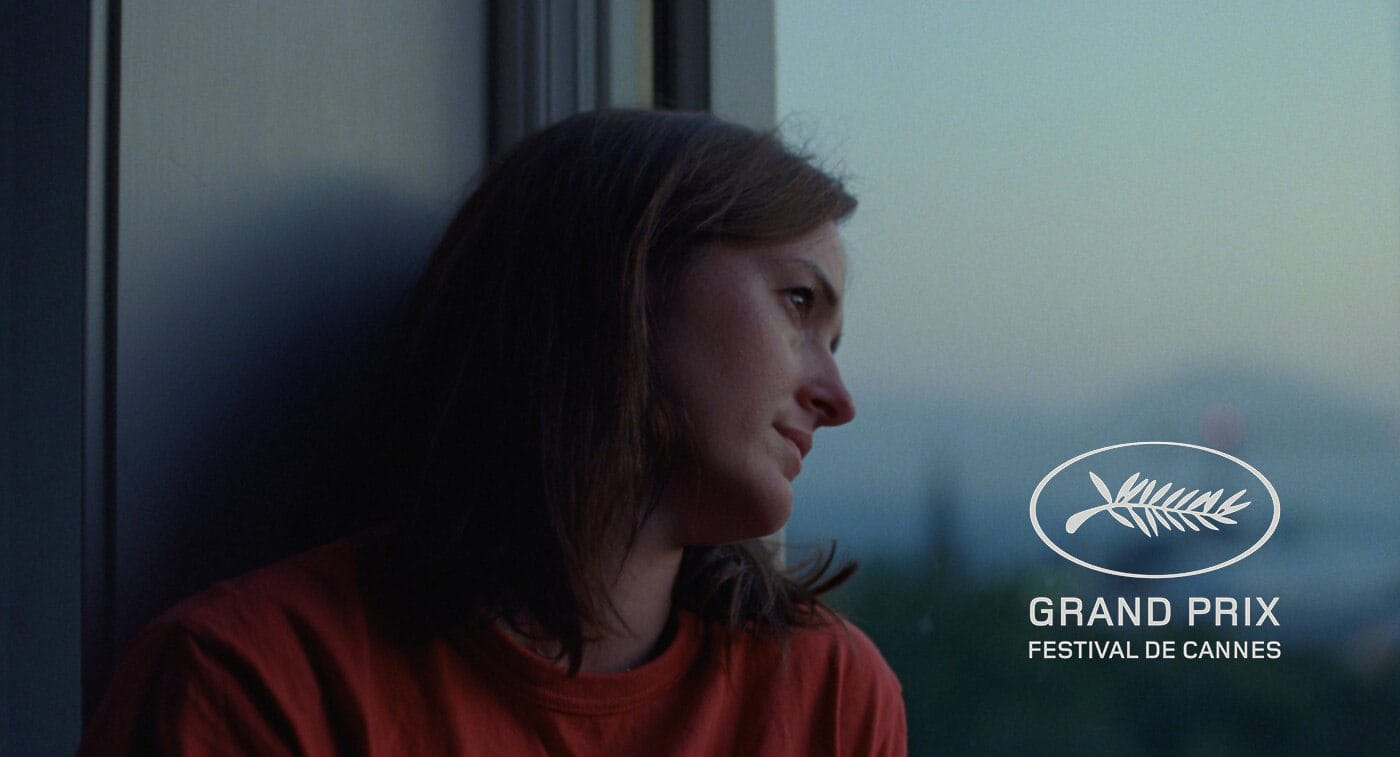
2025 Cannes Grand Prix Winner
“Sentimental Value” received a 19-minute standing ovation. Second-highest honor at the world’s most prestigious film festival.
Need a Director for Your Next Project?
From commercials to branded campaigns—Olivier brings creative vision and technical expertise.
→ View ProjectsThere’s a specific, intangible magic to a Joachim Trier film. Whether it’s the restless existentialism of The Worst Person in the World or the quiet desperation of Oslo, August 31st, his characters feel less like creations and more like people we’ve known, loved, or been. They are messy, vibrant, and painfully real.
Now, with his latest triumph at the 2025 Cannes Film Festival, where Sentimental Value won the prestigious Grand Prix and received one of the longest standing ovations in the festival’s history, a remarkable 19 minutes, filmmakers and cinephiles worldwide are more eager than ever to understand his creative process. At a recent New York Film Festival (NYFF) talk for the award-winning film, stars Renate Reinsve and Elle Fanning, alongside Stellan Skarsgård, pulled back the curtain on Trier’s methodology.
Their conversation didn’t reveal a rigid formula or a technical trick, but something far more profound: a deeply human-centric approach to filmmaking built on a foundation of absolute trust, creative liberty, and the courage to embrace vulnerability. It’s a masterclass in collaboration that every creator, regardless of their medium, can learn from, and one that’s now been validated by cinema’s most prestigious jury.
The Foundation of Trust in the Joachim Trier Creative Process
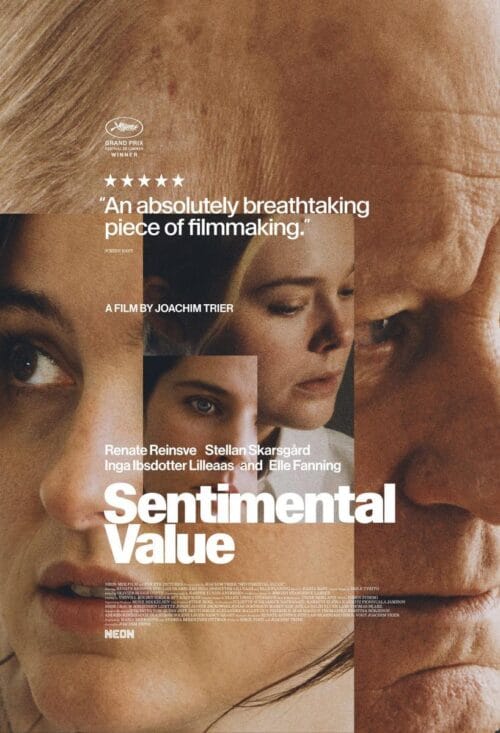
At the core of any successful director-actor collaboration is trust, but the Joachim Trier creative process elevates this concept from a professional courtesy to an artistic necessity. It’s about creating a sanctum where actors feel safe enough to dismantle their defenses and expose the raw, unfiltered emotions a role demands. This isn’t something that can be manufactured in a week of rehearsals; it’s cultivated over time through mutual respect and a shared artistic vision. Trier understands that to capture authentic human behavior, he must first build authentic human relationships with his performers, assuring them that their emotional and psychological well-being is his top priority, even as he pushes them into challenging territory. This philosophy transforms the film set from a high-pressure workplace into a collaborative laboratory for exploring the human condition.
This deep-seated trust is perfectly exemplified by Trier’s long-standing relationship with Renate Reinsve. He first cast her in a role with a single line in Oslo, August 31st, a testament to his keen eye for nascent talent. A decade later, he wrote the lead in the Oscar-nominated The Worst Person in the World specifically for her, an act of faith that catapulted her to international stardom. This history is not just trivia; it’s the bedrock of their working relationship. When Reinsve steps onto his set, she does so with the knowledge that her director has believed in her for over a decade. This history allows for a creative shorthand and an implicit understanding, enabling them to bypass the initial guardedness that often characterizes new collaborations and dive straight into the deep, complex work of character building.
For filmmakers looking to emulate this, the lesson is clear: invest in people, not just projects. The relationships you build are your greatest asset. This doesn’t mean you have to work with the same actors for a decade, but it does mean prioritizing the pre-production and rehearsal period to be more than just about blocking scenes. Use this time for deep-dive conversations about character, life, and fear. Conduct workshops that encourage vulnerability in a controlled, safe environment. By showing your cast that you see them as collaborators and artists, not just instruments for your vision, you foster the loyalty and trust necessary for them to deliver their most courageous and memorable work.
Embracing Vulnerability as a Creative Superpower
Fear is a natural part of the creative process, but on a Joachim Trier set, it’s not an obstacle to be avoided, it’s a tool to be harnessed. Renate Reinsve spoke candidly at NYFF about the fears she faced while tackling her role in Sentimental Value, a sentiment that many artists can relate to. (‘Sentimental Value’ premieres at NYFF with Joachim Trier, Renate Reinsve and Elle Fanning, 2025) The brilliance of the Joachim Trier creative process lies in its ability to transform that anxiety into on-screen electricity. Instead of demanding that an actor suppress their apprehension, Trier creates an environment where it can be openly discussed, explored, and channeled directly into the performance. This approach acknowledges the humanity of the actor, validating their feelings and integrating them into the fabric of the character’s journey, resulting in a performance that feels less like acting and more like a lived experience.
“We come from a punk background, me and Eskil, we were counterculture and didn’t want to make sappy films, but we realized through the films we’ve made that we’ve grown older and that the world is a tough place, so maybe we need to be vulnerable and show characters that are vulnerable… Tenderness is the new punk.”
, Joachim Trier
Consider iconic moments of vulnerability in cinema, like the raw breakdowns in a Cassavetes film or the quiet desperation in a Bergman close-up. These moments are rarely achieved through sheer technical skill; they emerge from an actor feeling safe enough to let go completely. On the set of Sentimental Value, Reinsve’s ability to overcome her fears was a direct result of the psychological safety net Trier had established. He doesn’t just direct the scene; he shepherds the actor’s emotional state, ensuring they feel supported enough to explore the darkest corners of a character’s psyche without losing themselves in the process. This transforms the director from a mere commander into a true creative partner, one who shares in the emotional risk-taking required to produce truly resonant art.
The practical takeaway for directors and creatives is to reframe your perspective on actor “fear.” Stop seeing it as a problem and start seeing it as a potential source of power. Begin by establishing clear communication channels where actors can express their concerns without fear of judgment. If an actor is intimidated by a particularly intense scene, don’t just tell them to “be brave.” Instead, ask them why it’s frightening and discuss how that specific fear can inform the character’s own apprehension. Use improvisation and character journaling as tools to explore these feelings off-camera, so that by the time you roll, the emotion is grounded and accessible. By becoming an ally in your actor’s emotional journey, you unlock a level of authenticity that can’t be achieved through instruction alone.
The Director’s Gift: Why Elle Fanning Felt “Spoiled”
When an actor of Elle Fanning’s caliber, who has worked with a pantheon of legendary directors, describes being on a set as feeling “spoiled,” it speaks volumes. Her comment illuminates another crucial pillar of the Joachim Trier creative process: the profound gift of creative freedom. In an industry that can often be ruthlessly prescriptive, with every line, glance, and movement dictated, Trier offers his actors space. He provides a meticulously crafted script and a clear vision but invites his cast to inhabit the world and discover their characters within it. This isn’t abdication of directorial duty; it’s a confident approach that trusts the actors he has so carefully chosen, empowering them to bring their own instincts, intelligence, and lived experiences to their roles.
This method stands in stark contrast to the more notoriously autocratic styles of directing. While filmmakers like Stanley Kubrick or David Fincher are celebrated for their precision and control, achieving perfection through countless takes, Trier’s method pursues a different kind of perfection, one rooted in spontaneity and organic discovery. Fanning’s feeling of being “spoiled” likely stems from this liberty to experiment, to try a scene a different way, to follow an impulse without fear of “getting it wrong.” On a Trier set, there is no single right answer, only a collective search for the most truthful one. This collaborative exploration makes the actor an integral author of their performance, fostering a sense of ownership and deep creative satisfaction. For an even deeper dive into character creation, our 10 Powerful Midjourney Prompts for Character Design can be an excellent starting point.
Filmmakers can cultivate this environment by shifting their mindset from “dictator” to “curator.” Your job isn’t to provide all the answers but to ask the right questions and create the conditions for discovery. A practical tip is to schedule “playtime” into your shooting schedule, a take or two where the only instruction is for the actors to surprise you. Loosen your grip on the script in rehearsals and encourage improvisation around the scene’s core objective. This not only yields unexpected moments of brilliance but also signals to your cast that their creative impulses are valued. By empowering your actors with this level of freedom, you don’t lose control; you gain a team of dedicated, inspired collaborators committed to elevating the material alongside you.
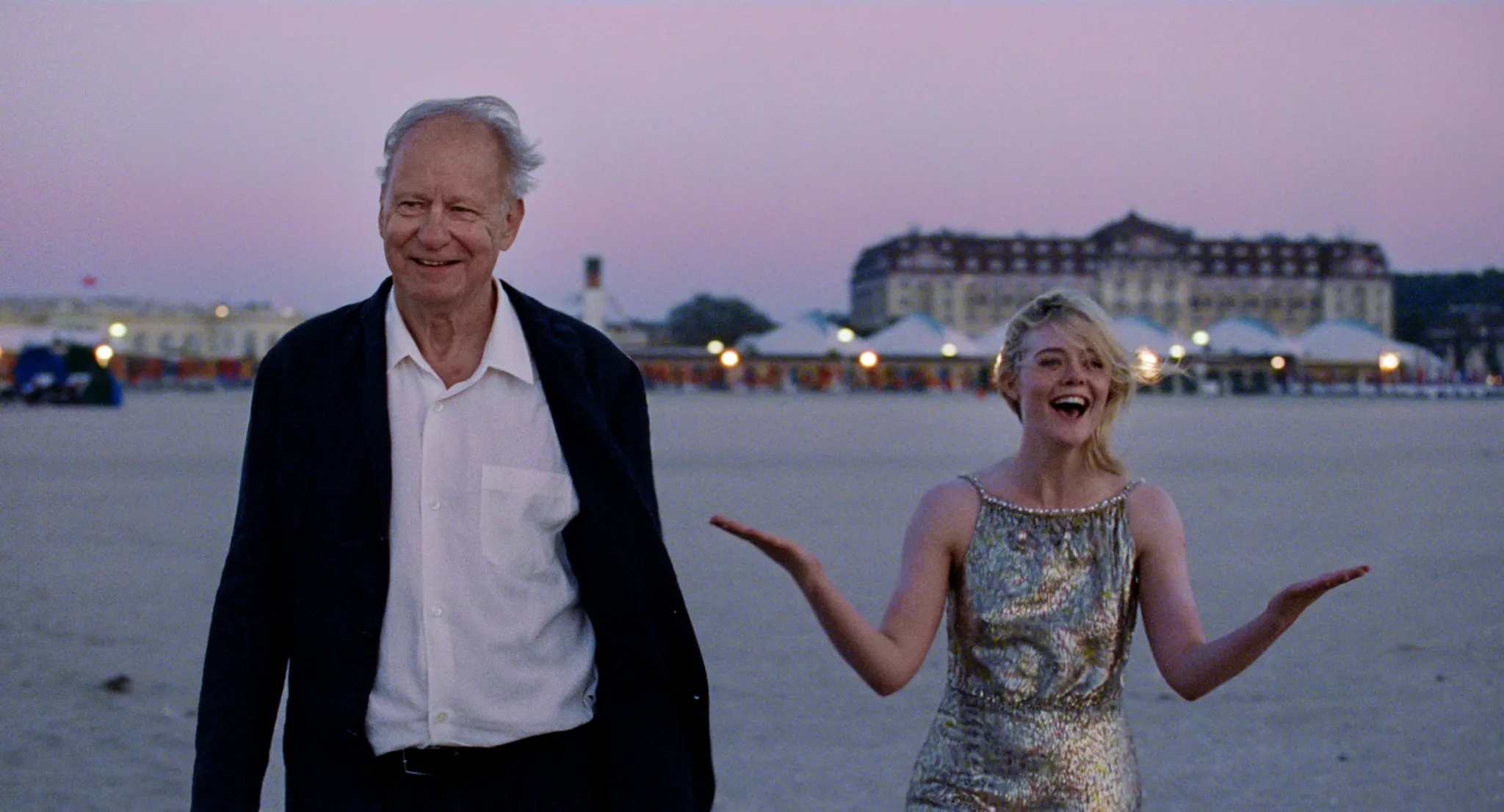
Applying Trier’s Lessons to Modern Filmmaking Workflows
While the ethos behind the Joachim Trier creative process feels timeless, its principles can be powerfully amplified by modern tools and workflows. The core ideas of clear communication, deep character exploration, and collaborative world-building are more achievable than ever for filmmakers at any budget level. The goal is to use technology not to replace the human element, but to enhance it, to create a shared visual and emotional language that gets the entire cast and crew on the same page long before the cameras roll. This is about building a more efficient and empathetic production environment where creativity can flourish.
For example, a director can use generative AI to translate the abstract feelings of a scene into tangible visuals. Instead of just saying a scene should feel “lonely and melancholic,” a director can use a tool to create a dozen visual interpretations of that mood, sharing them with the cinematographer, production designer, and actors. This provides a concrete visual anchor for everyone’s creative contributions, ensuring a cohesive vision. This approach bridges the gap between a director’s internal vision and the team’s collective understanding, streamlining one of the most challenging aspects of filmmaking. Integrating these new Filmmaking AI Workflows can be a game-changer for preparation and communication.
To put this into practice, start incorporating visual mood-boarding into your character development sessions. Use a tool like our own AI Render Pro to generate keyframes or character concepts based on conversations with your actors. Ask them, “If your character had a recurring dream, what would it look like?” Then, generate that image and discuss it. This not only deepens the actor’s connection to the role but also provides invaluable inspiration for the entire visual team. By leveraging technology to foster the kind of deep, collaborative exploration that defines the Joachim Trier creative process, you can elevate your own projects from simple stories to deeply felt cinematic experiences, proving that a human-centric approach is the most powerful technology of all.
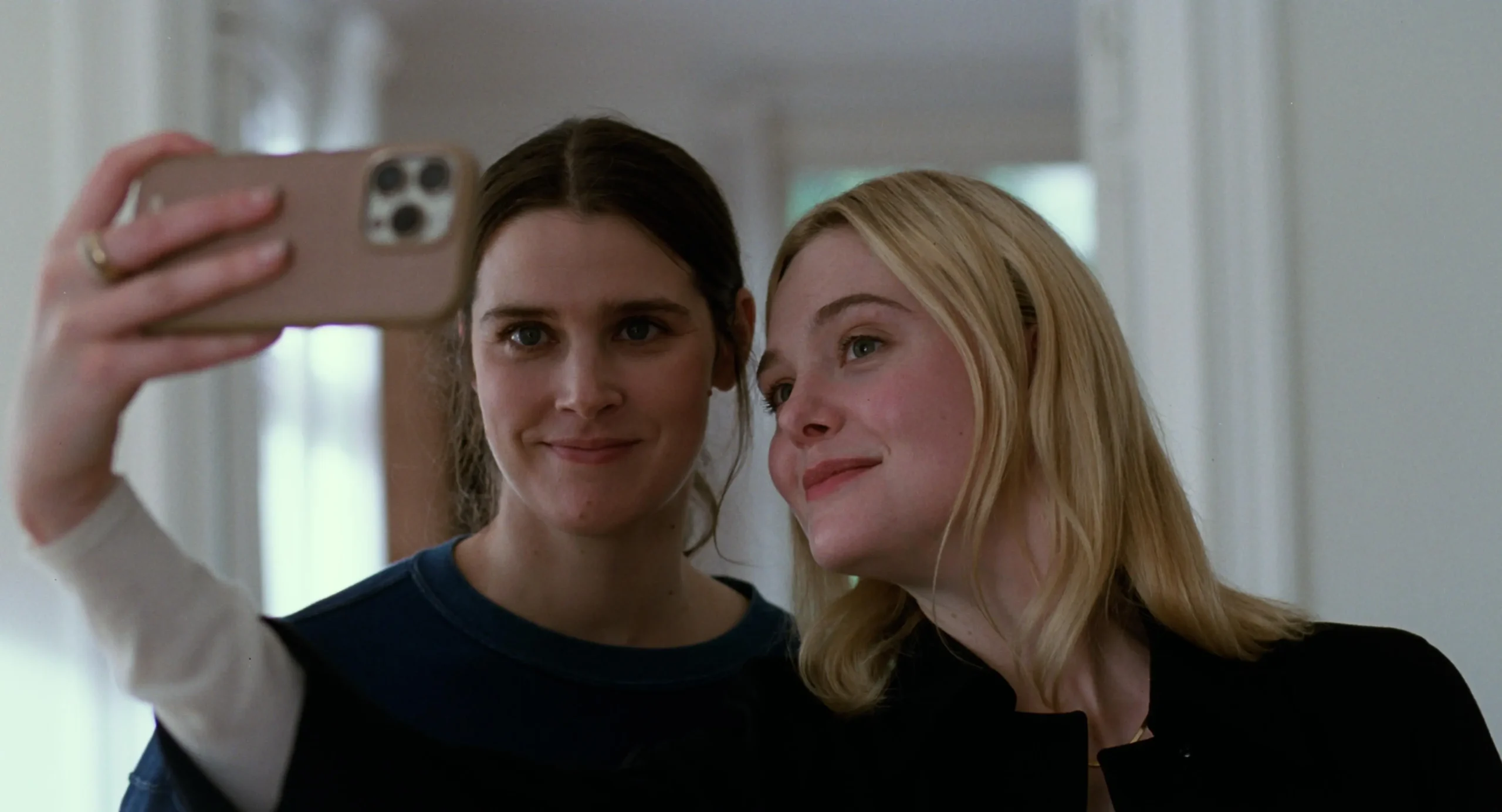
Internal Links for Further Learning
- Hero’s Toolkit
- AI Render Pro
- 10 Powerful Midjourney Prompts for Character Design
- Filmmaking AI Workflows
Conclusion
The insights from the NYFF panel reveal that the celebrated realism of Joachim Trier’s films is no accident. It is the direct result of a patient, empathetic, and profoundly collaborative methodology, one that has now earned cinema’s second-highest honor at the world’s most prestigious film festival. By prioritizing trust over control, encouraging vulnerability, and granting his actors the freedom to discover, he creates an on-set culture where authentic, unforgettable moments can be born. The 19-minute standing ovation at Cannes and the Grand Prix award are testaments to the power of this approach.
For every filmmaker, writer, and creative, the lesson is both simple and revolutionary: your greatest special effect will always be a well-cared-for, deeply trusted human being. As you embark on your next project, consider how you can build a process that doesn’t just serve the story, but also nurtures the artists bringing it to life. To start visualizing your unique vision and building that shared language with your team, explore what you can create with AI Render Pro today.
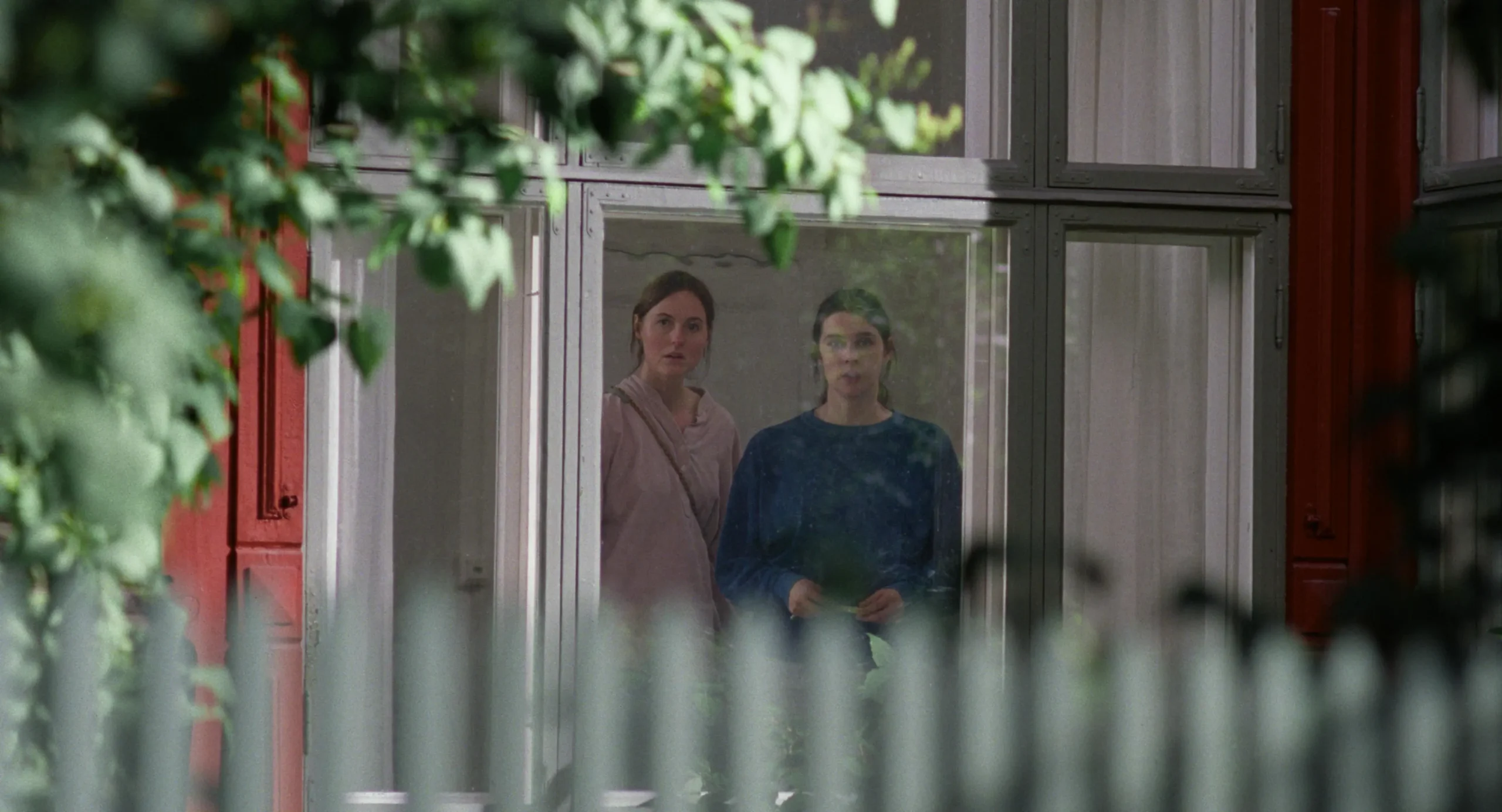
FAQ
Who is Joachim Trier?
Joachim Trier is a critically acclaimed Norwegian film director and screenwriter known for his character-driven dramas. His notable films include Oslo, August 31st, Thelma, and the Academy Award-nominated The Worst Person in the World. His latest film, Sentimental Value, won the Grand Prix at the 2025 Cannes Film Festival.
What award did “Sentimental Value” win at Cannes?
Sentimental Value won the Grand Prix at the 2025 Cannes Film Festival, the second-highest honor at the world’s most prestigious film festival. The film received a remarkable 19-minute standing ovation, one of the longest in Cannes history.
What did Elle Fanning and Renate Reinsve say about working with him?
At the New York Film Festival (NYFF), Renate Reinsve discussed how Trier’s supportive process helped her overcome fears for their new film, Sentimental Value. Elle Fanning described feeling “spoiled” by the immense creative freedom and trust he gives his actors on set.
What is the key takeaway for filmmakers from the Joachim Trier creative process?
The key takeaway is that fostering a set environment built on deep trust, emotional safety, and creative freedom is paramount. This human-centric approach allows actors to deliver more vulnerable, authentic, and powerful performances, an approach that has been validated by Cannes’ most prestigious jury.
Editorial Disclaimer: All images and materials are used here strictly for editorial and commentary purposes. “Sentimental Value” and all associated imagery, logos, and trademarks remain the property of their respective owners and production partners. This article is an independent editorial and is not affiliated with or endorsed by Mer Film, Eye Eye Pictures, MK Productions, Lumen Production, Zentropa, Komplizen Film, BBC Film, or any other rights holders.
For press or image inquiries, contact press@designhero.tv.
Discover more from Olivier Hero Dressen Blog: Filmmaking & Creative Tech
Subscribe to get the latest posts sent to your email.

Work with Olivier
Director | CD | DP & Photographer
Specializing in commercials, music videos, AI-driven filmmaking, and cinematic storytelling for brands and production companies.
🌍 Shanghai · Paris · Los Angeles · Dubai
🎬 View Portfolio & Get in Touch



[…] advancements are leading to powerful new tools that can accelerate and enhance the creative process. This includes AI-powered video generation for pre-visualization, automated VFX and post-production […]
[…] highlight — Its integrated workflow, from editing to color, VFX, and audio, streamlines complex creative processes, fostering […]
[…] as their previous albums, “The Fall” is a fascinating glimpse into Albarn’s creative process and a testament to the band’s willingness to experiment with new technologies. It’s an […]
[…] about understanding the strengths of each so you can build a more powerful, flexible, and efficient creative process for yourself. Let’s break down the real-world differences I’ve found in speed, quality, cost, […]
[…] just about making AI sound good; it’s about making it a seamless, intuitive partner in your creative process. It’s about enabling a truly natural AI voice interaction that feels less like commanding a […]
[…] understand shallow depth of field as “that nice blurry background,” but professional cinematography secrets reveal a deeper truth: depth of field is how you tell the audience what to think about. In a […]
[…] and the painterly motion that Runway ML can produce. These tools are carving out new spaces in the creative process, from pre-visualization for major studio films to final polished visuals in experimental projects […]
[…] process mirrors the early stages of professional creative development. In animation and video games, concept artists at studios like Naughty Dog or Pixar don’t […]
[…] you’re interested in exploring other tools that can fundamentally change your creative process, I encourage you to check out my AI Render Pro guide, which is designed to help you craft stunning […]