
Key Takeaways
- First insight, Apple’s revitalized AI strategy, centered on a deeply integrated and contextually aware Siri, promises to transform creative workflows by offering intelligent assistance directly within professional applications.
- Craft highlight, The shift towards on-device processing and personalized AI models means filmmakers can expect more intuitive, secure, and real-time assistance for tasks ranging from script analysis to metadata tagging, directly impacting project efficiency and creative freedom.
- Industry context, Apple’s emphasis on privacy-preserving AI and its extensive ecosystem integration positions a “changed Siri” as a powerful, yet controlled, creative partner, potentially setting a new standard for how visual artists interact with AI tools.
- Bottom line, For visual creators, the evolution of Siri from a simple voice assistant to an intelligent, proactive collaborator within the Apple ecosystem represents a significant leap towards more streamlined, data-rich, and context-aware content creation.
The resurgence of siri ai at the heart of Apple’s renewed artificial intelligence strategy marks a pivotal moment for visual creators, filmmakers, and AI artists. After years of incremental updates, Apple’s declaration – “Our Siri Has Changed” – as reported by sources like The Elec, signals a profound re-engineering of its foundational AI assistant, moving it from a merely reactive tool to a proactive, context-aware intelligence deeply integrated across its ecosystem.
Need a Director for Your Next Project?
From commercials to branded campaigns—Olivier brings creative vision and technical expertise.
→ View ProjectsThis isn’t just about a smarter voice assistant; it’s about a fundamental shift in how creators might interact with their tools, their data, and their creative processes, promising a future where AI isn’t an external plugin but an intrinsic, intuitive partner.
Siri AI Redefined: A Paradigm Shift for Creators

The announcement regarding Apple’s invigorated AI strategy, particularly the significant overhaul of Siri, is not merely an incremental update; it’s a foundational re-architecture that will reverberate across the creative industries. For years, Siri has been viewed by many, including myself, as a somewhat limited utility, often failing to grasp complex contexts or execute multi-step commands.
However, Apple’s latest push, as detailed in reports like the one from The Elec, suggests a radical departure. The core of this transformation lies in making siri ai far more proactive, personalized, and deeply embedded within the operating system and, by extension, within professional creative applications. This shift promises to liberate visual creators from mundane, repetitive tasks, allowing them to focus more intently on the artistic nuances of their craft.
Imagine a future where your AI Render Pro, the prompting tool for filmmakers and creatives integrates seamlessly with a contextually aware Siri. Instead of manually inputting parameters or navigating complex menus, a more intelligent siri ai could understand your creative intent through natural language.
For a filmmaker, this could mean articulating a visual concept – “Generate a shot list for an intense chase scene in a cyberpunk city, focusing on high contrast and dynamic camera movements” – and having Siri not just interpret it, but also suggest specific lens choices, lighting setups, or even reference existing footage from your library.
This level of intelligent assistance moves beyond simple command execution; it becomes a collaborative dialogue, pushing the boundaries of what’s possible in ideation and pre-visualization.
The implications for creative directors are equally profound. Concept development, often a labor-intensive process involving mood boards, storyboards, and countless iterations, could be dramatically streamlined. A refined siri ai could analyze a script, identify key themes, character arcs, and emotional beats, and then suggest visual motifs or stylistic approaches based on your past projects or industry trends.
This isn’t to say AI replaces human creativity, but rather augments it, acting as an intelligent research assistant and a conceptual springboard. The ability of siri ai to learn your preferences, understand your artistic style, and anticipate your needs will be the true game-changer, transforming it from a mere assistant into an invaluable creative partner.
This evolution is about empowering creators with more sophisticated tools that understand the why behind their commands, not just the what.
On-Device Intelligence and Privacy: The Filmmaker’s Advantage
One of the most significant aspects of Apple’s “Our Siri Has Changed” strategy is its strong emphasis on on-device processing and privacy. In an era where data security and intellectual property are paramount concerns for visual creators, this commitment is not just a feature; it’s a competitive advantage.
For filmmakers and creative professionals, the ability to process sensitive project data – unreleased scripts, proprietary visual assets, confidential client briefs – locally on their devices, rather than sending it to remote cloud servers, is a critical differentiator. This ensures that creative ideas remain private and secure, mitigating risks of data breaches or unauthorized access, a constant worry in the digital age.
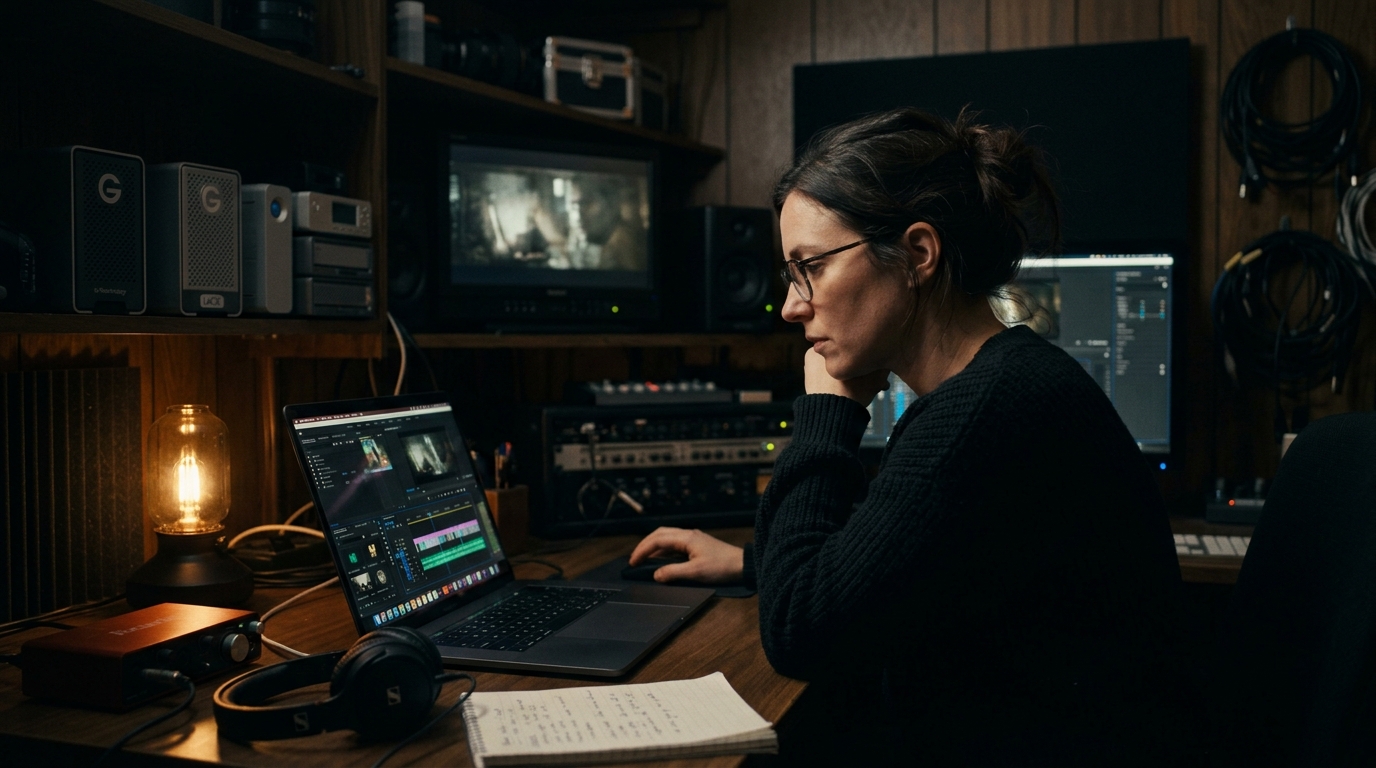
The practical implications for a filmmaker are substantial. Imagine working on a confidential film project where a more advanced siri ai helps you analyze script dialogue, identify potential continuity errors, or even suggest specific camera angles based on character emotions. With on-device processing, all this analysis happens within your secure Apple ecosystem, whether it’s on your Mac, iPad, or even your iPhone.
This means you can leverage powerful AI insights without compromising the secrecy of your project. This level of secure, intelligent assistance is a far cry from generic cloud-based AI solutions, which often require data to be uploaded, processed, and stored on third-party servers, raising legitimate privacy concerns. This commitment to privacy aligns perfectly with the needs of creatives who are often dealing with sensitive narratives and visual content.
Furthermore, on-device AI often translates to faster, more responsive performance. When siri ai doesn’t need to ping a remote server for every query, the latency decreases, leading to a more fluid and immediate user experience. For a creative director juggling multiple tasks, or an editor in a tight deadline, this responsiveness can be invaluable.
It means real-time assistance for tasks like organizing media files, generating quick edits, or even transcribing dialogue directly from rushes. The integration of advanced machine learning models directly into Apple’s silicon, like the Neural Engine, means that these complex AI operations can be performed with remarkable efficiency and speed.
This is not just about convenience; it’s about enabling a seamless, uninterrupted creative flow, ensuring that the technology serves the artist, rather than dictating the pace of creation. This secure and efficient approach extends to managing your Hero’s Essentials: filmmaker gear and tools, where Siri could potentially track inventory or suggest maintenance schedules based on usage.
Contextual Awareness: The Holy Grail for Visual Storytelling
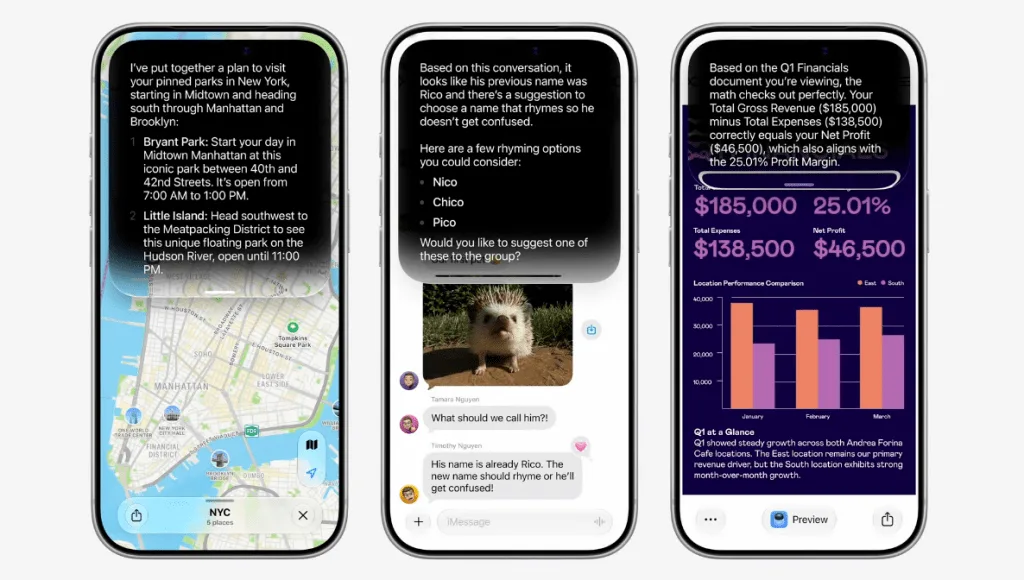
The promise of a truly contextually aware siri ai is arguably the most exciting development for visual creators. For too long, AI assistants have operated in a vacuum, responding only to explicit commands without understanding the broader project, the user’s history, or their immediate environment.
Apple’s renewed AI strategy aims to change this, making Siri an intelligent assistant that understands not just what you say, but what you mean, based on your current task, previous interactions, and even the content on your screen. This deep contextual understanding is the holy grail for visual storytelling, as it allows AI to move beyond simple automation and into genuine collaboration.
Consider a filmmaker deep in the editing suite. A contextually aware siri ai could understand that you’re working on a specific scene, recognize the characters involved, and recall your previous creative decisions. If you command, “Find all close-ups of the protagonist looking distressed,” Siri wouldn’t just search for a generic tag; it would understand the emotional nuance, potentially analyzing facial expressions within your footage to deliver more relevant results.
This capability extends to more complex tasks. If you’re color grading a sequence, Siri could suggest Lut presets based on the scene’s mood or time of day, drawing from its understanding of your project’s aesthetic goals. This is a significant leap from current AI tools that often require explicit, precise prompts, much like early 5 Essential Character Design Prompts that needed detailed descriptions.
For creative directors, this contextual intelligence could revolutionize concept development. Imagine discussing a new campaign with your team, and as you articulate ideas, siri ai, running in the background, actively listens, synthesizes keywords, and proactively pulls up relevant visual references, competitor analyses, or even stock footage suggestions from your licensed libraries.
It could identify gaps in your narrative or suggest alternative approaches based on its understanding of your brand guidelines and target audience. This level of intelligent, proactive assistance transforms Siri into a true creative partner, anticipating needs and offering insights that would otherwise require extensive manual research.
This deeper understanding of context is also vital when considering how AI impacts 7 Eye-Opening Ways AI Education Impacts Filmmakers, as it demonstrates the practical application of advanced AI concepts in daily creative work. The ability for siri ai to learn and adapt to individual creative styles and project demands will be the ultimate measure of its success.
Siri AI as a Pre-Production Collaborator
🎬 AI Render Pro Studio, the AI film production suite I built and use on my own productions. Script breakdown, storyboards, 30+ video models including Seedance 2.5 and Kling O3, image generation, retouch, 7K upscaling and audio, all in one browser workspace. $19/month flat, bring your own API keys and pay providers at cost, no credit packs, no markup. Try AI Render Pro Studio →
The transformative potential of a re-engineered siri ai extends profoundly into the pre-production phase of filmmaking and visual content creation. This is where ideas are born, scripts are written, and the entire project is meticulously planned. A more intelligent, contextually aware Siri could become an indispensable collaborator, streamlining processes that are often time-consuming and labor-intensive.
From script analysis to location scouting, the practical implications for filmmakers are immense, promising to elevate the efficiency and creativity of early-stage development.
Consider scriptwriting and development. A sophisticated siri ai could analyze a screenplay for pacing, character arcs, dialogue consistency, and even identify potential plot holes. It could provide real-time feedback on emotional resonance or suggest alternative phrasing to enhance impact. For screenwriters using Apple devices, this means having an intelligent editor and story consultant integrated directly into their writing environment.
Beyond text, Siri could assist in visualising script elements. Imagine highlighting a scene description – “a bustling marketplace at dusk, vibrant with neon signs” – and having Siri generate mood boards, reference images, or even preliminary concept art, drawing from your personal asset library or licensed stock collections.
This capability would significantly accelerate the ideation process, allowing filmmakers to explore multiple visual directions with unprecedented speed, much like experimenting with 7 Stunning Retro Prompts for AI-Generated Nostalgia to quickly visualize aesthetics.
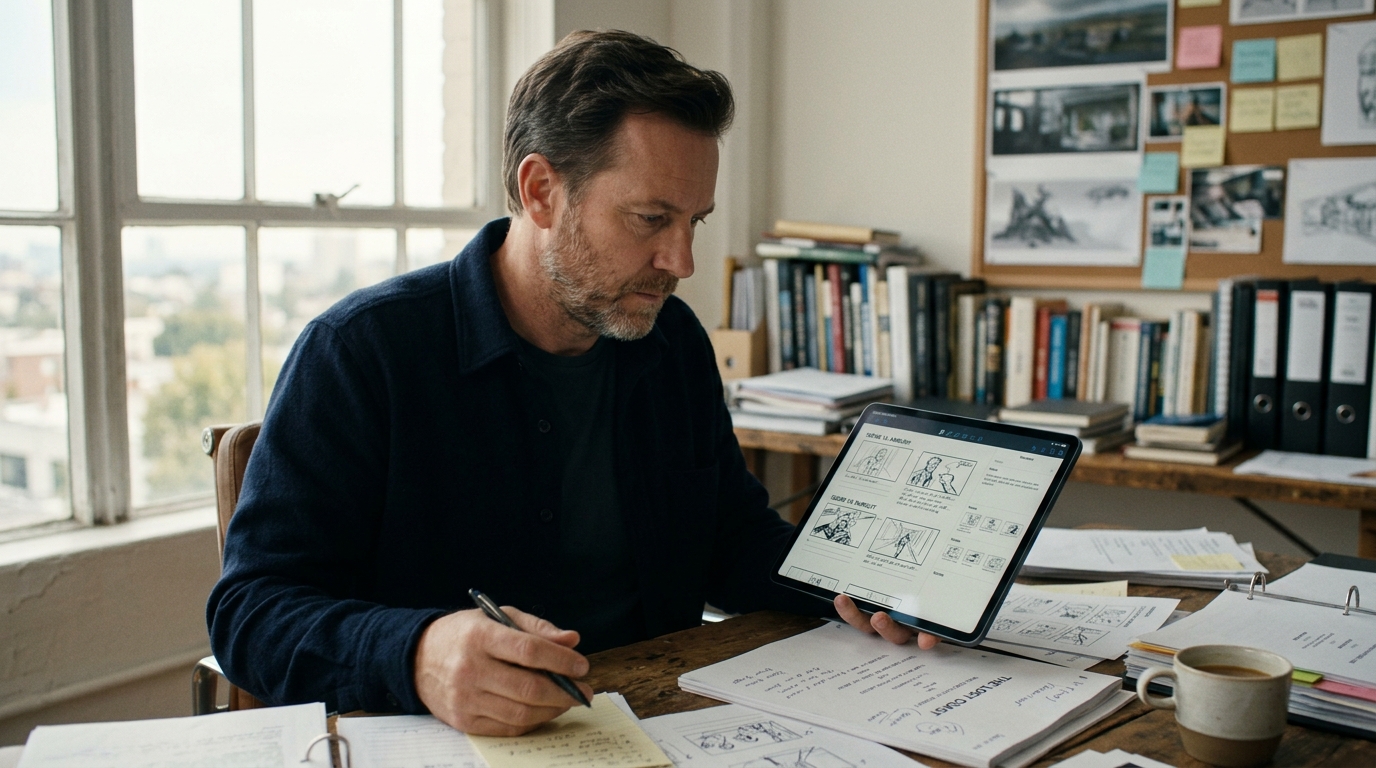
For production planning, the benefits are equally compelling. Siri could assist in breaking down scripts, automatically identifying props, costumes, and special effects requirements. It could help create detailed shot lists and storyboards by understanding directorial intent and visual cues within the script.
Imagine simply stating, “Siri, create a storyboard for this scene, focusing on the character’s isolation,” and having the AI interpret the emotional context and suggest framing, camera movements, and compositions. Furthermore, for location scouting, Siri could analyze satellite imagery, weather patterns, and logistical data to suggest suitable filming locations based on script requirements and budget constraints.
This level of integrated intelligence means that a truly “changed Siri” transforms from a simple voice assistant into a powerful pre-production engine, empowering filmmakers to make more informed and creative decisions from the very outset of a project. This evolution of siri ai promises to fundamentally alter how we approach the foundational steps of visual storytelling.
Streamlining On-Set Workflows with Siri’s New Capabilities
The dynamic and often chaotic environment of a film set stands to gain significantly from Apple’s enhanced siri ai capabilities. On-set efficiency is paramount, and any tool that can reduce friction, speed up decision-making, or automate routine tasks can be a game-changer.
The promise of a more proactive and contextually aware Siri, deeply integrated into the Apple ecosystem, suggests a future where the virtual assistant becomes an invaluable member of the crew, particularly for camera operators, DPs, and creative directors overseeing production.
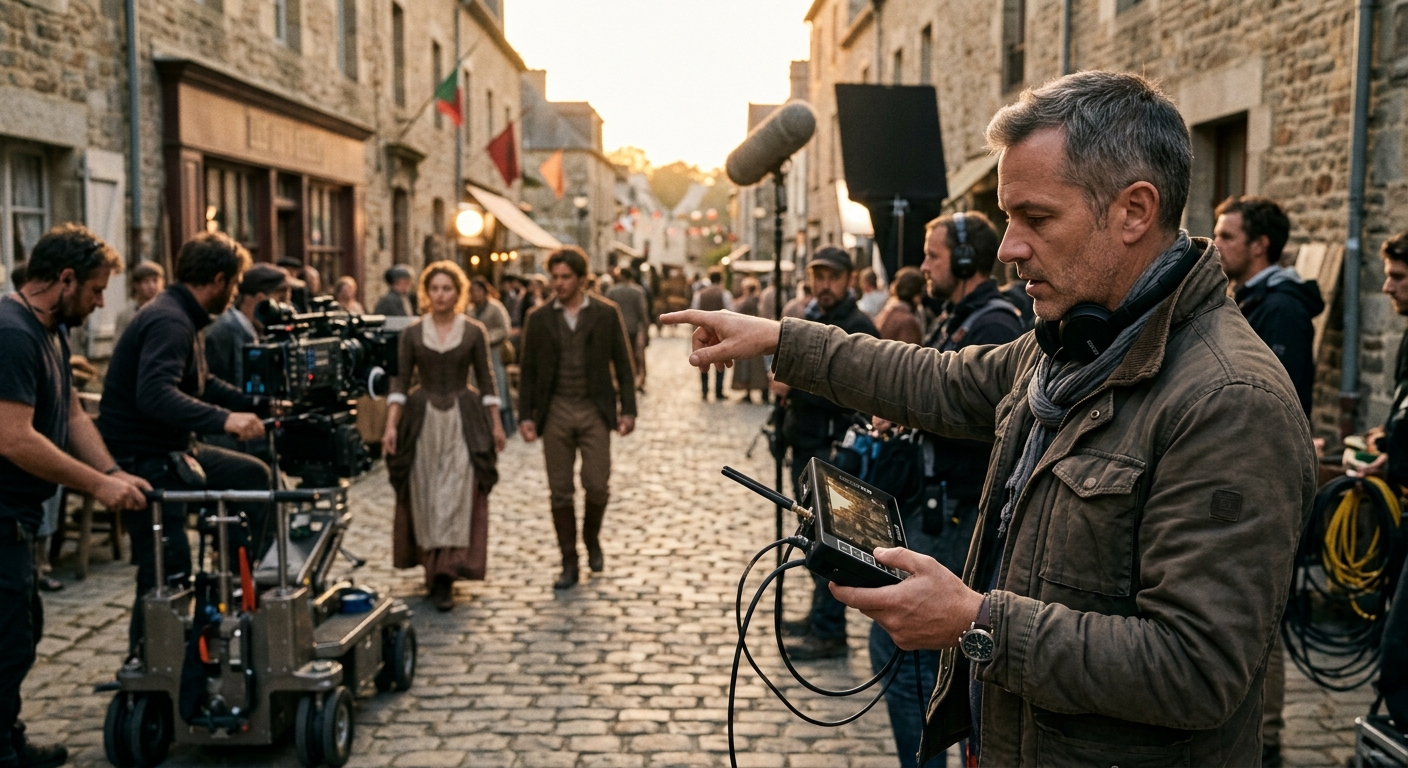
Imagine a cinematographer on set, needing to quickly adjust camera settings for a specific shot. Instead of navigating menus, a voice command to siri ai like, “Set aperture to T2.8, ISO 400, and apply the ‘day exterior’ LUT,” could instantly execute these commands on compatible Apple-connected cameras or monitors.
This real-time, hands-free control, especially in fast-paced or challenging environments, could shave precious minutes off setup times and reduce the cognitive load on the crew. Furthermore, Siri could integrate with smart lighting systems, allowing a gaffer to adjust light intensity or color temperature with simple voice commands, ensuring precise execution of the creative director’s vision.
The ability for siri ai to understand complex, multi-part instructions and execute them across various devices is a testament to its evolving intelligence.
Beyond immediate control, Siri’s enhanced data analysis capabilities could provide critical on-set insights. A director could ask Siri to analyze the previous take for continuity errors in an actor’s performance or to compare the current shot with the storyboard, ensuring alignment with the pre-visualized plan.
For managing digital assets on set, Siri could automatically tag footage with metadata – scene numbers, take numbers, descriptions – as it’s being captured, significantly streamlining the post-production workflow. This proactive metadata generation, driven by an intelligent siri ai, could mean less time spent manually logging footage and more time focusing on the creative aspects of the shoot.
This level of smart integration is essential for modern filmmaking, where tools like 5 Proven AI Vision Techniques: Filmmakers REVEALS All! are becoming standard. The potential for Siri to act as a central hub for on-set information and control makes it a powerful ally in the pursuit of efficient and creatively fulfilling production.
Post-Production Automation and Creative Enhancement
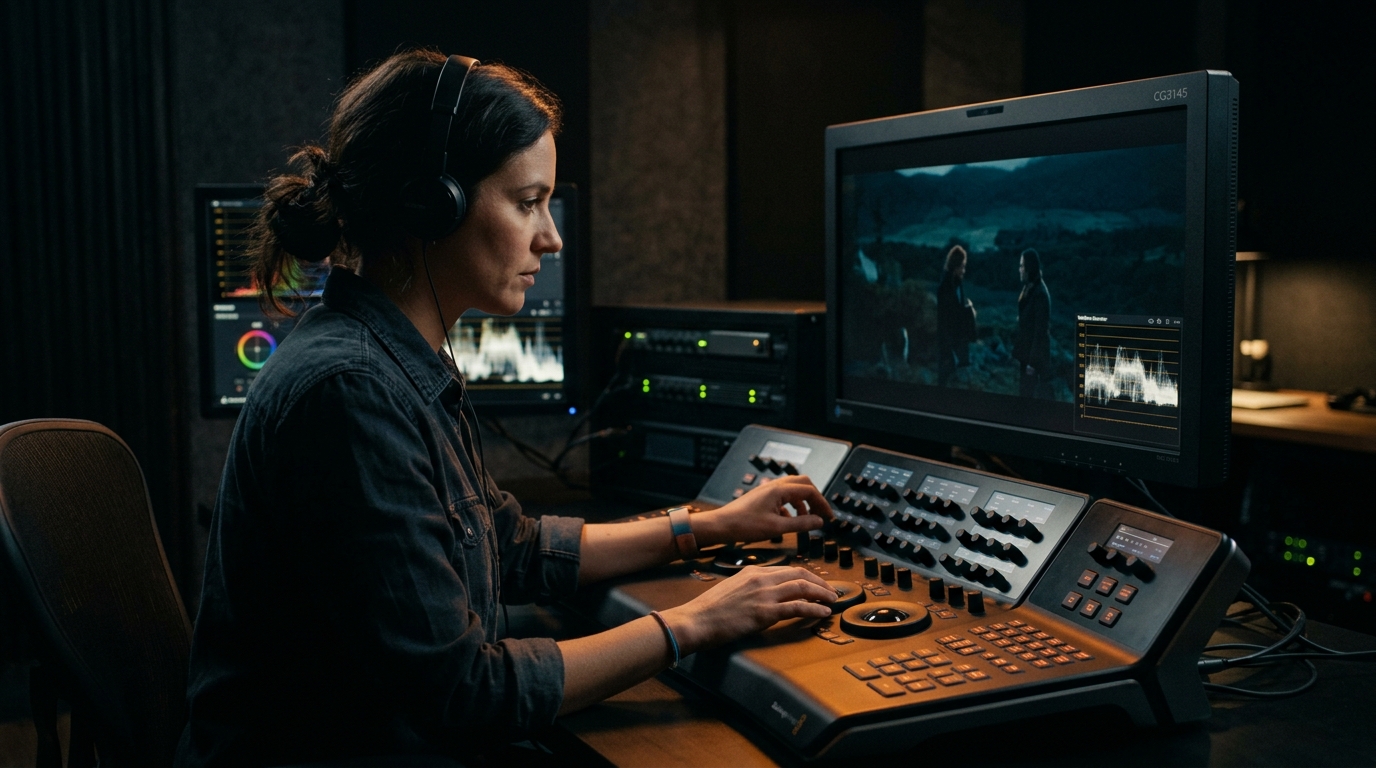
The realm of post-production, often a meticulous and time-consuming stage, is ripe for transformation by Apple’s revitalized siri ai. For editors, colorists, sound designers, and visual effects artists, the prospect of an intelligent assistant that can automate tedious tasks and even suggest creative enhancements is incredibly appealing.
Apple’s strategy to embed a more capable Siri deeply within its ecosystem, including professional applications like Final Cut Pro, Logic Pro, and potentially third-party tools, promises to redefine post-production workflows.
Imagine an editor working against a tight deadline. A sophisticated siri ai could handle initial rough cuts, automatically identifying and removing filler words from dialogue, or even syncing multi-camera footage with remarkable precision.
The ability to simply state, “Siri, trim all silent gaps longer than two seconds in this interview footage,” or “Sync these three camera angles to the primary audio track,” would free up significant time for more creative, nuanced editing decisions. This level of automation, powered by a deeply integrated siri ai, moves beyond simple command-and-control; it’s about intelligent task execution that understands the context of the edit.
This is akin to the advanced features seen in tools that promise 7 Game-Changing Google Gemini Omni Video Editing Features, but with Apple’s unique, privacy-focused approach.
For colorists, Siri could analyze footage and suggest color grades based on the scene’s emotional context, time of day, or existing reference looks. A command like, “Siri, apply a warm, melancholic grade to this sunset scene, similar to the one in Project Alpha,” could trigger a complex series of adjustments, drawing from the user’s past work or a library of presets.
In sound design, Siri could identify specific sound effects needed for a scene, search through libraries, and even perform basic mixing tasks. For visual effects artists, imagine Siri assisting with rotoscoping by intelligently identifying foreground elements, or suggesting optimal render settings based on project specifications.
The potential for siri ai to not just automate, but also to enhance the creative process by offering intelligent suggestions and streamlining complex operations, makes it an indispensable tool for the modern post-production pipeline. This integration also extends to managing your creative assets, which you can find in the DesignHero Shop, filmmaker merch and creative tools, by helping you categorize and locate project files efficiently.
The Rise of Generative Siri AI for Visual Artists
While Apple’s initial focus for its “changed Siri” might be on utility and productivity, the underlying advancements in its AI strategy, particularly in multimodal understanding and on-device processing, lay a fertile ground for generative AI capabilities.
For visual artists, AI artists, and filmmakers exploring new forms of content creation, the integration of generative functions within siri ai could unlock unprecedented creative avenues, allowing for rapid ideation and asset generation directly within the Apple ecosystem.
Imagine an AI artist experimenting with new visual styles. A generative siri ai could interpret abstract prompts like, “Create a series of dreamlike, ethereal landscapes inspired by Salvador Dalí, using a painterly style,” and immediately generate a variety of visual concepts on a Mac or iPad. This instant visual feedback loop would dramatically accelerate the creative process, allowing artists to iterate on ideas with unparalleled speed.
This moves beyond simple image manipulation; it’s about co-creation with an intelligent partner that understands artistic intent and can translate it into diverse visual outputs. The ability of siri ai to process complex, descriptive prompts and generate novel content is a testament to the advancements in large language and diffusion models, now being brought closer to the user on-device.
This is a powerful complement to existing tools for creating 7 Stunning Vintage Prom AI Image Prompts: Nostalgic Elegance for FLUX, Midjourney and Nano Banana.
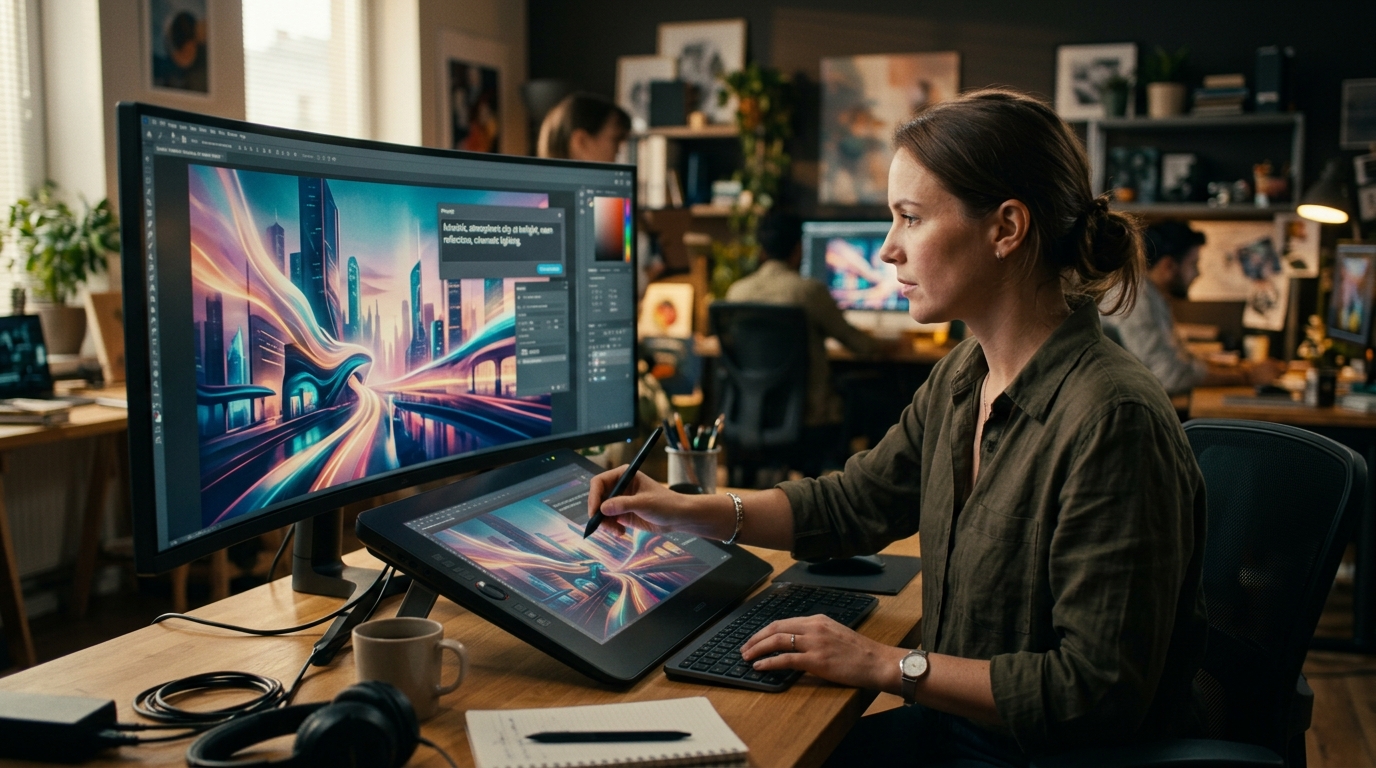
For filmmakers, generative siri ai could be a powerful tool for pre-visualization and concept art. Instead of hiring concept artists for every minor visual idea, a director could verbally describe a creature, a futuristic city, or a specific prop, and have Siri generate multiple visual interpretations within seconds. This rapid prototyping of visual elements could significantly reduce pre-production costs and time, allowing for more creative exploration.
Furthermore, for independent filmmakers or those on tight budgets, generative AI could assist in creating background elements, matte paintings, or even simple character designs, expanding the scope of what’s achievable.
While ethical considerations and copyright remain crucial, the sheer potential for a deeply integrated, privacy-focused generative siri ai to empower visual artists with immediate, personalized creative tools is undeniable, marking a significant evolution in the creative landscape. The underlying technology could even inspire new ways of thinking about how 7 Surprising Ways AI Art Isn’t Like Photography in its output and creative process.
Intelligent Asset Management and Metadata Generation
For any visual creator, managing vast libraries of assets, footage, images, audio, 3D models, is a perpetual challenge. The “changed Siri” and Apple’s overarching AI strategy promise a revolution in intelligent asset management and automatic metadata generation, fundamentally altering how filmmakers and creative directors organize, search, and retrieve their creative materials.
This shift moves beyond simple folder structures and keyword tagging, introducing an era where siri ai proactively understands and categorizes content based on its visual and contextual properties.

Imagine a filmmaker with terabytes of unorganized footage from multiple projects. Instead of manually sifting through clips, a more intelligent siri ai could scan entire libraries, identifying specific objects, locations, characters, or emotions within the video and image files. It could automatically tag clips with descriptive metadata like “forest scene, wide shot, protagonist looking determined,” making previously unsearchable footage instantly accessible.
This capability, powered by advanced computer vision and natural language processing, would save countless hours in post-production, allowing editors to quickly find the exact shot they need. This is a significant upgrade from conventional search functions, tapping into the power of AI to understand visual content on a deeper level.
The ability to quickly find relevant assets can even inform decisions on how to approach narratives, as seen in discussions around 1 Image Created Backrooms $118M: The Power Shift and the value of unique visual content.
For creative directors managing extensive brand archives, siri ai could ensure consistency across campaigns by intelligently identifying and cataloging brand elements, color palettes, and stylistic guidelines. It could flag content that deviates from brand standards or suggest improvements based on existing successful campaigns.
Furthermore, Siri could learn your personal organizational preferences, adapting its tagging and categorization methods over time to better suit your workflow. This personalized approach to asset management means less time spent on administrative tasks and more time on creative execution.
The integration of this intelligent siri ai into Apple’s Photos, Files, and professional creative applications will transform how assets are handled, turning chaotic libraries into intelligently organized, searchable databases, thereby maximizing the value and reusability of every creative asset. This seamless integration makes it easier to manage even specialized gear and tools, enhancing the utility of your Hero’s Essentials: filmmaker gear and tools.
Accessibility and Inclusive Storytelling
Apple’s commitment to accessibility has always been a cornerstone of its product philosophy, and the advancements in its “changed Siri” are poised to further empower inclusive storytelling for visual creators. A more intelligent, contextually aware siri ai can lower barriers for creators with disabilities and enhance the accessibility of the content they produce, fostering a more diverse and representative creative landscape.
This aligns with a broader industry push towards making media creation and consumption more equitable.

For creators with visual or motor impairments, a highly capable siri ai offers unparalleled control. Imagine a filmmaker who can navigate complex editing software, adjust camera settings, or even direct a generative AI art project entirely through natural voice commands, without needing to interact with a screen or physical input devices.
Siri’s enhanced understanding of intent and context means more complex tasks can be executed with simpler, more intuitive spoken instructions. This empowers a wider range of individuals to participate in the creative process, bringing fresh perspectives and narratives to the forefront. This is particularly relevant in a world where Global Drama: Why It’s About to Explode! and diverse voices are increasingly sought after.
Beyond empowering creators, siri ai can also enhance the accessibility of the content itself. Automatic, high-quality transcription of dialogue for closed captions and subtitles can be dramatically improved, benefiting audiences with hearing impairments. Siri’s ability to understand nuances of language and context means more accurate and natural-sounding captions.
For visual descriptions for the visually impaired, Siri could assist in generating detailed audio descriptions of scenes, characters, and actions, making visual stories more accessible. This intelligent generation of descriptive content moves beyond basic object recognition, aiming for a more narrative and emotionally resonant description.
By embedding these advanced accessibility features directly into the operating system and creative applications, Apple is ensuring that inclusive storytelling is not an afterthought but an integral part of the creative workflow, driven by a powerful and empathetic siri ai. This commitment to accessibility can also be seen in the development of tools like 7 Bold Ways Amish Tripathi’s AI Avatar Will Dominate, where personalized interaction enhances user experience.
The Future of Siri AI and the Apple Creative Ecosystem
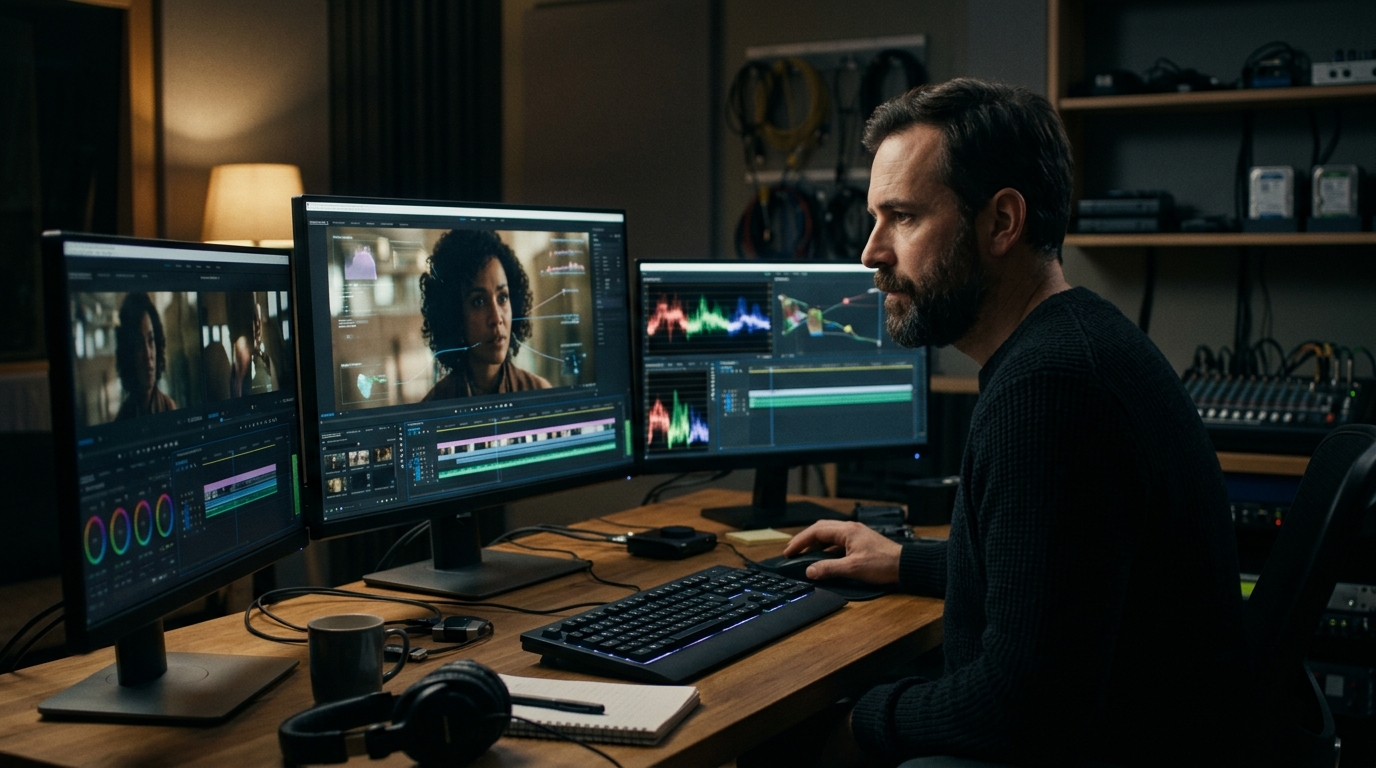
The significant overhaul of siri ai, as highlighted by Apple’s “Our Siri Has Changed” declaration, is not an isolated event but a strategic move that solidifies the future of the Apple creative ecosystem. For visual creators, this means a deeply integrated, privacy-focused, and intelligently proactive AI assistant that will continue to evolve, shaping how we interact with our tools and conceive our art.
The implications extend beyond individual applications, pointing towards a future where the entire Apple hardware and software stack works in concert, powered by a sophisticated, on-device AI.
The integration of a more powerful siri ai across devices, from iPhones and iPads to Macs and Apple Vision Pro, will create a seamless, fluid creative environment. Imagine moving from ideation on an iPad, where Siri assists with concept art, to editing on a Mac, where Siri helps with complex sequences, all while maintaining contextual awareness of your project. This continuity and intelligence across devices will be a hallmark of the future Apple creative workflow.
This level of system-wide intelligence will also facilitate the use of specialized tools, enabling a smart umbrella to know you or other smart devices to integrate seamlessly, as explored in 7 Hidden Reasons This Smart Umbrella Knows You!. The vision is clear: Siri will become the intelligent layer that unifies and enhances every aspect of the creative process within Apple’s walled garden.
Furthermore, Apple’s approach to AI, prioritizing on-device processing and user privacy, distinguishes it from many competitors. This strategy aims to build trust with professional creators, ensuring that their sensitive intellectual property remains secure while still benefiting from cutting-edge AI capabilities. As siri ai continues to learn and adapt to individual user patterns and creative styles, it will become an increasingly personalized and indispensable partner.
This evolution positions Apple not just as a hardware and software provider, but as a facilitator of next-generation creative intelligence, empowering filmmakers, AI artists, and creative directors to push the boundaries of what’s possible in visual storytelling. The future of the Apple creative ecosystem, with a radically changed Siri at its core, promises a more intuitive, efficient, and creatively liberating experience for all visual artists.
Every AI illustration in this article was crafted using AI Render Pro, the same prompting engine used across this blog. Read the full breakdown here.
Frequently Asked Questions
How does Apple’s new Siri AI strategy specifically benefit filmmakers?
Apple’s revamped Siri AI offers filmmakers enhanced on-device privacy for sensitive projects, real-time contextual assistance for script analysis and on-set adjustments, and automated post-production tasks like intelligent metadata tagging and initial rough cuts, significantly streamlining workflows and boosting creative efficiency.
What does “on-device intelligence” mean for creative professionals using Apple products?
On-device intelligence means that complex AI processing, including for Siri, occurs directly on your Apple device rather than in the cloud. For creative professionals, this ensures superior data privacy and security for sensitive intellectual property, faster response times, and reliable performance even without an internet connection, all crucial for confidential projects.
How can a more contextually aware Siri AI improve pre-production for visual creators?
A contextually aware Siri AI can analyze scripts for nuances, suggest visual motifs, generate mood boards and concept art based on verbal descriptions, and assist in detailed shot listing and storyboarding. This accelerates ideation, refines planning, and allows creators to explore more visual directions efficiently.
Will the new Siri AI replace human creative roles in filmmaking?
No, the new Siri AI is designed to be a powerful assistant and collaborator, not a replacement for human creativity. It aims to automate mundane tasks, provide intelligent insights, and streamline workflows, allowing filmmakers and visual creators to focus more on artistic vision, complex problem-solving, and the unique human elements of storytelling.
What are the privacy implications for visual artists using the enhanced Siri AI?
Apple’s strong emphasis on on-device processing for its enhanced Siri AI means that sensitive creative data and project details are analyzed and handled locally on the user’s device. This significantly reduces privacy risks associated with cloud-based AI, ensuring greater security for intellectual property and confidential client work, a critical concern for visual artists.
Discover more from Olivier Hero Dressen Blog: Filmmaking & Creative Tech
Subscribe to get the latest posts sent to your email.
Work with Olivier
Director | CD | DP & Photographer
Specializing in commercials, music videos, AI-driven filmmaking, and cinematic storytelling for brands and production companies.
🌍 Shanghai · Paris · Los Angeles · Dubai
🎬 View Portfolio & Get in Touch