


Key Takeaways
- First insight, The Backrooms phenomenon demonstrates that a single, compelling image, born from anonymous online discourse, can become a multi-million-dollar intellectual property without traditional studio backing.
- Craft highlight, The power of “found footage” aesthetics and liminal space horror, amplified by community engagement, created a rich narrative universe that resonated globally, proving that low-fi can be high-impact.
- Industry context, This success story underscores a profound shift in entertainment: IP incubation now frequently originates from decentralized internet communities, challenging established gatekeepers and traditional development pipelines.
- Bottom line, Filmmakers must recognize the immense potential of viral internet culture as a source of powerful, pre-vetted narratives and actively engage with these communities to identify and cultivate the next major franchise.
The fascinating backrooms origin story, beginning with a solitary image posted on 4chan, has culminated in a staggering $118 million in earnings, unequivocally demonstrating a seismic power shift in the entertainment industry. This isn’t merely a niche internet phenomenon; it is a blueprint for how a single, compelling visual can bypass traditional development cycles, captivate a global audience, and generate immense commercial value. For those of us in filmmaking, the Backrooms saga is a potent reminder: the true power in filmmaking has shifted. A single image, disseminated through anonymous forums, can now become a multi-faceted, multi-million-dollar franchise, disrupting established models and forcing a re-evaluation of where genuine creative and financial power truly resides.
Need a Director for Your Next Project?
From commercials to branded campaigns—Olivier brings creative vision and technical expertise.
→ View Projects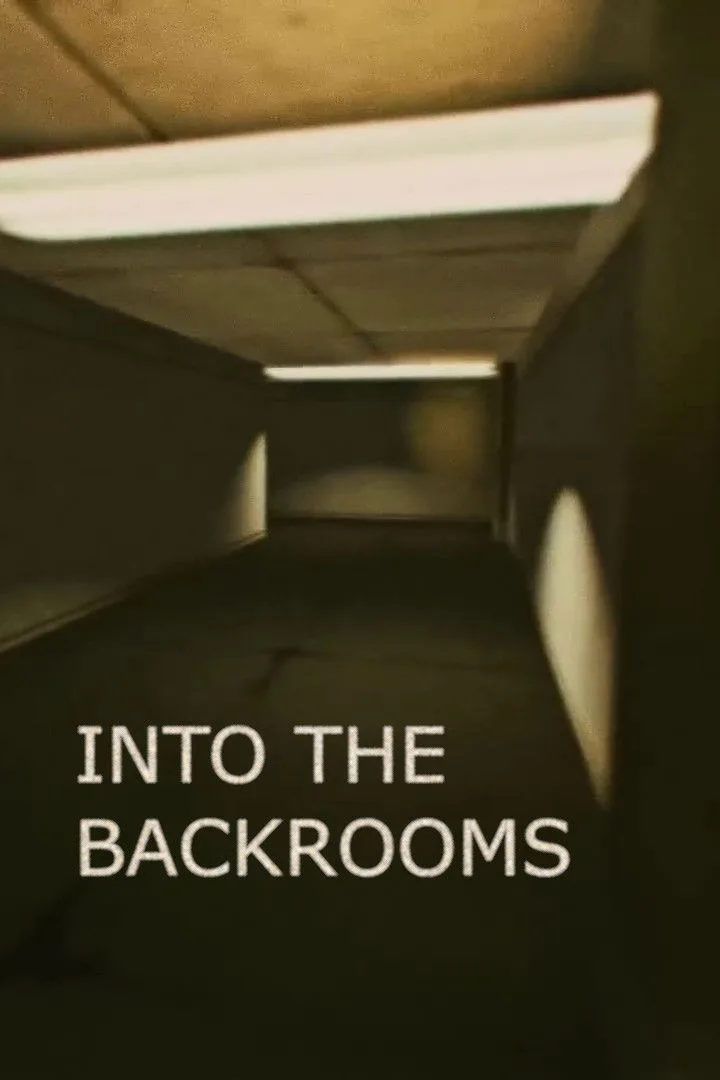
The Single Image That Started It All
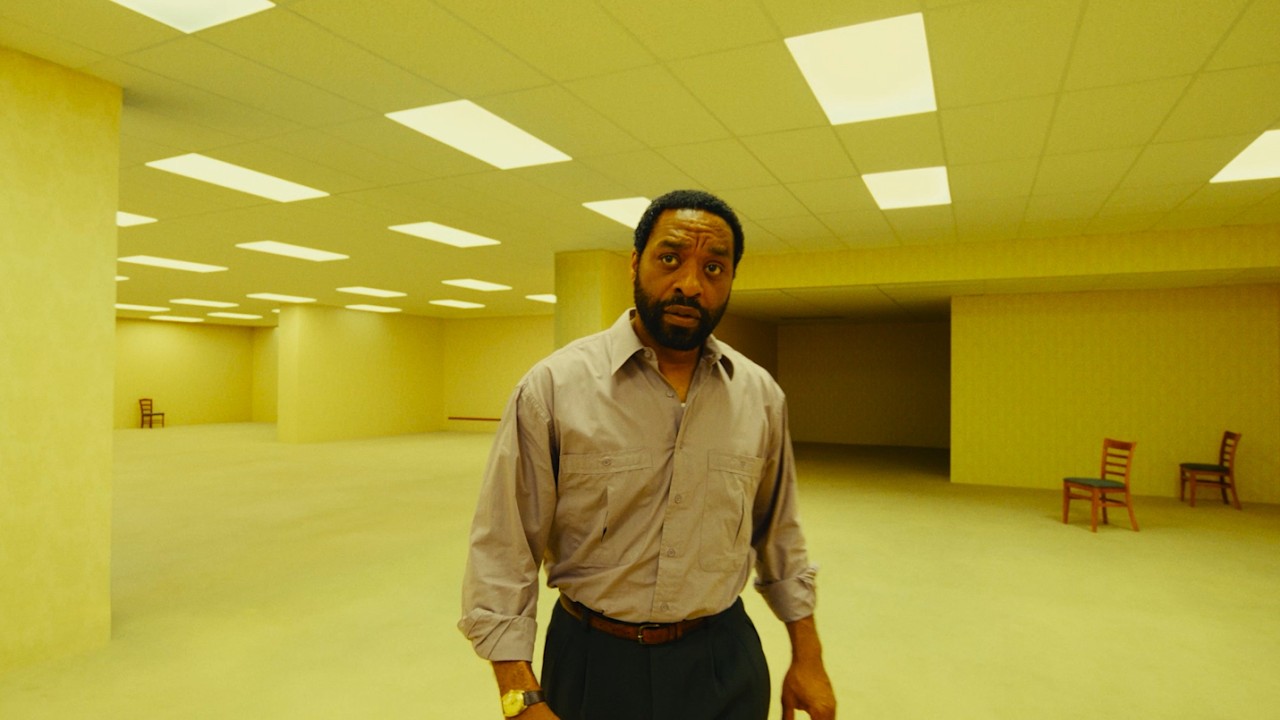
The story of the Backrooms’ meteoric rise to a $118 million valuation begins not in a studio pitch meeting, but with a single, unsettling image uploaded to 4chan in May 2019. This image depicted what appeared to be an endless expanse of yellow-wallpapered rooms, fluorescent lights buzzing, and damp, stained carpets – a place both familiar and terrifyingly devoid of human presence. It was an aesthetic that resonated deeply, tapping into a subconscious fear of liminal spaces, those transitional areas that are not quite here, not quite there, and yet profoundly unsettling in their emptiness. The photograph, seemingly mundane, contained an inherent narrative hook, a silent question that demanded answers: “Where is this, and how do I get out?” This visual prompt, devoid of context, was the perfect catalyst for a collective online imagination. It wasn’t polished, it wasn’t branded, it was raw and evocative. This raw power is something many filmmakers overlook, often prioritizing high production value over genuine emotional resonance. Understanding this fundamental appeal is crucial for anyone looking to create compelling content, whether for a sprawling feature or a concise short film.
The original post on 4chan’s /x/ (paranormal) board was accompanied by a simple, chilling caption describing an individual “noclpping” out of reality into this desolate realm. This concept of “noclpping”, passing through solid objects, was instantly adopted, providing a foundational mythos for the image. The immediate reaction wasn’t just fear; it was curiosity, a desire to explore the implications of such a space. Users began to elaborate, adding layers of lore, speculating on its inhabitants, its dangers, and its rules. This initial, anonymous contribution became the accidental seed of a global phenomenon. It showcased the power of a singular, striking visual to ignite collective storytelling, a lesson that should not be lost on creators. The image’s simple yet profound impact highlights how even the most basic AI prompts can generate compelling visual ideas, proving that inspiration can come from anywhere. This organic growth, fueled by user-generated content, bypassed traditional gatekeepers entirely, demonstrating a new pathway for intellectual property development that filmmakers must acknowledge and potentially leverage.
From 4chan to Global Phenomenon: The Backrooms Origin Story
The backrooms origin is a masterclass in decentralized IP creation. What began as an anonymous post quickly evolved through the collaborative efforts of thousands of internet users. The initial 4chan thread exploded with replies, each adding a new detail, a new layer to the lore. Users theorized about different “levels” within the Backrooms, describing various environments, entities, and survival strategies. This collective world-building, unconstrained by a single author or corporate entity, allowed the concept to grow exponentially, adapting to the creative input of its burgeoning community. It was a true bottom-up approach to narrative development, proving that powerful stories don’t always need a centralized studio system to take root. This is a crucial insight for anyone interested in the future of media, particularly as tools like AI Render Pro, the prompting tool for filmmakers and creatives democratize content creation.

The concept transcended 4chan, migrating to Reddit, YouTube, and various wikis dedicated solely to cataloging the expanding Backrooms lore. Each platform fostered its own sub-communities, contributing unique interpretations and expanding the mythos further. This iterative, community-driven development ensured that the Backrooms remained fresh and adaptable, constantly absorbing new ideas and evolving alongside its audience. The sheer volume of user-generated content, stories, fan art, theories, and even music, cemented its status as a cultural touchstone. It became a shared nightmare, a collective narrative experiment that showcased the immense creative potential residing within online communities. The organic spread and adaptation of the Backrooms concept underscore the importance of understanding internet culture, particularly in an era where navigating online anger and engagement is critical for any public-facing content. This viral proliferation laid the groundwork for its eventual commercial success, proving that audience engagement, even in its most chaotic forms, is a powerful indicator of potential market value. The inherent virality of the backrooms origin narrative demonstrates how quickly a compelling idea can take hold, even without a marketing budget.
The Anatomy of a Viral Sensation: Why The Backrooms Resonated
The Backrooms resonated because it tapped into several primal human anxieties and psychological triggers. Firstly, the concept of liminal spaces – those transitional, often unsettling environments like empty hallways, abandoned malls, or deserted offices – evokes a sense of uncanny dread. These are places designed for human activity, yet their emptiness feels profoundly wrong, a glitch in the fabric of reality. The original image perfectly encapsulated this feeling, creating an instant connection with anyone who has ever felt a shiver in a forgotten corner. This psychological depth, born from a simple image, is a powerful lesson in visual storytelling. Filmmakers often strive for grand narratives, but sometimes, the most impactful stories are those that tap into universal, unspoken fears. This phenomenon is not unlike the psychological impact of well-crafted cyberpunk prompts for AI art, which can evoke complex emotions through specific visual cues.
Secondly, the creepypasta format, which the Backrooms quickly adopted, thrives on ambiguity and collaborative terror. By offering a compelling premise without definitive answers, it invited audiences to fill in the blanks, making the experience deeply personal and interactive. This participatory aspect transformed passive consumption into active engagement, fostering a strong sense of ownership among its nascent fanbase. People weren’t just reading a story; they were co-creating it. This collective imagination amplified the horror, as each new contribution added another layer of dread and possibility. The genius lay in its open-ended nature, allowing for endless interpretations and expansions. This method of audience engagement is increasingly relevant in a world where AI search is changing everything creative work, making discoverability and community interaction paramount. The lack of a single, authoritative canon allowed the Backrooms to become a blank canvas for countless creators, from amateur writers to seasoned game developers, all contributing to its expanding universe and, eventually, its $118 million valuation. The initial image, the very first glimpse of the Backrooms, was a masterclass in implicit narrative.
Community-Driven Narrative: The Unconventional Development Model
🎬 AI Render Pro Studio, the AI film production suite I built and use on my own productions. Script breakdown, storyboards, 30+ video models including Seedance 2.5 and Kling O3, image generation, retouch, 7K upscaling and audio, all in one browser workspace. $19/month flat, bring your own API keys and pay providers at cost, no credit packs, no markup. Try AI Render Pro Studio →
The Backrooms’ journey from a 4chan post to a multi-million-dollar franchise is a testament to the power of community-driven narrative development. Unlike traditional media properties, which are meticulously crafted by a centralized team, the Backrooms lore evolved organically through countless contributions from anonymous internet users. This decentralized approach allowed for rapid iteration, diverse interpretations, and a constant influx of fresh ideas. Wikis, forums, and subreddits became informal writers’ rooms, where concepts like “Level 0,” “entities,” and “safe zones” were debated, refined, and codified. This collective authorship, while chaotic, resulted in a rich, expansive, and deeply engaging universe that felt authentic because it was built by the very people who loved it. This model challenges the notion that successful IP must originate from established studios or recognized authors. Understanding this shift is vital for filmmakers looking to tap into new sources of compelling content, especially when considering how to adapt such properties using tools like AI vision techniques to visualize these community-created worlds.
This unconventional development model fostered an unparalleled level of audience investment. Because fans felt they were active participants in shaping the Backrooms, their loyalty and engagement ran deep. They weren’t just consumers; they were co-creators. This sense of ownership proved invaluable when the property began to transition into more formalized media, such as video games and short films. The existing community provided a built-in audience, eager to consume and support adaptations of the lore they had helped build. This pre-vetted, highly engaged fanbase significantly de-risked subsequent commercial ventures, making the Backrooms an attractive proposition for investors and producers. It’s a powerful example of how public domain concepts, born from collective imagination, can be monetized effectively without a traditional IP owner from the outset. This unique development trajectory from the initial backrooms origin on 4chan directly contributed to the massive financial success. The community’s passion was essentially free market research, proving the viability of the concept long before any significant investment was made. This bottom-up approach to IP building is a paradigm shift that demands attention from every producer and director.
The First Monetization Wave: Games and Short Films
The initial commercial traction for the Backrooms didn’t come from Hollywood but from independent creators on platforms like YouTube and Steam. The evocative nature of the original image and the burgeoning lore made it fertile ground for video game developers and short filmmakers. The horror genre, in particular, found a perfect canvas in the unsettling, infinite corridors of the Backrooms. Independent game developers, often working with minimal budgets, began to produce games that allowed players to explore these terrifying environments, encountering the “entities” and attempting to survive. Games like The Backrooms Game and Escape the Backrooms quickly gained popularity, leveraging the existing fan base and offering interactive experiences that deepened the immersion. These games, often sold for modest prices, collectively began to generate significant revenue, proving the commercial viability of the concept. This period was crucial in demonstrating that the backrooms origin had tangible market value beyond internet memes.
Concurrently, independent filmmakers, particularly on YouTube, started creating live-action and CGI short films based on the Backrooms lore. These projects, often characterized by their “found footage” aesthetic and atmospheric horror, quickly garnered millions of views. A standout example is the work of then 16-year-old Kane Pixels, whose series of Backrooms shorts on YouTube meticulously recreated the unsettling atmosphere of the original image and its expanded lore. His videos were a viral sensation, praised for their high production quality despite their independent origins. These shorts further expanded the Backrooms’ reach, attracting new audiences and solidifying its status as a legitimate horror property. The success of these independent games and films served as the first wave of monetization, collectively contributing to the eventual $118 million figure. They proved that the demand for Backrooms content was not only strong but also capable of generating substantial income, paving the way for larger studio interest. This era highlighted the power of accessible tools and platforms for creators, a philosophy echoed in products like DesignHero Shop, filmmaker merch and creative tools, which aims to empower independent artists.
Kane Pixels and the Hollywood Gateway to $118M
The transition of the Backrooms from a grassroots internet phenomenon to a multi-million-dollar Hollywood property is largely attributed to the viral success of Kane Pixels’ YouTube series. His meticulously crafted short films, starting with “The Backrooms (Found Footage)” in 2022, demonstrated the cinematic potential of the concept with chilling effectiveness. These shorts weren’t just fan-made content; they were professional-grade productions that captured the terrifying essence of the Backrooms, earning tens of millions of views and widespread critical acclaim. Kane Pixels, a teenager at the time, became the de facto face of the phenomenon’s visual adaptation. His work proved that the atmosphere, the lore, and the intrinsic horror of the Backrooms could translate seamlessly to a cinematic format, captivating a broad audience beyond the internet’s niche horror communities. This was the turning point that caught the attention of major studios.
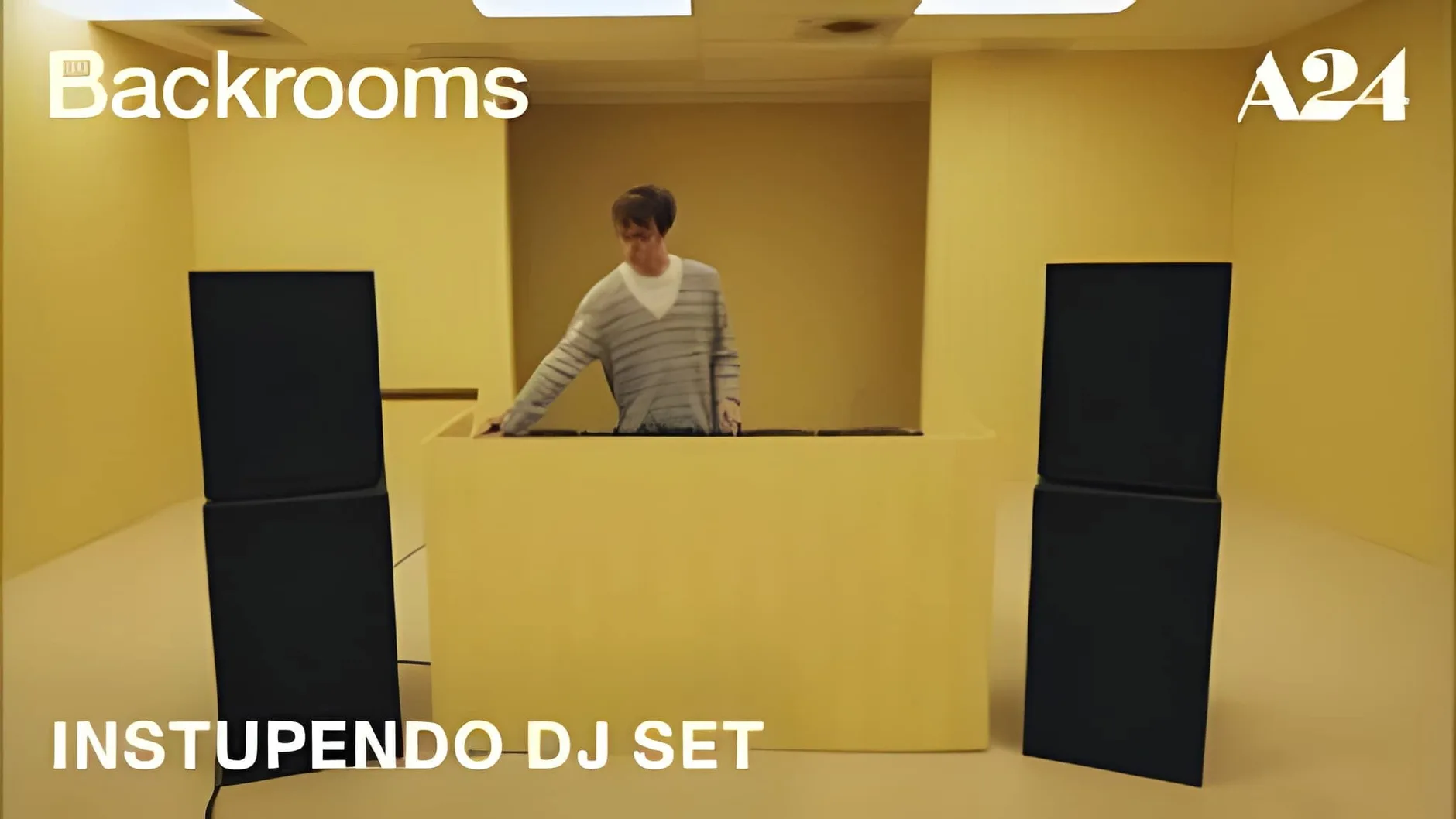
The impact of Kane Pixels’ work was undeniable. It wasn’t long before Hollywood came calling. In February 2022, it was announced that A24, known for its distinctive horror films, was developing a feature film based on the Backrooms, with Kane Pixels attached to direct. This development was a monumental validation of the concept’s commercial viability and a direct consequence of the organic, community-driven popularity stemming from the backrooms origin. The film deal, along with subsequent game licenses, merchandise, and other adaptations, contributed significantly to the reported $118 million valuation. This figure isn’t solely from the film’s projected earnings but encompasses the cumulative revenue generated across various media, all catalyzed by the undeniable proof of concept provided by Kane Pixels’ viral shorts. This narrative highlights how a compelling visual, combined with grassroots momentum and a talented independent creator, can unlock massive financial opportunities in the entertainment industry. The story serves as a powerful reminder of how a single creator’s vision can propel an entire phenomenon into the mainstream, echoing the impact of groundbreaking visual effects and AI film creations that captivate audiences. The Backrooms on Wikipedia documents this journey, highlighting its evolution from meme to mainstream IP.
Beyond the Screen: Merchandise and Spin-offs Driving Revenue
The $118 million figure for the Backrooms saga is not solely derived from film deals or video game sales; it represents a diversified revenue stream that extends into merchandise, ancillary rights, and various spin-off projects. Once a property achieves widespread recognition and a dedicated fanbase, the opportunities for monetization expand exponentially. For the Backrooms, this meant everything from apparel featuring its iconic yellow walls and unsettling imagery to collectible items and fan-created content that, in some cases, secured licensing agreements. The simplicity and distinct visual identity of the Backrooms lent itself perfectly to merchandise, allowing fans to express their connection to the lore. This broad commercial appeal, stemming directly from the image’s initial impact, is a critical component of its overall financial success. It’s a lesson in how a strong, identifiable aesthetic, even a minimalist one, can be a powerful asset for branding and revenue generation.
Furthermore, the expansive and modular nature of the Backrooms lore encouraged various spin-offs and independent adaptations that, while not always directly controlled by a single entity, added to the property’s overall market value and cultural footprint. This includes numerous independent horror games, escape room experiences, fan fiction anthologies, and even musical compositions inspired by its eerie atmosphere. While tracking every single dollar is impossible, the cumulative effect of this ecosystem of content significantly bolsters the brand’s perceived and actual value. The “open-source” nature of the backrooms origin allowed for this explosion of creativity and commercial activity, creating a vibrant marketplace around the concept. This multi-pronged approach to monetization is a model for creators and producers, illustrating that true IP power lies in its ability to transcend a single medium and permeate various aspects of popular culture. This diversified revenue stream highlights the importance of comprehensive rights deals, as explored in discussions around 17 Million Reasons Why This Rights Deal is Remarkable. Variety’s report on the Backrooms film deal underscored the industry’s recognition of this widespread appeal.
The New IP Incubator: Internet Culture as a Pre-Production Studio
The Backrooms phenomenon vividly illustrates that internet culture has become a powerful, decentralized pre-production studio, incubating intellectual property with unparalleled efficiency. The traditional model of studios investing heavily in script development, concept art, and market research before committing to a project is being challenged by the organic, community-driven validation found online. An image or concept like the Backrooms can generate millions of views, thousands of fan theories, and dozens of independent adaptations long before a single studio executive even hears about it. This provides an invaluable proof of concept: a pre-vetted audience, a rich narrative universe already fleshed out by collective imagination, and a demonstrable demand for content. This is a game-changer for risk-averse industries like filmmaking.
For producers and directors, this means paying close attention to emerging trends on platforms like 4chan, Reddit, TikTok, and YouTube. These platforms are not just distribution channels; they are incubators where the next major franchises are being born. The success of the Backrooms, stemming directly from its backrooms origin on an anonymous imageboard, underscores the potential for discovering compelling narratives that have already proven their ability to captivate and engage a massive audience. It’s a form of free market research, identifying concepts that resonate deeply with the zeitgeist. This shift demands a change in strategy for traditional content creators, encouraging them to look beyond established pipelines and actively engage with online communities. Ignoring this new IP incubator means missing out on potentially the most impactful and financially rewarding stories of the next decade. The speed at which these ideas spread and evolve online can be startling, a testament to the power of shared digital experiences and the rapid dissemination of information. Wired has explored how the internet is a machine for generating horror, further validating this new IP landscape.
Lessons for Filmmakers: Embracing Decentralized Creativity
The Backrooms’ $118 million journey offers critical lessons for filmmakers navigating the evolving landscape of content creation and monetization. Firstly, it emphasizes the enduring power of a strong, singular concept or image. The original 4chan post, despite its simplicity, contained a potent idea that sparked boundless imagination. Filmmakers should focus on developing core concepts that are inherently compelling and allow for audience participation, rather than solely relying on complex narratives. This means understanding what truly resonates with a broad audience, often found in shared anxieties or universal human experiences. Secondly, the saga highlights the immense value of decentralized creativity. By allowing a community to collectively build upon an initial idea, the Backrooms gained depth, breadth, and a loyal fanbase that no single creator could have achieved alone. Filmmakers should explore ways to engage with communities, solicit feedback, and even integrate fan contributions into their projects where appropriate, fostering a sense of shared ownership. This collaborative spirit is increasingly important, much like the open-source nature of many creative tools today, including those in Hero’s Essentials: filmmaker gear and tools.
Thirdly, the Backrooms demonstrates that “low-fi” can be “high-impact.” The initial image and many early adaptations thrived on their raw, unsettling aesthetic, proving that high production budgets are not always a prerequisite for viral success or deep emotional resonance. Filmmakers should prioritize authenticity and atmospheric impact over polished extravagance, especially when developing horror or genre content. The accessibility of tools like Google Gemini Omni Video Editing Features further lowers the barrier to entry for creating high-quality, impactful content. Finally, the Backrooms story is a clear signal that traditional gatekeepers are losing their absolute grip on IP development. The next big thing might not come from a studio’s development slate but from an anonymous post on a forum. Filmmakers must be agile, observant, and willing to seek inspiration and even collaboration in unconventional places, recognizing that the true backrooms origin was a collective spark, not a corporate mandate. This shift demands a more fluid, adaptive approach to identifying and cultivating promising narratives, turning the entire internet into a potential source of blockbuster ideas.
The Future of Fandom-Driven Franchises and The Backrooms Legacy
The Backrooms’ journey from a single image to a $118 million franchise represents a significant turning point in the entertainment industry, establishing a clear legacy for fandom-driven IP. This model, where an idea organically germinates and flourishes within online communities before gaining mainstream commercial traction, is poised to become increasingly prevalent. The success demonstrates that authenticity, community engagement, and a compelling core concept can bypass traditional development hurdles and cultivate a pre-existing audience eager for adaptations. This is not a fleeting trend but a fundamental shift in how intellectual property is discovered, validated, and ultimately monetized. Filmmakers and studios that recognize and adapt to this paradigm will be better positioned to identify and capitalize on the next wave of cultural phenomena. The backrooms origin will be studied as a case model for years to come.
The legacy of the Backrooms encourages a more democratic approach to content creation, where the audience plays an active role not just as consumers, but as co-creators. This fosters a deeper connection and loyalty that traditional marketing campaigns often struggle to achieve. As technology continues to empower individual creators and facilitate global collaboration, the potential for similar “bottom-up” franchises will only grow. The challenge for the industry will be to navigate the complexities of intellectual property rights when the origin is anonymous and collaborative, as well as to cultivate these properties without stifling the very creativity that made them successful. The Backrooms is a powerful reminder that the most impactful stories often emerge from unexpected places, driven by the collective imagination of millions. It signals a future where the internet itself is the ultimate focus group, the most dynamic creative incubator, and the proving ground for the next generation of multi-million-dollar franchises. The shift is undeniable, and those who ignore it do so at their peril. The success of games like The Backrooms Game further solidified this new model of IP development.
Every AI illustration in this article was crafted using AI Render Pro, the same prompting engine used across this blog. Read the full breakdown here.
Frequently Asked Questions
What is the Backrooms?
The Backrooms is an internet creepypasta and urban legend that originated from a single unsettling image posted on 4chan in 2019. It depicts an endless maze of yellow-wallpapered rooms, fluorescent lights, and damp carpets, embodying a liminal space that is both familiar and terrifyingly empty.
How did the Backrooms become so popular?
Its popularity stemmed from its evocative image and the collaborative storytelling of internet communities on platforms like 4chan, Reddit, and YouTube. Users collectively expanded the lore, creating different “levels,” entities, and survival strategies, fostering a deep sense of engagement and ownership among fans.
Who created the original Backrooms image?
The original image of the Backrooms was posted anonymously on 4chan in May 2019. Its creator remains unknown, which has only added to the mystique and collaborative nature of the phenomenon.
How did the Backrooms earn $118 million?
The $118 million figure represents the cumulative earnings from various adaptations, including successful independent video games, viral YouTube short films (notably by Kane Pixels), and a major Hollywood feature film deal with A24. It also includes potential revenue from merchandise and other licensed spin-offs.
What does the Backrooms’ success mean for the film industry?
It signifies a major power shift, demonstrating that compelling IP can originate from decentralized internet communities and gain massive traction without traditional studio backing. It encourages filmmakers to look to online culture for pre-vetted, audience-validated concepts and to embrace community-driven narrative development.
Discover more from Olivier Hero Dressen Blog: Filmmaking & Creative Tech
Subscribe to get the latest posts sent to your email.

Work with Olivier
Director | CD | DP & Photographer
Specializing in commercials, music videos, AI-driven filmmaking, and cinematic storytelling for brands and production companies.
🌍 Shanghai · Paris · Los Angeles · Dubai
🎬 View Portfolio & Get in Touch