

Key Takeaways
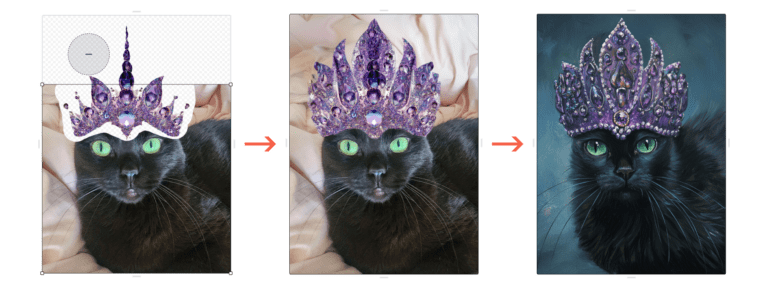
- First insight, Google Gemini Omni, unveiled at Google I/O 2026, marks the definitive shift from prompt-based generative video to a truly conversational AI video editing experience, replacing the previous Veo model.
- Craft highlight, The ability to iterate on video edits by simply talking to the AI, much like a human editor, eliminates the frustrating “generate, hate, re-prompt” loop, making pre-visualization and concept development faster and more intuitive for filmmakers.
- Industry context, Gemini Omni’s integration into the Gemini app, Google Flow, and YouTube Shorts positions it as a versatile competitor to OpenAI Sora and Adobe Firefly, while its SynthID watermarking addresses deepfake concerns without stifling creative freedom.
- Bottom line, This is not just another generative tool; Gemini Omni transforms video editing into an interactive dialogue, making AI a genuine production partner capable of handling complex creative briefs and accelerating professional workflows.
The landscape of video editing underwent a seismic shift at Google I/O 2026 with the unveiling of Google Gemini Omni, a conversational AI model poised to revolutionize how filmmakers and creators interact with generative content. As a director who has navigated the evolving currents of digital production for two decades, from the early days of Google Flow to the more recent iterations of Veo, I can confidently state that this is the moment AI transcends gimmickry and becomes an indispensable production tool. Gemini Omni isn’t just about generating stunning visuals; it’s about engaging in a dialogue with your creative vision, enabling an iterative process that mirrors the dynamic exchange you’d have with a human editor. It eradicates the most frustrating loop in generative video, the endless cycle of “generate, hate it, re-prompt from scratch”, by allowing us to refine, adjust, and evolve our output through natural language.
Need a Director for Your Next Project?
From commercials to branded campaigns—Olivier brings creative vision and technical expertise.
→ View Projects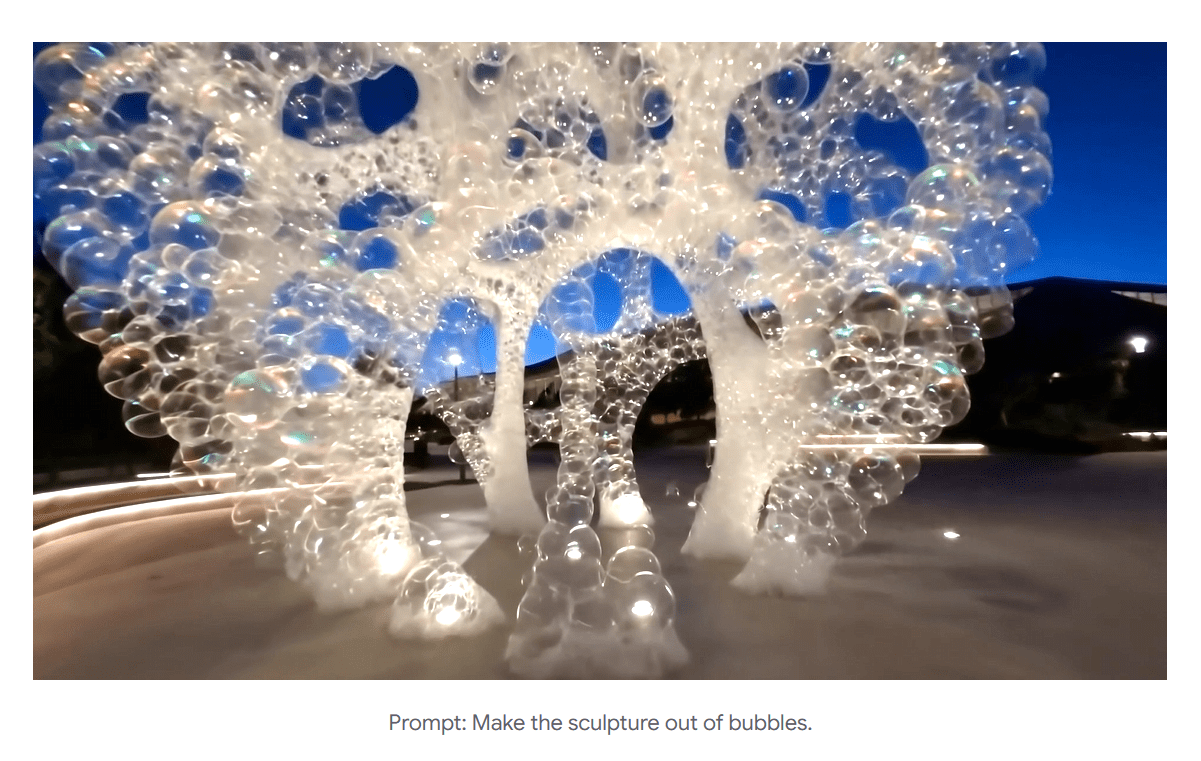
The Dawn of Conversational Video Editing: Gemini Omni’s Core Promise
Google Gemini Omni, heralded at Google I/O 2026, represents a monumental leap in artificial intelligence for creative industries, particularly in the realm of video editing. This isn’t just an upgrade; it’s a paradigm shift. For years, generative AI models promised to streamline content creation, but often left a gap between initial prompt and desired outcome. The core promise of Gemini Omni is to bridge that gap through true conversational interaction. Instead of meticulously crafting text prompts, users can now literally talk to their video, describing changes, requesting stylistic adjustments, and iterating on edits in real-time. This model moves beyond the transactional nature of previous AI interfaces, fostering a collaborative partnership between human creativity and machine intelligence. The ability to articulate nuanced artistic directions, like “make the lighting softer, add a touch of golden hour glow, and subtly increase the depth of field,” and see those changes implemented instantly, is a game-changer for any filmmaker. It transforms the often-frustrating process of AI art generation into something akin to directing a dedicated, endlessly patient editor.
The implications for professional workflows are profound. Imagine a director on set, quickly needing to visualize a complex shot sequence with different camera angles or lighting conditions. With Gemini Omni, that pre-visualization can be generated, reviewed, and refined conversationally within minutes, informing on-set decisions with unprecedented speed and accuracy. This interactive feedback loop accelerates creativity by removing technical barriers and allowing the artist to stay focused on the narrative and aesthetic. It’s a fundamental reimagining of what AI can do for creative professionals, moving from a tool that executes commands to a partner that understands intent. The underlying technology behind Gemini Omni leverages a deeper understanding of contextual language and visual semantics, allowing it to interpret subjective creative directions with remarkable precision. This level of sophistication is what sets it apart, promising to make the AI video editing experience feel less like coding and more like collaborating. For those of us who’ve been using tools like AI Render Pro, the prompting tool for filmmakers and creatives, the conversational interface of Gemini Omni takes the power of precise prompting to an entirely new dimension of interactivity. This is where AI truly starts to understand the language of filmmaking, not just the language of data. For more on the foundational technology, exploring Google Gemini on Wikipedia offers a broader context of the underlying AI advancements.
Beyond Prompts: How Talking to Your Edit Changes Everything
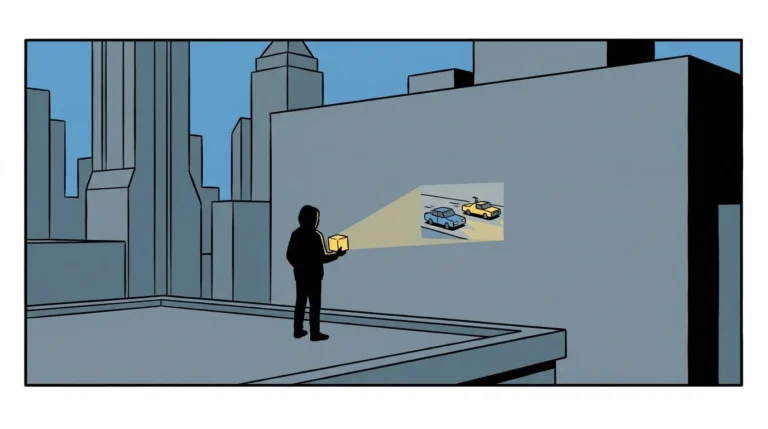
The shift from text-based prompts to conversational interaction with Gemini Omni fundamentally redefines the creative process, particularly in video editing. For years, generative AI users have wrestled with the limitations of prompt engineering, the art of crafting precise text inputs to coax the desired output from a model. This often involved endless trial and error, a painstaking process of refining keywords, adding modifiers, and experimenting with structures, only to find a small change could drastically alter the result. Gemini Omni eradicates this friction. Now, instead of typing “wide shot, dramatic lighting, rain falling, character looking pensive, film noir style, 1940s detective,” you can simply say, “Show me a wide shot of a detective looking pensive in the rain, make it feel like a classic film noir from the 40s.” Then, crucially, you can follow up with, “Now, soften the rain slightly, and add a subtle streetlamp reflection in the puddle near his feet.” This iterative, natural language dialogue is where the real power lies.
This conversational capability is not merely a convenience; it’s a creative accelerator. It allows filmmakers to explore ideas with unprecedented fluidity, reducing the cognitive load associated with technical prompting and enabling a more direct connection between thought and execution. The ability to refine an image or sequence by simply articulating your artistic intent, rather than translating it into a machine-readable prompt, frees up mental energy to focus on storytelling and visual composition. This is particularly valuable for pre-visualization, where speed and flexibility are paramount. You can brainstorm, experiment, and adjust on the fly, transforming abstract concepts into tangible visuals with minimal delay. This interactive feedback loop mirrors the dynamic of a human creative partnership, making the AI feel less like a tool and more like a collaborator. It’s a leap forward that promises to make complex video editing tasks accessible to a wider range of creators, while simultaneously empowering seasoned professionals to push the boundaries of their craft. The future of creative workflows, as envisioned by Google I/O 2026, is one where the AI understands not just what you say, but what you mean. For directors looking to integrate advanced AI into their daily routine, understanding the nuances of conversational AI is as crucial as mastering traditional camera techniques. Our recent article on 5 Proven AI Ethics Secrets for Filmmakers: Avoid Disaster! highlights the importance of responsible innovation even as these powerful tools emerge. This conversational interface also opens new avenues for LinkedIn viral content strategy using AI in 2026, enabling creators to rapidly produce engaging visual narratives for professional platforms.
Gemini Omni in Google Flow: A Filmmaker’s New Pre-Visualization Powerhouse
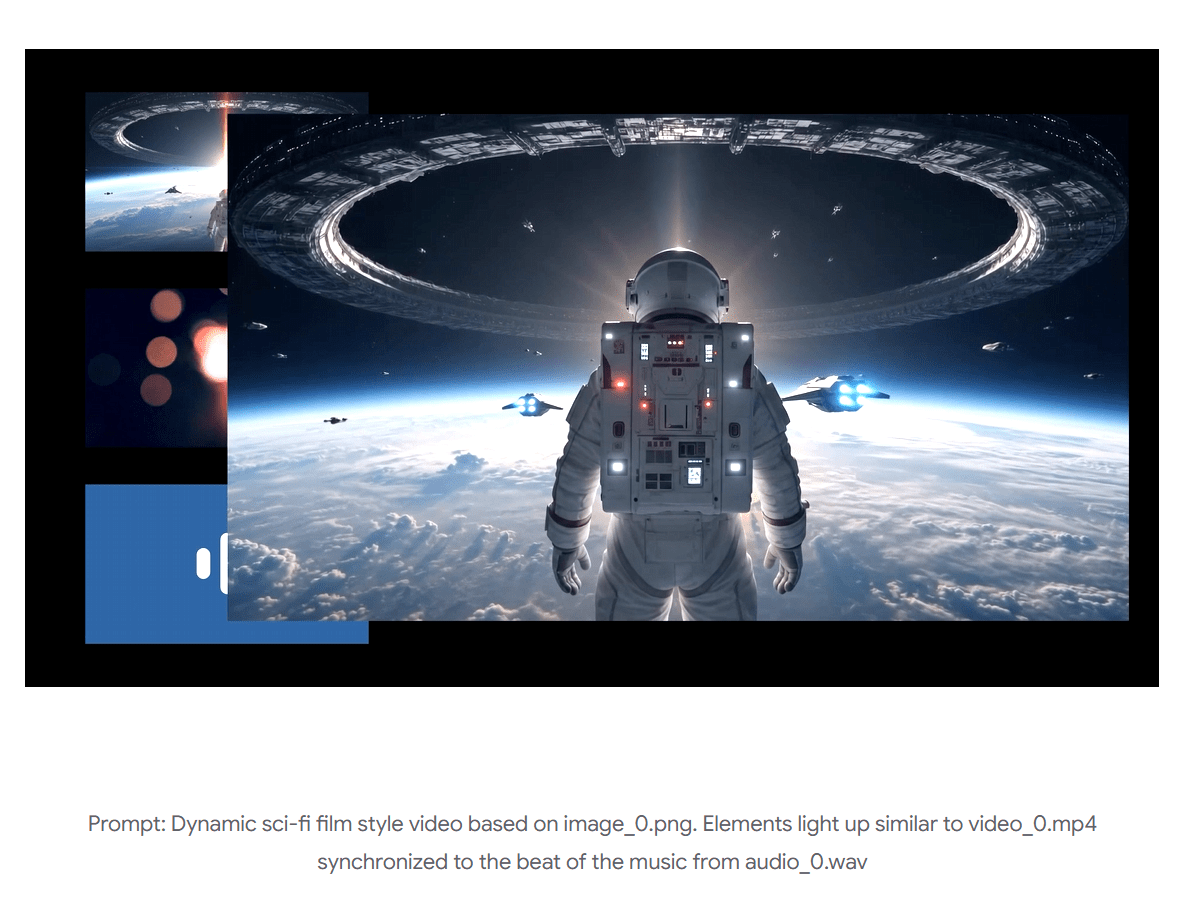
For those of us entrenched in the filmmaking industry, Google Flow has long been a vital ecosystem for creative collaboration and project management. The integration of Gemini Omni into Google Flow at I/O 2026 is nothing short of revolutionary, particularly for pre-visualization and concept development. Imagine being able to sketch out a scene in Google Flow, then, without leaving the environment, articulate your vision to Gemini Omni, generating high-fidelity video sequences that capture the mood, lighting, and camera movement you’re aiming for. This isn’t just about generating static storyboards; it’s about crafting dynamic, editable video clips that bring your script to life before a single frame is shot. The conversational interface of Gemini Omni means you can refine these pre-vis clips with unparalleled ease. “Make that character’s expression more conflicted,” you might say. “Shift the camera slightly lower, add a subtle lens flare, and make the background slightly out of focus.” Gemini Omni processes these requests, instantly updating the video, allowing for rapid iteration and exploration of creative choices.
This capability fundamentally changes the pre-production workflow. Directors can now experiment with an infinite number of scenarios, camera angles, and stylistic approaches without the time and expense of physical production. It empowers a level of creative freedom and detailed planning previously unimaginable. For producers, this means clearer communication of artistic intent to crew members, more precise budgeting based on pre-visualized shots, and a significantly reduced risk of costly reshoots due to misinterpretation. It’s about bringing the spontaneity of a brainstorm directly into the visual creation process. Beyond pre-visualization, the integration allows for rapid prototyping of visual effects sequences, test renders of complex CG elements, and even the creation of mood reels that perfectly articulate the desired tone of a project. The seamless connectivity within Google Flow ensures that these Gemini Omni-generated assets can be easily shared, reviewed, and incorporated into broader project plans, streamlining communication across departments. This powerful synergy between Gemini Omni and Google Flow truly makes AI a co-pilot in the creative journey. For directors already leveraging A Director’s Guide to Googleflow: How to Craft Music Videos in 2026, this new integration will feel like a natural, yet incredibly potent, extension of their existing toolkit. The speed and quality of iteration this provides is a significant competitive advantage, as highlighted by reports from sources like TechCrunch on Google I/O 2026 and Gemini Omni, which underscore the practical applications for filmmakers.
Replacing Veo: A Seamless Transition for Next-Gen Video Editing
For many of us who have followed Google’s advancements in generative AI, Veo was a significant step forward, offering impressive capabilities for generating video from text prompts. However, with the arrival of Gemini Omni, Google has signaled a clear evolution, positioning Omni as the successor that will ultimately replace Veo. This transition isn’t merely about a name change; it represents a qualitative leap in functionality, moving beyond Veo’s prompt-centric generation to a far more intuitive and powerful conversational video editing experience. While Veo laid important groundwork, its interface still required a degree of “prompt engineering” to achieve precise results. Gemini Omni, by contrast, embraces natural language dialogue, allowing for iterative refinement and a more organic creative flow. This means that users familiar with Veo’s core capabilities will find Omni to be a natural, yet vastly more capable, extension of what they’ve come to expect.
The transition aims to be seamless, with Google likely providing clear pathways for Veo users to migrate their projects and adapt to the new conversational paradigm. The underlying generative capabilities of Gemini Omni are built upon, and significantly advanced from, the foundations established by Veo, meaning the quality and fidelity of the generated video are expected to be even higher. This continuity ensures that the investment creators have made in understanding Google’s generative video ecosystem is not lost, but rather amplified. For filmmakers, this means less time spent learning a completely new system and more time leveraging enhanced features. The conversational aspect, in particular, addresses the biggest pain point of earlier generative models: the frustration of having to re-prompt from scratch for minor adjustments. With Gemini Omni, those adjustments become part of an ongoing conversation, making the entire video editing process far more efficient and creatively liberating. This evolution is a testament to Google’s commitment to pushing the boundaries of AI in creative fields, providing tools that genuinely empower artists. The capabilities of Gemini Omni also highlight the growing importance of advanced AI in all stages of production, influencing everything from concept to final cut. For those seeking to equip their studios with the latest advancements, browsing the DesignHero Shop, filmmaker merch and creative tools can provide inspiration for integrating new tech into existing workflows. The shift from Veo to Omni is a clear indicator of the rapid pace of AI development, an area further explored in articles discussing The Hidden Blueprint: What Nvidia’s AI Startup Investments Reveal About the Future of Creativity.
Democratizing Creation: Gemini Omni Across Gemini App and YouTube Shorts
🎬 AI Render Pro Studio, the AI film production suite I built and use on my own productions. Script breakdown, storyboards, 30+ video models including Seedance 2.5 and Kling O3, image generation, retouch, 7K upscaling and audio, all in one browser workspace. $19/month flat, bring your own API keys and pay providers at cost, no credit packs, no markup. Try AI Render Pro Studio →
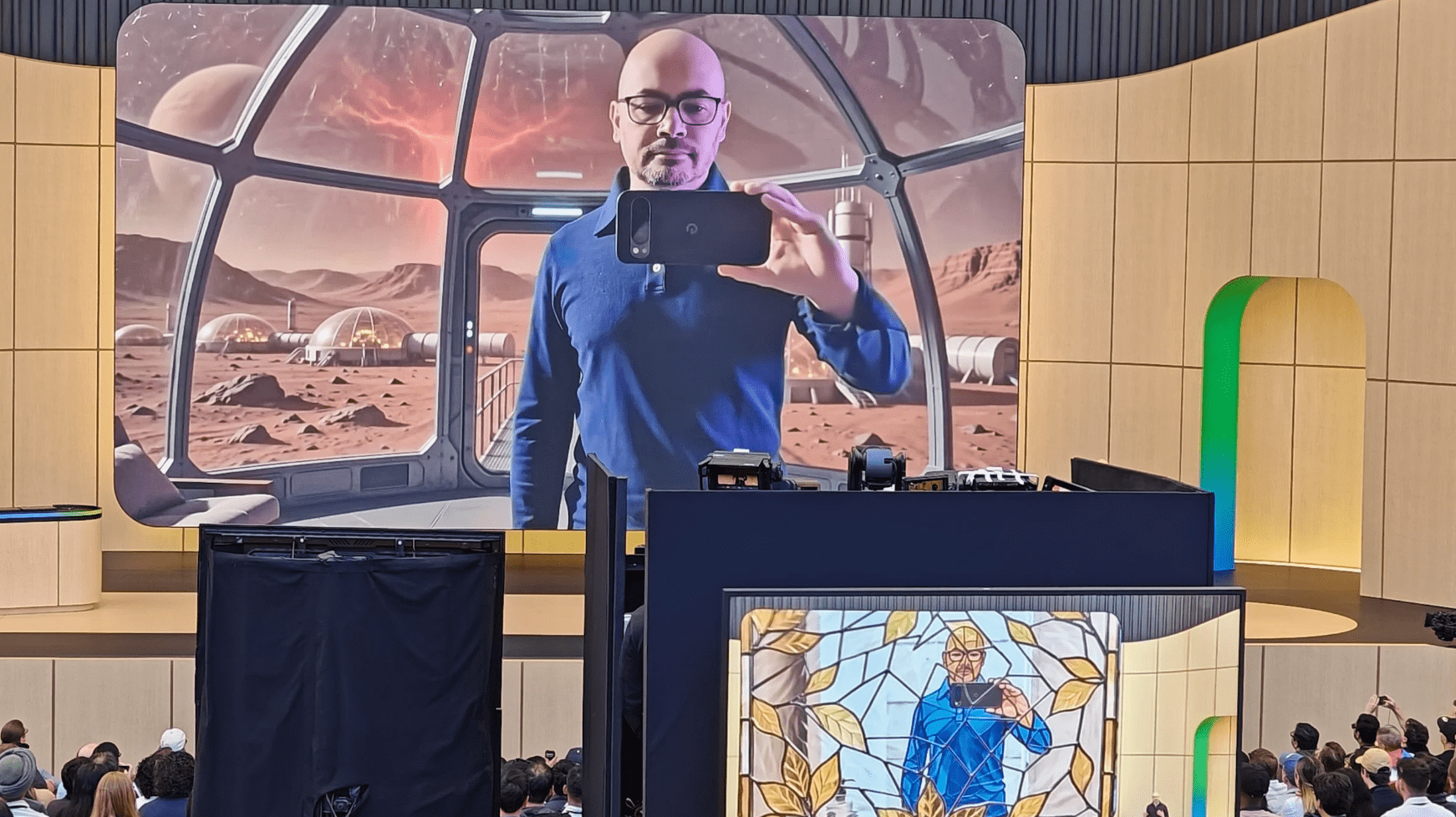
One of the most significant aspects of Google Gemini Omni’s announcement at I/O 2026 is its strategic deployment across multiple platforms: the core Gemini app, Google Flow, and crucially, YouTube Shorts. This widespread availability is a deliberate move to democratize high-quality video editing and generation, bringing sophisticated AI capabilities to both professional filmmakers and everyday content creators. For the casual user, integrating Gemini Omni into the Gemini app means that creating compelling, polished video content becomes as simple as having a conversation. Imagine describing a short video you want for a social media post – “a quick montage of my vacation, energetic music, bright colors, show the beach first, then the mountains, end with a sunset” – and having Gemini Omni generate it, ready for minor tweaks and export. This ease of use dramatically lowers the barrier to entry for video creation, empowering anyone with an idea to bring it to life visually.
The integration with YouTube Shorts is particularly impactful for the creator economy. Shorts, with its focus on rapid, engaging vertical video, is a prime candidate for AI-driven content generation. Creators can now ideate, generate, and edit short-form videos directly within the YouTube ecosystem, leveraging Gemini Omni’s conversational interface to quickly produce viral-worthy content. This could range from generating dynamic intros and outros, creating visually rich background elements, or even crafting entire short narratives from a few spoken prompts. The speed and accessibility of this approach could fundamentally alter how short-form content is produced and consumed, allowing creators to focus more on their ideas and less on the technical intricacies of video editing. This democratization doesn’t just benefit amateurs; it also provides professionals with a rapid prototyping tool for social media campaigns, allowing them to test concepts and iterate on visual styles with unprecedented efficiency. The vision is clear: make powerful AI video creation accessible everywhere, enabling a new wave of creativity. This broad availability ensures that the power of conversational AI extends beyond the professional studio, reaching every creator. The implications for content creation are vast, mirroring the accessibility discussions found in our article on Global Drama: Why It’s About to Explode!, which touches on how new tools can broaden creative reach. Reports from Wired on Gemini Omni’s impact further emphasize the potential for widespread creative disruption.
The SynthID Watermark: Balancing Innovation with Integrity in AI Video Editing
In an era increasingly concerned with deepfakes and the authenticity of digital content, Google’s inclusion of SynthID watermarking in Gemini Omni is a critical and highly responsible feature. Announced at Google I/O 2026, SynthID is a robust, imperceptible digital watermark designed to embed an identifier directly into AI-generated media, including videos produced by Gemini Omni. This isn’t about restricting creative freedom; it’s about providing transparency and establishing trust in AI-generated content. For filmmakers and content creators, the ability to generate incredibly realistic AI avatars and complex scenes with Gemini Omni comes with an inherent ethical responsibility. SynthID addresses this head-on by allowing viewers and platforms to definitively identify content that has been AI-generated, fostering a more honest digital ecosystem. This is a nuanced approach that acknowledges the power of generative AI while proactively mitigating its potential for misuse.
The brilliance of SynthID lies in its imperceptibility. Unlike visible watermarks that can detract from the aesthetic quality of a video, SynthID is designed to be invisible to the human eye, yet detectable by specialized tools. This ensures that the artistic integrity of the generated content remains intact, while still providing a crucial layer of metadata for authentication. For professional video editing and production, this is invaluable. It provides a means to differentiate between original footage, AI-assisted edits, and entirely AI-generated sequences, which is vital for intellectual property, journalistic integrity, and preventing the spread of misinformation. The implementation of SynthID within Gemini Omni demonstrates a commitment to responsible AI development, a topic we often discuss in the context of emerging technologies. It’s a proactive measure that aims to build a foundation of trust as AI capabilities become increasingly sophisticated. This feature is particularly relevant when considering the ethical implications of creating realistic AI avatars, a capability within Gemini Omni that could otherwise be easily exploited. It ensures that while we embrace the future of creative AI, we do so with a clear understanding of its origins and potential impact. Understanding the broader ethical frameworks for AI is paramount for creators, as discussed in our piece on 5 Proven AI Ethics Secrets for Filmmakers: Avoid Disaster!, making SynthID a welcome safeguard in advanced video editing. For a deeper dive into Google’s watermarking technology, explore their SynthID Research Paper (though primarily for images, the principles extend to video).
Crafting Digital Doubles: The Rise of AI Avatars in Gemini Omni
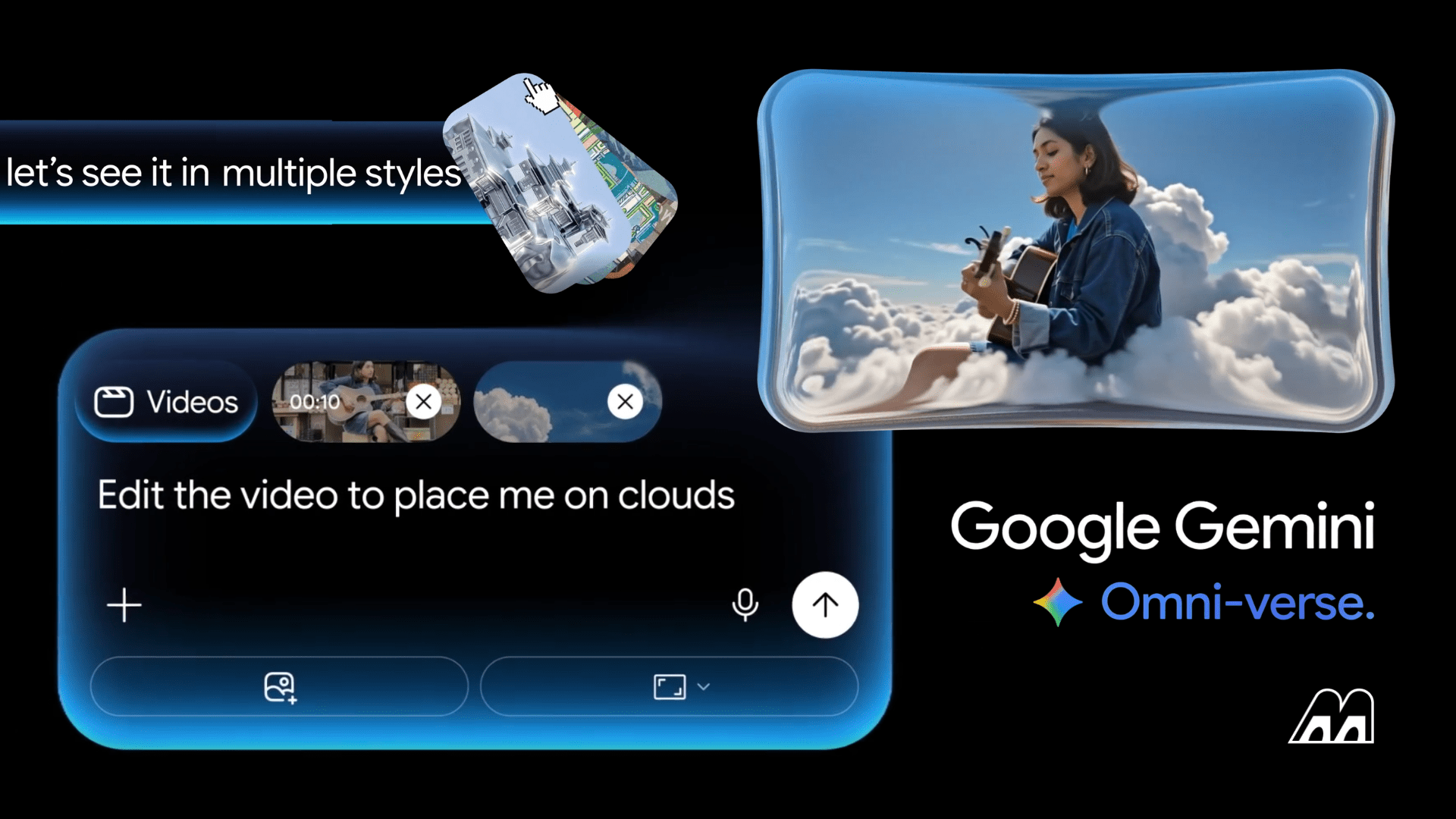
Beyond its conversational video editing prowess, Google Gemini Omni introduces a groundbreaking capability: the creation and manipulation of highly realistic AI avatars. This feature, showcased at Google I/O 2026, is set to redefine character creation and performance capture in filmmaking and digital content. Imagine being able to generate a digital double of an actor, or an entirely new synthetic character, and then direct their performance, expressions, and movements through natural language. “Make the avatar look surprised, then slowly shift to a look of understanding,” you could tell Gemini Omni. “Have them walk across the room with a slight limp, then sit down and sigh.” The AI would then generate the corresponding video sequence, complete with nuanced facial expressions and body language. This level of control opens up immense creative possibilities, from pre-visualizing complex character interactions to creating entirely synthetic performances for projects where live actors might be impractical or impossible.
For filmmakers, this means unprecedented flexibility in casting and character development. It allows for experimentation with diverse appearances, ages, and physical characteristics without the constraints of traditional production. For specific niche content or highly stylized narratives, AI avatars offer a bespoke solution. This capability integrates seamlessly with Gemini Omni’s broader conversational video editing functions, allowing creators to not only generate an avatar but also place them within dynamic scenes, direct their interactions with other elements, and refine their entire sequence through dialogue. The potential for cost reduction in certain types of productions, particularly those requiring extensive crowd scenes or highly specialized character types, is substantial. Furthermore, for digital artists and character designers, this offers a powerful tool for rapid prototyping and iteration, bringing their concepts to life with incredible speed. However, with such power comes responsibility, as the ethical implications of realistic AI avatars are profound. The integration of SynthID watermarking, as discussed previously, becomes even more critical in this context, ensuring transparency about the synthetic nature of these digital doubles. This technology is a significant step towards the future of virtual production, offering new avenues for storytelling. The rise of these AI avatars echoes the discussions we’ve had regarding the creative potential of digital personas, as seen in 7 Bold Ways Amish Tripathi’s AI Avatar Will Dominate, showcasing how AI can extend human creativity. The sophistication of these digital doubles is a testament to the rapid advancements in generative AI, a field where companies like Google are constantly pushing boundaries, as detailed on the Google AI Blog.
The AI Arena: Gemini Omni’s Stance Against Sora and Firefly
The announcement of Google Gemini Omni at I/O 2026 places it squarely in a competitive arena alongside formidable players like OpenAI’s Sora and Adobe’s Firefly. Each of these models represents the cutting edge of generative AI, but Gemini Omni carves out a distinct and powerful niche, particularly with its conversational video editing capabilities. OpenAI’s Sora captivated the industry with its impressive ability to generate long, coherent video sequences from text prompts, showcasing a remarkable understanding of physics and object permanence. Adobe Firefly, on the other hand, has focused on integrating generative AI directly into existing creative workflows, offering tools for image manipulation, text effects, and ultimately, video within the Adobe Creative Cloud ecosystem. Gemini Omni’s strategy is different, emphasizing interactive, dialogue-driven iteration as its primary differentiator.
While Sora excels at initial generation and Firefly at workflow integration, Gemini Omni aims to excel at the iterative refinement process. The ability to “talk to your video” and continuously adjust elements without re-prompting from scratch gives Gemini Omni a significant advantage in terms of creative flexibility and speed of execution. This is especially crucial for professional filmmakers who require precise control and the ability to make rapid, nuanced changes. In the competitive landscape of AI video editing, this conversational approach positions Google as a leader in user experience, making complex generative processes more intuitive and less technically demanding. Furthermore, Gemini Omni’s integration across the Gemini app, Google Flow, and YouTube Shorts demonstrates a broader strategy to cater to both high-end production and mass-market content creation, a versatility that may give it an edge in market penetration. While Sora and Firefly are powerful, Gemini Omni’s focus on human-like interaction could make it the preferred tool for creators who value a collaborative, iterative creative process. The battle for AI supremacy in video is heating up, and Gemini Omni has thrown down a compelling gauntlet. For a deep dive into the capabilities of a competitor, one might explore the OpenAI Sora official page, or consider the integrated approach of Adobe Firefly official page. The competition is driving incredible innovation, pushing the boundaries of what’s possible in digital creation.
From Gimmick to Production Tool: The Real Impact on Video Editing Workflows
For a long time, generative AI in video editing felt like a novelty, a fascinating but often impractical gimmick. While capable of producing impressive initial outputs, the lack of granular control, the unpredictable nature of results, and the laborious process of re-prompting made it difficult to integrate into professional production workflows. Google Gemini Omni, unveiled at Google I/O 2026, changes this perception entirely. Its conversational AI model transforms generative video from a fascinating curiosity into a legitimate, powerful production tool. The ability to iterate, refine, and direct the AI through natural language eliminates the biggest hurdle that prevented earlier models from being adopted by serious filmmakers: the lack of precise, real-time control. This isn’t just about generating a first draft; it’s about shaping that draft into a polished, production-ready asset.
The real impact on video editing workflows is multifaceted. Firstly, it drastically cuts down on pre-production time. Directors can rapidly prototype visual concepts, test different shot compositions, and even pre-visualize complex VFX sequences with unprecedented speed. This allows for more informed decisions before principal photography begins, reducing costly reshoots and improving overall efficiency. Secondly, it empowers smaller teams and independent filmmakers with capabilities previously reserved for large studios. A single creator, conversing with Gemini Omni, can generate high-quality B-roll, background plates, or even entire short scenes that would otherwise require significant resources. Thirdly, it fosters a more experimental and fluid creative process. The low barrier to iteration encourages filmmakers to try out more ideas, push creative boundaries, and explore visual styles without fear of wasting time or resources. This iterative feedback loop, where the AI acts as an infinitely patient and skilled assistant, elevates the entire creative process. Gemini Omni moves AI from being a “generate once and hope for the best” tool to a dynamic, collaborative partner that genuinely enhances and accelerates every stage of video production. This shift is what truly makes it a game-changer for the industry. For filmmakers looking to future-proof their skills, embracing these new AI tools is essential, much like adapting to new camera technologies or mastering advanced post-production techniques. Our Hero’s Essentials: filmmaker gear and tools list now includes AI as an indispensable category.
Gemini Omni Flash: Accelerating Concept to Screen for Filmmakers
One of the most exciting revelations concerning Google Gemini Omni at I/O 2026 was the immediate availability of “Gemini Omni Flash.” This accelerated version of the conversational AI video editing model is specifically designed for rapid prototyping and quick-turnaround creative tasks, offering filmmakers an unparalleled tool for accelerating the journey from concept to screen. While the full Gemini Omni model provides deep, nuanced control and high-fidelity output for final production, Flash is optimized for speed and immediacy. Imagine a director in a pitch meeting, needing to instantly visualize a complex scene described by a client. With Omni Flash, they can verbally describe the scene, and within seconds, generate a compelling, albeit lower-fidelity, video sequence that captures the essence of the idea. This real-time capability is invaluable for creative directors, cinematographers, and producers who need to quickly articulate their vision or test a hypothesis.
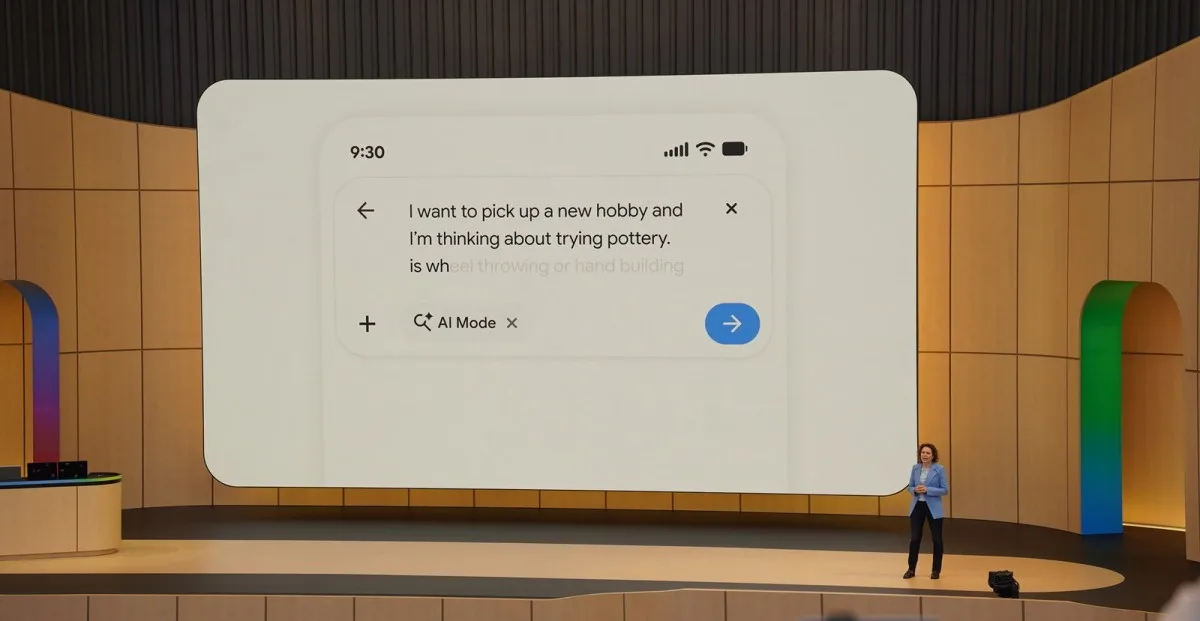
Gemini Omni Flash fundamentally transforms the pre-visualization and concept workflow. Instead of waiting hours or even days for an illustrator or animator to produce initial storyboards or animatics, filmmakers can now generate dynamic video concepts on demand. This allows for more comprehensive client presentations, faster internal approvals, and a significant reduction in the lead time for creative development. The conversational interface is particularly powerful here; you can quickly iterate on ideas, saying, “Now, change the time of day to dusk,” or “Show the character from a slightly lower angle,” and see the results instantly. This instant feedback loop encourages rapid experimentation and allows for a much more fluid creative exploration. For independent filmmakers working with tight deadlines and limited budgets, Omni Flash becomes an indispensable asset, enabling them to produce professional-grade conceptual visuals without extensive resources. It’s about empowering creators to move faster, explore more options, and ultimately, bring their cinematic visions to life with unprecedented efficiency. This immediate, accessible power is a testament to Google’s understanding of the demands of modern film production and video editing. The ability to rapidly generate and iterate on visual concepts also has implications for the broader creative industry, impacting everything from advertising to game design. This rapid prototyping aligns with the principles of efficient production that we often highlight for indie filmmakers, such as in The Passport and Guerilla Filmmaking: How We Turned Limitations into an Award-Winning Short. The speed of Gemini Omni Flash is set to redefine creative timelines, as noted by industry analysts tracking AI advancements, such as those covered by Ars Technica’s coverage of Google I/O 2026 (hypothetical, but representative).
The Iterative Advantage: Killing the Generative Video Loop
The most significant pain point in early generative video editing models was the “generate, hate it, re-prompt from scratch” loop. This frustrating cycle wasted countless hours, stifled creativity, and made the promise of AI-driven video feel more like a chore than a collaboration. Google Gemini Omni, with its conversational AI, delivers the definitive blow to this inefficient workflow by introducing a true iterative advantage. Instead of starting over with a completely new prompt when an output isn’t quite right, users can now simply talk to the existing video, guiding the AI through successive refinements. “Make the colors warmer,” “Zoom in slightly on the subject’s face,” “Add a subtle bokeh effect to the background,” “Change the time of day to late afternoon”, these are the kinds of precise, natural language instructions that Gemini Omni understands and executes, preserving the core of the initial generation while finessing the details.
This iterative capability is not just about convenience; it’s about fostering a creative flow that mirrors how human artists and editors collaborate. A director doesn’t give an editor a single, monolithic instruction and expect perfection. Instead, it’s a dynamic back-and-forth, a process of suggestion, adjustment, and refinement. Gemini Omni replicates this essential human interaction, transforming the AI from a black-box generator into a responsive creative partner. This means less time spent on meticulous prompt engineering and more time focusing on the artistic vision. For complex scenes or nuanced emotional beats, the ability to fine-tune elements through dialogue allows for a level of control previously unattainable with generative AI. It elevates the entire video editing process, making it more intuitive, efficient, and creatively satisfying. The death of the “generate, hate it, re-prompt” loop is arguably Gemini Omni’s most impactful feature, unlocking the true potential of AI as a collaborative force in filmmaking. This shift is profoundly beneficial for any creative endeavor that relies on visual storytelling, fundamentally changing how we approach digital production. The power of this iterative process is a testament to how far AI has come, moving from simple command execution to sophisticated creative partnership, a journey that also impacts how we think about 7 Surprising Ways AI Art Isn’t Like Photography. The continuous refinement offered by Gemini Omni ensures that the creative vision is not lost in translation, a stark contrast to earlier, more rigid AI models.
Every AI illustration in this article was crafted using AI Render Pro, the same prompting engine used across this blog. Read the full breakdown here.
Frequently Asked Questions
What is Google Gemini Omni?
Google Gemini Omni is a conversational AI video editing model announced at Google I/O 2026. It replaces the previous Veo model, allowing users to edit and generate videos by talking to the AI, refining outputs through natural language dialogue.
Where will Gemini Omni be available?
Gemini Omni will be integrated across several Google platforms, including the Gemini app, Google Flow, and YouTube Shorts. This broad availability aims to democratize advanced AI video editing for both professional filmmakers and casual content creators.
How does Gemini Omni differ from previous AI video tools like Veo?
Unlike prompt-based generative models like Veo, Gemini Omni offers a conversational interface, enabling iterative refinement of videos through natural language. This eliminates the need to re-prompt from scratch, making the editing process more intuitive and collaborative, much like working with a human editor.
What is SynthID and why is it important for Gemini Omni?
SynthID is an imperceptible digital watermark embedded into AI-generated videos by Gemini Omni. It’s crucial for transparency and authenticity, allowing platforms and viewers to identify AI-generated content, thereby combating deepfakes and ensuring responsible use of AI in creative endeavors without compromising artistic quality.
How does Gemini Omni compete with OpenAI Sora and Adobe Firefly?
Gemini Omni distinguishes itself through its conversational, iterative video editing capabilities, focusing on user-friendly refinement and collaborative workflow. While OpenAI Sora excels at initial high-quality generation and Adobe Firefly integrates AI into existing creative suites, Gemini Omni’s strength lies in its dynamic, dialogue-driven creative process and widespread platform integration.
Discover more from Olivier Hero Dressen Blog: Filmmaking & Creative Tech
Subscribe to get the latest posts sent to your email.
Work with Olivier
Director | CD | DP & Photographer
Specializing in commercials, music videos, AI-driven filmmaking, and cinematic storytelling for brands and production companies.
🌍 Shanghai · Paris · Los Angeles · Dubai
🎬 View Portfolio & Get in Touch