
Key Takeaways
- First insight, The “Han Shot First” controversy highlights a fundamental clash between a creator’s evolving vision and the audience’s perceived immutable canon, demonstrating the power of audience ownership over beloved narratives.
- Craft highlight, This alteration, a seemingly minor edit of a few frames, exemplifies how subtle changes in editing and visual effects can dramatically reshape character perception and narrative intent, fundamentally changing how han solo is viewed.
- Industry context, The dispute underscores the complexities of film preservation and re-release in the digital age, where original works can be endlessly modified, sparking debates about artistic integrity versus commercial viability and fan expectation.
- Bottom line, Beyond a simple scene, “Han Shot First” became a touchstone for discussions on directorial control, fan entitlement, and the very nature of storytelling in a multi-generational franchise, cementing han solo‘s place in cinematic infamy.
The saga of han solo and the infamous “Greedo scene” stands as a monumental flashpoint in cinematic history, a perfect illustration of how a single, seemingly minor editorial decision can ignite decades of passionate debate among fans and creators alike. It’s a controversy that has transcended mere fan discussion, evolving into a cultural shorthand for the immutable nature of beloved original works versus a creator’s desire for revision. For a filmmaker, producer, or cinematographer, this saga offers invaluable lessons in narrative integrity, audience perception, and the delicate balance of artistic control in the face of a global phenomenon.
Need a Director for Your Next Project?
From commercials to branded campaigns—Olivier brings creative vision and technical expertise.
→ View ProjectsThe Original Sin: Han Shot First
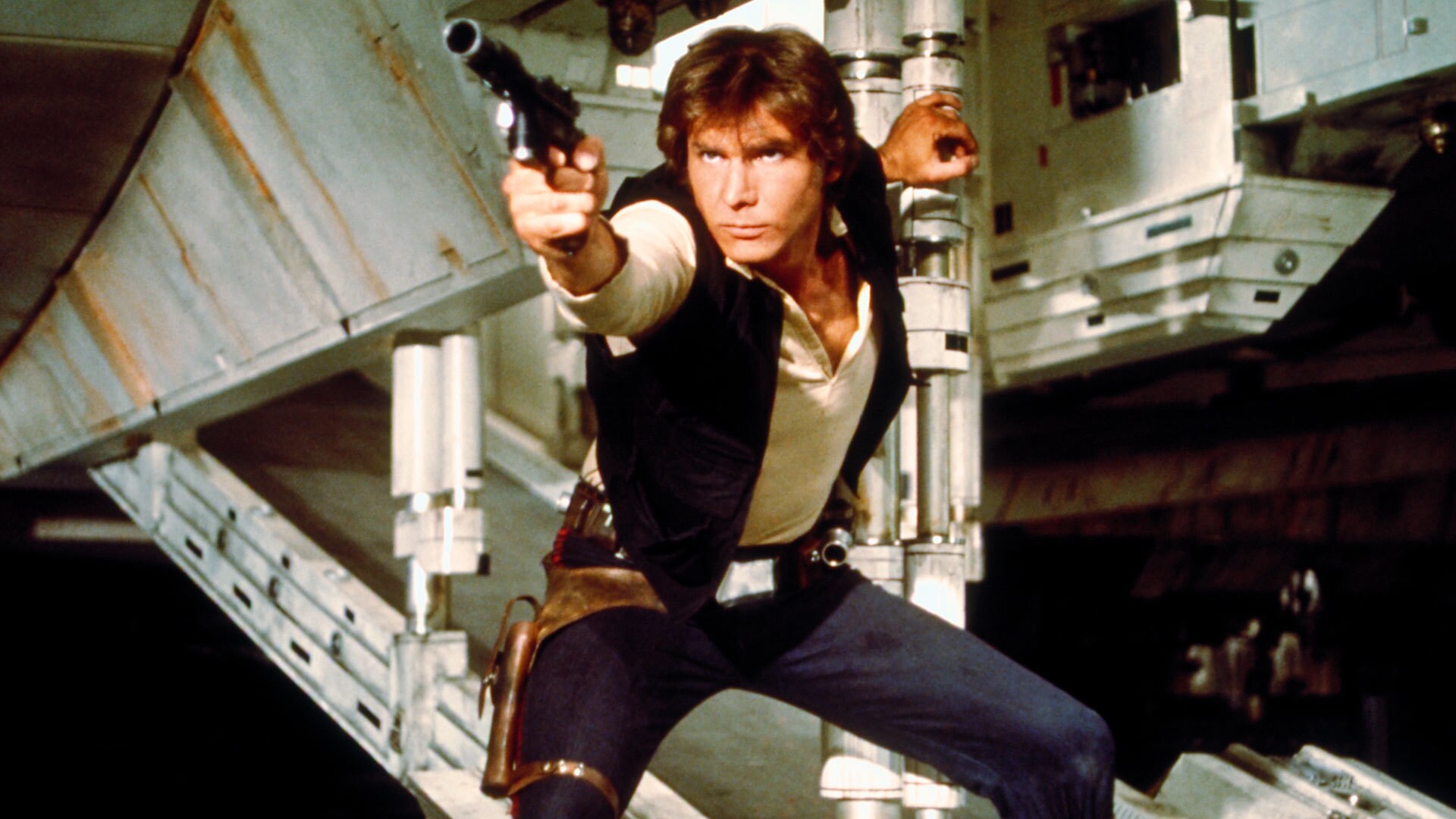
In 1977, when Star Wars: A New Hope first graced cinema screens, audiences were introduced to han solo, a charismatic, roguish smuggler with a cynical wit and a penchant for self-preservation. His introduction was pivotal, defining him as a man operating on the fringes of morality, a stark contrast to the idealistic Luke Skywalker. This characterization was cemented in a now-legendary scene in the Mos Eisley Cantina. Cornered by the bounty hunter Greedo, who intends to bring him to Jabba the Hutt, Solo engages in a tense standoff. The original cut of the film is unambiguous: han solo, with a flick of his wrist, shoots Greedo under the table, moments before Greedo can fire. It’s a cold, calculated move that establishes Solo as a dangerous, morally ambiguous anti-hero, a scoundrel you couldn’t help but root for despite his questionable ethics. This moment was crucial for his initial appeal, laying the groundwork for his eventual redemption arc. It showed he was a survivor, someone who wouldn’t hesitate to take decisive action to save his own skin, even if it meant a pre-emptive strike. This raw, unvarnished portrayal of han solo resonated deeply with audiences, creating an iconic character whose moral flexibility was part of his charm. The scene, delivered with a casual shrug and a flick of a blaster, was a masterclass in character introduction, immediately signaling that this wasn’t your typical hero. It was a bold choice, giving Solo an edge that distinguished him from other protagonists of the era. This kind of nuanced character development, even in a space opera, speaks to the enduring power of strong narrative choices, a lesson often discussed in filmmaker guides. The scene itself, filmed with a directness characteristic of the era’s guerilla filmmaking lessons, offered no room for misinterpretation: Han acted first, decisively, and without remorse in that moment.
The impact of this initial depiction of han solo cannot be overstated. It wasn’t just a plot point; it was a character statement. It told the audience precisely who Han was: a man who lived by his own rules, a survivor in a dangerous galaxy. This moral grey area made him compelling, a far cry from the clear-cut heroes and villains that often populated genre films. The original intent, as many film historians and fans argue, was to present a character who had to grow into heroism, making his eventual commitment to the Rebellion all the more impactful. Without this initial ruthlessness, his journey from self-serving smuggler to loyal friend and hero would lack significant dramatic weight. The scene became a foundational element of his character, a snapshot of his past that informed his present and future actions. It was a testament to the power of showing, not telling, in cinema. This deliberate choice by the original filmmakers shaped an entire generation’s understanding of the character. For more context on the original scene and its significance, one can refer to the comprehensive entry on “Han Shot First” on Wikipedia, which details the controversy from its inception. The original version of this scene, often referred to as the “Despecialized Edition,” is a testament to the fact that sometimes, the first cut is indeed the best cut for character integrity.
George Lucas’s Revisions and the Han Solo Dilemma
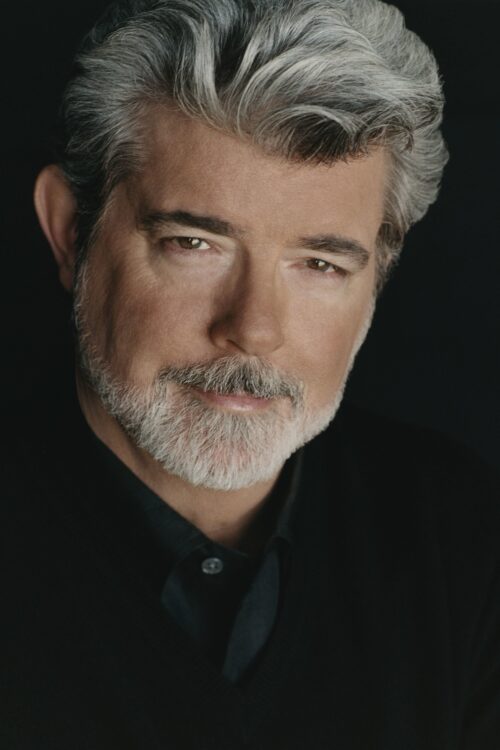
Decades after the original release, George Lucas, the creator of Star Wars, began a series of revisions to the original trilogy, culminating in the 1997 Special Edition. Among the most contentious of these changes was the alteration of the Greedo scene. In this new version, Greedo is shown firing first, or at least simultaneously with han solo, with Solo narrowly dodging the shot before returning fire. Lucas’s stated reason for this change was to make han solo a more “heroic” character, arguing that a true hero wouldn’t shoot first. He believed that Solo’s pre-emptive strike made him too much of a cold-blooded killer, something he felt was inconsistent with the hero he wanted Han to be. This decision, however, was met with widespread outrage from fans who felt it fundamentally undermined Solo’s character arc and the moral ambiguity that made him so compelling in the first place. The alteration was not just a visual edit; it was a narrative retcon that attempted to sanitize a character’s past. The visual effects, while improved in some aspects for the Special Edition, particularly in areas like Superman VFX secrets or other modern blockbusters, here felt like a clumsy attempt to rewrite history. This sparked a fierce debate about a creator’s right to alter their work versus the audience’s ownership of a beloved narrative, especially one that had been ingrained in popular culture for so long. Lucas’s desire to refine his vision, while understandable from an artistic perspective, clashed directly with the established perception of millions of viewers.

The controversy deepened with subsequent releases. The 2004 DVD release introduced yet another version, attempting to make the shots even more simultaneous, with both characters firing almost identically, but Greedo’s shot clearly preceding Han’s. Then, with the launch of Disney+ in 2019, a new version emerged where Greedo utters a new, untranslated line (“Maclunkey!”) before being shot, making the timing even more ambiguous but still implying Greedo’s aggressive intent before Solo’s counter-fire. Each revision, rather than settling the debate, only fueled the fire, demonstrating a persistent effort to soften han solo‘s initial ruthlessness. This continuous tinkering with a classic scene highlighted the challenges inherent in digital film restoration and modification, particularly when dealing with iconic moments. It also brought to the forefront discussions around practical vs digital effects, as the original scene’s raw practical charm was replaced by increasingly noticeable digital alterations. For many, these changes were not improvements but rather unwelcome intrusions, eroding the very essence of what made han solo such a unique and beloved character. The core issue wasn’t just about who shot first, but about the integrity of the original artistic vision and the creator’s perceived right to change it after it had become a cultural touchstone. This ongoing saga is detailed in articles such as the one from Wired on George Lucas’s rationale, which delves into the creator’s perspective on these significant alterations.
The Character Arc of Han Solo and Moral Ambiguity
The “Han Shot First” controversy is not merely a trivial detail; it cuts to the very core of han solo‘s character arc and the narrative integrity of the original Star Wars trilogy. In the 1977 film, Solo is introduced as a cynical, self-interested smuggler who only cares about money. His decision to shoot Greedo without hesitation immediately establishes him as a morally ambiguous figure, a scoundrel who operates outside the conventional bounds of heroism. This initial characterization is vital because it provides a significant journey for him to undertake. His transformation from a mercenary to a committed hero of the Rebellion, willing to risk his life for his friends and a cause greater than himself, is one of the most compelling aspects of the original trilogy. If han solo is portrayed as someone who only shoots in self-defense, or after being shot at, his initial moral compass is already pointed in a more ‘heroic’ direction. This diminishes the weight of his later choices and sacrifices. The pre-emptive strike makes his eventual return to help Luke Skywalker destroy the Death Star, and his subsequent involvement in the Rebellion, far more impactful. It shows a genuine evolution, a conscious decision to shed his selfish ways and embrace a nobler path. Without that initial ruthlessness, his redemption feels less earned, his journey less profound. This is a critical point for any screenwriter or director; character growth often hinges on a clear starting point, however flawed that point may be. Even discussions on Darren Aronofsky’s directing style often emphasize the importance of distinct character arcs.
The original scene allowed for a complexity in han solo that endeared him to millions. He wasn’t a perfect hero, but a relatable one, flawed and human. This moral ambiguity set him apart from the archetype of the shining knight and made him a more interesting and dynamic character. By altering the scene to make Greedo fire first, Lucas attempted to retroactively sanitize Solo, to fit him more neatly into a traditional heroic mold. However, this change inadvertently stripped away much of what made Han unique and compelling. It reduced his agency and the bold statement of his initial characterization. The controversy thus became a battle over narrative intent and the power of a character’s initial portrayal. Fans argued that the original version was essential for understanding Han’s journey, while Lucas maintained that the revised version better reflected his ultimate vision for the character. This clash highlights the tension between a creator’s evolving vision and the audience’s established connection to a character. It also touches upon the idea of AI art direction prompts and how even subtle changes in initial creative direction can cascade into vastly different interpretations of a character’s core identity. The alteration didn’t just change a few seconds of film; it changed the very fabric of han solo‘s identity for many viewers, sparking a debate that persists to this day. StarWars.com itself, the official portal for the franchise, has largely remained silent on the controversy, letting the films speak for themselves, albeit in their ever-changing forms.
Fan Fury and the Power of Collective Memory
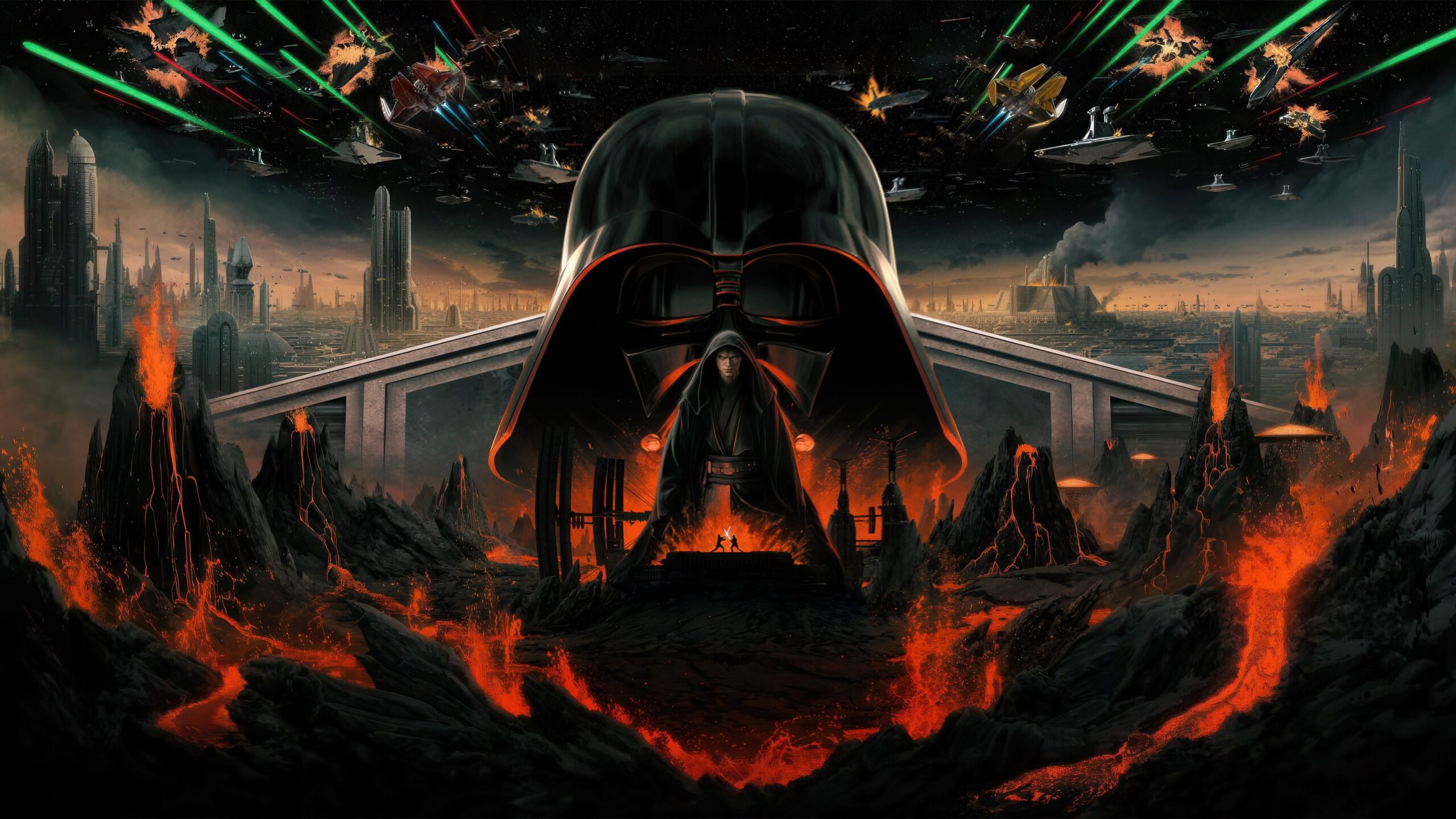
The visceral reaction to the “Han Shot First” alterations demonstrates the immense power of collective memory and fan investment in a beloved franchise. For millions, the original 1977 version of Star Wars was a formative cinematic experience, and the image of han solo coolly dispatching Greedo was etched into their minds. This scene, along with countless others, formed an indelible part of their cultural consciousness. When George Lucas began altering these iconic moments for the Special Editions, it felt to many like a betrayal, an attempt to rewrite history and invalidate their original experience. The outrage wasn’t just about a few frames of film; it was about the sanctity of the original work, the perceived canon that had shaped their understanding of the characters and the universe. Fans felt a sense of ownership over these stories, having invested decades of their lives, discussions, and fandom into them. The changes, particularly to han solo‘s character, felt like a direct assault on the essence of what they loved. This phenomenon is not unique to Star Wars, but the scale of the reaction to “Han Shot First” is unparalleled, turning a minor edit into a cultural touchstone for debates on artistic integrity and audience expectation. It’s a powerful lesson for creators about the delicate balance between evolving vision and respecting the established emotional connection audiences have with their work. Even in modern filmmaking, the impact of AI image enhancement or other post-production tools, when applied to classic footage, can elicit similar strong reactions if it deviates too much from the original aesthetic or intent.
The “Han Shot First” debate became a rallying cry for fans, a symbol of resistance against what they saw as unnecessary and detrimental revisions. Online forums, fan conventions, and social media platforms buzzed with discussions, analyses, and even fan-made “Despecialized Editions” attempting to restore the original cuts. This collective effort highlighted the democratic nature of modern fandom, where audiences are no longer passive consumers but active participants in the ongoing narrative. The controversy also underscored the unique challenges faced by long-running franchises. Unlike a standalone film, a saga like Star Wars accumulates layers of meaning and interpretation over decades. Changing foundational moments can disrupt this intricate web of understanding and emotional attachment. The debate transcended simple preference; it became a philosophical discussion about the nature of art, ownership, and the relationship between creator and audience. It illustrated that once a work is released into the world, it takes on a life of its own, shaped by the collective experience of those who consume it. The enduring passion surrounding this single scene, even decades later, is a testament to the profound impact of han solo and the universe he inhabits, and the unwavering commitment of its fanbase. A detailed breakdown of the fan reaction can be found in various news archives, such as this piece from BBC News on the enduring debate, showcasing how deeply this issue resonated with the public.
The Digital Age of Revisions and Artistic Intent
The “Han Shot First” controversy is a prime example of the challenges and debates inherent in the digital age of filmmaking and film preservation. Prior to digital editing, altering a film after its theatrical release was a costly and technically complex endeavor, often reserved for director’s cuts or significant re-releases. However, with the advent of digital intermediate and advanced visual effects technologies, filmmakers now possess the unprecedented ability to endlessly modify their work. This technological leap, while offering incredible creative freedom and the potential for drone cinematography techniques or complex CGI, also opens a Pandora’s Box of questions regarding artistic intent, definitive versions, and the historical record of cinema. George Lucas, as the sole creator and rights holder of Star Wars, felt it was his prerogative to refine his vision, to present what he considered the “final” version of his story. His argument was that the original theatrical cut was merely a workprint, constrained by the technological limitations of the time, and that the Special Editions represented his true artistic vision, finally realized. This stance, however, directly collided with the public’s perception of the original film as a completed, canonical work of art. The ability to digitally alter a film with such precision allowed Lucas to make changes that were previously impossible, but it also highlighted the tension between a creator’s evolving artistic desires and the fixed cultural impact of their initial creation. The controversy thus became a microcosm for broader discussions about film preservation: what constitutes the definitive version of a film, and who has the ultimate authority to decide?
The ongoing revisions to the Greedo scene, spanning from the 1997 Special Edition to the 2019 Disney+ release, further complicated this discussion. Each iteration presented a slightly different timing of the shots, each attempting to subtly shift the moral implications of han solo‘s actions. This constant tinkering, made possible by digital tools, inadvertently underscored the artificiality of the changes for many viewers. The seamlessness often touted by digital effects was undermined by the clear intent to alter a beloved moment. This situation forces us to consider the ethical implications of digital restoration and revision. Should films be preserved exactly as they were first released, or should creators be allowed to update them to match their current vision? The “Han Shot First” debate posits that for certain iconic works, the original release holds a unique and powerful place in cultural history that subsequent revisions cannot easily displace. It highlights how digital technologies, while offering immense possibilities for creative expression and refinement, can also be a double-edged sword, potentially alienating audiences and sparking debates about artistic integrity. For an industry increasingly reliant on AI rendering vs traditional methods, understanding how even minor digital alterations can provoke such strong reactions is crucial. The broader implications of such artistic control are explored by various outlets, including a detailed analysis from The Verge on Lucas’s continuous changes, which emphasizes the ongoing nature of this particular debate.
The Evolution of the Scene: A Timeline of Han Solo Edits
To fully grasp the scope of the “Han Shot First” controversy, it’s essential to trace the scene’s multiple iterations, each representing a distinct attempt by George Lucas to redefine han solo‘s character. The original 1977 theatrical release is the baseline: a clear, decisive shot from Han, with Greedo never firing. This version established Solo as a pragmatic, ruthless survivor. When the 1997 Special Edition arrived, it introduced the first major alteration. Here, Greedo visibly fires a shot that narrowly misses han solo, who then retaliates. The timing was still somewhat awkward, but the intent was clear: Greedo shot first. This version was met with immediate and widespread fan backlash, sparking the infamous “Han Shot First” meme and cementing the debate in popular culture. The technological advancements of the intervening years allowed for more sophisticated, though not always welcome, digital manipulation. This was a clear example of how digital tools, while offering creative freedom, can also be used to alter original artistic intent, a point often discussed in the context of AI search changing creative work and how audiences interact with revised content.
The revisions didn’t stop there. For the 2004 DVD release, Lucas refined the scene again, attempting to make the exchange even more simultaneous. In this version, both Greedo and han solo appear to fire almost at the same instant, though Greedo’s blaster bolt is still clearly visible before Han’s, and Han still moves his head to dodge. The goal was presumably to make Solo’s action seem more like a defensive reflex rather than a cold-blooded kill. This version, while technically smoother, still didn’t appease fans who longed for the original. The final, and arguably most bewildering, alteration came with the 2019 Disney+ release. In this iteration, Greedo not only fires first but also utters a peculiar, previously unheard alien line, “Maclunkey!”, just before being dispatched. This addition further muddied the waters, adding an almost comedic, certainly unnecessary, element to an already contentious scene. Each revision, rather than resolving the debate, merely added new layers to it, illustrating Lucas’s persistent desire to reshape han solo into a more conventional hero. The continuous changes underscored the creator’s evolving vision, but also the enduring power of the original cut in the collective memory of the audience. The entire timeline of these revisions serves as a fascinating case study in post-production ethics and the creator-fan dynamic, a topic that deserves significant attention in any serious filmmaker guide. For further details on the specific changes across different releases, one can often find comprehensive timelines and comparisons on fan wikis and dedicated film analysis sites, which meticulously document these alterations.
Impact on Star Wars Lore and Han Solo’s Legacy
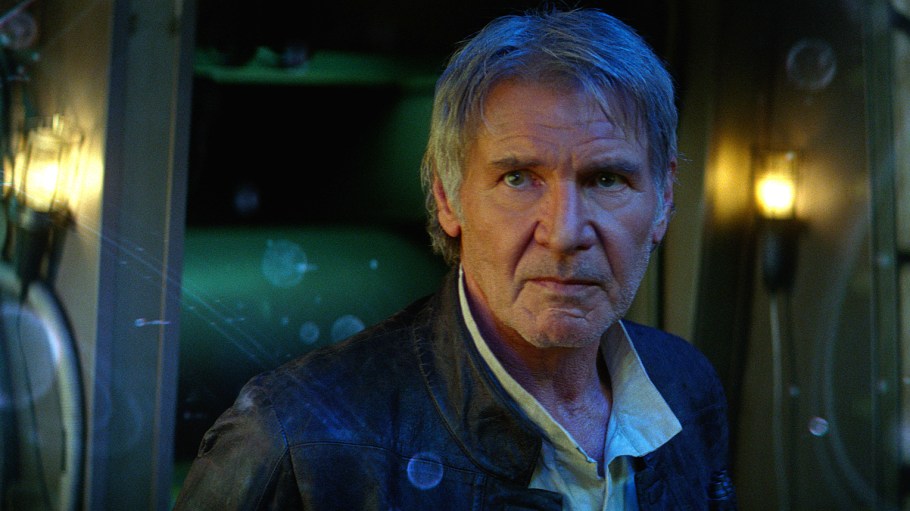
The “Han Shot First” controversy extends far beyond a single scene; it has had a palpable impact on the broader Star Wars lore and the enduring legacy of han solo. In the original continuity, Solo’s ruthlessness in the cantina scene established him as a morally ambiguous character, a scoundrel operating on the fringes. This portrayal was crucial for his character arc, providing a significant journey from self-interest to heroism. When the scene was altered to make Greedo shoot first, it retroactively softened Han’s character, removing a critical piece of his initial moral complexity. This change subtly but significantly shifted the audience’s understanding of who han solo was at the beginning of his journey. No longer was he the man who would take decisive, even cold-blooded, action to survive; he became a reactive figure, merely defending himself. This alteration, for many, diminished the impact of his later heroic acts, making his redemption feel less earned. If he was already a “good guy” who only shot in self-defense, his transformation into a hero of the Rebellion loses some of its dramatic weight. The controversy inadvertently created two distinct versions of han solo in the minds of fans: the original, morally complex scoundrel, and the revised, slightly sanitized hero. This duality has permeated discussions about the character for decades, influencing fan fiction, theories, and even subsequent interpretations in other Star Wars media.
Furthermore, the debate highlighted a fundamental tension within the Star Wars universe itself: the struggle between a singular authorial vision and the collective cultural interpretation of a sprawling narrative. George Lucas’s insistence on revising the scene, despite overwhelming fan outcry, underscored his belief in his ultimate authority over the story. However, for many fans, the original version of the scene had become an integral part of the lore, a foundational moment that defined a key character. The controversy also set a precedent for how fans would react to future changes and retcons within the Star Wars universe, fostering a sense of vigilance and critical scrutiny. It became a symbol of the broader debate about canon, artistic license, and the very nature of storytelling in a multi-generational franchise. The enduring discussion surrounding “Han Shot First” ensures that han solo‘s legacy will forever be intertwined with this particular moment, not just for his heroic deeds, but also for the profound debate his character ignited. It’s a testament to the power of cinema to provoke discussion and shape cultural narratives, a concept that even modern AI training data lawsuits grapple with regarding intellectual property and established content. The official Lucasfilm stance, as seen on its corporate site Lucasfilm, generally aligns with Lucas’s final revised versions, but the fan community’s memory remains firmly rooted in the original.
Lessons for Filmmakers from the “Han Shot First” Controversy
For any filmmaker, the “Han Shot First” controversy offers invaluable, albeit cautionary, lessons about narrative integrity, audience connection, and the delicate balance of creative control. Firstly, it underscores the profound impact of character introduction. The original scene immediately established han solo as a complex, morally ambiguous figure. This initial impression, once ingrained in the audience’s mind, is incredibly difficult to alter without significant backlash. Filmmakers must recognize that early character choices, especially those that define moral parameters, carry immense weight and contribute heavily to a character’s long-term appeal and narrative arc. A director’s vision is paramount, but once a work is released and embraced by the public, it begins to take on a life of its own, becoming part of the collective cultural consciousness. Any subsequent revisions, particularly to iconic moments, risk alienating the very audience that made the work successful. This is not to say that directors should never revisit their work, but rather that such decisions must be weighed against the established emotional and intellectual investment of the audience. The controversy also highlights the power of editing and visual effects. A seemingly minor adjustment of a few frames, or the addition of a new line, can completely transform character perception and narrative intent. This demonstrates the precision and responsibility inherent in the craft of filmmaking. The choice of when and how to apply gimbal techniques or other camera movements can be less impactful than a single cut.
Secondly, the “Han Shot First” debate serves as a powerful reminder of the audience’s sense of ownership over beloved narratives. While a creator undeniably owns the intellectual property, the cultural impact of a work often creates a shared ownership with its audience. George Lucas’s desire to “improve” han solo was met with resistance because fans felt he was tampering with something that had become fundamental to their experience. This teaches filmmakers to consider the long-term implications of their creative decisions, especially within a franchise that will be consumed by multiple generations. The digital age provides unprecedented tools for revision, but it also amplifies public scrutiny. The constant updates to the scene, each attempting a slightly different timing, only exacerbated the issue, making the alterations more noticeable and contentious. This suggests that sometimes, less is more, and the original, even with its perceived imperfections, might hold a greater power due to its authenticity and historical context. For those delving into AI concept trailer creation or other advanced production methods, understanding the audience’s deep-seated connection to established canon is vital. Ultimately, the “Han Shot First” saga is a masterclass in the complex interplay between artistic vision, technological capability, and audience reception, urging creators to tread carefully when revisiting the foundations of their most cherished stories. The enduring nature of this discussion is evident in countless fan forums and analytical pieces, like discussions on Reddit, which continue to dissect the scene’s implications for storytelling.
The Cultural Resonance of Han Solo and the Scene
The “Han Shot First” controversy has achieved a remarkable level of cultural resonance, transcending its origins as a mere Star Wars fan debate to become a widely recognized idiom for artistic revisionism and the sanctity of original works. The phrase itself has entered the lexicon, used to describe instances where creators alter beloved content, often to the chagrin of long-time fans. This phenomenon speaks volumes about the enduring appeal of han solo as a character and the profound impact of Star Wars on global culture. Han Solo, brought to life by Harrison Ford, embodies the charming rogue archetype, a figure who starts on the wrong side of the law but ultimately finds redemption through loyalty and self-sacrifice. The original “Han Shot First” scene was integral to this archetype, presenting a character who was unapologetically complex and capable of morally questionable actions. It was this edge that made him so compelling and relatable to many, distinguishing him from more conventional heroes. The subsequent alterations, in attempting to soften this edge, inadvertently highlighted how deeply ingrained the original characterization of han solo had become in the collective consciousness. The cultural uproar wasn’t just about a factual detail; it was about the perceived erosion of a character’s core identity and the narrative integrity of a cultural touchstone.
The controversy also serves as a potent example of how fan communities can organize and voice their collective disapproval, influencing broader discussions about media ownership and creative control. From online petitions to fan-made restorations, the “Han Shot First” movement demonstrated the power of a passionate fanbase to resist changes they deemed detrimental. This level of engagement illustrates the deep emotional investment audiences have in stories that resonate with them. The debate continues to be referenced in discussions about other media franchises, film preservation, and the ethics of digital alteration. It stands as a testament to the fact that once a piece of art is released, it enters into a dialogue with its audience, and that dialogue can shape its legacy as much as the creator’s initial intent. The cultural resonance of this particular scene, and han solo‘s role within it, underscores the importance of understanding audience reception and the long-term impact of creative choices. For filmmakers, it’s a powerful lesson in respecting the established connection between a story and its viewers, recognizing that some moments become immutable in the eyes of those who cherish them. Even discussions around the artistic choices of directors like Christopher Nolan, or the intricate world-building in shows like Sandman VFX world building, implicitly acknowledge the audience’s expectation of consistency and integrity within established narratives. This ongoing discussion, often fueled by nostalgic re-watches, continues to shape how we view not just Star Wars, but the entire landscape of modern media. The official Star Wars official site often celebrates the original film, but the debate over this scene remains a quiet undercurrent to any anniversary celebration.
Beyond the Blast: The Enduring Legacy of “Han Shot First”
The “Han Shot First” controversy, decades after its inception, remains an enduring legacy, a touchstone in discussions about film history, artistic control, and fan culture. It has cemented its place not just as a Star Wars trivia point, but as a widely understood shorthand for the complexities of creative ownership and audience expectation. The debate continues to resonate because it taps into fundamental questions about storytelling: Who owns a story once it’s released? Does a creator have an absolute right to alter their work, even if it contradicts the established understanding of millions? And what defines the “definitive” version of a film in an age of endless digital revisions? The enduring passion surrounding this single scene, and han solo‘s role within it, highlights the deep emotional investment audiences have in the narratives that shape their lives. It’s a testament to the power of cinema to create characters and moments that become indelible parts of our collective consciousness, resisting attempts at revision or reinterpretation. The controversy has, in a way, become bigger than the scene itself, evolving into a symbol for the broader struggle between artistic intent and cultural impact. It’s a debate that continues to inform how we perceive director’s cuts, remasters, and reboots across the entire entertainment industry. The lessons learned from this particular incident are applicable far beyond the galaxy far, far away, influencing how creators approach their work and engage with their audiences today.
The legacy of “Han Shot First” also lies in its role as a catalyst for fan activism and the rise of online communities dedicated to preserving original versions of films. The widespread efforts to create “despecialized” editions of the original Star Wars trilogy, painstakingly restoring the films to their 1977 theatrical cuts, demonstrate the power of collective fan action. This grassroots movement highlights the desire for authenticity and the rejection of retroactive changes to beloved works. It shows that for many, the original version is not just a preference, but a historical document, a piece of cinematic art that deserves to be preserved in its initial form. The controversy ensures that han solo will forever be associated with this moral dilemma, a character whose introduction sparked a debate that has outlived multiple film releases and technological advancements. It serves as a constant reminder that while technology offers endless possibilities for revision, the emotional and cultural impact of an original work can be far more powerful and resistant to change. For any filmmaker navigating the landscape of modern media, understanding the enduring legacy of “Han Shot First” is crucial. It’s a story not just about Star Wars, but about the very nature of art, memory, and the intricate relationship between creator and audience. The debate continues to be a cornerstone of film studies and fan culture, demonstrating that even a seemingly minor detail can spark a conversation that lasts for generations, as explored in articles like this from BBC Culture on the enduring fan frustration, encapsulating the scene’s lasting impact.
Frequently Asked Questions
What is the “Han Shot First” controversy?
The “Han Shot First” controversy refers to a scene in the 1977 film Star Wars: A New Hope where han solo confronts the bounty hunter Greedo. In the original theatrical cut, Han shoots Greedo without Greedo firing first. Subsequent Special Edition releases altered the scene to make Greedo fire first, or simultaneously, to portray Han as more heroic, sparking decades of fan debate.
Why did George Lucas change the scene?
George Lucas stated that he changed the scene because he wanted han solo to be a more heroic character. He believed that a hero shouldn’t shoot first, and that the original pre-emptive strike made Han appear too cold-blooded, inconsistent with the character he envisioned.
How many times has the “Han Shot First” scene been changed?
The scene has been altered multiple times across different releases. The original 1977 theatrical cut showed Han shooting first. The 1997 Special Edition had Greedo shooting first. The 2004 DVD release attempted a more simultaneous shot. The 2019 Disney+ version added Greedo saying “Maclunkey!” before being shot, further tweaking the timing.
Why is “Han Shot First” so important to fans?
For fans, the original “Han Shot First” scene was crucial for establishing han solo‘s character as a morally ambiguous, pragmatic scoundrel, which made his eventual redemption arc more impactful. The changes were seen as undermining his character and the integrity of the original film, which had become a cultural touchstone.
What does the controversy teach filmmakers?
The controversy teaches filmmakers about the profound impact of initial characterization, the power of editing and visual effects to alter narrative intent, and the delicate balance between a creator’s evolving vision and the audience’s deep emotional investment in beloved stories. It underscores the challenges of artistic control in the digital age.
Discover more from Olivier Hero Dressen Blog: Filmmaking & Creative Tech
Subscribe to get the latest posts sent to your email.

Work with Olivier
Director | CD | DP & Photographer
Specializing in commercials, music videos, AI-driven filmmaking, and cinematic storytelling for brands and production companies.
🌍 Shanghai · Paris · Los Angeles · Dubai
🎬 View Portfolio & Get in Touch