
Key Takeaways
- First insight, The debut of the Godox PaletteLab Color Engine marks a critical evolution for Godox, shifting its focus from raw power and affordability to sophisticated color fidelity, a long-standing demand from professional cinematographers and photographers.
- Craft highlight, PaletteLab promises to deliver exceptional color accuracy and consistency across its new range of five LED fixtures (150W to 1200W), enabling more precise color grading in post-production and greater creative control on set, directly impacting visual storytelling.
- Industry context, This move positions Godox more squarely against established high-end lighting brands by addressing the crucial aspect of spectral quality, potentially democratizing access to professional-grade color rendition in a competitive market segment.
- Bottom line, Godox’s investment in the PaletteLab Color Engine and its accompanying fixtures represents a strategic pivot, aiming to meet the rigorous demands of professional production environments where color accuracy is paramount, thereby enhancing the brand’s reputation and utility for serious creators.
The introduction of the Godox PaletteLab Color Engine, alongside five new LED fixtures ranging from 150W to 1200W, represents a significant inflection point for Godox and the broader professional lighting industry. For years, Godox has carved out a substantial market share by offering powerful, reliable, and accessible lighting solutions. However, a consistent critique, particularly from cinematographers and high-end photographers, has revolved around the perceived shortcomings in color fidelity when compared to more premium, established brands. This debut indicates a clear and decisive response to that feedback, signaling Godox’s intent to compete not just on lumens and price, but on the nuanced and critical front of color accuracy. My twenty years in this industry have taught me that true innovation often lies not in raw power, but in the precision of light’s quality. This is precisely what Godox is now attempting to deliver.
Need a Director for Your Next Project?
From commercials to branded campaigns—Olivier brings creative vision and technical expertise.
→ View ProjectsGodox PaletteLab: A Paradigm Shift in Color Fidelity
The announcement of the Godox PaletteLab Color Engine is not merely an incremental update; it signifies a fundamental shift in Godox’s product philosophy. For years, the brand’s success has been built on delivering high-output LED fixtures at competitive price points, making professional-level illumination accessible to a broader audience, from independent filmmakers to event photographers. However, the discerning eye of a seasoned cinematographer or a meticulous colorist often noted discrepancies in color rendition when Godox lights were compared to industry stalwarts like Arri, Aputure’s higher-end models, or Litepanels. These differences, often subtle but critical, manifested as slight green or magenta shifts, inconsistencies across different units, or less-than-perfect rendering of skin tones and saturated colors.
The Godox PaletteLab directly confronts these challenges. It’s an integrated system, combining advanced optical design, sophisticated LED chip technology, and proprietary algorithms to achieve what Godox claims is superior color accuracy. This isn’t just about higher CRI (Color Rendering Index) or TLCI (Television Lighting Consistency Index) numbers, though those are expected to be excellent. It’s about a more holistic approach to spectral output, ensuring that the light emitted closely matches the full spectrum of natural light, thereby allowing cameras to capture colors with greater fidelity and consistency. This level of precision is paramount in film and television production, where color is a foundational element of visual storytelling and brand identity. Any deviation from true color can lead to extensive and costly color correction in post-production, or worse, an unconvincing final image.
For me, as someone who has spent two decades behind the lens, the promise of the Godox PaletteLab is compelling. It suggests that Godox is no longer content to be solely the budget-friendly option but aspires to be a serious contender in the professional-grade segment where color integrity is non-negotiable. This move acknowledges the growing sophistication of digital cinema cameras and the increasing demands for pristine image quality, even in projects with tighter budgets. The implications for productions, especially those with guerilla filmmaking lessons or independent status, are profound, offering access to tools that were previously out of reach without compromising fundamental image quality. The underlying technology that makes modern LED lighting possible has evolved significantly, as detailed in articles like Wired’s explanation of how LED lights work, and Godox seems to be leveraging these advancements to their fullest.


The Imperative for Color Accuracy in Modern Production
In the contemporary landscape of film, television, and high-end commercial photography, color accuracy is not just a desirable feature; it is an absolute necessity. The proliferation of high-resolution cameras, capable of capturing vast dynamic ranges and intricate color spaces, has elevated expectations for every element contributing to the final image, with lighting being perhaps the most critical. Poor color rendition from a light source can introduce undesirable color casts, desaturate specific hues, or render skin tones unnatural and sickly. These issues, once embedded in the raw footage, can be incredibly challenging, if not impossible, to fully correct in post-production, often leading to compromises in the final grade.
The advent of LED technology revolutionized lighting by offering energy efficiency, cooler operation, and unprecedented control over color temperature and intensity. However, early generations of LEDs often struggled with spectral completeness, leading to gaps in their light spectrum that manifested as poor color rendition. While metrics like CRI and TLCI were developed to quantify this, they don’t always tell the whole story. A light might score well on these indices but still exhibit subtle color shifts that become apparent when mixed with other light sources or when illuminating specific colors, such as reds or greens. This is where a sophisticated engine like the Godox PaletteLab becomes crucial.
Filmmakers and photographers often employ a variety of lighting instruments on set, from large HMI units to small LED panels and practical lights. Ensuring that all these sources render colors consistently is a monumental task. The introduction of the godox palettelab aims to simplify this by providing a consistent, high-fidelity baseline for its own fixtures. This consistency is vital for maintaining visual continuity across shots and scenes, especially in complex productions involving extensive Superman VFX secrets or detailed set design where specific colors are critical to the aesthetic. The ability to trust that the light source is accurately reproducing the intended colors reduces uncertainty on set and streamlines the post-production workflow, saving both time and money. The importance of color accuracy in LED lighting is a well-documented topic, often discussed in specialized publications and academic papers, highlighting the industry’s continuous push for improvement, as evidenced by research like the SPIE Digital Library’s article on Color Fidelity.
Unveiling the Godox PaletteLab: Technical Underpinnings
The core of the Godox PaletteLab Color Engine lies in its advanced technical architecture, a departure from standard LED lighting approaches. It’s not simply about using “better” LEDs; it’s about a comprehensive system design that optimizes every aspect of light generation and control for superior color fidelity. This involves several key components working in concert.
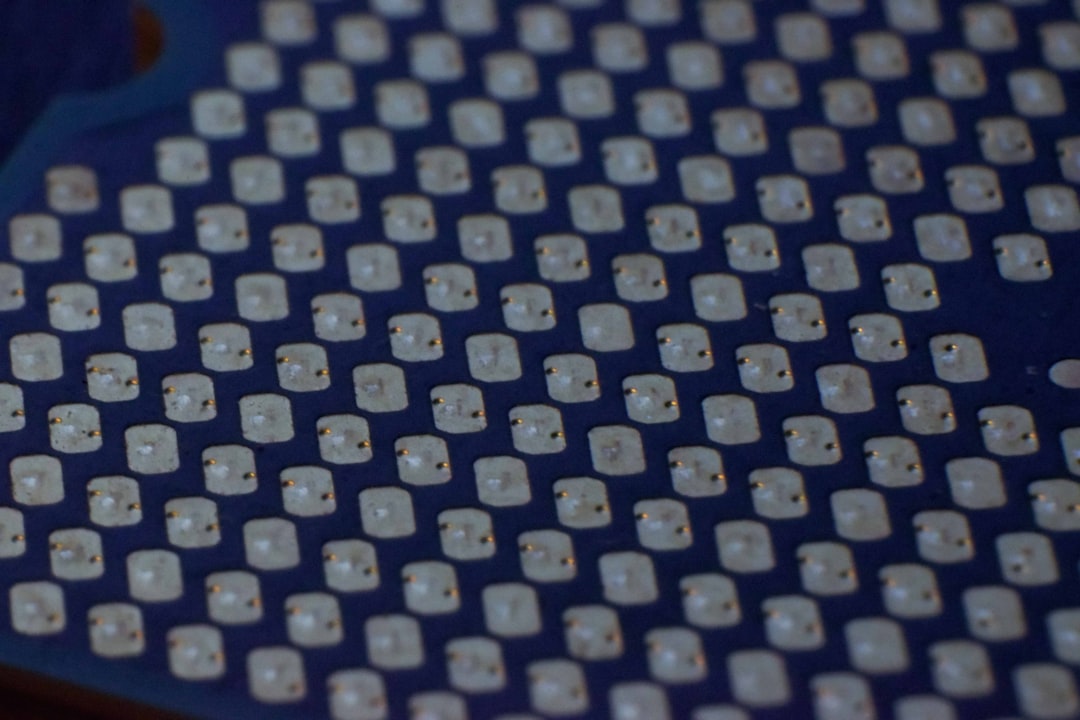
Firstly, the PaletteLab likely incorporates a multi-chip LED array, moving beyond simple bi-color or RGB setups. Modern high-quality LED fixtures often utilize five or more different colored emitters (e.g., Red, Green, Blue, Amber, Cyan, Lime) to create a more complete and continuous spectral output. This expanded color palette allows for a much finer tuning of the light’s spectrum, filling in the gaps that traditional RGB or bi-color LEDs often leave, which are responsible for the undesirable color shifts and poor rendering of specific hues. By precisely blending these multiple LED channels, the godox palettelab can generate white light that closely mimics natural daylight or tungsten, with exceptional accuracy across the visible spectrum.
Secondly, sophisticated calibration and control algorithms are integral. Each LED chip within a fixture, and indeed each fixture itself, must be individually calibrated at the factory to ensure consistency. The PaletteLab engine then utilizes real-time feedback mechanisms and advanced processing to maintain this spectral quality throughout the fixture’s operational life, compensating for factors like temperature fluctuations or LED aging. This level of precise control allows for accurate color temperature adjustments without significant shifts in color rendition, a common pitfall in less advanced systems. This kind of meticulous engineering is essential for achieving the kind of color performance that professionals demand, impacting everything from basic exposure to complex AI art direction prompts where color is a primary input.
Finally, the optical design plays a crucial role. The reflectors, diffusers, and lenses used in conjunction with the PaletteLab engine are optimized to distribute this high-quality light evenly and efficiently, minimizing unwanted color fringing or hot spots. The combination of these elements, advanced LED emitters, intelligent control algorithms, and optimized optics, is what elevates the godox palettelab beyond typical LED solutions. It’s an engineering feat designed to deliver consistent, reliable, and truly accurate color, a topic extensively covered in discussions about advancements in LED lighting on Wikipedia, highlighting the continuous evolution of this technology.
The New Fixture Lineup: From 150W to 1200W
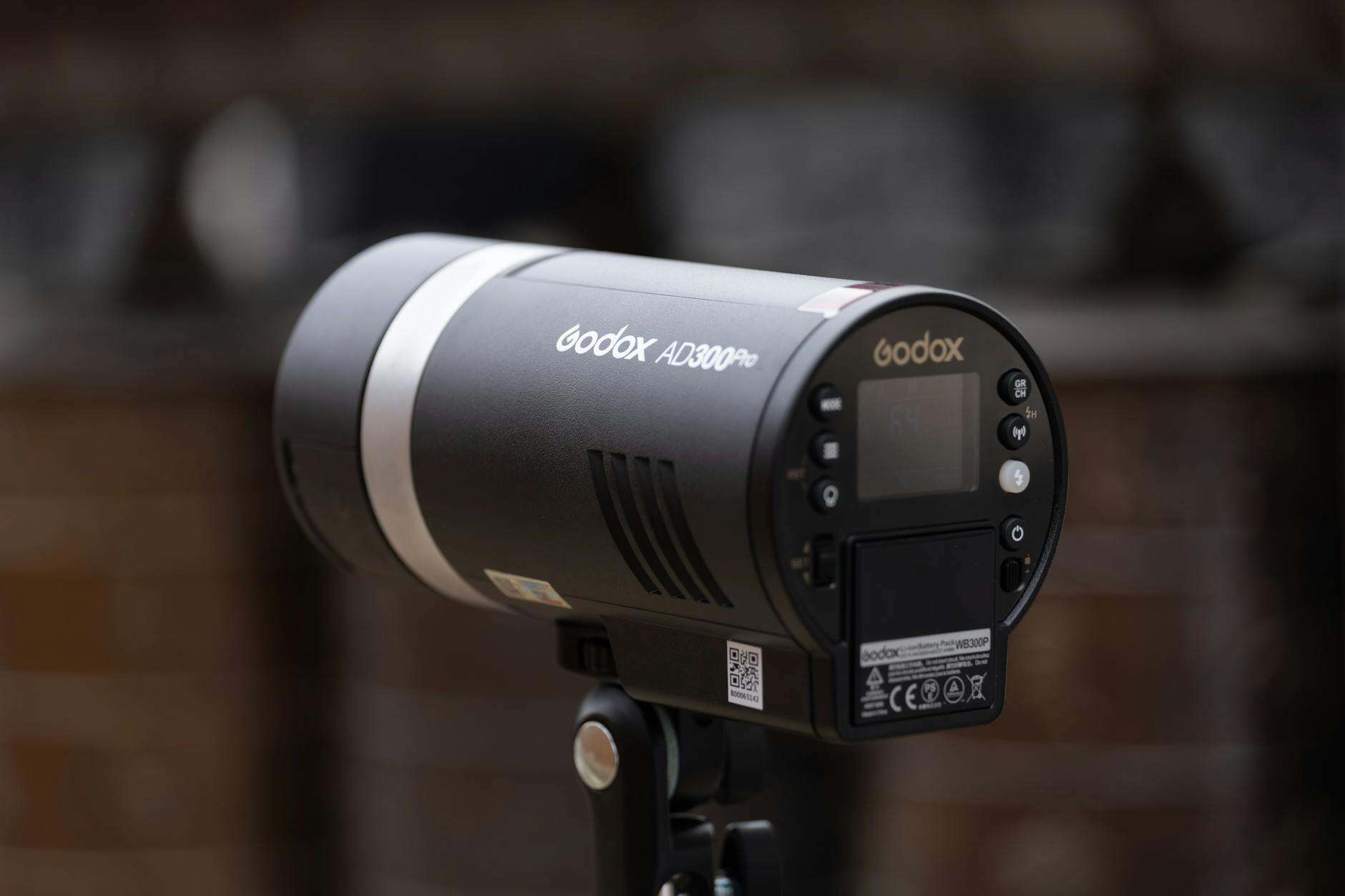
The launch of the Godox PaletteLab Color Engine is not a standalone software or theoretical concept; it is embodied in a new series of five LED fixtures, demonstrating Godox’s commitment to implementing this technology across a practical and versatile range. This lineup spans a power spectrum from 150W to a formidable 1200W, catering to a wide array of production needs, from intimate interviews and product photography to large-scale cinematic sets. This breadth ensures that the benefits of PaletteLab’s enhanced color fidelity are accessible regardless of the project’s size or specific lighting requirements.
The strategy behind this diverse range is clear: to offer a complete ecosystem of color-accurate lighting solutions. Instead of forcing users to mix and match between different brands, and thus different color rendition profiles, Godox aims to provide a unified solution. This consistency across a range of power outputs is invaluable for DPs and gaffers who need to maintain a cohesive look throughout a production. Imagine lighting a complex scene where a 1200W fixture serves as the key light, a 600W as a fill, and a 150W as a hair light. With the godox palettelab engine powering all these units, the color temperature and spectral quality will be inherently matched, drastically reducing the time spent on color correction in post-production and ensuring creative intent is preserved from capture to final delivery.
Each fixture in the new lineup is designed not just for power but also for practical use on set. Expected features include robust build quality, intuitive control interfaces, compatibility with industry-standard modifiers (like Bowens mount accessories), and potentially advanced connectivity options such as DMX, LumenRadio, or Bluetooth app control. This blend of high-quality light output with user-friendly design and robust construction makes these new fixtures compelling tools for any professional. The meticulous attention to detail in such product launches is often highlighted in industry news, such as TechCrunch’s insights into future lighting technology, emphasizing the ongoing innovation in this sector. The ability to scale one’s lighting package while maintaining color consistency is a significant advantage, especially for cinematographers who might need to adapt their setups for various scenarios, from intricate studio shots to dynamic drone cinematography techniques that require precise lighting control.
Precision for Portability: The 150W and 300W Fixtures
The lower-wattage fixtures in the new Godox PaletteLab lineup, specifically the 150W and 300W models, are poised to become indispensable tools for a wide range of content creators who prioritize portability without sacrificing color quality. These units are designed for scenarios where compact size, lightweight construction, and efficient power consumption are paramount. Think about solo shooters, documentary filmmakers, interview setups, or small studio product photography. In these environments, lugging heavy, power-hungry lights is simply not feasible, yet the demand for pristine color rendition remains absolute.
The 150W fixture, for instance, will likely serve as an excellent hair light, a subtle fill, or a key light for close-up shots. Its modest power output, combined with the Godox PaletteLab‘s color accuracy, means that even these smaller, supplementary lights contribute to a cohesive and professional color palette. The 300W model steps up the power, making it a versatile option for main key lighting in smaller spaces, illuminating subjects for talking-head interviews, or providing clean, accurate light for still life and commercial product photography. For photographers specializing in portraits or fashion, where skin tones and fabric colors must be rendered perfectly, these fixtures offer a significant upgrade in quality from previous generations of portable LEDs.
A key advantage of these smaller PaletteLab fixtures will be their ability to integrate seamlessly with existing lighting setups or to form the core of a highly portable, color-accurate kit. Imagine a wedding videographer needing to match the ambient light from a window with a small LED panel, or a corporate video producer requiring consistent color across multiple interview locations. The inherent color fidelity of the godox palettelab engine in these units ensures that color matching is less of a headache and more of a creative choice. Furthermore, these compact lights are ideal for scenarios requiring dynamic camera movement, where lights need to be easily positioned and repositioned, complementing the agility offered by modern gimbal techniques. The emphasis on high color accuracy in portable units is a direct response to market demands, as noted by sources discussing the continuous evolution of professional lighting equipment, such as various industry trade publications and reviews of new gear.
Versatility and Power: The 600W Fixture in Focus
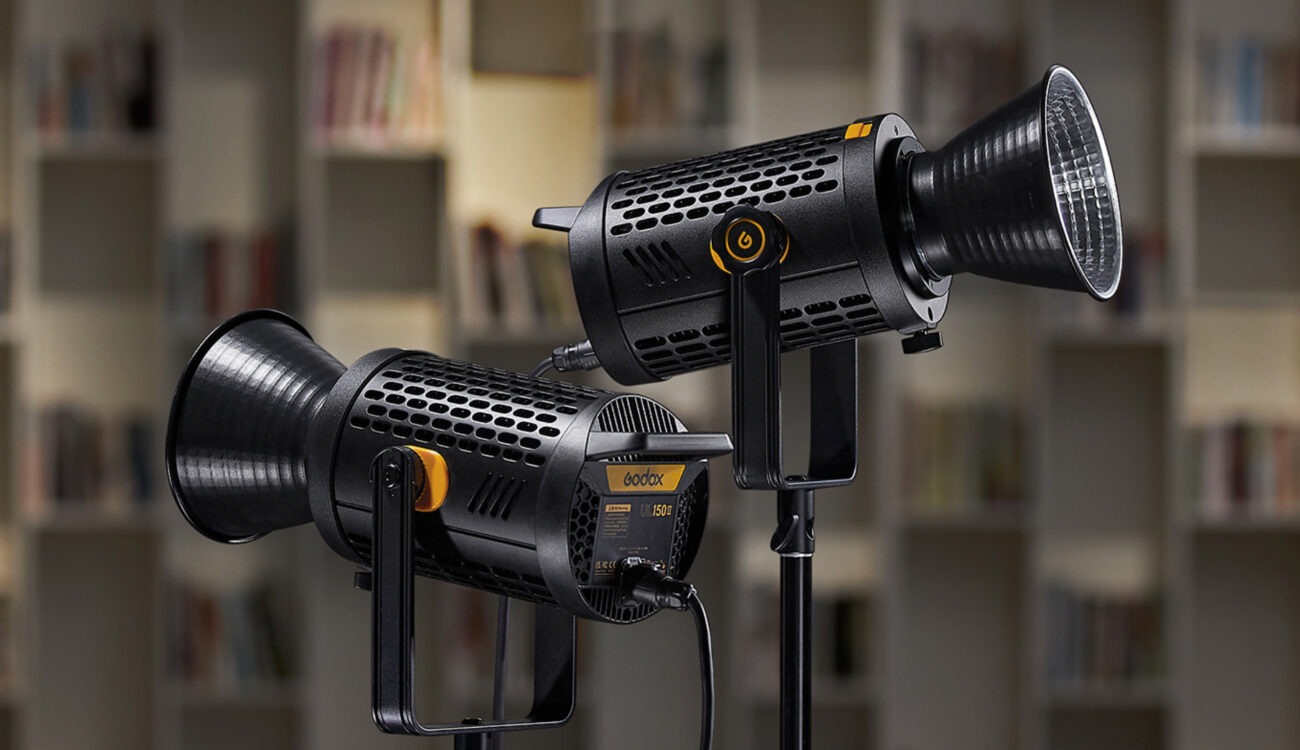
Stepping into the mid-range of the new Godox PaletteLab lineup, the 600W fixture promises to be a workhorse for a vast majority of production scenarios. This power output strikes an ideal balance between intensity and manageability, making it incredibly versatile for both studio and on-location shoots. A 600W LED, especially one powered by the advanced Godox PaletteLab Color Engine, is capable of serving as a primary key light for medium-sized sets, providing ample illumination for full-body shots, or acting as a powerful fill light to soften shadows and maintain exposure balance.
The significance of the godox palettelab in a 600W unit cannot be overstated. At this power level, the light output is substantial enough to truly shape a scene, and any color inaccuracies would be magnified across the entire frame. With PaletteLab, cinematographers can rely on the fixture to deliver clean, consistent light that accurately renders skin tones, set dressing, and costume colors, crucial for maintaining the visual integrity of a film or commercial. This allows for greater creative freedom in color grading, knowing that the base footage is starting from a neutral and accurate color foundation. It’s the difference between fighting your lights in post and using them as a true creative partner.
Beyond its raw power and color fidelity, the 600W fixture will likely feature robust construction and advanced cooling systems to ensure stable performance during extended shoots. Compatibility with a wide array of light modifiers, such as softboxes, fresnels, and parabolic reflectors, will further enhance its versatility, allowing DPs to sculpt the light precisely to their vision. For productions that require a blend of practical effects and digital enhancements, such as those employing practical vs digital effects, accurate lighting is paramount to ensure seamless integration. The 600W PaletteLab fixture offers a compelling solution for filmmakers seeking a powerful, reliable, and color-accurate light that can adapt to diverse creative demands without breaking the bank. Its introduction is a testament to the ongoing advancements in professional LED lighting, a topic often covered in industry publications like The Verge’s discussion on LED color accuracy, emphasizing the importance of such innovations.
High Output for Demanding Sets: The 900W and 1200W Behemoths
At the pinnacle of the new Godox PaletteLab lineup sit the 900W and 1200W fixtures, true powerhouses designed for the most demanding production environments. These high-output units are engineered to provide significant illumination over larger areas, punch through diffusion, or compete with bright ambient light, making them indispensable for feature films, large-scale commercials, and television series. In these scenarios, sheer intensity is often required, but critically, that intensity must be paired with impeccable color quality. This is precisely where the Godox PaletteLab Color Engine proves its worth.
For a 1200W fixture, the ability to deliver light with extraordinary color accuracy means that large sets can be lit with a consistent, high-fidelity source, reducing the need for extensive color correction across wide shots and complex blocking. Whether illuminating an expansive exterior night scene, providing a powerful key for a car commercial, or creating dramatic lighting for a music video, these fixtures ensure that every color, from subtle skin tones to vibrant set pieces, is rendered authentically. The increased output also means that filmmakers have more flexibility in shaping light, allowing them to use heavier diffusion or bounce light over greater distances while still maintaining sufficient intensity.
The development of such high-wattage, color-accurate LED fixtures marks a significant milestone in replacing traditional HMI and tungsten sources. While HMIs offer immense output, they come with logistical challenges: heat, power draw, flicker issues, and generally less control over color temperature without gels. Tungsten, while beautiful, is incredibly inefficient and hot. The godox palettelab 900W and 1200W units offer a compelling alternative, providing comparable output with the inherent advantages of LED: cooler operation, instant color temperature adjustment, and vastly improved energy efficiency. This transition is not just about technology; it’s about fundamentally changing how large-scale productions approach their lighting strategy, influencing everything from power consumption to crew safety. For directors and DPs, this means more creative choices with fewer technical compromises, enabling them to focus on the artistry of light. The ability to manage such powerful lights efficiently is also a point of consideration for any Googleflow filmmaker guide focused on optimizing production workflows.
Workflow Integration and Creative Impact of Godox PaletteLab
The true measure of any new lighting technology lies not just in its specifications but in how it integrates into existing production workflows and, more importantly, how it empowers creative professionals. The Godox PaletteLab Color Engine, by focusing intently on color fidelity, promises a significant positive impact on both fronts. For cinematographers, gaffers, and colorists, the implications are substantial, streamlining processes and expanding artistic possibilities.
From a workflow perspective, the primary benefit of the godox palettelab is consistency. When all lights on set are rendering colors accurately and uniformly, the time spent on color matching on set is drastically reduced. This means less time fiddling with gels or adjusting color temperature on individual units, and more time focusing on framing, blocking, and performance. In post-production, the benefits are even more pronounced. A clean, color-accurate source image provides a robust foundation for the color grading process. Colorists can then spend their valuable time enhancing the mood, developing a unique look, or refining specific elements of the image, rather than correcting inherent color deficiencies from the lighting. This frees up resources and creative energy, allowing for a more refined and impactful final product. This streamlined approach aligns well with modern post-production techniques, including those leveraging AI image enhancement tools, which benefit immensely from high-quality source material.
Creatively, the PaletteLab opens new avenues. When you can trust your lights to reproduce colors precisely, you gain a level of control that was previously only available with significantly more expensive setups. This empowers cinematographers to be bolder with their color choices, knowing that the intended hues will be captured faithfully by the camera. Whether it’s the subtle nuances of skin tones, the vibrant saturation of production design elements, or the precise color temperature of an environmental light, the PaletteLab ensures that the light itself is not an obstacle but a transparent medium for artistic expression. This newfound confidence in color accuracy can lead to more adventurous lighting designs and a greater ability to evoke specific moods and emotions through light. The debate around color accuracy in professional lighting has been ongoing for years, with many industry experts weighing in on its importance for creative control and post-production efficiency, a sentiment often echoed in articles and discussions found on professional lighting forums and news sites.
Godox’s Strategic Positioning and the Future of Lighting
The introduction of the Godox PaletteLab Color Engine, coupled with its new range of fixtures, marks a decisive strategic move for Godox. Historically, Godox has occupied a unique position in the market: offering high-performance, feature-rich lighting at price points significantly below premium brands. This strategy successfully democratized access to powerful LED lighting for a broad base of photographers and videographers. However, this positioning often came with a caveat, particularly for high-end cinematic applications, where color fidelity was often perceived as a trade-off for affordability.
With PaletteLab, Godox is directly challenging this perception. They are signaling their intent to compete head-on with established industry leaders like Arri, Aputure (especially their Nova series), and Nanlite, not just on lumen output or price, but on the critical metric of color accuracy and consistency. This move could significantly alter the competitive landscape. If Godox can deliver on the promise of PaletteLab, providing truly professional-grade color rendition at their characteristic competitive price points, they stand to capture a larger segment of the professional market, including rental houses, larger production companies, and discerning independent filmmakers who previously opted for more expensive alternatives.
Furthermore, this development aligns with the broader trends in the lighting industry. The demand for spectral completeness and precise color control in LED fixtures continues to grow as camera technology advances and the visual expectations of audiences rise. Manufacturers are increasingly investing in proprietary color science and advanced calibration techniques. Godox’s PaletteLab is not just catching up; it’s positioning the company as a serious innovator in this crucial area. This strategic pivot could solidify Godox’s reputation as a full-spectrum lighting solution provider, capable of equipping everything from a small YouTube studio to a major film set. The long-term implications for the future of lighting are clear: color accuracy will no longer be a luxury reserved for the highest budgets but an expectation across all professional tiers. This evolution can also be seen in the development of tools for pre-visualization and planning, like prompt engineering for video, where accurate light simulation becomes increasingly important.
Challenges and Opportunities in Adopting Godox PaletteLab
The debut of the Godox PaletteLab Color Engine and its new fixture lineup presents both significant opportunities and inherent challenges for Godox and the professional lighting community. On the opportunity side, the most obvious benefit is the potential for Godox to significantly elevate its brand perception and market share within the high-end professional sector. By directly addressing the long-standing demand for superior color fidelity, Godox can attract cinematographers, gaffers, and rental houses who previously overlooked the brand due to concerns about color accuracy. This expansion into a more premium segment, while maintaining competitive pricing, could be a game-changer, offering professionals powerful, reliable, and now color-accurate lighting solutions that are more budget-friendly than traditional top-tier options.
The opportunity also extends to education and awareness. Godox will need to effectively communicate the technical advancements and practical benefits of the godox palettelab to its existing user base and potential new customers. Demonstrations, comparative tests against industry benchmarks, and endorsements from respected professionals will be crucial in building trust and validating the claims of enhanced color performance. This is particularly important in an industry where reputation and proven performance hold significant weight. For independent creators and smaller studios, these new fixtures could democratize access to truly professional-grade lighting, enabling higher production values for a broader range of projects.
However, challenges also exist. The first is convincing a skeptical professional market. Decades of brand loyalty and established trust with manufacturers known for their color science will not be easily overcome. Godox must prove, unequivocally, that PaletteLab delivers on its promises consistently across all units and over time. Initial reviews and real-world testing will be critical. Another challenge lies in integration. While Godox fixtures are popular, many professionals already have significant investments in other brands. The adoption of PaletteLab will depend on how seamlessly these new lights can integrate into existing workflows, both technically (e.g., DMX compatibility, control systems) and aesthetically (e.g., matching with other brands’ color profiles). Furthermore, the brand will need to ensure robust quality control and consistent manufacturing to maintain the high standards set by PaletteLab. The success of such a significant technological leap relies heavily on user experience and the ability of the new tech to truly enhance creative output, a factor often discussed in industry analyses of new equipment. For example, the impact on AI rendering vs traditional methods in post-production could also be influenced by the quality of initial lighting data.
Frequently Asked Questions
What is the Godox PaletteLab Color Engine?
The Godox PaletteLab Color Engine is a new, proprietary technology developed by Godox designed to significantly improve the color fidelity and accuracy of their LED lighting fixtures. It combines advanced LED chip technology, sophisticated optical design, and intelligent control algorithms to produce light with a more complete and consistent spectral output.
Which new fixtures are debuting with the Godox PaletteLab?
Godox is launching five new LED fixtures powered by the PaletteLab Color Engine, ranging in power output from 150W to 1200W. This diverse lineup caters to a wide array of production needs, from portable setups to high-output cinematic lighting.
Why is color fidelity important for professional lighting?
Color fidelity is crucial because it ensures that the light source accurately renders colors, especially skin tones and saturated hues, as they appear in natural light. This reduces unwanted color casts, simplifies color correction in post-production, and ensures visual consistency across different shots and scenes, preserving the creative intent of filmmakers and photographers.
How does PaletteLab compare to previous Godox lighting?
While previous Godox lights were known for power and affordability, the PaletteLab represents a dedicated effort to address color accuracy, a common critique from high-end professionals. It aims to elevate Godox’s color rendition to compete with more premium, color-science-focused brands.
What impact will PaletteLab have on filmmakers and photographers?
PaletteLab promises to provide filmmakers and photographers with more reliable and consistent color, streamlining on-set workflow and post-production color grading. This increased control over color quality empowers creators to achieve their artistic vision with greater precision and efficiency.
Discover more from Olivier Hero Dressen Blog: Filmmaking & Creative Tech
Subscribe to get the latest posts sent to your email.

Work with Olivier
Director | CD | DP & Photographer
Specializing in commercials, music videos, AI-driven filmmaking, and cinematic storytelling for brands and production companies.
🌍 Shanghai · Paris · Los Angeles · Dubai
🎬 View Portfolio & Get in Touch