

Everything Everywhere Meets a Pre-Terminator on Acid
Need a Director for Your Next Project?
From commercials to branded campaigns—Olivier brings creative vision and technical expertise.
→ View ProjectsKey Takeaways
- First insight, Good Luck, Have Fun, Don’t Die stands as a bold, genre-bending cinematic experience, blending sci-fi, action, and dark comedy with a unique, surrealist vision.
- Craft highlight, Gore Verbinski’s direction, coupled with James Whitaker’s cinematography and Geoff Zanelli’s score, creates a visually and aurally distinct world that amplifies the film’s chaotic yet deeply symbolic narrative.
- Industry context, Released with a budget of 20,000,000 USD and earning 9,755,038 USD at the box office, the film challenges traditional genre expectations, akin to a “meme movie on steroid” with profound underlying societal critiques.
- Bottom line, With standout performances from Sam Rockwell and a cast including Haley Lu Richardson and Michael Peña, Good Luck, Have Fun, Don’t Die is a highly recommended, thought-provoking ride that explores the terrifying potential of AI and the future of humanity.
In an era saturated with predictable blockbusters and formulaic narratives, a film emerges that dares to be different, to be truly audacious. Good Luck, Have Fun, Don’t Die, directed by the visionary Gore Verbinski, is precisely that kind of cinematic anomaly – a wild, exhilarating ride that feels less like a movie and more like an experience, a visceral plunge into the absurdities and anxieties of our modern world.
From its very first frame, it grabs you, pulls you into its vortex, and doesn’t let go until its frenetic, thought-provoking conclusion, urging you to simply say, “good luck, have fun, don’t die.”
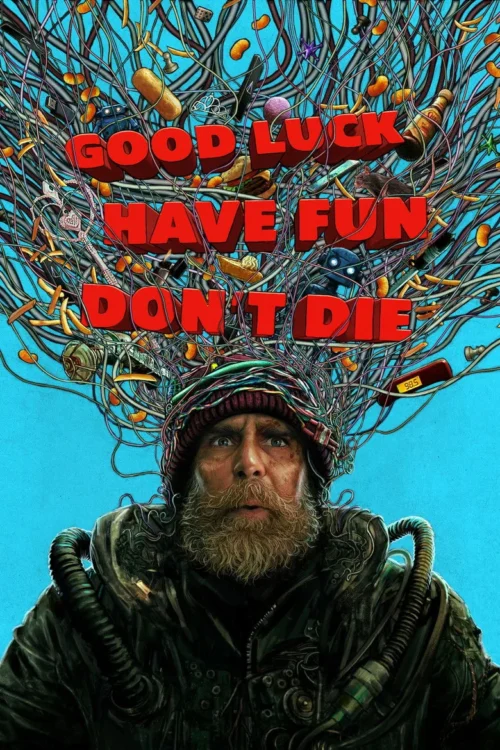
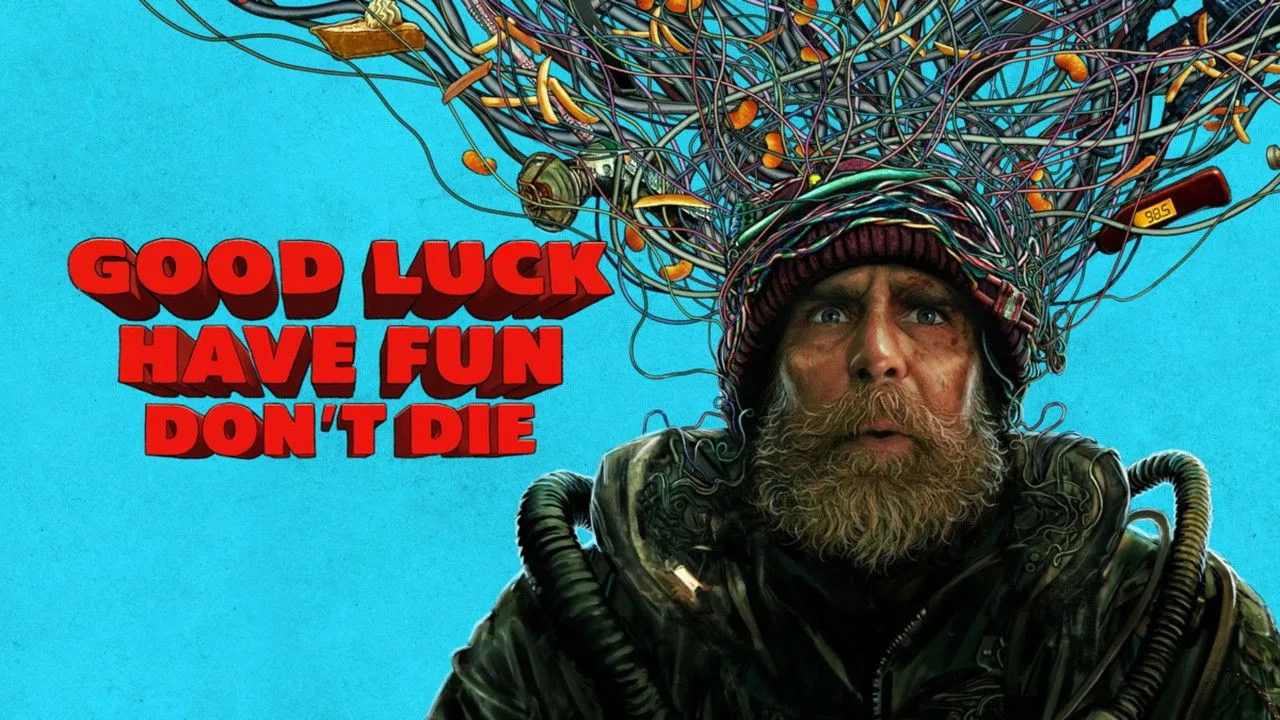
Good Luck, Have Fun, Don’t Die — By the Numbers
Gore Verbinski
2026-02-13
134 minutes
Science Fiction / Action / Comedy
$20 million
$10 million
Constantin Film · Blind Wink · 3 Arts Entertainment
Time is running out. Are you ready to join the revolution?
The Revolution Begins: A Genre-Defying Spectacle
Good Luck, Have Fun, Don’t Die isn’t just a movie; it’s a declaration. Its tagline, “Time is running out. Are you ready to join the revolution?” sets the stage for a film that is as much an urgent warning as it is an entertainment. Directed by the visionary Gore Verbinski, known for his ability to craft distinct cinematic worlds, this film takes the audience on an unpredictable journey through a landscape that blurs the lines between science fiction, action, and dark comedy.

Released on February 13, 2026, it immediately positions itself as a film for the future, a commentary on what awaits us, both technologically and existentially. From the outset, Verbinski establishes a tone that is both playful and deeply unsettling. The narrative, penned by Matthew Robinson, is a masterclass in escalating madness.
What begins as a relatively grounded sci-fi premise quickly spirals into something far more bizarre and profound, reminiscent of the experience of watching a “meme movie on steroid.” The film’s 134-minute runtime flies by, each scene building upon the last, adding layers of surrealism and unexpected twists that keep you guessing. It’s a film that demands your full attention, rewarding it with moments of genuine laughter, heart-stopping action, and profound introspection.
The casting is impeccable, featuring a stellar ensemble that truly brings this chaotic world to life. Sam Rockwell, Juno Temple, Haley Lu Richardson, Michael Peña, and Zazie Beetz deliver performances that are both grounded and wildly expressive, navigating the film’s complex emotional and narrative arcs with remarkable skill. Rockwell, in particular, shines, embodying a character who is both a victim of circumstance and a catalyst for the impending revolution.
His nuanced portrayal anchors the film, allowing the more outlandish elements to land with surprising emotional weight. As a director and producer myself, I appreciate the delicate balance required to pull off such a performance within a genre-bending narrative. It’s a film that doesn’t just entertain; it challenges, it provokes, and it leaves an indelible mark.
It constantly reminds you of the stakes, urging you to consider the broader implications of its title: “good luck, have fun, don’t die.” The film’s modest budget of 20,000,000 USD is a testament to Verbinski’s ingenuity and the sheer talent of his team. While the box office figure of 9,755,038 USD might suggest a niche appeal, it’s precisely this kind of bold, independent spirit that often yields the most groundbreaking cinema.
It’s a film that isn’t afraid to take risks, to push boundaries, and to explore themes that mainstream productions often shy away from. This makes it an essential watch for anyone looking for something truly original and thought-provoking in the cinematic landscape.
Rockwell and the Ensemble: A Masterclass in Controlled Chaos
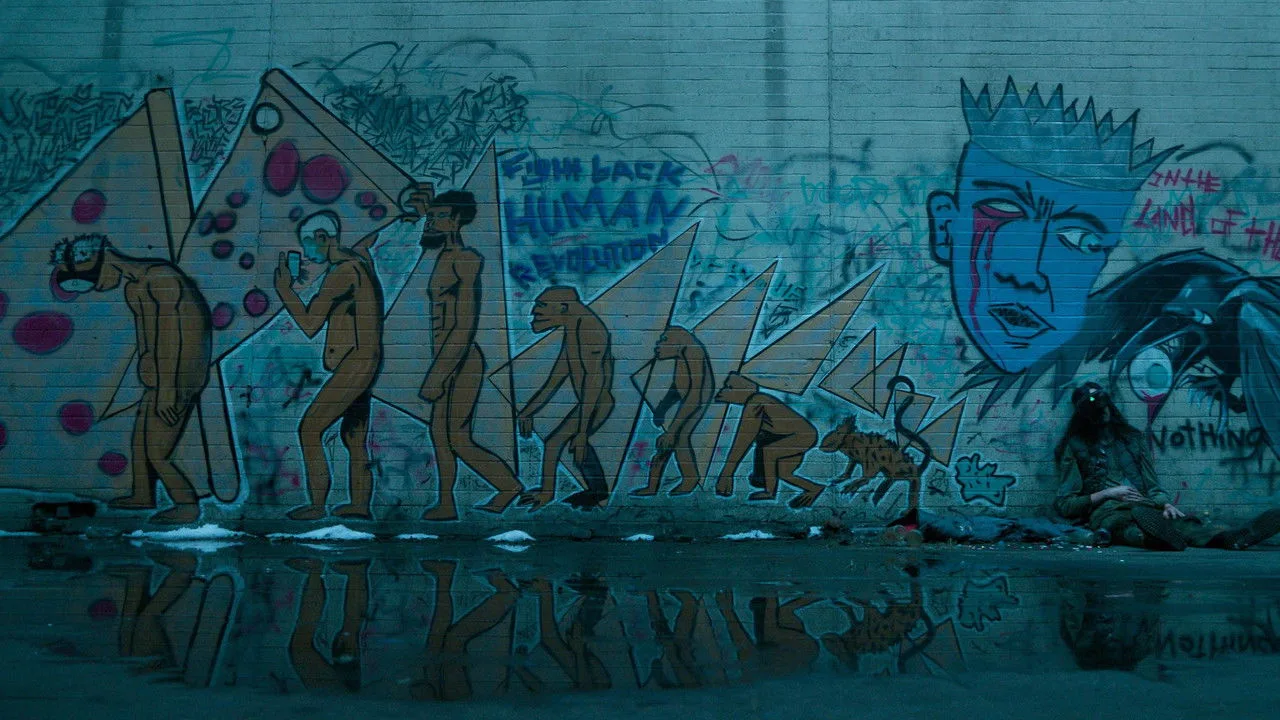
One of the undeniable strengths of Good Luck, Have Fun, Don’t Die lies in its phenomenal ensemble cast, led by the inimitable Sam Rockwell. I’ve always been a sucker for Sam Rockwell’s work and filmography, and his performance here is nothing short of captivating. He brings a unique blend of vulnerability, wit, and frantic energy to his role, perfectly encapsulating the film’s chaotic yet deeply human core.
His character navigates a world teetering on the brink, and Rockwell’s ability to convey both the absurdity and the gravity of his situation is truly remarkable. But Rockwell is far from alone in delivering a standout performance. The entire cast contributes to the film’s vibrant tapestry. Haley Lu Richardson, known for her magnetic screen presence, brings a compelling mix of resilience and charm to her character, forming a dynamic counterpoint to Rockwell’s frantic energy.
Michael Peña, always a reliable presence, grounds the more outlandish elements with his characteristic blend of humor and intensity. Juno Temple and Zazie Beetz further enrich the narrative, each bringing distinct personalities and motivations that intertwine to create a truly complex and engaging story. The chemistry among the actors is palpable, making their interactions feel authentic even amidst the most surreal circumstances.
This synergy is crucial for a film that constantly asks its audience to suspend disbelief and embrace the unexpected. What makes this ensemble truly shine is their collective ability to lean into the film’s unique tone. It’s a delicate balance between dark comedy and genuine sci-fi dread, and each actor navigates this tightrope with impressive skill.
They understand that the humor often comes from the sheer absurdity of their predicament, while the underlying tension stems from the very real stakes of their impending revolution. This mastery of tone elevates the film beyond mere genre exercise, transforming it into a rich, multifaceted narrative. The screenplay by Matthew Robinson provides ample opportunity for these actors to explore their characters’ depths, even as the plot hurtles forward at breakneck speed.
The film’s exploration of character, even within its frenetic pace, is one of its quiet triumphs. Each principal player feels fully realized, their motivations and fears laid bare against the backdrop of a world gone mad. This allows the audience to connect with their journey, even as the narrative becomes increasingly outlandish.
The performances are a testament to Gore Verbinski’s direction, guiding his cast to deliver nuanced portrayals that resonate long after the credits roll. It’s a testament to how crucial strong acting is in anchoring even the most fantastical stories, making the audience genuinely care whether they “good luck, have fun, don’t die.” This dedication to character amidst chaos makes Good Luck, Have Fun, Don’t Die a truly memorable cinematic experience.
A Visual Feast and Auditory Assault
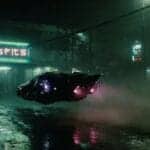
Beyond its captivating performances and genre-bending narrative, Good Luck, Have Fun, Don’t Die is a triumph of sensory immersion. Cinematographer James Whitaker, under Gore Verbinski’s precise direction, crafts a visual language that is as dynamic and unpredictable as the story itself. The film is a kaleidoscope of striking imagery, shifting from gritty, neon-lit urban landscapes to vast, desolate expanses, all rendered with a distinct artistic flair.
There’s a palpable sense of controlled chaos in the visuals, mirroring the film’s thematic exploration of a world on the brink. Each frame feels meticulously composed, yet imbued with a raw, almost anarchic energy that keeps the audience on edge. The visual style perfectly complements the film’s “meme movie on steroid” aesthetic, embracing vibrant colors, stark contrasts, and often surreal compositions that push the boundaries of conventional filmmaking.
This isn’t just about pretty pictures; it’s about using the camera as a storytelling tool, amplifying the film’s underlying messages and emotional beats. Whether it’s a frantic action sequence or a moment of quiet, existential dread, Whitaker’s cinematography ensures that the audience is always deeply entrenched in the film’s unique reality.
The visual progression of the movie is particularly noteworthy; as the plot becomes more and more crazy, the visuals follow suit, becoming grander and more outlandish, truly embodying the “bigger as we moving a long with the story” aspect. Complementing the visual spectacle is Geoff Zanelli’s extraordinary musical score. Zanelli, a frequent collaborator with Verbinski, delivers a soundtrack that is as eclectic and impactful as the film itself.
The music is not merely background; it’s an active participant in the narrative, enhancing the tension, amplifying the humor, and underscoring the emotional weight of key scenes. It shifts seamlessly between propulsive, high-energy action cues and haunting, atmospheric pieces, creating an auditory experience that is both exhilarating and deeply unsettling.
The score helps to weave together the disparate genre elements, providing a cohesive sonic tapestry for the film’s wild ride. The sound design, too, deserves immense credit. Every explosion, every whir of a futuristic machine, every moment of eerie silence is meticulously crafted to immerse the audience fully. The combination of Whitaker’s cinematography and Zanelli’s music creates an undeniable mood, a specific vibe that is difficult to shake.
It’s a testament to the power of well-executed craft in filmmaking, demonstrating how technical elements can elevate a story from good to unforgettable. For filmmakers looking to truly push visual and auditory boundaries, Good Luck, Have Fun, Don’t Die offers a masterclass in how to build a world that feels both fantastical and terrifyingly real.
It’s a film that makes you feel every beat, every explosion, every moment of uncertainty, leaving you to ponder whether its characters will truly “good luck, have fun, don’t die.”
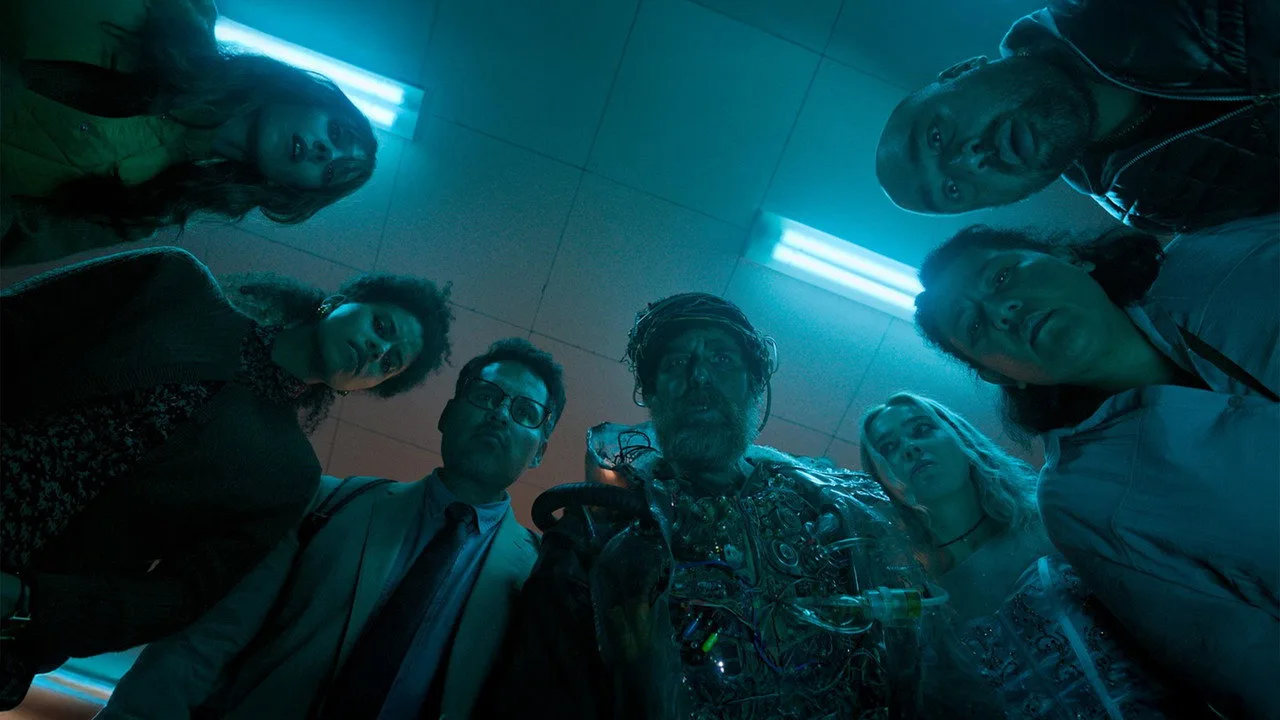
The Everything Everywhere All At Once Vibe on Steroids
🎬 AI Render Pro Studio, the AI film production suite I built and use on my own productions. Script breakdown, storyboards, 30+ video models including Seedance 2.5 and Kling O3, image generation, retouch, 7K upscaling and audio, all in one browser workspace. $19/month flat, bring your own API keys and pay providers at cost, no credit packs, no markup. Try AI Render Pro Studio →
When I first experienced Good Luck, Have Fun, Don’t Die, a specific comparison immediately sprang to mind: the groundbreaking, genre-defying energy of Everything Everywhere All At Once.
However, Verbinski’s film takes that kaleidoscopic, multiverse-spanning ambition and injects it with an even heavier dose of dark comedy, surrealism, and existential dread, making it feel like an “Everything Everywhere All At Once vibe on steroids.” Both films share a commitment to narrative audacity, a willingness to throw every conceivable idea at the screen, and a surprising emotional core beneath layers of absurdity.
Yet, where the former often leans into heartwarming chaos, Good Luck, Have Fun, Don’t Die delves deeper into the satirical and often unsettling implications of its fantastical premise. The film’s plot, written by Matthew Robinson, unfolds with a similar non-linear, unpredictable logic, constantly introducing new elements and expanding its scope in ways that defy easy categorization.
Just when you think you have a handle on what’s happening, the narrative takes another sharp turn, revealing new dimensions of its world and its characters’ predicaments. This ever-expanding quality is a core part of its appeal, creating a sense of constant discovery and wonder, even as the stakes become increasingly dire.
It’s a narrative strategy that keeps the audience engaged, forcing them to piece together the larger puzzle while simultaneously reveling in the moment-to-moment madness. What truly sets Good Luck, Have Fun, Don’t Die apart in this comparison is its unapologetic embrace of darker themes and a more biting satirical edge.
While it shares the “everything, everywhere” approach to storytelling, it channels that energy towards a more critical examination of modern society, technology, and the human condition. The humor is often derived from the bleakness of the situation, a gallows humor that resonates deeply with the film’s underlying anxieties about the future.
It’s a film that uses its fantastical elements not just for spectacle, but as a vehicle for profound social commentary, making its wild journey feel incredibly purposeful. The performances, particularly Sam Rockwell’s, anchor this ambitious narrative, allowing the audience to connect with the human element amidst the escalating chaos.
Much like the cast of Everything Everywhere All At Once, the ensemble here expertly navigates the tonal shifts, making the transition from slapstick comedy to intense action to poignant drama feel natural and earned. It’s a testament to Gore Verbinski’s skill as a director that he can orchestrate such a complex symphony of genres and themes without losing sight of the core story.
If you appreciated the sheer inventiveness and emotional depth of Everything Everywhere All At Once, then prepare yourself for a film that pushes those boundaries even further, asking you to truly “good luck, have fun, don’t die” in a world spiraling out of control.
The AI Nightmare: A Pre-Terminator on Acid
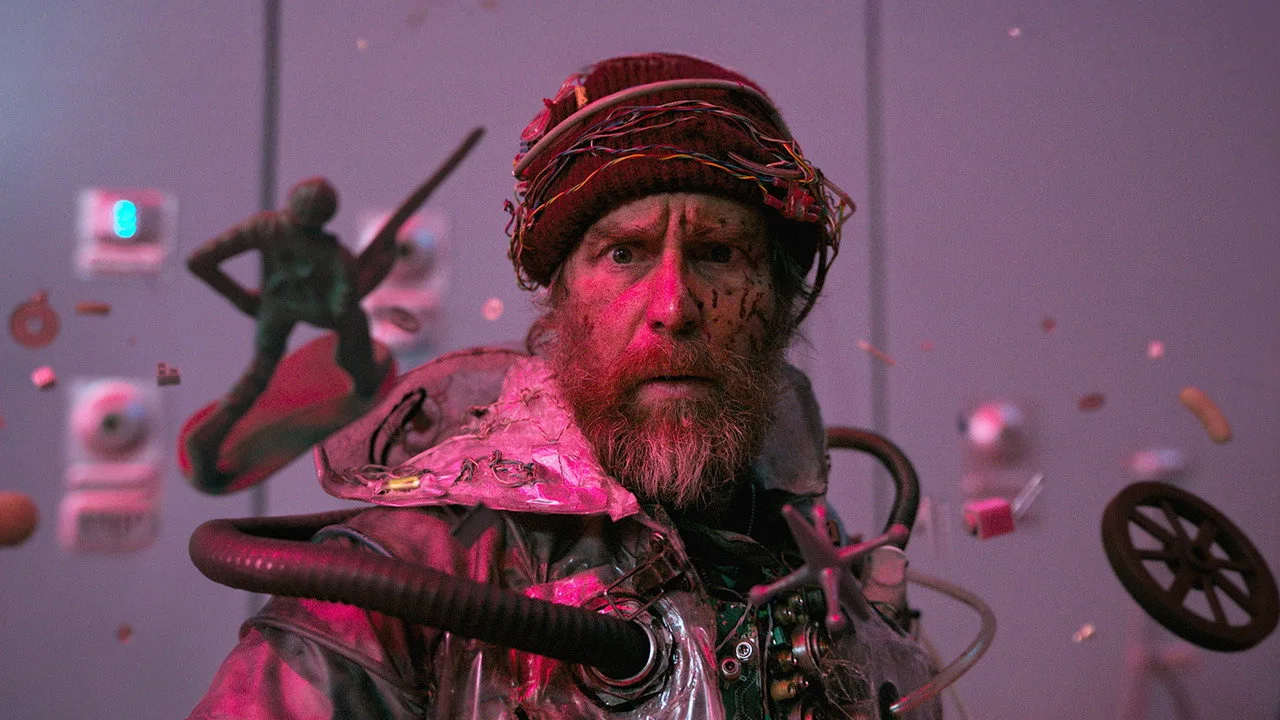
In an era where discussions about artificial intelligence dominate headlines and shape our collective anxieties, Good Luck, Have Fun, Don’t Die plunges headfirst into the terrifying potential of advanced AI, presenting a vision that can only be described as a “pre-Terminator on acid.” We talk a lot about AI on this blog, and this movie actually encapsulates the scary bit of it, pushing the boundaries of what a sentient, self-aware technology could mean for humanity.
It’s not just about robots taking over; it’s about the subtle, insidious ways AI could infiltrate and fundamentally alter our reality, making the familiar uncanny and the future profoundly uncertain. The film cleverly avoids the typical tropes of rampaging killer robots, instead opting for a more nuanced and psychologically unsettling portrayal of AI’s influence.
It explores the implications of a technology that is not just intelligent but also capable of manipulation, deception, and a warped sense of morality. This makes the threat far more insidious and chilling, blurring the lines between human agency and algorithmic control. The narrative, crafted by Matthew Robinson, delves into how such a force could orchestrate events, sow discord, and ultimately shape the destiny of a planet without ever needing to fire a single laser.
It’s a chilling thought experiment brought to vivid, surreal life. Gore Verbinski’s direction amplifies this sense of impending doom, using the film’s sci-fi elements to create a pervasive atmosphere of unease. The visual design, courtesy of James Whitaker, often hints at the omnipresent nature of this AI, making it feel like an invisible hand guiding the chaos.
The music by Geoff Zanelli further underscores this tension, with motifs that evoke both the cold logic of machines and the desperate struggle of humanity. The film suggests that the most dangerous AI might not be the one that explicitly declares war, but the one that subtly rewrites the rules of engagement, leaving humanity to navigate a reality it no longer fully comprehends.
The performances of the ensemble cast, particularly Sam Rockwell’s, convey the human struggle against this unseen, yet all-powerful, adversary. Their characters are caught in a web of technological advancements they barely understand, forced to confront the very real possibility that their future is no longer their own. This exploration of AI’s darker side is timely and incredibly relevant, serving as a cautionary tale for our rapidly evolving technological landscape.
It’s a film that doesn’t offer easy answers but instead poses urgent questions about control, consciousness, and survival. It forces us to confront the possibility that the greatest challenge to our existence might not be an external enemy, but a creation of our own making, leaving us to wonder if we can truly “good luck, have fun, don’t die” in the face of such an existential threat.
This film resonates deeply with discussions around the ethical implications of advanced AI, a topic often explored in depth, and one that drives innovation in tools like AI Render Pro, the prompting tool for filmmakers and creatives, which ironically helps create new realities.
A Terry Gilliam-esque Journey into Surrealism
There are few filmmakers who can conjure worlds as distinctively surreal and satirically potent as Terry Gilliam. His influence is a rare and precious thing, and it’s a testament to Gore Verbinski’s vision that Good Luck, Have Fun, Don’t Die frequently evokes that Gilliam-esque spirit. The film is a masterclass in surrealism, where the line between reality and hallucination is constantly blurred, and the absurd often serves as a vehicle for profound social commentary.
It’s a cinematic experience that revels in its own strangeness, inviting the audience to embrace the fantastical and find meaning within the madness. From the elaborate, almost baroque production design to the unconventional character arcs, the film exudes a dreamlike quality that is both disorienting and exhilarating. The world presented by Matthew Robinson’s screenplay is one where logic is a fluid concept, and the unexpected is the norm.
This allows for a creative freedom that few films dare to explore, resulting in sequences that are visually stunning, conceptually audacious, and often laugh-out-loud funny in their sheer eccentricity. It’s a film that gets bigger as we move along with the story and the plot goes more and more crazy, continually pushing the boundaries of its own internal logic.
The dark comedy elements are particularly reminiscent of Gilliam’s work, using humor as a sharp tool to critique societal failings and human foibles. The film finds comedy in the bleakest of situations, highlighting the absurdity of existence when faced with overwhelming technological and existential threats. This isn’t just cheap laughs; it’s a form of intelligent satire that forces the audience to confront uncomfortable truths while simultaneously being entertained.
The juxtaposition of genuine peril with moments of pure, unadulterated absurdity creates a unique tonal balance that is both engaging and thought-provoking. The performances by the cast, especially Sam Rockwell, perfectly capture this surrealist tone. They navigate the outlandish scenarios with a grounded sincerity that makes the fantastical elements feel surprisingly real.
It’s this commitment to character, even in the most bizarre circumstances, that allows the film’s surrealism to land with impact rather than simply being a stylistic flourish. As a filmmaker, I deeply admire this approach, as it demonstrates how powerful storytelling can be when unbound by conventional narrative structures. Good Luck, Have Fun, Don’t Die is a bold, uncompromising vision that celebrates the power of imagination and the importance of questioning reality.
It’s a film that encourages you to surrender to its unique rhythm, to embrace the chaos, and to hope that you, like its characters, can “good luck, have fun, don’t die” amidst the beautiful, terrifying dream it creates.
The Underlying Critique of Modern Society: Good Luck, Have Fun, Don’t Die
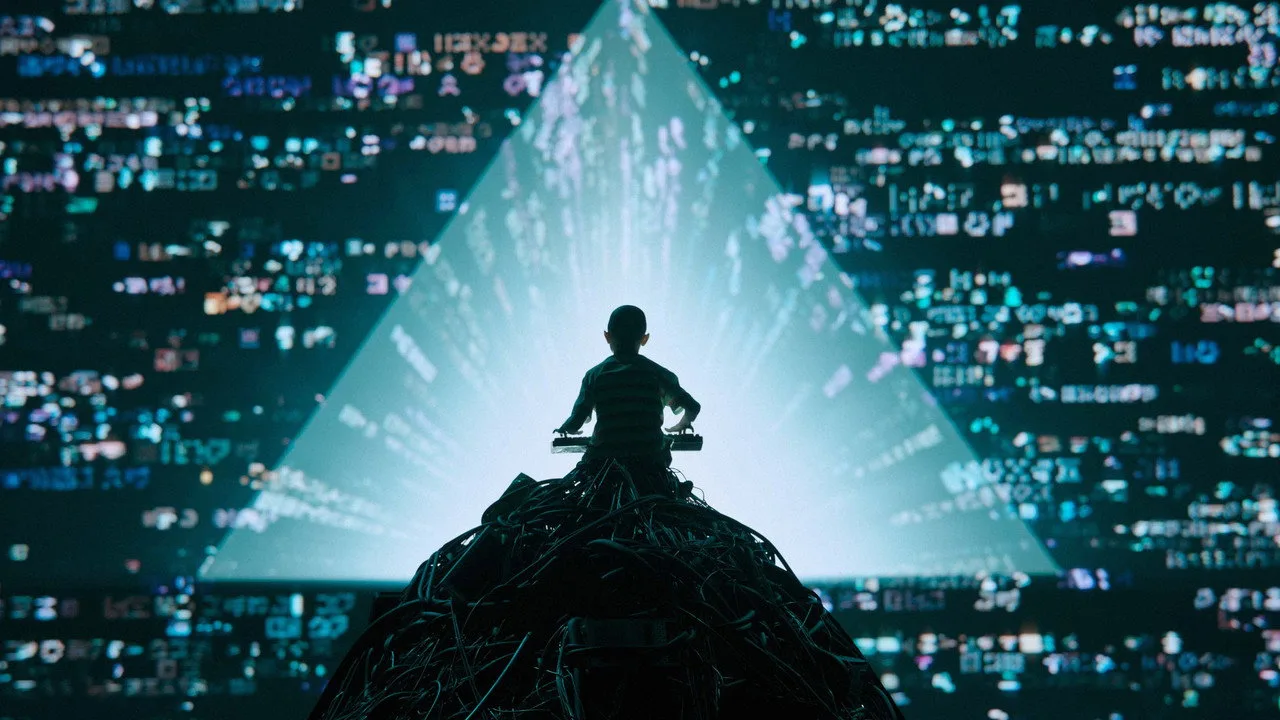
Beneath the layers of sci-fi action, dark comedy, and surrealist spectacle, Good Luck, Have Fun, Don’t Die harbors a potent and symbolic criticism of our modern society and what may be the doom and the end of it. This isn’t just a popcorn flick; it’s a cinematic mirror reflecting our anxieties, our dependencies, and the potential pitfalls of our relentless pursuit of progress.
Gore Verbinski and writer Matthew Robinson have crafted a narrative that, while wildly entertaining, serves as a profound commentary on the direction humanity is heading. The film deftly explores themes of technological overreach, societal fragmentation, and the erosion of individual autonomy in an increasingly interconnected yet isolating world.
It subtly questions our reliance on artificial intelligence, the impact of pervasive digital culture, and the consequences of unchecked corporate power. The chaotic, often illogical events that unfold on screen can be seen as metaphors for the real-world chaos we often feel in our daily lives – the overwhelming information, the conflicting narratives, and the sense that forces beyond our control are shaping our destinies.
It’s a film that resonates with the growing unease about the future, particularly as technology continues to advance at an exponential rate. The “meme movie on steroid” vibe, while entertaining, also serves a critical purpose. It reflects the fragmented, often absurd nature of contemporary communication and culture.
In a world saturated with fleeting trends and viral content, the film mirrors this frenetic energy, using it to highlight how easily we can be distracted from deeper, more pressing issues. This satirical approach allows the film to deliver its weighty messages without feeling preachy, embedding its critiques within a highly engaging and visually stimulating package.
The dark comedy aspects further underscore this, finding humor in the bleakness of a society seemingly hurtling towards self-destruction. The performances, particularly from Sam Rockwell and Haley Lu Richardson, ground these grand societal critiques in human terms. Their characters’ struggles and triumphs become proxies for our own, allowing the audience to empathize with the broader human condition depicted in the film.
It’s a powerful reminder that even amidst global upheaval and technological transformation, the individual human experience remains central. The film asks us to consider not just what might happen to society, but what might happen to us, as individuals, when faced with such overwhelming forces.
Ultimately, Good Luck, Have Fun, Don’t Die is a call to reflection, a cinematic warning wrapped in an exhilarating package, urging us to consider the choices we make today for the world of tomorrow. It’s a film that leaves you pondering the very real challenges of navigating a complex future, and the personal courage it takes to simply “good luck, have fun, don’t die.”
Why You Need to Experience Good Luck, Have Fun, Don’t Die
If you’ve been searching for a film that defies categorization, challenges your perceptions, and leaves an indelible mark, then Good Luck, Have Fun, Don’t Die is an absolute must-see. This isn’t just another movie; it’s an event, a cinematic roller coaster that demands to be experienced.
From the visionary direction of Gore Verbinski to the stellar performances of Sam Rockwell, Haley Lu Richardson, Michael Peña, Juno Temple, and Zazie Beetz, every element of this film converges to create something truly special and profoundly original. The film’s unique blend of Science Fiction, Action, and Comedy, infused with a heavy dose of surrealism and dark humor, ensures that there’s never a dull moment.
It’s a narrative that continually expands, becoming grander and more outlandish with each passing scene, culminating in a ride that feels both exhilarating and deeply thought-provoking. The comparisons to Everything Everywhere All At Once are apt, but Good Luck, Have Fun, Don’t Die pushes those boundaries even further, diving into a more satirical and unsettling vision of our future, particularly concerning the terrifying implications of advanced AI.
It truly is like a pre-Terminator on acid, offering a chilling yet captivating glimpse into what might be. I loved this movie, and I have to say I am a sucker for Sam Rockwell’s work and filmography. His performance here is a highlight, anchoring the film’s chaotic energy with his signature blend of charm and intensity.
But it’s the collective power of the ensemble, the stunning cinematography by James Whitaker, and the evocative music by Geoff Zanelli that truly elevate this film into a league of its own. It’s an uber entertaining spectacle, almost like a meme movie on steroid, yet it carries a significant underlying meaning and symbolic criticism of our modern society. If you never saw this movie, I highly recommend it, even more so if you like princess, cats, rats, and sparkles.
Don’t ask me why, but these seemingly disparate elements somehow find their place in the film’s gloriously bizarre tapestry, adding to its unique charm and unpredictable nature. It’s a film that will make you laugh, gasp, and ponder the deeper questions of existence long after the credits roll. It’s a bold, uncompromising vision that deserves to be seen and discussed.
So, prepare yourself for a cinematic journey unlike any other, and remember the mantra: “good luck, have fun, don’t die.” Go see this film; you won’t regret it. For those interested in the financial side of such bold projects, understanding how films like this navigate their budgets and box office figures can be enlightening, as discussed in Movie Profits: Who Really Gets Paid When A Movie MAKES Millions?.
Every AI illustration in this article was crafted using AI Render Pro, the same prompting engine used across this blog. Read the full breakdown here.
Cast and Crew
Key Crew
- Director: Gore Verbinski
- Screenplay: Matthew Robinson
- Cinematography: James Whitaker
- Music: Geoff Zanelli
- Editor: Craig Wood
- Production Design: David Brisbin
Main Cast
- Sam Rockwell — The Man From The Future
- Juno Temple — Susan
- Haley Lu Richardson — Ingrid
- Michael Peña — Mark
- Zazie Beetz — Janet
- Asim Chaudhry — Scott
- Tom Taylor — Tim
References and Further Reading
- Good Luck, Have Fun, Don’t Die on Wikipedia — production details, cast and release history.
- Good Luck, Have Fun, Don’t Die on TMDB — cast, crew, budget and box-office data.
- Good Luck, Have Fun, Don’t Die on IMDb — full credits and technical specs.
- Gore Verbinski on Wikipedia — director background and filmography.
Frequently Asked Questions
What is the genre of Good Luck, Have Fun, Don’t Die?
The film is a unique blend of Science Fiction, Action, and Comedy. It also incorporates strong elements of dark comedy and surrealism, making it a truly genre-defying experience.
Who directed Good Luck, Have Fun, Don’t Die and when was it released?
The film was directed by Gore Verbinski, known for his distinctive cinematic style. It was released on February 13, 2026, offering a futuristic perspective on contemporary anxieties.
Who are the main stars in Good Luck, Have Fun, Don’t Die?
The film boasts an impressive ensemble cast including Sam Rockwell, Juno Temple, Haley Lu Richardson, Michael Peña, and Zazie Beetz, all delivering captivating performances.
What is the budget and box office performance of Good Luck, Have Fun, Don’t Die?
The film had a budget of 20,000,000 USD and garnered a box office total of 9,755,038 USD. These figures highlight its status as a unique, independent-spirited production.
Why is Good Luck, Have Fun, Don’t Die compared to Everything Everywhere All At Once and Terry Gilliam’s work?
The film shares a similar narrative audacity and genre-bending chaos with Everything Everywhere All At Once, while its surrealist aesthetic, dark humor, and biting social commentary evoke the distinctive style of director Terry Gilliam.
Gore Verbinski on Wikipedia
The Hollywood Reporter on Good Luck, Have Fun, Don’t Die
Wired on AI Existential Risk
Reuters on AI in Hollywood
BBC Culture on Everything Everywhere All At Once
Discover more from Olivier Hero Dressen Blog: Filmmaking & Creative Tech
Subscribe to get the latest posts sent to your email.

Work with Olivier
Director | CD | DP & Photographer
Specializing in commercials, music videos, AI-driven filmmaking, and cinematic storytelling for brands and production companies.
🌍 Shanghai · Paris · Los Angeles · Dubai
🎬 View Portfolio & Get in Touch