

Key Takeaways
- First insight, The overwhelming critical consensus for Dune: Part Two points to its masterful execution across all cinematic disciplines, elevating it beyond a mere sequel.
- Craft highlight, Reviews consistently lauded Denis Villeneuve’s directorial vision, Greig Fraser’s cinematography, and Hans Zimmer’s score as foundational to the film’s immersive and epic quality.
- Industry context, The critical acclaim for Dune: Part Two reinforces the viability of ambitious, large-scale science fiction in the current theatrical landscape, translating directly to its strong box office performance.
- Bottom line, The film’s near-universal positive reception is a testament to its narrative depth, visual grandeur, and compelling performances, solidifying its status as a landmark achievement in modern cinema.
The critical reception for dune: part two has been nothing short of phenomenal, positioning Denis Villeneuve’s latest epic as a benchmark in contemporary science fiction filmmaking. Released on February 27, 2024, the 167-minute Science Fiction / Adventure spectacle quickly garnered widespread acclaim, with reviews highlighting its ambition, execution, and profound impact.
Need a Director for Your Next Project?
From commercials to branded campaigns—Olivier brings creative vision and technical expertise.
→ View ProjectsThis article dissects the core reasons behind this critical dominance, exploring how its technical prowess, narrative depth, and stellar performances converged to create a cinematic experience that resonated globally.

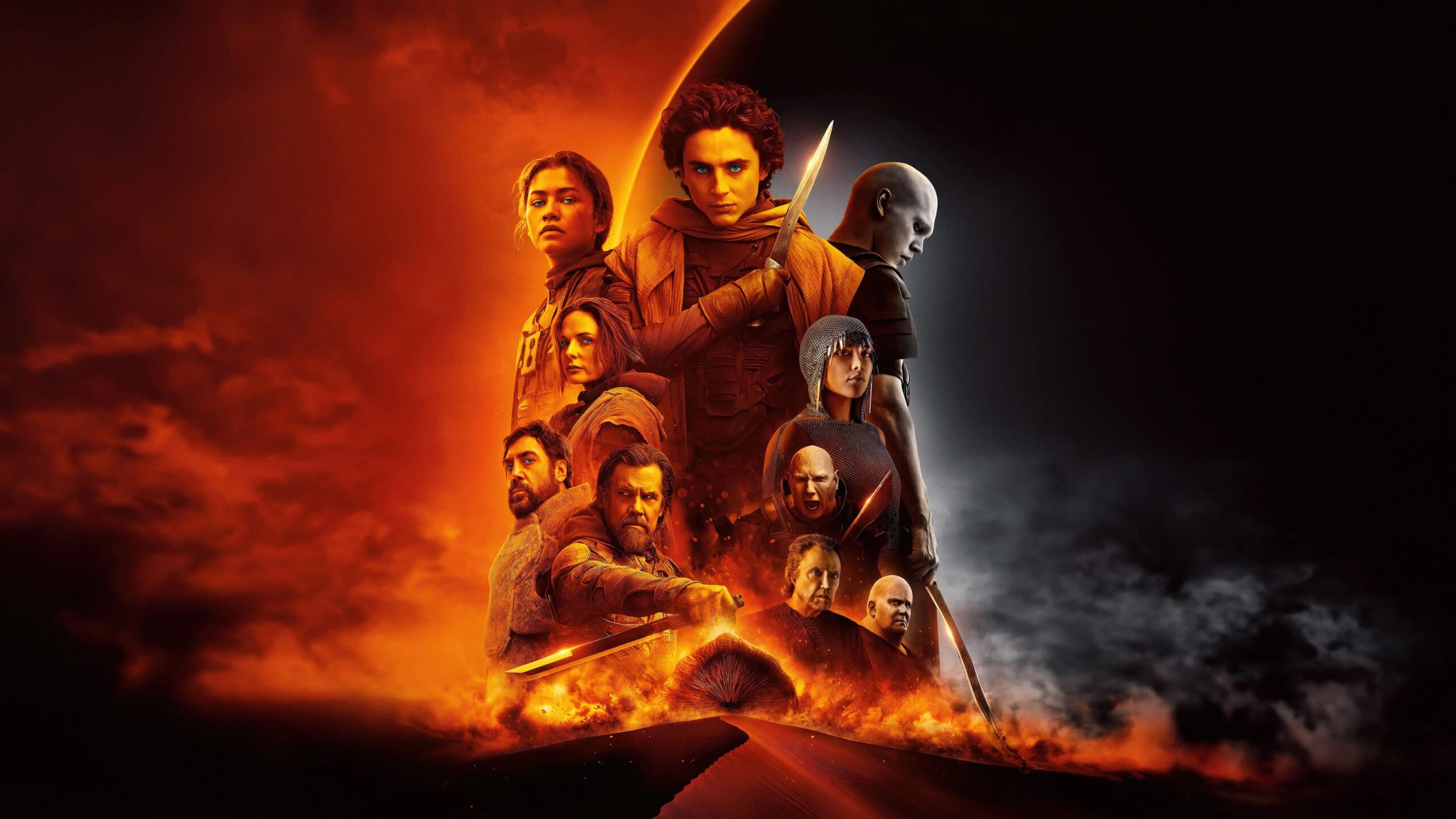
Dune: Part Two — By the Numbers
Denis Villeneuve
2024-02-27
167 minutes
Science Fiction / Adventure
$190 million
$715 million
Legendary Pictures
Long live the fighters.
Unanimous Acclaim: The Critical Consensus
The critical reception for Dune: Part Two has been remarkably consistent, with reviewers across major publications and independent outlets offering near-universal praise. This level of consensus is rare, particularly for a sequel to an already critically acclaimed film. Critics lauded the film for surpassing its predecessor, often describing it as an epic achievement that pushed the boundaries of visual storytelling.
The reviews frequently cited its breathtaking scale, intricate world-building, and profound thematic depth as key contributors to its success. Many critics highlighted how the film managed to balance immense spectacle with intimate character development, a feat often difficult to achieve in blockbusters of this magnitude.
Aggregate review scores on platforms like Rotten Tomatoes and Metacritic reflected this strong positive sentiment, with Dune: Part Two consistently ranking among the highest-rated films of the year. This widespread critical endorsement not only solidified its artistic merit but also generated significant buzz, driving audiences to experience the film on the largest possible screens.
The discourse around the film emphasized its immersive quality, with many reviewers suggesting that it demanded to be seen in cinemas to fully appreciate Greig Fraser’s cinematography and Hans Zimmer’s score. This collective critical voice created a powerful narrative that Dune: Part Two was not merely a good film, but an essential cinematic event.
The discussion often revolved around how Villeneuve, along with co-writer Jon Spaihts, managed to condense Frank Herbert’s complex novel into a cohesive and thrilling cinematic experience, satisfying both long-time fans and newcomers. The overwhelming positive sentiment in every review underscored a shared understanding that this film was a significant piece of work.
Villeneuve’s Vision: A Directorial Masterclass

Denis Villeneuve’s direction of Dune: Part Two has been universally hailed as a masterclass in epic filmmaking. Critics consistently pointed to his meticulous attention to detail, his ability to craft immense scale without sacrificing emotional resonance, and his unwavering commitment to the source material’s challenging themes.
Reviewers noted how Villeneuve managed to improve upon the already impressive foundation laid by the first film, expanding the narrative scope while maintaining a tight grip on the character arcs. His deliberate pacing, which allows moments of quiet contemplation amidst grand action sequences, was frequently praised.
This measured approach ensured that the film never felt rushed, allowing the audience to fully absorb the weight of its narrative and the beauty of its desolate landscapes. The director’s ability to orchestrate complex battle sequences and intimate character interactions with equal finesse was a recurring theme in reviews. Many highlighted how Villeneuve utilized practical effects and CGI seamlessly, creating a tangible, believable world that felt both alien and grounded.
His understanding of space and composition, honed through films like Arrival and Blade Runner 2049, was evident in every frame of Dune: Part Two. Critics often used terms like “visionary” and “uncompromising” to describe his approach, emphasizing that he delivered a film that felt uniquely his own, yet remained faithful to Herbert’s universe.
This directorial consistency and ambition are key reasons why the film garnered such strong reviews, proving that large budgets, like the reported 190,000,000 USD for Dune: Part Two, can be wielded to create genuine cinematic art rather than just spectacle. His direction is a prime example of how a singular artistic vision can translate into a globally lauded product, setting a high bar for future science fiction adaptations.
Visual Grandeur and Aural Immersion
The visual and auditory landscape of Dune: Part Two received effusive praise across the board, establishing it as a technical marvel. Greig Fraser’s cinematography was frequently cited as a standout element, with critics describing his work as breathtaking, painterly, and utterly immersive. His use of stark, expansive desert vistas, combined with intimate, claustrophobic close-ups, created a visual language that was both grand and deeply personal.
Reviewers highlighted how Fraser’s lighting choices and framing amplified the film’s mood and thematic undertones, from the oppressive heat of Arrakis to the shadowy intrigue of the Harkonnen homeworld. The sheer scale and beauty captured by his lens were consistently mentioned as reasons for the film’s powerful impact, demanding to be experienced on the largest screens available. Complementing Fraser’s visuals was Hans Zimmer’s extraordinary score.
Critics universally lauded Zimmer’s ability to craft a sonic tapestry that was simultaneously ancient, futuristic, and deeply emotional. His distinctive blend of orchestral grandeur, ethnic instrumentation, and innovative sound design created an auditory experience that was inseparable from the film’s identity.
Reviews often noted how the music built tension, underscored emotional beats, and amplified the alien nature of the world, making the audience feel truly present on Arrakis. The sound design, too, was praised for its meticulous detail, from the rumble of the sandworms to the whisper of the desert winds, contributing to an unparalleled sense of immersion.
This synergy between cinematography and music, a hallmark of Villeneuve’s collaborations, was a critical factor in the overwhelmingly positive reviews for Dune: Part Two, demonstrating a profound understanding of how to build an atmosphere that transcends mere visuals and sounds.
This careful construction of sensory input is a key aspect for any filmmaker, and tools like AI Render Pro, the prompting tool for filmmakers and creatives can even assist in pre-visualizing such complex scenes.
Performances That Elevate the Narrative
🎬 AI Render Pro Studio, the AI film production suite I built and use on my own productions. Script breakdown, storyboards, 30+ video models including Seedance 2.5 and Kling O3, image generation, retouch, 7K upscaling and audio, all in one browser workspace. $19/month flat, bring your own API keys and pay providers at cost, no credit packs, no markup. Try AI Render Pro Studio →
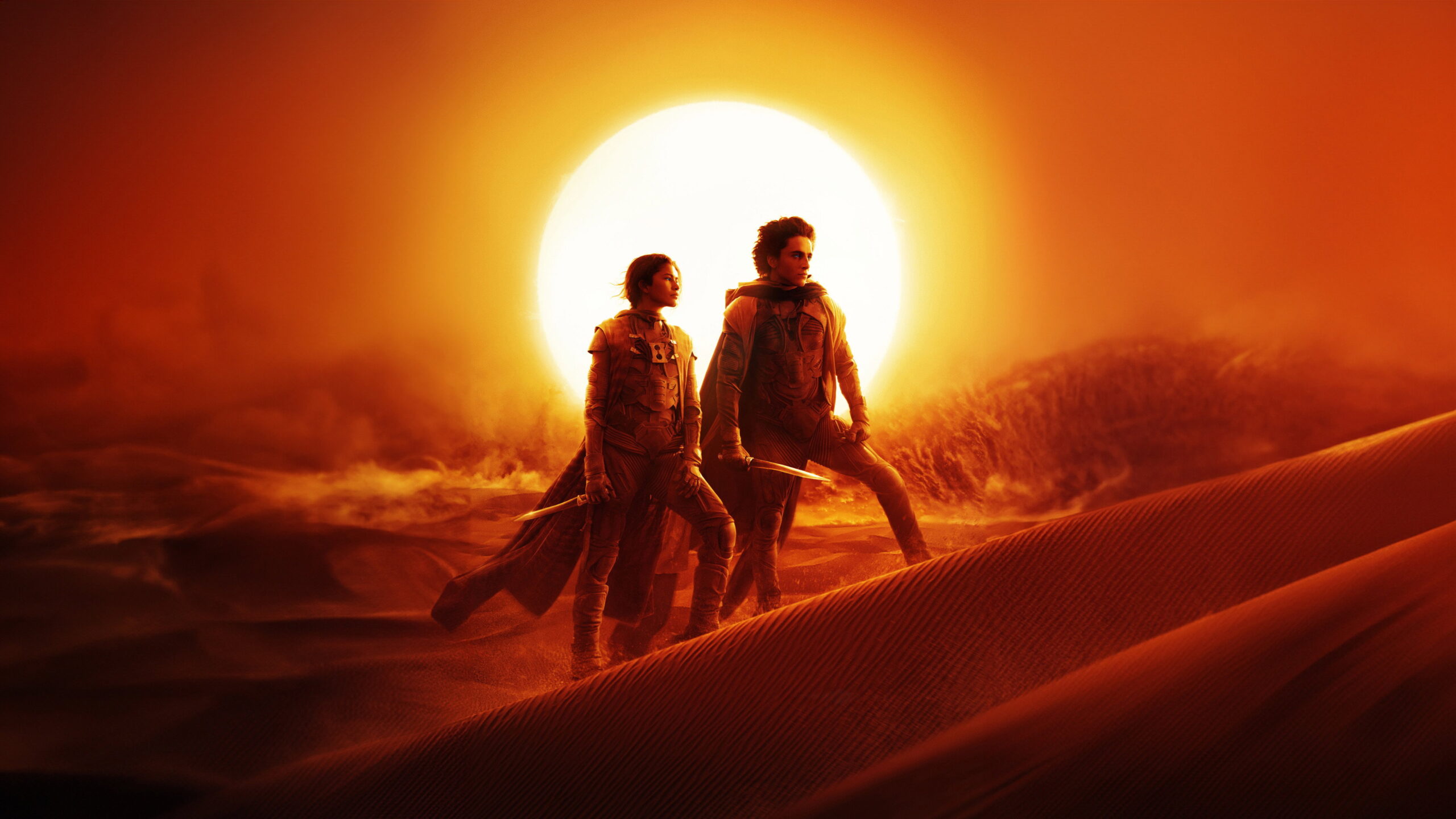
The ensemble cast of Dune: Part Two delivered performances that were consistently lauded by critics, proving instrumental in the film’s dominant review scores. Timothée Chalamet, as Paul Atreides, received particular acclaim for his nuanced portrayal of a young man grappling with destiny, power, and burgeoning messianic status.
Reviewers highlighted his evolution from a hesitant heir to a formidable leader, capturing the internal conflict and external pressures with compelling intensity. Zendaya, in her expanded role as Chani, was praised for bringing depth and fierce independence to a character central to Paul’s journey and the Fremen resistance. Her performance offered a crucial grounded perspective amidst the film’s grand prophecies and political machinations.
Rebecca Ferguson’s portrayal of Lady Jessica was another standout, with critics noting her compelling transformation and the complex emotional layers she brought to the role. Her performance conveyed both immense power and profound vulnerability.
Javier Bardem’s Stilgar, Josh Brolin’s Gurney Halleck, and the new additions to the cast, such as Austin Butler’s chilling Feyd-Rautha and Florence Pugh’s Princess Irulan, also garnered significant praise for their impactful contributions. Critics consistently pointed out how each actor, regardless of screen time, managed to imbue their characters with gravitas and authenticity, enriching the film’s already dense narrative.
This collective strength in acting ensured that even amidst the visual splendor, the human drama remained at the forefront, captivating audiences and critics alike. The synergy among the cast members underscored the film’s commitment to character-driven storytelling, a vital component of its critical success and a reason why Dune: Part Two resonated deeply with viewers.
Script and Adaptation: A Triumphant Continuation
The screenplay for Dune: Part Two, penned by Denis Villeneuve and Jon Spaihts, was a consistent point of praise in critical reviews. Adapting the latter half of Frank Herbert’s seminal novel is a monumental task, given its intricate politics, spiritual themes, and expansive mythology. Reviewers commended the writers for their ability to distill the novel’s complexities into a cohesive, propulsive, and emotionally resonant cinematic narrative.
Many highlighted how the script deepened the character arcs established in the first film, particularly Paul Atreides’ journey from reluctant leader to a figure of immense, and sometimes terrifying, power. The pacing was often praised, with critics noting the skillful balance between exposition, character development, and thrilling action sequences.
The script’s success lay in its clarity and focus, never losing sight of the core narrative despite the vastness of the world it presented. Critics appreciated how the film expanded on the Fremen culture, giving Zendaya’s Chani a more prominent and impactful role, which added a crucial humanistic counterpoint to Paul’s growing messianic status.
The political intrigue, a cornerstone of Herbert’s work, was handled with precision, making the machinations of the Bene Gesserit and the Emperor’s court feel both weighty and understandable. This faithful yet cinematic adaptation ensured that Dune: Part Two felt like a complete and satisfying story, rather than just a bridge to a future installment.
The careful crafting of the narrative, ensuring that plot points and character motivations were clear without over-explanation, was a significant factor in the film’s strong critical reception, showcasing a profound respect for the source material while making it accessible to a broad audience. The collaborative effort in writing, which built upon the groundwork laid by the initial film, solidified its standing as a major critical success.
Narrative Complexity and Thematic Resonance
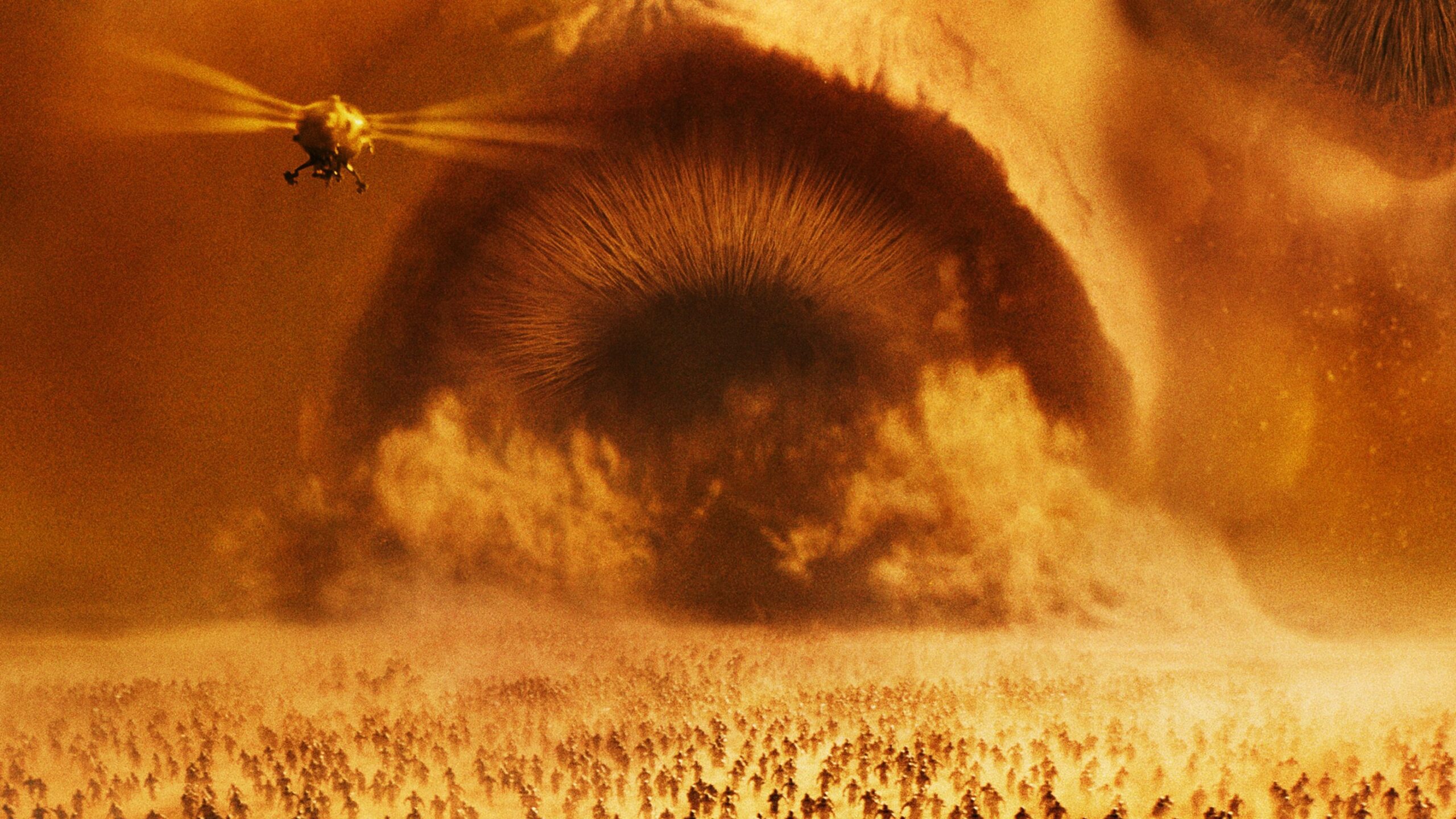
A recurring theme in the overwhelmingly positive reviews for Dune: Part Two was its masterful handling of narrative complexity and its potent thematic resonance. Critics lauded the film for delving deeper into Frank Herbert’s intricate world, exploring themes of destiny, religious fanaticism, colonialism, and the corrupting nature of power with a maturity rarely seen in blockbusters.
The narrative arc of Paul Atreides, in particular, was singled out for its compelling exploration of a hero’s journey that veers into morally ambiguous territory. Reviewers appreciated how the film did not shy away from the darker implications of Paul’s rise, presenting him not merely as a savior, but as a potential harbinger of a holy war. This nuanced portrayal challenged conventional heroic tropes, offering a more thought-provoking and adult science fiction experience.
The film’s examination of the Fremen culture, their spiritual beliefs, and their struggle against oppression added significant layers to the narrative. Critics noted how the film skillfully depicted the manipulation of prophecy for political gain, a theme that remains highly relevant. The intricate web of alliances, betrayals, and ancient prophecies was unraveled with clarity and dramatic impact, ensuring that audiences remained engaged despite the story’s density.
This commitment to exploring complex ideas, rather than simplifying them, set Dune: Part Two apart from many of its contemporaries. The depth of its themes, combined with its grand scale, cemented its critical appeal, demonstrating that mainstream cinema can indeed be both intellectually stimulating and visually spectacular. The critical discourse frequently highlighted how the film’s ability to provoke thought while entertaining was a significant reason for its success.
The Impact of Dune: Part Two on the Genre
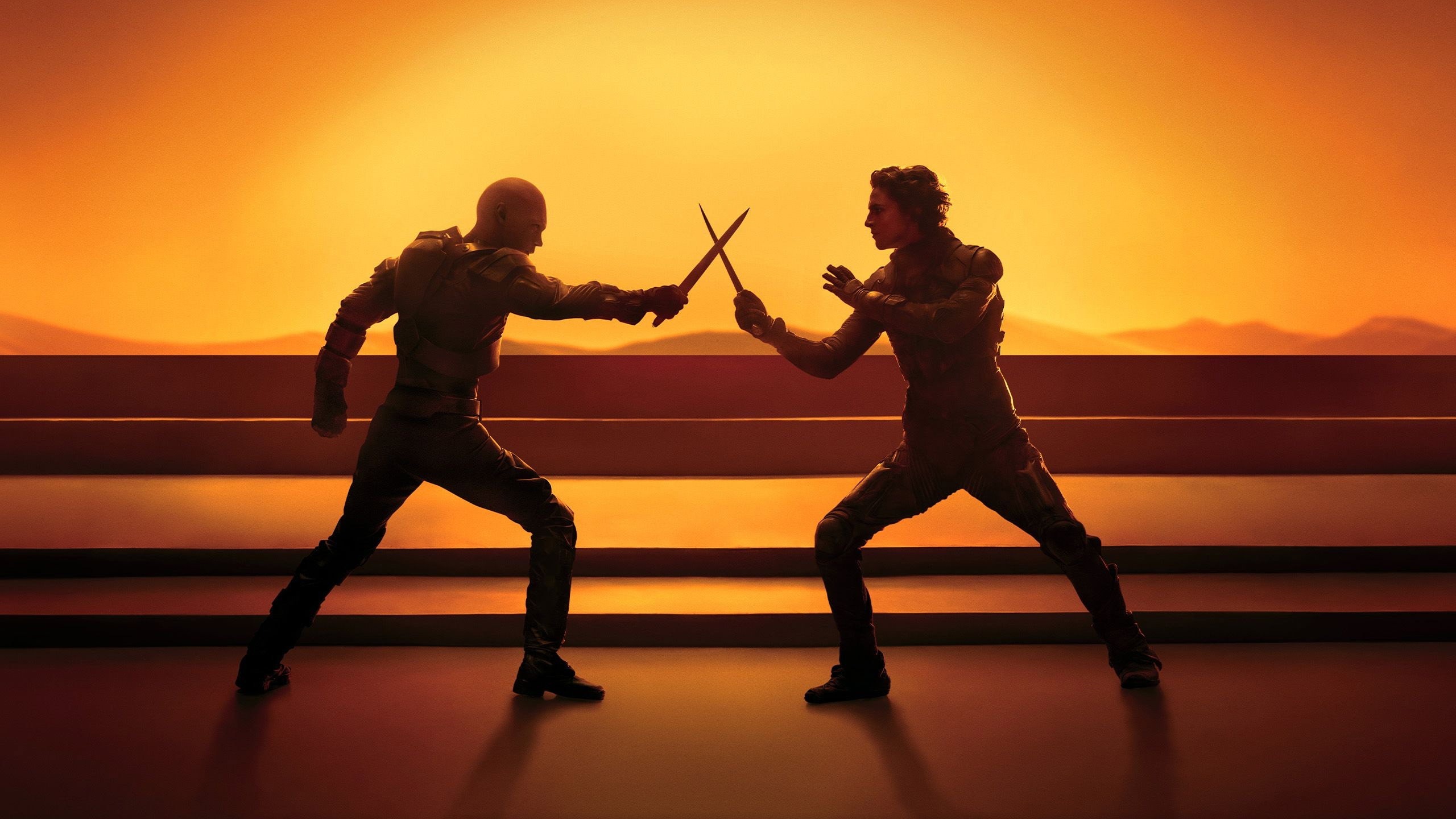
The critical dominance of Dune: Part Two has significant implications for the science fiction genre as a whole. Reviewers often positioned the film as a new benchmark, demonstrating that intelligent, ambitious, and visually stunning sci-fi epics can thrive in the current cinematic landscape. Its success challenges the perception that only superhero franchises or established IP can command massive budgets and box office returns.
With a budget of 190,000,000 USD and a box office gross of 714,844,358 USD, Dune: Part Two proved that original, or at least deeply respectful, adaptations of complex literary works can achieve both critical and commercial triumph. This could pave the way for more studios to invest in high-concept, non-traditional science fiction narratives, moving beyond formulaic approaches.
Critics frequently compared Dune: Part Two to other genre touchstones, but often concluded that it carved out its own unique space through its unparalleled world-building and thematic maturity. The film’s influence is likely to be felt in future productions, encouraging filmmakers to embrace expansive visions and to trust in the audience’s capacity for complex storytelling.
The meticulous craft evident in every aspect – from Denis Villeneuve’s direction to Greig Fraser’s cinematography and Hans Zimmer’s score – has set a new standard for technical excellence in the genre. This film’s critical reception underscores a demand for sophisticated, immersive cinematic experiences that prioritize artistic integrity alongside spectacle.
Its success suggests a potential shift in audience preferences, favoring depth and originality over predictable formulas, thereby revitalizing the science fiction landscape. You can read more about the broader impact of successful films on the industry here in an analysis of movie profits.
Comparing Critical Reception: Part One vs. Part Two
A significant aspect of the Dune: Part Two review landscape is the widespread consensus that it not only met but often surpassed the high expectations set by its predecessor. While Dune: Part One was lauded for its world-building and atmospheric tone, some critics noted its deliberate pace and a sense of incompleteness, being only “Part One” of a larger story.
In contrast, reviews for Dune: Part Two frequently highlighted its more propulsive narrative, heightened emotional stakes, and a more satisfying sense of resolution within its own arc, despite still being part of an ongoing saga. Critics often described the sequel as more action-packed, more emotionally charged, and more thematically robust.
The growth in character development, particularly for Timothée Chalamet’s Paul and Zendaya’s Chani, was a common point of comparison, with reviewers noting their expanded roles and deeper psychological explorations in Dune: Part Two. The visual spectacle, already a strength of the first film, was said to be even grander and more ambitious in the sequel, pushing the boundaries of what is possible on screen.
Many critics felt that Dune: Part Two truly delivered on the promise of the first film, completing the narrative arc with confidence and flair. This progression from a strong foundation to an even more accomplished sequel is a rare achievement in Hollywood, and it was a key factor in the film’s ability to dominate critical discourse and earn such glowing reviews globally.
The film’s 167-minute runtime felt justified by the sheer amount of story and character development it contained, a point often emphasized by critics.
Box Office Success and Critical Endorsement
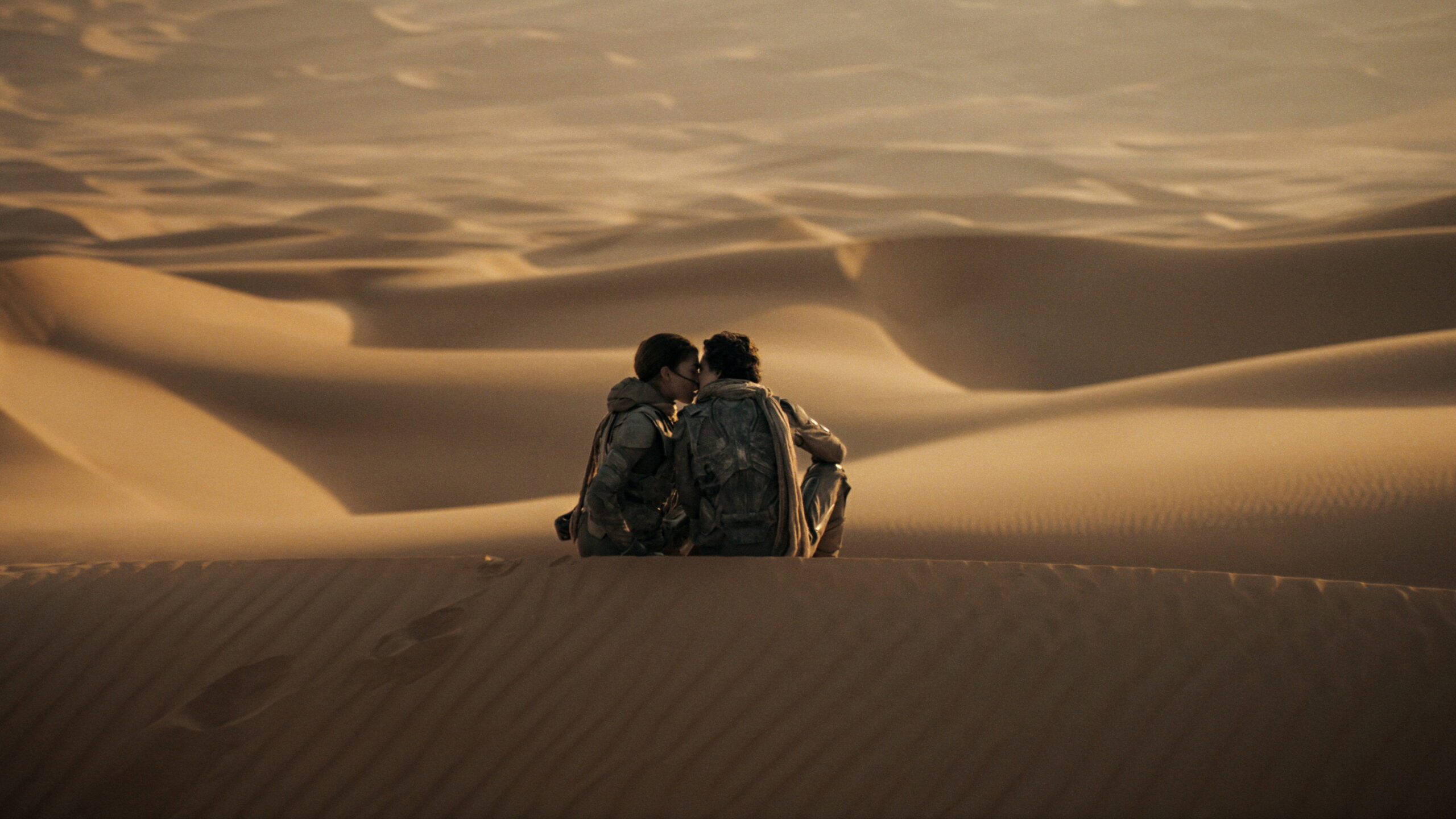
The robust critical reception for Dune: Part Two directly correlated with its impressive commercial performance, creating a virtuous cycle of buzz and revenue. With a budget of 190,000,000 USD, the film quickly amassed a global box office of 714,844,358 USD, making it one of the highest-grossing films of 2024. Reviewers often commented on the film’s undeniable cinematic quality, urging audiences to see it in theaters, which undoubtedly contributed to its strong ticket sales.
The critical endorsement acted as a powerful marketing tool, signaling to potential viewers that this was a must-see event film. Many news outlets, like Variety, reported on its box office milestones, often linking its success to its critical acclaim. This symbiotic relationship between critical praise and commercial success is particularly significant for large-scale, original science fiction.
It demonstrates that audiences are willing to invest in ambitious storytelling when it is executed with precision and artistic integrity, as consistently highlighted in reviews for Dune: Part Two. The film’s ability to captivate both critics and the general public underscores its broad appeal, transcending niche genre boundaries.
This success story offers a compelling argument for studios to continue investing in visionary directors like Denis Villeneuve and properties that demand epic treatment. The financial triumph, bolstered by overwhelmingly positive reviews, solidifies Dune: Part Two as a rare example of a film that achieved both critical adoration and significant commercial returns, proving that artistic merit and profitability are not mutually exclusive.
“Long Live the Fighters”: A Tagline Fulfilled
The tagline for Dune: Part Two, “Long live the fighters,” resonated deeply with critics, who often found it encapsulated the spirit and thematic core of the film. Reviews frequently referenced the resilience, struggle, and eventual uprising of the Fremen, led by Timothée Chalamet’s Paul Atreides, as the driving force of the narrative.
This phrase became a shorthand for the film’s exploration of resistance against oppression, the forging of identity in conflict, and the brutal realities of war and leadership. Critics lauded how the film fully embraced this ethos, depicting the Fremen as fierce, resourceful, and deeply spiritual warriors, rather than mere background characters.
The evolution of Paul from a hesitant outsider to a powerful, albeit complex, leader of this fighting force was central to many analyses. The tagline also subtly hinted at the film’s own battle to deliver a compelling sequel that honored its source material and surpassed expectations. In this regard, critics overwhelmingly agreed that Dune: Part Two emerged victorious, truly living up to the promise of its evocative phrase.
The film’s commitment to portraying the harsh realities of Arrakis and the unyielding spirit of its inhabitants was a consistent point of praise, adding layers of authenticity and grit to the epic tale. This thematic consistency, from the tagline to the screen, was a significant factor in the film’s critical success, demonstrating a unified vision from conception to execution.
The widespread positive reception for Dune: Part Two confirmed that its narrative of struggle and triumph resonated profoundly, making the tagline not just a marketing slogan, but a descriptor of its very essence. For a comprehensive overview of the film, you can visit its Wikipedia page.
Every AI illustration in this article was crafted using AI Render Pro, the same prompting engine used across this blog. Read the full breakdown here.
Cast and Crew
Key Crew
- Director: Denis Villeneuve
- Screenplay: Denis Villeneuve, Jon Spaihts
- Cinematography: Greig Fraser
- Music: Hans Zimmer
- Editor: Joe Walker
- Production Design: Patrice Vermette
Main Cast
- Timothée Chalamet — Paul Atreides
- Zendaya — Chani
- Rebecca Ferguson — Jessica
- Javier Bardem — Stilgar
- Josh Brolin — Gurney Halleck
- Austin Butler — Feyd-Rautha
- Florence Pugh — Princess Irulan
References and Further Reading
- Dune: Part Two on Wikipedia — production details, cast and release history.
- Dune: Part Two on TMDB — cast, crew, budget and box-office data.
- Dune: Part Two on IMDb — full credits and technical specs.
- Denis Villeneuve on Wikipedia — director background and filmography.
Frequently Asked Questions
What is the general critical consensus for Dune: Part Two?
The general critical consensus for Dune: Part Two is overwhelmingly positive, with reviewers praising its masterful direction, stunning visuals, immersive score, and compelling performances. Many critics hailed it as a landmark science fiction film that surpasses its predecessor.
Which aspects of Dune: Part Two were most praised by critics?
Critics most frequently praised Denis Villeneuve’s direction, Greig Fraser’s cinematography, Hans Zimmer’s musical score, the intricate screenplay by Villeneuve and Jon Spaihts, and the strong performances from Timothée Chalamet, Zendaya, and Rebecca Ferguson.
How did the critical reception of Dune: Part Two compare to the first film?
While Dune: Part One was well-received, critics generally agreed that Dune: Part Two was a more complete, propulsive, and emotionally resonant film, fulfilling the promises of the first installment and elevating the narrative to new heights.
Did the reviews for Dune: Part Two impact its box office performance?
Yes, the overwhelmingly positive reviews for Dune: Part Two significantly contributed to its strong box office performance. Critics’ endorsements generated considerable buzz, encouraging audiences to see the film, leading to a global gross of over 714 million USD against a 190 million USD budget. You can find more financial data on film industry analysis from sources like The Numbers.
What is the significance of Dune: Part Two’s critical success for the science fiction genre?
The critical success of Dune: Part Two demonstrates that ambitious, intelligent, and visually stunning science fiction epics can achieve both critical adoration and significant commercial success. It sets a new benchmark for the genre, potentially encouraging more studios to invest in complex, character-driven narratives beyond established franchises.
Discover more from Olivier Hero Dressen Blog: Filmmaking & Creative Tech
Subscribe to get the latest posts sent to your email.

Work with Olivier
Director | CD | DP & Photographer
Specializing in commercials, music videos, AI-driven filmmaking, and cinematic storytelling for brands and production companies.
🌍 Shanghai · Paris · Los Angeles · Dubai
🎬 View Portfolio & Get in Touch