
Key Takeaways
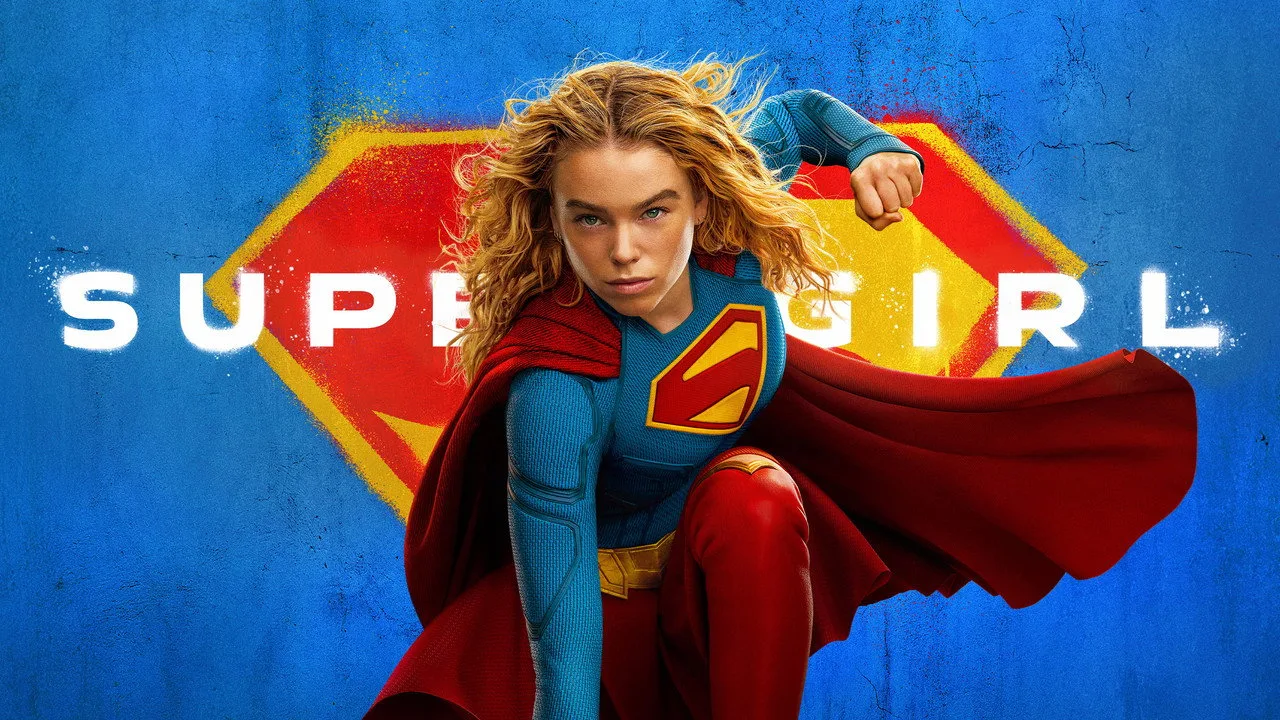
- First insight, Supergirl delivers a visually impressive universe, reminiscent of classic sci-fi, but struggles with narrative repetition.
- Craft highlight, The film excels in its aesthetic execution, featuring excellent prosthetic makeup, strong cinematography by Rob Hardy, and a compelling retro soundtrack by Claudia Sarne.
- Industry context, Executive influence on character introductions and narrative stretching, evident in Supergirl, often reflects studio IP strategies over pure storytelling integrity.
- Bottom line, While not a must-see for all, fans of Lobo or the titular character, or those appreciating strong visual direction, might find enjoyment in Supergirl despite its pacing issues.
My recent viewing of Supergirl – Truth. Justice. Whatever. was not born of anticipation, but rather a late-night search for anything playing. With no expectations, I found myself unexpectedly drawn into its initial promise.
Need a Director for Your Next Project?
From commercials to branded campaigns—Olivier brings creative vision and technical expertise.
→ View Projects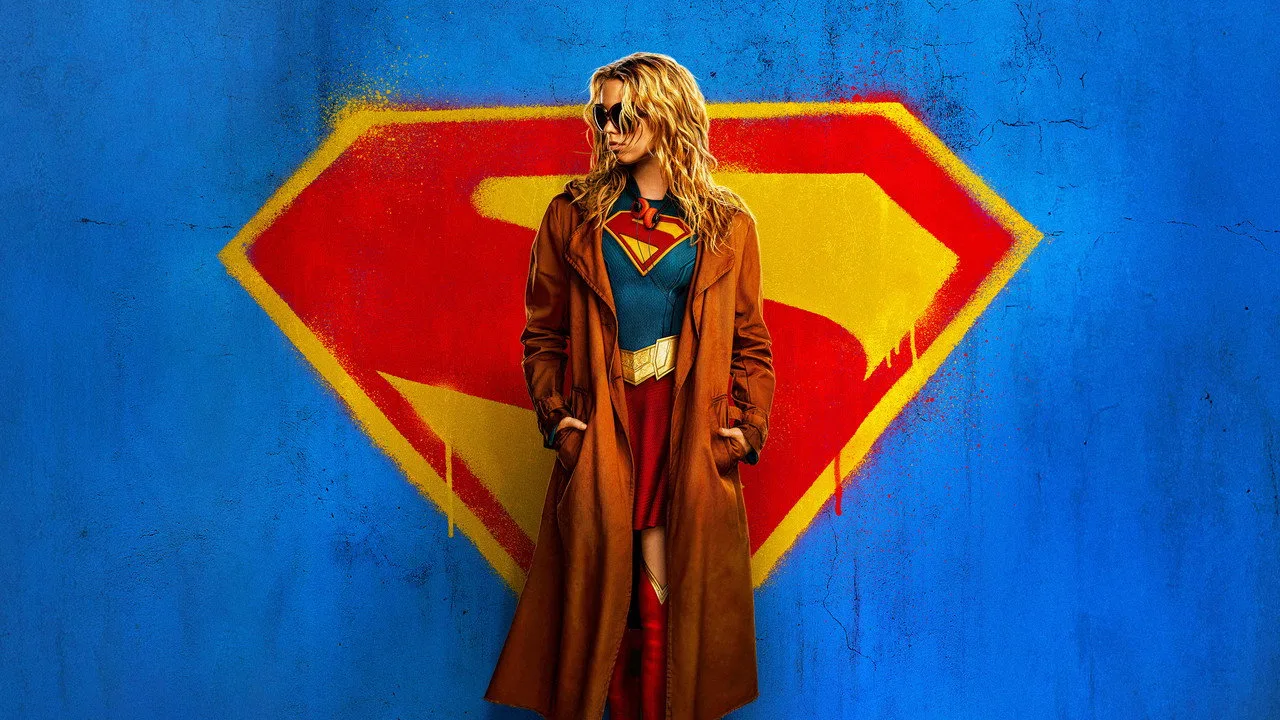
Supergirl — By the Numbers
Craig Gillespie
2026-06-24
108 minutes
Action / Adventure / Science Fiction
$175 million
$83 million
DC Studios · Troll Court Entertainment · The Safran Company
Truth. Justice. Whatever.
A Visual Feast From The Outset
The immediate impression from Supergirl was its unique visual universe. Director Craig Gillespie, alongside cinematographer Rob Hardy, created something distinct. It felt like stepping into a gritty, lived-in space opera, reminiscent of the cantina scenes in early Star Wars films. This aesthetic immediately grabbed my attention. The film leans heavily into practical effects and elaborate prosthetic makeup.
This approach delivers a tangible, almost tactile quality to its myriad alien characters. As a filmmaker who has spent decades on sets, I appreciate the commitment to physical artistry. It grounds the fantastical elements in a way digital effects alone often cannot achieve. When you see a creature’s texture under the lights, it feels real, not just rendered. The production design supports this vision, crafting environments that feel both alien and strangely familiar.
It’s a bold choice in an era often dominated by green screen. This dedication to world-building is a significant strength, creating an immersive experience right from the opening scenes. The film’s budget of 175,000,000 USD clearly allowed for this level of detail, and it shows on screen.
The Sound of a Retro Universe
The auditory landscape of Supergirl is as compelling as its visuals. Claudia Sarne’s music score, infused with an amazing cool retro soundtrack, immediately evoked a sense of nostalgia. It effectively blends 80s and 90s vibes, creating an energetic and sometimes chaotic backdrop. This musical choice reinforces the film’s distinct personality. A strong soundtrack can define a film’s rhythm and mood, becoming almost another character.
Here, it’s used to amplify the chaotic energy and quirky humor. The music guides the audience through the wild character introductions and violent sequences without making them feel entirely out of place. It’s a cohesive element that binds the disparate parts of the universe together. From a director’s perspective, securing the right musical tone is critical. It sets the pace in the edit suite and dictates the audience’s emotional response.
The soundtrack for Supergirl does this effectively, providing a consistent energy that helps carry the film even when the narrative falters. It’s a clear example of how sound design can elevate a cinematic experience.
Lobo: A Fan Favorite’s Controversial Entry
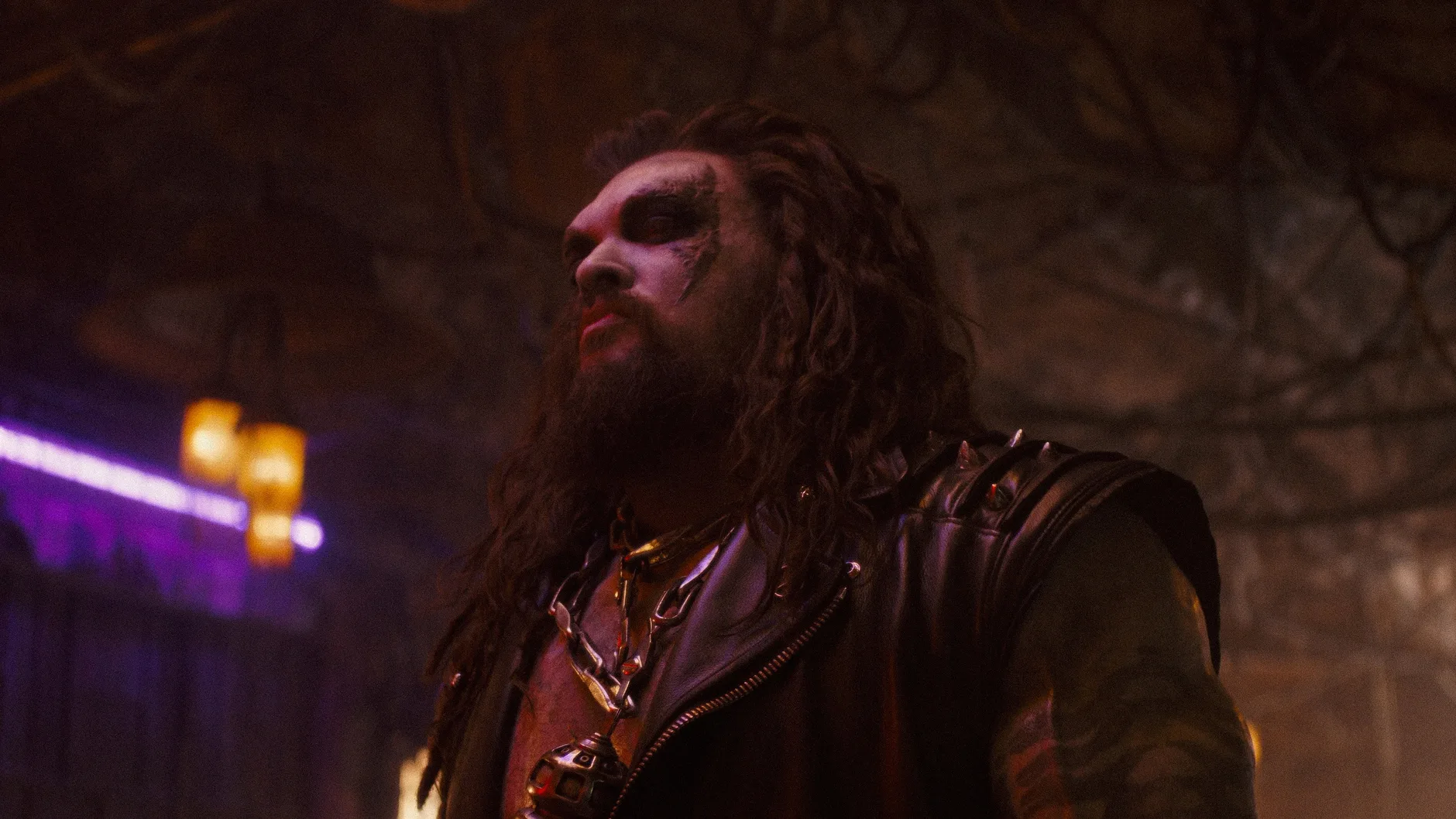
The inclusion of Lobo in Supergirl was a personal highlight, yet also a point of contention. As someone who grew up reading the 1992 comic Lobo’s Back, his presence was a genuine thrill. The character, with his super cool style by Simon Bisley and the absurd, fun writing of Keith Giffen, holds a special place in my comic book history.
Bisley’s crazy anatomy sketches combined with Giffen’s often childish humor created one of the most gore-filled, surreal, and entertaining experiences in DC Comics. For fans of the character, Lobo’s distinct personality is unmistakable. However, his introduction in the film felt less like an organic story beat and more like an executive mandate.
It appeared designed to introduce the IP and character to a wider audience, rather than serving the narrative flow of Supergirl itself. This kind of forced integration often happens when studios prioritize brand recognition over cohesive storytelling. It’s a common challenge for writers like Ana Nogueira, who must balance creative vision with commercial pressures.
Witnessing this as a director, you often encounter situations where a popular character or an established IP is shoehorned into a script. The goal is to generate buzz or set up future spin-offs, but it can disrupt the pacing and internal logic of the current film. While I had fun seeing Lobo, his appearance felt less like a natural part of Supergirl’s journey and more like a teaser for something else.
This push-and-pull between artistic integrity and commercial strategy is a constant battle in large-scale productions.

The Challenge of Pacing in Supergirl
Despite the initial excitement for its universe and characters, Supergirl eventually settled into a repetitive rhythm. The film’s 108-minute runtime felt unnecessarily stretched. Much of the middle act devolved into a back-and-forth chase between the heroine and the antagonist, a dynamic that became monotonous. It mirrored the endless, cartoonish pursuit seen in classic Road Runner cartoons, but without the same comedic inventiveness.
This narrative loop suggests a common problem in large productions: “too many cooks in the kitchen.” I can easily envision the scenario: various executives, producers, and stakeholders all injecting their ideas. Then, the inevitable screen tests and audience feedback cycles further complicate the process. This feedback is then funneled to the director, often resulting in a diluted or over-edited final cut.
The original vision can get lost in a sea of compromises, leading to a film that feels pieced together rather than organically grown. As a director, maintaining narrative momentum is paramount. Pacing is not just about speed; it’s about the ebb and flow, the tension and release. When a film gets stuck on a single beat, it loses its ability to surprise or engage. It becomes predictable, and even amazing visuals cannot sustain interest indefinitely.
The film needed to evolve its conflict, not just repeat it. A strong script, like the one Ana Nogueira penned, needs protection from these external pressures to maintain its core integrity.
The Invisible Hand of the Executive Board
🎬 AI Render Pro Studio, the AI film production suite I built and use on my own productions. Script breakdown, storyboards, 30+ video models including Seedance 2.5 and Kling O3, image generation, retouch, 7K upscaling and audio, all in one browser workspace. $19/month flat, bring your own API keys and pay providers at cost, no credit packs, no markup. Try AI Render Pro Studio →
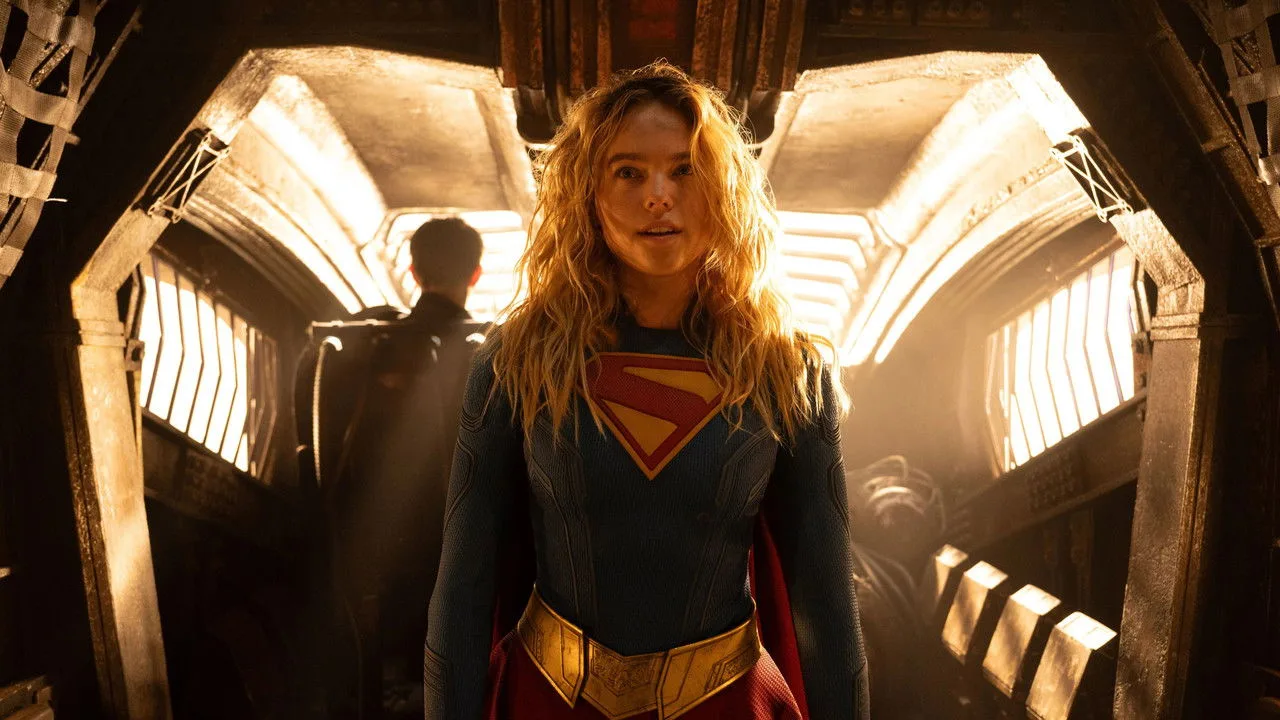
The feeling of “too many cooks” in Supergirl is often a symptom of executive interference. In the world of big-budget filmmaking, creative decisions are rarely made in a vacuum. Studio executives, producers, and marketing teams all have a say, especially with valuable intellectual property like Supergirl. Their input, while sometimes constructive, can often lead to a diluted vision. Consider the process: a director like Craig Gillespie has a vision.
Then, various departments weigh in. Story notes come from development executives. Marketing strategists push for specific character beats or visual cues that will translate well into trailers or merchandise. Test screenings generate data that can lead to significant reshoots or re-edits, altering the film’s original intent. This can create a patchwork narrative, where different elements feel disjointed.
As a director building my own AI production tools, I see how technology can streamline some of these processes, but the core human element of creative oversight remains. The challenge is to filter feedback and maintain a clear artistic path. When a film feels stretched or repetitive, it often indicates a struggle to reconcile diverse viewpoints. The final product, in such cases, might satisfy no one fully, but simply appease everyone partially.
This delicate balance between creative freedom and commercial viability is a constant negotiation in Hollywood.
Performance Shines Amidst Narrative Struggle

Despite the narrative challenges, the performances in Supergirl provide some of the film’s strongest moments. Milly Alcock embodies the titular role with a compelling blend of vulnerability and nascent power. She navigates the complex emotional landscape of a young hero finding her way. Eve Ridley, as a supporting character, also delivers a memorable performance, adding depth to the ensemble. However, it was Matthias Schoenaerts who truly stole the show as the antagonist.
His portrayal was nothing short of amazing. Schoenaerts injects his character with a menacing charisma that elevates every scene he’s in. His presence creates genuine tension, even when the plot itself begins to meander. For those unfamiliar with his work, I highly recommend seeking out his performance in the Belgian Oscar-nominated film Bullhead. It showcases his incredible range and intensity.
The chemistry between the cast members, particularly Alcock and Schoenaerts, is a testament to their skill and Craig Gillespie’s direction. Even in a film that struggles with pacing, strong acting can anchor the audience’s attention. It proves that even when the story falters, compelling characters can keep the experience engaging. Jason Momoa and David Krumholtz also contribute solid performances, rounding out a talented cast.
Cinematic Craft and VFX Execution
The visual effects and overall cinematography in Supergirl are consistently amazing. Rob Hardy’s camera work is dynamic and inventive, capturing the sprawling alien landscapes and intense action sequences with precision. The film’s color palette and lighting choices contribute significantly to its distinctive, retro-futuristic atmosphere. This visual polish is a major asset, making the film a feast for the eyes even during its less engaging narrative moments.
The VFX teams deserve considerable credit for bringing the film’s wild universe to life. From the detailed alien creature designs to the expansive space vistas, the digital artistry is top-tier. It’s clear that a significant portion of the 175 million USD budget was allocated to these departments, and the investment is visible on screen.
The integration of practical effects, like the prosthetic makeup, with digital enhancements is seamless, creating a believable and immersive world. As a cinematographer myself, I pay close attention to how visuals serve the story. Here, the visuals often carry the weight of the film. They establish tone, convey scale, and create character. The commitment to a unique visual style, rather than a generic blockbuster aesthetic, is commendable.
It highlights the director’s and cinematographer’s dedication to craft, even when the narrative might be undergoing external pressures. Tools like AI Render Pro can assist in pre-visualization, but the final execution relies on the skilled hands of the production team.
Director Craig Gillespie’s Touch
Craig Gillespie, known for his distinctive directorial style in films like I, Tonya and Cruella, brings a unique sensibility to Supergirl. His previous work often showcases quirky characters and a vibrant, sometimes offbeat, aesthetic. These elements are certainly present in this film, particularly in the character designs and the overall tone of its universe. The initial setup and the introduction of its crazy characters bear his signature.
Gillespie excels at creating visually engaging worlds and eliciting strong performances from his actors. Milly Alcock and Matthias Schoenaerts, in particular, benefit from his direction, delivering memorable portrayals. The film’s strong visual identity and its commitment to a specific genre feel undoubtedly stem from his creative vision. He manages to infuse the action/adventure/science fiction genre with a certain punk rock attitude.
However, even a director with a clear vision can face significant hurdles on a project of this scale. The pacing issues and repetitive narrative beats suggest that the final cut might not entirely reflect his initial intentions. Filmmaking is a collaborative process, but it’s also a constant battle to protect the integrity of the story from external influences.
Gillespie’s talent for crafting compelling visuals and character moments still shines through, even if the overall narrative cohesion occasionally wavers.
Supergirl: A Labor of Love or Compromise?
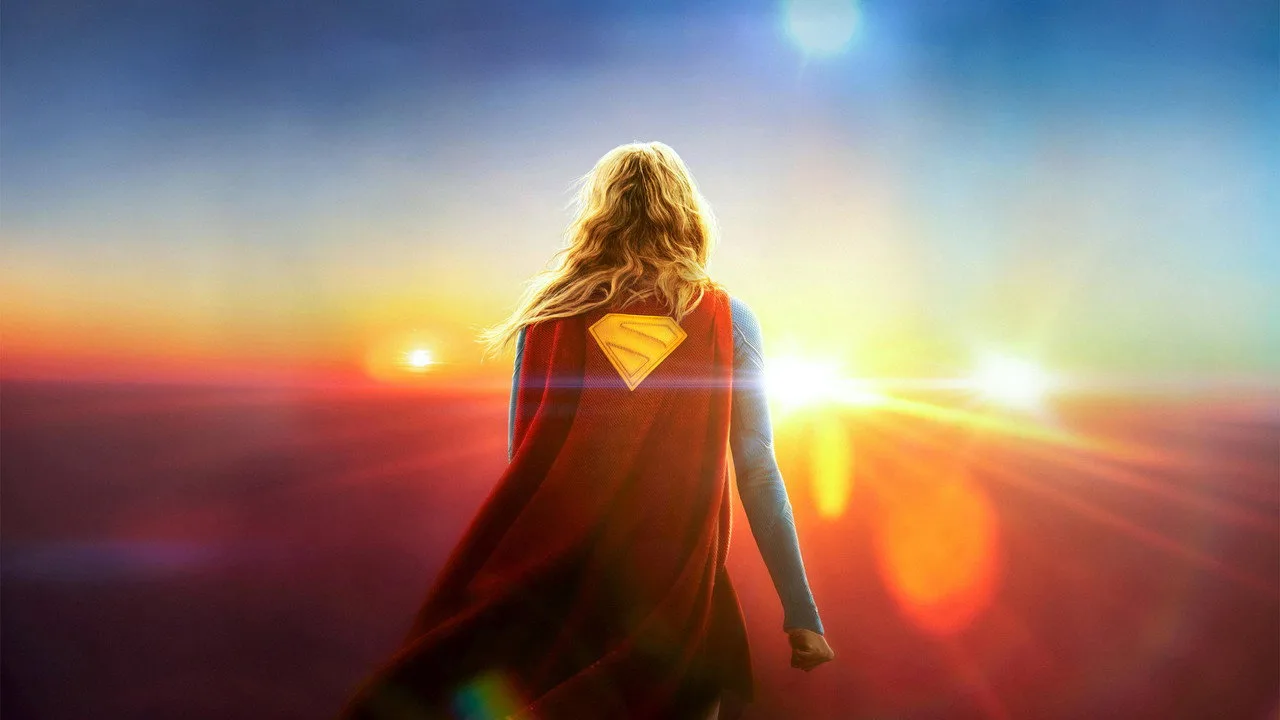
Despite its flaws, Supergirl genuinely feels like a labor of love from the creative teams involved. The passion for world-building, character design, and visual storytelling is palpable throughout. From the intricate prosthetic makeup to the dynamic cinematography, there’s a clear dedication to craft that transcends mere commercial obligation. This commitment is what often separates a forgettable film from one that, even with its issues, leaves a lasting impression.
However, the film’s final box office figure of 83,400,000 USD against a budget of 175,000,000 USD suggests a challenging commercial reception. This disparity often indicates a disconnect between the creative vision and audience expectations, or perhaps, simply a crowded market. The commercial performance can also reflect how well the film’s unique tone resonated with a broader public.
The question then becomes: was it a labor of love that faced too many compromises, or one that simply didn’t find its audience? For me, the enjoyment derived from its unique universe and strong performances outweighs its narrative shortcomings. It’s a film that tried to do something different, and that ambition deserves recognition. While it might not be a unanimous hit, it carved out a distinct identity in a genre often criticized for its homogeneity.
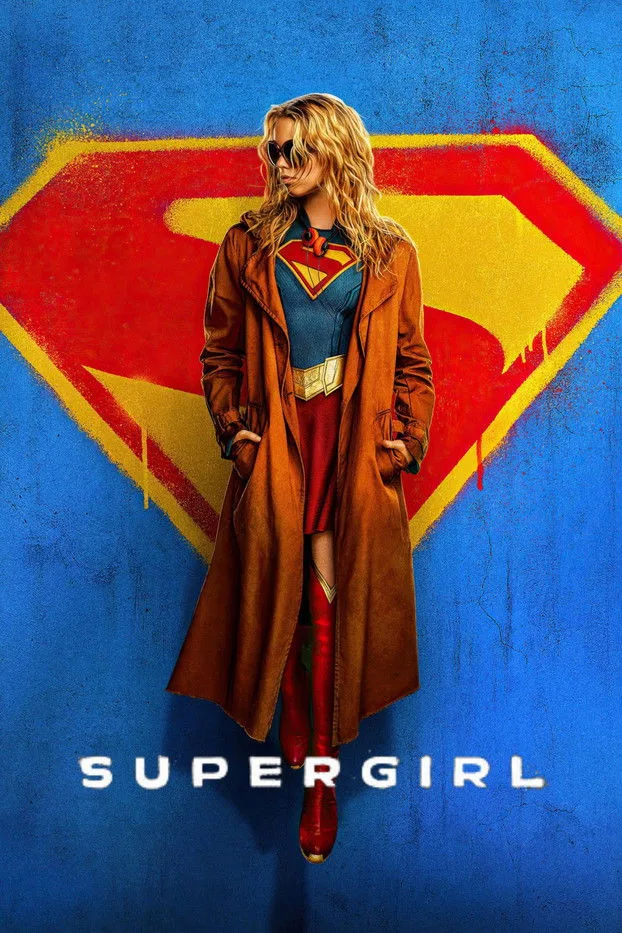
Final Verdict: A Niche Recommendation
So, after all is said and done, would I recommend Supergirl ? It’s not a blanket recommendation for everyone. In today’s crowded cinematic landscape, there are many other films vying for attention. However, if you are a dedicated fan of Lobo, like myself, or a long-time follower of the Supergirl character, it’s definitely worth giving it a try. The film offers a unique visual and auditory experience that stands apart from typical superhero fare.
I had a lot of fun and genuine laughs throughout the movie. The incredible VFX, the distinct universe, and the standout performances, particularly from Matthias Schoenaerts, make it an enjoyable watch for those who appreciate these specific elements. It’s a film that shines brightly in its individual components, even if the overarching narrative struggles to maintain its momentum.
Ultimately, Supergirl – Truth. Justice. Whatever. is a film with significant strengths in its craft and character portrayals, but with noticeable weaknesses in its pacing and narrative cohesion. It’s a film that leaves you wishing for a tighter edit, yet grateful for the bold creative choices it did make. Released on June 24, 2026, it offers a distinct flavor of action, adventure, and science fiction.
Every AI illustration in this article was crafted using AI Render Pro, the same prompting engine used across this blog. Read the full breakdown here.
Cast and Crew
Key Crew
- Director: Craig Gillespie
- Screenplay: Ana Nogueira
- Cinematography: Rob Hardy
- Music: Claudia Sarne
- Editor: Tatiana S. Riegel
- Production Design: Neil Lamont
Main Cast
- Milly Alcock — Supergirl / Kara Zor-El
- Eve Ridley — Ruthye
- Matthias Schoenaerts — Krem
- Jason Momoa — Lobo
- David Krumholtz — Zor-El
- Emily Beecham — Alura In-Ze
- David Corenswet — Superman
References and Further Reading
- Supergirl on Wikipedia, production details, cast and release history.
- Supergirl on TMDB, cast, crew, budget and box-office data.
- Supergirl on IMDb, full credits and technical specs.
- Craig Gillespie on Wikipedia, director background and filmography.
Frequently Asked Questions
What is the runtime of the Supergirl movie?
The film Supergirl – Truth. Justice. Whatever. runs for a total of 108 minutes. This duration allows for significant world-building and character introductions, though some viewers found the pacing to be stretched.
Who directed Supergirl?
Supergirl was directed by Craig Gillespie, known for his work on films such as I, Tonya and Cruella. His distinctive style is evident in the film’s unique visuals and character-driven moments.
Who wrote the screenplay for Supergirl?
The screenplay for Supergirl was written by Ana Nogueira. Her script laid the foundation for the film’s universe and character dynamics, integrating both new elements and established comic book lore.
What is the genre of Supergirl?
Supergirl falls into the Action, Adventure, and Science Fiction genres. It combines high-stakes action sequences with exploration of a fantastical alien universe, characteristic of modern superhero films.
Who are the main stars in Supergirl?
The film stars Milly Alcock as Supergirl, alongside Eve Ridley, Matthias Schoenaerts, Jason Momoa, and David Krumholtz. Schoenaerts’s performance as the antagonist received particular praise.
Discover more from Olivier Hero Dressen Blog: Filmmaking & Creative Tech
Subscribe to get the latest posts sent to your email.

Work with Olivier
Director | CD | DP & Photographer
Specializing in commercials, music videos, AI-driven filmmaking, and cinematic storytelling for brands and production companies.
🌍 Shanghai · Paris · Los Angeles · Dubai
🎬 View Portfolio & Get in Touch