
Key Takeaways
- First insight, DALL-E, Midjourney, and Stable Diffusion fundamentally employ advanced text-to-image generative AI, primarily diffusion models, to translate natural language prompts into visual ai art.
- Craft highlight, This shared feature empowers artists through sophisticated prompt engineering, allowing precise articulation of creative intent to guide the AI’s generation process.
- Industry context, The common underlying technology democratizes high-quality visual creation, shifting focus from traditional technical drawing skill to conceptual ideation in ai art.
- Bottom line, These platforms share a core computational paradigm that defines their utility, impact, and the evolving landscape of contemporary visual arts.
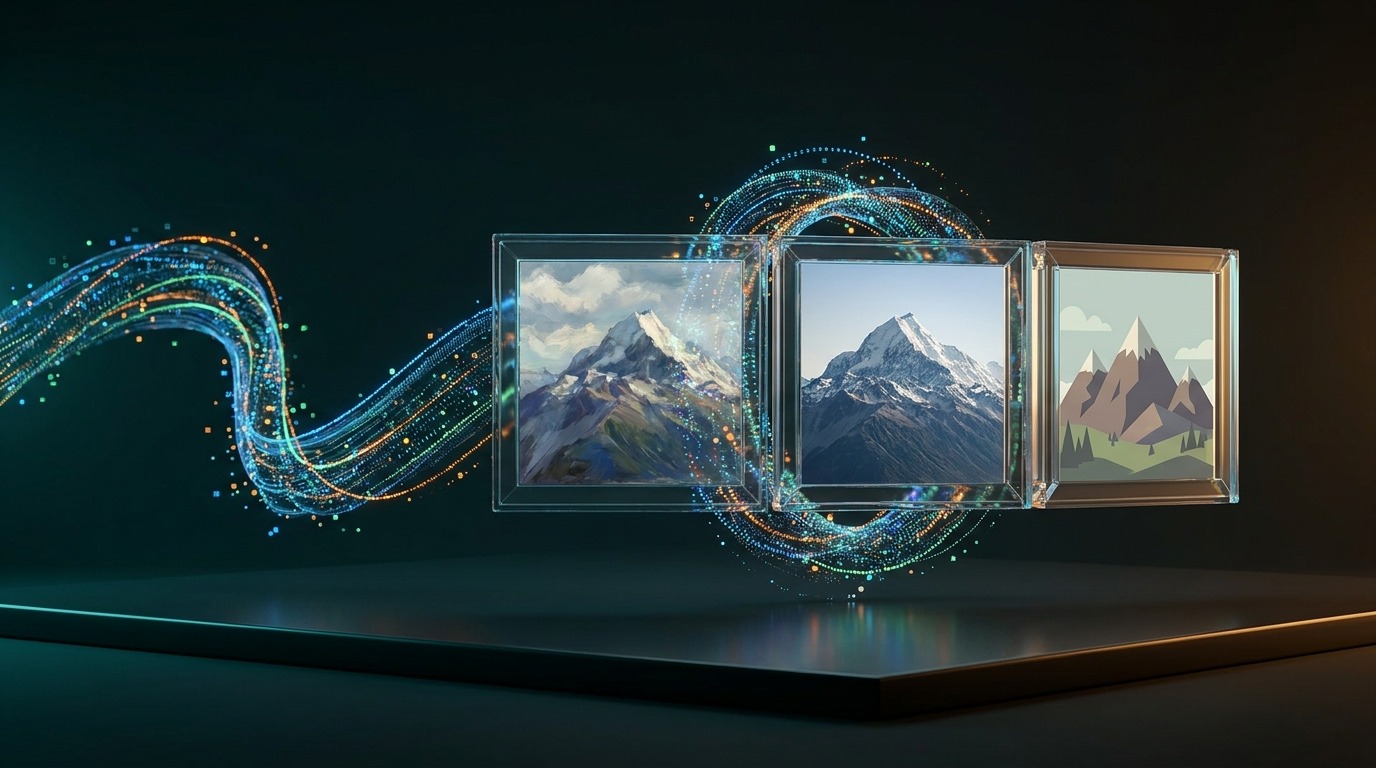
The rapid evolution of ai art has presented creators with unprecedented tools, but a fundamental question often arises: what common feature is shared by DALL-E, Midjourney, and Stable Diffusion? At their core, all three platforms are powerful text-to-image generative AI systems, primarily leveraging advanced diffusion models to transform natural language prompts into compelling visual outputs.
Need a Director for Your Next Project?
From commercials to branded campaigns—Olivier brings creative vision and technical expertise.
→ View ProjectsThis shared architectural foundation is what enables their remarkable ability to conjure imagery from mere words, redefining the boundaries of digital creativity.
The Foundational Algorithm: Diffusion Models for AI Art
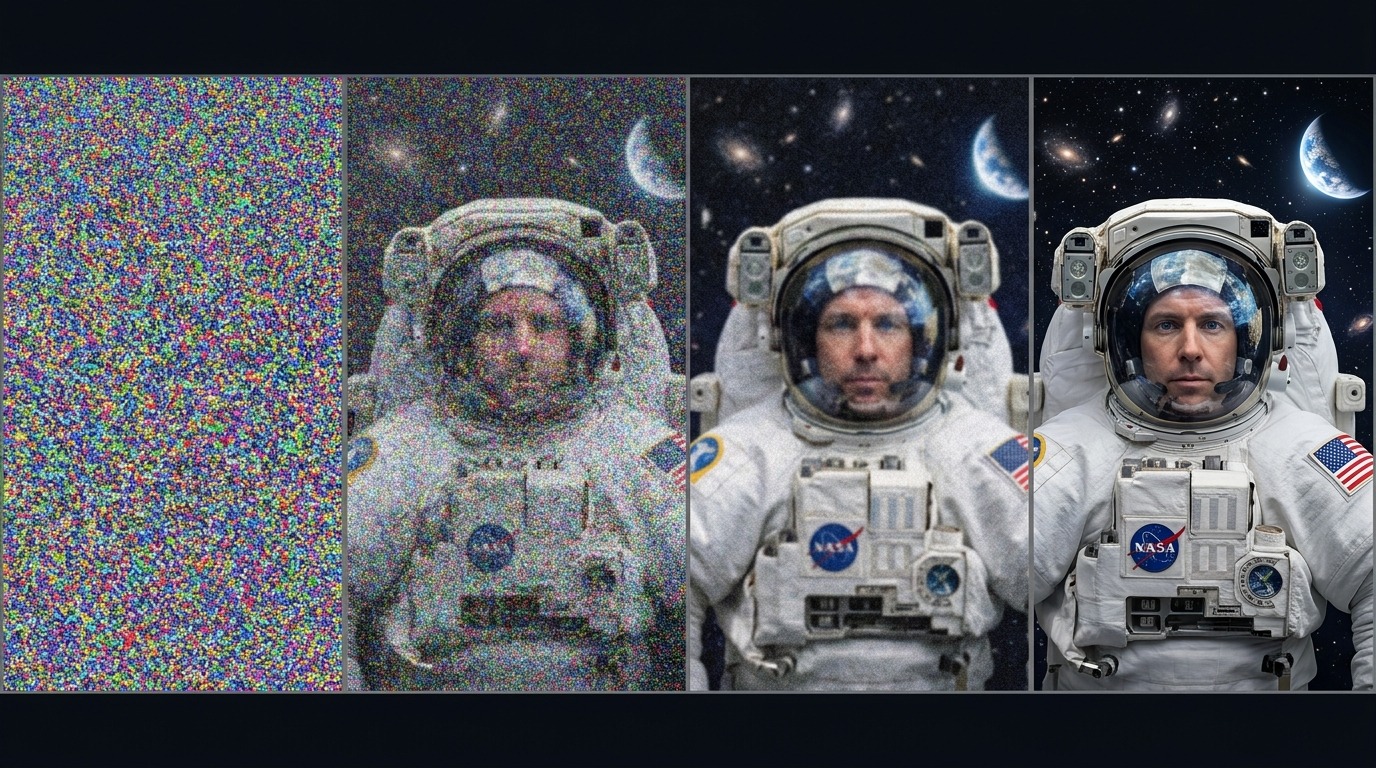
When we strip away the unique interfaces and specific training datasets, the most profound commonality shared by DALL-E, Midjourney, and Stable Diffusion lies in their foundational algorithmic approach: they all predominantly utilize diffusion models for generating images. This isn’t merely a technical detail; it’s the core engine that powers their ability to create stunning visual content from text.
Diffusion models operate on a principle inspired by thermodynamics, gradually transforming random noise into a coherent image through a reverse diffusion process. Imagine starting with a screen full of static, then slowly, step by step, the AI ‘denoises’ this static, guided by your textual prompt, until a clear, detailed image emerges. This iterative denoising process is incredibly effective at producing high-fidelity, diverse, and contextually relevant ai art.
Each of these platforms, despite their varying output styles and user experiences, relies on this robust generative framework. Unlike earlier generative adversarial networks (GANs), which often struggled with mode collapse and generated less diverse outputs, diffusion models excel at capturing the full complexity of data distributions.
This means they can generate a wider array of images that still adhere to the prompt’s intent, from photorealistic scenes to abstract compositions. The ability to control the denoising process, often through a classifier-free guidance mechanism, allows users to dial up or down the adherence to the prompt, offering a crucial layer of creative control.
For a filmmaker or visual artist, understanding that this common underlying mechanism is at play across these tools provides a critical insight into their capabilities and limitations. It’s the reason you can expect a certain level of compositional integrity and stylistic coherence, regardless of which of these leading platforms you choose for your ai art generation needs.
The robustness of diffusion models is a significant leap forward in generative AI, offering unparalleled control and quality in image synthesis. You can learn more about the technical underpinnings of diffusion models on their Wikipedia page.
Text-to-Image Generation: The Universal Interface
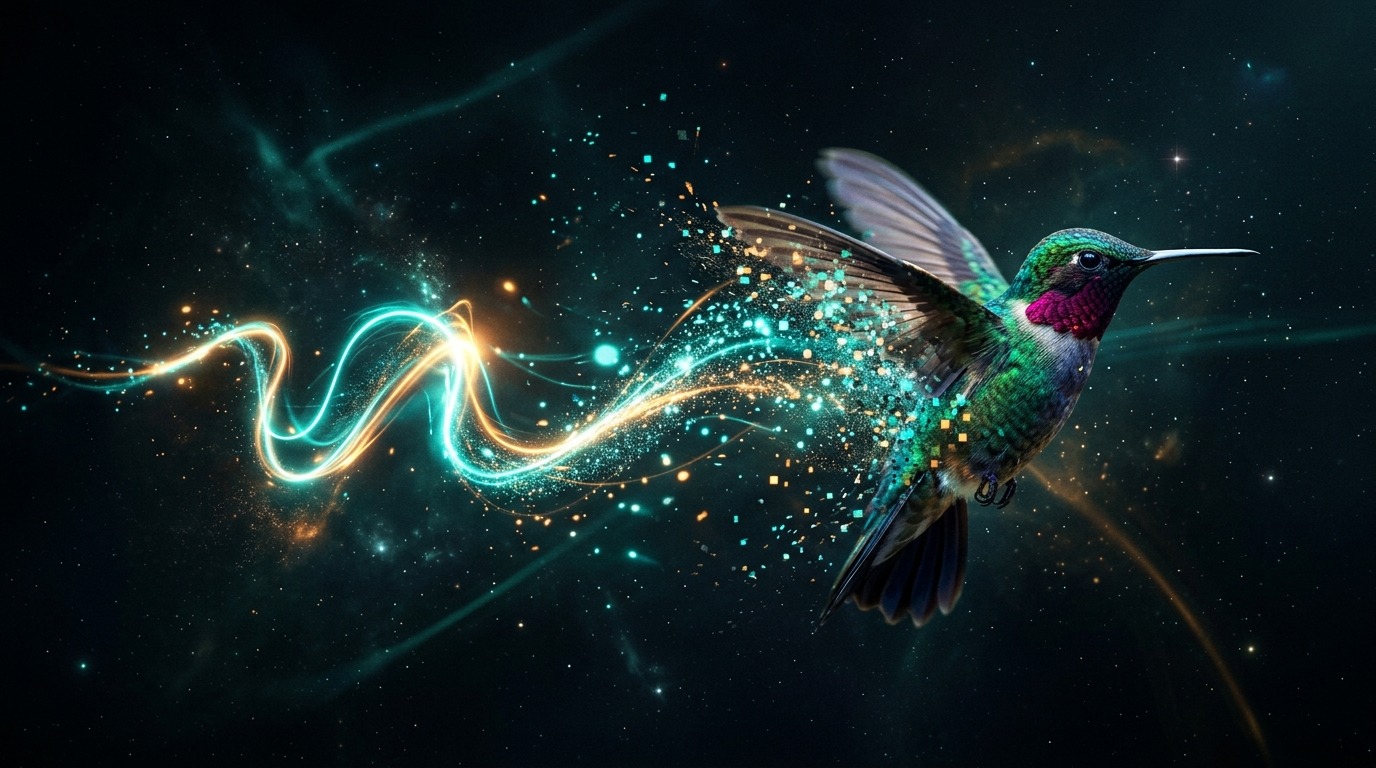
Beyond the specific algorithms, the overarching shared feature that defines DALL-E, Midjourney, and Stable Diffusion is their fundamental function as text-to-image generators. This capability allows users to articulate their creative vision through natural language prompts, which the AI then translates into visual representations. This paradigm shift from manual creation to textual description is revolutionary for artists and designers.
Instead of spending hours sketching, modeling, or compositing, one can simply type “a cyberpunk cityscape at sunset with flying cars and neon signs, volumetric light, 8k, cinematic,” and the AI will endeavor to render that precise scene. This common interface democratizes visual creation, making complex artistic concepts accessible to anyone who can formulate a descriptive sentence. The power of this shared feature lies in its universality.
Whether you’re a seasoned concept artist, a graphic designer, or a writer looking to visualize characters, the entry point is the same: language. This has profound implications for creative workflows, transforming ideation into an iterative conversation with an AI. It’s not about replacing human creativity but augmenting it, providing a rapid prototyping tool that can explore countless visual possibilities in minutes.
While each platform has its own nuances in how it interprets prompts and its stylistic biases – Midjourney, for instance, is often celebrated for its artistic flair, while Stable Diffusion offers greater customizability and DALL-E balances versatility with realism – the core interaction remains consistent. You provide text, you get an image.
This fundamental commonality is what makes these tools so disruptive and exciting for the creative industry, enabling a new form of digital expression where words become brushes and canvases. The very act of generating ai art through text has become a new skill, a new craft, which brings us to the importance of prompt engineering.
Prompt Engineering: Mastering the Shared Language of AI Art
The ability to generate images from text is the common functionality, but the art of achieving desired results across DALL-E, Midjourney, and Stable Diffusion hinges on a shared skill: prompt engineering. This is not just about typing words; it’s about understanding how these AI models interpret language, anticipate their biases, and strategically craft prompts to steer their generative process.
For a working artist, mastering prompt engineering is akin to learning a new photographic technique or a specific painting style – it’s a critical craft that unlocks the full potential of these tools. The precise choice of keywords, their order, the inclusion of stylistic descriptors, negative prompts, and even numerical parameters all contribute to the final output.
While each platform has its own “sweet spots” and sensitivities – a prompt that works perfectly in Midjourney might need slight adjustments for Stable Diffusion or DALL-E – the underlying principles of clear, descriptive, and intentional communication with the AI are universal. Artists learn to break down complex visual concepts into their constituent elements: subject, style, lighting, composition, mood, and technical specifications.
They experiment with adjectives, verbs, and references to artists, art movements, or photographic techniques. This iterative process of prompting, generating, evaluating, and refining is central to effective ai art creation on all three platforms. It highlights that even with a shared core technology, human input remains paramount.
Tools like AI Render Pro, the prompting tool for filmmakers and creatives exist precisely to help artists structure and optimize their prompts, demonstrating the industry-wide recognition of this crucial, shared skill.
The depth of control available through advanced prompt engineering, such as specifying aspect ratios, camera angles, or even the “chaos” level in Midjourney, underscores that while the AI generates, the artist still directs, using language as their primary interface. This shared reliance on sophisticated textual input to guide visual output is a defining characteristic of this new era of creative technology.
Latent Space Exploration: Where Shared Features Converge
🎬 AI Render Pro Studio, the AI film production suite I built and use on my own productions. Script breakdown, storyboards, 30+ video models including Seedance 2.5 and Kling O3, image generation, retouch, 7K upscaling and audio, all in one browser workspace. $19/month flat, bring your own API keys and pay providers at cost, no credit packs, no markup. Try AI Render Pro Studio →
Another profound commonality uniting DALL-E, Midjourney, and Stable Diffusion is their operation within a complex, multi-dimensional latent space. While not a user-facing feature in the same way text-to-image generation is, understanding latent space is crucial for grasping how these tools function internally and what common computational principles they share.
Essentially, latent space is a compressed, abstract representation of the vast training data these models have processed. Every image, every concept, every style the AI has learned exists as a point or region within this high-dimensional space. When you provide a text prompt, the AI doesn’t just “draw” from scratch; it translates your words into a vector within this latent space, then navigates to the corresponding region that best matches your description.
The generative process, particularly in diffusion models, involves traversing this latent space, moving from a noisy, undefined state towards a coherent image that aligns with the prompt’s latent representation. This shared methodology means that all three platforms are fundamentally exploring and interpolating within these abstract conceptual landscapes.
The quality and diversity of their outputs are directly tied to the richness and organization of their respective latent spaces, which are shaped by their unique training datasets. For artists, this means that while the specific aesthetic “flavor” of each platform might differ due to its training, the underlying mechanism of conceptual mapping and exploration within a latent space is consistent.
It’s why you can achieve variations on a theme by slightly altering a prompt – you’re effectively nudging the AI to explore adjacent points or regions within this conceptual space. This shared reliance on navigating and synthesizing within a learned latent representation is a powerful, yet often unseen, common feature that underpins the magic of modern ai art generation.
Architectural Kinship: How Diffusion Models Evolved
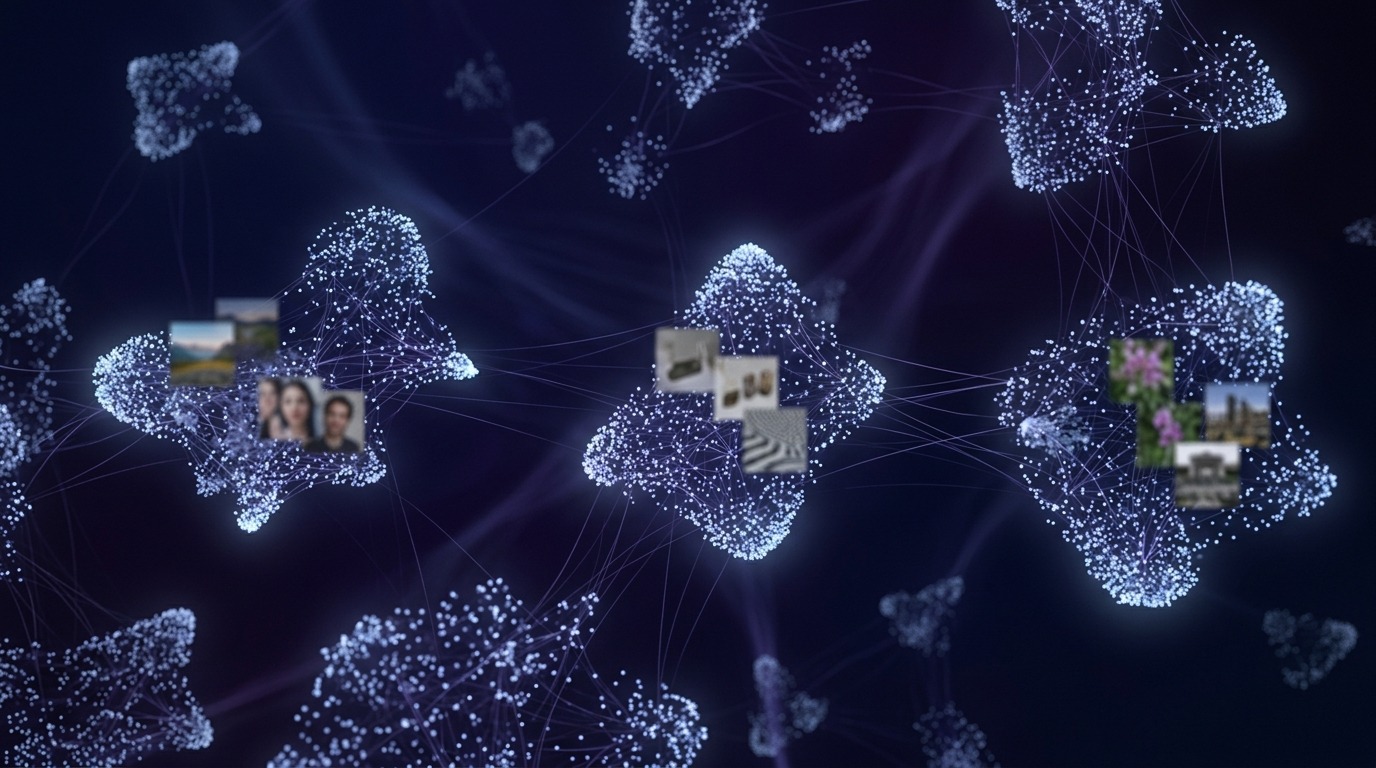
While each platform might have proprietary tweaks and optimizations, the core architectural kinship among DALL-E, Midjourney, and Stable Diffusion stems from their shared lineage and reliance on advancements in deep learning, particularly the evolution of diffusion models.
The conceptual groundwork for these models can be traced back to earlier probabilistic generative models, but their current form gained prominence with papers like “Denoising Diffusion Probabilistic Models” (DDPMs) and subsequent improvements like latent diffusion.
This shared heritage means that despite being developed by different organizations – OpenAI for DALL-E, an independent research lab for Midjourney, and Stability AI for Stable Diffusion – they all build upon a common body of academic and open-source research.
This architectural kinship isn’t just about sharing a name; it’s about sharing fundamental components such as U-Net architectures for denoising, transformer networks for encoding text prompts, and various guidance mechanisms. DALL-E 2, for instance, uses a diffusion model conditioned by CLIP embeddings, which is a powerful multimodal model for understanding the relationship between text and images.
Stable Diffusion explicitly leverages a “latent diffusion model,” which performs the diffusion process in a compressed latent space rather than directly on pixel data, making it more computationally efficient. Midjourney, while more opaque about its exact architecture, is widely understood to employ highly sophisticated diffusion-based techniques, continuously evolving with new versions.
The fact that these separate entities converged on diffusion models as the most effective solution for high-quality text-to-image synthesis speaks volumes about the robustness and potential of this shared algorithmic paradigm. This common foundation allows for rapid innovation across the board, as improvements in one area of diffusion model research often benefit all implementations, pushing the boundaries of what’s possible in ai art.
Iterative Refinement: The Shared Creative Loop in AI Art
A critical, shared workflow feature across DALL-E, Midjourney, and Stable Diffusion is the inherent process of iterative refinement. Generating a perfect image on the first try is rare; instead, artists engage in a cyclical process of generating, evaluating, and refining. This shared creative loop is fundamental to how these text-to-image platforms are used in practice.
You submit a prompt, the AI produces several variations, you select the most promising one (or combine elements from multiple), provide feedback, add new descriptive elements to your prompt, or adjust parameters, and then generate again. This cycle continues until the desired visual outcome is achieved. Each platform offers tools to facilitate this iteration. Midjourney allows “upscaling” and “variations” of selected images, as well as the ability to “remix” prompts.
Stable Diffusion, especially with its numerous interfaces like Automatic1111, provides granular control over seeds, denoising strength, and prompt weighting, enabling precise iterative adjustments. DALL-E offers inpainting and outpainting features, allowing users to modify specific parts of an image or expand its canvas, extending the iterative process beyond initial generation.
This shared emphasis on iterative refinement underscores that these are not “one-shot” tools but collaborative partners in the creative process. For a working artist, this means developing a keen eye for subtle adjustments and an understanding of how small changes in a prompt can lead to significant visual shifts. It’s about cultivating a dialogue with the AI, guiding it closer to your vision with each successive step.
This shared methodological approach to generating ai art highlights the active role of the human creator, even when leveraging powerful automated tools.
Scalability and Accessibility: Democratizing AI Art Creation
The widespread adoption and impact of DALL-E, Midjourney, and Stable Diffusion are also rooted in their shared commitment to scalability and accessibility. This common feature ensures that powerful generative AI capabilities are not confined to academic labs or large corporations but are available to a broad spectrum of creators.
All three platforms, in their own ways, have made their services accessible to individual artists, designers, and hobbyists, often through cloud-based interfaces that abstract away the immense computational complexity. This means users don’t need specialized hardware or deep technical knowledge to generate high-quality images; they simply need an internet connection and a subscription or access token. This shared accessibility has profoundly democratized ai art creation.
It has lowered the barrier to entry for visual content production, allowing independent filmmakers to conceptualize scenes, graphic designers to rapidly prototype logos, and illustrators to explore new styles without needing extensive traditional artistic skills or expensive software.
Stable Diffusion, in particular, has pushed the boundaries of accessibility by being open-source, allowing for local installations and community-driven development, further expanding its reach and customizability. Midjourney and DALL-E, while operating as managed services, have designed user-friendly interfaces (Discord for Midjourney, web app for DALL-E) that prioritize ease of use.
The ability to scale their operations to handle millions of user requests concurrently, delivering high-resolution images rapidly, is a testament to their shared engineering prowess. This common focus on making advanced AI art generation tools widely available is arguably one of their most significant shared features, transforming the creative landscape for artists globally.
The rapid growth of AI art has been documented by various tech news outlets, such as this TechCrunch article on Stable Diffusion’s public release, highlighting the widespread impact of accessible AI tools.
The Data Foundation: Unseen Common Ground for AI Art
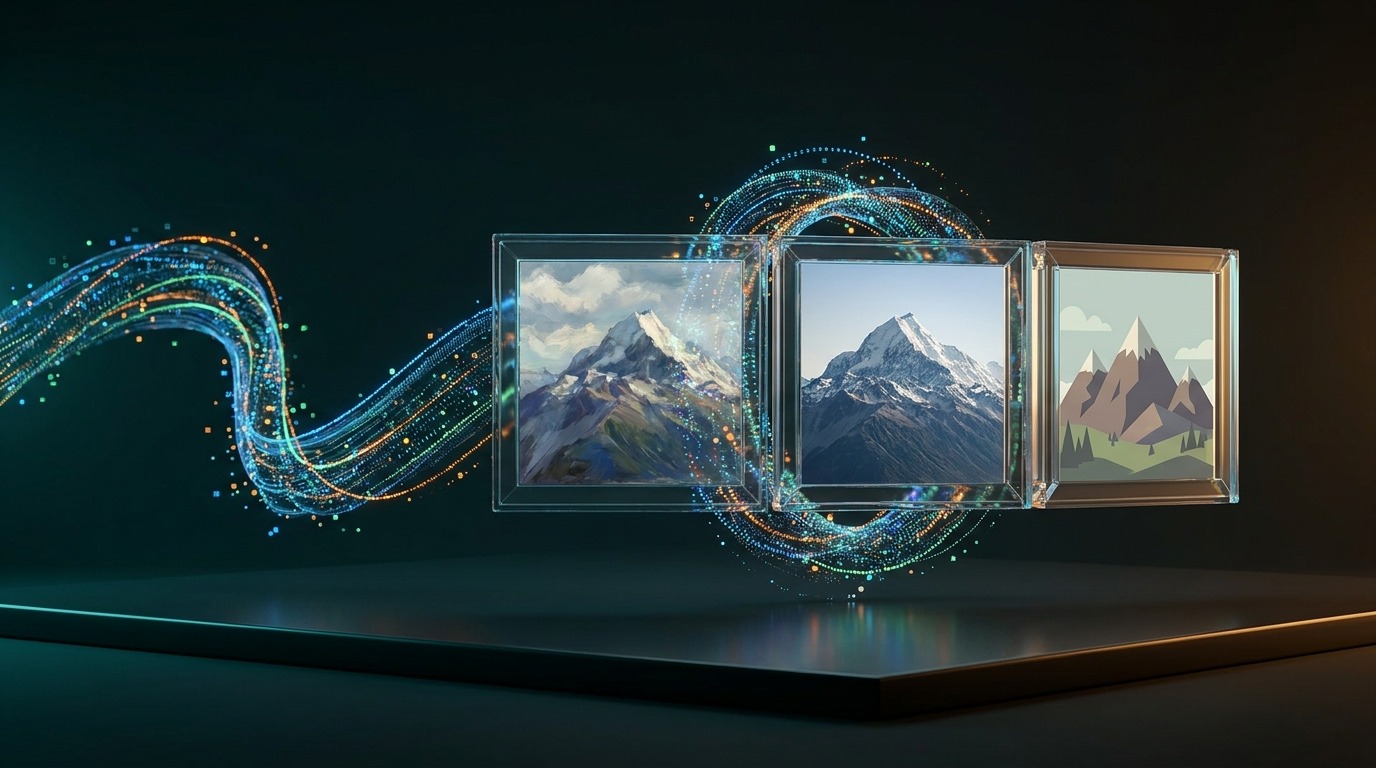
Underpinning the capabilities of DALL-E, Midjourney, and Stable Diffusion is another critical, yet often unseen, common feature: their reliance on massive, diverse image-text datasets for training. These models don’t “imagine” from nothing; they learn from billions of image-text pairs, extracting patterns, styles, objects, and their relationships from the vast repository of human-created visual and linguistic content.
This shared data foundation is what allows them to understand prompts like “a cat wearing a spacesuit” or “an impressionistic painting of a futuristic city” and translate them into plausible images. Without these colossal datasets, the sophisticated diffusion models would be unable to perform their magic. Each platform has likely curated its own unique blend of training data, leading to distinct stylistic tendencies and areas of expertise.
For example, Stable Diffusion was notably trained on the LAION-5B dataset, an enormous collection of image-text pairs. OpenAI’s DALL-E models also leverage proprietary datasets, likely incorporating similar scale and diversity. While the exact composition of Midjourney’s training data is less public, it is undoubtedly of comparable scale and quality, contributing to its distinctive aesthetic.
This shared reliance on vast datasets presents both immense power and significant ethical considerations, particularly regarding data provenance, artist compensation, and potential biases embedded within the training material. However, from a functional perspective, it is this common, gargantuan data foundation that enables all three platforms to possess their shared ability to understand and generate a near-infinite variety of images.
It’s the silent partner in every piece of AI art generated, providing the learned “knowledge” that the diffusion models then sculpt into visuals.
Ethical Considerations: The Shared Responsibility of Generative AI
Beyond their technical commonalities, DALL-E, Midjourney, and Stable Diffusion also share a critical, emergent feature: their entanglement with significant ethical considerations and societal impact. As powerful generative AI tools, they all grapple with issues of intellectual property, bias, misinformation, and the future of creative labor. This shared responsibility is not a design choice but an inherent consequence of their groundbreaking capabilities.
The ability to generate realistic or stylized images on demand raises questions about authorship and copyright, particularly when training data includes copyrighted works without explicit consent. Artists worldwide are debating how their work is being used to train these models, leading to discussions about fair use and compensation. Furthermore, all three platforms face the challenge of mitigating inherent biases present in their training data.
If the datasets predominantly feature certain demographics or portrayals, the AI models may perpetuate or even amplify these biases in their generated outputs. This can lead to problematic or stereotypical imagery, requiring continuous effort from developers to implement safeguards and filters.
The potential for generating deepfakes or spreading misinformation is another shared concern, prompting these companies to develop content moderation policies and watermarking techniques. For the working artist, navigating this landscape means not only understanding the technical aspects of these tools but also engaging with the broader ethical discourse surrounding them.
The shared nature of these challenges underscores that as these technologies become more integrated into our creative workflows, the responsibility to use them ethically and advocate for responsible development falls on both the creators of the AI and its users. This collective engagement with ethical dilemmas is a defining, albeit complex, common feature of the current generative AI landscape, impacting how ai art is perceived and produced.
Future Trajectories: Evolving the Core AI Art Feature
Looking ahead, the future trajectories of DALL-E, Midjourney, and Stable Diffusion, while perhaps diverging in specific features or stylistic emphasis, will undoubtedly continue to evolve their core shared feature: advanced text-to-image generation. This evolution will likely center on several common themes: enhanced control, greater coherence, improved efficiency, and deeper integration into existing creative pipelines.
We can anticipate more granular control over composition, lighting, and texture, moving beyond broad descriptive prompts to allow artists to dictate specific elements with increasing precision. This might involve multimodal inputs, where text is combined with sketches, reference images, or even 3D models to guide the generation process. The pursuit of greater coherence and understanding of complex prompts will also be a shared goal.
As models become more sophisticated, they will better grasp nuanced instructions, multiple subjects, and intricate spatial relationships, leading to fewer “prompt failures” and more consistent, high-quality outputs. Efficiency improvements, both in terms of generation speed and computational resource usage, will make these tools even more accessible and viable for professional production environments.
Furthermore, the integration of these text-to-image capabilities into existing creative software suites – from video editing platforms to 3D modeling tools – will be a common thread, transforming them from standalone generators into seamless components of a larger workflow.
This continued refinement of the core text-to-image capability, driven by ongoing research and competitive innovation, ensures that the shared foundational feature of these platforms will remain at the forefront of creative technology, constantly expanding what’s possible in the realm of AI art.
The rapid pace of innovation in this field is well-documented, with platforms frequently releasing updates that push the boundaries of what these generative models can achieve, as seen in reports from The Verge on Midjourney’s latest versions.
Frequently Asked Questions
What common feature is shared by DALL-E, Midjourney, and Stable Diffusion?
The primary common feature shared by DALL-E, Midjourney, and Stable Diffusion is their function as text-to-image generative AI models, predominantly leveraging advanced diffusion models to translate natural language prompts into visual outputs. This fundamental algorithmic approach and user interaction paradigm define their core utility.
How do DALL-E, Midjourney, and Stable Diffusion compare for artists in 2025?
In 2025, while all three will continue to excel at text-to-image generation via diffusion models, their comparative strengths will likely remain in their stylistic biases and control mechanisms. Midjourney may still lead in artistic aesthetic and ease of use for stylized outputs, Stable Diffusion in customizability and open-source flexibility, and DALL-E in versatility and commercial integration.
The underlying shared technology will enable all three to offer more granular control and higher fidelity.
Are there fundamental differences in the underlying AI models of these platforms?
While all three utilize diffusion models, there are differences in their specific architectures and training. Stable Diffusion, for instance, uses a latent diffusion model for efficiency, while DALL-E 2 incorporates CLIP embeddings for conditioning. Midjourney’s exact architecture is less public but is also diffusion-based, optimized for its distinctive aesthetic, yet the core principle of iterative denoising remains universal.
Why is prompt engineering crucial across all three AI art generators?
Prompt engineering is crucial across all three because it is the primary method for artists to communicate their creative intent to the AI. Despite sharing the core text-to-image feature, each model interprets language and parameters uniquely, requiring skilled prompt crafting and iterative refinement to achieve desired visual outcomes.
What is the significance of “diffusion models” in their shared functionality?
Diffusion models are significant because they represent the foundational algorithmic breakthrough enabling the high-quality, diverse, and controllable image generation seen across DALL-E, Midjourney, and Stable Diffusion. Their iterative denoising process allows for the transformation of pure noise into coherent, detailed images guided by text prompts, distinguishing them from earlier generative AI architectures.
Discover more from Olivier Hero Dressen Blog: Filmmaking & Creative Tech
Subscribe to get the latest posts sent to your email.
Work with Olivier
Director | CD | DP & Photographer
Specializing in commercials, music videos, AI-driven filmmaking, and cinematic storytelling for brands and production companies.
🌍 Shanghai · Paris · Los Angeles · Dubai
🎬 View Portfolio & Get in Touch