

Key Takeaways
- First insight, Backrooms represents a pivotal shift, ushering in a new “YouTuber era” of filmmaking where online creators transition successfully to feature films, validating unique, platform-native storytelling.
- Craft highlight, The film masterfully blends surrealism and abstraction, drawing comparisons to David Lynch and David Cronenberg, while leveraging exceptional cinematography by Jeremy Cox and an immersive score by Edo van Breemen to create a truly original aesthetic experience.
- Industry context, Distributed by A24, Backrooms defied its 10,000,000 USD budget to achieve a staggering 318,393,793 USD at the box office, proving the immense commercial viability of creator-led, innovative horror/mystery/sci-fi narratives.
- Bottom line, With its compelling performances from talents like Chiwetel Ejiofor and Renate Reinsve, coupled with Kane Parsons’ visionary direction and Will Soodik’s intricate writing, Backrooms is not just a movie; it’s a profound, beautiful, and narratively exciting experience that promises a broader cinematic universe.
The cinematic release of Backrooms – You are not supposed to be here.. is not merely a film event; it marks a significant inflection point, signaling the dawn of what I’ve come to call the “YouTuber Era” in feature filmmaking. This phenomenon, spearheaded by visionary creators like Kane Parsons, the mind behind Backrooms, demonstrates a powerful shift in the industry.
Need a Director for Your Next Project?
From commercials to branded campaigns—Olivier brings creative vision and technical expertise.
→ View ProjectsAs a director and producer with two decades in this business, I’ve witnessed countless evolutions, but this particular shift, where digital-native storytellers with a pre-existing, engaged audience translate their unique visions to the silver screen, is perhaps one of the most exciting and disruptive.
I had the privilege of seeing Backrooms by myself in Bangkok, a solitary experience that only amplified its profound impact, and I can confidently say it is a truly original work that transcends its internet origins.
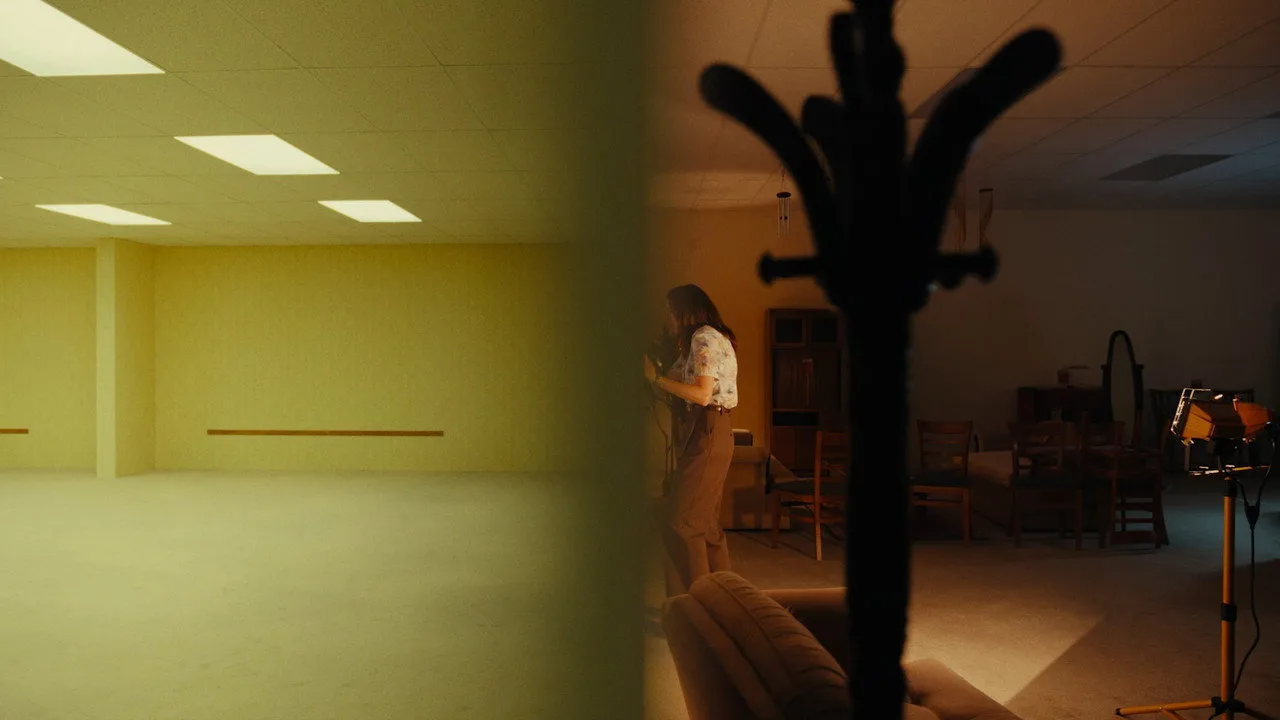
Backrooms — By the Numbers
Kane Parsons
2026-05-27
111 minutes
Horror / Mystery / Science Fiction
$10 million
$318 million
Atomic Monster · 21 Laps Entertainment · A24
You are not supposed to be here.
The YouTuber Era: A New Wave of Filmmaking
The emergence of Backrooms as a major cinematic release, backed by the prestigious A24, fundamentally redefines the traditional path to filmmaking. For too long, the industry has been a gate-kept fortress, difficult for new voices to penetrate without traditional film school pedigrees or extensive industry connections.

However, the rise of platforms like YouTube has cultivated an entirely new generation of storytellers, individuals who have honed their craft, built massive audiences, and developed unique voices outside the conventional studio system. Kane Parsons, the director of Backrooms, is a prime example of this phenomenon.
His journey from creating viral short-form content to directing a 10,000,000 USD feature film that grossed over 300,000,000 USD is not just a personal success story; it’s a blueprint for aspiring creators globally. This era is characterized by a direct connection between creators and their audience, fostering a loyal fanbase eager to support their favorite artists’ ventures into new mediums.
This isn’t just about making a movie; it’s about validating an entire ecosystem of independent, digital-first creative production. The success of Backrooms proves that originality, when coupled with a genuine understanding of audience engagement cultivated over years online, can translate into unprecedented box office success.
It challenges the established norms and opens doors for diverse narratives that might otherwise never see the light of day in a studio-driven environment. This shift is profound, impacting everything from distribution strategies to how talent is discovered and nurtured. It signifies a democratisation of filmmaking, where the power of an idea and the ability to execute it effectively, regardless of traditional background, can lead to global recognition.
The phenomenon of the Backrooms movie is a testament to this evolving landscape, demonstrating that a deep connection with an audience and a consistent, compelling creative output can lead to remarkable cinematic achievements. The budget of 10,000,000 USD for Backrooms, while substantial for an independent production, is dwarfed by its staggering box office return of 318,393,793 USD, proving the commercial viability of this new model.
This financial success is a clear indicator that audiences are hungry for fresh, unconventional stories, and they are willing to follow their favorite online creators into the theatrical space. This trend is not isolated; it’s part of a broader movement where digital content creators are increasingly influencing mainstream entertainment. For more on how digital creators are reshaping the industry, you can read this TechCrunch article on the creator economy.
Kane Parsons’ Vision: From Digital Shorts to Cinematic Masterpiece
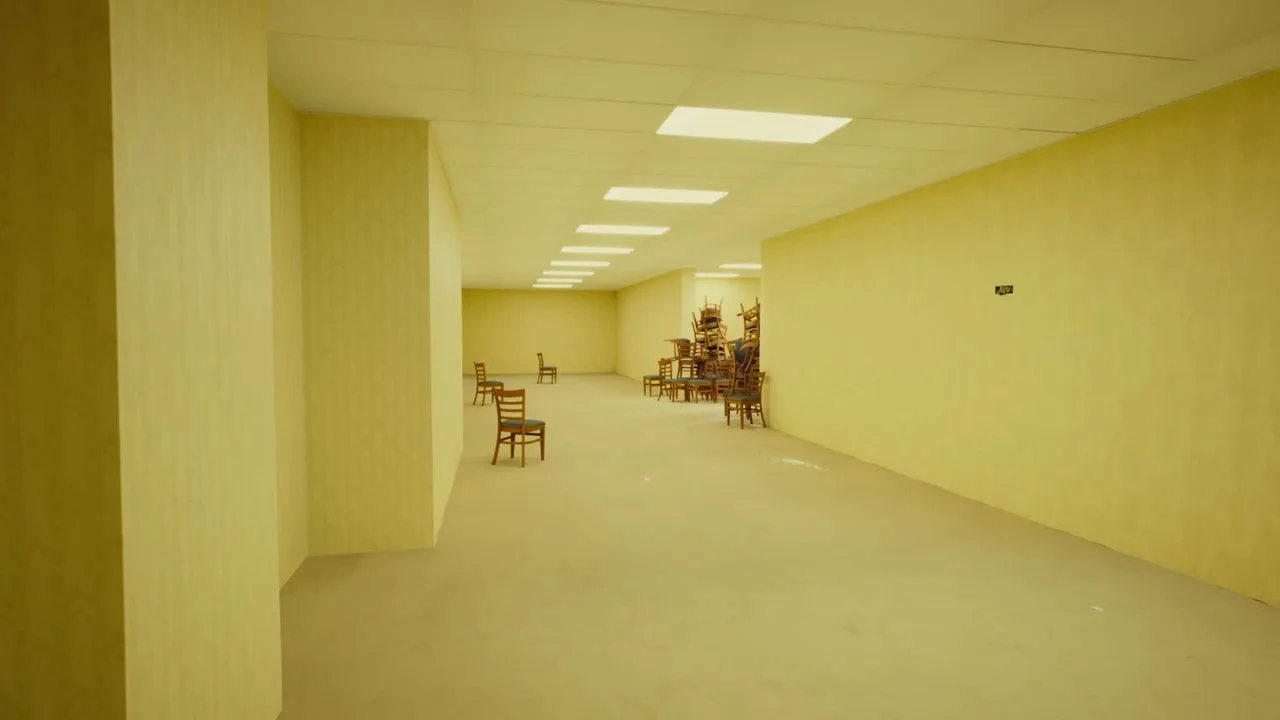
Having followed Kane Parsons’ work for some time before the release of Backrooms – You are not supposed to be here.., I was consistently struck by the mysterious, intriguing, and profoundly original nature of his content. His short films and animations often delved into urban legends and creepypasta, creating a distinct universe that resonated deeply with online audiences. What truly sets Parsons apart is his remarkable consistency in world-building.
He didn’t just create isolated pieces; he meticulously constructed a coherent, eerie, and expansive world, piece by piece, cultivating a sense of dread and wonder that was both unsettling and captivating. This dedication to his craft, this patient and persistent effort to flesh out the lore and aesthetics of the Backrooms, is precisely what made the transition to a feature film so successful.
He wasn’t just handed a budget and told to make a movie; he was given the opportunity to expand on a universe he had already painstakingly developed. This deep understanding of his own creation allowed him to maintain an authentic voice and vision throughout the filmmaking process. The resulting film is a testament to his singular creative force. It feels like an organic extension of his previous work, yet elevated to a cinematic scale that is breathtaking.
Parsons’ direction in Backrooms is confident and assured, demonstrating a maturity beyond what one might expect from a director making his feature debut. He navigates the complex narrative and surreal visuals with a steady hand, ensuring that even amidst the abstraction, the audience remains tethered to the characters’ journey.
The film’s ability to maintain its unique identity while appealing to a broader theatrical audience is a delicate balance, one that Parsons achieves with remarkable finesse. This isn’t just a horror movie; it’s an immersive experience, a journey into the unknown guided by a director who clearly understands the psychological underpinnings of fear and disorientation.
The fidelity to the original internet phenomenon, while expanding upon its mythology, is a delicate tightrope walk that Parsons executes flawlessly. His ability to translate the raw, unsettling essence of the original Backrooms concept, which gained significant traction as an internet urban legend, into a cohesive 111-minute cinematic experience is truly commendable.
It showcases a director who possesses not only technical skill but also a profound understanding of narrative and atmosphere. The success of Backrooms is intrinsically linked to Parsons’ unwavering vision and his ability to evolve his distinctive style from digital shorts to a full-fledged cinematic masterpiece.
A Symphony of Surrealism and Abstraction: The Backrooms Aesthetic
One of the most striking aspects of Backrooms – You are not supposed to be here.. is its utterly unique aesthetic. From the moment the film begins, it plunges the audience into a world that feels simultaneously familiar and deeply alien. I would describe it as a mesmerizing blend of David Lynch’s dreamlike surrealism and David Cronenberg’s unsettling body horror and psychological dread, yet it carves out its own distinct identity.
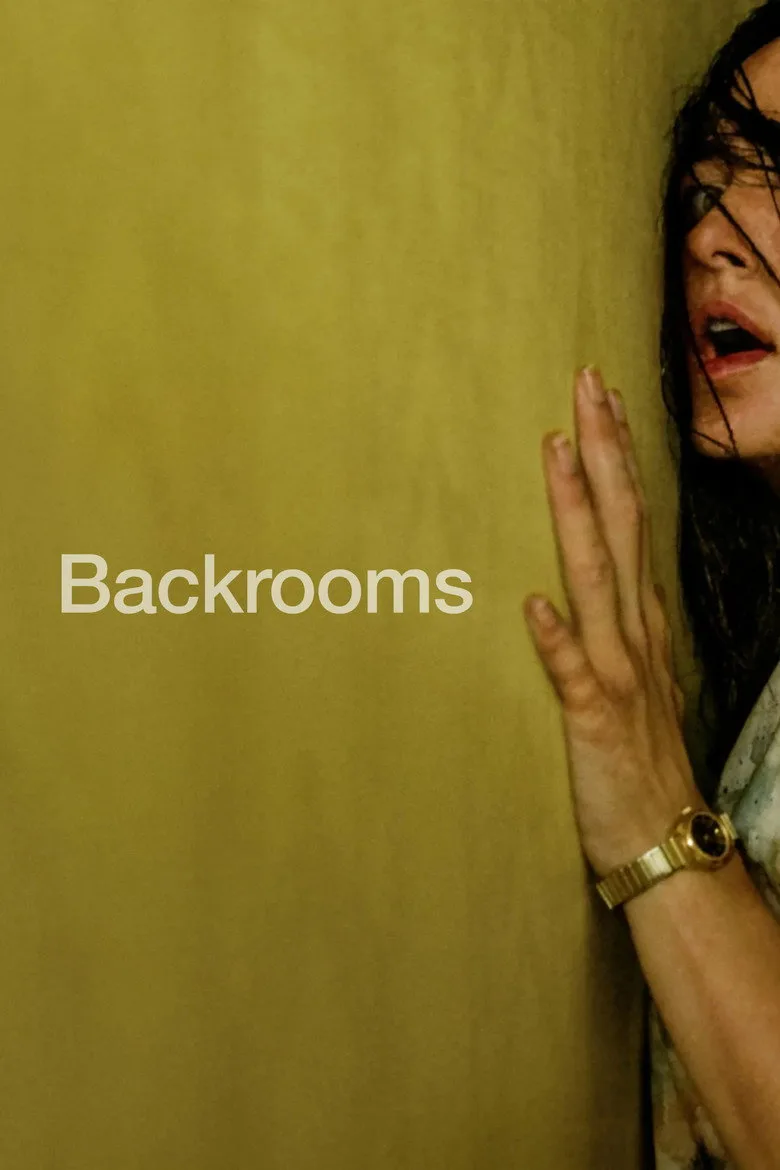
The film doesn’t rely on jump scares or conventional horror tropes; instead, it builds an atmosphere of pervasive unease through its environments and the sheer abstraction of its events. The sets, in particular, are a masterclass in contemporary art direction. There were moments where I felt as though I was walking through a very high-end art exhibition, with each new area presenting a new installation of architectural uncanny.
The use of liminal spaces, vast empty corridors, and rooms that defy logic or purpose creates a profound sense of disorientation and existential dread. These aren’t just backdrops; they are active participants in the narrative, shaping the characters’ experiences and the audience’s perception of reality. The color palette, often muted yellows, clinical whites, and oppressive grays, further enhances this feeling of being trapped in a forgotten, endless labyrinth.
The way light and shadow play across these impossible spaces, meticulously captured by cinematographer Jeremy Cox, adds layers of depth and mystery. The film’s visual language is dense with symbolism, inviting multiple interpretations without ever sacrificing its narrative momentum. It’s a delicate balance to maintain a coherent story while embracing such a high degree of abstraction and surrealism, but Backrooms achieves it with remarkable grace.
The visual design is so immersive that it becomes a character in itself, an antagonist almost, constantly shifting and manipulating the protagonists’ perceptions. This commitment to a unique visual identity is a bold artistic choice that pays off immensely, making Backrooms an unforgettable cinematic experience that challenges the viewer to question what they are seeing and what it truly means to be lost.
The visual ingenuity ensures that the film lingers in the mind long after the credits roll, a testament to its profound artistic merit. The film’s aesthetic is so powerful that it elevates the very concept of the Backrooms from an internet meme to a profound work of art.
The Narrative Labyrinth and Will Soodik’s Writing
🎬 AI Render Pro Studio, the AI film production suite I built and use on my own productions. Script breakdown, storyboards, 30+ video models including Seedance 2.5 and Kling O3, image generation, retouch, 7K upscaling and audio, all in one browser workspace. $19/month flat, bring your own API keys and pay providers at cost, no credit packs, no markup. Try AI Render Pro Studio →
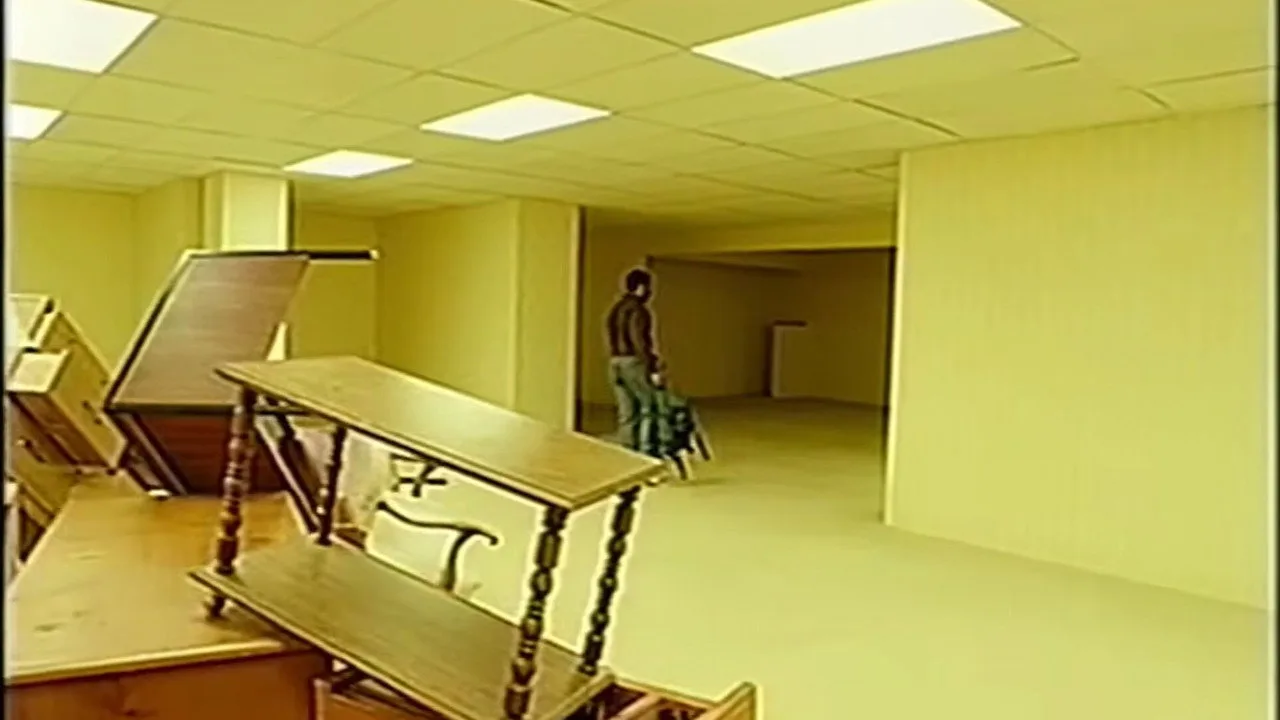
The narrative of Backrooms – You are not supposed to be here.., penned by Will Soodik, is as intricate and disorienting as its visual landscape. It eschews straightforward exposition in favor of a more experiential approach, drawing the audience into the mystery alongside the protagonists. While the film undeniably embraces abstraction and surrealism, it never completely loses its narrative thread.
There’s a story to follow, but it’s one that constantly keeps you guessing, questioning the nature of the reality presented. This balance between narrative progression and enigmatic ambiguity is a testament to Soodik’s skillful writing. The screenplay doesn’t spoon-feed answers; instead, it encourages active participation from the viewer, inviting them to piece together clues, interpret symbols, and grapple with the profound questions the film poses.
This approach is refreshing in an era often dominated by overly explicit storytelling. The central premise, of characters finding themselves trapped in an endless, liminal space, is explored with both psychological depth and a sense of mounting dread. The script expertly weaves together elements of horror, mystery, and science fiction, creating a genre-bending experience that defies easy categorization.
The dialogue, while sparse at times, is impactful, often loaded with subtext and reflective of the characters’ increasing desperation and confusion. What truly stands out is how Soodik manages to maintain a compelling human element amidst the overwhelming strangeness of the Backrooms. The characters’ struggles, their fears, and their attempts to comprehend their impossible situation provide an emotional anchor that prevents the film from becoming purely an abstract exercise.
This narrative style, which keeps the audience engaged while simultaneously challenging their understanding, is a hallmark of truly innovative storytelling. The journey through the Backrooms is not just a physical one but a psychological descent, meticulously crafted by Soodik to explore themes of isolation, reality, and the unknown.
The film’s ability to create such a rich, thought-provoking experience without resorting to conventional narrative structures is a significant achievement, solidifying its place as a unique and impactful piece of cinema. The storytelling prowess behind Backrooms is certainly something for aspiring writers to study, especially those looking to craft narratives that are both mysterious and deeply engaging.
For those interested in the economics of film, the success of a unique script like this, especially with its significant box office, highlights the financial rewards of bold storytelling, as explored in articles like Movie Profits: Who Really Gets Paid When A Movie MAKES Millions?.
Performances That Anchor the Unreal
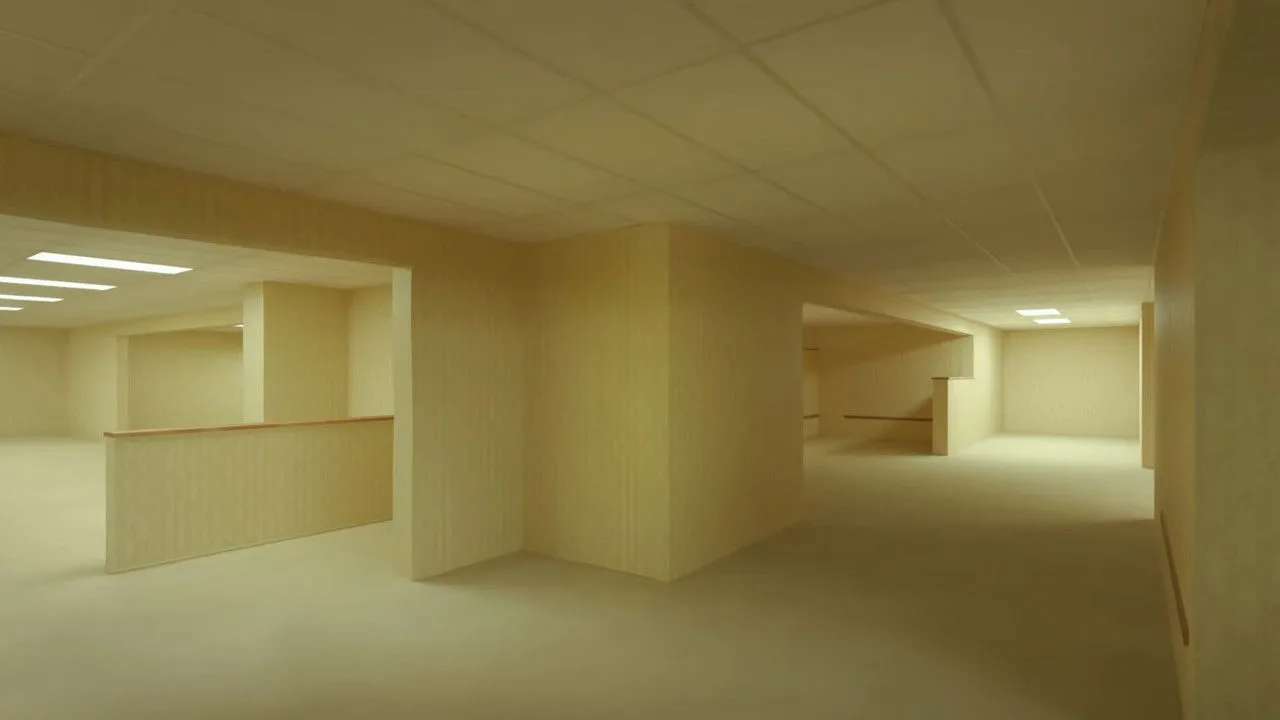
In a film as visually and narratively abstract as Backrooms – You are not supposed to be here.., the performances of the cast are absolutely crucial in grounding the experience and ensuring the audience remains emotionally invested. The ensemble, featuring talents like Chiwetel Ejiofor, Renate Reinsve, Mark Duplass, Finn Bennett, and Lukita Maxwell, delivers exceptional work, providing the necessary human anchor amidst the surreal chaos.
Chiwetel Ejiofor, a seasoned actor known for his gravitas and emotional depth, brings a powerful presence to his role. His portrayal of a character grappling with the incomprehensible nature of the Backrooms is nuanced and deeply affecting, allowing the audience to project their own fears and anxieties onto his journey.
Renate Reinsve, fresh off her breakout performances, continues to demonstrate her incredible range, conveying a delicate balance of vulnerability and resilience. Her reactions to the escalating strangeness are palpable, drawing viewers deeper into the psychological torment of the situation. Mark Duplass, known for his ability to embody complex, often unsettling characters, adds another layer of intrigue to the ensemble.
His presence alone suggests a deeper, more ambiguous narrative at play, fitting perfectly within the film’s mysterious tone. The younger talents, Finn Bennett and Lukita Maxwell, hold their own admirably alongside their more experienced co-stars. Their performances capture the raw confusion and fear of individuals thrust into an unimaginable reality, making their struggles feel authentic and relatable despite the fantastical setting.
Kane Parsons’ direction of his actors is precise and effective, guiding them to deliver performances that are both understated and intensely emotional. He allows their natural reactions to the bizarre circumstances to drive much of the narrative, rather than relying on heavy exposition. This collaborative effort from the cast elevates Backrooms beyond a mere visual spectacle, transforming it into a compelling human drama set against an impossible backdrop.
The authenticity of their fear, confusion, and desperate hope for escape makes the surreal environment of the Backrooms feel all the more terrifying and real. These performances are a testament to the power of acting to convey profound emotional truths even in the most abstract of cinematic landscapes, making the Backrooms a truly unsettling, yet deeply human, experience.
Crafting the Unsettling: Sound and Cinematography of Backrooms
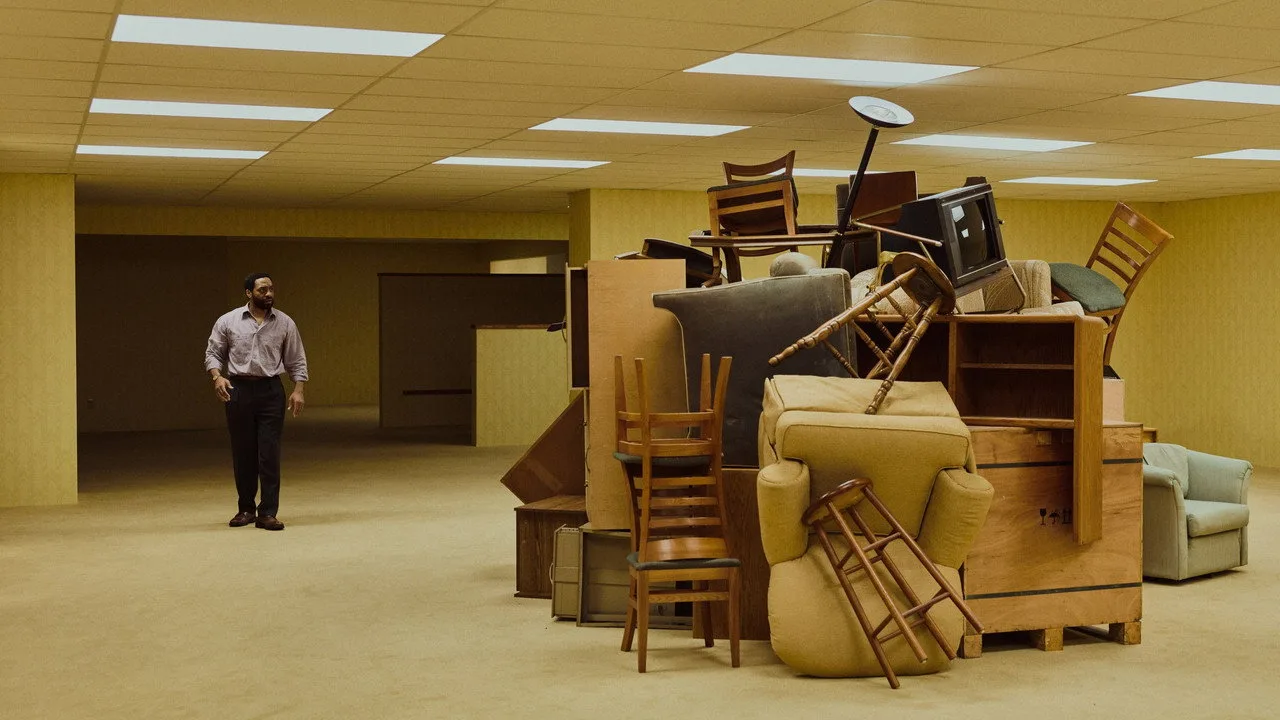
The immersive quality of Backrooms – You are not supposed to be here.. is not solely attributed to its direction and performances; it’s profoundly enhanced by its exceptional technical craftsmanship, particularly in cinematography by Jeremy Cox and music by Edo van Breemen. Jeremy Cox’s cinematography is nothing short of brilliant. He captures the vastness and oppressive emptiness of the Backrooms with a keen eye for architectural dread.
The camera work is precise, often utilizing long, deliberate shots that allow the audience to fully absorb the unsettling environments. There’s a masterful play of light and shadow, highlighting the sterile, often decaying nature of the spaces, and creating a sense of infinite, claustrophobic expanse simultaneously.
Cox’s ability to frame the characters within these overwhelming spaces emphasizes their isolation and vulnerability, making the already surreal surroundings even more menacing. The visual style is consistent with Kane Parsons’ original online content but elevated for the big screen, showing a sophisticated understanding of how to translate an internet phenomenon into high-art cinema.
The choice of lens, the color grading, and the composition all contribute to a visual language that is both beautiful and deeply disturbing. Complementing this visual mastery is Edo van Breemen’s remarkable score. The music of Backrooms is not just background noise; it is an integral part of the storytelling, acting almost as an additional character. Van Breemen crafts an auditory landscape that perfectly mirrors the film’s unsettling atmosphere.
The score is sparse yet impactful, utilizing dissonant tones, ambient textures, and subtle, creeping melodies that heighten the sense of dread and mystery. There are moments of silence that are just as powerful as the music, allowing the natural, eerie sounds of the Backrooms – the hum of fluorescent lights, distant echoes, strange mechanical groans – to take center stage.
This thoughtful sound design works in tandem with the score to create an all-encompassing sensory experience that keeps the audience on edge. The combination of Cox’s precise visuals and van Breemen’s evocative soundscape creates a truly unique and unforgettable immersion into the heart of the Backrooms, solidifying its status as a masterpiece of atmospheric horror and science fiction.
The careful attention to every technical detail ensures that the film is not just watched, but deeply felt. For filmmakers looking to achieve such stunning visual effects and atmosphere, tools like AI Render Pro, the prompting tool for filmmakers and creatives can be invaluable for pre-visualization and concept development.
Commercial Triumph and the A24 Partnership
The journey of Backrooms – You are not supposed to be here.. from internet phenomenon to box office juggernaut is a remarkable success story that speaks volumes about the evolving film industry. Released on 2026-05-27, the film, with a budget of 10,000,000 USD, went on to gross an astounding 318,393,793 USD worldwide. This incredible return on investment is a clear indicator of the film’s broad appeal and the power of its unique genesis.
The partnership with A24, known for its discerning taste in independent and genre-bending cinema, was instrumental in bringing Kane Parsons’ vision to a wider audience. A24 has a proven track record of nurturing distinctive voices and championing films that challenge conventional narratives, making them the perfect home for the enigmatic world of the Backrooms.
Their distribution strategy likely leveraged the film’s pre-existing online fanbase while also attracting new viewers drawn to its critical acclaim and intriguing premise. The genre classification of Horror / Mystery / Science Fiction allowed the film to tap into multiple audience segments, further contributing to its commercial success.
This triumph is not just a win for Parsons and A24; it’s a victory for original storytelling and for the burgeoning “YouTuber Era” of filmmaking. It demonstrates that compelling content, regardless of its origin, can find a massive audience when executed with vision and supported by a strategic distribution partner. The financial success of Backrooms sends a powerful message to Hollywood: invest in unique, creator-driven content, and audiences will respond.
This film’s box office performance solidifies its place as one of the most commercially successful independent films of its time, proving that artistic integrity and commercial viability are not mutually exclusive. It sets a new benchmark for what’s possible when the creative freedom of digital creators meets the strategic might of a respected distributor.
The success of Backrooms also highlights the growing importance of intellectual property that originates from digital spaces, as discussed in articles like 1 Image Created Backrooms $118M: The Power Shift. The official website for A24 Films provides further insight into their innovative approach to cinema.
The Future of the Backrooms Universe

The captivating narrative and unique aesthetic of Backrooms – You are not supposed to be here.. leave a profound impression, and one cannot help but feel that this film is merely the beginning of something much larger. The way the story unfolds, the inherent mystery of the Backrooms itself, and the intricate world-building established by Kane Parsons over years, all strongly suggest that this is part of a broader, interconnected universe.
The film does not provide all the answers, deliberately leaving many questions open, which is a hallmark of intellectual property designed for expansion. This narrative choice is not a weakness but a strength, fostering anticipation and curiosity about what lies beyond the initial journey. I fully expect a follow-up to this movie, as the potential for exploring other levels, entities, and human stories within the Backrooms lore is immense.
Parsons has created a sandbox brimming with possibilities for future installments, whether they take the form of direct sequels, spin-offs, or even television series. The success of the first film, both critically and commercially, provides a solid foundation for such expansion. The audience’s appetite for this particular brand of unsettling, surreal mystery has been clearly demonstrated.
Furthermore, the film’s credit sequence itself was a work of art, a beautiful and original design that seamlessly integrated different types of film aesthetics, from VHS-like shots to various digital renders. This attention to detail, even in the credits, reinforces the idea of a cohesive, expansive creative vision. It suggests that Parsons views this entire project, from intro to outro, as a complete artistic statement that can evolve.
The future of the Backrooms universe under Parsons’ continued guidance is undoubtedly bright, promising more of the wildly original, narratively exciting, and profoundly beautiful experiences that made the first film such a resounding success. This is an IP with significant potential for long-term engagement and storytelling, a truly exciting prospect for fans and the industry alike.
For more on the concept of the Backrooms and its origins, the Wikipedia page on The Backrooms offers a comprehensive overview.
Every AI illustration in this article was crafted using AI Render Pro, the same prompting engine used across this blog. Read the full breakdown here.
Cast and Crew
Key Crew
- Director: Kane Parsons
- Screenplay: Will Soodik
- Cinematography: Jeremy Cox
- Music: Edo van Breemen
- Editor: Greg Ng
- Production Design: Danny Vermette
Main Cast
- Chiwetel Ejiofor — Clark
- Renate Reinsve — Mary
- Mark Duplass — Phil
- Finn Bennett — Bobby
- Lukita Maxwell — Kat
- Avan Jogia — Naren Warne
- Robert Bobroczkyi — Pirate Clark
References and Further Reading
- Backrooms on Wikipedia — production details, cast and release history.
- Backrooms on TMDB — cast, crew, budget and box-office data.
- Backrooms on IMDb — full credits and technical specs.
- Kane Parsons on Wikipedia — director background and filmography.
Frequently Asked Questions
What is the “YouTuber Era” of filmmaking as discussed in the article?
The “YouTuber Era” refers to a new wave in filmmaking where online creators, like Kane Parsons of Backrooms, leverage their established platforms and unique storytelling styles to transition successfully into feature film production, often challenging traditional industry gatekeepers.
Who directed the movie Backrooms – You are not supposed to be here.. and what is his background?
The movie was directed by Kane Parsons, a YouTube creator known for his mysterious, intriguing, and original short-form content and animations that built a consistent, eerie world around the “Backrooms” urban legend before his feature film debut.
What is the critical reception and commercial success of Backrooms?
Critically, Backrooms is lauded for its originality, surreal aesthetic, and unique storytelling. Commercially, it was a massive success, grossing 318,393,793 USD worldwide against a budget of 10,000,000 USD, demonstrating significant audience appeal.
How does the article describe the visual style and music of Backrooms?
The article describes the visual style as a mix of David Lynch’s surrealism and David Cronenberg’s psychological dread, featuring contemporary art-like sets and precise cinematography by Jeremy Cox. The music by Edo van Breemen is noted for its sparse, unsettling ambient tones that enhance the film’s atmosphere.
Will there be a sequel or further expansion of the Backrooms universe?
The article strongly suggests that Backrooms is part of a broader universal IP, with its open-ended narrative and detailed world-building implying significant potential for follow-up movies, spin-offs, or other forms of media to explore its rich lore further.
Discover more from Olivier Hero Dressen Blog: Filmmaking & Creative Tech
Subscribe to get the latest posts sent to your email.

Work with Olivier
Director | CD | DP & Photographer
Specializing in commercials, music videos, AI-driven filmmaking, and cinematic storytelling for brands and production companies.
🌍 Shanghai · Paris · Los Angeles · Dubai
🎬 View Portfolio & Get in Touch