

Key Takeaways
- First insight, Steven Spielberg’s Disclosure Day marks a powerful, empathetic return to classic spielberg sci-fi, resonating deeply with contemporary themes of understanding and connection.
- Craft highlight, The film masterfully blends John Williams’ signature old-school orchestral score with groundbreaking, cutting-edge visual effects, creating a unique and quintessentially Spielbergian aesthetic.
- Industry context, Disclosure Day is firmly anchored in current global discussions surrounding UAPs (Unidentified Anomalous Phenomena), recent Pentagon disclosures, and the philosophical implications of advanced AI and simulation theory, making it profoundly relevant.
- Bottom line, I highly recommend Disclosure Day for its compelling narrative, emotional depth, and spectacular execution, confirming Spielberg’s enduring genius in the science fiction genre.
Seeing Steven Spielberg back in true spielberg sci-fi form with Disclosure Day was nothing short of a revelation for me. After years of anticipation, watching this film felt like a homecoming, a return to the kind of thoughtful, awe-inspiring storytelling that only he can deliver. From the opening frames, I was completely absorbed, and by the end, I was left with a profound sense of wonder and a renewed belief in the power of cinema.
Need a Director for Your Next Project?
From commercials to branded campaigns—Olivier brings creative vision and technical expertise.
→ View ProjectsThis isn’t just another sci-fi movie; it’s a profound statement, a masterclass in filmmaking that reminds us why Spielberg remains a titan of the industry.
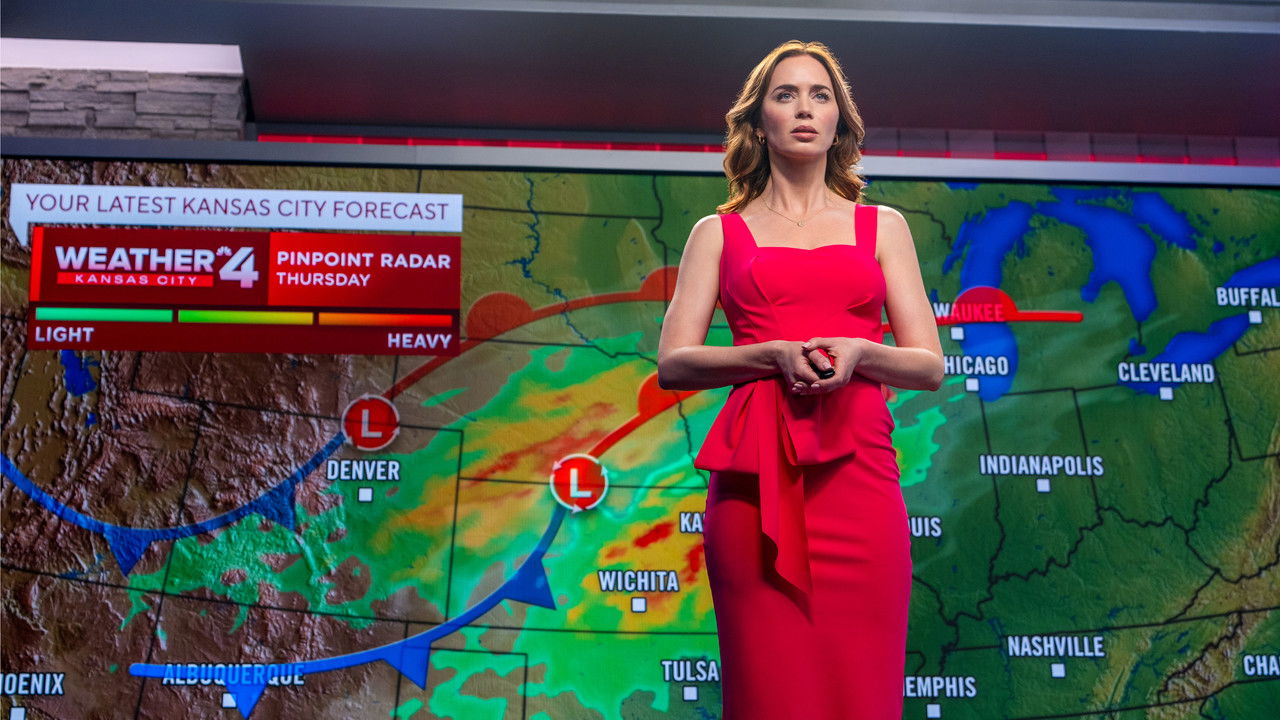
Disclosure Day — By the Numbers
Steven Spielberg
June 2026 (theatrical)
145 minutes
Science Fiction / Thriller
$115 million
~$175 million worldwide
Universal Pictures · Amblin
We deserve to know.
The Triumphant Return of Spielberg Sci-Fi
For those of us who grew up mesmerized by the wonder of Close Encounters of the Third Kind, the thrilling suspense of War of the Worlds, or the groundbreaking spectacle of Jurassic Park, the return of pure spielberg sci-fi is cause for celebration. Disclosure Day doesn’t just dip its toes into the genre; it plunges headfirst, delivering a narrative that is both deeply personal and universally significant.
It encapsulates everything we adore about Spielberg’s approach to science fiction: a sense of childlike awe mixed with profound philosophical questions, all wrapped in a technically brilliant package. The film feels fresh, yet utterly familiar in the best possible way, reminding us of the unique vision he brings to stories of the unknown. What strikes me most about this comeback is the sheer confidence in the storytelling.

Spielberg doesn’t rely on cheap thrills or overly convoluted plots. Instead, he builds a world that feels immediate and authentic, even as it grapples with concepts that push the boundaries of our understanding. The characters are relatable, their fears and hopes palpable, drawing you into their journey with an effortless grace. This is the hallmark of great spielberg sci-fi: it grounds the extraordinary in the human experience, making the impossible feel intimately possible.
The film doesn’t just show you incredible things; it makes you believe in them, and more importantly, it makes you care about the people experiencing them. This return is not just a commercial success; it’s an artistic triumph, proving that the master still has much to say in the realm of speculative fiction. It’s a poignant reminder that even amidst the most advanced visual effects, the heart of a story lies in its human connection.
As a filmmaker myself, I keenly observe how he balances spectacle with genuine emotion, a balance that many contemporary directors struggle to achieve.
Empathy: The Beating Heart of Disclosure Day
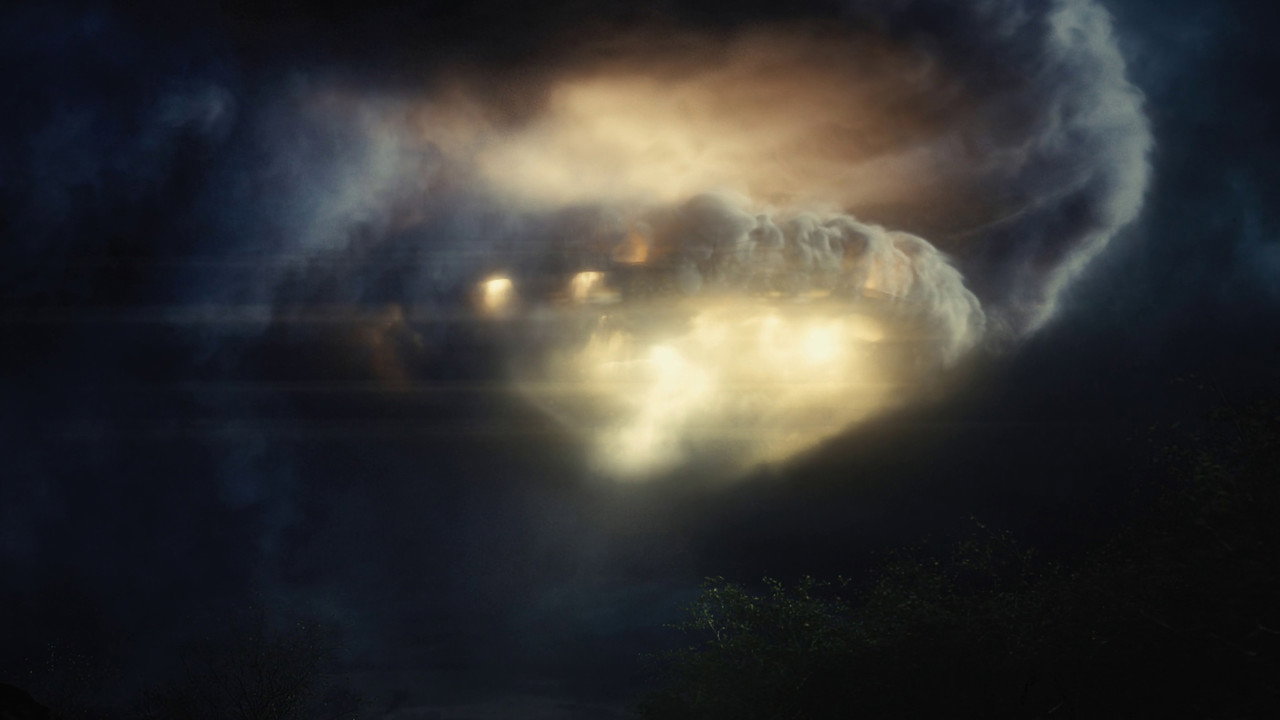
One of the most profound takeaways from Disclosure Day, and a point Steven Spielberg himself emphasized in a post-screening interview, is the film’s unwavering focus on empathy. He stated that the film is fundamentally about empathy, and that struck me right to my core. In a world increasingly fractured by conflict, misunderstanding, and division, the message that true empathy could prevent so much suffering feels incredibly timely and urgent.
You would not kill or harm someone if you truly knew what it felt like to be killed or harmed; this simple yet profound truth is woven into the very fabric of Disclosure Day. The narrative masterfully explores this theme, not just through dialogue, but through the experiences of its characters. We witness their struggles to understand, to connect, and to bridge divides that seem insurmountable.
The film challenges us to step into the shoes of others, both human and… well, I won’t spoil anything. But the way it portrays different perspectives, forcing the audience to confront their own biases and preconceptions, is incredibly powerful. It’s a reminder that beneath the surface of alien encounters or global crises, there lies a fundamental human need for connection and understanding.
This emphasis on empathy elevates Disclosure Day beyond mere entertainment, transforming it into a vital cultural commentary. It’s a brave choice in a genre often dominated by action and spectacle, and it’s a testament to Spielberg’s artistic maturity that he continues to explore such profound themes. This is where spielberg sci-fi truly shines, offering not just escapism, but introspection.
It makes you think, it makes you feel, and most importantly, it makes you question how you interact with the world around you.
A Symphony of Old and New: Williams’ Score Meets Cutting-Edge Visuals
The fusion of John Williams’ iconic score with the film’s cutting-edge visuals in Disclosure Day is, for me, the quintessential Spielberg style realized anew. Williams’ music sounds more old-school than ever, brimming with the soaring melodies, dramatic crescendos, and subtle emotional cues that have defined generations of cinema. It’s a sound that evokes nostalgia, a comfort, a sense of grand adventure.
This classic, almost timeless orchestral presence creates a breathtaking contrast with the state-of-the-art visual effects that bring the film’s incredible world to life. The result is pure magic. The visuals are simply stunning. They are not merely flashy or gratuitous; every effect serves the story, enhancing the sense of wonder, mystery, or tension. From the intricate designs of the unknown to the sweeping vistas, the level of detail and realism is unparalleled.
Yet, it’s Williams’ score that provides the emotional anchor, guiding your feelings through every reveal and every moment of suspense. This interplay creates a unique cinematic language, where the auditory and visual elements don’t just coexist but elevate each other. It’s a masterclass in how to use technology to tell a story without losing the human touch.
As someone who works in filmmaking, I’m constantly looking at how innovation can be harnessed, and seeing this blend of traditional orchestral power with advanced digital artistry is truly inspiring. Tools like AI Render Pro, the prompting tool for filmmakers and creatives, for example, are becoming increasingly vital in visualizing complex concepts, but it’s the artistic direction and the integration with elements like Williams’ score that truly make the magic happen.
This synergistic approach is a hallmark of the best spielberg sci-fi, creating an immersive experience that transcends mere spectacle.
Crafting the Narrative: A Story That Grips and Unfolds
🎬 AI Render Pro Studio, the AI film production suite I built and use on my own productions. Script breakdown, storyboards, 30+ video models including Seedance 2.5 and Kling O3, image generation, retouch, 7K upscaling and audio, all in one browser workspace. $19/month flat, bring your own API keys and pay providers at cost, no credit packs, no markup. Try AI Render Pro Studio →
The story of Disclosure Day is nothing short of amazing. It’s clear, crisp, and incredibly well-paced, drawing you in from the very first scene and never letting go. What I particularly appreciate is how the subject matter gains momentum, becoming more and more exciting toward the end with a series of increasingly impactful reveals.
This isn’t a film that front-loads all its secrets; instead, it allows the mystery to deepen, building anticipation with each new piece of information. The narrative structure is a masterclass in suspense and payoff, a testament to Spielberg’s unparalleled ability to craft a compelling plot. The characters are distinct and memorable, each playing a crucial role in the unfolding drama.
Their reactions to the extraordinary events around them feel authentic, grounding the fantastical elements in human emotion. As the story progresses, layers are peeled back, revealing deeper complexities and connections that you might not have anticipated. This gradual unveiling ensures that the audience remains fully engaged, constantly re-evaluating what they think they know.
It’s a narrative journey that rewards patience and attention, culminating in a series of revelations that are both shocking and deeply satisfying. This kind of storytelling, where every detail feels meticulously placed and every twist earned, is what makes great cinema. It’s a tightly woven tapestry of intrigue and discovery, demonstrating that even in the vastness of space or the complexity of the unknown, a clear and resonant story can always be found.
This careful construction ensures that spielberg sci-fi maintains its intellectual rigor alongside its visual grandeur.
The UFO/UAP Phenomenon: Anchoring Fiction in Reality
As a self-proclaimed UFO and UAP geek, I can tell you that a lot of the reveals at the end of Disclosure Day rang my bell in a big way. What truly sets this film apart, and makes it resonate so strongly, is its anchoring in reality. The story doesn’t just invent fantastical scenarios out of thin air; it draws heavily from the recent and highly publicized Pentagon UAP file and footage releases.
This real-world context lends an incredible sense of authenticity and urgency to the narrative, blurring the lines between fiction and the tantalizing possibilities of our own world. The film manages to tap into the collective consciousness surrounding these phenomena, exploring the implications of what we don’t yet understand about our skies and beyond.
It acknowledges the legitimate questions and the growing public interest in UAPs, using them as a springboard for its own speculative journey. This connection to current events makes Disclosure Day feel incredibly timely and relevant, provoking thought and discussion long after the credits roll. It’s not just a story about aliens; it’s a story about humanity’s evolving relationship with the unknown, and the societal impact of potential disclosures.
The way Spielberg weaves these real-world elements into his narrative is masterful, making the fantastical feel utterly plausible. For anyone who has followed the reports from the Pentagon regarding UAP sightings, this film will feel particularly resonant, almost like a cinematic exploration of the very questions we’ve been asking. This grounded approach is a defining characteristic of compelling spielberg sci-fi, making the extraordinary feel within reach.
Simulation Theory and the AI Revolution: A Timely Premise
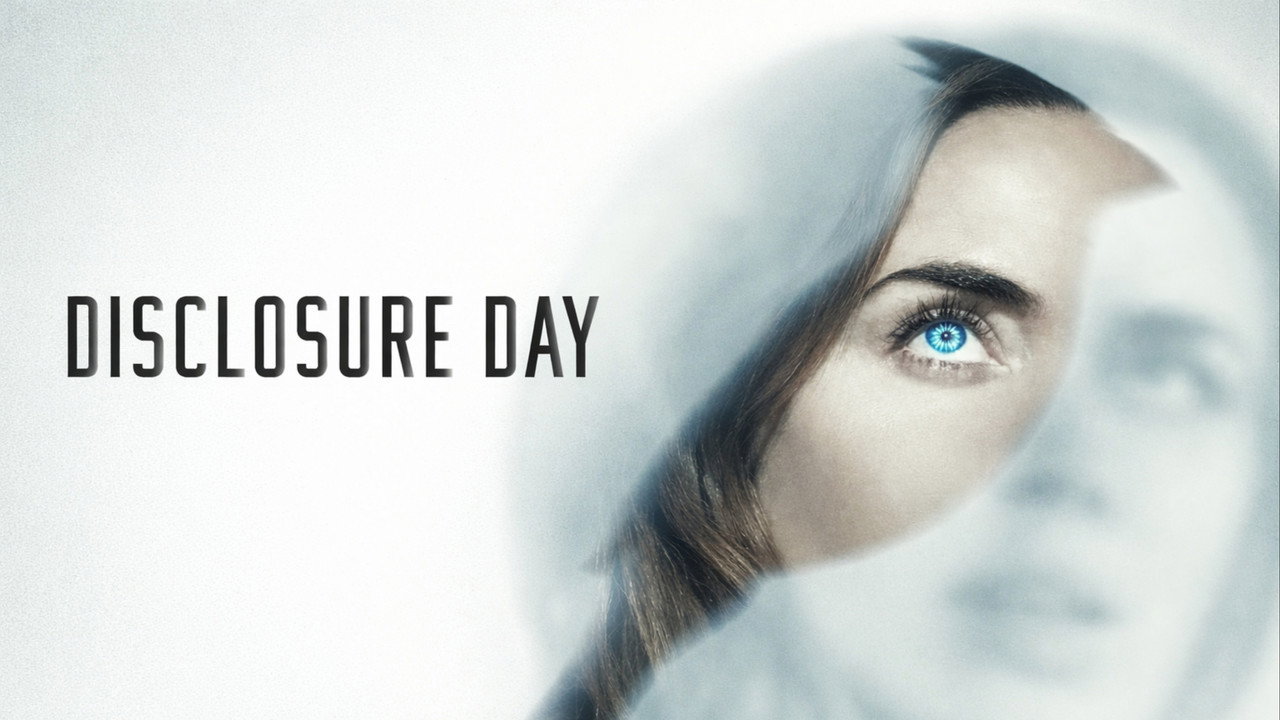
Beyond the UAP phenomenon, Disclosure Day also delves deeply into another contemporary and increasingly relevant concept: simulation theory. With the rapid rise of AI and the exponential advancements in computational power, I find myself increasingly questioning whether we might indeed be living in a simulation. The film bravely tackles this philosophical quandary, exploring its implications not just for our understanding of reality, but for our very existence.
This speculative element adds another layer of intellectual depth to the film, making it far more than just a surface-level sci-fi adventure. The narrative cleverly integrates AI in ways that feel both plausible and unsettling, reflecting our current societal anxieties and hopes regarding this transformative technology. It probes the boundaries of consciousness, reality, and creation, inviting the audience to ponder profound questions about our place in the universe.
This isn’t just about technological spectacle; it’s about the existential questions that AI forces us to confront. The film doesn’t shy away from the complexities, presenting a nuanced view that avoids easy answers. It’s a testament to Spielberg’s ability to tap into the zeitgeist, transforming abstract scientific and philosophical concepts into compelling cinematic drama.
The way it explores these ideas feels incredibly current, almost prophetic, given the speed at which AI is developing. For those interested in the philosophical implications of AI, Wired has explored the links between AI and simulation theory, a topic that Disclosure Day tackles with remarkable insight. This integration of cutting-edge philosophical questions into the narrative elevates spielberg sci-fi to a new level of relevance.
The Quintessential Spielberg Sci-Fi Magic: My Personal Take
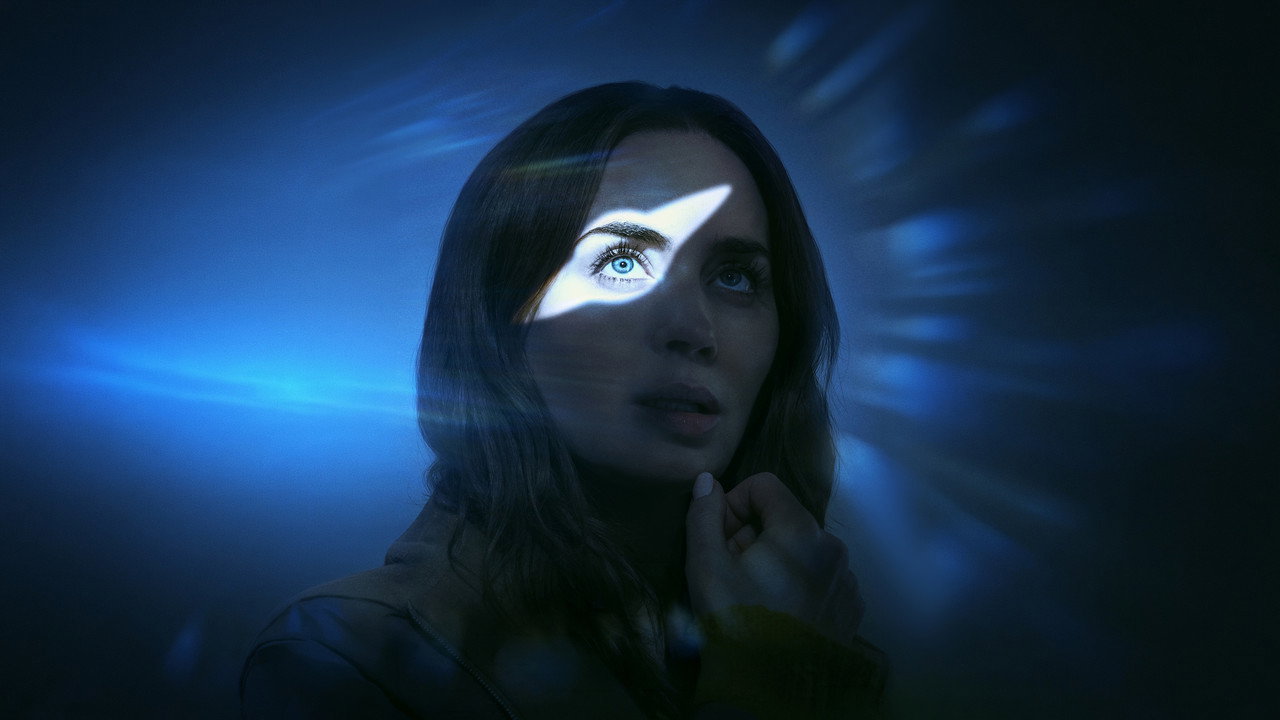
For me, Disclosure Day embodies the quintessential spielberg sci-fi magic that has captivated audiences for decades. It’s that indescribable blend of wonder, fear, hope, and profound human connection that only he seems to consistently achieve. There’s a particular warmth and optimism, even amidst moments of intense suspense or existential dread, that defines his approach to the genre.
It’s a magic that makes you believe in the impossible, that makes you feel deeply for characters facing unimaginable circumstances, and that leaves you with a sense of awe long after the credits roll. This film, more than any other in recent memory, recaptures that unique feeling. It reminds me of sitting in a darkened cinema as a child, utterly transfixed by the mysteries unfolding on screen, yet feeling safe in the hands of a master storyteller.
The way he frames shots, the subtle movements of the camera, the pacing of the reveals – every element contributes to this immersive experience. It’s not just about what you see, but how you feel while seeing it. The magic lies in his ability to tap into universal emotions, to make the grandest spectacles feel intimately personal. This is the kind of filmmaking that reminds me why I fell in love with cinema in the first place, and why Spielberg’s influence is so enduring.
It’s a powerful demonstration of how to tell a story that is both epic in scope and deeply intimate in its emotional resonance. This specific brand of magic is what separates true spielberg sci-fi from its imitators.
The Collective Experience: Shared Excitement and Discussion
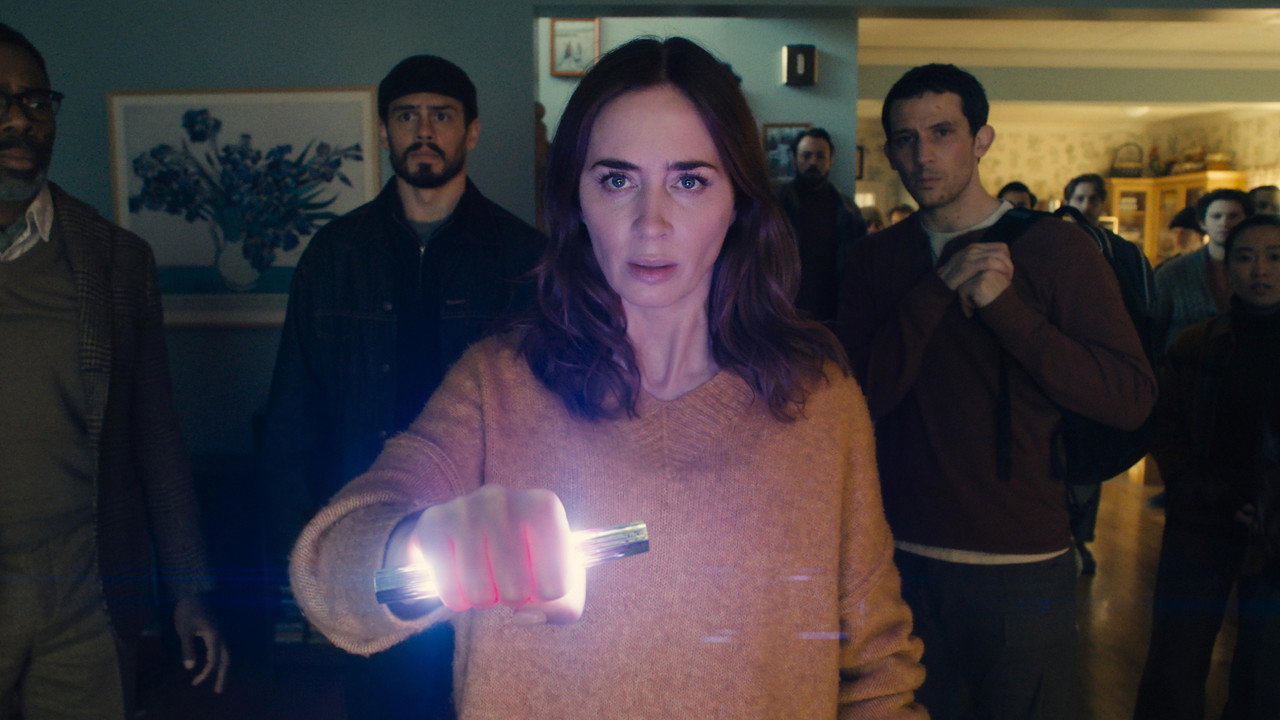
I saw Disclosure Day with a group of friends, and the collective excitement in the room was palpable. As the credits rolled, there was an immediate buzz, a shared sense of exhilaration and a desperate need to dissect everything we had just witnessed. Everyone was excited, eager to discuss the reveals, the implications, and the sheer brilliance of the film.
This communal experience is something special, something that truly great cinema can evoke, and Disclosure Day delivered it in spades. The conversations that followed were rich and varied, touching on everything from the film’s philosophical underpinnings to its technical achievements. We debated the meaning of certain scenes, shared our favorite moments, and speculated about the deeper messages woven into the narrative.
It’s rare to find a film that sparks such immediate and enthusiastic discussion, but Disclosure Day is precisely that kind of movie. It’s a film designed to be experienced together, to be talked about, and to linger in your thoughts long after you’ve left the theater. This shared journey of discovery and interpretation is a testament to the film’s power and its ability to connect with audiences on multiple levels.
It’s a reminder that cinema, at its best, is a communal art form, fostering connection and shared experience. This kind of impact is what I strive for in my own projects, aiming to create content that resonates and generates genuine conversation, much like the best of spielberg sci-fi.

Directorial Mastery: Subtlety and Spectacle in Balance
Steven Spielberg’s directorial mastery is on full display in Disclosure Day, showcasing his unparalleled ability to balance moments of subtle, intimate drama with breathtaking, large-scale spectacle. This delicate equilibrium is a hallmark of his career, and in this film, it feels more refined and impactful than ever.
He knows precisely when to pull back and allow a quiet, emotional moment to resonate, and when to unleash the full force of his cinematic arsenal to create awe-inspiring visuals. The pacing is impeccable, allowing the story to breathe and the characters to develop, while steadily building towards its grander revelations. There’s a precision in every shot, every cut, every performance that speaks to decades of experience and an innate understanding of cinematic language.
He doesn’t over-explain; instead, he trusts the audience to engage, to interpret, and to feel. This subtle guidance, rather than heavy-handed exposition, makes the film’s impact all the more profound. As a director myself, I study these nuances, the way a master can convey so much with so little, and then transition seamlessly to moments of immense scale. It’s a lesson in restraint and eruption, a controlled explosion of storytelling that truly defines the craft.
This seamless blend of the personal and the epic is what makes spielberg sci-fi so enduring and influential. It’s a testament to his vision that he can make a global phenomenon feel like an intimate conversation.
Why Disclosure Day Resonates Now: A Call for Understanding
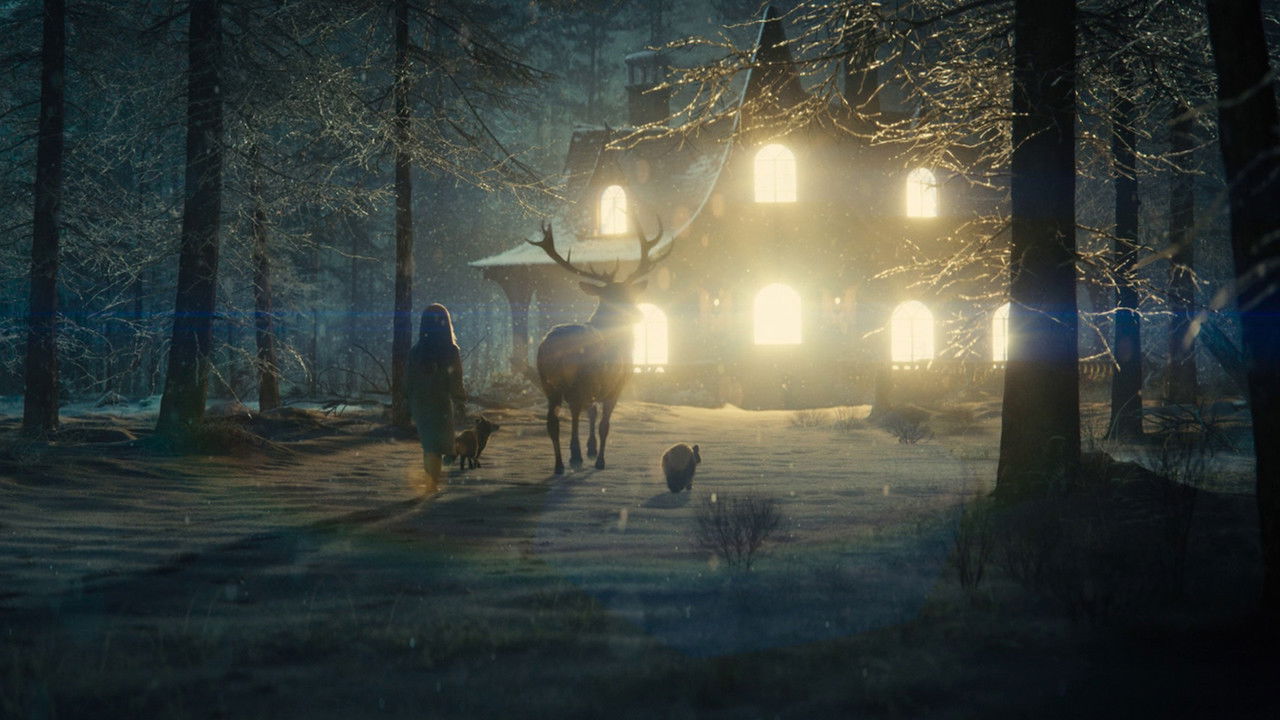
Disclosure Day isn’t just a brilliant piece of entertainment; it’s a film that resonates profoundly with the current global climate. Its themes of empathy, understanding, and the search for truth amidst uncertainty feel incredibly pertinent. In an era marked by rapid technological change, geopolitical tensions, and an increasing awareness of the unknown, the film offers a powerful mirror to our own anxieties and aspirations.
It asks us to confront our fears, to challenge our assumptions, and to consider the possibility that we are not alone, either in the universe or in our struggles for connection. The film’s exploration of UAPs and simulation theory taps into a collective curiosity and a growing openness to ideas once confined to the fringes. It validates that curiosity, framing it within a compelling narrative that encourages dialogue rather than dismissal.
This timeliness is not accidental; it’s a deliberate choice by a filmmaker who has always been attuned to the pulse of society. By weaving together contemporary concerns with timeless themes, Spielberg has created a work that is both a thrilling escape and a vital commentary on the human condition. It’s a call to look beyond our immediate horizons, to embrace the unknown with an open heart and an empathetic mind.
This ability to capture the zeitgeist while delivering a timeless narrative is a defining feature of exceptional spielberg sci-fi, ensuring its impact will be felt for years to come. Overall, I loved it and I highly recommend Disclosure Day.
Every AI illustration in this article was crafted using AI Render Pro, the same prompting engine used across this blog. Read the full breakdown here.
Cast and Crew
Key Crew
- Director: Steven Spielberg
- Screenplay: David Koepp
- Cinematography: Janusz Kaminski
- Music: John Williams
- Editor: Sarah Broshar
- Production Design: Adam Stockhausen
- Producers: Kristie Macosko Krieger, Steven Spielberg
Main Cast
- Emily Blunt — Margaret Fairchild
- Josh O'Connor — Daniel Kellner
- Colin Firth — Noah Scanlon
- Colman Domingo — Hugo Wakefield
- Eve Hewson — Jane Blankenship
- Wyatt Russell — Jackson
- Elizabeth Marvel — Sister Maura
References and Further Reading
- Disclosure Day on Wikipedia — production details, cast and release history.
- Disclosure Day on TMDB — cast, crew, budget and box-office data.
- Disclosure Day on IMDb — full credits and technical specs.
- Steven Spielberg on Wikipedia — director filmography and background.
- John Williams on Wikipedia — on his long Spielberg collaboration.
Frequently Asked Questions
What is Disclosure Day about?
Disclosure Day is a science fiction film directed by Steven Spielberg that explores themes of empathy, UAP phenomena, and simulation theory, set against a backdrop of compelling reveals and cutting-edge visuals. It delves into humanity’s encounter with the unknown and the implications for our understanding of reality.
Who composed the score for Disclosure Day?
The film’s score was composed by Spielberg’s long-time collaborator, John Williams. His old-school orchestral style provides a powerful contrast to the film’s modern visuals, creating a unique and emotionally resonant auditory experience.
Does Disclosure Day address real-world UAP events?
Yes, the film is explicitly anchored in reality, drawing inspiration from recent Pentagon UAP file and footage releases. This connection to current events lends a strong sense of authenticity and relevance to the speculative narrative.
What is the central message of Disclosure Day, according to Spielberg?
According to Steven Spielberg himself, the film’s central message is about empathy. He highlighted how understanding and feeling what others experience is crucial for preventing conflict and fostering connection, a theme deeply integrated into the narrative.
Is Disclosure Day suitable for all audiences?
While specific ratings would depend on the film’s content, its themes of wonder, mystery, and human connection, combined with Spielberg’s signature style, suggest it aims for a broad appeal, much like many of his previous science fiction works.
Discover more from Olivier Hero Dressen Blog: Filmmaking & Creative Tech
Subscribe to get the latest posts sent to your email.

Work with Olivier
Director | CD | DP & Photographer
Specializing in commercials, music videos, AI-driven filmmaking, and cinematic storytelling for brands and production companies.
🌍 Shanghai · Paris · Los Angeles · Dubai
🎬 View Portfolio & Get in Touch