

Key Takeaways
- First insight, The notion that Taylor Swift or Ryan Gosling can singularly “save” the Oscars by boosting viewership fundamentally misinterprets the deep-seated, systemic challenges facing the Academy Awards, which extend far beyond mere celebrity appeal.
- Craft highlight, True cinematic salvation for the Oscars lies in a renewed focus on artistic merit, innovative storytelling, and the craft of filmmaking itself, rather than relying on the transient popularity of pop culture icons to drive ratings.
- Industry context, The Academy’s struggle with declining relevance and viewership is a symptom of broader industry shifts, including the fragmentation of media consumption, the rise of streaming, and a disconnect between critical darlings and audience preferences.
- Bottom line, While their individual contributions to cinema may be noteworthy, Swift and Gosling cannot, and should not, be burdened with the responsibility of revitalizing an institution that requires profound structural and philosophical reforms to regain its cultural significance.
The annual ritual of 2027 Oscar predictions has begun, and with it, the familiar speculative narrative: who will be the next saviors of the Academy Awards? This year, the spotlight falls on two colossal figures: Taylor Swift and Ryan Gosling. The question posed, often with a desperate undertone, is whether their potential involvement in future acclaimed projects – Swift perhaps as a director or lead, Gosling continuing his critically and commercially successful run – can reverse the Oscars’ declining viewership and perceived cultural irrelevance. To posit that these two individuals, however talented and popular, are the saviors of the Oscars is to fundamentally misunderstand the complex, systemic issues plaguing the institution. It is a shallow analysis, mistaking symptoms for disease, and prioritizing fleeting celebrity sparkle over the deep structural reforms truly needed.
Need a Director for Your Next Project?
From commercials to branded campaigns—Olivier brings creative vision and technical expertise.
→ View Projects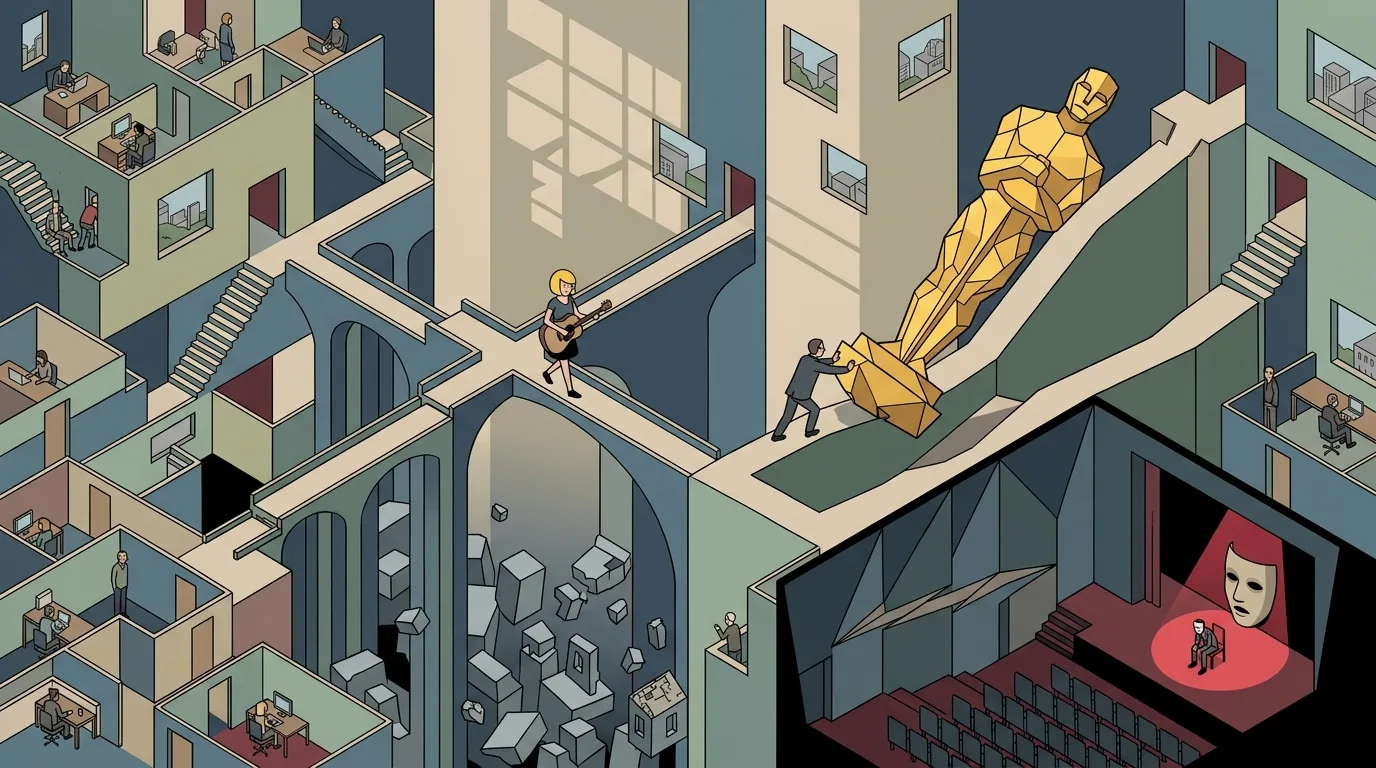
The Illusion of Star Power: Deconstructing 2027 Oscar Predictions
The annual cycle of awards season predictions often devolves into a desperate search for a quick fix. For the 2027 Oscar predictions, the names Taylor Swift and Ryan Gosling have emerged as potential viewership magnets. This line of thinking, however, reveals a fundamental misdiagnosis of the Academy Awards’ predicament. The Oscars are not merely a popularity contest that can be “saved” by injecting more star power. Their struggles are rooted in a complex interplay of evolving media consumption habits, a widening chasm between critically acclaimed films and popular tastes, and an inherent institutional resistance to change. To believe that Swift, with her unprecedented global pop culture dominance, or Gosling, a respected actor with undeniable charisma, can single-handedly reverse decades of declining relevance is to engage in magical thinking. Their presence might offer a temporary bump in ratings, a fleeting moment of trending topics, but it would do little to address the core issues that alienate both the general public and, increasingly, segments of the film industry itself.
The Academy has, in the past, attempted similar strategies – selecting popular hosts, introducing new categories, or trying to nominate more commercially successful films. These efforts have largely failed to stem the tide. The problem is not a lack of recognizable faces, but a perceived lack of connection between the awards themselves and the broader cinematic landscape that audiences engage with daily. When we discuss 2027 Oscar predictions, we must move beyond merely guessing who will win and start questioning what the Oscars are truly celebrating and for whom. Is it an industry self-congratulation, or a genuine reflection of cinematic artistry that resonates globally? The focus on “saving” the show through celebrity gloss overlooks the hard work of filmmaking itself, from the technical innovation that can be explored with AI Render Pro, the prompting tool for filmmakers and creatives, to the foundational principles of storytelling. The illusion of star power suggests a superficial solution to a profound cultural challenge, ignoring the fact that a truly vibrant awards show must first celebrate truly vibrant cinema.
Taylor Swift’s Cinematic Ambitions: Beyond the Box Office
Taylor Swift’s entry into the cinematic world is not a matter of “if” but “when” and “how deeply.” Her directorial debut, All Too Well: The Short Film, garnered critical acclaim and even qualified for Oscar consideration. This has fueled speculation about her future projects, with 2027 Oscar predictions now frequently including her name, either as a director of a feature film or potentially as an actress in a significant dramatic role. There’s no denying Swift’s Midas touch; everything she touches turns into a cultural phenomenon. Her concert film, Taylor Swift: The Eras Tour, shattered box office records, demonstrating an unparalleled ability to mobilize a massive fanbase.

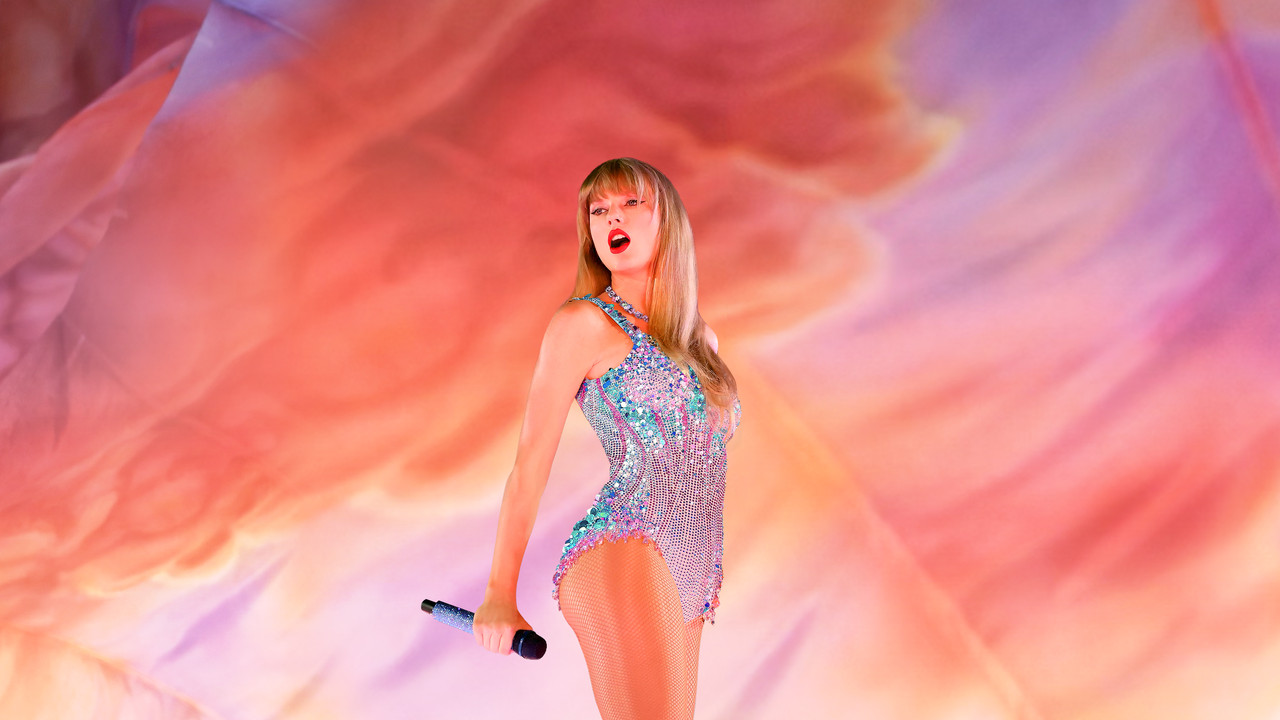
However, the Academy Awards are not the box office. They operate on a different metric, historically valuing artistic merit, craft, and narrative depth over sheer commercial power.
While Swift’s directorial talent is emerging, the transition from a celebrated short film to a feature that satisfies the Academy’s often esoteric tastes is a substantial leap. The industry buzz around her potential feature directorial debut, as reported by sources like Variety, is immense. Yet, the question remains: will her work be judged solely on its artistic merits, or will the sheer weight of her celebrity influence the perception, both positively and negatively? The Oscars have a complex relationship with popular artists crossing over into “serious” cinema. Sometimes it works, sometimes it feels like a forced attempt at relevance. For Swift to genuinely impact the Oscars in a meaningful, lasting way, her contributions must transcend her existing celebrity. They must stand on their own as compelling works of cinematic art, demonstrating a mastery of craft that goes beyond her established musical storytelling. This is where the true challenge lies, far removed from the superficial hope that her name alone can “save” the telecast. The industry needs to focus on the essential tools and techniques of filmmaking, such as those found in Hero’s Essentials: filmmaker gear and tools, to create compelling narratives, not just rely on star power.
It is worth being specific about what that filmography actually looks like, because the speculation rarely is. All Too Well: The Short Film, the fourteen-minute piece Swift wrote and directed in 2021 starring Sadie Sink and Dylan O’Brien, earned a qualifying theatrical run for the 95th Academy Awards, though it did not land a nomination. Her feature, announced with Searchlight in 2022 from an original script she wrote herself, is still not in front of a camera. The studio spent years in a holding pattern around the Eras Tour, and by late 2025 it had brought in playwright Alice Birch (Lady Macbeth, Normal People) to rewrite the script, with no title, cast, or release date attached. Swift has since been invited into the Academy as a voting member. That is real progress, and it is also a reminder that a directorial reputation gets built one finished film at a time, not declared in advance by a prediction cycle.
Ryan Gosling’s Academy Acumen: A Different Kind of Appeal
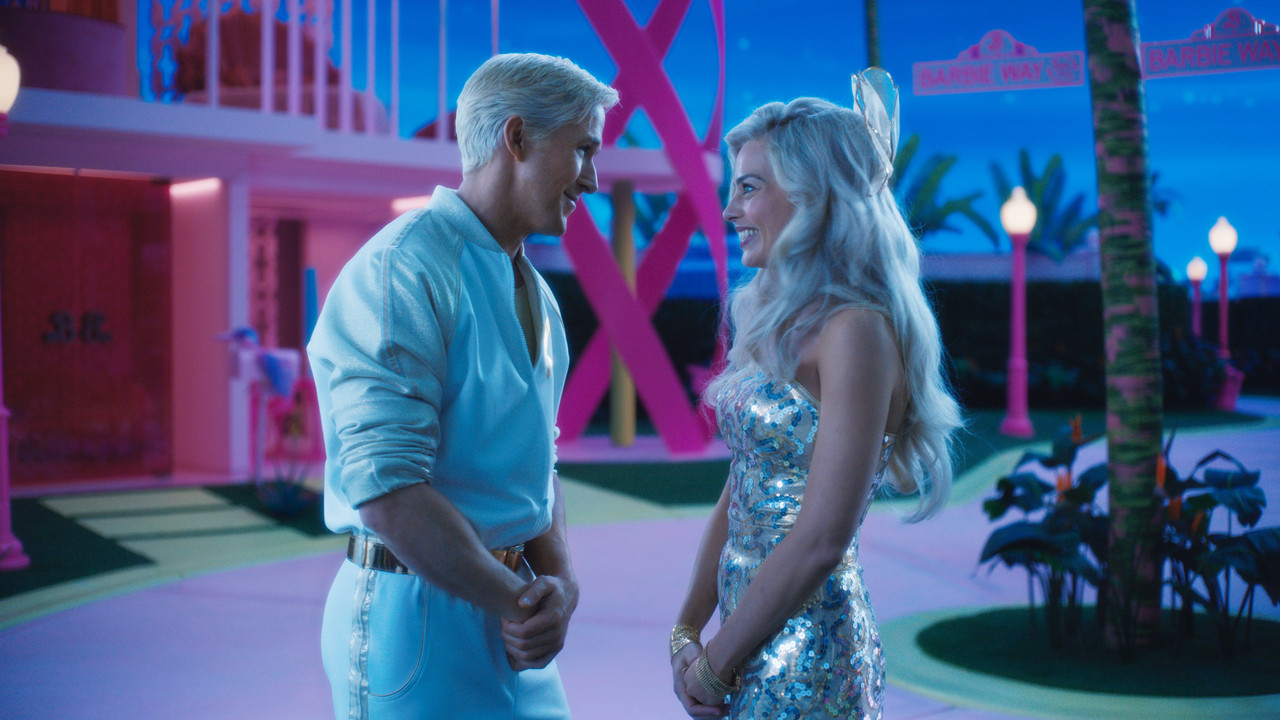
Ryan Gosling represents a different facet of celebrity appeal, one that the Academy has historically recognized and rewarded. With multiple Oscar nominations under his belt – for Half Nelson, La La Land, and most recently Barbie – Gosling possesses a unique blend of critical respect and undeniable mainstream appeal. His performance as Ken in Barbie was a cultural touchstone, showcasing his comedic timing and willingness to embrace a role that could have easily been one-dimensional. This duality makes him a perennial subject of 2027 Oscar predictions, not just as a nominee but as a potential draw for the ceremony itself. Unlike Swift, whose cinematic journey is just beginning, Gosling has a proven track record of delivering performances that resonate with both critics and audiences.

However, Gosling’s proven track record, while valuable, does not equate to a “savior” status for the Oscars. He is an actor, a performer, whose role is to inhabit characters and tell stories. While his presence in a nominated film certainly elevates its profile, the success of the ceremony itself depends on far more than one individual’s star power. The Academy’s perceived issues are systemic: declining viewership (as discussed by Reuters), a disconnect with younger audiences, and a struggle to balance artistic integrity with mass appeal. Gosling’s involvement, whether as a nominee or presenter, is a welcome addition to any awards show, but it cannot fix fundamental flaws in the institution’s approach to engagement or its selection process. The impact of a single actor, no matter how beloved, is limited. The focus must be on the quality of the films themselves, the diversity of the stories told, and the overall presentation of the telecast. The industry also needs to look at the broader landscape of filmmaking, from global dramas to independent productions, to ensure a rich pool of talent and stories. His appeal is a factor, but not the solution.
Gosling’s near future makes the point even better. His major 2026 release, Project Hail Mary, is exactly the kind of title that ends up in these conversations. Directed by Phil Lord and Christopher Miller from a screenplay by Drew Goddard (the writer who adapted The Martian), it casts Gosling as a reluctant astronaut named Ryland Grace alongside Sandra Hüller, and it cleared more than 650 million dollars worldwide after its March 2026 theatrical run. On paper that is a crowd-pleasing package with a genuine awards-season pedigree behind the camera. And yet a single popular performance, however good, does not move the needle on an institution’s relevance. A blockbuster can put Gosling on the 2027 ballot; it cannot, by itself, fix what ails the ceremony around him.

The Academy’s Existential Crisis: More Than Just Viewership
🎬 AI Render Pro Studio, the AI film production suite I built and use on my own productions. Script breakdown, storyboards, 30+ video models including Seedance 2.5 and Kling O3, image generation, retouch, 7K upscaling and audio, all in one browser workspace. $19/month flat, bring your own API keys and pay providers at cost, no credit packs, no markup. Try AI Render Pro Studio →
The narrative around “saving the Oscars” often fixates on viewership numbers as the sole indicator of health. While declining ratings are a critical symptom, they are merely one manifestation of a deeper existential crisis facing the Academy Awards. The problem is not simply that fewer people are tuning in; it’s that the Oscars are struggling to define their purpose and relevance in a rapidly changing media landscape. The rise of streaming platforms, the proliferation of awards shows, and the fragmentation of audience attention have all contributed to a diminished cultural footprint for the once-dominant ceremony. For any 2027 Oscar predictions to be meaningful, they must consider this broader context.
The crisis extends to the very identity of the Academy itself. Is it primarily an arbiter of artistic excellence, often celebrating niche, critically acclaimed films? Or is it a populist event designed to entertain a mass audience, embracing blockbusters and celebrity culture? The constant tension between these two poles has led to inconsistent messaging and a perceived lack of authenticity. Attempts to cater to both often satisfy neither. Adding a Taylor Swift or a Ryan Gosling to the mix, while potentially boosting a single night’s ratings, does not resolve this fundamental identity crisis. It does not address the questions of diversity within the Academy’s membership, the perceived elitism of its voting process, or its struggle to champion innovative forms of storytelling, some of which are being pioneered through advanced techniques like proven AI vision techniques for filmmakers. The Academy needs to redefine its mission, articulate a clear vision for its future, and implement structural changes that reflect the evolving global film industry, rather than relying on the temporary sparkle of individual stars. Without addressing these foundational issues, any talk of “saving” the Oscars is premature and ultimately futile.
Audience Engagement vs. Artistic Integrity: A Perennial Tug-of-War in Oscar Predictions
The debate over whether the Oscars should prioritize audience engagement or artistic integrity is as old as the awards themselves, and it remains central to any discussion of 2027 Oscar predictions. The Academy has frequently found itself caught in this dilemma, attempting to nominate critically acclaimed, often niche, films while simultaneously trying to lure back viewers with popular blockbusters or celebrity presenters. This internal conflict often results in a show that satisfies neither camp fully. Films like Barbie, which brilliantly bridged this gap, are rare exceptions, not the rule. The expectation that Taylor Swift or Ryan Gosling can somehow resolve this systemic tension is unrealistic.
When the Academy leans too heavily into “serious” cinema, it risks alienating a broad audience unfamiliar with the nominated films. Conversely, when it attempts to chase ratings by honoring more commercial fare, it faces accusations of compromising its artistic standards. This delicate balance is made even more precarious by a fragmented media landscape where audiences increasingly consume content on their own terms, often bypassing traditional theatrical releases. The very definition of “cinema” is evolving, with platforms like YouTube and TikTok influencing narrative forms. The Oscars, by their nature, are tied to a more traditional model. While Swift and Gosling command immense public interest, their individual star power cannot force a global audience to care about films they haven’t seen or connect with an awards ceremony that feels increasingly out of touch. The problem isn’t the lack of compelling personalities; it’s the lack of a compelling reason for a broad audience to invest in the Oscars as a cultural event. The challenge lies in celebrating diverse, quality cinema while making it accessible and exciting for a global audience, a task far too complex for two individuals to shoulder.

The “Barbie” Effect and its Limits: A Case Study for 2027 Oscar Predictions
The phenomenon of Barbie in 2023-2024 offers a fascinating case study for the limitations of popular appeal in the context of the Academy Awards, directly impacting any future 2027 Oscar predictions. Greta Gerwig’s film was a cultural juggernaut, a critical darling, and a box office smash, earning numerous Oscar nominations, including for Ryan Gosling.
It seemed, on paper, to be the perfect blend of artistic merit and mass appeal that the Academy desperately seeks. Yet, despite its overwhelming success and widespread discussion, Barbie did not fundamentally “save” the Oscars. Viewership for the ceremony saw a bump, but it wasn’t a seismic shift, nor did it magically resolve the underlying issues of relevance and engagement.
The “Barbie effect” demonstrated that a single, universally beloved film can inject excitement and attract a broader audience to the nominations and discussions leading up to the ceremony. However, the telecast itself remains a challenge. The length, the often-earnest tone, and the focus on films many haven’t seen continue to be hurdles. While Gosling’s performance was lauded, and Swift’s potential involvement could bring similar buzz, the Barbie experience shows that even the most successful, culturally resonant films cannot unilaterally fix the Academy’s problems. The film’s success highlighted the potential for crossover appeal, but it also underscored the difficulty of sustaining that interest across an entire awards show. The lesson for 2027 Oscar predictions is clear: relying on one or two popular figures, or even one blockbuster film, is a temporary bandage, not a cure. The Academy must learn to foster a continuous connection with audiences, perhaps by embracing new narrative forms or by showcasing the craft behind filmmaking with tools like those found at the DesignHero Shop, filmmaker merch and creative tools, rather than hoping for a single, miraculous event to reverse its fortunes.
Beyond the Red Carpet: Structural Reforms the Oscars Truly Need
To genuinely revitalize the Academy Awards, the focus must shift from chasing celebrity to implementing profound structural reforms. Speculating on 2027 Oscar predictions based on individual stars like Taylor Swift and Ryan Gosling distracts from the deeper systemic changes required. The problems are multifaceted and demand comprehensive solutions, not superficial fixes. Firstly, the voting process needs continuous evaluation. While efforts have been made to diversify the Academy’s membership, the question of whether the voting body truly represents the global cinematic landscape, or if it remains an insular echo chamber, persists. Secondly, the categories themselves warrant scrutiny. Are they still relevant in an era where the lines between film, television, and digital content are increasingly blurred? Should new categories be introduced to acknowledge emerging forms of storytelling or technical innovation, perhaps even those related to game-changing video editing features?
Thirdly, and perhaps most critically, the telecast format is desperately in need of an overhaul. The current three-to-four-hour marathon, punctuated by often awkward skits and lengthy acceptance speeches, is increasingly incompatible with modern attention spans. Experimentation with shorter formats, pre-taped awards for less prominent categories, or a more dynamic, engaging presentation style is crucial. The Academy must also reconsider its relationship with international cinema, moving beyond a single “International Feature Film” category to truly embrace the global nature of filmmaking. As Wired has observed, the future of cinema is increasingly global and diverse. Without these fundamental shifts, the Oscars will continue to drift into irrelevance, regardless of which beloved celebrities grace its stage. The path forward involves a commitment to innovation and inclusivity, not just a reliance on star power.
The Director’s Lens: Craft Over Celebrity in Oscar Predictions
From a director’s perspective, the obsession with celebrity as a solution for the Oscars is particularly disheartening. My twenty years in this industry have taught me that true cinematic impact stems from craft, vision, and the meticulous dedication to storytelling, not from the fleeting glow of a star’s presence. When we consider 2027 Oscar predictions, the conversation should revolve around the films themselves: their direction, cinematography, editing, sound design, and narrative courage. The focus should be on the artistry that goes into creating a compelling visual and emotional experience, the kind of nuanced work that makes a film truly unforgettable.
The Oscars, at their core, are meant to celebrate this craft. When the narrative shifts to “who can save the ratings?” rather than “what groundbreaking cinema are we honoring?”, the institution loses its way. A director, like myself, understands that the power of cinema lies in its ability to transport, provoke, and inspire through its execution. Whether it’s the innovative use of a 135mm lens with stunning image quality or the subtle power of character development, these are the elements that define cinematic excellence. Taylor Swift might direct a brilliant film, and Ryan Gosling might deliver a masterful performance, but their individual contributions, however significant, are still components of a larger artistic endeavor. The Academy’s role is to champion the entire ecosystem of filmmaking, from the independent short film that might break through like those discussed in 4 Common Mistakes That Break Short Films, to the grand studio production. Prioritizing celebrity over craft devalues the very art form the Oscars claim to celebrate, reducing it to a mere spectacle. The true “savior” of the Oscars will be a renewed, unwavering commitment to the art of filmmaking itself.
The Shifting Sands of Industry Influence: Who Actually “Saves” the Oscars?
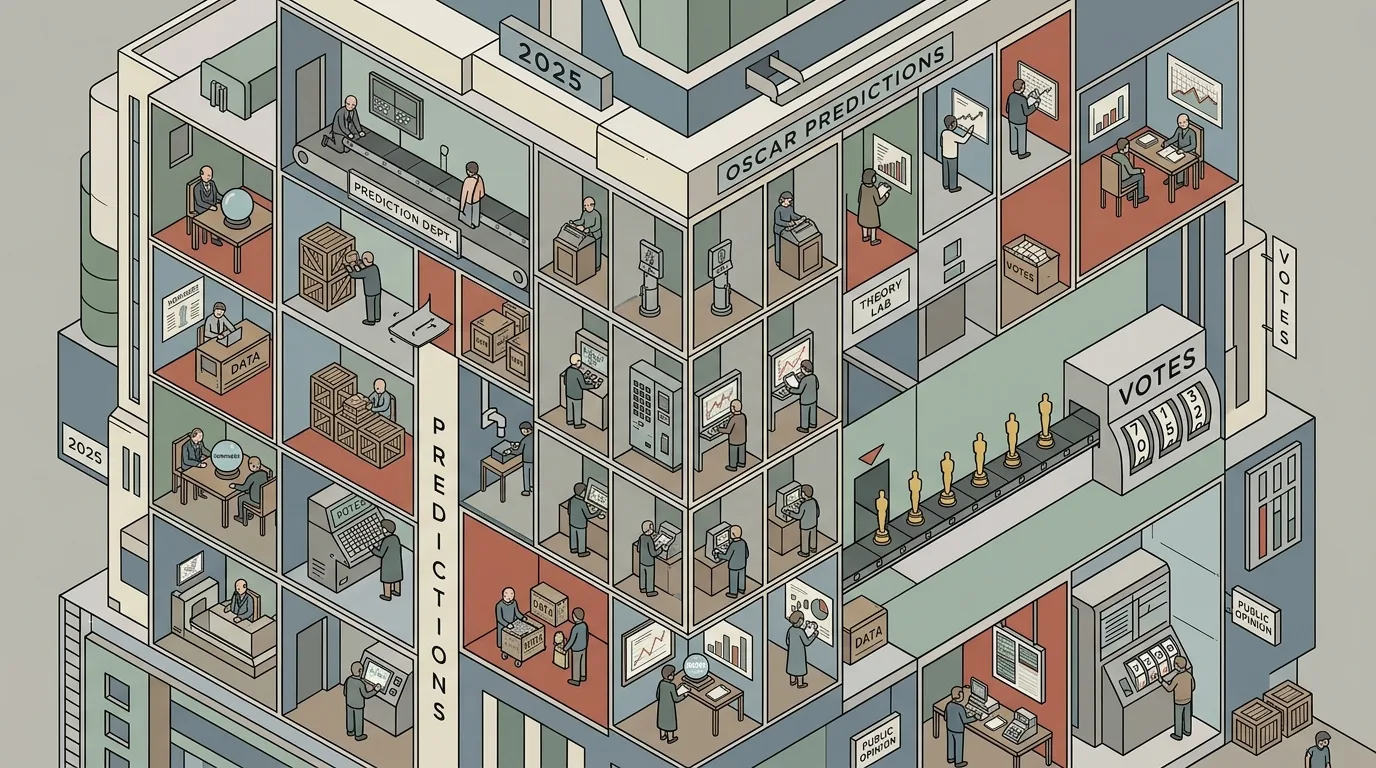
The idea that two individuals, however influential, can “save” an entire institution like the Oscars fundamentally misunderstands the complex power dynamics and shifting sands of industry influence. The Academy Awards are not merely a television show; they are a reflection of the broader film industry, which is itself undergoing profound transformations. The rise of streaming services, independent production houses, and global co-productions has fractured the traditional studio model. The influence of tech giants and data-driven algorithms increasingly dictates what gets made and how it is consumed, as shown by reports from Statista on streaming services. In this fragmented landscape, no single person, or even a handful of people, holds enough sway to unilaterally reverse the Oscars’ fortunes.
The “saving” of the Oscars, if it is to happen at all, will be a collective effort involving a reimagining of the Academy’s role by its leadership, a willingness from studios and distributors to support diverse and challenging cinema, and a fundamental shift in how the awards are presented to resonate with a modern, global audience. It requires a strategic vision that looks beyond the next ratings cycle and embraces the future of storytelling. This includes fostering new talent, investing in film education (perhaps even exploring how AI education impacts filmmakers), and adapting to new consumption habits. Placing the burden on Taylor Swift or Ryan Gosling to be the saviors is not only unfair to them but also a convenient distraction from the difficult, systemic work that the Academy itself needs to undertake. The industry needs to look inwards, not outwards, for its salvation.
A Glimpse into 2027: The Unpredictability of Future Oscar Predictions
Looking ahead to 2027 Oscar predictions, one thing remains constant: unpredictability. While the names Taylor Swift and Ryan Gosling will undoubtedly feature prominently in discussions surrounding potential nominations and audience appeal, their actual impact on the fundamental health of the Academy Awards will likely be marginal. The cinematic landscape is in constant flux, with new voices emerging, technologies evolving, and audience tastes shifting at an unprecedented pace. Predicting who will win, let alone who will “save” the Oscars, becomes a speculative exercise fraught with assumptions. The true measure of the Oscars’ success in 2027 will not be whether Swift or Gosling are present, but whether the films honored genuinely represent the best of global cinema, whether the ceremony feels relevant and engaging, and whether the institution has made tangible progress in addressing its systemic challenges.
The Academy has a rich history, but history alone does not guarantee future relevance. The path forward involves a courageous introspection, a willingness to adapt, and a renewed commitment to celebrating the art of filmmaking in all its diverse forms. It means moving beyond the celebrity-driven sensationalism that often overshadows the true purpose of the awards. While the star power of figures like Swift and Gosling is undeniable, and their potential contributions to cinema are exciting, their presence should be viewed as a welcome addition to a thriving cinematic ecosystem, not as a desperate lifeline for a struggling institution. The Oscars will be “saved” when they demonstrate a clear, authentic vision for their future, one that champions craft, innovation, and inclusivity, rather than relying on the transient popularity of any individual. This is the precise, direct truth, without padding, that filmmakers like myself understand.
Every AI illustration in this article was crafted using AI Render Pro, the same prompting engine used across this blog. Read the full breakdown here.
Frequently Asked Questions
Can Taylor Swift or Ryan Gosling truly “save” the Oscars?
No, attributing the salvation of the Oscars to individual celebrities like Taylor Swift or Ryan Gosling fundamentally misunderstands the deep-seated, systemic issues facing the Academy. While their presence might offer a temporary ratings boost, it does not address the core problems of declining relevance, audience disconnect, and institutional resistance to change.
What are the main problems facing the Academy Awards?
The Oscars face multifaceted problems, including declining viewership, a perceived disconnect between critically acclaimed films and popular tastes, an identity crisis between artistic integrity and mass appeal, and a need for structural reforms in voting, categories, and telecast format. These issues are symptoms of broader changes in media consumption and the film industry.
How has the “Barbie” effect influenced future Oscar predictions?
The “Barbie” phenomenon demonstrated that a culturally resonant, critically acclaimed blockbuster can generate significant buzz and slightly boost viewership. However, it also showed that even such a successful film cannot unilaterally “save” the Oscars, as the underlying structural issues of the telecast’s length and format persist.
What structural reforms are needed for the Oscars?
Necessary structural reforms include continuous evaluation and diversification of the voting process, re-evaluation of category relevance, a significant overhaul of the telecast format to be more dynamic and concise, and a broader embrace of international cinema beyond a single category. These changes aim to enhance relevance and engagement.
Why is focusing on “craft over celebrity” important for the Oscars?
Focusing on “craft over celebrity” is crucial because the Oscars’ primary purpose is to celebrate the art and technical excellence of filmmaking. Prioritizing celebrity appeal risks devaluing the very artistic achievements the awards are meant to honor, reducing the ceremony to a mere spectacle rather than a genuine recognition of cinematic merit.
Discover more from Olivier Hero Dressen Blog: Filmmaking & Creative Tech
Subscribe to get the latest posts sent to your email.

Work with Olivier
Director | CD | DP & Photographer
Specializing in commercials, music videos, AI-driven filmmaking, and cinematic storytelling for brands and production companies.
🌍 Shanghai · Paris · Los Angeles · Dubai
🎬 View Portfolio & Get in Touch