

Key Takeaways
- First insight, Early Tony Awards predictions, especially those for 2026, are largely speculative media constructs designed to generate engagement rather than offer genuine foresight into artistic merit or industry consensus.
- Craft highlight, The media’s strategy involves fabricating compelling narratives around established names like John Lithgow and June Squibb, and intriguing new productions such as ‘Death of a Salesman’ and ‘The Lost Boys,’ to create a sense of manufactured anticipation.
- Industry context, These “first projections” serve a commercial imperative, driving traffic and discussion for media outlets, effectively transforming the prestigious Tony Awards into a prolonged, speculative horse race long before ballots are even considered.
- Bottom line, While intriguing, these initial Tony Awards forecasts for potential record-breakers and standout productions should be viewed critically as strategic content, not definitive indicators of future theatrical success or recognition.
The annual spectacle of the Tony Awards consistently captivates the theatre world, yet the recent surge of “first projections” for the 2026 ceremony, particularly those emanating from outlets like Variety, appears less like informed insight and more like a carefully manufactured campaign designed to generate premature buzz. These early pronouncements, featuring speculative nods to revivals like Death of a Salesman, new works such as The Lost Boys, and potential record-breaking achievements for veterans June Squibb, John Lithgow, and a figure identified simply as “Apple,” serve primarily as a testament to the media’s relentless pursuit of engagement, often at the expense of genuine, grounded analysis.
Need a Director for Your Next Project?
From commercials to branded campaigns—Olivier brings creative vision and technical expertise.
→ View Projects
The Illusion of Early Insight: Manufacturing Tony Awards Buzz
The entertainment industry, particularly its journalistic arm, thrives on anticipation. This is a fundamental truth. However, when publications begin to float “first projections” for the Tony Awards two years out, one must question the basis of such foresight. These are not insider leaks; they are calculated content strategies. To suggest that we can genuinely predict the winners, or even the leading contenders, for the 2026 Tony Awards with any degree of accuracy is, frankly, disingenuous. The theatrical landscape is fluid, productions evolve, new talents emerge, and critical reception is unpredictable. What Variety, or any similar outlet, presents as “projections” are, in essence, manufactured narratives designed to capture early attention and establish a proprietary stake in the conversation. They leverage the names of established stars and beloved plays, knowing these will resonate with an audience eager for any hint of future glory.
This practice transforms the rigorous process of artistic evaluation into a speculative game, where the media outlet acts as the bookmaker. The focus shifts from the actual artistic merit, the arduous journey of bringing a production to life, or the nuanced performances, to a premature handicapping of a race that hasn’t even begun. It’s a strategic move to dominate search engine results and social media discussions long before any actual nominations are announced. For filmmakers and creatives, understanding this dynamic is crucial. It highlights how much of the “buzz” around awards is not organic, but rather meticulously constructed. The tools and techniques used to craft these narratives, from compelling imagery to strategic messaging, are not dissimilar to those used in effective film campaigns. For those interested in the visual storytelling aspect, exploring resources like AI Render Pro, the prompting tool for filmmakers and creatives can offer insights into how powerful imagery can shape perception, even in a speculative context. The objective is clear: keep the audience engaged, keep them talking, and critically, keep them clicking. This is not journalism; it is content generation, thinly veiled as predictive analysis.
Reuters, for instance, typically reports on the Tony Awards closer to the event, focusing on actual nominees and winners, reflecting a more traditional journalistic approach to covering the arts. The contrast underscores the manufactured nature of these two-year-out “projections.”
The Premature Anointing of ‘Death of a Salesman’ for the 2026 Tony Awards
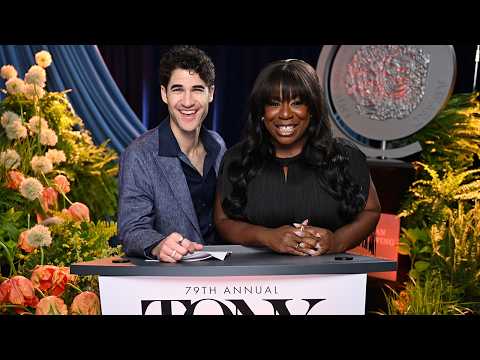
The inclusion of Death of a Salesman as a leading contender for the 2026 Tony Awards for Best Revival is a prime example of this manufactured projection. Arthur Miller’s masterpiece is undeniably a cornerstone of American theatre, a play that consistently finds new resonance with each generation. Its enduring power makes it a perennial candidate for revival. However, to project its success for a hypothetical 2026 production, without any concrete details regarding its cast, director, or even a confirmed Broadway run, is pure speculation. The media latches onto the familiarity and prestige of such a title, knowing it immediately lends an air of gravitas to their “predictions.” It’s a safe bet that a well-mounted revival of Death of a Salesman will always be in the conversation, but to position it as a frontrunner so far in advance diminishes the actual competitive landscape and the unique artistic vision that each new production brings.
Every revival of a classic play faces the challenge of reinterpretation. The director’s vision, the lead performances, the design elements – these are the factors that ultimately determine a production’s success and its awards potential. Without these crucial details, the projection is hollow. It’s akin to predicting an Oscar for a film based solely on its genre and the historical success of similar films, long before a script is even finalized. This approach overlooks the immense effort and creative risk involved in staging a Broadway production. It reduces the artistic process to a commodity, a name-brand product that can be pre-ordered for awards consideration. The true essence of theatre lies in its live, ephemeral nature, and the unique connection forged between performers and audience on any given night. This cannot be predicted years in advance. The tools of a filmmaker, from lighting to sound, are designed to capture and amplify these moments, but even they cannot predict the live impact. A good camera, like those discussed in Hero’s Essentials: filmmaker gear and tools, helps capture the essence, but the essence itself is created in the moment.
The history of the Death of a Salesman on Wikipedia shows its numerous successful revivals, each distinct in its approach and impact. Acknowledging this history is one thing; predicting a future win without any specifics is another entirely.
The Lost Boys: A Hypothetical Contender in the Tony Awards Narrative
The mention of The Lost Boys as a potential contender for the 2026 Tony Awards for Best Play illustrates the media’s hunger for novelty, even if that novelty is entirely theoretical. Unlike a revival, a new play carries the inherent risk and excitement of introducing original storytelling to the stage. Yet, projecting its success two years out, with no public script, cast announcements, or even a confirmed production schedule, is a leap of faith so grand it borders on absurdity. This isn’t an informed prediction; it’s a placeholder, a speculative slot filled to create the impression of comprehensive coverage. It allows the publication to claim foresight should the play eventually materialize and garner acclaim, while incurring no real consequence if it doesn’t.
The creation of a new play is a painstaking process, often spanning years from conception to opening night. It involves workshops, readings, rewrites, and the delicate alchemy of collaboration between playwright, director, and actors. To assign it a leading position in the Tony Awards race before any of these critical developmental stages are publicly known is to engage in pure fantasy. It serves to highlight how these “first projections” are less about actual theatrical insight and more about establishing a market for future discussion. It’s about planting a flag, signaling to the industry and the audience alike which narratives the media intends to champion. This kind of early, unsubstantiated buzz can, paradoxically, place undue pressure on a nascent production, setting unrealistic expectations before it even has a chance to find its voice. The commercial aspect of such speculative coverage is undeniable, pushing audiences towards particular narratives. For those interested in the intersection of commerce and creativity, the DesignHero Shop, filmmaker merch and creative tools offers a glimpse into how creative endeavors are packaged and marketed. The media’s role here is not to report on an existing reality, but to actively construct a future one, however flimsy its foundations.
An article from The New York Times’ Tony Awards coverage typically focuses on plays and musicals that are already open or have announced their Broadway runs, providing actual critical analysis rather than speculative future predictions. This contrasts sharply with the premature “Lost Boys” inclusion.
The Record-Breaking Narrative: Squibb’s Improbable Tony Awards Path
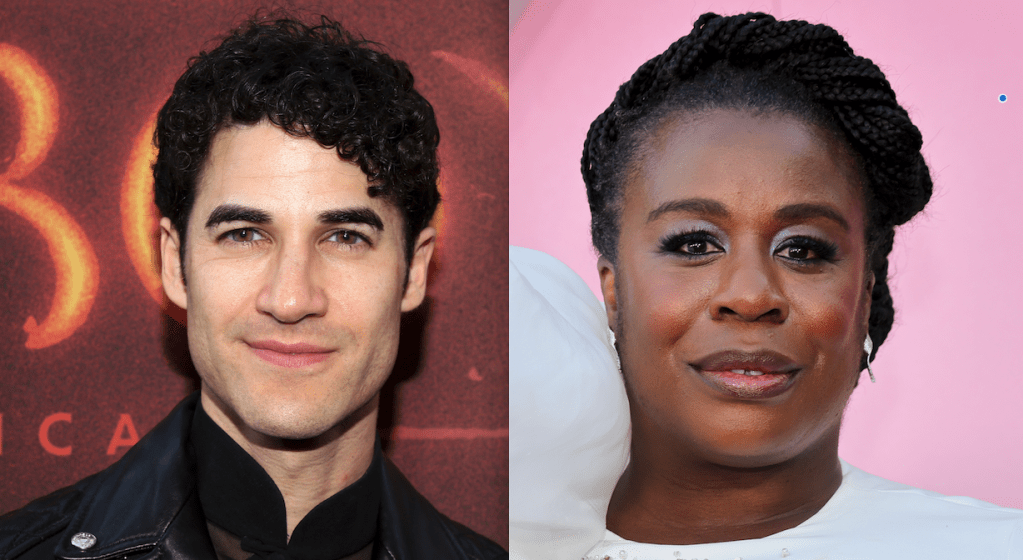
The inclusion of June Squibb in these 2026 Tony Awards projections, specifically regarding a potential record-breaking achievement, is a masterclass in manufactured narrative. June Squibb is a revered actress, a national treasure whose career spans decades across stage and screen. Her talent is undeniable. However, to predict, two years in advance, that she will not only be nominated but also win an award that would set a new record, requires a suspension of disbelief that stretches the bounds of credibility. This projection is clearly designed to inject a compelling human-interest story into the speculative mix. The idea of an esteemed veteran achieving a historic milestone is inherently dramatic and makes for excellent clickbait. It appeals to sentimentality and admiration for longevity in a demanding industry.
What specific role, in what production, would lead to this predicted record? The “projections” offer no details. This omission is critical. Awards are not given for a career; they are given for a specific performance in a specific production during a specific eligibility window. To suggest a record-breaking win without even knowing the vehicle for that performance is to operate entirely in the realm of fantasy. It’s an attempt to pre-write history, to create a narrative arc before the events themselves have even unfolded. This kind of speculative journalism leverages the public’s affection for certain figures to generate excitement, regardless of the factual basis. It prioritizes the “story” over the verifiable reality. Crafting such a story, even in a purely visual medium, requires an understanding of emotional triggers. For instance, considering how different visual prompts can evoke specific feelings, as explored in 8 Ultimate AI Prompts for Editorial Fashion, illustrates the power of narrative construction. The true challenge for any actor, regardless of their legacy, is to deliver a performance that resonates deeply and uniquely within the context of their current work. To anticipate such a monumental achievement so far in advance is not analysis; it’s wishful, media-driven thinking.
The BroadwayWorld website provides comprehensive coverage of current and upcoming Broadway productions, including casting news and show announcements. A genuine prediction for June Squibb would typically stem from an announced role in an upcoming show, rather than a vague, two-year-out “projection.”
John Lithgow and the Art of Projected Legacy at the Tony Awards
🎬 AI Render Pro Studio, the AI film production suite I built and use on my own productions. Script breakdown, storyboards, 30+ video models including Seedance 2.5 and Kling O3, image generation, retouch, 7K upscaling and audio, all in one browser workspace. $19/month flat, bring your own API keys and pay providers at cost, no credit packs, no markup. Try AI Render Pro Studio →
Similar to June Squibb, the inclusion of John Lithgow in these early Tony Awards projections, also concerning a potential record-breaking achievement, speaks volumes about the media’s strategy of leaning on established legacies. John Lithgow is an actor of immense talent and versatility, with a distinguished career that includes multiple Tony Awards. He is a known quantity, a name that commands respect and attention. By attaching his name to a “records on the line” narrative for 2026, the publication taps into the inherent prestige associated with his career, aiming to lend credibility and weight to their otherwise unsubstantiated claims. It’s a calculated move: if you’re going to manufacture predictions, do so with figures whose past achievements make future triumphs seem plausible, if not inevitable.
However, the same critique applies here as with Squibb. What role? What play? What specific performance would lead to this projected record? The absence of these fundamental details renders the prediction meaningless as a piece of journalism. It functions purely as a narrative device, designed to create a sense of momentousness around the 2026 Tony Awards long before any actual artistic work has been seen or reviewed. This approach risks reducing the achievements of an actor like Lithgow, whose career is built on consistent, demanding work, to a mere statistical benchmark. It overshadows the artistic process with a premature focus on accolades. The media’s role, ideally, should be to illuminate the art, not to pre-determine its prizes based on a celebrity’s track record alone. The craft of acting, much like the precision required in cinematography, demands attention to detail and a present-moment focus. For cinematographers, the choice of lens, such as those discussed in 7 Overlooked Facts About the Nikon Lens!, can profoundly shape how a performance is perceived. Similarly, every performance by an actor is a unique creation, not merely a step towards a statistical record. These projections are not about celebrating the art; they are about manufacturing a story that sells.
John Lithgow’s extensive career and past Tony wins are well-documented, for example, on his official website. His achievements are a matter of public record, but predicting future, record-breaking wins without specific project details is purely speculative.
Apple: A Brand Play in the Tony Awards Landscape?
The enigmatic mention of “Apple” alongside Squibb and Lithgow, in the context of “records on the line,” presents an intriguing, if somewhat opaque, dimension to these 2026 Tony Awards projections. Given the company it keeps, “Apple” here likely refers to Apple TV+, the tech giant’s burgeoning content arm, rather than a specific individual. If this interpretation holds, it signals a significant shift in the media’s awards narrative: the integration of tech behemoths into the traditional theatrical awards landscape. Predicting “records” for a company like Apple suggests a broader industry trend where streaming platforms are not only producing film and television but are also increasingly dipping their toes into live theatre, whether through direct production, significant investment, or acquisition of theatrical rights for adaptation.
This projection, therefore, is less about an individual’s performance and more about the perceived influence and financial might of a corporate entity within the arts. It’s a speculative nod to the idea that Apple, with its vast resources, could potentially bankroll a theatrical production so ambitious or innovative that it would redefine awards benchmarks. This aligns with a larger pattern of tech companies seeking prestige and cultural validation through high-profile artistic ventures. The media, in turn, amplifies this potential, creating a narrative that intertwines artistic achievement with corporate power. It suggests that future Tony Awards might increasingly recognize not just the individual artists and productions, but also the entities that enable them on a grand scale. This kind of brand integration into awards narratives is a powerful form of marketing, leveraging the prestige of the Tonys to validate a company’s artistic aspirations. For creatives, understanding how corporate entities shape aesthetic trends, even through design choices, can be insightful. Consider how principles like those of 7 Ultimate Flat Design Prompts for Cute Art are adopted and adapted by major brands to create a distinct visual identity across their content. The “records on the line” for Apple, in this context, would be less about specific awards and more about setting new precedents for tech involvement in live theatre, a narrative that the media is eager to construct and promote.
Apple TV+’s official website showcases its commitment to high-quality content across various genres, indicating their potential to expand into new artistic territories, including theatre, thus making their inclusion in these projections a speculative but plausible industry trend.
The Mechanics of Media Hype: Why Early Tony Awards Projections Matter
The existence and propagation of these “first projections” for the 2026 Tony Awards are not accidental; they are a deliberate exercise in media hype generation. From a commercial standpoint, these articles are invaluable. They generate clicks, drive traffic, and initiate conversations across social media platforms. By being the first to “predict” potential contenders and winners, a publication positions itself as an authority, an insider with privileged information. This creates a self-fulfilling prophecy of sorts: the more an outlet talks about a particular show or performer, the more it enters the public consciousness, and the more likely it is to be discussed, thus validating the initial “projection.” It’s a clever feedback loop that benefits the media outlet directly.
These early predictions also serve to shape public perception long before any actual artistic work is presented. By highlighting certain names and titles, the media implicitly guides the audience’s attention, priming them to view particular productions or performances as inherently awards-worthy. This can influence everything from investor interest to ticket sales, and even the critical reception once a show finally opens. It’s a form of agenda-setting, where the media doesn’t just report the news but actively contributes to its creation. The allure of the “inside scoop,” even if based on little more than educated guesswork and strategic positioning, is a powerful motivator for engagement. For anyone involved in content creation, whether it’s a documentary filmmaker or a blogger, understanding how narratives are constructed and disseminated is key. Even controversial narratives, like those sometimes surrounding beloved characters, can generate immense engagement, as seen in analyses like The Untold Truth: Han Solo Controversy Explained!. The theatre industry, despite its artistic aspirations, is also a business, and early awards buzz is a highly effective marketing tool. These projections are less about genuine foresight and more about maintaining continuous relevance and driving consumer interest in a competitive entertainment landscape.
As Wired has explored in broader contexts, the internet often generates “fake” or highly speculative predictions, highlighting the constant battle for attention in the digital age, a phenomenon directly applicable to these premature Tony Awards forecasts.
Beyond the Projections: What Truly Drives Tony Awards Success?
While media “projections” can generate significant buzz, the actual factors that drive Tony Awards success are far more nuanced and grounded in artistic reality. Ultimately, it comes down to the quality of the production, the brilliance of the performances, the ingenuity of the direction, and the resonance of the storytelling. These are elements that cannot be accurately predicted two years in advance. A show must first open, endure the scrutiny of critics, and, most importantly, connect with audiences. The journey from conception to opening night is fraught with challenges, and many highly anticipated productions fail to meet expectations, while unexpected gems often emerge from obscurity.
Tony voters, comprising thousands of theatre professionals, are not swayed by speculative articles published years prior. Their decisions are based on the live experience of attending eligible productions during the specific Broadway season. They evaluate artistic merit, innovation, emotional impact, and technical execution. The timing of a show’s opening, the competitive landscape of a particular season, and even prevailing cultural sentiments can all play a role. These are organic, unpredictable variables that defy premature forecasting. The true essence of the Tony Awards lies in their celebration of excellence as it manifests on stage, not as it is conjectured in a media boardroom. For those who appreciate the tangible tools of creation, understanding the difference between theoretical potential and practical application is key. Just as a photographer needs to truly understand their equipment to capture stunning images, as demonstrated by the insights into a 7 Stunning 7artisans Vintage Lens Photos REVEALED!, theatre professionals rely on genuine craft and execution. These early projections serve as a distraction from the real work, creating an artificial sense of certainty where none exists. The focus should be on the art, not the manufactured race for awards.
The official Tony Awards website details the voting process and eligibility rules, clearly indicating that awards are based on actual Broadway performances within a specific season, not on long-range speculation.
The Commercial Imperative: Driving Engagement with Speculative Tony Awards Narratives
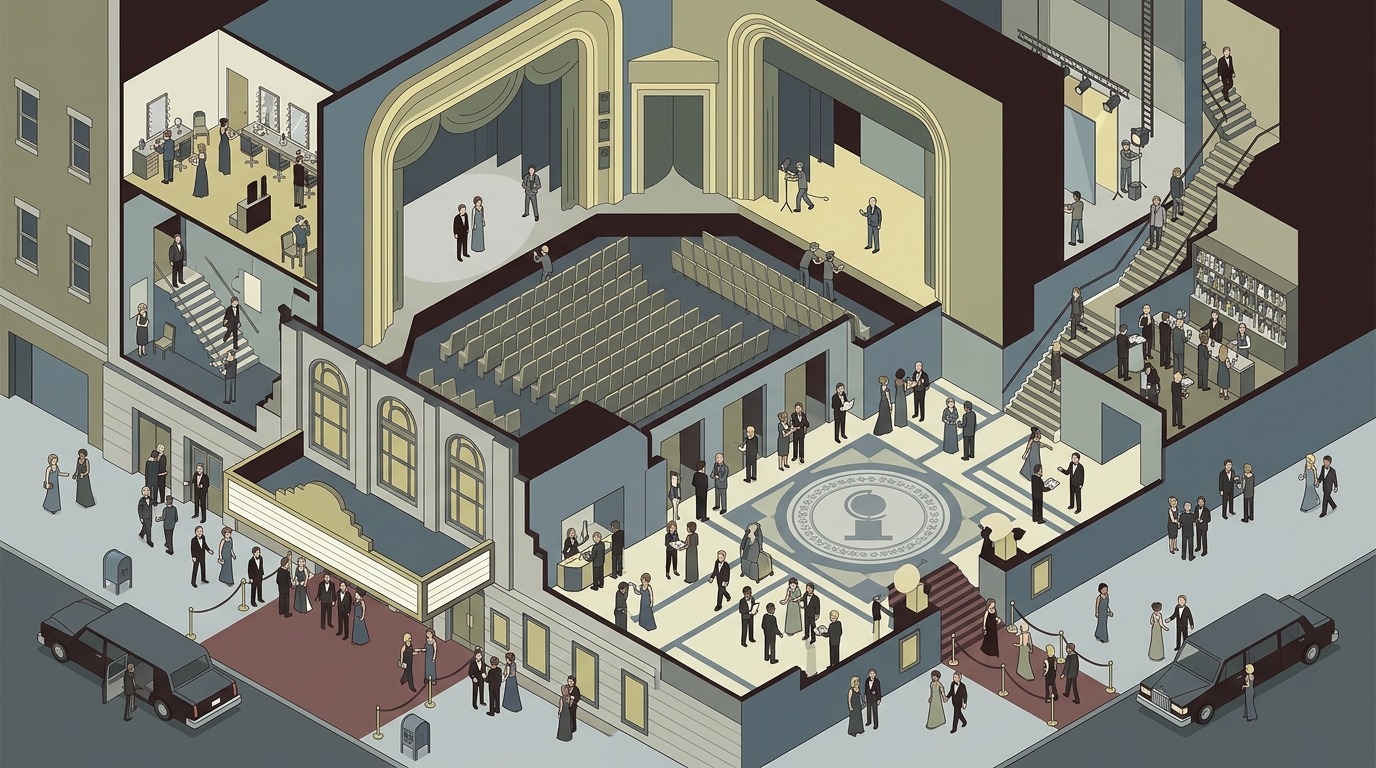
The pervasive nature of these early Tony Awards predictions underscores a critical commercial imperative within contemporary entertainment journalism: the need to constantly generate new content that drives engagement. In an increasingly competitive digital landscape, being the first to publish a “hot take” or a “definitive prediction” for a major awards show, even one years away, can provide a significant competitive advantage. It ensures a steady stream of traffic, builds brand authority, and fosters a loyal readership that anticipates these speculative pieces. This is not about informing the public; it’s about monetizing anticipation.
By framing these projections around “records on the line” for established figures like Squibb and Lithgow, and introducing intriguing new titles like “The Lost Boys,” the media outlet constructs narratives rich with drama and human interest. These stories are inherently shareable, sparking debates and discussions that further amplify the content’s reach. The longer the lead time, the more opportunities there are to revisit, update, and re-promote these predictions, effectively creating a prolonged content cycle that continuously draws in audiences. This strategy is a testament to the power of narrative in driving consumer behavior, even when the narrative is purely hypothetical. For creative professionals, understanding the mechanics of story construction, even for something as fundamental as character development, offers valuable parallels. The structured approach to character creation, as explored in 7 Essential Character Sheets: Nano Banana Prompts Revealed, highlights how compelling narratives are built from the ground up, a principle often inverted by these manufactured awards projections. The goal is clear: maximize eyeballs and clicks, and the truth of the prediction becomes secondary to its capacity to engage.
TechCrunch often reports on how media companies leverage digital strategies, subscriptions, and ad revenue, illustrating the commercial pressures that can lead to the production of high-engagement, speculative content like early awards predictions.
The Ethical Quandary of Predictive Journalism in the Arts
The practice of issuing “first projections” for the Tony Awards two years in advance raises significant ethical questions for journalism in the arts. Is it the role of a reputable publication to present highly speculative guesses as informed “projections”? Does this practice blur the lines between reporting and pure conjecture, potentially misleading the audience and trivializing the artistic process? My direct, precise approach to filmmaking dictates that precision and verifiable fact are paramount. In this context, these early predictions fall short. They lack the verifiable data, confirmed productions, and established critical consensus that would lend them journalistic integrity.
Furthermore, such premature pronouncements can inadvertently create undue pressure on artists and productions. If a show is “predicted” to be a major Tony Awards contender years out, it sets an impossibly high bar for expectations, potentially overshadowing its genuine artistic merits upon opening. Conversely, if a production is omitted from these early lists, it might struggle to gain initial traction, even if its quality is outstanding. This creates an environment where media narratives, rather than artistic excellence, begin to dictate perceived value. It’s a form of pre-emptive critical judgment without the benefit of actual experience. The media’s responsibility should be to inform and critique based on existing realities, not to fabricate future ones for the sake of engagement. The tools we use to capture reality, from lighting to sound, are designed to enhance, not distort. For example, the precise control offered by modern lighting systems, like those discussed in Godox PaletteLab Color Engine Debuts With Five New Fixtures From 150W to 1200W, emphasizes the importance of intentionality and control in creation, a stark contrast to the loose speculation of these projections. This speculative approach risks undermining the credibility of arts journalism itself, reducing it to a game of chance rather than a rigorous examination of creative work.
The Poynter Institute, a leader in journalism ethics, provides guidelines that emphasize accuracy, fairness, and minimizing harm, principles that are often challenged by highly speculative “predictive journalism” in the absence of concrete information.
Deconstructing the “Records on the Line” Narrative for the Tony Awards
The phrase “records on the line” is a potent narrative device, specifically deployed in these 2026 Tony Awards projections to heighten the manufactured drama around June Squibb, John Lithgow, and “Apple.” It transforms a simple awards prediction into a high-stakes historical event, even if that history is entirely fabricated for future consumption. This framing capitalizes on the human fascination with milestones, legacies, and the breaking of barriers. It’s not enough to suggest these individuals might win; they must be positioned as potential history-makers, adding an extra layer of emotional investment for the audience.
This narrative strategy is particularly effective because it taps into the collective admiration for longevity and achievement in a notoriously difficult industry. For Squibb and Lithgow, both seasoned veterans, the idea of a record-breaking win resonates deeply with fans who have followed their careers for decades. For “Apple” (likely Apple TV+), the “record” might signify a new benchmark for tech company involvement in Broadway, a different kind of historical marker. However, the crucial point remains: these records are “on the line” only in the speculative realm of the media’s projections. There are no confirmed productions, no announced performances, no voting processes underway. The narrative is constructed purely for its dramatic impact and its ability to sustain interest over an extended period. It’s a testament to the power of storytelling, even when the story itself is pure conjecture. In the world of rights deals and financial valuations, a narrative’s perceived value can be immense, as demonstrated by the scale of transactions like those in 17 Million Reasons Why This Rights Deal is Remarkable. Similarly, the “records on the line” narrative adds an artificial, yet commercially valuable, weight to these early Tony Awards predictions. It’s a manufactured hook, designed to keep the audience invested in a race that is, at this stage, entirely imaginary.
A Hollywood Reporter article about “greatest Tony Awards moments” highlights actual historical achievements, offering a stark contrast to the speculative “records on the line” narrative presented in these manufactured projections.
The Future of Tony Awards Coverage: Authenticity vs. Anticipation
The prevalence of these manufactured “first projections” for the 2026 Tony Awards prompts a crucial question about the future of awards coverage in the arts: will it prioritize genuine artistic analysis and informed reporting, or will it continue to lean heavily on speculative anticipation for engagement? My experience as a filmmaker and producer has always emphasized the tangible, the authentic, the real work. The current trend suggests a preference for the latter, where the creation of continuous, speculative content overshadows the patient, in-depth critique of actual artistic endeavors.
For the integrity of arts journalism and the theatre industry itself, a re-evaluation is necessary. True value lies in celebrating the craft, the innovation, and the cultural impact of live theatre as it unfolds, not in pre-determining its accolades years in advance. While anticipation is a natural human emotion, and some degree of informed prediction can be engaging, the current approach crosses a line into outright fabrication. It risks desensitizing audiences to genuine artistic achievement by constantly pushing a narrative of premature, unsubstantiated “winners” and “record-breakers.” The tools of creativity, whether for film or theatre, are meant to build, to express, to reveal. They are not meant for manufacturing arbitrary narratives. For creatives, even the most advanced tools should serve authentic vision, as explored in articles discussing AI Render Pro, the prompting tool for filmmakers and creatives, which focuses on enhancing creative output, not replacing it with speculation. The future of Tony Awards coverage should strive for authenticity, offering audiences insightful commentary on the vibrant, ever-evolving world of Broadway, rather than a never-ending stream of manufactured, clickbait-driven prophecies.
Every AI illustration in this article was crafted using AI Render Pro, the same prompting engine used across this blog. Read the full breakdown here.
Frequently Asked Questions
What are “first projections” for the Tony Awards?
“First projections” are highly speculative predictions made by media outlets, often years in advance, about potential nominees and winners for future Tony Awards ceremonies. They are typically based on historical trends, anticipated productions, and the reputations of involved artists, rather than concrete information.
Why does Variety (or similar outlets) release Tony Awards predictions so early?
These early predictions serve primarily as a content strategy to generate engagement, drive traffic, and establish a narrative stake in major awards conversations. They capitalize on audience anticipation and the commercial value of continuous, high-interest content.
How reliable are these early Tony Awards predictions?
Given that they are made years in advance, without confirmed productions, casts, or even opening dates, these predictions are largely unreliable. They are more akin to educated guesses or manufactured narratives designed for buzz than genuine, informed foresight into future artistic achievements.
What is the “records on the line” narrative for Squibb, Lithgow, and Apple?
This narrative suggests that June Squibb, John Lithgow, and “Apple” (likely Apple TV+) are projected to achieve record-breaking Tony Awards wins or milestones in 2026. It’s a dramatic framing device used by media to heighten the stakes and create compelling, shareable stories around potential future achievements.
How do genuine Tony Awards selections differ from these projections?
Genuine Tony Awards selections are made by thousands of theatre professionals who vote based on their attendance and evaluation of eligible Broadway productions during a specific season. Their decisions are grounded in actual artistic merit, performances, and production quality, contrasting sharply with speculative, long-range media projections.
Discover more from Olivier Hero Dressen Blog: Filmmaking & Creative Tech
Subscribe to get the latest posts sent to your email.

Work with Olivier
Director | CD | DP & Photographer
Specializing in commercials, music videos, AI-driven filmmaking, and cinematic storytelling for brands and production companies.
🌍 Shanghai · Paris · Los Angeles · Dubai
🎬 View Portfolio & Get in Touch