



Key Takeaways
- First insight, Nikon’s development of the Nikkor Z 120-300mm f/2.8 S with an integrated 1.4x teleconverter signifies a major strategic move to solidify its Z-mount system’s professional appeal, particularly for demanding sports and wildlife photography.
- Craft highlight, This Nikon lens innovation provides unparalleled flexibility, allowing photographers to switch between 120-300mm f/2.8 and 168-420mm f/4 ranges instantly, eliminating the need to physically attach an external teleconverter and thus streamlining critical moments in fast-paced shooting environments.
- Industry context, The move positions Nikon as a serious contender against rivals in the mirrorless professional super-telephoto market, offering a unique, high-performance solution that directly addresses the workflow efficiencies and optical demands of top-tier photojournalists and cinematographers.
- Bottom line, The forthcoming Nikkor Z 120-300mm f/2.8 S with its integrated teleconverter is not just another lens; it’s a statement of intent from Nikon, promising a robust, versatile, and optically superior tool that will redefine expectations for professional long-range zoom lenses within the mirrorless ecosystem.
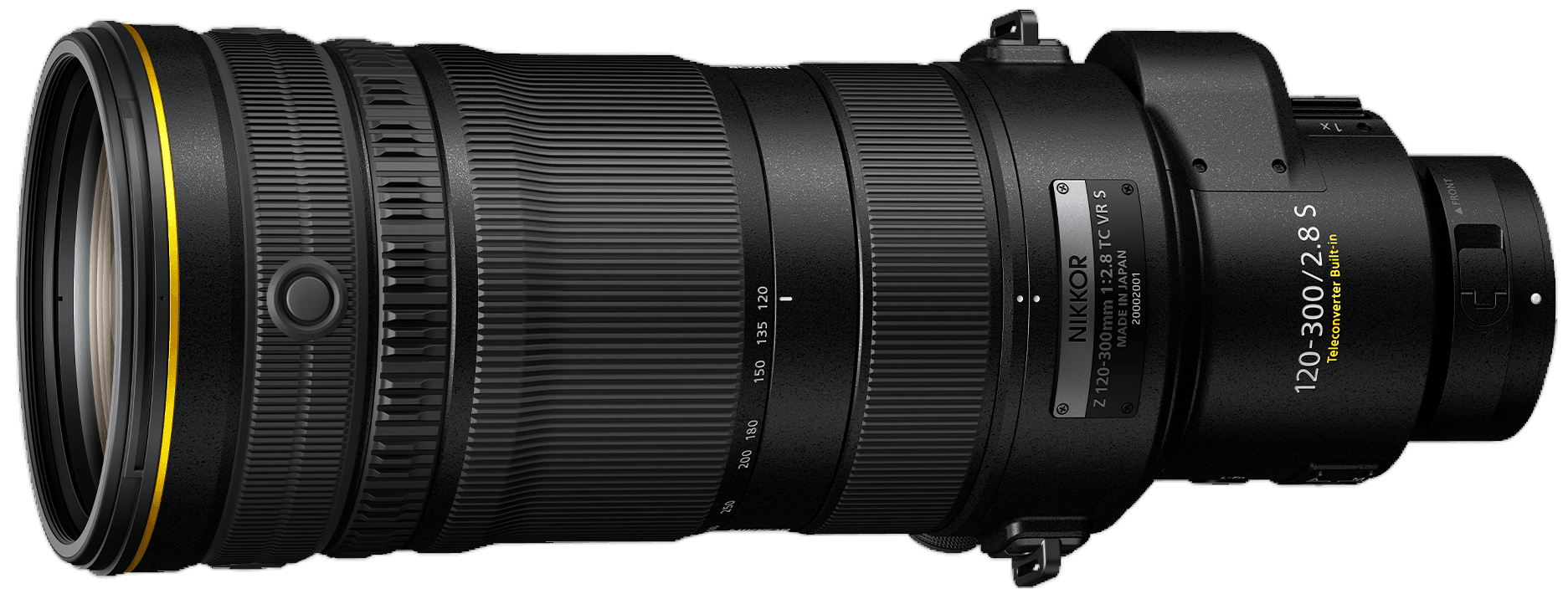
The forthcoming Nikon lens, the Nikkor Z 120-300mm f/2.8 S with an integrated 1.4x teleconverter, represents a significant engineering and strategic leap for the company’s mirrorless Z-mount system. This isn’t merely an incremental update; it’s a calculated response to the evolving demands of professional photographers and videographers who require speed, versatility, and uncompromising optical performance in the most challenging environments. For those operating at the sharp end of photojournalism, sports, or wildlife documentation, the ability to instantly extend focal length without breaking concentration or fumbling with accessories can be the difference between capturing an iconic moment and missing it entirely. This lens promises to deliver that critical advantage, wrapped in the optical excellence expected from Nikon’s S-line.
Need a Director for Your Next Project?
From commercials to branded campaigns—Olivier brings creative vision and technical expertise.
→ View ProjectsThe Strategic Imperative of the Nikkor Z 120-300mm
Nikon’s decision to develop a Nikkor Z 120-300mm f/2.8 S with an integrated 1.4x teleconverter is not born of a mere desire to fill a product slot. It is a strategic imperative. The mirrorless camera market, particularly at the professional end, is fiercely competitive. Canon, Sony, and even new players are pushing boundaries. To truly cement the Z-mount as a viable, indeed superior, option for professionals, Nikon must offer optics that not only match but exceed what is currently available. This particular focal length range, coupled with a fast f/2.8 aperture, is foundational for sports photographers, wildlife enthusiasts, and photojournalists covering events where distance and speed are critical factors. The existing F-mount 120-300mm f/2.8E FL ED SR VR, while excellent, requires an adapter for Z-mount bodies, introducing a layer of complexity and potential compromise that native Z lenses are designed to eliminate.
The development of this native Z-mount Nikon lens signals Nikon’s commitment to building out a comprehensive, high-performance professional lens lineup for its mirrorless system. It demonstrates a clear understanding of what top-tier users demand: uncompromised optical quality, robust build, and innovative features that enhance practical usability in the field. Integrating the teleconverter directly into the lens design addresses a long-standing pain point. Attaching an external teleconverter is a time-consuming process that can expose the sensor to dust, alter the lens’s balance, and potentially compromise weather sealing. By making it an internal mechanism, Nikon is delivering a lens that is faster to adapt, more reliable in adverse conditions, and maintains optimal optical alignment. This is a direct competitive play, designed to lure professionals who demand peak performance without procedural delays. It’s about providing tools that disappear into the workflow, allowing the creator to focus solely on the shot. This kind of advanced engineering is what truly sets professional gear apart, enabling cinematographers and photographers to push boundaries, much like how drone cinematography techniques have revolutionized aerial perspectives.
This lens will undoubtedly be a flagship product, showcasing the full potential of the Z-mount’s wide diameter and short flange distance. These design advantages allow for new optical formulas that can deliver superior edge-to-edge sharpness, better control of aberrations, and enhanced light-gathering capabilities compared to older F-mount designs. The f/2.8 aperture throughout the zoom range is crucial for low-light performance and achieving shallow depth of field for subject isolation, a cornerstone of professional sports and wildlife imagery. The integration of the teleconverter, which will likely be activated by a simple switch, will transform the lens into a 168-420mm f/4, offering an extended reach without the need to carry a separate lens or teleconverter. This versatility in a single unit is a powerful proposition, reducing gear weight and bulk while expanding creative possibilities on the fly. It’s about empowering professionals with immediate adaptability, a critical element in dynamic shooting environments.
Unveiling the Integrated Teleconverter: A Game-Changer
The most striking feature of the upcoming Nikkor Z 120-300mm f/2.8 S is undoubtedly its integrated 1.4x teleconverter. This is not a trivial addition; it’s a fundamental re-imagining of how professional long zooms can operate. For decades, teleconverters have been external accessories, requiring photographers to detach the lens, attach the converter, and then reattach the lens. This process, while seemingly minor, is fraught with issues. It takes precious seconds, introduces the risk of dust on the sensor or rear element, and can be cumbersome in fast-moving situations or challenging weather. Nikon’s internal teleconverter mechanism aims to eliminate all these drawbacks.
Imagine a wildlife photographer tracking a bird in flight. The subject suddenly moves further away. Instead of fumbling with an external converter, they simply flick a switch on the lens. Instantly, their 120-300mm f/2.8 transforms into a 168-420mm f/4. The autofocus system remains engaged, the balance of the lens is largely unaffected, and the shot is maintained. This seamless transition is a genuine game-changer, particularly in scenarios where milliseconds matter. It allows for a level of responsiveness that external teleconverters simply cannot match. This kind of fluid adaptation is crucial for documentary work, much like how guerilla filmmaking lessons emphasize quick, decisive action.
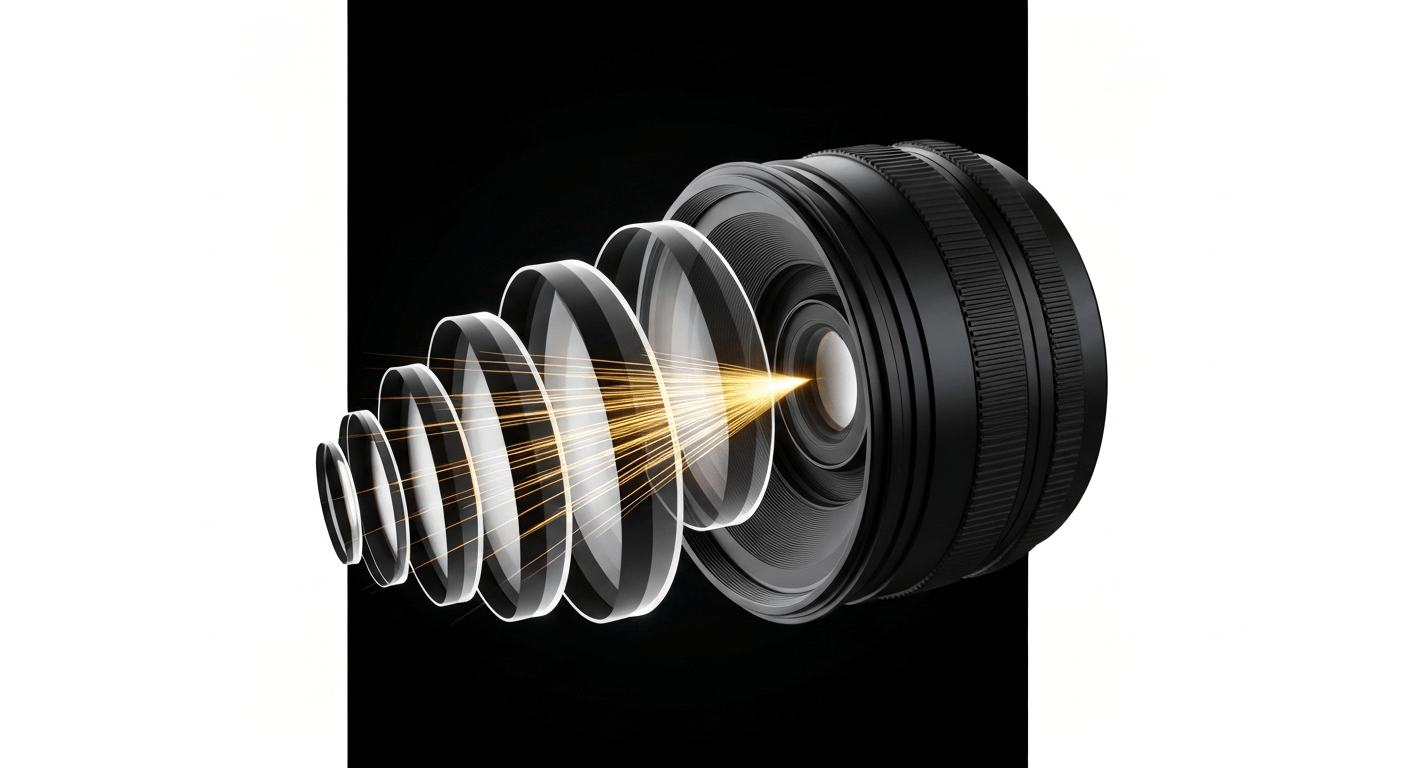
From an optical engineering perspective, integrating a teleconverter internally presents significant challenges. The optical formula must be designed to accommodate the additional elements of the teleconverter without compromising image quality at either the native focal length or the extended one. This demands incredibly precise manufacturing and sophisticated lens design. Nikon’s S-line designation already promises superior optical performance, and integrating this feature while maintaining that standard speaks volumes about their engineering prowess. It implies advanced glass formulations, precise element placement, and coatings designed to minimize aberrations, flare, and ghosting across both configurations. This is where the wide Z-mount diameter truly comes into its own, providing greater flexibility for lens designers to achieve such complex optical feats. The ability to maintain high image quality with the teleconverter engaged will be a critical metric for its success.
Furthermore, the integrated teleconverter likely allows for better communication and optimization between the lens, teleconverter, and camera body. This could translate to more accurate autofocus performance, better exposure metering, and more consistent image stabilization across both focal length ranges. It moves beyond a simple magnification tool to become an integral part of the lens’s optical system, optimized for peak performance. This innovation is not just about convenience; it’s about pushing the boundaries of what a single professional zoom lens can achieve, offering photographers unprecedented versatility and responsiveness in the field. This level of integration sets a new benchmark for professional telephoto zoom lenses and positions this specific Nikon lens as a truly forward-thinking tool.
Optical Mastery and the f/2.8 Advantage in a Nikon Lens
The f/2.8 constant aperture across the entire 120-300mm zoom range is a non-negotiable requirement for a professional-grade telephoto lens. This fast aperture is critical for several reasons, all directly impacting the quality and versatility of the imagery produced by this Nikon lens. Firstly, it allows for superior low-light performance. In dimly lit arenas, twilight wildlife encounters, or overcast outdoor events, an f/2.8 lens gathers significantly more light than an f/4 or f/5.6 counterpart, enabling faster shutter speeds to freeze action and lower ISO settings to maintain image clarity and reduce noise. This is paramount for photojournalists and sports photographers who often operate under challenging lighting conditions where artificial light might be inconsistent or insufficient.
Secondly, the f/2.8 aperture provides exceptional control over depth of field. At 300mm, an f/2.8 aperture can render backgrounds into a beautifully smooth blur, effectively isolating the subject and drawing the viewer’s eye to the intended focal point. This aesthetic quality, often referred to as ‘bokeh,’ is highly sought after in professional photography, lending a sense of dimensionality and artistry to images. For portraiture, wildlife, or even product photography shot at a distance, this ability to create separation is invaluable. The optical design required to maintain this constant f/2.8 aperture across a zoom range while also ensuring high sharpness and minimal aberrations is immensely complex, demanding the finest glass elements and advanced optical corrections. This kind of precision is akin to the detailed work required in Superman VFX secrets, where every detail matters for realism.
Nikon’s S-line designation further underscores the commitment to optical mastery. Lenses in the S-line are characterized by their superior resolution, sharpness, and minimal aberrations, achieved through advanced optical designs, often incorporating specialized elements like Extra-low Dispersion (ED) glass, aspherical elements, and Nikon’s proprietary anti-reflective coatings such as ARNEO Coat and Nano Crystal Coat. These technologies work in concert to suppress flare, ghosting, and chromatic aberrations, ensuring images are clean, contrasty, and true to life, even in challenging backlighting situations. The wide Z-mount allows for larger front elements and a more direct path for light to the sensor, facilitating these advanced optical designs and contributing to the overall image quality.
When the integrated 1.4x teleconverter is engaged, the lens transforms into a 168-420mm f/4. While the aperture narrows to f/4, this is still a very respectable aperture for a 420mm lens, especially one that doesn’t require an external attachment. The optical design must ensure that the image quality remains exceptionally high even in this extended mode, with minimal degradation in sharpness or introduction of new aberrations. This dual-mode capability, maintaining strong optical performance across both configurations, is what will truly define the success and utility of this particular Nikon lens. It’s a testament to Nikon’s engineering ambition to deliver a lens that is both incredibly versatile and optically uncompromising.

Target Audience and Workflow Revolution
The Nikkor Z 120-300mm f/2.8 S with its integrated teleconverter is explicitly aimed at a demanding professional demographic. This isn’t a casual enthusiast’s lens; it’s a workhorse tool designed for those whose livelihoods depend on capturing critical moments with speed, precision, and unwavering reliability. The primary beneficiaries will be:
Sports Photographers: Covering everything from track and field to football, basketball, and motorsports, these professionals require lenses that can adapt instantly to changing distances and action. The ability to switch from 300mm to 420mm with a flick of a switch means never missing a critical play because of a lens change. The f/2.8 aperture ensures fast shutter speeds even in indoor arenas or under stadium lights.
Wildlife Photographers: Often working in remote locations, every ounce of gear counts. A single lens that covers 120-420mm effectively reduces the need to carry multiple heavy telephoto primes or separate teleconverters. The instant focal length extension is invaluable for shy subjects that may suddenly move further away.
Photojournalists: Documenting events from protests to political rallies, concerts, or breaking news, photojournalists need versatility. The 120-300mm range is excellent for tighter shots in a crowd, while the 420mm extension provides the reach needed for distant subjects or detail shots without changing lenses.
Event and Concert Photographers: From the back of a venue, this lens provides the reach to capture performers with intimate detail, while the f/2.8 aperture excels in the often challenging, low-light stage environments.
This lens promises a revolution in workflow efficiency. Consider the traditional scenario: a photographer needs more reach. They either swap to a longer prime lens, which means breaking concentration, potentially missing shots, and exposing the sensor to dust, or they attach a teleconverter, which involves similar interruptions. With the integrated teleconverter, these interruptions are minimized. The camera remains pointed at the action, the focus system stays engaged, and the photographer maintains their rhythm. This streamlined operation allows for greater fluidity and responsiveness, translating directly into a higher hit rate of crucial images. The lens becomes an extension of the photographer’s eye and intent, rather than a piece of equipment that dictates a pause in the creative process. This focus on seamless operation mirrors the drive for efficiency in AI search changing creative work, minimizing friction for optimal output.
Moreover, the robust build quality and advanced weather sealing that will undoubtedly accompany an S-line professional lens mean it can withstand the rigors of professional use in harsh environments. This reliability is as critical as optical performance for professionals who cannot afford equipment failure in the field. The combination of optical excellence, integrated versatility, and robust construction positions this Nikon lens as an indispensable tool that fundamentally enhances the professional photographer’s ability to perform under pressure.
Engineering Challenges and Nikon’s Solution
Developing a lens of this caliber, a 120-300mm f/2.8 zoom with an integrated 1.4x teleconverter, presents a multitude of engineering challenges that push the boundaries of optical and mechanical design. Nikon’s ability to deliver such a product speaks volumes about its R&D capabilities and its commitment to the Z-mount system.
The first major challenge lies in the optical design. Maintaining a constant f/2.8 aperture across a 2.5x zoom range is complex enough. Adding an internal teleconverter that can be engaged and disengaged without significantly compromising image quality at either focal length (native 120-300mm f/2.8 or extended 168-420mm f/4) requires an incredibly sophisticated optical formula. This involves:
- Minimizing Aberrations: Chromatic aberration, spherical aberration, coma, and distortion must be meticulously corrected across the entire zoom range and in both teleconverter states. This demands the use of exotic glass elements, such as ED (Extra-low Dispersion), Super ED, and possibly SR (Short-wavelength Refractive) elements, along with advanced aspherical designs.
- Maintaining Sharpness and Contrast: Edge-to-edge sharpness and excellent contrast are hallmarks of S-line lenses. Achieving this level of performance when the light path is altered by the teleconverter elements is a significant hurdle. Coatings like Nano Crystal Coat and ARNEO Coat will be critical to suppress flare and ghosting, especially with the increased number of internal elements.
- Autofocus Performance: The autofocus system must be fast, accurate, and silent, capable of tracking rapidly moving subjects effectively in both native and extended modes. This requires powerful, precise stepping motors (STM) or ultrasonic motors (SSM) and optimized lens-to-camera communication. The integrated teleconverter should not introduce any noticeable lag or hunting.
Mechanically, the challenge involves designing a robust and reliable mechanism for the internal teleconverter. This mechanism must be smooth, quick to activate, and durable enough to withstand years of professional use in harsh conditions. It needs to maintain precise optical alignment of the teleconverter elements when engaged, and retract them cleanly when disengaged, all without introducing play or vulnerability to dust and moisture. The lens barrel itself must be built to the highest standards, offering weather sealing against dust and moisture, and robust construction to withstand bumps and knocks. The external controls – zoom ring, focus ring, and potentially the teleconverter switch – must be ergonomically designed for intuitive, tactile operation, even with gloves on. This attention to mechanical detail is similar to the precision needed for gimbal techniques, where smooth, controlled movement is paramount.
Nikon’s solution will undoubtedly leverage its decades of experience in optical manufacturing and precision engineering. The wide Z-mount diameter provides a crucial advantage, allowing for larger rear elements and more flexibility in optical designs, which can help in aberration correction and light gathering. The short flange distance also enables more compact and efficient lens designs. The development of this Nikon lens will likely involve extensive computational optical design, leveraging advanced simulation software to predict and correct optical performance before physical prototypes are even built. It’s a testament to Nikon’s engineering prowess that they are tackling such a complex and ambitious project, promising a tool that redefines versatility in professional telephoto photography.
The Z-Mount Ecosystem and Future Implications
The introduction of the Nikkor Z 120-300mm f/2.8 S with its integrated 1.4x teleconverter holds profound implications for the overall Nikon Z-mount ecosystem. This lens is more than just an individual product; it’s a statement about the maturity and future direction of Nikon’s mirrorless platform. For professional photographers and videographers, the availability of such a high-performance, versatile telephoto zoom is a critical factor in deciding to invest in a camera system.
Firstly, it significantly strengthens Nikon’s position against its competitors in the professional mirrorless market. Canon and Sony have their own formidable telephoto offerings, but the integrated teleconverter provides a unique selling proposition that could sway professionals towards the Z-mount. It demonstrates Nikon’s willingness to innovate and provide practical, workflow-enhancing solutions that go beyond merely porting F-mount designs to mirrorless. This lens, alongside other S-line professional primes and zooms, creates a compelling argument for switching or upgrading to Nikon Z system for demanding applications like sports, wildlife, and photojournalism. This strategic move is akin to major AI startup funding announcements that signal significant market shifts.
Secondly, the development of such a complex lens showcases the full potential of the Z-mount itself. The wider diameter and shorter flange distance of the Z-mount are often cited as theoretical advantages, allowing for new optical designs and better light gathering. This 120-300mm f/2.8 with an integrated teleconverter is a tangible manifestation of those advantages. It proves that Nikon can leverage the mount’s characteristics to create lenses that are optically superior and functionally more innovative than what might be possible with narrower or longer flange distance mounts. This will reassure existing Z-mount users and attract new ones, knowing that Nikon is fully utilizing the mount’s capabilities for future high-end optics.
Thirdly, this lens sets a precedent for future innovations within the Z-mount. If Nikon can successfully integrate a teleconverter into a fast f/2.8 zoom, it opens the door for similar innovations in other professional lenses. Could we see other long primes or even medium zooms with integrated teleconverters in the future? This approach could become a hallmark of Nikon’s professional Z-mount lineup, offering unparalleled versatility across the board. Such advancements reinforce the idea that the Z-mount is a future-proof system, capable of supporting cutting-edge optical technology for years to come. This commitment to innovation is vital for any modern tech ecosystem, much like the rapid developments in AI browsers and their capabilities.
Finally, the presence of such a flagship lens often has a trickle-down effect. The technologies and manufacturing processes refined during the development of this complex professional lens can be applied to future, more accessible lenses, improving the overall quality and performance across the entire Z-mount lineup. This solidifies the Z-mount as a robust, innovative, and comprehensive system, catering to a wide range of users from enthusiasts to the most demanding professionals.
Durability and Ergonomics for the Professional
For a professional lens destined for the demanding environments of sports arenas, wildlife hides, and news events, durability and ergonomic design are as critical as optical performance. The Nikkor Z 120-300mm f/2.8 S with its integrated teleconverter will undoubtedly be engineered to meet the highest standards in these areas, reflecting Nikon’s long-standing reputation for robust professional gear.
Durability:
The construction will likely feature a rugged magnesium alloy barrel, providing a balance of strength and relatively manageable weight. Weather sealing will be paramount, extending to every movable part, including the zoom ring, focus ring, and crucially, the mechanism for the integrated teleconverter. This sealing protects against dust, moisture, and extreme temperatures, ensuring reliable operation in rain, snow, dusty environments, or humid tropical conditions. Such resilience is non-negotiable for professionals who cannot afford equipment failure in the field. The front element will likely feature a fluorine coating, making it easier to clean off water droplets, dirt, and smudges, which is invaluable when shooting outdoors. The internal components, including the optical elements and the teleconverter mechanism, must also be designed for longevity and shock resistance, maintaining optical alignment even after accidental knocks or heavy use. This robust construction ensures that the lens remains a reliable tool for years, enduring the kind of abuse that professional gear often faces.
Ergonomics:
Despite its likely size and weight, the lens must be designed for comfortable and intuitive handling, especially during extended shooting sessions.
- Balance: The weight distribution will be carefully calibrated to balance well on professional Z-mount bodies like the Z9 or Z8, whether handheld or mounted on a monopod or tripod. Good balance reduces fatigue and improves stability, particularly important when tracking fast-moving subjects.
- Controls: The zoom and focus rings will be smooth yet well-damped, offering precise control. The integrated teleconverter switch needs to be easily accessible and tactile, allowing for quick, confident activation without looking away from the viewfinder. Customizable function buttons on the lens barrel are also expected, providing quick access to frequently used settings like AF-ON, AF-Lock, or metering modes.
- Tripod Collar: A sturdy, rotating tripod collar will be essential for seamless transitions between horizontal and vertical orientations, providing stability and balance when mounted on a monopod or tripod. The collar’s foot itself should be robust and potentially Arca-Swiss compatible for direct mounting.
- Grip: Textured surfaces and thoughtful contours will ensure a secure grip, even in adverse conditions or when wearing gloves.
The combination of exceptional durability and thoughtful ergonomics ensures that this Nikon lens is not just a high-performance optical instrument but also a practical, reliable, and comfortable tool that truly serves the needs of the working professional. This focus on user experience and robust design is fundamental to its success in the demanding professional market.
Comparative Advantage in the Professional Arena
In the highly competitive landscape of professional mirrorless optics, the Nikkor Z 120-300mm f/2.8 S with its integrated 1.4x teleconverter presents a compelling comparative advantage. While competitors like Canon and Sony offer their own impressive super-telephoto zooms, Nikon’s integrated teleconverter approach offers a distinct edge in specific professional workflows.
Canon’s RF 100-300mm f/2.8L IS USM is a direct competitor in terms of focal length and aperture. It’s an optically superb lens, but it requires external teleconverters (RF 1.4x or 2x) to extend its reach. While these external converters are high quality, they still introduce the inherent workflow interruptions discussed earlier: detaching, attaching, and reattaching. Nikon’s internal mechanism bypasses this, offering a seamless and instantaneous transition from 120-300mm f/2.8 to 168-420mm f/4. This speed and fluidity can be decisive in fast-paced environments like sports or wildlife photography, where a missed second means a missed shot. This kind of seamless integration is a core principle in modern software development, much like the user-centric design of Googleflow filmmaker guide.
Sony also has excellent long telephoto offerings, such as the FE 300mm f/2.8 GM OSS prime and the FE 200-600mm f/5.6-6.3 G OSS zoom. While the 300mm f/2.8 GM is a prime and therefore offers potentially even higher optical quality at its fixed focal length, it lacks the zoom versatility and still relies on external teleconverters for extended reach. The 200-600mm zoom offers incredible reach but at a significantly slower variable aperture, making it less suitable for low-light action or extreme subject isolation compared to an f/2.8 lens. Nikon’s 120-300mm f/2.8 with its internal teleconverter slots into a unique niche, offering both the speed of an f/2.8 zoom and the extended reach of an f/4 zoom within a single, highly efficient unit.
The value proposition here is not just about raw specifications but about practical usability and efficiency. For a professional who needs both 300mm f/2.8 and 420mm f/4 capabilities frequently, carrying one lens that does both seamlessly is superior to carrying a 300mm f/2.8 and an external teleconverter, or two separate lenses. It reduces bulk, simplifies gear management, minimizes the risk of dust ingress, and most importantly, maximizes the photographer’s ability to react to dynamic scenes without interruption. This is a significant advantage in workflows where every fraction of a second and every degree of reliability count. This lens isn’t just competing on image quality, it’s competing, and potentially winning, on workflow optimization. This kind of nuanced understanding of user needs is what drives innovation, similar to the discussions around AI rendering vs traditional methods.
Cinematic Potential Beyond Stills
While primarily designed for still photography, the Nikkor Z 120-300mm f/2.8 S with its integrated 1.4x teleconverter holds significant cinematic potential, particularly for documentary filmmakers, sports videographers, and natural history cinematographers. The features that make it outstanding for stills translate directly into advantages for video production, offering a versatile tool for capturing distant subjects with stunning clarity and beautiful depth.
The constant f/2.8 aperture is a major asset for video. It allows for excellent low-light performance, crucial for filming events or wildlife in challenging conditions without excessively boosting ISO and introducing noise. More importantly, it provides consistent exposure across the zoom range, eliminating the need for iris adjustments as the focal length changes, a critical factor for smooth, professional-looking video. The shallow depth of field achievable at f/2.8, especially at longer focal lengths, enables filmmakers to create highly cinematic images, isolating subjects from distracting backgrounds and adding a sense of drama and focus. This is a technique often used in high-end productions, much like the intricate world-building seen in Sandman VFX world building.
The integrated 1.4x teleconverter is perhaps even more revolutionary for video than for stills. Imagine filming a distant subject, perhaps an athlete or an animal, and needing to quickly punch in for a tighter shot. With a traditional setup, this would involve pausing the recording, detaching the lens, attaching the teleconverter, reattaching the lens, and then resuming recording, a completely unacceptable interruption for continuous footage. With Nikon’s integrated solution, a simple flick of a switch instantaneously extends the focal length from 300mm to 420mm, with only a minimal change in aperture (from f/2.8 to f/4). This seamless transition allows for continuous recording, capturing dynamic moments without breaking the flow of the narrative. This responsiveness is invaluable for live event coverage, documentary work, or any scenario where a second take is not an option.
Furthermore, Nikon’s S-line lenses are known for their excellent video performance, often featuring minimal focus breathing and smooth, quiet autofocus motors. These characteristics are essential for professional video production, where distracting noises or shifts in perspective during focusing can ruin a shot. The robust build and weather sealing also ensure that the lens can perform reliably in the diverse and often challenging environments faced by documentary crews. When paired with Nikon’s professional Z-mount cinema-capable cameras, this Nikon lens will offer filmmakers an incredibly powerful and versatile tool, bridging the gap between high-end still photography and demanding video production. It’s a testament to Nikon’s understanding that modern professionals often require gear that excels in both disciplines.
The Investment and Value Proposition of This Nikon Lens
The Nikkor Z 120-300mm f/2.8 S with its integrated 1.4x teleconverter will undoubtedly represent a significant financial investment. Professional-grade telephoto zooms with fast apertures are among the most expensive lenses in any manufacturer’s lineup, and the inclusion of a complex, integrated teleconverter mechanism will only add to its premium positioning. However, for the target professional market, the value proposition extends far beyond the initial purchase price. This Nikon lens is an investment in capability, efficiency, and reliability.
Firstly, consider the cost of acquiring equivalent functionality through separate components. A top-tier 120-300mm f/2.8 lens and a high-quality 1.4x teleconverter, while perhaps marginally cheaper individually, do not offer the same seamless workflow. The time saved, the shots secured that would otherwise be missed, and the reduced wear and tear on equipment from fewer lens changes all contribute to a return on investment that goes beyond monetary figures. For professionals, time is money, and efficiency is paramount. This lens delivers on both fronts. Its ability to transform instantly from a 300mm f/2.8 to a 420mm f/4 without a physical interruption to the shooting process is a tangible asset that directly impacts a photographer’s output and success rate.
Secondly, the S-line designation ensures that this lens is built to last. Its robust construction, advanced weather sealing, and high-quality materials mean it will withstand the rigors of professional use for many years. This longevity reduces the total cost of ownership over time, as fewer repairs or replacements are needed. Nikon’s reputation for build quality in its professional lenses is a significant factor here, providing peace of mind for users who depend on their gear daily. This long-term reliability is a key factor when making significant equipment decisions, similar to the careful consideration given to AI training data lawsuits and their long-term implications.
Thirdly, the optical performance inherent in an S-line f/2.8 lens means consistently superior image quality. Sharper images, better contrast, and fewer aberrations translate into less post-processing time and higher client satisfaction. For commercial photographers, photojournalists whose images are seen globally, or wildlife photographers selling prints, the uncompromising image quality directly impacts their professional reputation and income potential. The integrated teleconverter is designed to maintain this high optical standard even in its extended configuration, ensuring that versatility does not come at the cost of quality.
Ultimately, the Nikkor Z 120-300mm f/2.8 S with its integrated 1.4x teleconverter is not just another lens; it’s a strategic tool. It’s an investment in a professional workflow that prioritizes speed, versatility, and uncompromised optical excellence. For those operating at the peak of their craft, this lens offers a unique and compelling value proposition that justifies its premium price point, solidifying Nikon’s commitment to the professional mirrorless market.
Frequently Asked Questions
What is the primary benefit of the integrated 1.4x teleconverter in this Nikon lens?
The primary benefit is instantaneous focal length extension without physically detaching and reattaching an external teleconverter. This allows professionals to switch seamlessly from 120-300mm f/2.8 to 168-420mm f/4 on the fly, crucial for capturing fast-paced action in sports or wildlife photography without interruption.
Which types of photographers will benefit most from this Nikkor Z 120-300mm f/2.8 S?
This lens is primarily aimed at professional sports photographers, wildlife photographers, and photojournalists. Its combination of fast aperture, versatile zoom range, and instant teleconverter capability makes it ideal for dynamic, challenging environments where speed and reach are critical.
How does this lens compare to existing F-mount 120-300mm f/2.8 lenses?
While the F-mount 120-300mm f/2.8E FL ED SR VR is an excellent lens, the Z-mount version offers native mirrorless performance, potentially superior optical design due to the Z-mount’s advantages, and crucially, the integrated teleconverter for unparalleled workflow efficiency without the need for an FTZ adapter.
Will the image quality be compromised when the 1.4x teleconverter is engaged?
Nikon’s S-line lenses are designed for uncompromising optical performance. While any teleconverter introduces additional elements, the integrated design suggests meticulous engineering to minimize degradation, ensuring high sharpness, contrast, and aberration control even when the lens operates as a 168-420mm f/4.
What is the significance of the f/2.8 constant aperture for this Nikon lens?
The f/2.8 constant aperture provides superior low-light performance, allowing for faster shutter speeds to freeze action and lower ISO settings for cleaner images. It also offers exceptional control over depth of field, enabling beautiful subject isolation and cinematic background blur, critical for professional-grade imagery.
Discover more from Olivier Hero Dressen Blog: Filmmaking & Creative Tech
Subscribe to get the latest posts sent to your email.

Work with Olivier
Director | CD | DP & Photographer
Specializing in commercials, music videos, AI-driven filmmaking, and cinematic storytelling for brands and production companies.
🌍 Shanghai · Paris · Los Angeles · Dubai
🎬 View Portfolio & Get in Touch