


Key Takeaways
- First insight, Canon’s RF 20-50mm f/4L IS USM PZ marks a pivotal moment as its inaugural L-series power zoom lens, signaling a direct response to the evolving demands of professional video production within the mirrorless ecosystem.
- Craft highlight, The integrated power zoom mechanism offers unparalleled smooth, consistent, and precise zoom control, essential for cinematic pushes, pulls, and dynamic shot compositions, distinguishing it from traditional mechanical zooms.
- Industry context, This specific canon lens firmly positions Canon to capture a larger share of the hybrid shooter and dedicated video production market, providing a sophisticated tool that integrates seamlessly with modern camera bodies and remote control setups.
- Bottom line, The RF 20-50mm f/4L IS USM PZ is a testament to Canon’s commitment to innovation in its RF mount, combining L-series optical excellence with advanced electronic functionality tailored for the demanding workflows of today’s visual storytellers.
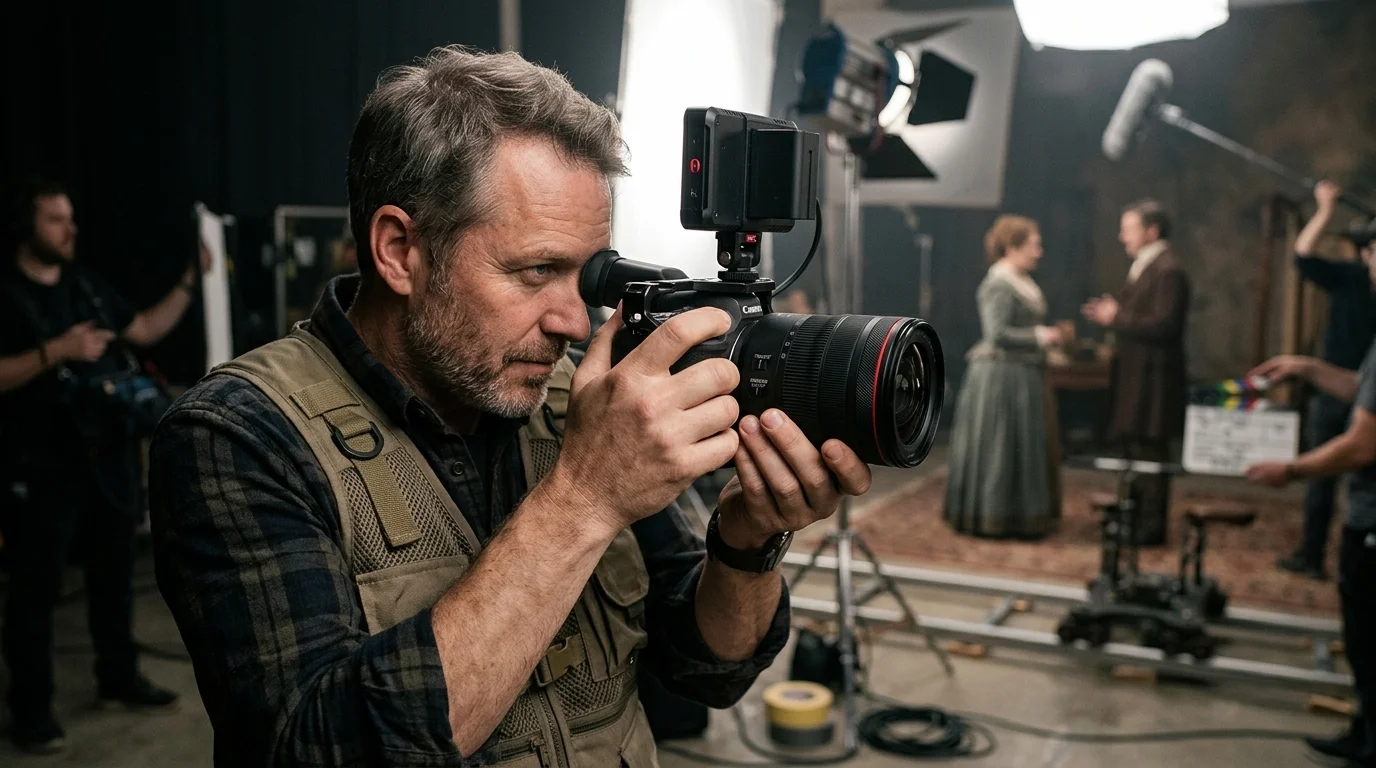
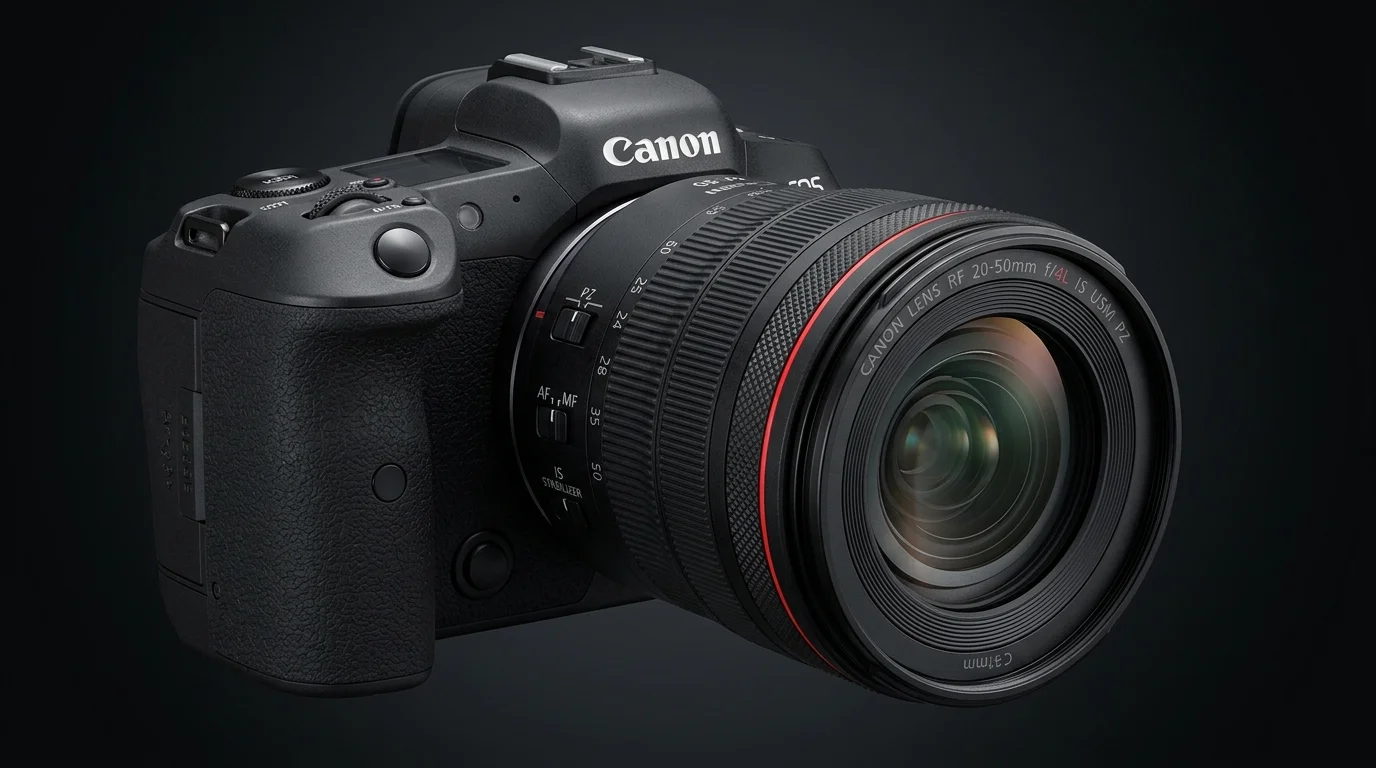
The arrival of a new canon lens, the RF 20-50mm f/4L IS USM PZ, is not merely another product launch; it is a foundational shift in Canon’s approach to professional cinematography and hybrid content creation. For two decades, I have navigated the intricacies of filmmaking, from the raw immediacy of documentary work to the meticulous orchestration of narrative features. In this industry, tools are extensions of vision, and a groundbreaking piece of equipment can redefine what is possible on set. This particular lens, Canon’s first L-series offering with an integrated power zoom, is precisely that kind of game-changer. It’s an explicit declaration from Canon that the needs of video professionals are not just being acknowledged but are being met with the highest echelon of engineering and design. The RF 20-50mm f/4L IS USM PZ is engineered to deliver the pristine optical quality expected of an L-series lens, combined with the smooth, controllable zoom essential for cinematic storytelling, all within the advanced RF mount ecosystem. This fusion of robust build, superior optics, and innovative electronic control is set to impact how filmmakers approach their craft, offering a level of precision and integration previously unseen in Canon’s mirrorless lens lineup.
Need a Director for Your Next Project?
From commercials to branded campaigns—Olivier brings creative vision and technical expertise.
→ View ProjectsThe Dawn of a New Era: Canon’s First Power Zoom L-Series
The introduction of the Canon RF 20-50mm f/4L IS USM PZ marks a significant milestone in Canon’s lens development, particularly for its RF mirrorless system. This isn’t just another zoom lens; it is the first L-series lens from Canon to incorporate an integrated power zoom mechanism. For years, power zooms were primarily associated with broadcast cameras or specialized cinema lenses, often coming with a substantial size and price tag. Their appeal lies in the ability to execute incredibly smooth, consistent, and repeatable zoom movements, a critical requirement for professional video production that is difficult, if not impossible, to achieve with a manual zoom ring. This new canon lens bridges a gap, bringing high-end video functionality to the more compact and versatile RF mirrorless platform. The “L-series” designation itself is Canon’s hallmark for its professional-grade lenses, denoting superior optical performance, robust build quality, and weather sealing. It signifies that this lens is built to withstand the rigors of professional use and deliver uncompromising image quality.
The decision to launch this particular canon lens with a 20-50mm focal range and a constant f/4 aperture is strategic. The wide-to-normal zoom range is incredibly versatile for video work, covering everything from expansive establishing shots to intimate medium close-ups. A constant f/4 aperture ensures consistent exposure throughout the zoom range, simplifying lighting and camera settings during a shoot. This is especially valuable in run-and-gun documentary situations or dynamic narrative scenes where lighting conditions might be less than ideal. The “IS” in its name confirms the inclusion of optical image stabilization, a feature that becomes even more critical when shooting handheld video, especially at longer focal lengths or in low light. This stabilization, when combined with in-body image stabilization (IBIS) found in many Canon RF cameras, creates a highly stable shooting platform, reducing the need for cumbersome gimbals in certain scenarios. From my experience with various camera systems, the integration of such features into a single, high-quality canon lens package streamlines workflow and expands creative possibilities on set. For more on achieving stable shots, consider exploring gimbal techniques. This lens, therefore, represents a maturation of Canon’s RF ecosystem, explicitly catering to the hybrid shooter who demands both exceptional stills capability and professional-grade video performance from a single system. It’s a bold step, signaling Canon’s intent to dominate the professional mirrorless video market. The move is also in line with industry trends seeing mirrorless cameras increasingly adopted for high-end productions, as reported by sources like The Verge, emphasizing the importance of specialized video lenses.
Precision in Motion: Unpacking the Power Zoom Mechanism
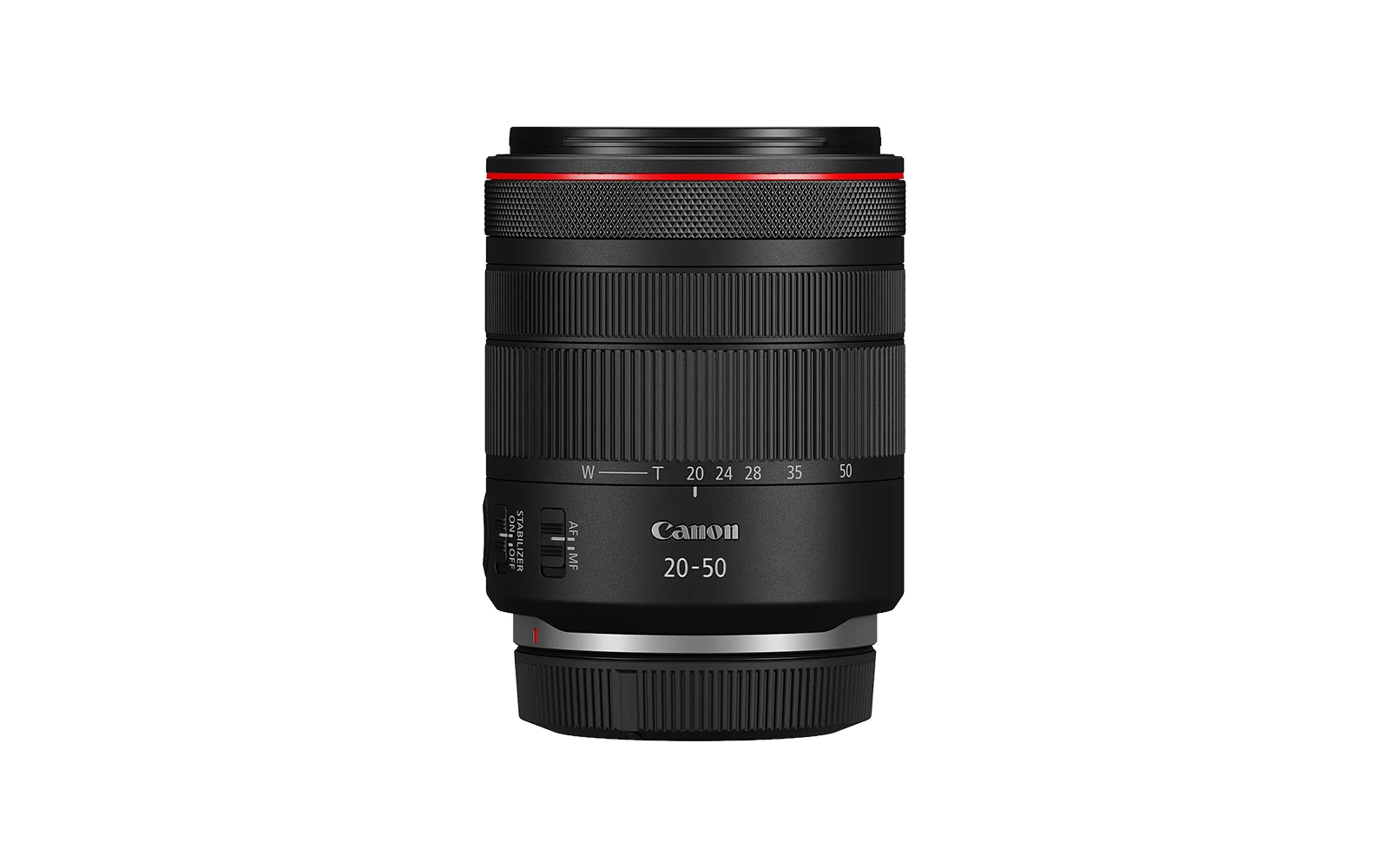
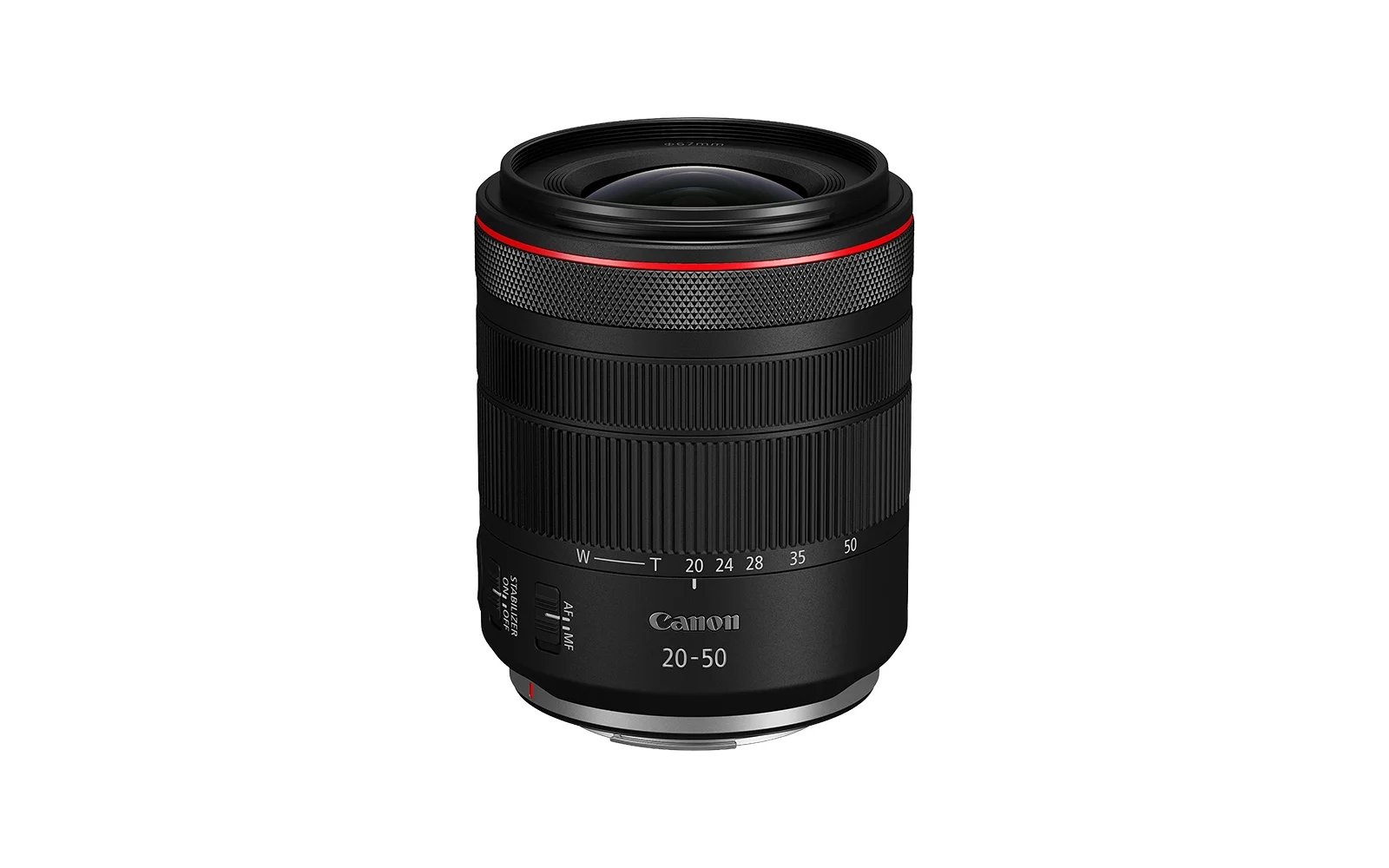
The heart of the Canon RF 20-50mm f/4L IS USM PZ’s innovation lies in its integrated power zoom mechanism. Unlike traditional mechanical zoom lenses where the operator manually twists a ring, the power zoom employs an electronic motor to control the focal length. This distinction is paramount for video production. Manual zooms, no matter how precisely engineered, are subject to human inconsistencies, slight variations in speed, accidental bumps, or uneven starts and stops. A power zoom, by contrast, can execute perfectly smooth, consistent, and repeatable zoom ramps from start to finish. This is crucial for cinematic storytelling, where a smooth push-in to emphasize a character’s emotion or a slow pull-out to reveal a wider context can significantly impact the audience’s perception. The ability to control zoom speed precisely, often through a dedicated zoom rocker on the lens itself or a compatible camera body/grip, offers a level of control that manual lenses simply cannot match. This feature elevates the production value of any video project, making complex shots achievable with greater ease and consistency.

Furthermore, the electronic nature of the power zoom opens up possibilities for remote control and programmable movements. Imagine setting up a shot where the camera is on a jib or a slider, and you need to execute a perfect, slow zoom simultaneously. With a power zoom, this can be controlled remotely, eliminating the need for an operator to be physically at the lens. This is invaluable for productions that utilize complex camera movements or require a minimalist crew setup. The RF 20-50mm f/4L IS USM PZ integrates this capability seamlessly, allowing for precise control directly from compatible Canon bodies or external controllers. This level of integration speaks to Canon’s understanding of modern filmmaking workflows, where efficiency and precision are key. The quiet operation of the zoom motor is also critical; noisy lens motors can be picked up by on-camera microphones, ruining audio takes. Canon has undoubtedly engineered this mechanism for silent operation, a necessity for any professional video lens. This advancement in lens control can be compared to the precision offered by modern drone cinematography techniques, where smooth, controlled movements are paramount. The power zoom mechanism isn’t just a convenience; it’s a fundamental tool that enhances creative expression and technical execution in video production, making this particular canon lens a standout offering. The engineering behind such a precise mechanism is complex, involving advanced motor control and sensor feedback systems, a testament to Canon’s optical and electronic expertise.

Optical Prowess: The L-Series Heritage in a Modern Canon Lens
The “L” in Canon’s RF 20-50mm f/4L IS USM PZ signifies its belonging to Canon’s prestigious L-series, a hallmark of professional-grade optics. This designation is not merely a marketing label; it represents a commitment to the highest standards of optical performance, mechanical durability, and environmental resistance. L-series lenses are renowned for their exceptional sharpness, minimal chromatic aberration, and beautiful bokeh, all critical factors for achieving cinematic image quality. For a director or cinematographer, the optical quality of a lens directly translates to the emotional impact and visual fidelity of the final image. This canon lens is expected to deliver edge-to-edge sharpness throughout its zoom range and across the entire full-frame sensor, ensuring that every detail is captured with clarity. The use of specialized glass elements, such as aspherical and UD (Ultra-low Dispersion) elements, is standard in L-series lenses, meticulously designed to correct various optical distortions and aberrations that can degrade image quality.
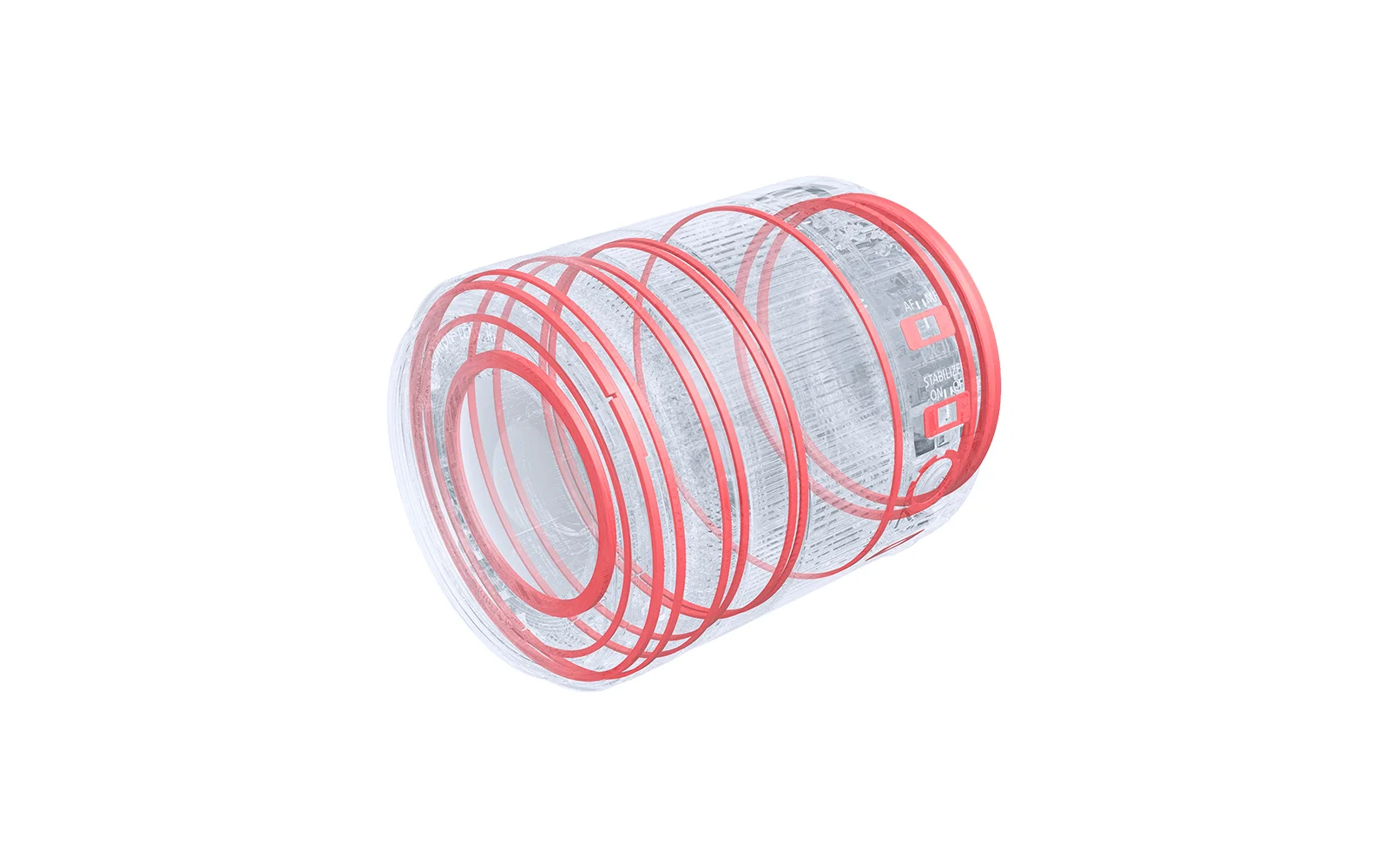
Beyond raw sharpness, the rendering characteristics of an L-series lens are equally important. This includes how it handles contrast, color reproduction, and flare. Canon’s L-series lenses are known for their pleasing color science and ability to render natural-looking tones, which reduces time spent in post-production color grading. The RF 20-50mm f/4L IS USM PZ, with its constant f/4 aperture, will also produce attractive background blur, or bokeh, allowing subjects to stand out from their surroundings. While f/4 might not be as wide as some prime lenses, for a versatile zoom designed for video, it offers a good balance between depth of field control and overall lens size/weight. Furthermore, the robust construction of L-series lenses means they are built to withstand challenging shooting conditions. Weather sealing against dust and moisture is a standard feature, providing peace of mind when shooting outdoors or in less-than-ideal environments. This durability ensures that the lens remains a reliable tool for professionals who cannot afford equipment failure. The combination of L-series optical excellence with the innovative power zoom mechanism makes this a truly unique and compelling canon lens for the modern filmmaker. For more on the role of visual fidelity in storytelling, one might look at the intricate details in Superman VFX secrets, where every frame counts. The design philosophy of L-series lenses is deeply rooted in decades of optical engineering, aiming for perfection in every aspect of light transmission and image formation, as detailed by Canon’s own official documentation on L-series lenses.
Designed for the Filmmaker: Practical Applications and Workflow Integration
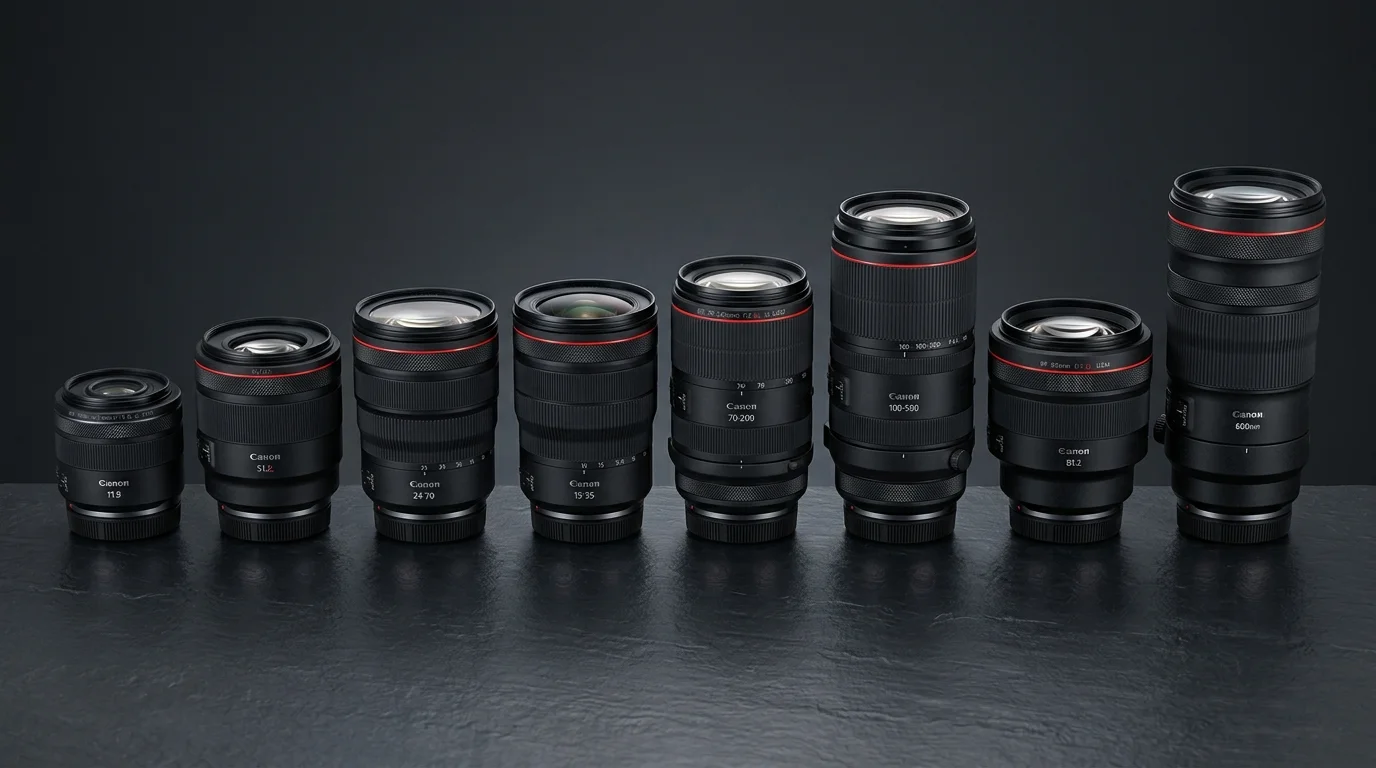
The Canon RF 20-50mm f/4L IS USM PZ is unequivocally designed with the modern filmmaker in mind, addressing specific pain points and enhancing creative workflows. Its focal range of 20-50mm is exceptionally versatile for a wide array of video productions. From documentary filmmaking, where a broad perspective is often needed to capture context, to narrative work requiring precise framing, this lens covers essential ground. The 20mm end provides a comfortably wide angle for establishing shots, architectural interiors, or dynamic tracking shots, while the 50mm end offers a natural perspective suitable for interviews, character-focused scenes, and tighter compositions without significant distortion. The constant f/4 aperture is practical, maintaining consistent exposure and depth of field as you zoom, which simplifies lighting and camera settings during continuous shooting. This eliminates the need to adjust ISO or shutter speed mid-shot, ensuring a seamless visual experience.
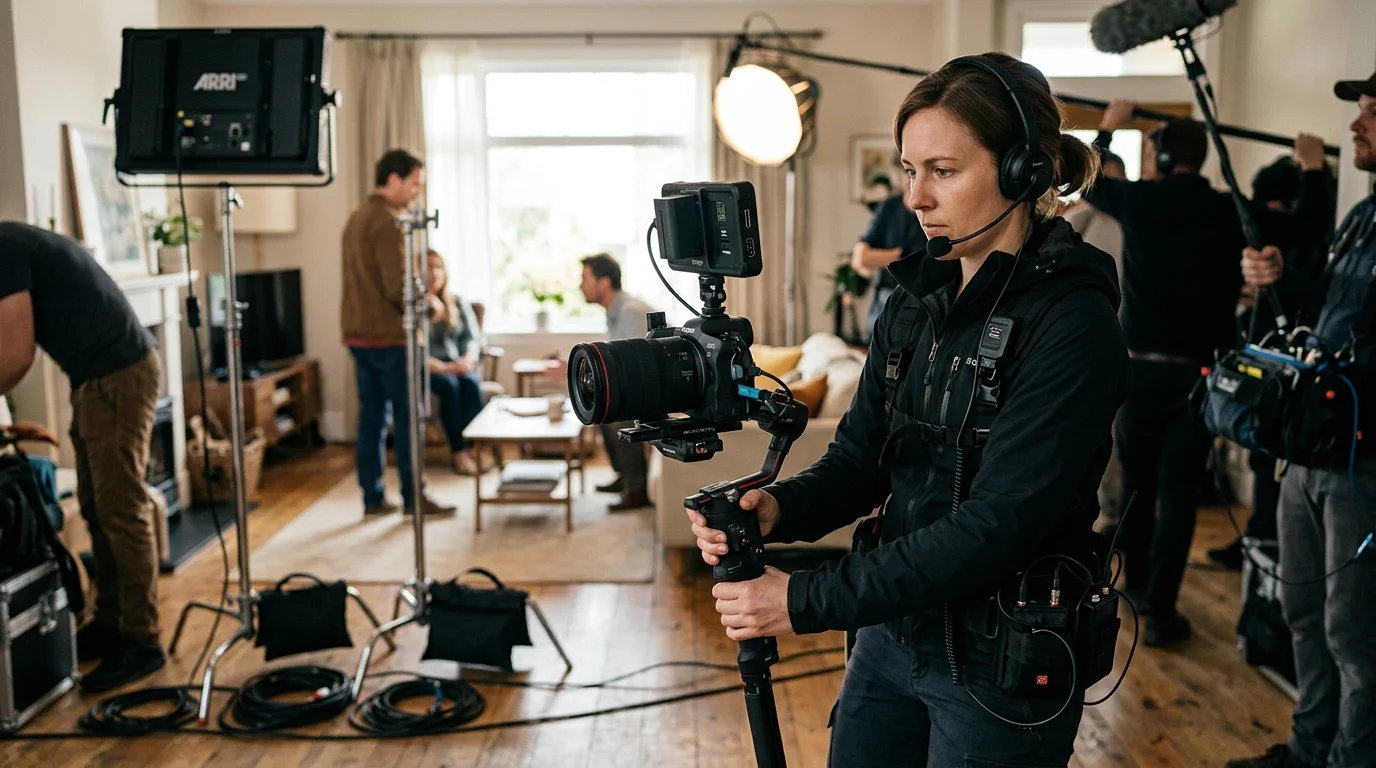
The integrated power zoom is the cornerstone of its video-centric design. This feature transforms the lens from a mere optical instrument into a dynamic storytelling tool. Smooth, controlled zooms are fundamental to cinematic language, allowing filmmakers to guide the audience’s attention, build tension, or reveal information gradually. With the RF 20-50mm f/4L IS USM PZ, these movements can be executed with precision and repeatability, whether it’s a slow, deliberate push-in or a swift, impactful crash zoom. This capability is invaluable for solo operators or small crews where dedicated zoom operators might not be available. The ability to control the zoom remotely, either through compatible camera bodies or external controllers, further enhances its utility, especially for gimbal work, drone shots (though the lens size might limit some drone applications), or situations requiring the camera to be placed in an inaccessible location. This level of remote control aligns with trends in modern production, where efficiency and versatility are paramount. The lens’s compact size, relative to traditional cinema zooms, also makes it a strong candidate for guerilla filmmaking lessons, where agility and a low profile are often key. For those utilizing complex setups, the integration with Canon’s broader ecosystem ensures compatibility with various accessories and control systems, solidifying its place as a practical and powerful tool for diverse filmmaking endeavors. This canon lens is poised to become a workhorse for many, simplifying complex camera movements and allowing for greater creative focus on story and performance.
Image Stabilization and Autofocus: Pillars of Performance for this Canon Lens
In the demanding world of video production, robust image stabilization and precise, reliable autofocus are not luxuries; they are necessities. The Canon RF 20-50mm f/4L IS USM PZ incorporates both, leveraging Canon’s decades of expertise in these critical areas. The “IS” in its name denotes optical image stabilization, a feature that physically shifts lens elements to counteract camera shake. For handheld video, especially when moving or shooting at the longer end of the zoom range, this stabilization is invaluable. It significantly reduces visible jitters and tremors, resulting in smoother, more professional-looking footage without the need for additional bulky stabilization equipment like gimbals in every scenario. When paired with Canon’s mirrorless cameras that feature in-body image stabilization (IBIS), the lens and camera work in tandem to achieve even greater levels of shake correction, often referred to as Coordinated Control IS. This synergistic stabilization can provide an impressive number of stops of shake reduction, allowing for sharper images and steadier video even in challenging conditions.
The “USM” (Ultrasonic Motor) in the lens’s designation refers to Canon’s high-performance autofocus system. USM motors are known for their speed, accuracy, and quiet operation, all crucial attributes for video. Fast autofocus ensures that subjects remain sharp, even when moving, which is essential for dynamic scenes or documentary work where moments unfold rapidly. The quiet operation is equally important; loud autofocus motors can easily be picked up by on-camera microphones, compromising audio quality. Canon’s USM technology has been refined over many generations, providing smooth and precise focus transitions that are pleasing to the eye in video. This is particularly important when tracking subjects or performing rack focus pulls, where a smooth transition is key to maintaining a professional look. The combination of sophisticated image stabilization and a high-performance USM autofocus system makes this canon lens a highly capable tool for filmmakers. It enables creators to capture sharp, stable footage with confidence, even in challenging environments or when working with fast-moving subjects. These features underscore Canon’s commitment to delivering a comprehensive solution for video professionals, ensuring that the technical aspects of capturing footage are as seamless as possible. For insights into maintaining sharp focus, exploring AI image enhancement might offer complementary perspectives on post-production. The advancements in lens-based stabilization and motor technology are a continuous area of research and development, as highlighted by various optical engineering journals and patents filed by companies like Canon, ensuring constant improvement in performance and reliability.
The RF Mount Advantage: Synergies with Canon’s Mirrorless Ecosystem
The Canon RF 20-50mm f/4L IS USM PZ is built specifically for Canon’s RF mount, a critical design choice that unlocks a multitude of advantages compared to older EF-mount lenses. The RF mount, with its wider diameter and shorter flange distance, allows for greater flexibility in lens design, enabling engineers to create optics that are smaller, lighter, and optically superior. This is particularly evident in the RF 20-50mm, where advanced optical formulas can be implemented to achieve L-series quality in a relatively compact form factor, even with the added complexity of a power zoom mechanism. The wider mount also allows for larger rear elements, which can improve light gathering and reduce vignetting, contributing to the overall pristine image quality.
Beyond the physical dimensions, the RF mount boasts a significantly faster and more robust electronic communication system between the lens and the camera body. This enhanced communication bandwidth is crucial for the sophisticated features of the RF 20-50mm f/4L IS USM PZ. It allows for seamless control of the power zoom, precise coordination of the optical image stabilization with in-body stabilization (Coordinated Control IS), and rapid, intelligent autofocus performance. This tight integration means the lens and camera operate as a single, optimized unit, reacting with greater speed and accuracy to the user’s commands and environmental changes. For filmmakers, this translates to more reliable performance, especially when tracking subjects, executing complex zoom moves, or shooting in challenging lighting conditions. The RF mount also allows for the inclusion of a customizable control ring on the lens, which can be assigned to various functions like ISO, aperture, or exposure compensation, providing quick and intuitive access to critical settings without taking your eye from the viewfinder. This ergonomic advantage, combined with the power zoom, streamlines the shooting experience, allowing filmmakers to focus more on their craft and less on fiddling with controls. The entire RF ecosystem is designed for the future, embracing the convergence of stills and video, and this new canon lens is a prime example of that forward-thinking design. The benefits of the RF mount are a key differentiator for Canon in the competitive mirrorless market, as discussed in numerous photography and cinematography reviews, including those found on platforms like DPReview. This advanced communication system is the backbone for integrating features like the power zoom and sophisticated autofocus, pushing the boundaries of what a single lens can achieve.
Beyond the Specs: The Creative Impact of the RF 20-50mm f/4L IS USM PZ
While technical specifications provide the foundation, the true measure of any filmmaking tool lies in its creative impact. The Canon RF 20-50mm f/4L IS USM PZ, with its unique blend of L-series optics and power zoom functionality, promises to unlock new creative avenues for directors and cinematographers. The ability to execute perfectly smooth, controlled zooms is not just a technical feat; it’s a narrative device. A slow, deliberate push-in can heighten tension, draw attention to a subtle detail, or emphasize a character’s emotional state. Conversely, a smooth pull-out can reveal a larger context, isolate a character in a vast environment, or create a sense of dramatic irony. These movements, when executed flawlessly, become invisible enhancers of the story, allowing the audience to be fully immersed without being distracted by technical imperfections. This canon lens empowers filmmakers to achieve these cinematic gestures with a consistency and ease previously reserved for much larger, more expensive cinema zoom lenses.
The versatility of the 20-50mm focal range, coupled with its compact form factor, encourages experimentation and agility on set. Filmmakers can transition quickly between wide establishing shots and tighter, more intimate compositions without changing lenses, saving valuable time and maintaining the flow of production. This is particularly beneficial in fast-paced documentary environments or when working with limited time and resources. The integrated image stabilization further frees the camera from static positions, encouraging dynamic handheld movements and creative camera work without sacrificing stability. This freedom allows for more organic and responsive filmmaking, letting the camera dance with the action rather than remaining rigidly fixed. The combination of these features in a single, high-quality canon lens means that creative decisions can be made on the fly, adapting to the nuances of performance or location with greater flexibility. It’s a tool that supports intuitive storytelling, removing technical barriers and allowing the filmmaker to focus entirely on the narrative. For those exploring novel ways to visualize stories, this lens could be a powerful companion, much like how AI concept trailer tools are pushing boundaries in pre-visualization. The creative potential of this lens extends beyond its individual features, fostering a more fluid and integrated approach to visual storytelling, enabling a deeper connection between the camera and the narrative.
Market Positioning and Competition: Where this Canon Lens Stands
The introduction of the Canon RF 20-50mm f/4L IS USM PZ strategically positions Canon in a rapidly evolving market segment: professional mirrorless video production. While Canon has long been a dominant force in both still photography and cinema (with its Cinema EOS line), this new canon lens specifically targets the hybrid shooter and the independent filmmaker who demands high-quality video capabilities from a compact mirrorless system. Historically, power zooms were the domain of broadcast and high-end cinema lenses, often costing tens of thousands of dollars. More recently, other manufacturers have introduced power zoom options for their mirrorless systems, but few, if any, have offered an integrated L-series quality lens with this specific focal range and feature set. This lens fills a significant void, offering a professional-grade power zoom solution within Canon’s growing RF ecosystem.
In terms of competition, the RF 20-50mm f/4L IS USM PZ will face comparisons with existing manual zoom lenses from Canon and third-party manufacturers, as well as dedicated cinema zooms. However, its unique selling proposition, the combination of L-series optics, optical image stabilization, fast USM autofocus, and an integrated power zoom, sets it apart. While other brands might offer lenses with some of these features, the holistic integration and the “L-series” pedigree give Canon a strong competitive edge. For instance, Sony has its PZ 16-35mm f/4 G and PZ 28-135mm f/4 G OSS lenses, which also feature power zoom. However, Canon’s offering brings its distinct L-series optical quality and color science, which are highly valued by its user base. The 20-50mm focal range is also quite distinct, offering a very useful wide-to-normal perspective that is arguably more versatile for general filmmaking than ultra-wide or super-telephoto options as a primary lens. This canon lens is not just competing on features; it’s competing on workflow integration and the overall user experience within the Canon ecosystem. Its launch suggests Canon is keenly aware of the increasing demand for tools that cater specifically to the video needs of mirrorless camera users, making it a compelling option for those already invested in or considering the RF system. For a broader view of market trends in camera technology, articles from industry analysts often provide valuable context, such as those found on TechCrunch. This strategic move aims to solidify Canon’s standing as a leader in providing comprehensive solutions for visual creatives.
Future Implications: What This Power Zoom Signifies for Canon’s Roadmap
The introduction of the Canon RF 20-50mm f/4L IS USM PZ is more than just a single product release; it’s a clear signal of Canon’s strategic direction for its RF mount and its commitment to the evolving needs of professional visual creators. This canon lens serves as a technological demonstrator, proving that Canon can integrate advanced power zoom functionality into its L-series optics for mirrorless cameras. This opens the door for a future where more power zoom lenses, covering different focal ranges and apertures, could become standard offerings within the RF lineup. We might see wider power zooms, longer telephoto power zooms, or even faster aperture power zooms, each tailored to specific filmmaking needs. This expansion would further solidify the RF system as a comprehensive solution for both still photography and high-end video production, challenging the traditional dominance of dedicated cinema camera systems in certain applications.
Furthermore, this lens signifies Canon’s deepening understanding of the hybrid shooter. As the lines between photography and videography continue to blur, professionals increasingly demand tools that excel at both. Lenses like the RF 20-50mm f/4L IS USM PZ provide the optical quality for stunning stills and the specialized video features for compelling motion content, all in one package. This holistic approach is likely to guide future lens development, with Canon focusing on versatile optics that seamlessly transition between modes. The advanced electronic communication of the RF mount, which enables the sophisticated power zoom and coordinated IS, will undoubtedly be leveraged for even more innovative features in future lenses and camera bodies. This could include more advanced remote control options, deeper integration with external monitoring and control systems, or even AI-assisted focusing and zooming capabilities, similar to how Googleflow filmmaker guide predicts future tools. The power zoom is a foundational step, indicating a future where Canon’s RF lenses are not just optically excellent but also electronically intelligent and deeply integrated into modern production workflows. This forward-looking approach ensures that Canon remains at the forefront of imaging technology, catering to the dynamic demands of the creative industry. The trajectory set by this canon lens suggests a significant investment in video-centric features for the RF ecosystem, promising exciting developments for filmmakers.
A Director’s Perspective: Real-World Scenarios for the RF 20-50mm
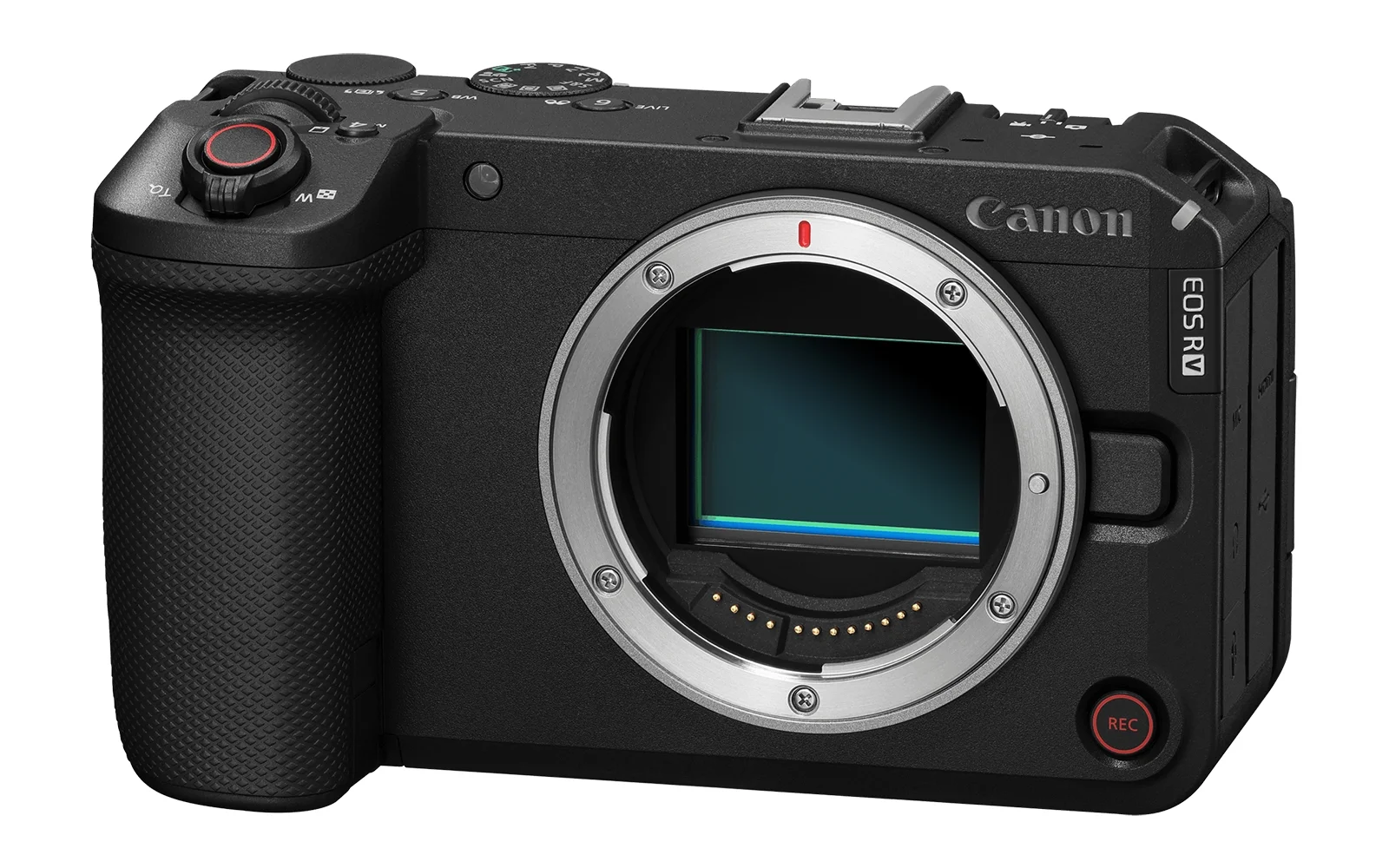
From my perspective as a director and cinematographer, the Canon RF 20-50mm f/4L IS USM PZ presents compelling advantages across a spectrum of real-world production scenarios. Imagine shooting a corporate documentary: you need to capture wide shots of an office environment, then quickly zoom in for a tight interview, followed by B-roll of hands-on work. With a traditional manual zoom, achieving smooth transitions between these varied shots, especially with consistent zoom speeds, would be a constant challenge. This new canon lens, however, allows for fluid, professional-grade zoom movements that elevate the production value significantly, all while maintaining the L-series optical quality for a polished final product. The constant f/4 aperture simplifies exposure management, crucial when moving between different lighting conditions within a scene.
Consider a narrative short film. A critical scene might require a slow, almost imperceptible push-in on an actor’s face to emphasize a moment of realization. With a manual lens, even the most skilled operator might introduce a slight wobble or an inconsistent speed, drawing attention away from the performance. The power zoom on the RF 20-50mm f/4L IS USM PZ ensures this movement is executed with cinematic precision, allowing the audience to remain immersed in the story. Furthermore, if the camera is mounted on a slider or a jib, the ability to remotely control the zoom simultaneously with camera movement opens up complex, dynamic shots that would otherwise require multiple operators or a much larger budget. For those interested in innovative storytelling, exploring how tools like prompt engineering for video can complement such precise camera work is fascinating. Even for more spontaneous shoots, like event coverage or music videos, the robust image stabilization and fast, silent autofocus of this canon lens mean fewer missed shots and more usable footage. It’s a tool that empowers creativity by minimizing technical hurdles. The RF 20-50mm f/4L IS USM PZ isn’t just about features; it’s about enabling smoother workflows, more ambitious shot designs, and ultimately, more compelling visual narratives, making it an invaluable asset in a filmmaker’s kit. For historical context on power zooms, the Wikipedia page on zoom lenses offers a good overview of their evolution and application.
Frequently Asked Questions
What makes the Canon RF 20-50mm f/4L IS USM PZ significant?
This lens is significant because it’s Canon’s first L-series lens with an integrated power zoom mechanism, specifically designed for smooth, precise, and repeatable zoom movements essential for professional video production within the RF mirrorless system. It combines top-tier optical quality with advanced electronic control.
What is a power zoom, and why is it important for filmmakers?
A power zoom uses an electronic motor to control the focal length, allowing for perfectly smooth, consistent, and controllable zoom speeds. This is crucial for cinematic pushes, pulls, and dynamic shot compositions, which are difficult to achieve manually, and it also enables remote control for complex setups.
Is this lens suitable for still photography as well?
Yes, absolutely. As an L-series lens, it delivers exceptional optical quality, sharpness, and robust build, making it highly suitable for professional still photography. The 20-50mm focal range and constant f/4 aperture are versatile for various photographic genres, though its primary innovation targets video.
What does “L-series” signify for this Canon lens?
The “L-series” designation signifies Canon’s professional-grade lenses, characterized by superior optical performance, robust construction, and weather sealing. It means the RF 20-50mm f/4L IS USM PZ is built to the highest standards for image quality and durability, meeting the demands of professional users.
Which Canon cameras are compatible with the RF 20-50mm f/4L IS USM PZ?
This lens is designed for Canon’s RF mount, making it compatible with all Canon EOS R series mirrorless cameras, such as the EOS R5, R6 Mark II, R3, R5 C, and others. It leverages the advanced communication capabilities of the RF mount for optimal performance.
Discover more from Olivier Hero Dressen Blog: Filmmaking & Creative Tech
Subscribe to get the latest posts sent to your email.

Work with Olivier
Director | CD | DP & Photographer
Specializing in commercials, music videos, AI-driven filmmaking, and cinematic storytelling for brands and production companies.
🌍 Shanghai · Paris · Los Angeles · Dubai
🎬 View Portfolio & Get in Touch