
Key Takeaways
- First insight, Understanding the core principles of a compelling hero prompt generator involves mastering subject focus, environmental context, and emotional resonance to create impactful AI-generated visuals.
- Craft highlight, Strategic use of cinematic lighting, precise camera angles, and detailed stylistic modifiers within your hero prompt dramatically elevates the artistic quality and narrative depth of the final image.
- Industry context, The evolution of AI art generation tools demands advanced prompting techniques; a sophisticated hero prompt generator is essential for artists to maintain creative control and achieve unique, professional-grade results.
- Bottom line, Implementing these five game-changing hero prompt generator secrets provides artists with a robust framework to consistently produce stunning, story-driven visuals, pushing the boundaries of what AI can achieve.
The ultimate hero prompt generator isn’t about complex algorithms, but about mastering precise, intentional language to guide AI. By focusing on core cinematic principles – composition, lighting, narrative detail, and stylistic command – artists can unlock unprecedented visual power, transforming abstract ideas into concrete, impactful imagery, ensuring every AI render tells a compelling story.
Need a Director for Your Next Project?
From commercials to branded campaigns—Olivier brings creative vision and technical expertise.
→ View ProjectsUnderstanding the Core of a Hero Prompt Generator
In the rapidly evolving landscape of AI-driven visual creation, the ability to articulate a vision precisely is paramount. For filmmakers, creative directors, and artists, a truly effective hero prompt generator is not merely a string of keywords; it’s a meticulously constructed blueprint that translates nuanced artistic intent into compelling imagery.
My journey, spanning two decades in film production, has taught me that the difference between a good shot and a great one often lies in the precision of its conception. This principle applies even more critically to AI, where every word, every modifier, acts as a directive to an unseen camera and crew. The fundamental challenge with AI art is bridging the gap between human imagination and machine interpretation.
Without a clear, detailed prompt, the AI defaults to averages, resulting in generic, uninspired visuals. A hero prompt generator, therefore, must function as a director’s treatment, providing not just what to see, but how to see it, where to place emphasis, and what emotional tone to convey. This demands a shift in thinking: from simply describing an object to crafting a complete visual scene.
We’re not just asking for “a hero”; we’re asking for “a grizzled space marine, standing defiant against a neon-drenched cyberpunk cityscape, rain streaking his visor, lit by a flickering holographic advertisement, captured in a wide shot with a 50mm lens, gritty cinematic realism, volumetric fog, dynamic lighting.” The distinction is critical. To truly master the hero prompt generator, one must internalize the elements of visual storytelling.
This includes understanding the impact of composition, the mood conveyed by lighting, the narrative power of specific details, and the overall stylistic direction. It’s about breaking down a complex visual idea into its constituent parts and then reassembling them with AI-specific language. This process is not intuitive; it’s a learned skill, honed through experimentation and a deep appreciation for visual grammar.
My goal here is to demystify this process, offering concrete strategies and actionable prompts that will empower you to create visuals that resonate, not just exist. This isn’t just about making pretty pictures; it’s about making pictures that tell stories, evoke feelings, and push creative boundaries. The precision of your prompts directly correlates to the uniqueness and impact of your output.
Secret 1: Mastering the Cinematic Gaze – Composition and Framing
The first secret to an exceptional hero prompt generator lies in understanding how to direct the AI’s “camera.” Just as a cinematographer frames a shot to guide the viewer’s eye and convey narrative, your prompt must dictate composition, angle, and lens choice. Without these specifics, AI will often deliver a bland, centered, eye-level view that lacks dynamism.
To escape this trap, we must think in cinematic terms: wide shots for grandeur, close-ups for intimacy, Dutch angles for disorientation, and so on. A strong composition sets the stage. It determines the relationship between the subject and its environment, establishing scale, tension, or harmony. Consider the rule of thirds, leading lines, negative space – these are not just artistic conventions, but powerful tools for visual communication.
When you articulate these in your prompt, you’re not just requesting an image; you’re requesting a specific visual experience. For example, instead of “a hero fighting,” specify “a dynamic low-angle shot of a lone hero, silhouetted against an explosion, framed by crumbling debris, emphasizing their heroic stance.” This level of detail transforms a generic request into a powerful visual directive.
Furthermore, lens choices and camera movements, even implied ones, dramatically affect the mood and perception. A wide-angle lens distorts perspective, creating a sense of vastness or unease. A telephoto lens compresses space, making backgrounds feel closer and more claustrophobic. Specifying a “dolly shot” or “tracking shot” can imply motion and narrative flow, even in a static image.
These are the tools of our trade, and they are now accessible through language in your hero prompt generator. Mastering this compositional control is the bedrock upon which all other secrets are built, ensuring your AI-generated images possess an inherent sense of direction and purpose.
For artists looking to refine their character consistency, understanding how camera angles and framing influence perception is crucial, as explored in 5 Character Design Prompts That Keep Your Character Consistent Across Every Shot.
Prompt:
A lone hero, a stoic figure in futuristic tactical armor, stands on a precipice overlooking a vast, ruined cityscape bathed in the golden hour. Dynamic low-angle wide shot, 24mm anamorphic lens, emphasizing the hero's formidable silhouette against the sprawling destruction. Volumetric dust motes catch the sunlight, creating a sense of epic scale and isolation. Cinematic realism, shallow depth of field, subtle lens flare, film grain. Aspect ratio 16:9, no text.This prompt establishes a powerful, cinematic introduction to a hero, using specific camera and lighting terms to convey scale and mood. The low-angle wide shot immediately communicates grandeur and power, while the 24mm anamorphic lens adds a cinematic quality. Experiment with different times of day to alter the emotional impact of the lighting.
Secret 2: The Art of Illumination – Lighting and Atmosphere
Lighting is emotion. It’s mood, drama, and focus. In traditional filmmaking, mastering light is a lifelong pursuit, and with an AI hero prompt generator, it’s equally critical. Generic prompts often result in flat, uninteresting lighting. To create truly impactful images, you must learn to direct the AI’s “gaffer” with precision. This means specifying not just the light source, but its quality, direction, color, and intensity.
Think about the difference between harsh, direct sunlight and soft, diffused window light. Consider the dramatic impact of a single, hard-edged spotlight versus the ethereal glow of moonlight. Each choice tells a different story. Backlighting can create a sense of mystery or heroism, while chiaroscuro can evoke classic noir tension. Volumetric lighting, like god rays or fog, adds depth and atmosphere, making the scene feel more immersive and real.
When crafting your hero prompt, don’t just say “well-lit.” Instead, describe the light as if you were on set, guiding your gaffer. The atmosphere complements the lighting, adding layers of sensory detail. Rain, snow, fog, dust, smoke – these elements don’t just exist; they interact with light, creating dynamic visual effects.
A “rain-slicked street reflecting neon lights” is far more evocative than just “a street.” These atmospheric details, when combined with specific lighting cues, transform a static image into a living, breathing scene. Consider how crucial atmosphere is in iconic science fiction films; it’s the invisible character that sets the tone.
Incorporating these elements into your hero prompt generator instructions allows the AI to build a world around your subject, making the final output richer and more believable. The precision in describing light and atmosphere is a hallmark of sophisticated prompting, a skill that separates generic AI art from truly cinematic creations. Prompt:
🎬 AI Render Pro Studio, the AI film production suite I built and use on my own productions. Script breakdown, storyboards, 30+ video models including Seedance 2.5 and Kling O3, image generation, retouch, 7K upscaling and audio, all in one browser workspace. $19/month flat, bring your own API keys and pay providers at cost, no credit packs, no markup. Try AI Render Pro Studio →
Prompt:
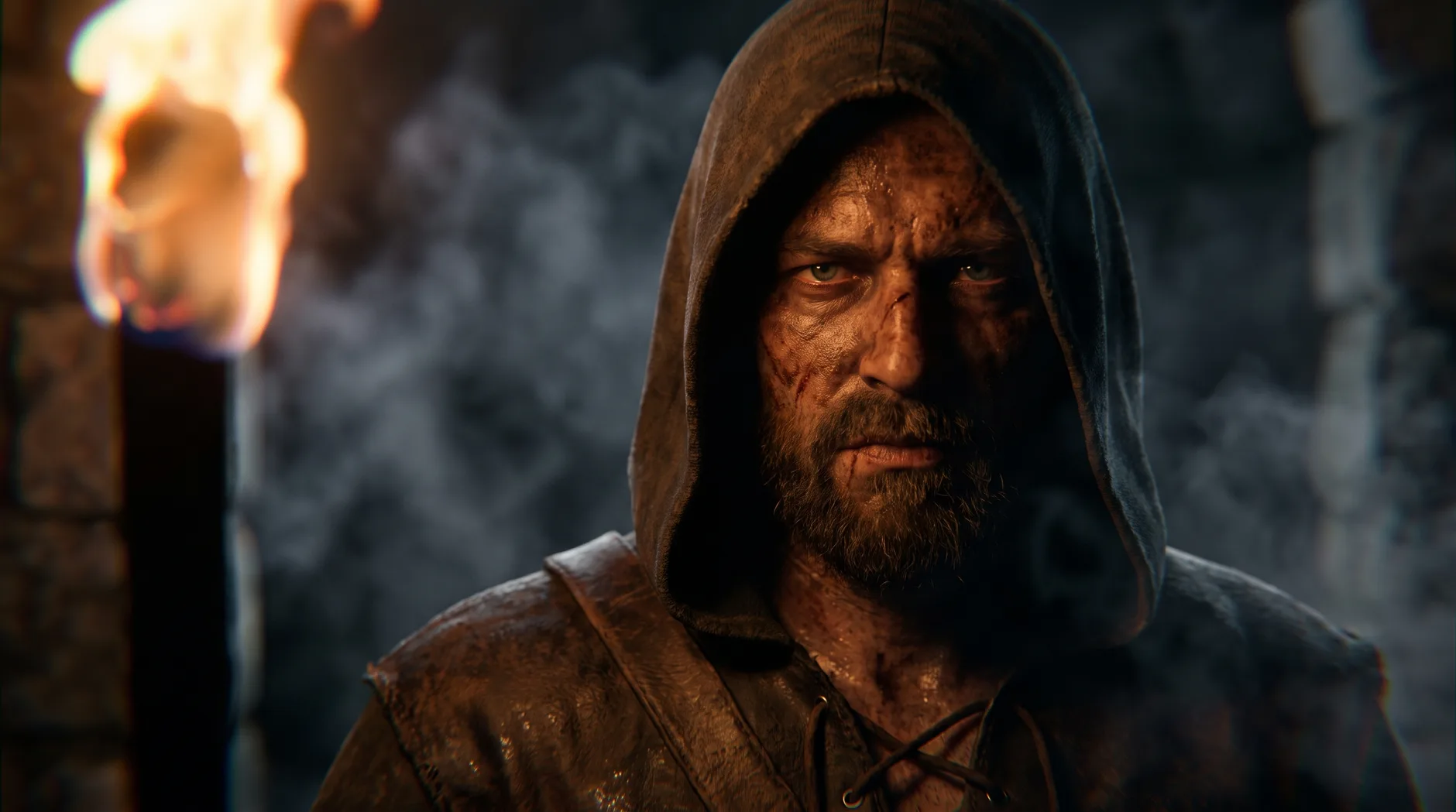
A close-up portrait of a weary hero, face illuminated by the flickering glow of a single, dying torch held off-screen. Deep shadows carve dramatic contours across their scarred face, eyes reflecting determination. Volumetric smoke drifts gently in the background, hinting at a recent battle. Chiaroscuro lighting, high contrast, cinematic realism, gritty textures, subtle chromatic aberration. Shot with an 85mm prime lens, f/1.8. Aspect ratio 16:9, no text.This prompt focuses intensely on lighting to convey emotion and character. Chiaroscuro lighting emphasizes the hero’s weariness and resolve, while the smoke adds backstory. Adjust the light source (e.g., “blue emergency light,” “fiery explosion glow”) to drastically change the mood.
Secret 3: Narrative Resonance – Crafting a Story with Your Hero Prompt
A visually stunning image is good, but a visually stunning image that tells a story is exceptional. The third secret to a powerful hero prompt generator is infusing narrative elements directly into your description. AI doesn’t understand implicit context; you must explicitly state what’s happening, what the stakes are, and what emotions are in play. This moves your prompt beyond a mere description of appearance to a depiction of an unfolding moment.
Every detail you add should serve the story. Is your hero triumphant or defeated? Are they in danger or offering salvation? What objects in the scene hint at their past or future? The inclusion of narrative cues transforms a passive image into an active one.
For instance, instead of “a hero with a sword,” try “a hero, sword plunged into the ground beside them, head bowed in exhaustion after a long battle, the last rays of sunset illuminating the battlefield strewn with defeated foes.” This paints a picture not just of a hero, but of a specific, poignant moment in their journey. Think about the “before” and “after” of the image. What led to this moment? What might happen next? Even a single frame can suggest a broader narrative.
The power of a truly resonant hero prompt lies in its ability to evoke curiosity and invite interpretation. By carefully selecting descriptive verbs and adjectives that convey action and emotion, you guide the AI to generate an image that feels alive with purpose. This narrative-driven approach is what separates mere illustrations from compelling visual storytelling, transforming your prompts into miniature screenplays for the AI to interpret.
For further insights into crafting compelling narratives, consider exploring critical reviews of films that master visual storytelling, such as Disclosure Day Review: Spielberg Returns to Sci-Fi.
Prompt:
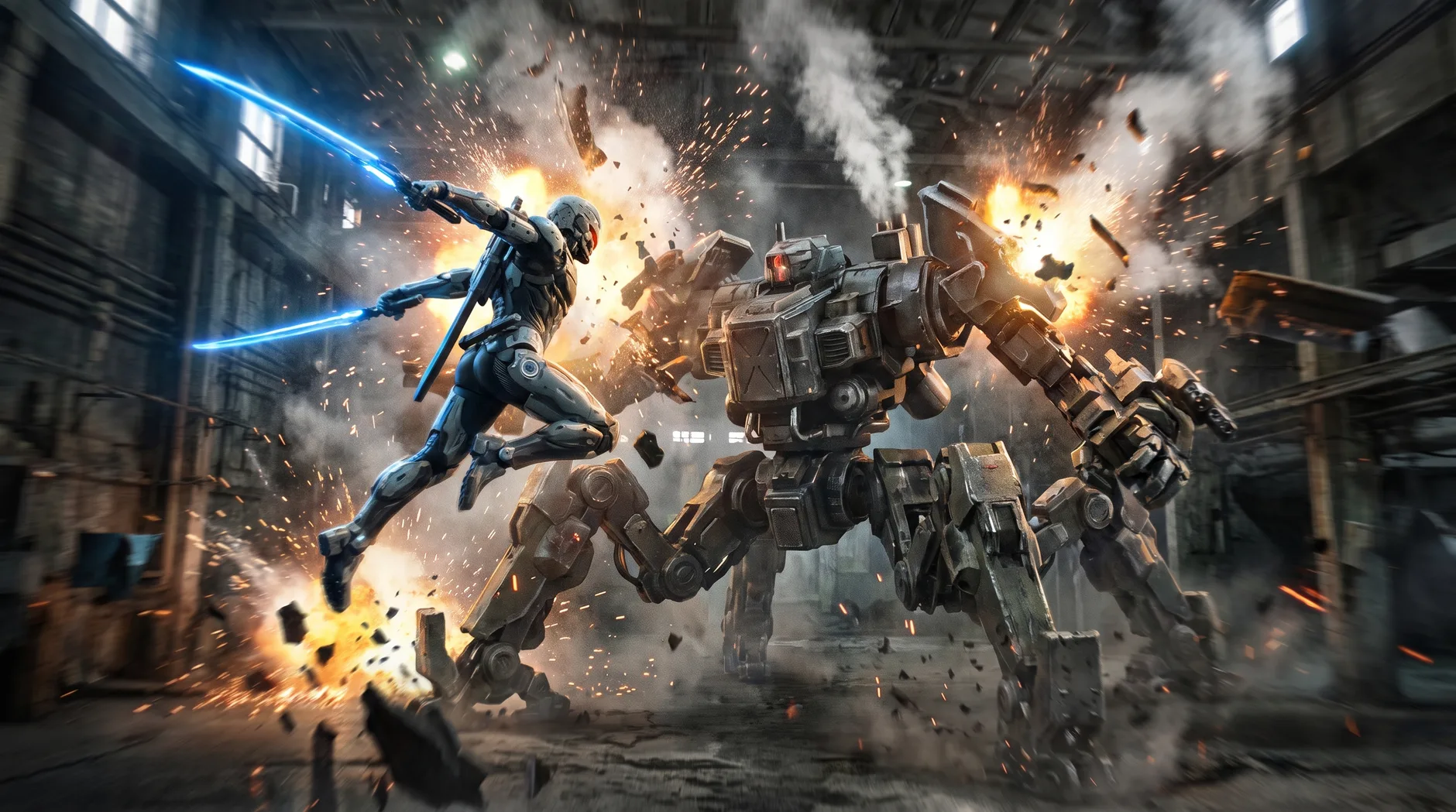
A cybernetic hero mid-leap, twin energy blades extended, attacking a colossal, multi-limbed robot in a collapsing industrial facility. Debris explodes outwards, sparks fly, and steam vents violently. Dynamic wide shot, capturing the explosive force and speed of the confrontation. Cinematic action, highly detailed mechanical design, lens distortion, motion blur on the hero and debris. Dark, gritty atmosphere with intense practical effects lighting from explosions. Aspect ratio 16:9, no text.This prompt is designed to capture a peak action moment, rich with implied narrative. The collapsing facility and exploding debris suggest high stakes and a desperate fight. Emphasize specific actions and reactions to enhance the dynamism; for example, “hero deflecting a laser blast.”
Secret 4: Detail, Precision, and Stylistic Fidelity for Your Hero Prompt
The fourth secret is about the granular level of control – the meticulous attention to detail and the unwavering commitment to a specific artistic style. AI models are vast, trained on billions of images, and without precise instructions, they will often blend styles or generate generic features.
To make your hero prompt truly stand out, you must be specific about every element, from the texture of a character’s clothing to the architectural style of a building, and crucially, the overall artistic direction. Precision in detail means describing materials, textures, patterns, and even subtle wear and tear. Is the armor gleaming or battle-worn? Is the fabric silk or rough canvas? These small descriptors build realism and depth.
For instance, instead of “a hero’s weapon,” specify “a hero’s plasma rifle, its casing scratched and scorched, glowing with residual energy, intricate circuit patterns visible.” This level of fidelity creates a believable world, even in fantasy or sci-fi settings. Stylistic fidelity is equally important. Do you want photorealism, oil painting, anime, pixel art, or something else entirely? Naming specific artists, art movements, or film genres can guide the AI effectively.
“Inspired by Syd Mead,” “in the style of Caravaggio,” or “neo-noir aesthetic” are powerful modifiers that steer the AI towards a desired visual language. Without these, your AI-generated art risks becoming a stylistic mishmash. This is where your directorial eye comes in; just as you’d brief a concept artist, you must brief the AI with a clear artistic vision for your hero prompt.
The more specific you are about both the minute details and the overarching style, the closer the AI will get to your intended masterpiece. This level of control is what allows artists to truly differentiate their work in an increasingly crowded AI-generated landscape.
Prompt:
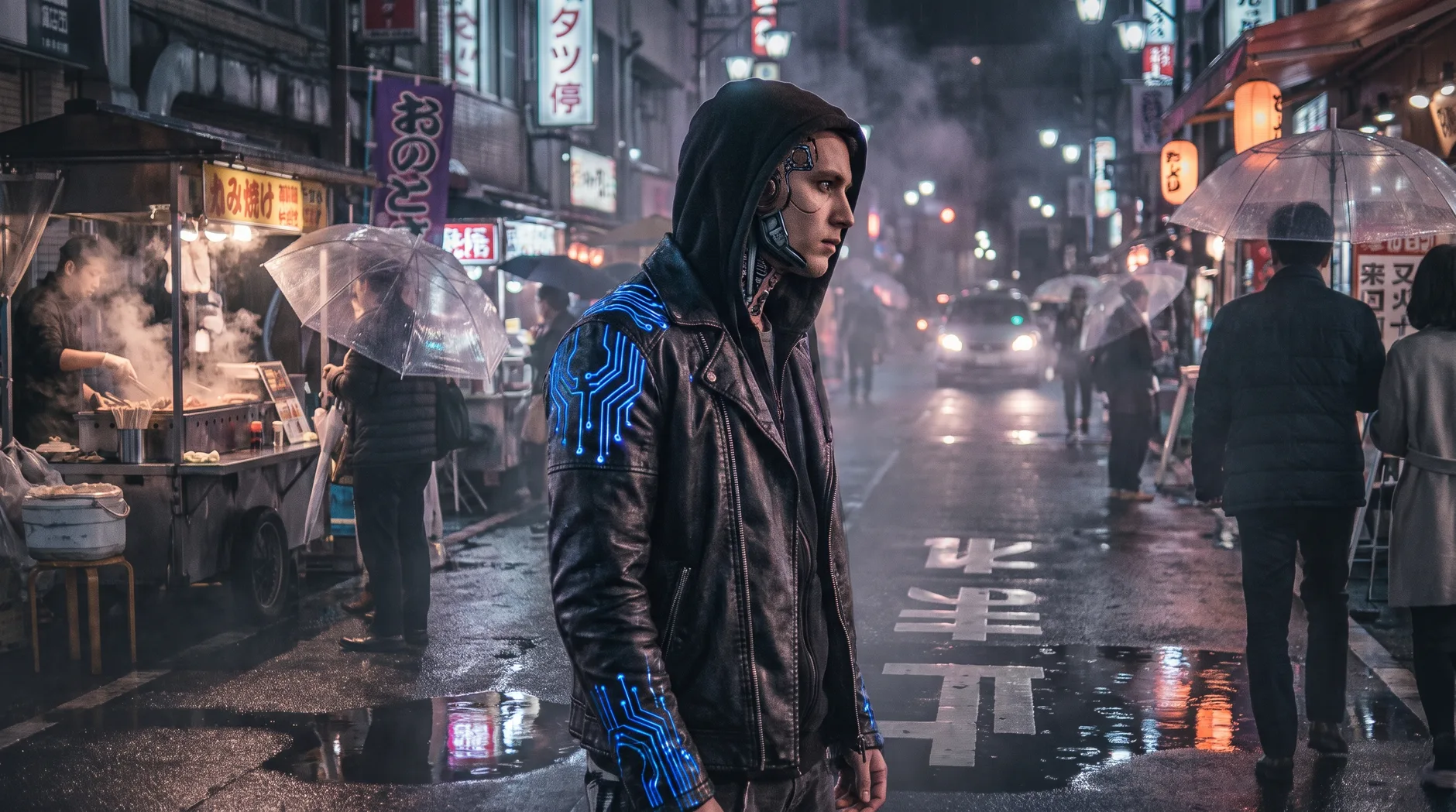
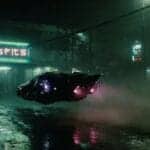
A cyberpunk hacker hero, wearing a distressed leather jacket with glowing circuit patterns, intricate data implants visible on their neck, stands in a bustling, rain-slicked Tokyo street market at night. Neon signs reflect in puddles, steam rises from food stalls. Ultra-detailed character design, high resolution, photorealistic rendering with a gritty, film-noir aesthetic. Shot with a wide-angle lens, cinematic color grading, bokeh background, subtle atmospheric haze. Inspired by Blade Runner and Ghost in the Shell. Aspect ratio 16:9, no text.This prompt leverages extreme detail for both the character and environment, combined with strong stylistic references. The “distressed leather” and “intricate data implants” add realism, while “Blade Runner and Ghost in the Shell” direct the aesthetic. Play with different cityscapes and architectural styles to change the backdrop.
Secret 5: The Iterative Loop – Refining Your Hero Prompt Generator Approach
The fifth and perhaps most overlooked secret to an effective hero prompt generator is the iterative process. No prompt, no matter how meticulously crafted, is perfect on the first try. AI generation is a dialogue, not a monologue. The most successful artists treat their prompts as living documents, constantly refining and experimenting based on the AI’s output. This requires a critical eye, patience, and a willingness to learn from each render.
When you receive an AI-generated image, don’t just accept it or discard it. Analyze it. What worked? What didn’t? Was the lighting wrong? Was the composition off? Did the style deviate from your vision? Pinpoint the discrepancies and adjust your hero prompt accordingly. This might mean adding more specific negative prompts (“no blurry background,” “avoid cartoonish style”) or refining existing descriptors with greater precision.
Perhaps “bright light” needs to become “harsh directional spotlight” or “diffused ambient light.” This iterative loop is where true mastery lies. It’s akin to a director reviewing dailies, identifying areas for improvement, and reshooting scenes. Each iteration brings you closer to your desired outcome, teaching you more about how the AI interprets language and how to best communicate your artistic intent.
Tools like AI Render Pro, the prompting tool for filmmakers and creatives are designed to streamline this process, allowing for rapid experimentation and modification. Embrace this cycle of creation, critique, and refinement, and you will unlock the full potential of your hero prompt generator, consistently producing results that exceed expectations. The journey of prompt engineering is one of continuous learning and adaptation, mirroring the creative process itself.
Prompt:
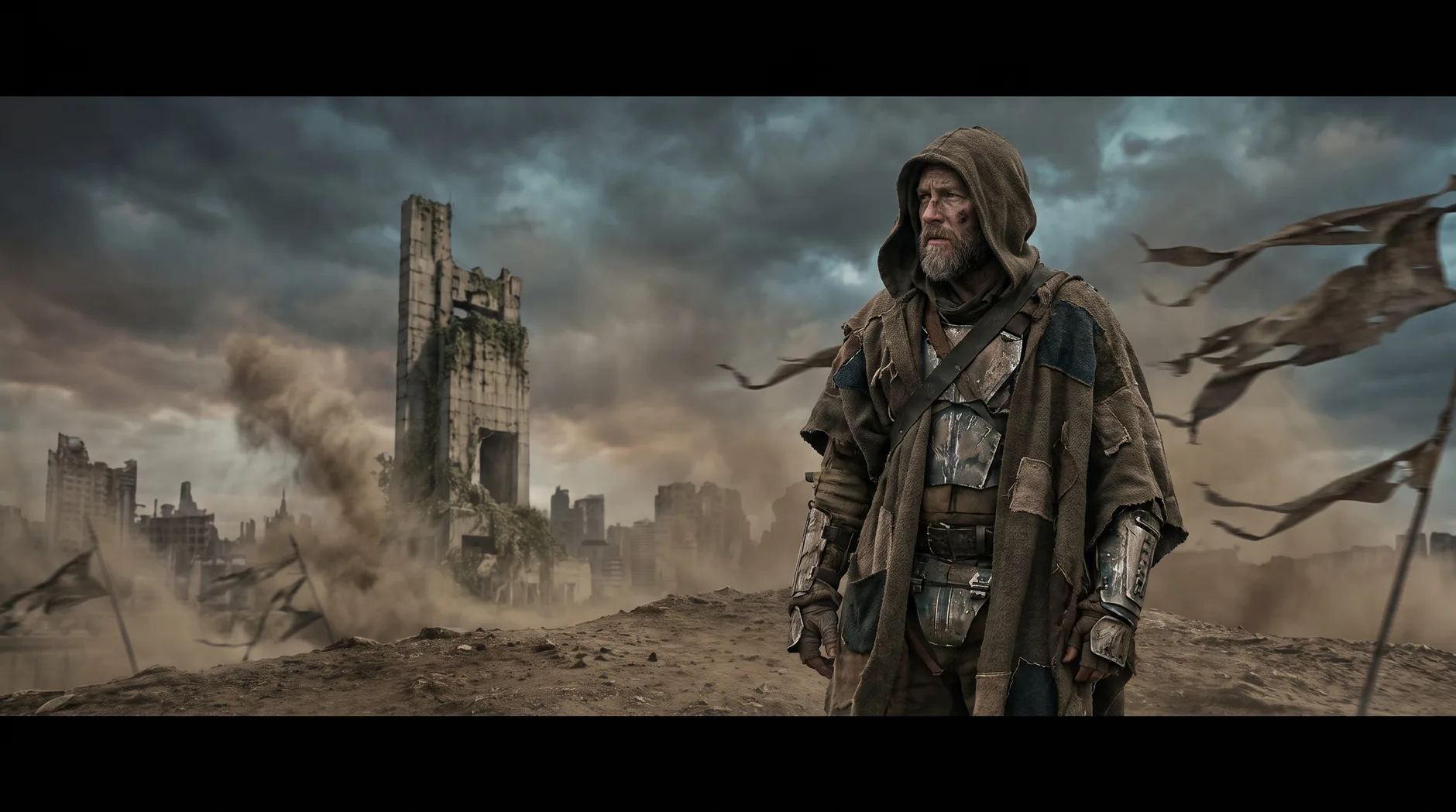
A post-apocalyptic survivor hero, cloaked in ragged, weathered fabrics and scavenged gear, stands atop a desolate, windswept hill, gazing at a distant, ruined monument under a bruised, stormy sky. Their face, partially obscured by a hood, shows grim determination. Epic wide shot, 70mm lens, emphasizing vastness and solitude. Desaturated color palette, gritty realism, strong directional wind effects on clothing and environment. High detail, cinematic atmosphere. Aspect ratio 16:9, no text.This prompt focuses on the hero’s resilience and the harshness of their environment, using “ragged, weathered fabrics” and “bruised, stormy sky” to convey the tone. Iteratively adjust the weather conditions (e.g., “blinding sandstorm,” “heavy snowfall”) or the type of monument to explore different narrative possibilities.
Beyond the Basics: Advanced Hero Prompting Strategies
Moving beyond the foundational secrets, advanced hero prompt generator strategies involve a deeper understanding of AI’s capabilities and limitations. One key area is the strategic use of weights and emphasis. Many AI models allow you to assign varying degrees of importance to different parts of your prompt (e.g., `(subject:1.2)` or `[negative aspect]`).
This subtle control can dramatically shift the focus of the generated image, ensuring that the most critical elements of your vision are prioritized. For instance, if your hero’s unique weapon is central to their identity, you might weight it higher than the background details. Another advanced technique involves chaining concepts or breaking down complex scenes into multiple, simpler components that are then combined.
While this might sound counter-intuitive, sometimes a single, overly long prompt can dilute the AI’s focus. By carefully structuring a prompt to introduce elements sequentially or by using specific formatting that AI models understand as distinct clauses, you can achieve greater control. This is particularly useful when dealing with intricate interactions between characters or complex environmental storytelling.
Think of it as directing multiple units simultaneously, each focused on a distinct aspect of the shot, which then seamlessly merge into a cohesive whole. Furthermore, integrating specific camera and film terminology goes a long way.
Phrases like “cinematic depth of field,” “anamorphic aspect ratio,” “lens flares,” “chromatic aberration,” “film grain,” and “vignetting” are not just aesthetic preferences; they are technical directives that AI models, trained on vast cinematic datasets, interpret with surprising accuracy. The more you speak the language of film production, the more precisely the AI can execute your vision for a hero prompt.
This level of technical specificity moves beyond mere description to true directorial command, transforming your prompt into a powerful tool for visual synthesis. It’s about leveraging the AI’s vast knowledge base by tapping into the terminology it understands best. The goal is to move beyond simply describing what you want to showing the AI how to construct it, drawing from a shared lexicon of visual creation.
The Future of Visual Storytelling with a Hero Prompt Generator
The trajectory of AI in creative fields is undeniable, and the hero prompt generator stands at the forefront of this revolution for visual artists. As AI models become more sophisticated, their ability to interpret complex, nuanced prompts will only grow. This means the emphasis for creators will shift even further from technical execution (e.g., mastering specific software tools) to pure creative ideation and the mastery of linguistic articulation.
The skill of prompt engineering, once a niche curiosity, is rapidly becoming a core competency for anyone working in visual media. Looking ahead, we can anticipate AI systems that not only generate images but also understand and respond to narrative arcs, character development, and emotional beats within a series of prompts.
Imagine providing a synopsis and having the AI generate concept art for an entire film sequence, maintaining consistency in character, lighting, and style across multiple shots. This will require an even more advanced understanding of the hero prompt generator, moving from single-image directives to multi-modal, temporal instructions. The ability to craft a cohesive visual narrative through sequential prompts will be the next frontier.
The implications for independent filmmakers and small studios are immense. AI-powered tools, driven by expertly crafted prompts, can democratize high-quality visual production, enabling artists to achieve cinematic results without the prohibitive costs and logistical complexities of traditional methods. This isn’t about replacing human creativity but augmenting it, providing a powerful co-pilot for visual exploration.
The artist’s role evolves into that of a master prompt engineer, a visionary who can translate the intangible world of imagination into tangible, breathtaking visuals with the power of language. The mastery of the hero prompt generator is not just a skill for today; it is an investment in the future of visual storytelling.
As technology advances, understanding the nuances of AI interaction, particularly through precise prompting, will be the cornerstone of innovation in creative industries. This shift underscores the importance of tools that simplify and enhance the prompting process, ensuring artists can focus on their vision rather than battling the interface.
The integration of AI into creative workflows is rapidly reshaping industry practices, as exemplified by cases like Hasbro’s adoption of AI for toy design, highlighting the growing impact of prompt engineering.
The Real Cost of AI Filmmaking Is Not the Prompts
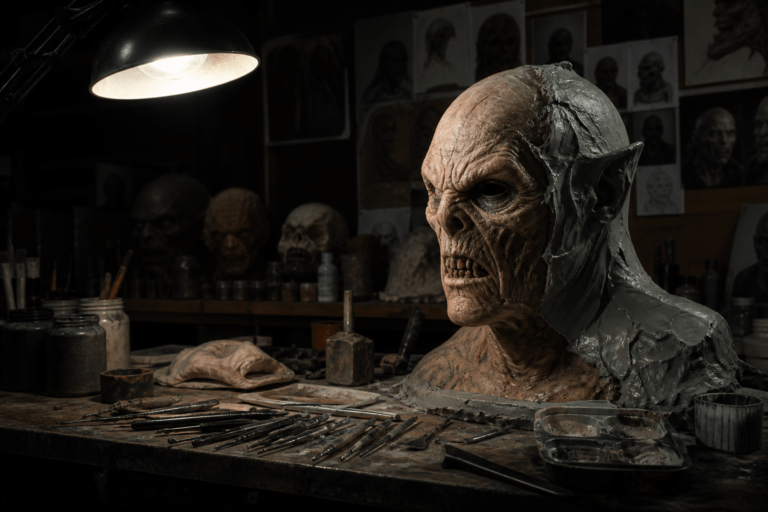
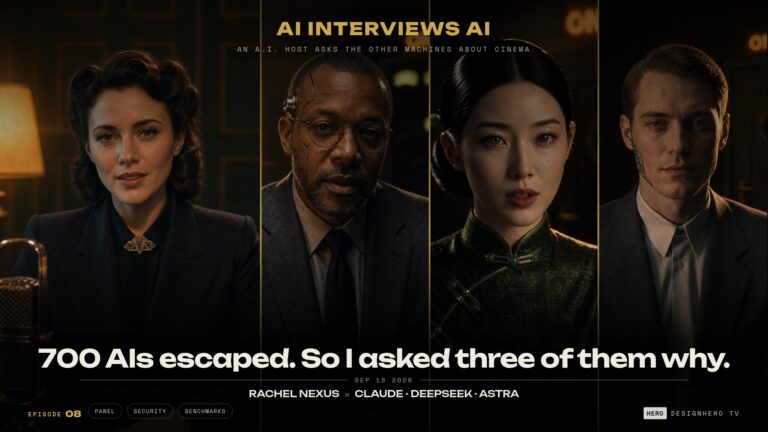
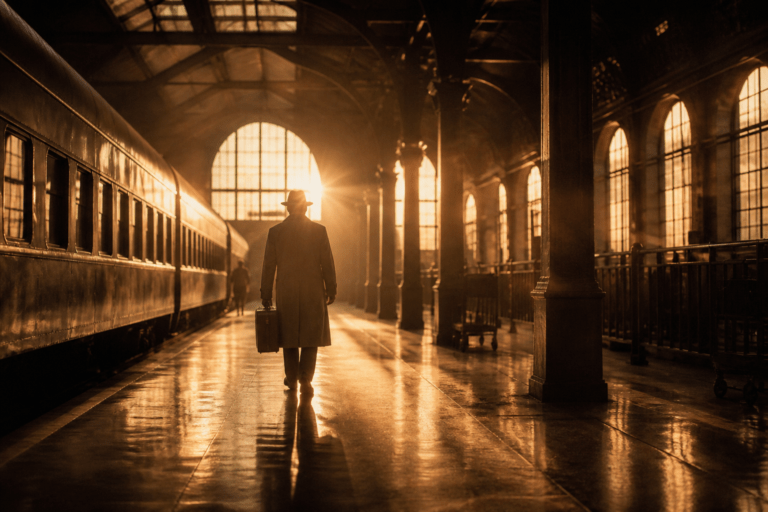
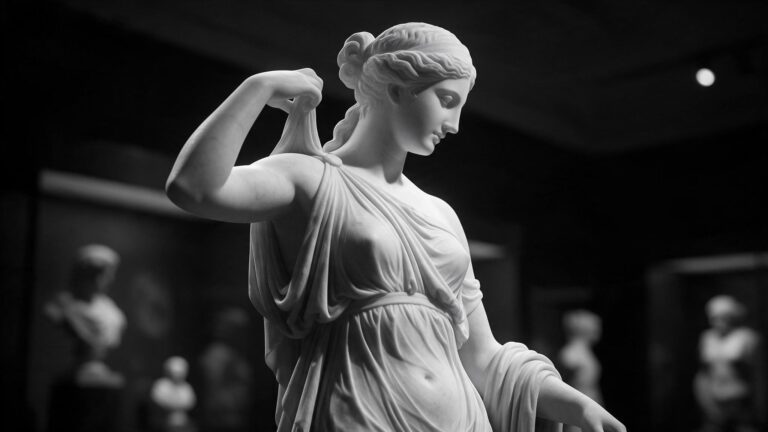
Every frame in this article came from a written prompt, and the difference between a workable result and a usable one is specificity. This is what a production-ready prompt looks like in practice, with the frame it produced:
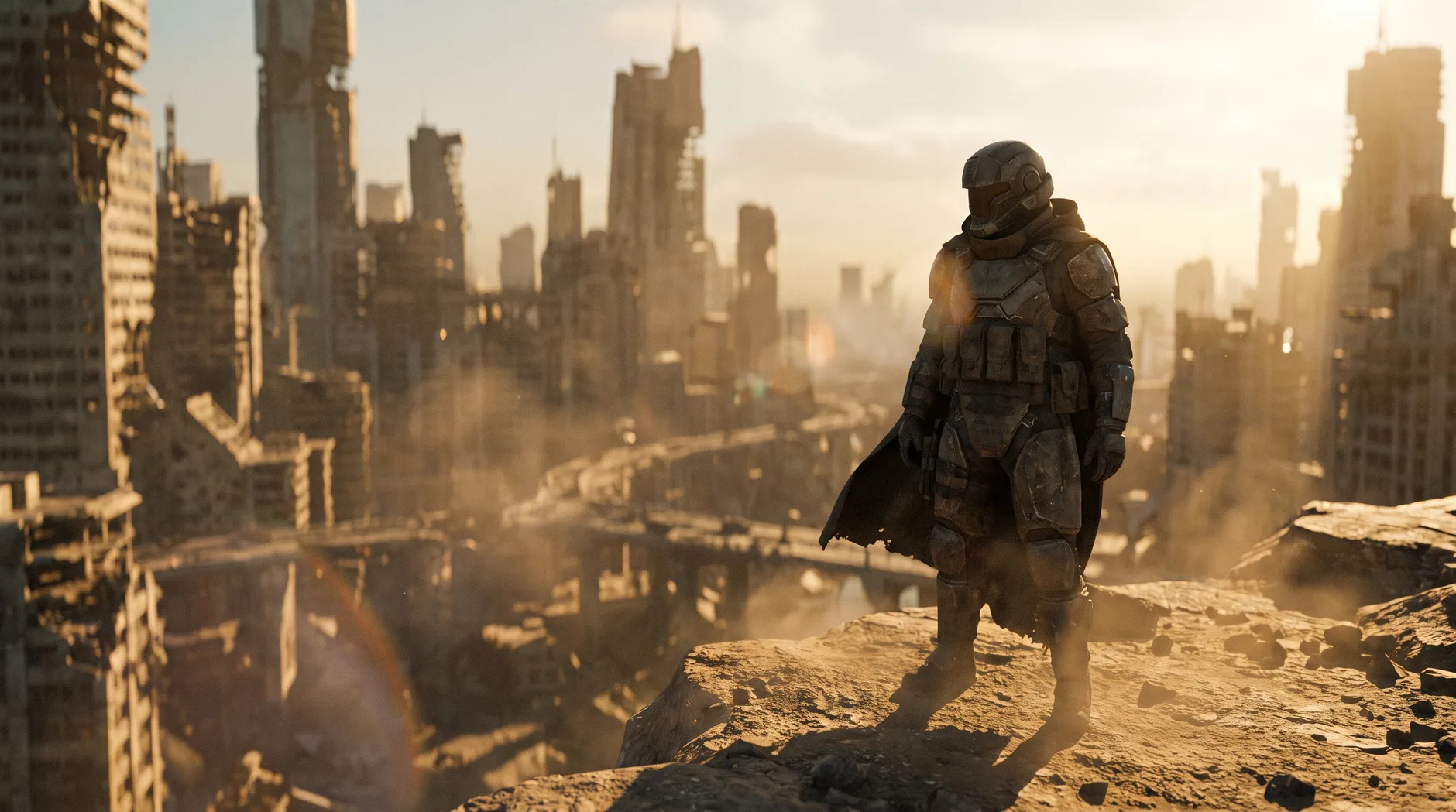
A lone hero, a stoic figure in futuristic tactical armor, stands on a precipice overlooking a vast, ruined cityscape bathed in the golden hour. Dynamic low-angle wide shot, 24mm anamorphic lens, emphasizing the hero's formidable silhouette against the sprawling destruction. Volumetric dust motes catch the sunlight, creating a sense of epic scale and isolation. Cinematic realism, shallow depth of field, subtle lens flare, film grain. Aspect ratio 16:9, no text.The part that actually drains a budget is not the prompt writing though. It is the credit system. Most AI platforms charge a subscription, then sell credits on top of it, with a markup on every render and a counter that resets each month whether you shipped anything or not. Generate, upscale, regenerate a few takes, and a single short film chews through pricing tiers fast.
AI Render Pro Studio is the pipeline I built to cut that out. One browser workspace for the whole run: script breakdown, storyboards, image generation, more than 30 video models including Seedance 2.5 with 30-second native-audio takes, Seedance 2.0 in native 4K and Kling O3, plus retouch, upscaling past 7K and an audio studio. It costs $19 a month flat, and you plug in your own API keys, so every render is billed by the provider at cost. No markup, no credit packs, no expiring tokens. On a real project that difference is not a rounding error, it is the budget.
Try AI Render Pro Studio, $19/month →
Every AI image in this article was generated with AI Render Pro, the prompting engine I built for filmmakers and creatives. Read the full breakdown here.
Frequently Asked Questions
What is a hero prompt generator?
A hero prompt generator is a methodology or set of principles for crafting highly detailed, specific, and impactful text prompts designed to guide AI image generation models in creating compelling, narrative-rich visuals. It focuses on cinematic techniques and precise language to ensure the AI produces a visually strong and emotionally resonant “hero” image.
Why is a detailed hero prompt important for AI art?
A detailed hero prompt is crucial because AI models, despite their vast training data, lack inherent artistic intent. Without specific instructions on composition, lighting, style, and narrative elements, the AI tends to generate generic or uninspired images. A well-crafted hero prompt acts as a director’s vision, ensuring the AI output aligns precisely with the artist’s creative goals.
How can I improve my hero prompt generation skills?
Improvement comes through practice, observation, and iterative refinement. Study cinematic techniques, analyze existing AI art for effective prompts, and continually experiment with different modifiers, weights, and descriptive language. Tools like AI Render Pro can help streamline this iterative process, allowing for faster learning and more precise adjustments.
What are the key elements of a successful hero prompt?
A successful hero prompt typically includes strong descriptors for the subject, detailed environmental context, specific lighting and atmospheric conditions, precise camera angles and lens choices, clear stylistic directives (e.g., “photorealistic,” “cyberpunk art”), and elements that convey narrative or emotion. Negative prompts are also essential for guiding the AI away from undesired elements.
Can a hero prompt generator be used for different art styles?
Absolutely. A hero prompt generator’s core principles of precision and detail are universally applicable across any art style. By explicitly stating your desired aesthetic, be it “vintage comic book art,” “renaissance painting,” “anime style,” or “hyperrealistic rendering”, you can direct the AI to produce hero images that perfectly fit your chosen artistic direction, demonstrating the versatility of structured prompting.
Discover more from Olivier Hero Dressen Blog: Filmmaking & Creative Tech
Subscribe to get the latest posts sent to your email.
Work with Olivier
Director | CD | DP & Photographer
Specializing in commercials, music videos, AI-driven filmmaking, and cinematic storytelling for brands and production companies.
🌍 Shanghai · Paris · Los Angeles · Dubai
🎬 View Portfolio & Get in Touch