

Key Takeaways
- First insight, The Best Years of Our Lives (1946) stands as a monumental achievement in cinema, offering an unflinching and deeply human portrayal of the challenges faced by returning veterans of the Second World War.
- Craft highlight, Director William Wyler’s commitment to authenticity, informed by his own combat experience, resulted in a film that eschewed Hollywood artifice for raw emotional truth, particularly through its groundbreaking use of real veterans like Harold Russell.
- Industry context, Released in the immediate aftermath of the global conflict, the film resonated profoundly with audiences grappling with the social and psychological aftermath of the world war, setting a new standard for post-war drama.
- Bottom line, Its timeless exploration of trauma, adaptation, and the civilian-military divide solidifies The Best Years of Our Lives not just as a definitive world war film, but as one of the most significant and enduring works in cinematic history.
Despite the myriad of cinematic narratives that chronicle the devastating impact of the world war, few have pierced the veil of combat and its aftermath with the profound authenticity and enduring relevance of a singular 1946 drama. This film, a stark reminder that true cinematic greatness often stems not from a soundstage, but from an unflinching gaze at reality, remains a towering achievement. It is a work that transcends its historical moment, offering a definitive, deeply human perspective on the return from conflict, earning its place among cinema’s greatest films.
Need a Director for Your Next Project?
From commercials to branded campaigns—Olivier brings creative vision and technical expertise.
→ View ProjectsUnveiling Cinema’s Greatest World War Drama
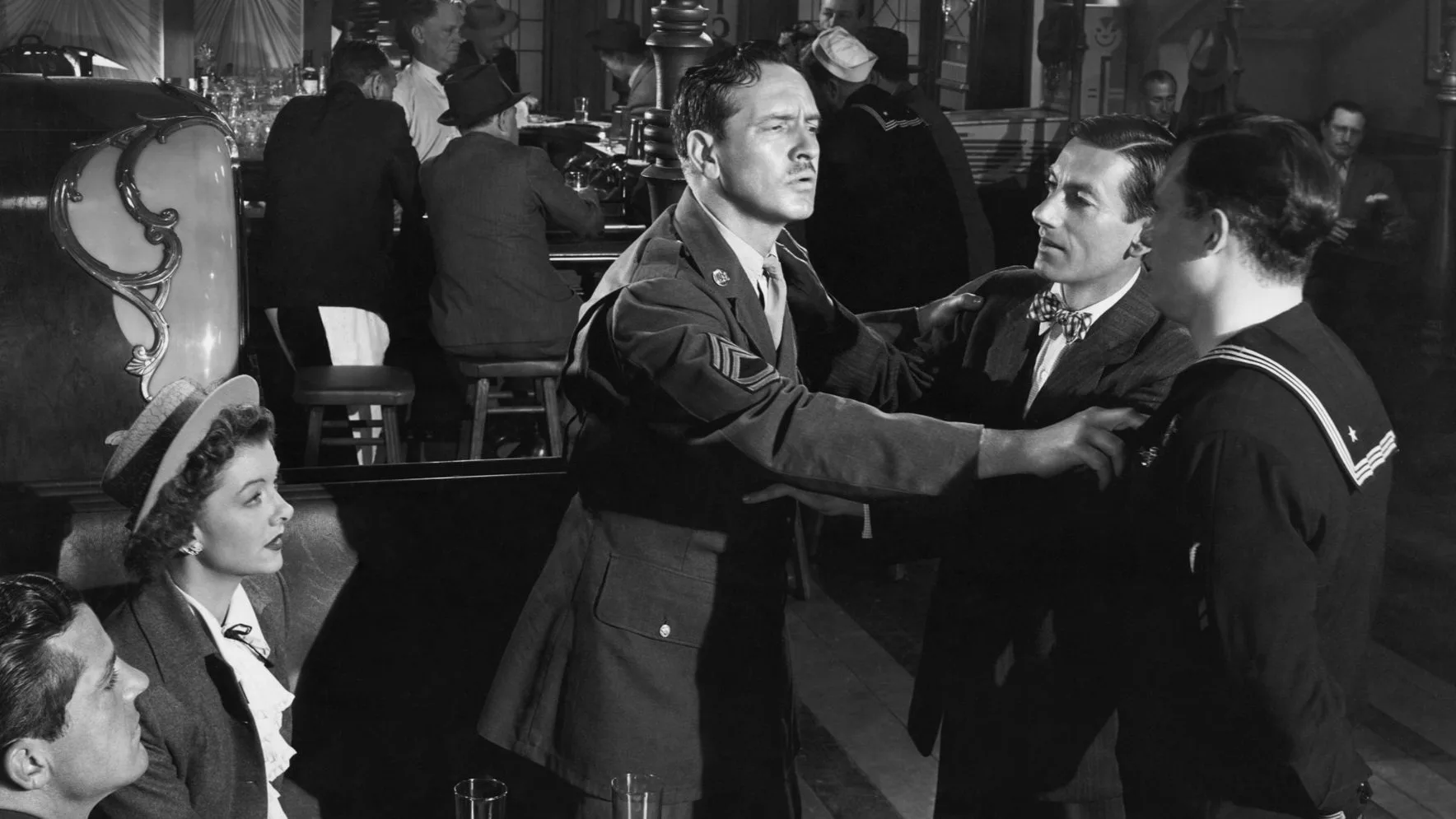
When one attempts to compile a definitive ranking of world war films, the immediate inclination is often to focus on epic battles, heroic deeds, or the grand strategic sweep of conflict. However, true cinematic power frequently resides not in spectacle, but in intimacy. The Best Years of Our Lives, released in 1946, stands as a testament to this principle. Directed by William Wyler, this post-Second World War drama delves into the profoundly personal and societal repercussions of the global conflict, offering a narrative that is as relevant today as it was nearly eight decades ago. It meticulously charts the journey of three returning servicemen, a bomber pilot, an infantry sergeant, and a sailor who lost both hands, as they attempt to reintegrate into civilian life in their hometown of Boone City. This is not a film about the roar of artillery or the tactical genius of generals; it is about the quiet, often agonizing, struggle of individuals to rediscover their place in a world that has moved on, yet is irrevocably changed by the experience of a world war.
The film’s greatness lies in its unflinching honesty. It refuses to romanticize the homecoming or simplify the complex psychological and economic challenges faced by veterans. Instead, it presents a nuanced portrait of adjustment, disillusionment, and the enduring bonds forged in the crucible of war. Wyler, himself a veteran of the Second World War, brought an unparalleled authenticity to the project, insisting on realism in every frame. This commitment extended to casting, notably with Harold Russell, a real-life veteran who had lost both hands in a training accident, playing a character with similar injuries. Such choices elevate the film beyond mere entertainment, transforming it into a poignant historical document and a timeless exploration of the human condition. Its critical acclaim, culminating in seven Academy Awards, including Best Picture, Best Director, and Best Actor for Russell, solidified its place not just as a seminal work about the world war, but as one of the most significant films ever made. It serves as a powerful reminder that the true cost of conflict is often measured long after the last shot is fired, in the lives of those who return. For any filmmaker aiming to capture profound human stories, examining the craft behind such a monumental work can be invaluable, perhaps even using tools like AI Render Pro, the prompting tool for filmmakers and creatives, to visualize complex character emotions. The film’s enduring legacy is a testament to its courage in confronting the difficult truths of post-war existence, making it an indispensable study for anyone seeking to understand the deep scars left by the world war. More details on the film’s historical context can be found on its Wikipedia page.
The Unvarnished Truth of Post-World War Life
The Best Years of Our Lives distinguishes itself by presenting an unvarnished truth about the aftermath of the Second World War, diverging sharply from the often-sanitized portrayals of heroism and national unity that dominated much of the wartime propaganda. The film does not shy away from the harsh realities confronting returning veterans: unemployment, psychological trauma, marital strain, and the struggle to communicate their experiences to a civilian population that, while grateful, often cannot comprehend the depths of what they endured. Fred Derry, the bomber pilot, finds his old soda jerk job unsatisfying and struggles with PTSD, manifesting in nightmares and a sense of alienation. Al Stephenson, the infantry sergeant, grapples with alcoholism and the pressure to conform to middle-class expectations, finding solace in his understanding wife but facing internal turmoil. Homer Parish, the sailor, confronts not only his physical disabilities but also the fear of being seen as an object of pity, particularly by his fiancée. These interwoven narratives paint a comprehensive picture of a society in flux, trying to heal from the wounds of a global world war.

What makes this portrayal so powerful is its absolute commitment to realism. Wyler chose not to film on lavish soundstages for many crucial scenes, instead opting for a gritty authenticity that reflected the lived experiences of the time. The film’s sets, while constructed, were designed to feel like real homes, real workplaces, and real bars, imbuing the narrative with a sense of verisimilitude. This approach allowed the emotional core of the story to resonate with an audience that was, in many cases, experiencing similar challenges firsthand. The film’s success stemmed from its ability to validate the struggles of millions, giving voice to the unspoken anxieties and frustrations of a generation profoundly impacted by the world war. It offered a mirror, not a fantasy, and in doing so, achieved a level of emotional depth that few films before or since have matched. This dedication to depicting reality, even when uncomfortable, stands as a cornerstone of its enduring legacy and a critical lesson for filmmakers aiming for impact. The raw emotional honesty of the film resonates deeply, much like the precision required for selecting the right Hero’s Essentials: filmmaker gear and tools to capture such nuanced performances. The film’s approach to realism was groundbreaking, as noted by film historians and critics, illustrating how a departure from typical studio practices can yield profound artistic results. For further insight into the film’s production and historical context, an article from BBC Culture provides an excellent analysis.
William Wyler: The Master Craftsman Behind the World War Narrative
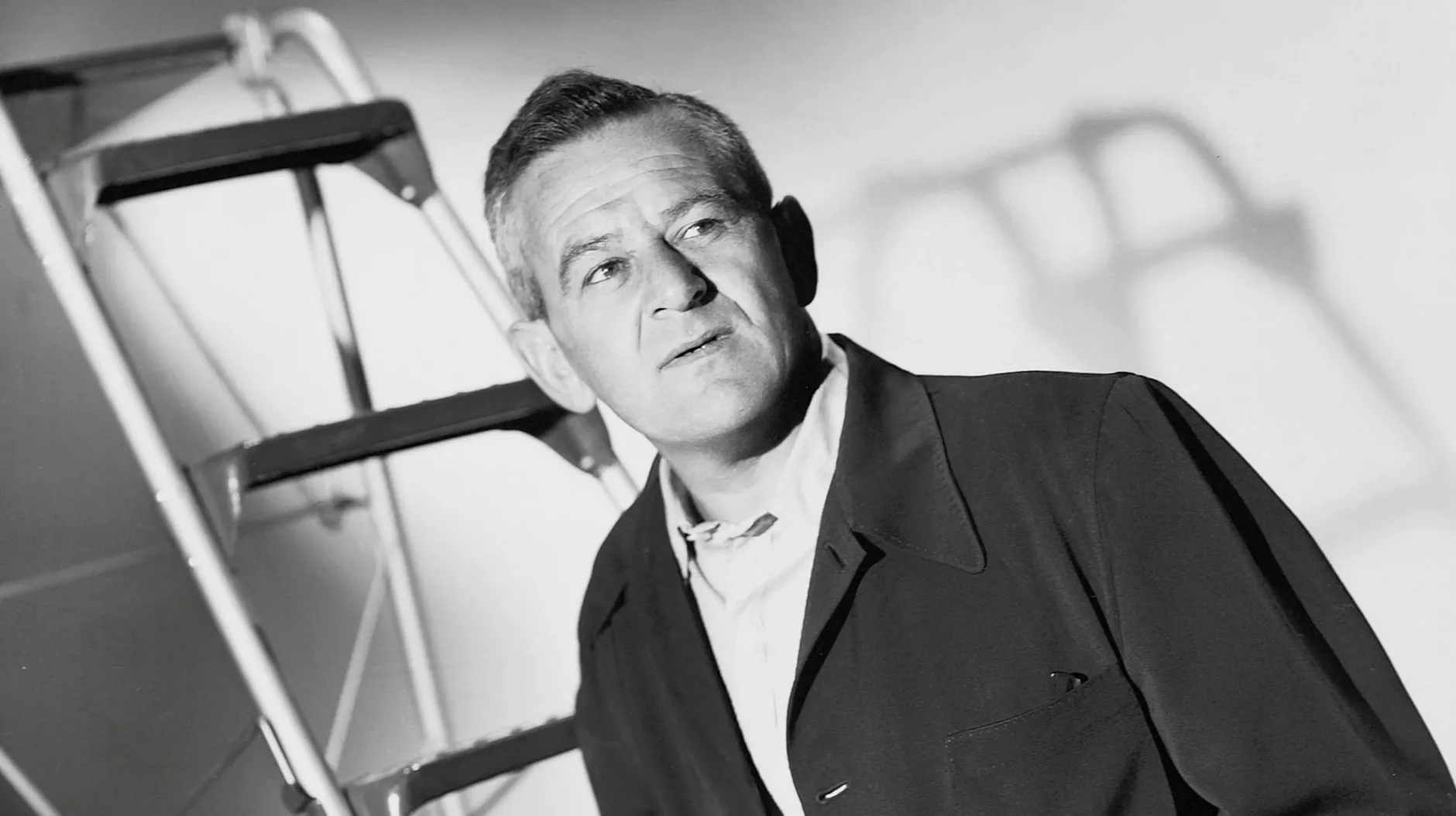
The visionary force behind The Best Years of Our Lives was director William Wyler, a man whose personal experiences during the Second World War profoundly shaped the film’s meticulous realism and emotional gravitas. Wyler, a highly respected filmmaker even before the war, voluntarily joined the U.S. Army Air Forces and served as a major, directing several documentaries, including the acclaimed Memphis Belle: A Story of a Flying Fortress. His combat experience, particularly his participation in dangerous bombing missions and his temporary hearing loss from a plane crash, gave him an intimate understanding of the physical and psychological toll of war. This personal insight was invaluable in translating MacKinlay Kantor’s novella, “Glory for Me,” into a screenplay that pulsated with authenticity. Wyler insisted on a naturalistic acting style, long takes, and deep focus cinematography, allowing the audience to observe the characters’ interactions and emotional states without artificial cuts or close-ups dictating their reactions. This technique fostered a sense of voyeurism, drawing viewers into the characters’ lives as if they were present observers.
Wyler’s direction was characterized by an unwavering commitment to truth. He was known for his demanding nature, often requiring numerous takes from his actors to achieve the precise emotional nuance he sought. Yet, this rigor was not born of ego, but from a profound respect for the subject matter and the real veterans it represented. He understood that superficiality would betray the gravity of the experiences depicted. His choice to cast Harold Russell, a non-professional actor and actual veteran with disabilities, in a pivotal role was a radical decision for Hollywood at the time, further cementing the film’s dedication to authenticity over conventional casting. This decision, along with Wyler’s masterful handling of the ensemble cast, resulted in performances that felt less like acting and more like genuine human experience. His ability to weave together three distinct yet interconnected narratives, each dealing with different facets of post-world war adjustment, demonstrated a directorial command that few could rival. Wyler’s contribution to cinema, particularly through this definitive world war film, underscores the power of a director’s lived experience to elevate storytelling beyond mere craft into profound art. For those interested in the intricacies of directorial vision and cinematic technique, exploring resources like Fantaspoa, Latin America’s Largest Genre Film Festival, Wraps After Screening for a Record 550,00 Fans; ‘Interior’ Leads Winning Titles (EXCLUSIVE) can offer insight into the diverse world of film direction.
Casting Authenticity and the Impact of Harold Russell
🎬 AI Render Pro Studio, the AI film production suite I built and use on my own productions. Script breakdown, storyboards, 30+ video models including Seedance 2.5 and Kling O3, image generation, retouch, 7K upscaling and audio, all in one browser workspace. $19/month flat, bring your own API keys and pay providers at cost, no credit packs, no markup. Try AI Render Pro Studio →
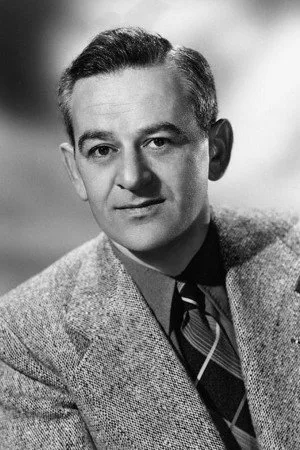
The casting of The Best Years of Our Lives was revolutionary, particularly in its bold decision to feature Harold Russell, a real-life veteran who had lost both hands in a training accident, as one of the three main protagonists. This choice was a direct embodiment of the film’s editorial angle: that true cinematic greatness often stems not from a soundstage, but from an honest reflection of reality. Russell, a former paratrooper instructor, had initially appeared in a U.S. Army documentary about rehabilitation for disabled veterans, where William Wyler saw him and was immediately struck by his natural presence and resilience. Wyler recognized that no professional actor, regardless of their skill, could truly replicate the lived experience and emotional depth that Russell brought to the role of Homer Parish. His performance was not merely acting; it was a profound sharing of his own journey, lending an unparalleled authenticity to the film’s portrayal of physical disability and the psychological challenges of reintegration after the world war.
Russell’s presence on screen was transformative, not just for the film, but for Hollywood itself. He learned to act with his hooks, performing everyday tasks like lighting a cigarette, pouring a drink, or embracing his fiancée, with a naturalism that was both heartbreaking and inspiring. His scenes, particularly those where he struggles with simple actions or confronts the pity of others, are among the most powerful in the film. The Academy of Motion Picture Arts and Sciences recognized his extraordinary contribution with two Oscars: one for Best Supporting Actor and an honorary award “for bringing hope and courage to his fellow veterans.” This dual recognition was unprecedented and underscored the unique impact of his portrayal. Beyond Russell, the casting of Fredric March as Al Stephenson and Dana Andrews as Fred Derry also played a crucial role. Both actors, seasoned professionals, delivered performances of quiet despair and desperate hope, grounding their characters in a palpable realism. March, in particular, conveyed the internal struggle of a man haunted by the world war, yet outwardly maintaining a facade of normalcy. This combination of professional excellence and raw, authentic experience created an ensemble that felt utterly genuine, making the film’s exploration of post-world war life profoundly resonant. The authenticity achieved through such casting choices provides a powerful lesson for aspiring filmmakers, highlighting the importance of genuine representation, a principle often discussed in articles about creative integrity, such as those found on DesignHero Shop, filmmaker merch and creative tools. A detailed account of Harold Russell’s life and his impact can be found in various historical archives and film studies, including those referenced by The New York Times.
The Screenplay: Robert Sherwood and the Power of Adaptation
The bedrock of The Best Years of Our Lives‘s emotional impact is its meticulously crafted screenplay, penned by Robert E. Sherwood. Based on MacKinlay Kantor’s blank verse novella “Glory for Me,” Sherwood’s adaptation transformed a poetic narrative into a deeply realistic and profoundly moving drama. Sherwood, a Pulitzer Prize-winning playwright and speechwriter for Franklin D. Roosevelt, brought a keen understanding of both human psychology and national sentiment to the project. Having witnessed the societal shifts and personal struggles brought on by the world war firsthand, he was uniquely positioned to articulate the anxieties and hopes of a nation transitioning from conflict to peace. His screenplay is a masterclass in character development and dialogue, allowing each of the three protagonists, Al, Fred, and Homer, to represent different facets of the veteran experience while maintaining their individuality. The dialogue is naturalistic, often understated, yet carries immense emotional weight, reflecting the difficulty many veterans faced in verbalizing their wartime experiences and their struggles to adjust.
Sherwood’s genius lay in his ability to weave together three distinct storylines, each with its own challenges and triumphs, into a cohesive and compelling whole. He understood that the film needed to explore not just the veterans’ individual struggles, but also the ripple effect their return had on their families, relationships, and broader community. The screenplay deftly handles themes of marital fidelity, economic hardship, societal acceptance, and the search for purpose after profound trauma. It avoids easy answers or simplistic resolutions, instead embracing the messy, complicated reality of post-world war life. For instance, Fred Derry’s struggle to find meaningful employment and his deteriorating marriage are depicted with brutal honesty, while Homer Parish’s journey toward self-acceptance and love is handled with tender sensitivity. Sherwood’s adaptation was praised for its fidelity to the underlying human truth, rather than a literal interpretation of the source material. His work earned him an Academy Award for Best Adapted Screenplay, a testament to his profound contribution to this definitive world war film. The precision and depth in Sherwood’s writing highlight the importance of storytelling in filmmaking, a craft that can be enhanced by a deeper understanding of narrative structure and character arc. This kind of nuanced storytelling is at the heart of effective communication, a skill that transcends mediums, from scriptwriting to crafting compelling 8 Ultimate AI Prompts for Editorial Fashion.
Cinematography and Sound: A Subtle World War Masterpiece
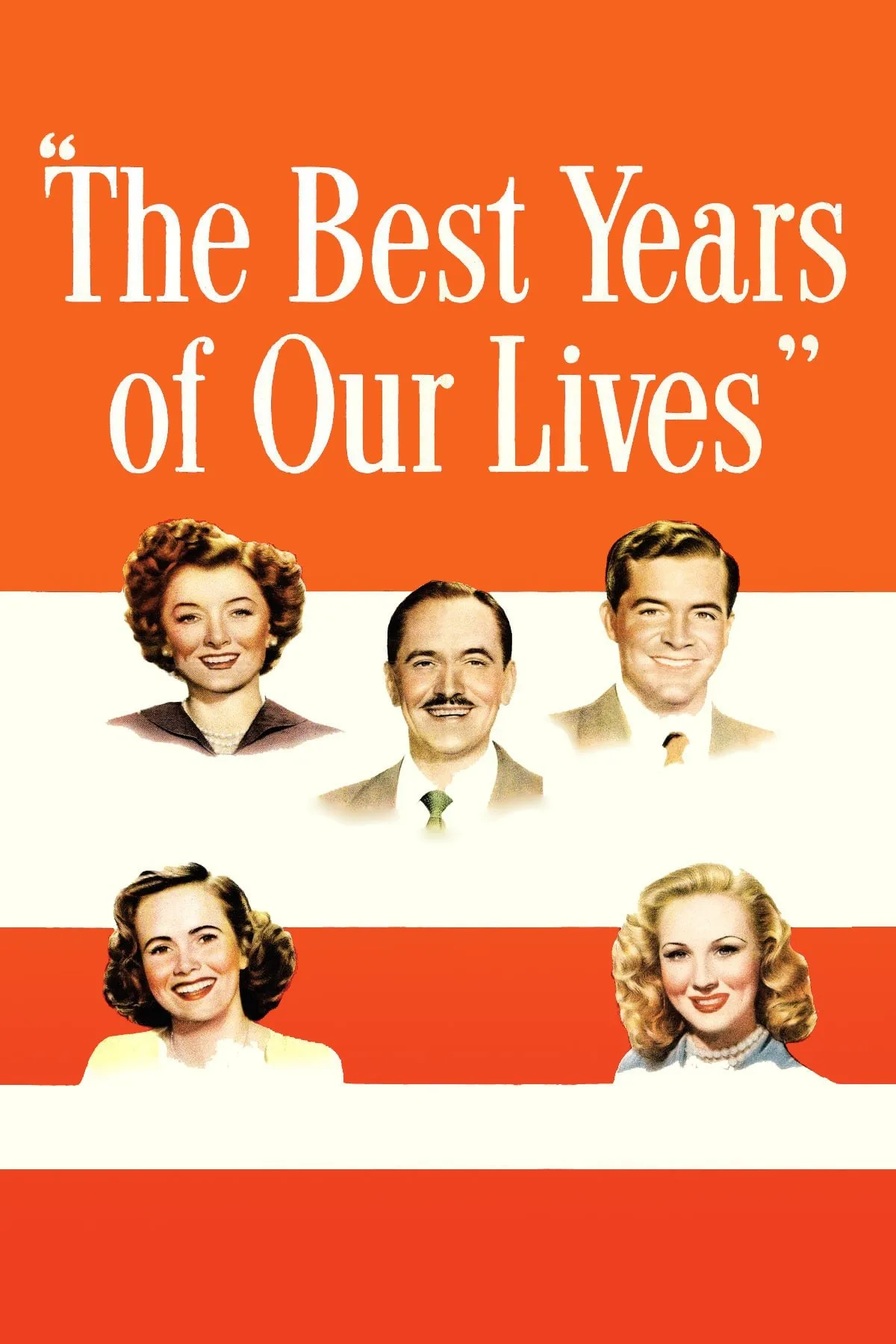
The technical brilliance of The Best Years of Our Lives, particularly its cinematography and sound design, plays a crucial role in grounding its emotional realism. Cinematographer Gregg Toland, a master of deep focus photography, collaborated closely with William Wyler to create a visual style that mirrors the film’s thematic depth. Deep focus allowed Wyler to keep multiple planes of action in sharp focus simultaneously, encouraging the audience to engage with the entire frame and observe the subtle interactions between characters and their environment. This technique was groundbreaking, allowing for complex staging within a single shot, such as the famous scene where Homer plays the piano in the foreground while his fiancée watches him in the background, both in clear focus. This visual strategy reinforced the film’s naturalistic approach, allowing scenes to unfold organically without relying on rapid cuts or artificial close-ups to heighten drama. It conveyed a sense of objective observation, inviting the viewer to witness the unfolding lives of the characters without overt manipulation.
Beyond its visual innovations, the film’s sound design, though perhaps less overtly revolutionary than its cinematography, was equally effective in creating an immersive experience. The absence of a bombastic, overly dramatic score for much of the film allowed the natural sounds of post-world war life, the clinking of glasses in a bar, the chatter of a busy street, the quiet intimacy of a home, to take precedence. Hugo Friedhofer’s score, when it does appear, is used sparingly and with great emotional intelligence, underscoring moments of tenderness, despair, or hope without overwhelming the narrative. This subtle approach to sound further contributed to the film’s authenticity, making the world of Boone City feel palpable and real. The deliberate use of silence in certain poignant moments, particularly when characters struggle to articulate their trauma from the world war, speaks volumes. It allows the audience to sit with the characters in their discomfort, fostering a deeper empathy. The meticulous attention to both visual and auditory details illustrates how technical elements, when handled with artistic integrity, can profoundly enhance storytelling, transforming a compelling narrative into a timeless world war masterpiece. Such precision in craft is what defines exceptional filmmaking and inspires creators to seek out the best tools and techniques, including those like the 7 Overlooked Facts About the Nikon Lens! that contribute to visual excellence.
Critical Reception and Enduring Legacy of a World War Film
Upon its release in 1946, The Best Years of Our Lives was met with overwhelming critical acclaim and immense commercial success, resonating deeply with a nation still grappling with the immediate aftermath of the Second World War. Critics lauded its honesty, its powerful performances, and William Wyler’s masterful direction. It became the highest-grossing film in the United States and the United Kingdom since Gone with the Wind, a clear indication of its profound connection with the public consciousness. The film’s success was not merely a fleeting moment of post-war catharsis; it quickly cemented its status as a classic. At the 19th Academy Awards, it swept the major categories, winning seven Oscars, including Best Picture, Best Director for Wyler, Best Actor for Fredric March, Best Supporting Actor and a special honorary award for Harold Russell, Best Screenplay for Robert E. Sherwood, and Best Film Editing. This unprecedented recognition underscored its artistic merit and its cultural significance as a definitive world war narrative.
The film’s enduring legacy extends far beyond its initial accolades. It is consistently ranked among the greatest films of all time by critics, filmmakers, and audiences alike. Its unflinching portrayal of veteran issues, PTSD, unemployment, disability, and marital strain, was pioneering and continues to influence how these topics are depicted in cinema. It set a benchmark for realism in post-war dramas, inspiring subsequent generations of filmmakers to explore the psychological and social costs of conflict with similar depth. Moreover, the film’s empathetic approach to its characters and its exploration of universal themes of adaptation, resilience, and the search for meaning ensure its timeless appeal. It continues to be studied in film schools and discussed in academic circles for its narrative structure, directorial techniques, and its historical importance. As a cultural artifact, it offers invaluable insight into the American experience of the mid-20th century and the long shadow cast by the world war. The impact of this film cannot be overstated; it remains a powerful reminder of cinema’s capacity to reflect, interpret, and shape our understanding of significant historical events and the human spirit. Its enduring relevance highlights the power of storytelling to connect generations and provide context for contemporary issues, making it a crucial reference point for understanding the evolution of film as a medium. The film’s continued relevance is frequently discussed in film journals and historical analyses, such as those found on reputable news sources like Variety, which often revisit its impact.
Beyond the Battlefield: The Psychological Scars of World War II
While the Second World War was fought on battlefields across the globe, The Best Years of Our Lives meticulously illustrates that some of the deepest wounds were psychological, carried home by veterans long after the fighting ceased. The film is a groundbreaking exploration of what we now understand as post-traumatic stress disorder (PTSD), though the term itself was not formally recognized until decades later. Fred Derry’s nightmares, his inability to adjust to civilian work, and his emotional detachment from his wife are clear manifestations of the profound trauma he endured as a bomber pilot. His struggle to articulate his experiences, and the inability of those who stayed home to truly comprehend them, creates a chasm of understanding that isolates him. This theme is echoed in Al Stephenson’s escalating alcoholism and his moments of profound introspection, revealing a man deeply affected by the horrors he witnessed as an infantry sergeant, struggling to reconcile his wartime self with his pre-war identity. The film subtly depicts how the seemingly mundane aspects of civilian life can trigger powerful, often overwhelming, memories of the world war.
Homer Parish’s journey, while visibly marked by physical injury, also delves into the psychological burden of disability and the fear of social stigma. His initial reluctance to allow his fiancée to see him without his prosthetics speaks to a deeper fear of vulnerability and perceived inadequacy, a common psychological hurdle for many disabled veterans. The film highlights the societal pressure to “move on” and “forget,” which often compounded the internal struggles of returning soldiers. It challenges the simplistic narrative of heroic homecoming, revealing a more complex reality where psychological scars are often more debilitating than physical ones. By focusing on these internal battles, The Best Years of Our Lives provided a vital, early cinematic voice to the mental health crisis faced by veterans of the world war, paving the way for future films to address these issues with greater nuance. It served as a crucial cultural touchstone, helping a society that was eager to celebrate victory to also acknowledge the profound human cost. The insights offered by the film into the psychological aftermath of conflict are timeless, prompting continued discussion and research into veteran mental health, a topic frequently covered by organizations like the U.S. Department of Health & Human Services.
A Timeless Reflection on Humanity and the Cost of World War
Ultimately, The Best Years of Our Lives transcends its specific historical context to offer a timeless reflection on humanity, resilience, and the profound, multifaceted cost of the world war. While rooted in the American experience of post-Second World War adjustment, its themes of trauma, reintegration, societal expectation, and the enduring power of human connection are universal. The film argues that the true measure of a society’s strength lies not just in its ability to wage war, but in its capacity to heal its returning heroes and integrate them back into the fabric of civilian life. It challenges audiences to look beyond the parades and the platitudes, to confront the quiet struggles that often define the aftermath of global conflict. The narrative avoids cynicism, instead offering a hopeful, albeit realistic, vision of recovery and renewal. The characters, despite their immense challenges, find ways to adapt, to love, and to build new futures, often with the support of understanding family and friends. This nuanced portrayal of hope amidst despair is one of the film’s most enduring strengths.
The film’s exploration of class differences, economic anxieties, and the evolving roles of women in post-world war society also lends it a remarkable depth and continued relevance. It depicts a changing America, grappling with its identity as a global power while its citizens struggled with personal reconstruction. The delicate balance between individual suffering and collective healing is masterfully maintained throughout the narrative. William Wyler’s directorial choices, coupled with Robert E. Sherwood’s incisive screenplay and the authentic performances, coalesce into a cinematic experience that is both deeply personal and broadly societal. It serves as a powerful reminder that the echoes of a world war resonate for generations, shaping individual lives and national identities long after the peace treaties are signed. This film is not merely a historical document; it is a living testament to the human spirit’s capacity for endurance and the perpetual need for empathy and understanding in the wake of profound upheaval. Its lessons on storytelling and human connection are invaluable for any creative endeavor, much like understanding the principles of 7 Ultimate Flat Design Prompts for Cute Art can simplify complex visual narratives. The film’s universal themes continue to resonate, making it a staple in film studies and discussions about the human impact of conflict.
Every AI illustration in this article was crafted using AI Render Pro, the same prompting engine used across this blog. Read the full breakdown here.
Frequently Asked Questions
What makes The Best Years of Our Lives so significant among world war films?
Its significance lies in its groundbreaking realism and emotional depth, focusing on the psychological and social challenges faced by returning veterans rather than on combat itself. It provided an unflinching look at post-war life, which was revolutionary for its time.
Who directed The Best Years of Our Lives, and what was their connection to the world war?
The film was directed by William Wyler, who himself was a veteran of the Second World War, having served in the U.S. Army Air Forces and directed combat documentaries. His personal experience deeply informed the film’s authenticity and nuanced portrayal of veteran struggles.
What was unique about the casting in The Best Years of Our Lives?
The film uniquely cast Harold Russell, a real-life veteran who had lost both hands in a training accident, in a prominent role. This choice brought unparalleled authenticity to the portrayal of disability and the challenges of reintegration after the world war.
Did The Best Years of Our Lives receive critical acclaim?
Yes, it received overwhelming critical acclaim and commercial success, winning seven Academy Awards, including Best Picture, Best Director, Best Actor (Fredric March), and two awards for Harold Russell (Best Supporting Actor and an honorary award).
What enduring themes does The Best Years of Our Lives explore?
The film explores timeless themes such as post-traumatic stress, the difficulty of reintegration into civilian life, marital strain, economic hardship, and the enduring power of human connection and resilience in the face of profound trauma caused by the world war.
Discover more from Olivier Hero Dressen Blog: Filmmaking & Creative Tech
Subscribe to get the latest posts sent to your email.

Work with Olivier
Director | CD | DP & Photographer
Specializing in commercials, music videos, AI-driven filmmaking, and cinematic storytelling for brands and production companies.
🌍 Shanghai · Paris · Los Angeles · Dubai
🎬 View Portfolio & Get in Touch