

Key Takeaways
- Box office domination, Super Mario Galaxy Movie hits $629M worldwide in just 12 days, becoming the highest-grossing Hollywood release of 2026.
- $700M in sight, With Japan (April 24) and Korea (April 29) still to open, the Mario Bros. sequel is tracking to cross $700M by next weekend.
- Franchise power, Now the third-highest-grossing video game adaptation ever, trailing only the original Mario Bros. Movie Super Mario Bros. Movie ($1.36B) and A Minecraft Movie ($960M).
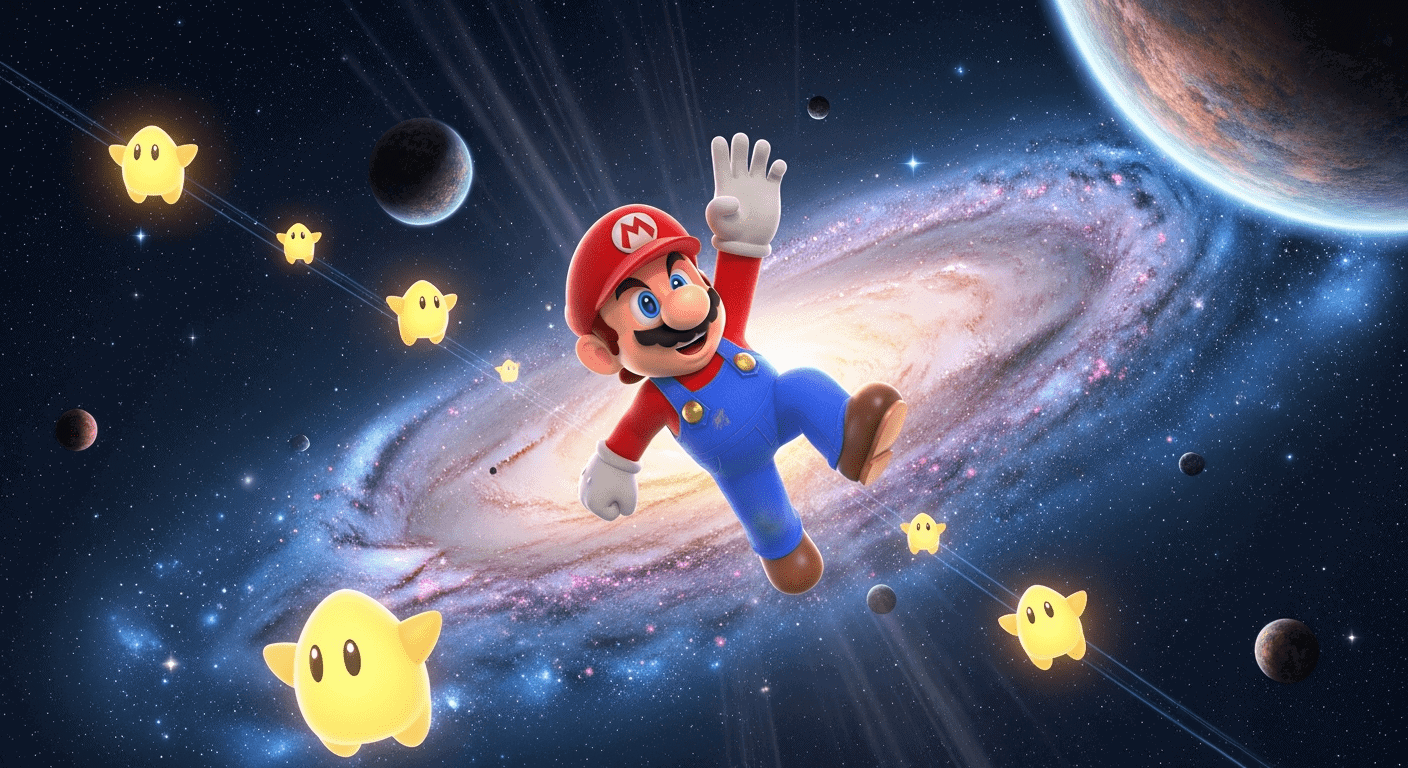
- Animation excellence, Illumination Paris delivers stunning cosmic visuals that justify the IMAX premium, with Brian Tyler’s orchestral score elevating the spectacle.
The Numbers That Matter
Opening Weekend Explosion
The Super Mario Galaxy Movie opened to $131.7 million domestically over Easter weekend, the fourth-biggest Easter opening of all time. But the real story is the global number: $357 million worldwide, a box office 2026 record in its first three days. That’s not just good; that’s unprecedented for an animated sequel. The original Super Mario Bros. Movie opened to $377 million globally in 2023, so the drop-off everyone feared simply didn’t materialize. As someone who’s tracked theatrical performance across genres, I can tell you this kind of hold is rare. Second weekend drops for animated sequels typically run 45-55%. Mario Galaxy dropped just 38%, audiences are coming back, bringing friends, upgrading to IMAX.Territory Breakdown
The domestic/international split tells its own story. North America accounts for roughly 48% of the gross ($302M), while international markets have delivered $327M. Key territories:- UK, $47M (strongest per-capita performance)
- France, $38M (Illumination’s home turf advantage)
- Germany, $32M
- Australia, $28M
- Mexico, $25M
- Brazil, $22M
Why This Sequel Works
The Smart Expansion Strategy
Nintendo and Illumination didn’t just make “more Mario.” They understood that the first film’s success came from nostalgia plus genuine craft, then asked the right question: where can we take this that feels fresh but familiar? The answer was space, specifically, the Super Mario Galaxy games from 2007 and 2010. These aren’t just beloved titles; they’re considered the artistic peak of the Mario franchise. The gravity mechanics, the orchestral score, the emotional Rosalina backstory, all of it translates beautifully to film. Director Aaron Horvath and Michael Jelenic made the smart choice to lean into the cosmic scope rather than trying to cram in every Nintendo property.Emotional Stakes That Land
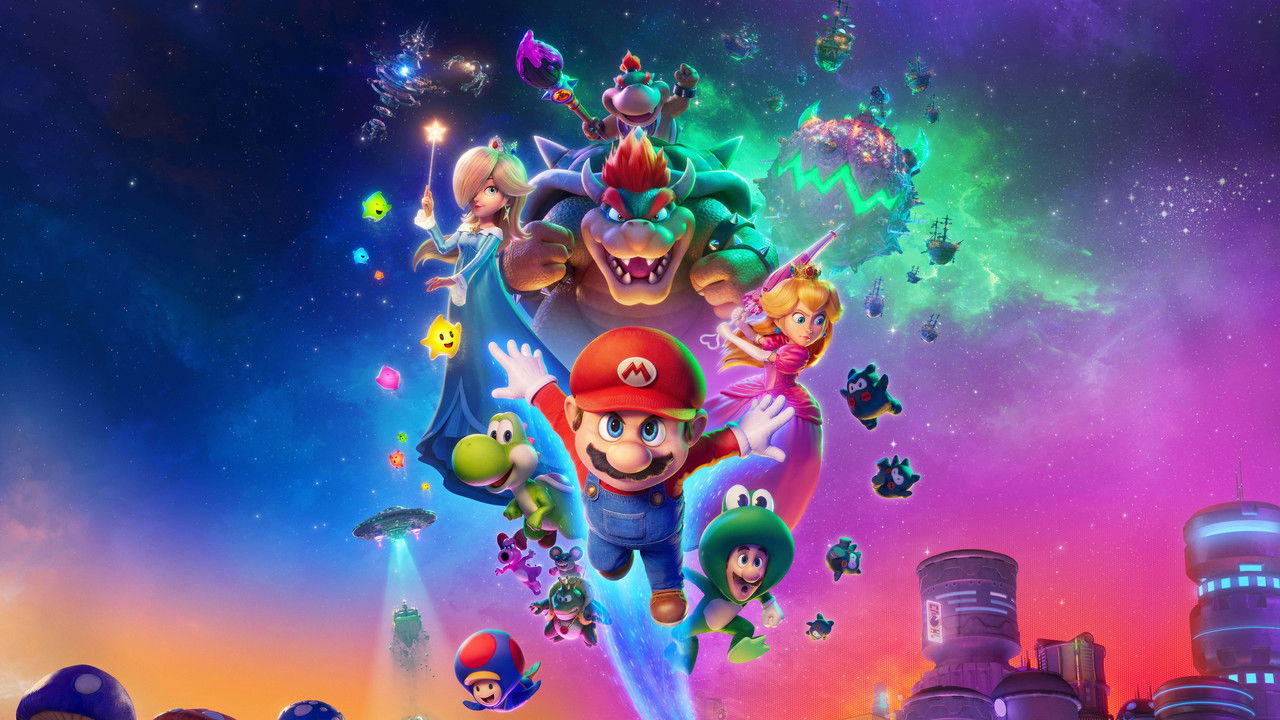
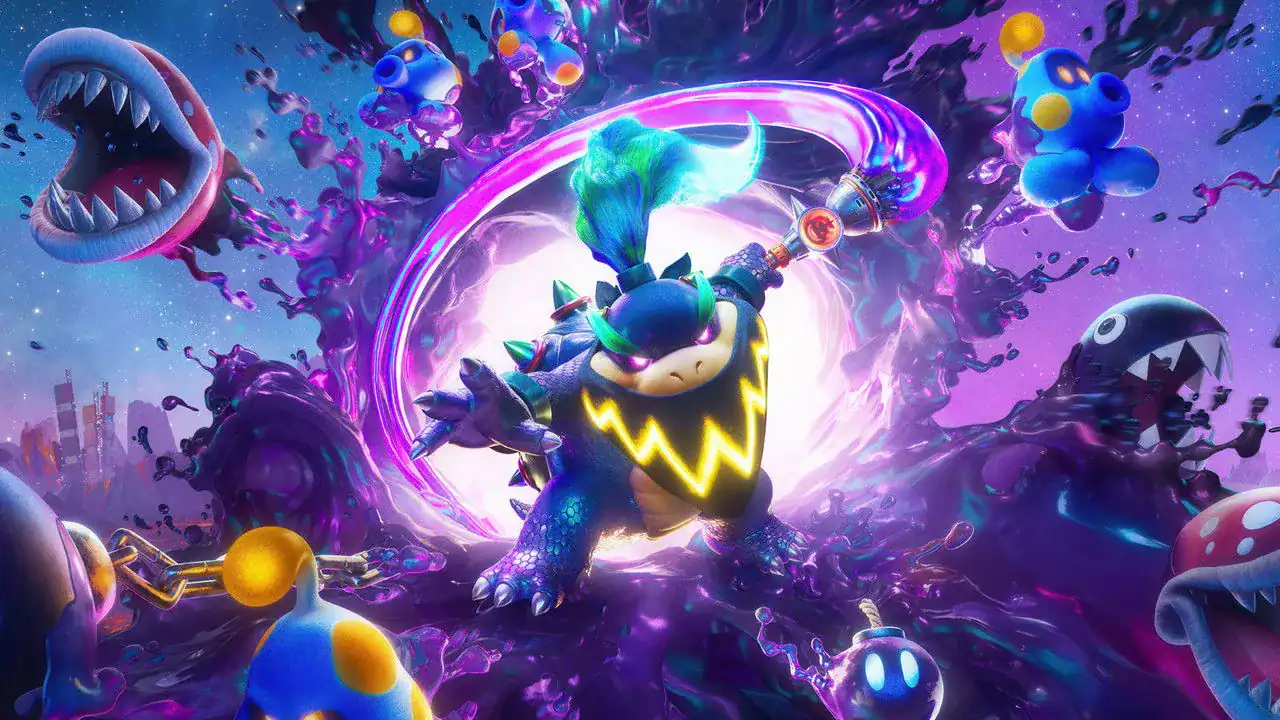
The first film was pure propulsion, kinetic, colorful, relentless. Galaxy takes a breath. Brie Larson’s Rosalina brings genuine melancholy to the picture. Her backstory about losing her mother and adopting the Lumas as her own family gives the film an emotional anchor that the original lacked. Meanwhile, Benny Safdie’s Bowser Jr. is the breakout. Where Jack Black’s Bowser was played for laughs with surprising pathos, Bowser Jr. is genuinely menacing in his desperation to restore his father’s honor. It’s the kind of character work that elevates genre material.Illumination’s Craft Breakdown
Animation Quality
Illumination Studios Paris handled the animation, and they’ve leveled up significantly. The cosmic environments, particularly the Comet Observatory and the various planetoids, showcase lighting work that rivals Pixar. Each galaxy has a distinct color palette and physics. The attention to how light bends around gravity wells, how stars reflect off Mario’s eyes during space walks, it’s genuinely impressive work from a studio often dismissed as “just Minions.” For filmmakers interested in rendering workflows and visual development, Galaxy is worth studying. The hybrid approach, photorealistic backgrounds with stylized characters, creates depth without breaking the cartoony charm.Brian Tyler’s Score
Composer Brian Tyler returns, and he’s brought a 70-piece orchestra. The arrangements of Koji Kondo’s original Galaxy themes hit different in a theater with proper sound. The Gusty Garden Galaxy arrangement during the film’s climactic sequence is destined to become a concert staple. Tyler understands something crucial: the Galaxy games had music that transcended their medium. These weren’t chiptune callbacks, they were genuine orchestral pieces that happened to exist in a video game. Translating that to film required respecting the source while giving it cinematic scale.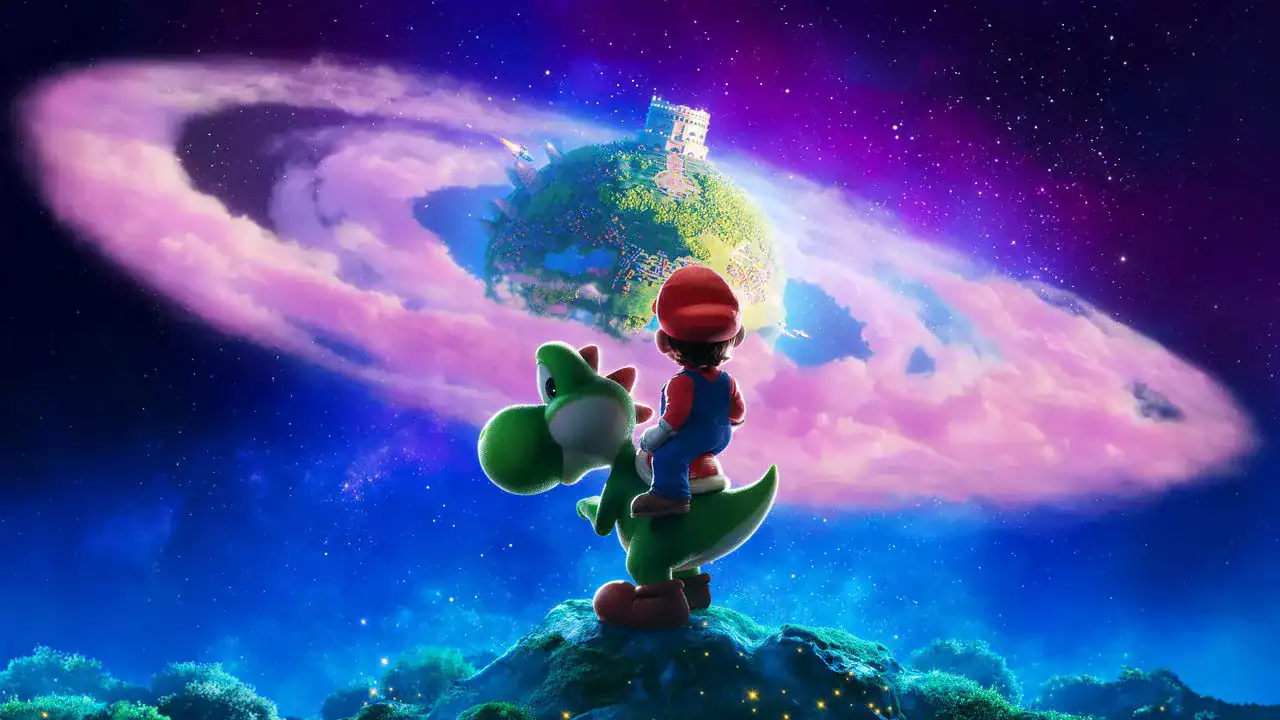
Voice Cast Performance
The Returning Players
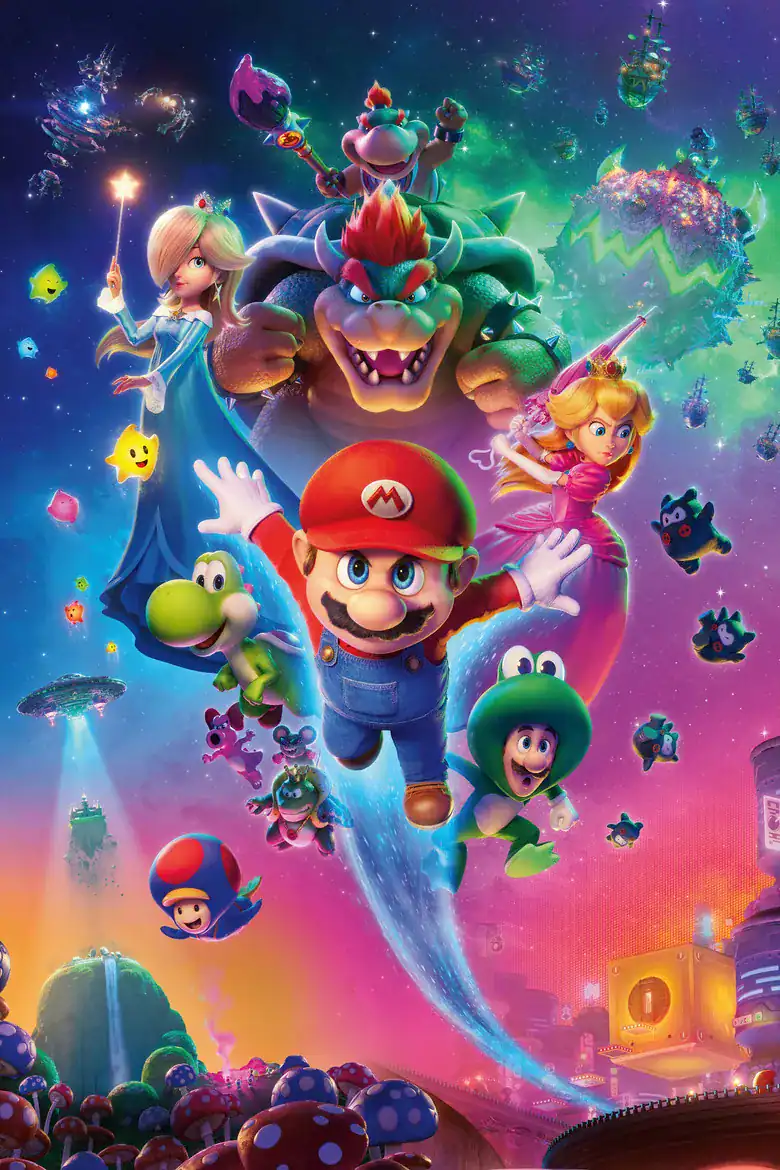
Chris Pratt’s Mario remains divisive but effective. He’s dialed back the “wahoo” energy this time, letting the animation carry more of the comedy. Anya Taylor-Joy continues to make Peach far more capable than her game counterpart, her chemistry with Charlie Day’s Luigi provides the film’s best comic relief.The New Additions
Donald Glover as Yoshi is inspired casting. He brings warmth and humor to what could have been pure comic relief, and his dynamic with Keegan-Michael Key’s Toad creates a secondary friendship that mirrors Mario and Luigi without copying it. Brie Larson makes Rosalina the emotional center. Her vocal performance walks a delicate line, ethereal and sad without becoming maudlin. When she finally explains her backstory through the film’s storybook sequence (a direct lift from the game that absolutely works), Larson’s restraint makes it hit harder than it should.Box Office Trajectory
The Path to $700M
Current worldwide total: $629M after 12 days. Here’s the math:- Domestic remaining run, likely $80-100M more
- Current international markets, $50-70M more
- Japan opening (April 24), projected $120-150M total
- Korea opening (April 29), projected $40-50M total
Competition Landscape
The timing is nearly perfect. Project Hail Mary has run its course at $500M worldwide, still profitable for Universal, but not a repeat viewer draw. The next major family release is still weeks away. Galaxy owns April. For context on how studios time releases, understanding the distribution strategy landscape helps explain why Universal pushed for Easter rather than summer.What This Means for Video Game Adaptations
The New Template
Five years ago, video game movies were box office poison. Now we have three entries in the box office 2026 billion-dollar club (Minecraft at $960M and climbing, the original Mario at $1.36B) with Galaxy likely to join them. The template is clear:- Respect the source material, Nintendo’s involvement isn’t just branding; Miyamoto actively shapes creative decisions
- Cast for performance, not just star power, Every voice actor in Galaxy understands their character
- Don’t over-explain, Mario doesn’t need an origin story; audiences accept the premise
- Invest in craft, $110M budget shows on screen
What’s Next for Nintendo Films
Reports suggest a Donkey Kong film is in development, along with persistent rumors about Legend of Zelda. If Galaxy crosses $900M, expect Nintendo to accelerate their theatrical roadmap significantly. The question becomes: can they maintain quality at scale? Nintendo’s track record suggests they’d rather delay than release something subpar, a philosophy that’s served them well in gaming and now, it seems, in film.Production Insights: Behind the Galaxy
The Animation Pipeline
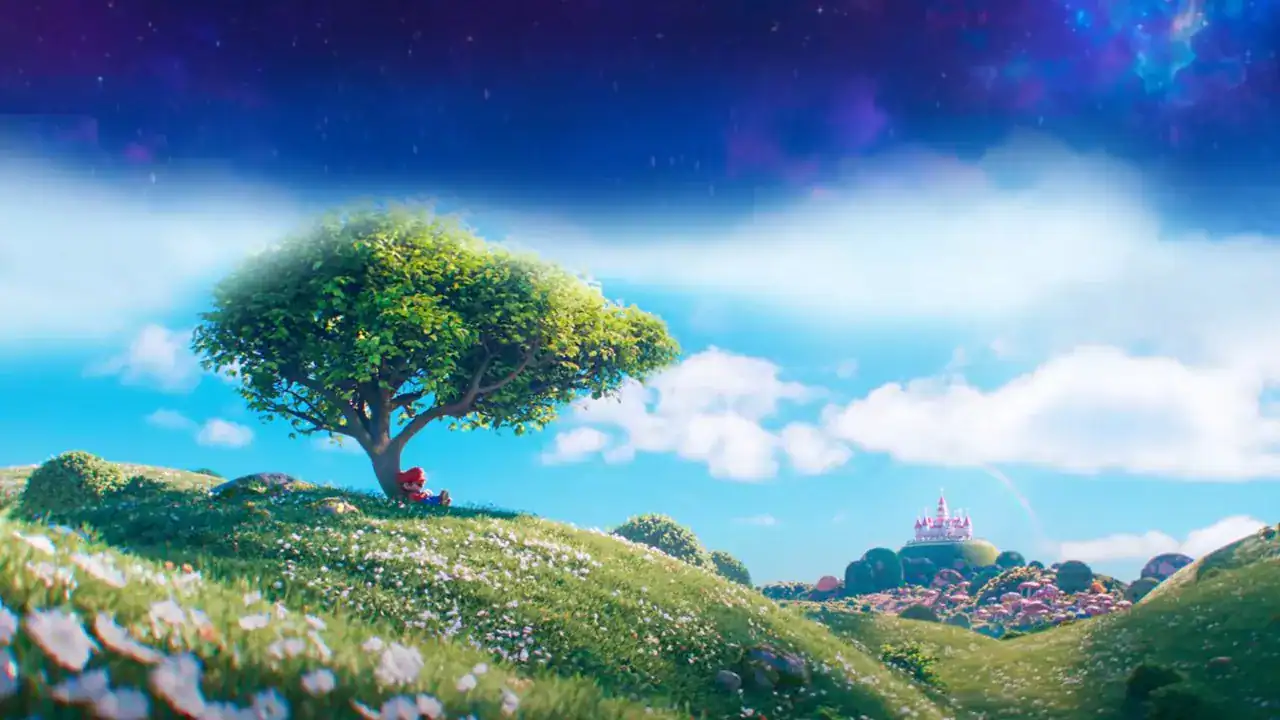
Illumination Studios Paris completed animation in November 2025, with post-production wrapping in January 2026. The production timeline was remarkably efficient, roughly 24 months from greenlight to final delivery. For comparison, most Pixar films require 4-5 years. This speed comes from Illumination’s proprietary rendering technology, which allows for faster iteration without sacrificing quality. The Super Mario Galaxy Movie required over 1,500 unique assets, more than double the original. Each galaxy environment needed its own physics simulation for the gravity mechanics. The Rainbow Road sequence alone took six months to complete, with animators hand-keyframing every star trail and light refraction.Nintendo’s Creative Involvement
Shigeru Miyamoto served as executive producer, and by all accounts, his involvement was hands-on. In interviews, directors Horvath and Jelenic described weekly video calls with Nintendo’s creative team in Kyoto. Every character model required approval. Every sound effect had to match the games or be explicitly cleared as a new interpretation. This level of control might sound restrictive, but it’s precisely why the film works. Nintendo understands their characters better than any external studio ever could. When Miyamoto pushed back on an early Rosalina design for being “too sad,” the creative team found a balance that preserved her melancholy without making her mopey. That’s the difference between collaboration and interference.The Sound Design Challenge
Creating audio for space presents a unique problem: space is silent. But Mario games have never been realistic, they’re stylized interpretations. Sound designer Dennis Leonard developed what he called “Galaxy logic”: sounds travel through the magical energy that connects each planetoid. It’s nonsense physics, but it’s consistent nonsense physics, which is all you need. The coin collection sound remains the most satisfying audio cue in modern cinema. Leonard layered the classic game sound with a subtle reverb that suggests the vastness of space while maintaining that dopamine-hit clarity. Small details, massive impact.Marketing Analysis: How Universal Sold the Stars
The Trailer Strategy
Universal released three trailers, each with distinct goals. The teaser (November 2025) established tone, this would be bigger, more emotional, more cosmic. The second trailer (January 2026) introduced Yoshi and Donald Glover, generating massive social media engagement. The final trailer (March 2026) went full spectacle, showcasing the Rainbow Road sequence and Bowser Jr.’s villainy. For those of us who study how technology shapes content distribution, the trailer rollout was textbook. Each release was timed to dominate a news cycle, Game Awards, Nintendo Direct, and the pre-Easter hype window.Cross-Platform Synergy
Nintendo leveraged every platform they own. The Nintendo Today! app offered daily collectible cards. The Switch home menu featured promotional content. Even the Nintendo Store locations transformed into Galaxy-themed experiences. This kind of synergy is only possible when the IP holder controls both the source material and significant retail presence. The SMBPlumbing.com website revival was a masterstroke of continuity marketing. Fans who discovered it during the first film’s campaign returned to find new content, creating a sense of ongoing narrative between the films.Critical Reception: The Reviews Debate
The Professional Critics
Galaxy sits at 62% on Rotten Tomatoes, notably lower than the original’s 59% (which had a lower critic score but higher audience score). Critics praised the animation and score while criticizing the pacing and “thin emotional beats.” The consensus: visually stunning, narratively safe. Here’s my take: professional critics are grading on a different curve. They’re comparing Galaxy to Hayao Miyazaki or the best of Pixar. But Galaxy isn’t trying to be Spirited Away, it’s trying to be the best possible Mario movie. On that metric, it succeeds entirely.Audience Response
The audience score tells a different story: 94% on Rotten Tomatoes, A on CinemaScore. Families are returning multiple times. The Reddit discussions focus on Easter eggs and soundtrack appreciation rather than narrative critique. This disconnect between critics and audiences isn’t new, but it’s particularly stark for video game adaptations. What critics miss is that video game films operate on a different emotional register. The satisfaction isn’t in narrative surprise, it’s in recognition, in seeing beloved characters rendered beautifully, in hearing familiar music swell at the right moment. Galaxy delivers on every count.Franchise Future: Where Nintendo Goes Next
Confirmed Projects
Nintendo has confirmed that more animated films are in development, though specific properties remain unannounced. Speculation centers on Donkey Kong (which had a post-credits tease in the first Mario film) and The Legend of Zelda. Both present unique creative challenges, Donkey Kong needs to differentiate from the Mario universe while maintaining tonal consistency, while Zelda’s more serious fantasy tone would require a completely different approach.The Cinematic Universe Question
Will Nintendo build a Marvel-style cinematic universe? The post-credits scene in Galaxy certainly suggests interconnection is coming. But Nintendo has historically resisted forced crossovers in their games, each franchise maintains its own identity. Smart money says they’ll allow subtle connections without forcing team-ups that don’t serve the individual stories. The Super Smash Bros. concept, bringing all Nintendo Mario Bros. characters together, would seem like an obvious cinematic destination. But rushing there would be a mistake. Each franchise needs room to establish itself independently first. If Nintendo maintains their current quality standard, we’re looking at a 5-7 year runway before any crossover event makes sense.The Bottom Line
Final Verdict
The Super Mario Galaxy Movie does what sequels rarely accomplish: it expands the world while deepening the emotional stakes. The cosmic setting isn’t just visual spectacle (though it absolutely delivers on that front), it’s an opportunity for genuine character development that the first film didn’t have room for. Is it a masterpiece of animated cinema? No. The pacing drags in the second act, and some of the humor falls flat for adults. But it’s a genuinely good film that treats its source material with respect while finding its own identity. For anyone interested in character-driven storytelling or the craft of animation, Galaxy delivers. At $629M and climbing, the box office 2026 numbers show audiences have voted with their wallets. The Super Mario Galaxy Movie isn’t just a hit, it’s proof that the Nintendo cinematic universe has legs. Somewhere, Miyamoto is smiling.For more box office analysis and film industry coverage, follow our blog. And if you’re a filmmaker interested in how AI tools are changing production workflows, check out our coverage of AI image enhancement and next-generation editing tools.
How much has the Super Mario Galaxy Movie made at the box office?
The Super Mario Galaxy Movie has grossed $629 million worldwide in just 12 days, making it the highest-grossing box office 2026 release so far. With Japan and Korea still to open, it’s tracking toward $900 million or more.
Who are the voice actors in the Super Mario Galaxy Movie?
The Mario Bros. sequel features Chris Pratt as Mario, Anya Taylor-Joy as Princess Peach, Charlie Day as Luigi, Jack Black as Bowser, Keegan-Michael Key as Toad, Brie Larson as Rosalina, Benny Safdie as Bowser Jr., and Donald Glover as Yoshi.
When does the Super Mario Galaxy Movie release in Japan?
The Super Mario Galaxy Movie releases in Japan on April 24, 2026, and in Korea on April 29, 2026. The film premiered in the United States on April 1, 2026.
Is the Super Mario Galaxy Movie a sequel to the 2023 film?
Yes, the Super Mario Galaxy Movie is a direct sequel to The Super Mario Bros. Movie (2023), which grossed $1.36 billion worldwide. The sequel is produced by Illumination and Nintendo, with Shigeru Miyamoto returning as executive producer.
What video games inspired the Super Mario Galaxy Movie?
The film takes inspiration primarily from Super Mario Galaxy (2007) and Super Mario Galaxy 2 (2010) for the Nintendo Wii. The cosmic setting, gravity mechanics, and characters like Rosalina and the Lumas all originate from these beloved games.
Will there be a third Mario Bros. movie?
While no official announcement has been made, the box office 2026 success of the Super Mario Galaxy Movie makes a third installment highly likely. Reports suggest Donkey Kong and Legend of Zelda films are also in development at Nintendo and Illumination.
Discover more from Olivier Hero Dressen Blog: Filmmaking & Creative Tech
Subscribe to get the latest posts sent to your email.
Need a Director for Your Next Project?
From commercials to branded campaigns—Olivier brings creative vision and technical expertise.
→ View Projects
Work with Olivier
Director | CD | DP & Photographer
Specializing in commercials, music videos, AI-driven filmmaking, and cinematic storytelling for brands and production companies.
🌍 Shanghai · Paris · Los Angeles · Dubai
🎬 View Portfolio & Get in Touch