

Key Takeaways
- First insight, True cinematic shots are not accidental beauty; they are meticulously engineered narrative tools, designed to evoke specific emotion and advance the story.
- Craft highlight, Understanding the deliberate interplay of light, composition, and camera movement is paramount to crafting impactful cinematic shots. Exploring **gimbal techniques for cinematic** is one key way to achieve this.
- Industry context, The pursuit of authentic visual storytelling through precise shot design elevates commercial work and distinguishes serious filmmakers in a saturated market. This often involves mastering **gimbal techniques for cinematic**.
- Bottom line, Every frame must serve a purpose; a well-executed cinematic shot is a precise instrument of communication. One technique to achieve this is through skillful deployment of **gimbal techniques for cinematic**.
The Anatomy of Cinematic Shots
A truly effective cinematic shot is not a happy accident. It is a calculated decision. Every element within the frame, from the depth of field to the color palette, contributes to its meaning. When we speak of cinematic shots, we are discussing the very bedrock of visual storytelling. It’s the difference between merely recording an event and crafting an experience. Consider the work of Roger Deakins, ASC, BSC. His approach to cinematography is surgical. In Blade Runner 2049, the vast, desolate landscapes are not just backdrops; they are characters. The scale, the specific haze, the muted tones, these are all meticulously controlled elements that define the emotional state of the world and its inhabitants. The ARRI Alexa 65, used on that production, allowed for immense detail and a specific textural quality. This is not about expensive gear for its own sake. It is about choosing the right tool for a precise visual objective. The craft demands this level of specificity. Learning gimbal techniques for cinematic can also make the difference.Composition: The Foundation of Impact
Composition is the silent architect of emotion. It dictates where the eye travels, what information is prioritized, and what feeling is conveyed. Rule of thirds is a starting point, not a dogma. Negative space, leading lines, framing within the frame, these are tools. Think of the precise, almost painterly compositions in Stanley Kubrick’s Barry Lyndon, shot by John Alcott, BSC. Every single shot is a tableau, meticulously arranged, often using natural light or candle light. The symmetry, the deliberate placement of characters within the vastness of the frame, communicates isolation and societal rigidity. These are not just pretty pictures; they are narrative statements. They are quintessential cinematic shots because they convey meaning beyond their literal content. Achieving this level of artistry often means mastering gimbal techniques for cinematic.Depth of Field: Controlling Focus and Emotion
Depth of field is a powerful, often overlooked, storytelling device. It directs attention. A shallow depth of field isolates a subject, drawing the viewer into their internal world. A deep depth of field places the subject within a broader context, emphasizing their relationship to their environment. Emmanuel Lubezki, ASC, AMC, frequently employs deep focus in his work, for instance in The Revenant. This choice allows the audience to absorb the brutal, expansive wilderness simultaneously with Hugh Glass’s struggle. The landscape becomes an active antagonist. Conversely, a tight close-up with extreme shallow depth of field, blurring everything but the subject’s eyes, can create intense intimacy or paranoia. These are deliberate choices, not technical defaults. They define the emotional entry point for the audience into the narrative. Utilizing specific gimbal techniques for cinematic in such shots is also important.Light, Shadow, and the Language of Cinematic Shots
Shaping Emotion with Hard and Soft Light
The quality of light, hard or soft, fundamentally alters the perception of a scene. Hard light, characterized by sharp shadows and high contrast, often conveys drama, tension, or harsh reality. Think of film noir, where stark shadows create a world of moral ambiguity and danger. The work of Gregg Toland, ASC, in Citizen Kane, with its deep-focus photography and dramatic chiaroscuro lighting, is a masterclass in using hard light to define character and mood. Or consider the intense, almost brutal sunlight in many Westerns, highlighting the ruggedness of the landscape and its inhabitants. Conversely, soft light, with its gentle transitions and diffused shadows, creates a sense of intimacy, romance, or tranquility. It can soften features, evoke nostalgia, or suggest a dreamlike state. Many romantic comedies or intimate dramas rely heavily on soft, naturalistic lighting to make characters feel approachable and vulnerable. These are not arbitrary choices; they are calculated decisions to guide the audience’s emotional response to the cinematic shots. Sophisticated gimbal techniques for cinematic can enhance these choices.Color and Contrast: Beyond Realism
Color is another potent, often subconscious, narrative tool. A deliberate color palette can reinforce themes, differentiate characters, or signal shifts in mood. The vibrant, almost hyper-real colors in Wes Anderson’s films, for example, are a signature. They create a distinct, whimsical world that is often at odds with the underlying melancholy of his characters. This intentional use of color is part of what makes his cinematic shots so recognizable and effective. Contrast, both tonal and chromatic, further refines this language. High contrast can create a sense of urgency or conflict, while low contrast can evoke a feeling of calm or ambiguity. The desaturated, almost monochromatic palette of The Road (shot by Javier Aguirresarobe) perfectly conveys the bleak, post-apocalyptic world and the characters’ struggle for survival. It’s a choice that goes beyond mere aesthetics; it’s integral to the story’s emotional core. The careful execution of gimbal techniques for cinematic contributes significantly to such visual storytelling.Movement and Framing: Engineering the Cinematic Shot
The Power of the Static Frame
While movement often grabs attention, the static frame holds its own profound power. A locked-off shot, where the camera remains perfectly still, forces the audience to observe, to absorb every detail within the composition. It can create a sense of objectivity, isolation, or profound observation. Yasujirō Ozu’s films are a prime example. His low-angle, static shots often place the viewer as an observer within the scene, creating a sense of calm contemplation. This deliberate stillness allows the emotional weight of dialogue and character interaction to take precedence. It’s a bold choice in an industry often obsessed with dynamic camera work, but it proves that some of the most powerful cinematic shots are those that simply invite you to look, and to feel. The lack of movement can be more impactful than any elaborate crane shot, demanding attention through its unwavering gaze. Even within static frames, subtle gimbal techniques for cinematic can provide essential stabilization.Dynamic Camera Work: Guiding the Eye
Conversely, dynamic camera work actively guides the viewer’s eye and emotional journey. A tracking shot can immerse the audience in a character’s experience, following them through a complex environment. Think of the famous long takes in Alfonso Cuarón’s Children of Men, shot by Emmanuel Lubezki. These extended, fluid sequences are not just technical marvels; they are designed to create a visceral, unbroken sense of reality and urgency. The camera becomes an active participant, a witness to the unfolding chaos. Similarly, a crane shot can reveal scale, shift perspective, or create a sense of omniscient observation. The choice between a slow, deliberate pan and a rapid whip pan changes the emotional impact entirely. Each movement is a calculated decision, contributing to the overall narrative rhythm and the emotional landscape of the cinematic shots. These types of movement often involve the use of gimbal techniques for cinematic. When exploring these gimbal techniques for cinematic, focus on how to make each shot more impactful.Beyond Aesthetics: The Narrative Function of Cinematic Shots
Character Revelation Through Visuals
A well-constructed shot can reveal more about a character than pages of dialogue. The way a character is framed, isolated in a wide shot, or claustrophobically tight in a close-up, speaks volumes. Consider the opening sequence of There Will Be Blood, directed by Paul Thomas Anderson and shot by Robert Elswit, ASC. Daniel Plainview’s solitary struggle in the barren landscape, digging for silver, immediately establishes his isolation, his grit, and his singular ambition without a single word. The wide, stark cinematic shots define his character before he even speaks. Similarly, the use of reflections or shadows can hint at a character’s duality or hidden motives. These visual cues are powerful because they operate on a subconscious level, allowing the audience to infer and connect with the characters on a deeper, more intuitive plane. This artistry includes skillfully applied gimbal techniques for cinematic.Pacing and Rhythm: The Editor’s Partner
The way shots are constructed also dictates the rhythm and pacing of a film. Short, fragmented shots can create a sense of chaos or rapid action, while longer takes can build tension or allow for contemplation. The editor works with these raw materials, but the initial intent is set by the cinematography. A director and DP must consider how their cinematic shots will intercut, how they will flow together to create a cohesive emotional arc. A series of rapid cuts of intense close-ups can escalate a confrontation, while a slow, deliberate zoom into a character’s face can build suspense or reveal a profound realization. This symbiotic relationship between cinematography and editing is crucial. The visual rhythm of a film is as important as its musical score, guiding the audience through the narrative beats. Even in rapidly cut scenes, utilizing gimbal techniques for cinematic can maintain stability.The Director’s Eye: Cultivating Mastery in Cinematic Shots
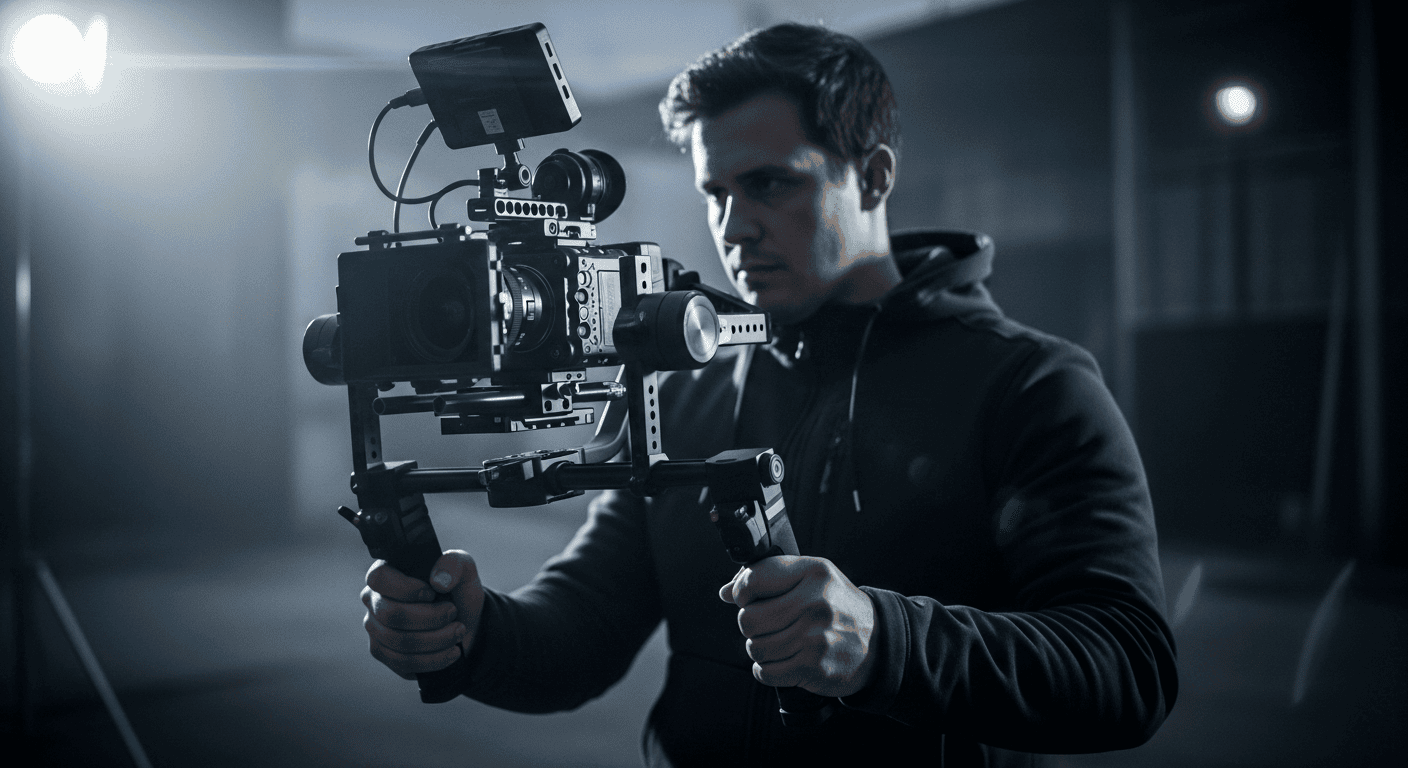
Deconstructing the Masters
To understand the craft, one must deconstruct the work of those who have mastered it. Watch films not just for plot, but for how they are made. Analyze the lighting in a scene by Vittorio Storaro, ASC, AIC, in Apocalypse Now. Observe the blocking and camera movement in a sequence by Akira Kurosawa. Study the production design in a film like Parasite (directed by Bong Joon-ho, cinematography by Hong Kyung-pyo), and how it influences the framing and the characters’ interactions. These are not passive viewings; they are active learning experiences. Break down why certain cinematic shots resonate. What combination of elements, composition, light, color, movement, contributes to their power? This analytical approach builds a foundation of knowledge that can then be applied and adapted to one’s own vision. Analyzing great films can reveal innovative applications of gimbal techniques for cinematic.Intentionality Over Aesthetics
Ultimately, the pursuit of mastery in cinematic shots boils down to intentionality. Every decision, from the choice of lens to the angle of a light source, must be deliberate. There is no room for “good enough” when the goal is to create something impactful. This rigorous approach is what defines the work of filmmakers who consistently produce compelling visuals. It is about understanding that aesthetics are a consequence of purpose, not the primary goal. When you approach every frame with the question, “What is this shot for?”, you begin to unlock its true potential. This mindset transforms the technical act of filmmaking into an art form, where every single one of your cinematic shots becomes a precise, meaningful statement. Therefore, considering gimbal techniques for cinematic should be part of this intentional process. Proper execution of gimbal techniques for cinematic can turn a good shot into a masterpiece. The craft is demanding. It requires precision, discipline, and an unwavering commitment to storytelling. But the reward is the ability to communicate with unparalleled clarity and emotional depth. These are the stakes. This is the work.Discover more from Olivier Hero Dressen Blog: Filmmaking & Creative Tech
Subscribe to get the latest posts sent to your email.
Need a Director for Your Next Project?
From commercials to branded campaigns—Olivier brings creative vision and technical expertise.
→ View Projects
Work with Olivier
Director | CD | DP & Photographer
Specializing in commercials, music videos, AI-driven filmmaking, and cinematic storytelling for brands and production companies.
🌍 Shanghai · Paris · Los Angeles · Dubai
🎬 View Portfolio & Get in Touch