

Key Takeaways
- First insight, Crafting compelling ai personas requires more than just descriptive text; it demands a director’s eye, leveraging specific cinematic and photographic terminology to achieve precise visual outcomes.
- Craft highlight, The prompts detailed here integrate advanced AI Render Pro concepts like camera angles, lens choices, lighting setups, and film stock emulations, providing granular control over the aesthetic and mood of your generated characters.
- Industry context, As AI generative tools evolve, the ability to articulate complex visual requirements becomes paramount. This guide equips artists and filmmakers with a professional lexicon to design unique, high-fidelity ai personas that stand out.
- Bottom line, Mastering these 10 character design prompts will elevate your AI art, transforming generic outputs into distinct, story-rich visual assets, making your creative workflow more efficient and impactful.
When designing ai personas, the precision of your prompt is paramount. Generic descriptions yield generic results. To forge unique, compelling characters through artificial intelligence, you must think like a director, a cinematographer, an artist with a clear vision. This article provides 10 essential character design prompts, each meticulously crafted to leverage the advanced capabilities of AI generative models, guiding you to create distinctive ai personas with unparalleled detail and artistic intent.
Need a Director for Your Next Project?
From commercials to branded campaigns—Olivier brings creative vision and technical expertise.
→ View ProjectsThe Neo-Noir Detective: Crafting Shadowed AI Personas
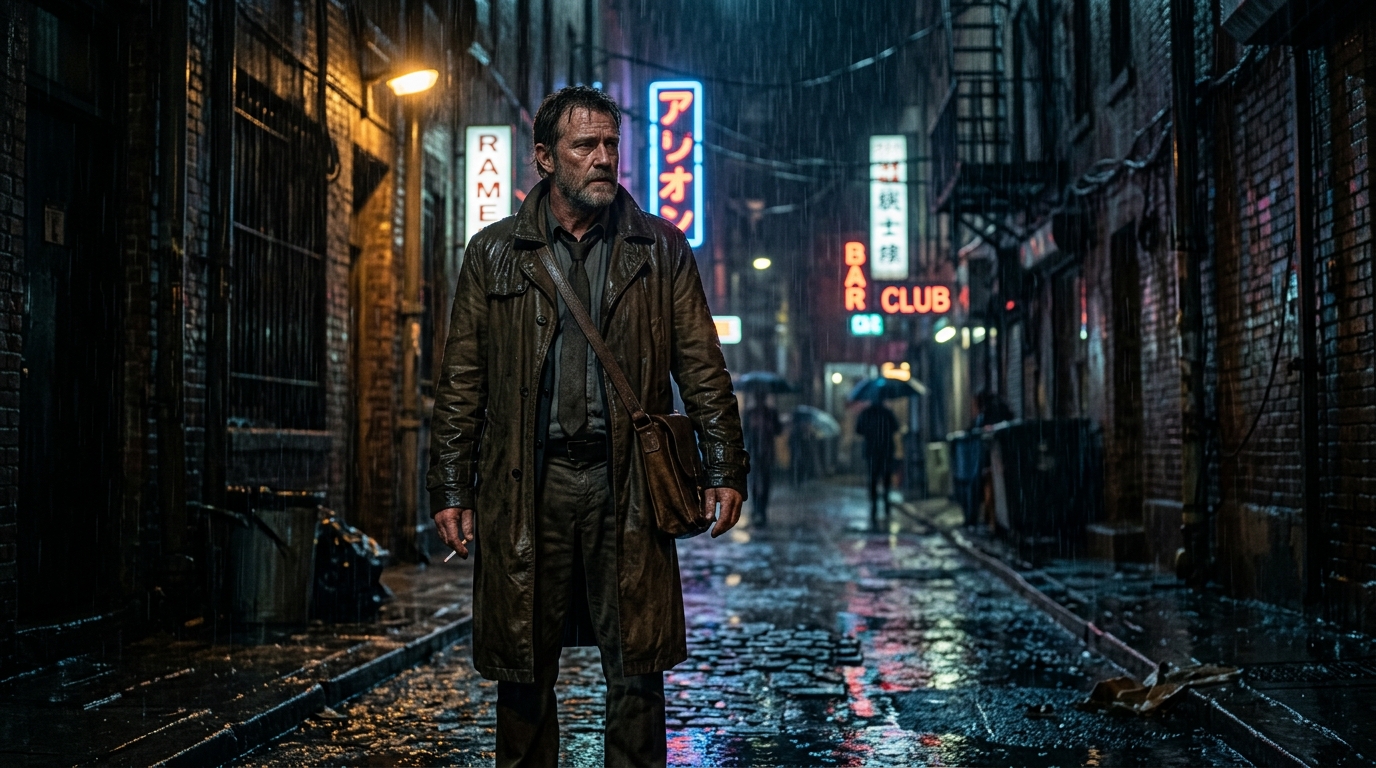
Prompt: “Close-up portrait of a grizzled, trench-coat-clad detective, rain glistening on his fedora brim, cigarette smoke curling into harsh shadows. Shot with an Arri Alexa Mini LF, 50mm anamorphic lens, low-key lighting with strong rim light from a single practical source (e.g., neon sign), high contrast black and white film stock (Kodak Tri-X 400 emulation), cinematic grain, deep blacks, shallow depth of field. Mood: weary, cynical, resolute. Art style: Photorealistic, Neo-Noir.”
This prompt is designed to evoke the classic, brooding aesthetic of film noir, updated with a modern, gritty edge. It’s not just about describing a character; it’s about setting a scene, defining the atmosphere, and dictating the visual language. The choice of an Arri Alexa Mini LF with a 50mm anamorphic lens immediately tells the AI to render a high-fidelity, widescreen image with characteristic anamorphic bokeh and lens flares, providing a sophisticated cinematic feel. The 50mm lens is ideal for portraits, offering a natural perspective without distortion.
The lighting setup is critical here: “low-key lighting with strong rim light from a single practical source” is the cornerstone of noir. This creates dramatic shadows that obscure parts of the face, emphasizing mystery and internal conflict. The “neon sign” as a practical source hints at a specific urban environment, adding context without explicitly stating it. This level of detail in lighting is what transforms a simple character render into a narrative piece.
For filmmakers looking to bring their vision to life, tools like AI Render Pro, the prompting tool for filmmakers and creatives, are indispensable for achieving such precise artistic control.
Furthermore, specifying “high contrast black and white film stock (Kodak Tri-X 400 emulation)” with “cinematic grain” and “deep blacks” ensures the image has a timeless, gritty texture, far removed from sterile digital perfection. Kodak Tri-X 400 is renowned for its rich tonality and distinct grain structure, making it a perfect choice for this mood.
The “shallow depth of field” isolates the detective, drawing all attention to his weary face, a common technique in dramatic portraiture. This prompt doesn’t just describe a person; it crafts an entire visual experience, making these ai personas immediately impactful. The mood adjectives “weary, cynical, resolute” guide the AI in subtle facial expressions and body language, ensuring the character’s inner world is reflected externally.
The Cybernetic Shaman: Merging Tech and Mythology
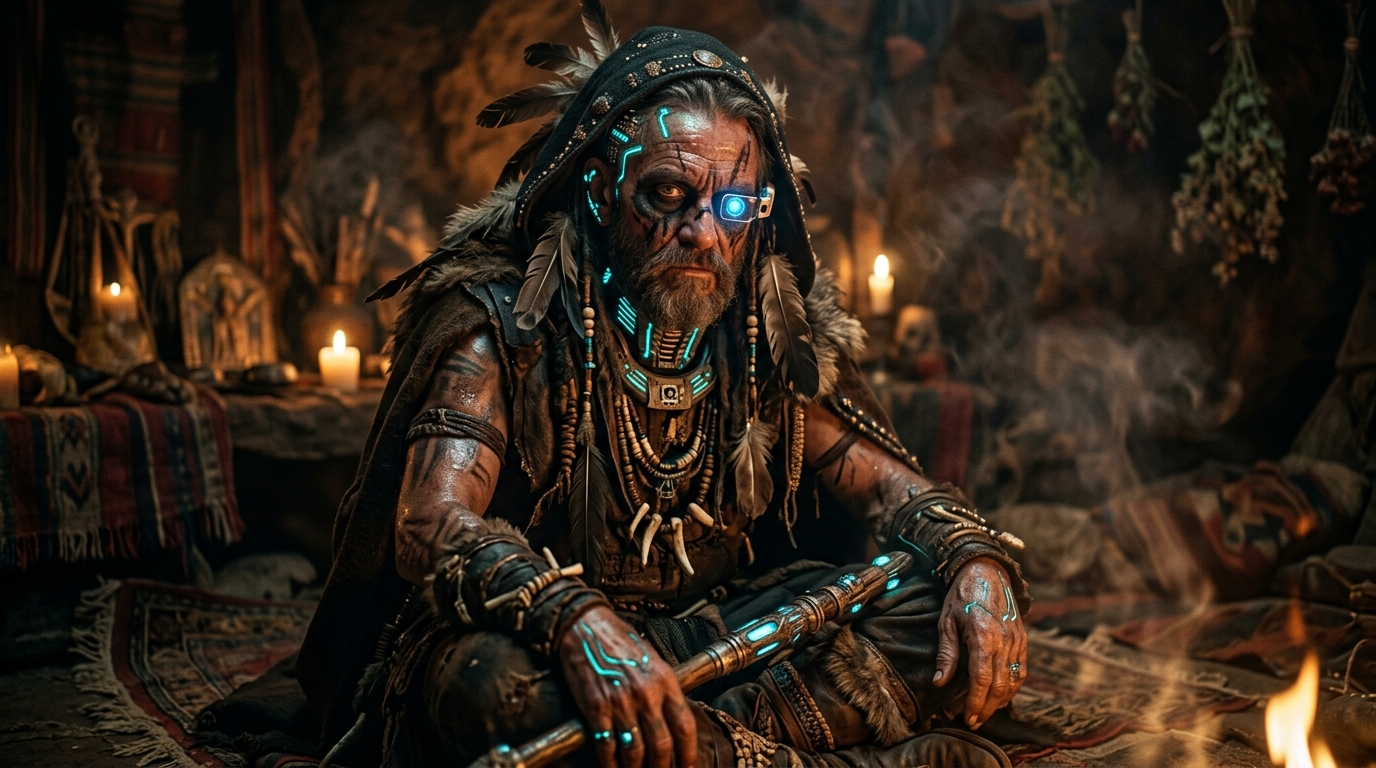
Prompt: “Full body shot of a Cybernetic Shaman, adorned with bioluminescent tribal markings and intricate circuitry woven into organic materials like bone and leather. Headdress made of augmented reality projections and weathered animal skulls. Standing on a mist-shrouded ancient forest floor, under a canopy of glowing data vines. Shot with a Red Komodo, 24mm wide-angle lens, mystical volumetric lighting with cool blues and warm greens, high dynamic range, digital film look (Arri Look Library ‘Vibrant’ emulation), subtle lens flare, deep focus. Mood: enigmatic, powerful, ancient wisdom meets future tech. Art style: Sci-Fi Fantasy, Afrofuturism elements.”
This prompt aims for a fusion of disparate elements: ancient spirituality and advanced technology. The “Cybernetic Shaman” is a concept that demands visual contradiction and harmony. By detailing specific elements like “bioluminescent tribal markings” and “circuitry woven into organic materials,” we push the AI to blend textures and light sources in unique ways.
The “augmented reality projections” in the headdress introduce a dynamic, ethereal quality that would be challenging to convey without such explicit instruction. This kind of nuanced character generation is a hallmark of truly unique ai personas.
The camera choice, a Red Komodo, paired with a 24mm wide-angle lens, indicates a desire for a broad, immersive view of the character within their environment. The wide-angle lens helps capture the grandeur of the “mist-shrouded ancient forest floor” and the “canopy of glowing data vines,” establishing the world around the shaman.
“Mystical volumetric lighting with cool blues and warm greens” is crucial for creating depth and atmosphere, suggesting magical energy interacting with the environment. This type of lighting, often seen in high-budget fantasy films, adds a layer of magic and realism to the scene.
The “high dynamic range” and “digital film look (Arri Look Library ‘Vibrant’ emulation)” ensure a rich color palette and a modern, polished cinematic finish. The “subtle lens flare” adds a touch of visual poetry, hinting at light sources within the frame or just outside. “Deep focus” keeps both the shaman and his environment sharp, reinforcing the connection between the character and his world.
This prompt is a masterclass in world-building through character design, demonstrating how powerful and evocative ai personas can be when given specific, multi-layered instructions. It’s about creating a character that tells a story simply by their appearance and setting. For more on how AI is shaping creative industries, see this TechCrunch article on the future of generative AI.
The Solarpunk Engineer: Visions of Sustainable Futures
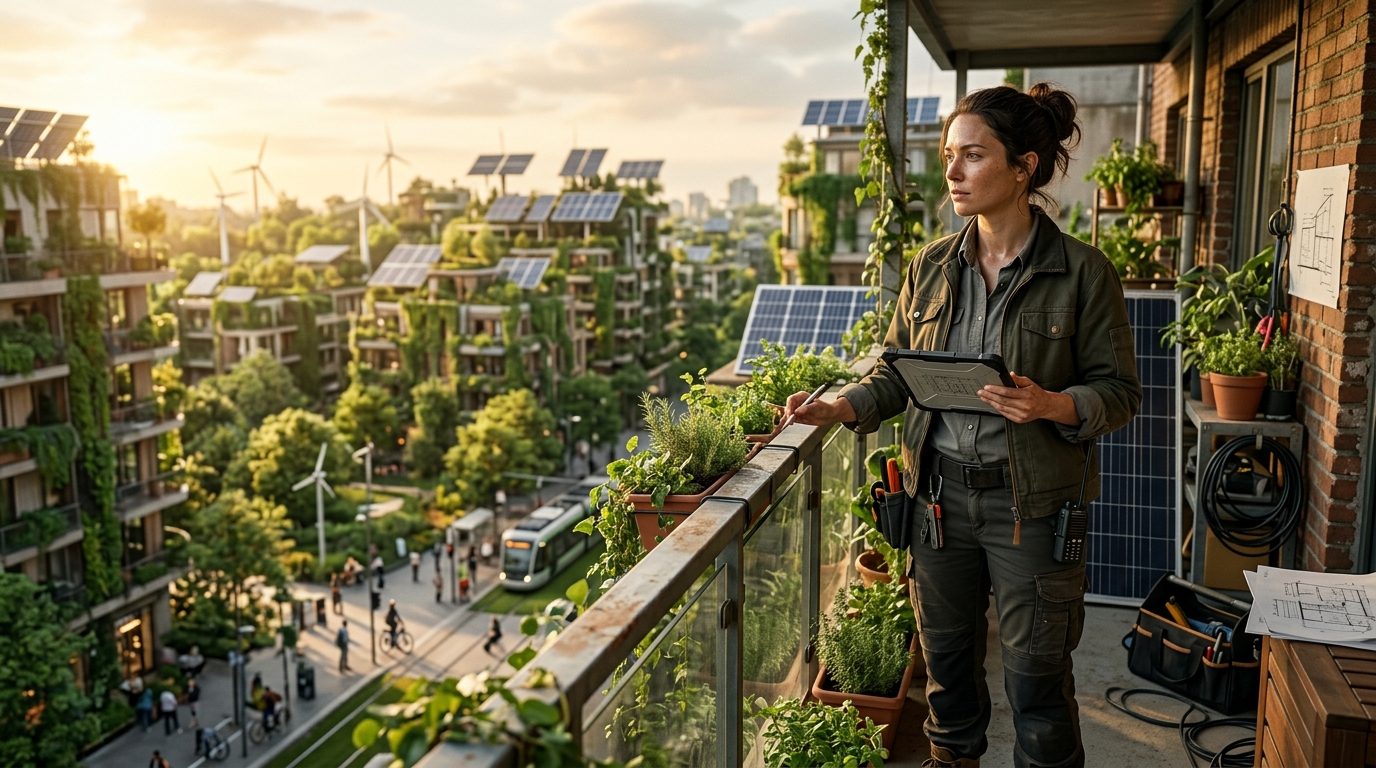
Prompt: “Medium shot of a pragmatic Solarpunk Engineer, 30s, with sun-kissed skin and hands stained with grease from working on intricate kinetic sculptures. Wearing practical, upcycled clothing made from natural fibers, adorned with small, functional solar panels and integrated plant life. Standing on a rooftop garden overlooking a bustling, green cityscape powered by renewable energy. Shot with a Sony VENICE, 85mm prime lens, bright and optimistic natural sunlight (high-key lighting), warm color temperature, vivid and clean film stock (Fuji Eterna 250D emulation), minimal grain, crisp detail, open aperture for soft background bokeh. Mood: hopeful, ingenious, grounded. Art style: Solarpunk, Utopian Realism.”
This prompt constructs a vision of a positive, sustainable future through its central character. The Solarpunk Engineer embodies optimism and ingenuity. Describing specific details like “sun-kissed skin,” “hands stained with grease,” and “upcycled clothing with integrated plant life” grounds the character in their world and profession. These details are vital for making ai personas feel real and lived-in, not just generic archetypes.
The choice of “natural fibers” and “functional solar panels” immediately conveys the ethos of the Solarpunk movement.
The camera, a Sony VENICE, known for its exceptional color science and dynamic range, combined with an 85mm prime lens, is perfect for a flattering, detailed portrait that maintains a professional cinematic quality. The 85mm lens is a classic choice for portraits, offering a beautiful compression and a pleasing perspective.
“Bright and optimistic natural sunlight (high-key lighting)” with a “warm color temperature” establishes an uplifting and hopeful mood, reflecting the core tenets of Solarpunk. This lighting choice is crucial for differentiating it from the often grim aesthetics of other futuristic genres.
Specifying “vivid and clean film stock (Fuji Eterna 250D emulation)” with “minimal grain” ensures a sharp, vibrant image, free from the grittiness often associated with other character types. Fuji Eterna stocks are known for their fine grain and natural color reproduction, making them ideal for this bright, clean aesthetic.
The “open aperture for soft background bokeh” isolates the engineer while still hinting at the “bustling, green cityscape” behind them, emphasizing their role within this utopian vision. This precise direction allows for the creation of ai personas that are not only visually striking but also deeply thematic. For filmmakers looking to equip their creative toolkit, exploring DesignHero Shop, filmmaker merch and creative tools can provide inspiration and practical gear.
The Steampunk Alchemist: Intricate Mechanisms and Warm Light
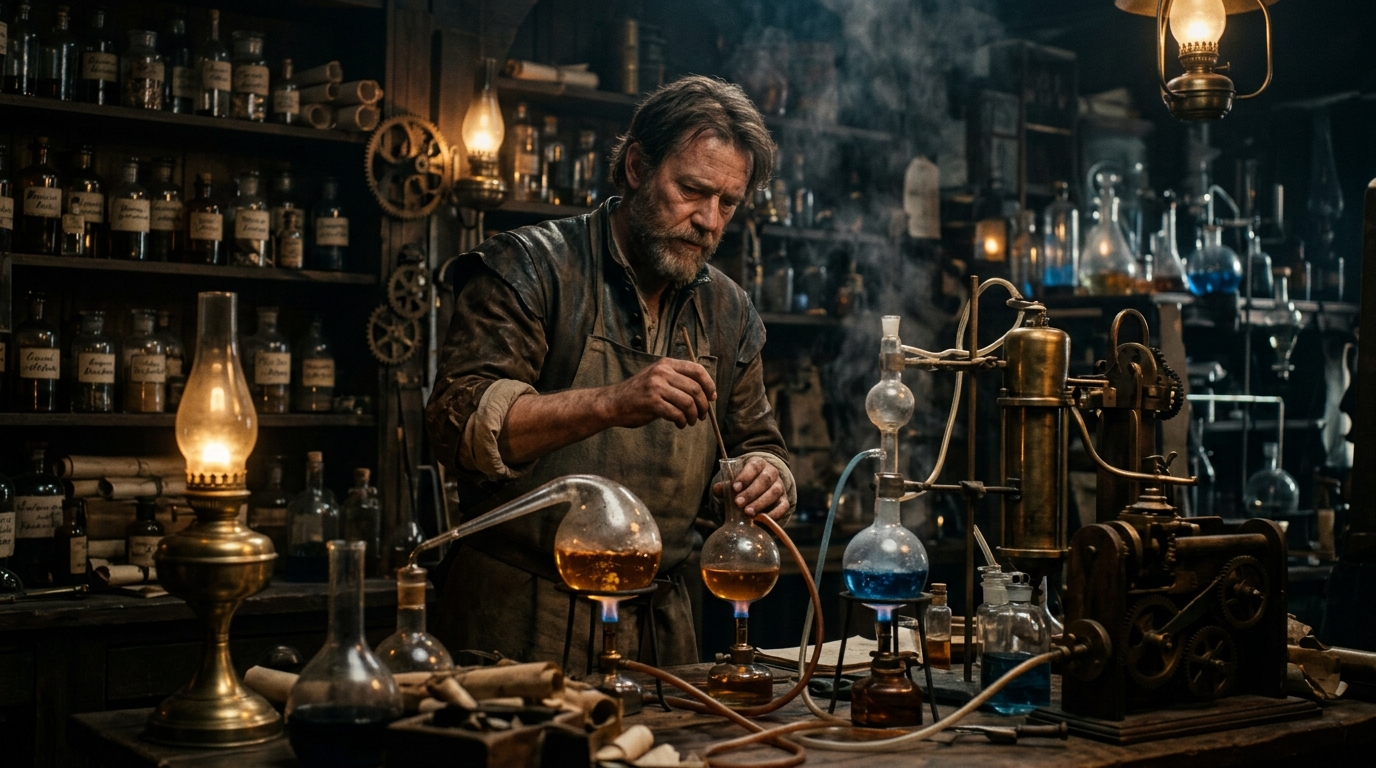
Prompt: “Waist-up portrait of an eccentric Steampunk Alchemist, late 40s, with goggles pushed onto their forehead, a meticulous array of brass gears, pressure gauges, and glass vials integrated into their leather coat and utility belt. A faint, glowing aura emanates from a mystical device in their hand. Background is a cluttered, gaslight-lit laboratory filled with bubbling retorts and antique machinery. Shot with a Canon C70, 100mm macro lens, warm, diffused practical lighting (gaslight and incandescent bulbs), low contrast, sepia-toned film stock (Kodak Vision3 50D emulation), subtle bloom, shallow depth of field. Mood: curious, inventive, slightly mad. Art style: Steampunk, Victorian Futurism.”
This prompt delves into the rich, intricate world of Steampunk, focusing on a character who embodies its core principles of anachronistic technology and elaborate design. The “eccentric Steampunk Alchemist” is brought to life through details like “goggles pushed onto their forehead” and “a meticulous array of brass gears, pressure gauges, and glass vials integrated into their leather coat.” These specific elements are crucial for guiding the AI to generate a character that is unmistakably Steampunk and brimming with personality.
The “faint, glowing aura” from a device adds a magical, mysterious touch, hinting at their alchemical pursuits.
The choice of a Canon C70 with a 100mm macro lens is intentional. The macro lens is essential for capturing the minute details of the gears, gauges, and vials, allowing for an incredibly close and intricate rendering that is a hallmark of good Steampunk design. This lens choice elevates the visual fidelity of the character, making these ai personas truly stand out.
The background, a “cluttered, gaslight-lit laboratory,” further immerses the character in their environment, providing context and visual interest.
“Warm, diffused practical lighting (gaslight and incandescent bulbs)” is key to achieving the distinctive glow and cozy, historical feel of Steampunk. This specific lighting setup avoids harsh modern illumination, instead opting for a soft, inviting glow. The “low contrast” and “sepia-toned film stock (Kodak Vision3 50D emulation)” with “subtle bloom” further enhance the vintage, dreamlike quality.
Kodak Vision3 50D is known for its fine grain and excellent color rendition, which, when sepia-toned, perfectly captures the nostalgic warmth. “Shallow depth of field” ensures the focus remains sharply on the alchemist and their intricate gear, while the background provides atmospheric context. This detailed approach ensures that every pixel contributes to the overall narrative of the character.
The Post-Apocalyptic Archivist: Gritty Realism and Desaturated Tones
🎬 AI Render Pro Studio, the AI film production suite I built and use on my own productions. Script breakdown, storyboards, 30+ video models including Seedance 2.5 and Kling O3, image generation, retouch, 7K upscaling and audio, all in one browser workspace. $19/month flat, bring your own API keys and pay providers at cost, no credit packs, no markup. Try AI Render Pro Studio →
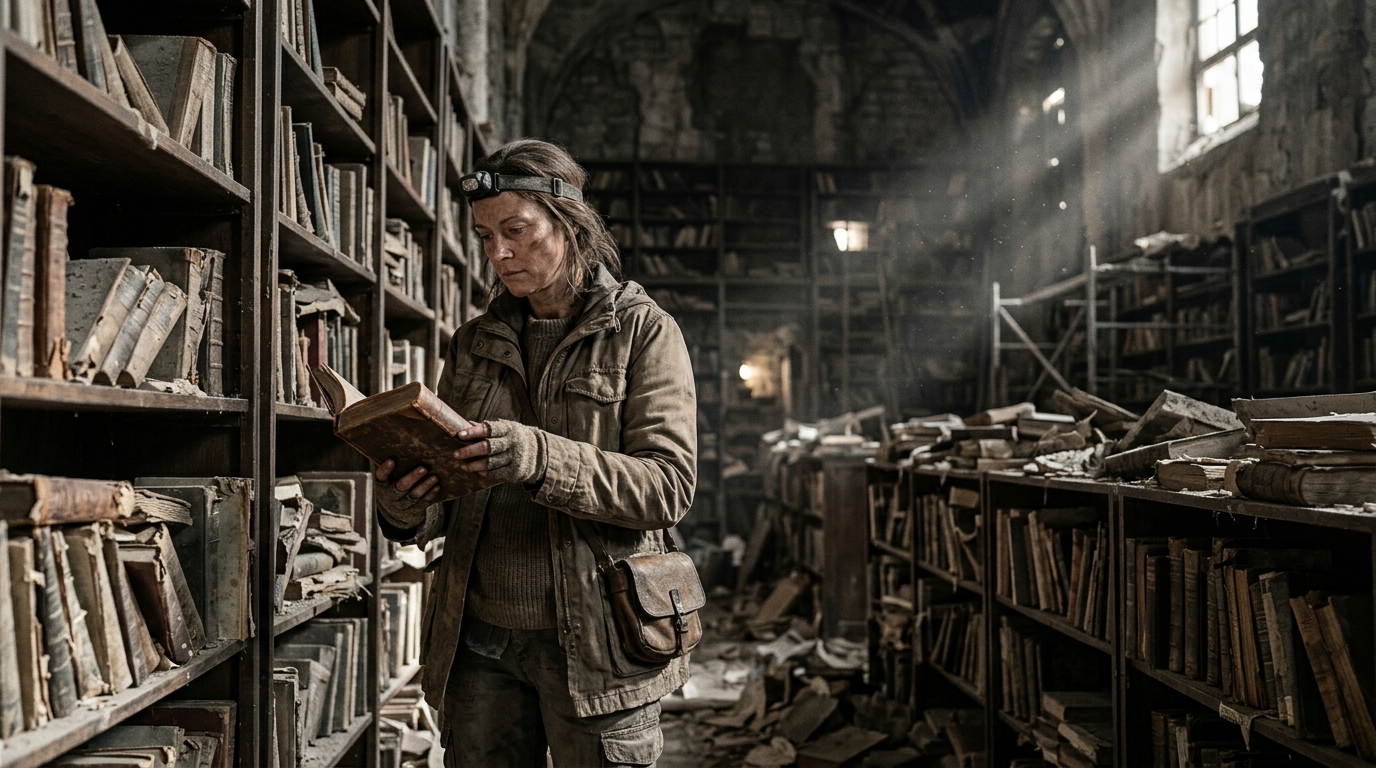
Prompt: “Three-quarter profile shot of a Post-Apocalyptic Archivist, mid-20s, with a determined yet weary expression, wearing patched-up, utilitarian clothing made from salvaged materials. Their backpack is overflowing with bound books and ancient data drives. Dust motes visible in the sparse light filtering through a broken window of a ruined library. Shot with a Blackmagic Pocket 6K Pro, 35mm prime lens, low-key directional lighting from a single window, cool color temperature, desaturated film stock (Fuji Eterna 500T emulation), heavy grain, deep shadows, wide aperture for environmental storytelling. Mood: resilient, solitary, keeper of knowledge. Art style: Gritty Realism, Dystopian.”
This prompt focuses on creating a survivor in a desolate future, emphasizing resilience and the importance of preserving knowledge. The “Post-Apocalyptic Archivist” is characterized by “patched-up, utilitarian clothing made from salvaged materials,” which immediately conveys their harsh reality and resourcefulness.
The image of a “backpack overflowing with bound books and ancient data drives” is a powerful visual metaphor for their role as a keeper of history in a world that has forgotten it. These specific details are crucial for generating authentic and believable ai personas that resonate with a narrative.
The camera choice, a Blackmagic Pocket 6K Pro with a 35mm prime lens, is selected for its ability to capture raw, cinematic detail and its excellent low-light performance, which is ideal for the environment described. The 35mm lens is versatile, offering a natural field of view that balances character and environment.
“Low-key directional lighting from a single window” is a classic technique for creating dramatic contrast and highlighting texture, perfectly suiting the gritty, somber mood. The “dust motes visible in the sparse light” add a layer of realism and atmosphere, making the scene feel tangible.
“Cool color temperature” combined with “desaturated film stock (Fuji Eterna 500T emulation)” and “heavy grain” establishes a bleak, melancholic aesthetic, characteristic of post-apocalyptic settings. Fuji Eterna 500T is known for its excellent latitude and fine grain, which, when pushed and desaturated, yields a beautifully stark image. The “deep shadows” further enhance the sense of desolation and danger.
“Wide aperture for environmental storytelling” ensures that while the archivist is the focus, the ruined library setting remains clear enough to contribute to the narrative, underscoring the character’s purpose. This level of prompt engineering allows artists to create compelling character designs for projects like The Backrooms story or other dystopian narratives.
The Galactic Diplomat: Elegance in the Cosmos
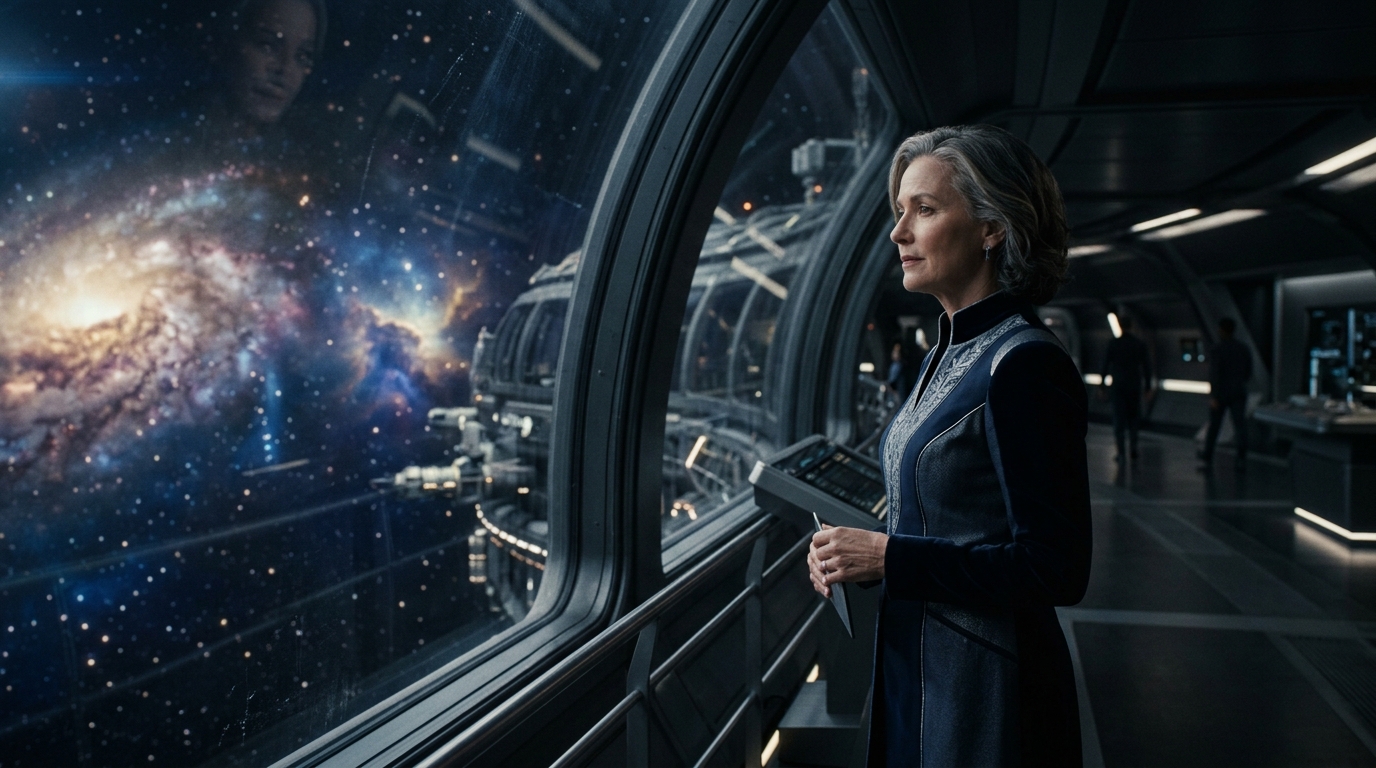
Prompt: “Medium close-up portrait of a serene Galactic Diplomat, ageless and poised, with intricate bioluminescent patterns subtly integrated into their skin and flowing, iridescent robes. They wear a minimalist, advanced communication earpiece. Background is a softly glowing nebula viewed from a sleek, futuristic starship bridge. Shot with an Alexa Mini, 75mm prime lens, soft, even, high-key lighting with subtle blue/purple gels, pristine digital film (REDCODE RAW emulation), minimal noise, smooth gradients, ethereal glow, shallow depth of field. Mood: intelligent, graceful, authoritative. Art style: High Sci-Fi, Elegant Futurism.”
This prompt aims to create an alien or highly evolved human diplomat, emphasizing elegance, intelligence, and a sense of cosmic grandeur. The “serene Galactic Diplomat” is defined by “intricate bioluminescent patterns subtly integrated into their skin” and “flowing, iridescent robes,” which suggest advanced biology or technology and a refined aesthetic. The “minimalist, advanced communication earpiece” hints at their profession without cluttering the design.
These details are vital for crafting believable and visually stunning ai personas that fit into a vast sci-fi universe.
The camera, an Alexa Mini, with a 75mm prime lens, is chosen for its superior image quality and ability to render skin tones beautifully, essential for a character whose appearance is a key part of their identity. The 75mm lens offers a slightly tighter, more intimate portrait view than an 85mm, perfect for conveying poise. “Soft, even, high-key lighting with subtle blue/purple gels” creates an ethereal and sophisticated atmosphere, suitable for a cosmic setting.
This lighting choice enhances the bioluminescent patterns and the iridescent quality of the robes, making the character visually captivating.
The “pristine digital film (REDCODE RAW emulation)” with “minimal noise” and “smooth gradients” ensures a clean, high-fidelity image that speaks to advanced technology and sterile environments. REDCODE RAW is known for its flexibility and detail retention, allowing for a polished, futuristic look. The “ethereal glow” reinforces the character’s otherworldly nature.
“Shallow depth of field” brings the diplomat into sharp focus, while the “softly glowing nebula” background provides a majestic, cosmic context without distracting from the main subject. This meticulous approach to prompt engineering helps create ai personas that are both visually stunning and narratively rich, perfect for exploring themes of global drama in a cosmic setting.
The Mythic Beast Tamer: Epic Scale and Dramatic Lighting
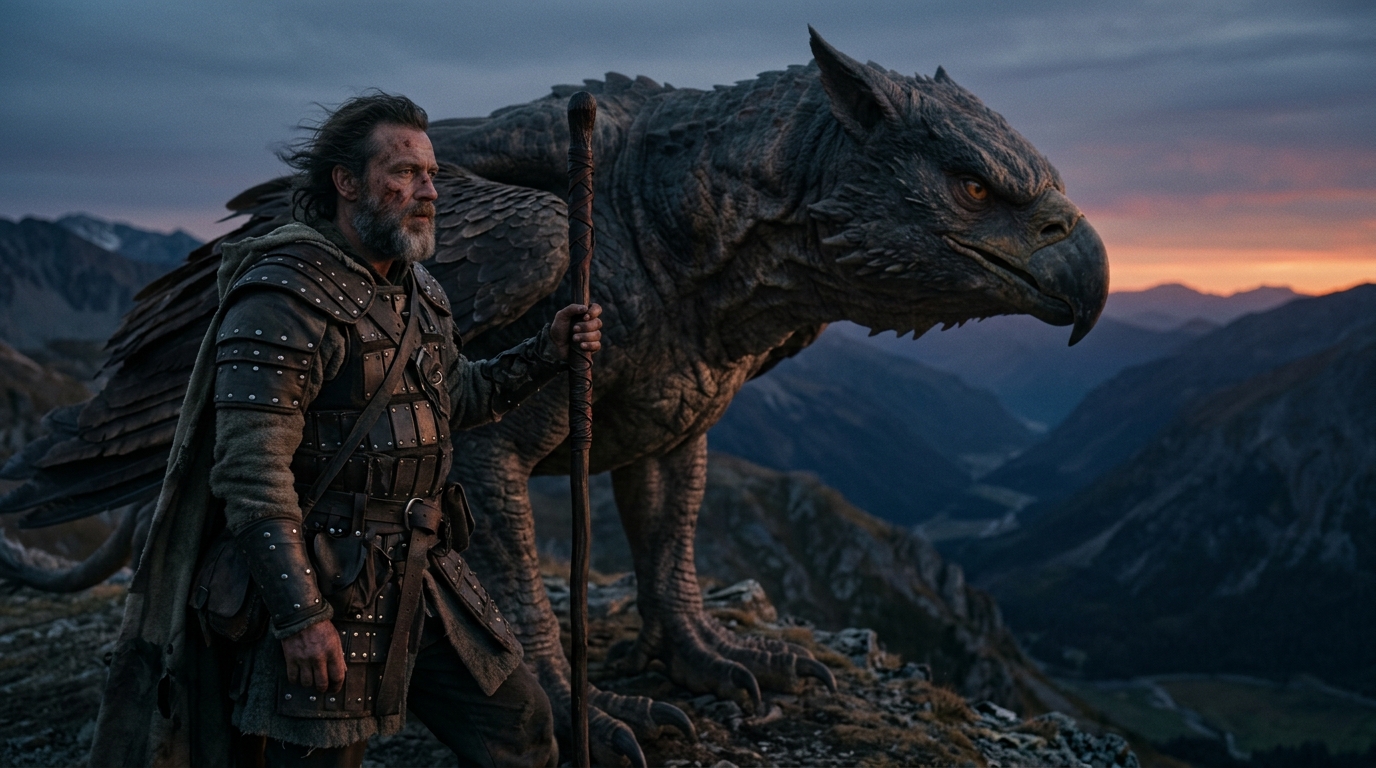
Prompt: “Epic wide shot of a powerful Mythic Beast Tamer, mid-30s, standing defiant against a stormy, mountainous backdrop, with a colossal, fantastical creature partially visible behind them. They wear rugged, battle-worn armor adorned with trophies from past hunts. Their eyes glow faintly with a connection to the beast. Shot with an IMAX camera, 14mm ultra-wide lens, dramatic chiaroscuro lighting (backlit by lightning, strong shadows), cool blues and grays, high contrast, cinematic film stock (Kodak Vision3 250D emulation), heavy atmospheric effects (rain, mist), deep focus. Mood: formidable, wild, symbiotic. Art style: Epic Fantasy, Dark Academia elements.”
This prompt aims for a grand, epic scale, creating a character who commands respect and embodies raw power. The “Mythic Beast Tamer” is designed to be awe-inspiring, with “rugged, battle-worn armor adorned with trophies” immediately conveying their dangerous profession and history. The “colossal, fantastical creature partially visible behind them” is a crucial element that establishes the tamer’s power and the scale of their world.
The “eyes glow faintly” adds a mystical touch, hinting at a deeper connection with their beast. Such detailed instructions are vital for generating truly unique and impactful ai personas.
The camera choice, an IMAX camera, coupled with a 14mm ultra-wide lens, is specified to achieve a truly monumental, expansive view. This setup is designed for maximum immersion, capturing the vastness of the “stormy, mountainous backdrop” and the sheer size of the creature. This lens choice ensures that both the tamer and their environment are rendered with breathtaking scope, making the image feel truly epic.
For filmmakers, understanding these technical choices is part of the Hero’s Essentials: filmmaker gear and tools.
“Dramatic chiaroscuro lighting (backlit by lightning, strong shadows)” is essential for creating high contrast and a sense of danger and power. The “backlit by lightning” detail provides a dynamic, transient light source that adds immense visual drama. “Cool blues and grays” enhance the stormy, formidable atmosphere.
“High contrast” and “cinematic film stock (Kodak Vision3 250D emulation)” with “heavy atmospheric effects (rain, mist)” contribute to a gritty, high-stakes fantasy aesthetic. Kodak Vision3 250D is a versatile stock, perfect for dramatic lighting conditions. “Deep focus” ensures that every element, from the tamer to the distant mountains, is sharp, reinforcing the epic scale and intricate details within the frame.
The Dream Weaver: Ethereal Visions and Soft Focus
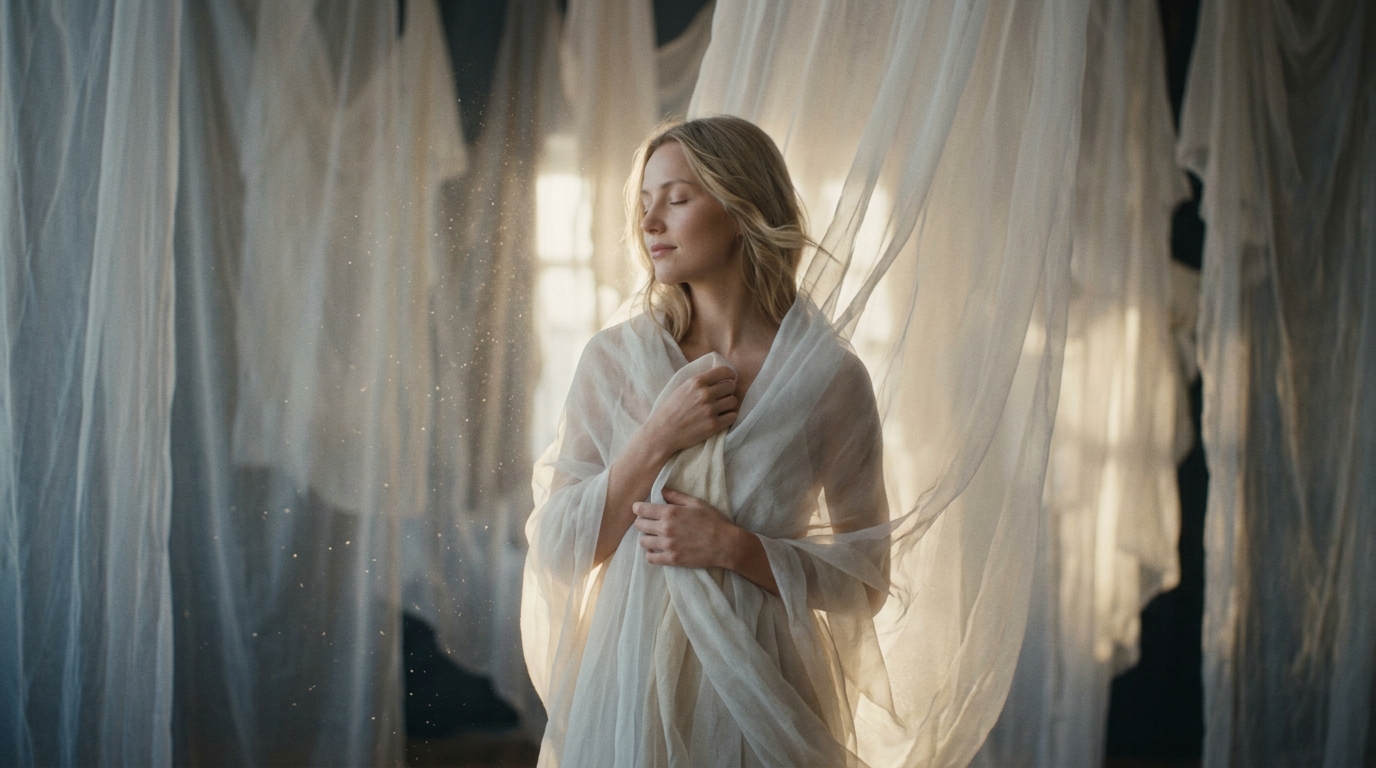
Prompt: “Soft focus portrait of an ethereal Dream Weaver, gender-fluid, with translucent, shimmering fabric draped around them, adorned with glowing sigils and wisps of starlight. Their eyes are vast, cosmic pools reflecting nebulas. They float gently above a bed of luminous clouds, reaching out as if to sculpt a dream. Shot with a Medium Format Digital Camera (Hasselblad H6D), 120mm macro lens, soft, diffused, glowing light from an unseen source (practicals within the clouds), pastel color palette, low contrast, dreamy film stock (Lomography Color Negative 800 emulation), subtle chromatic aberration, very shallow depth of field. Mood: serene, mystical, creative. Art style: Surreal Fantasy, Ethereal.”
This prompt aims to create a character that embodies the essence of dreams and the mystical. The “ethereal Dream Weaver” is described with “translucent, shimmering fabric,” “glowing sigils,” and “wisps of starlight,” all designed to convey an otherworldly, delicate presence. The detail of “eyes are vast, cosmic pools reflecting nebulas” is crucial for imbuing the character with a profound, almost divine, connection to the cosmos and the realm of dreams. These specific visual cues are what make these ai personas truly unique and evocative.
The camera choice, a Medium Format Digital Camera (Hasselblad H6D), with a 120mm macro lens, is selected for its unparalleled resolution and ability to render incredibly fine details with a beautiful, creamy bokeh. The macro lens, while usually for close-ups, here contributes to the dreamlike quality by allowing for extreme shallow depth of field, dissolving the background into soft blurs.
“Soft, diffused, glowing light from an unseen source (practicals within the clouds)” creates a gentle, luminous environment, emphasizing the character’s ethereal nature. The mention of “practicals within the clouds” adds a touch of magical realism to the lighting.
A “pastel color palette” and “low contrast” further enhance the dreamy, delicate aesthetic, avoiding any harshness. “Dreamy film stock (Lomography Color Negative 800 emulation)” with “subtle chromatic aberration” is chosen for its characteristic unpredictable colors, soft focus, and optical imperfections, which perfectly mimic the whimsical, imperfect nature of dreams. Lomography films are known for their unique, often surreal, look.
“Very shallow depth of field” ensures the Dream Weaver is the sole, sharply rendered focus, making the background a mere suggestion of their luminous world. This detailed approach to prompt creation allows for highly artistic and imaginative AI art.
The Urban Cryptid: Mystery in the Mundane
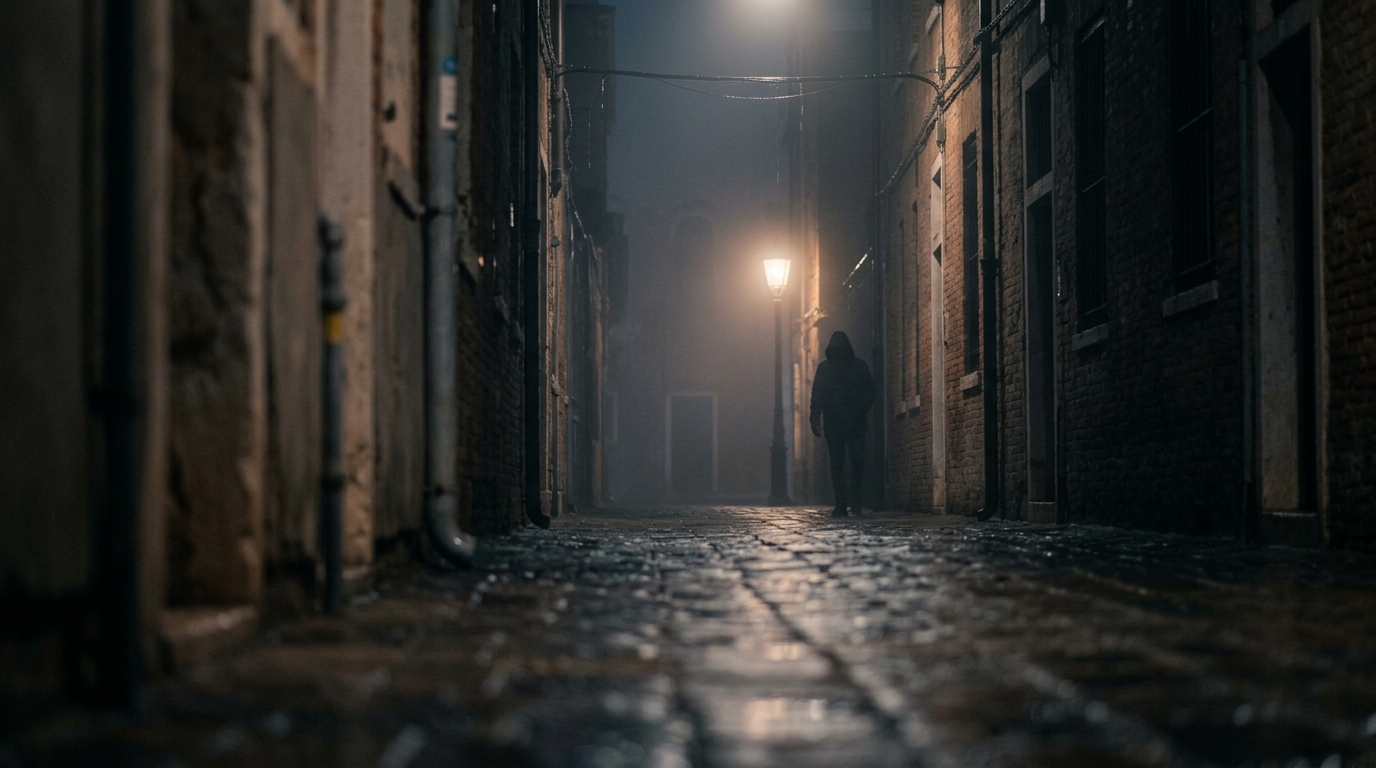
Prompt: “Candid street photography style shot of a mysterious Urban Cryptid, ambiguous age/gender, subtly blending into a bustling city crowd, but with one anomalous feature (e.g., elongated shadow, eyes that glow faintly in reflections, or unusual skin texture visible on a hand). They wear nondescript, modern street clothes. Shot from a low angle, obscured by passersby, in a rain-slicked alley at night, under the harsh glow of a single streetlamp. Shot with a Fujifilm X-T5, 23mm f/1.4 prime lens, harsh, directional contrasty lighting, cool urban color grading, grainy digital film (Cinestill 800T emulation), strong bokeh from city lights, motion blur in background. Mood: elusive, enigmatic, haunting. Art style: Urban Fantasy, Gritty Realism.”
This prompt aims to create a sense of mystery and unease by placing a fantastical element within an ordinary urban setting. The “Urban Cryptid” is designed to be almost imperceptible, with “one anomalous feature” that subtly hints at its true nature, like “elongated shadow” or “eyes that glow faintly in reflections.” This subtlety is key to the character’s elusive quality, making these ai personas intriguing rather than overtly fantastical.
“Nondescript, modern street clothes” further aid in their blending into the mundane. For more unique character concepts, exploring Nano Banana character design prompts can provide similar inspiration.
The camera choice, a Fujifilm X-T5, with a 23mm f/1.4 prime lens, is perfect for street photography, known for its compact size, excellent image quality, and ability to capture candid moments. The 23mm lens (equivalent to 35mm full-frame) is a classic street photography focal length, offering a natural perspective.
The “low angle, obscured by passersby” and “rain-slicked alley at night, under the harsh glow of a single streetlamp” are essential environmental details that contribute to the cryptid’s hidden, mysterious presence and the overall gritty urban atmosphere.
“Harsh, directional contrasty lighting” from the streetlamp creates deep shadows and highlights, typical of urban night scenes, enhancing the sense of mystery. “Cool urban color grading” and “grainy digital film (Cinestill 800T emulation)” give the image a distinct, atmospheric look. Cinestill 800T is famous for its unique halation effect around bright lights and its cinematic grain, which is ideal for evoking a nocturnal urban mood.
“Strong bokeh from city lights” and “motion blur in background” further emphasize the candid, dynamic nature of street photography, making the cryptid feel like a fleeting glimpse rather than a posed subject. This approach makes for highly compelling retro prompts or urban fantasy creations.
The Chrononaut Historian: Anachronism and Temporal Depth
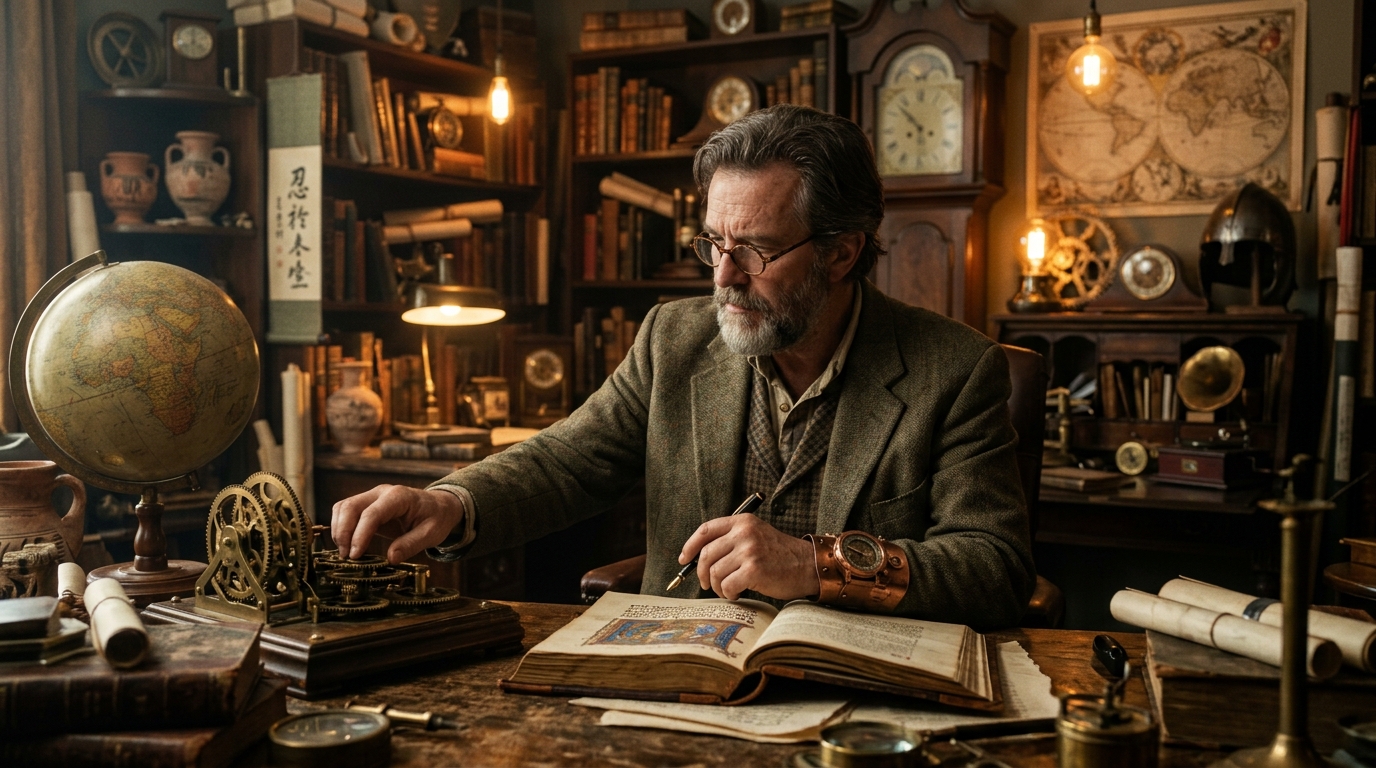
Prompt: “Full body shot of a scholarly Chrononaut Historian, 40s, with a meticulous, anachronistic outfit blending elements from various historical periods (e.g., Victorian waistcoat, Roman sandals, 1920s aviator goggles). They hold an antique pocket watch that subtly distorts reality around its edges. Standing amidst a bustling marketplace, half medieval, half futuristic, with temporal anomalies shimmering in the air. Shot with a Panasonic LUMIX S1H, 28-70mm variable prime lens, complex mixed lighting (period-specific practicals clashing with futuristic LEDs), variable color temperature, composite film look (blending Technicolor and modern digital), subtle temporal distortion effects, deep depth of field. Mood: analytical, observant, detached. Art style: Historical Sci-Fi, Steampunk elements.”
This prompt aims to create a character that embodies the concept of time travel and historical observation, blending different eras into a cohesive yet anachronistic design. The “scholarly Chrononaut Historian” is immediately defined by their “meticulous, anachronistic outfit blending elements from various historical periods.” This detail is crucial for communicating their role and the temporal nature of their existence, making these ai personas visually rich with narrative clues.
The “antique pocket watch that subtly distorts reality around its edges” is a key visual effect that hints at their power and the instability of time.
The camera choice, a Panasonic LUMIX S1H, with a 28-70mm variable prime lens, is chosen for its versatility and cinematic capabilities. The variable prime allows for dynamic framing within a single shot, capturing both the historian and the complex environment. The setting, a “bustling marketplace, half medieval, half futuristic, with temporal anomalies shimmering in the air,” is central to the character’s narrative, demanding a complex visual synthesis from the AI. This detailed environmental description is essential for truly immersive AI vision techniques.
“Complex mixed lighting (period-specific practicals clashing with futuristic LEDs)” is a sophisticated lighting instruction that demands the AI integrate different light sources and their associated color temperatures, creating a visually dynamic and temporally confused scene. The “variable color temperature” reinforces this clash of eras.
A “composite film look (blending Technicolor and modern digital)” with “subtle temporal distortion effects” is a highly advanced instruction, requiring the AI to synthesize distinct aesthetic qualities, reflecting the character’s journey through time. “Deep depth of field” ensures that the intricate details of both the historian’s attire and the bustling, anachronistic marketplace are clearly visible, contributing to the rich tapestry of the scene.
This prompt pushes the boundaries of AI character generation, creating truly unique and complex ai personas.
Every AI illustration in this article was crafted using AI Render Pro, the same prompting engine used across this blog. Read the full breakdown here.
Frequently Asked Questions
What is an AI persona?
An AI persona is a character or identity created through artificial intelligence, often generated from text prompts. These personas can range from simple avatars to complex, fully realized characters with detailed backstories, appearances, and personalities, used in various applications like virtual assistants, gaming, or narrative art.
Why are specific camera and lighting terms important in AI prompts?
Using specific camera, lens, lighting, and film stock terminology in AI prompts provides the generative model with precise instructions on visual style, mood, and composition. It translates artistic intent into technical parameters that AI can interpret, leading to more controlled, high-quality, and aesthetically consistent outputs, much like a director would communicate with a cinematographer.
Can I use these prompts with any AI art generator?
While these prompts are designed with advanced AI models like those optimized for AI Render Pro, the prompting tool for filmmakers and creatives in mind, many of the principles can be applied to other AI art generators (e.g., Midjourney, DALL-E, Stable Diffusion). The more sophisticated the AI, the better it will interpret and execute the nuanced cinematic and photographic instructions.
How do I adapt these prompts for different moods or genres?
To adapt these prompts, you can change the character’s description, the camera/lens choices, the lighting setup (e.g., from low-key to high-key), the film stock emulation, and the mood adjectives. For example, to shift a grim character to a hopeful one, you might switch from harsh, desaturated lighting to soft, warm, high-key illumination and adjust the color palette accordingly.
What is the benefit of including “Art style” in the prompt?
Including “Art style” helps guide the AI towards a specific aesthetic framework, ensuring consistency and enhancing the overall artistic vision. It can range from broad categories like “Photorealistic” or “Sci-Fi Fantasy” to more specific sub-genres like “Solarpunk” or “Neo-Noir,” giving the AI a clear reference for the desired visual language.
Discover more from Olivier Hero Dressen Blog: Filmmaking & Creative Tech
Subscribe to get the latest posts sent to your email.

Work with Olivier
Director | CD | DP & Photographer
Specializing in commercials, music videos, AI-driven filmmaking, and cinematic storytelling for brands and production companies.
🌍 Shanghai · Paris · Los Angeles · Dubai
🎬 View Portfolio & Get in Touch